
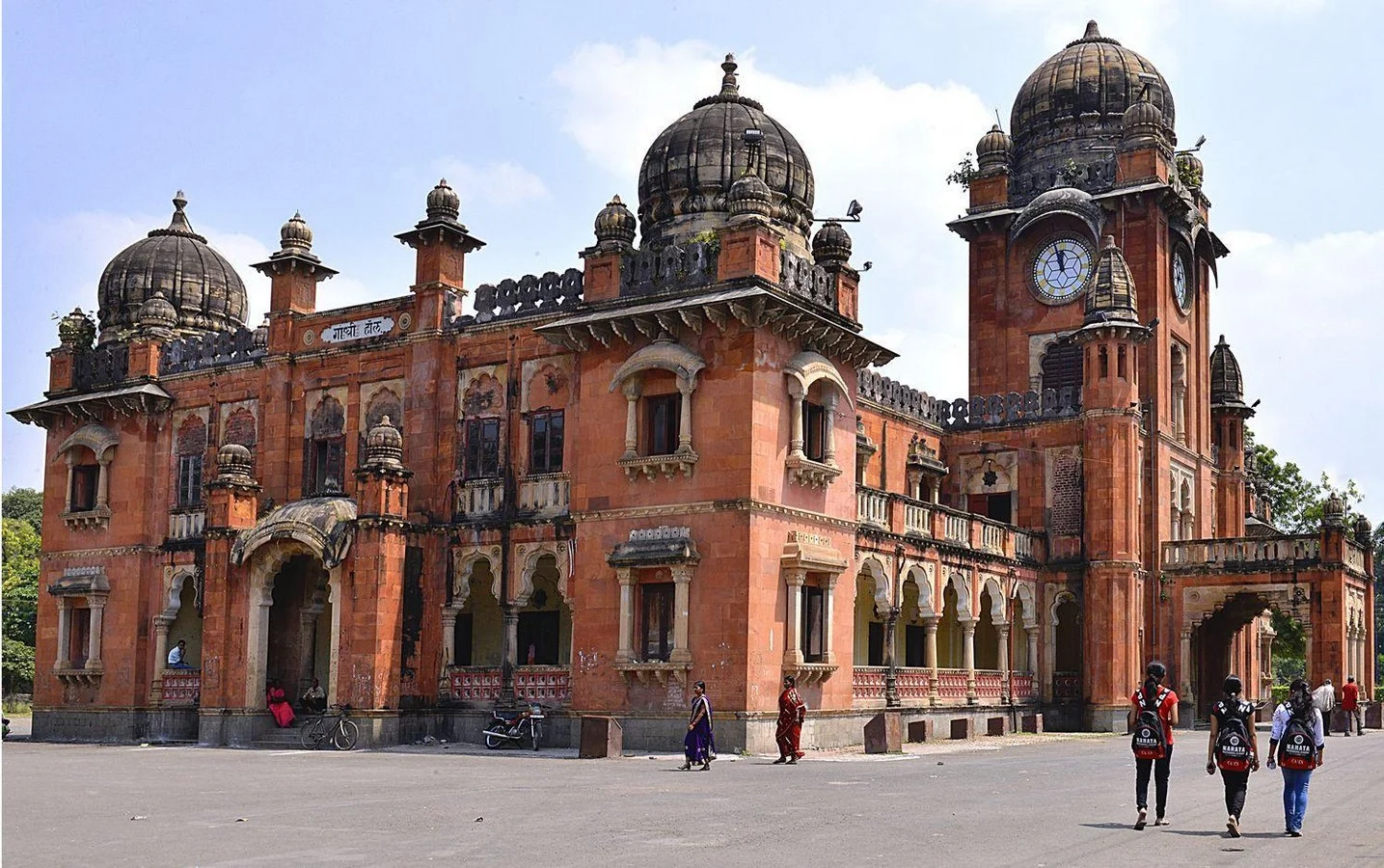
Gandhi Hall Indore: History, Architecture & Visitor Timings

Ananya Sharma
February 16, 2026
Discover Gandhi Hall in Indore, a magnificent Indo-Gothic structure built in 1904. Originally King Edward Hall, this heritage landmark features an iconic clock tower and hosts cultural events.
A Majestic Symbol of Indo-Gothic Architecture in the Heart of Indore
Standing tall as one of Indore's most iconic landmarks, Gandhi Hall captures the essence of colonial elegance and Indian heritage. This magnificent red sandstone structure, with its distinctive clock tower and imposing presence, has been witness to over a century of history. Originally known as King Edward Hall, this architectural marvel continues to serve as a vibrant cultural hub, hosting exhibitions, concerts, and public gatherings that celebrate the spirit of Indore.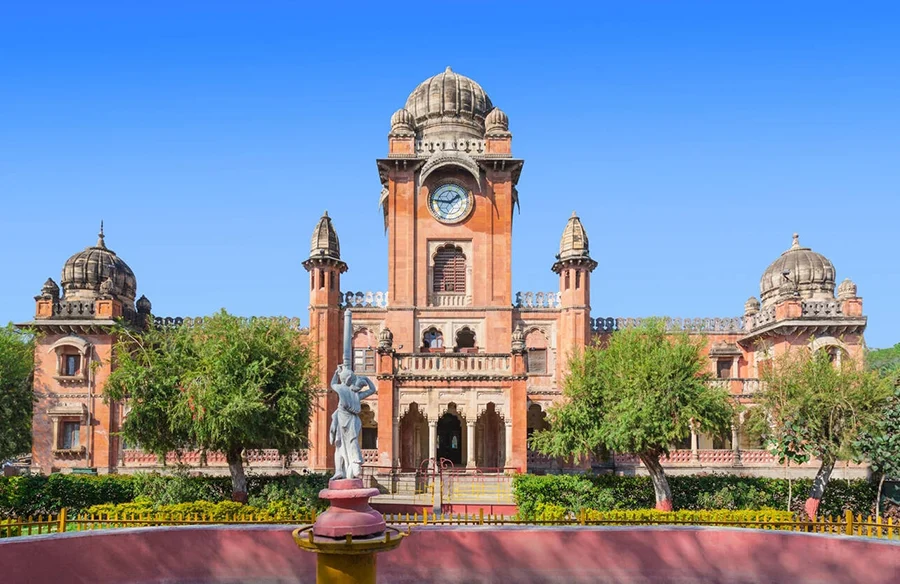 For travelers exploring Madhya Pradesh's commercial capital, Gandhi Hall offers more than just architectural splendor—it provides a glimpse into the city's colonial past while remaining deeply rooted in its present. Whether you're an architecture enthusiast, a history buff, or simply someone who appreciates beautiful buildings, Gandhi Hall is a must-visit destination that showcases the unique blend of Indo-Gothic style that makes Indore's heritage so distinctive.
The hall's strategic location in the city center makes it easily accessible, and its well-preserved condition speaks volumes about the importance Indore places on its cultural heritage. As you approach this magnificent structure, you'll be transported back to an era of grandeur and elegance, where craftsmanship and architectural prowess combined to create buildings that would stand the test of time.
For travelers exploring Madhya Pradesh's commercial capital, Gandhi Hall offers more than just architectural splendor—it provides a glimpse into the city's colonial past while remaining deeply rooted in its present. Whether you're an architecture enthusiast, a history buff, or simply someone who appreciates beautiful buildings, Gandhi Hall is a must-visit destination that showcases the unique blend of Indo-Gothic style that makes Indore's heritage so distinctive.
The hall's strategic location in the city center makes it easily accessible, and its well-preserved condition speaks volumes about the importance Indore places on its cultural heritage. As you approach this magnificent structure, you'll be transported back to an era of grandeur and elegance, where craftsmanship and architectural prowess combined to create buildings that would stand the test of time.
The Fascinating History of Gandhi Hall
From King Edward Hall to Gandhi Hall
The story of Gandhi Hall begins in 1904, when it was built as King Edward Hall to commemorate the coronation of King Edward VII. The hall was inaugurated by the Prince of Wales (later King George V) during his visit to India, making it a significant landmark from its very inception. The construction was a grand affair, reflecting the importance of Indore as a major princely state during the British era.| Year | Historical Event |
|---|---|
| 1904 | King Edward Hall built and inaugurated |
| 1905 | Prince of Wales visits Indore |
| 1948 | Renamed Gandhi Hall after Mahatma Gandhi |
| 1990s | Major restoration work undertaken |
| Present | Active cultural and events venue |
Architecture Designed by Charles Stevens
Gandhi Hall was designed by the renowned architect Charles Stevens, who was known for his expertise in Indo-Gothic architecture. Stevens had a unique ability to blend European architectural styles with Indian elements, creating buildings that were both functional and aesthetically pleasing. His design for Gandhi Hall incorporated the best of both worlds—Gothic arches and domes alongside Indian decorative elements. The choice of red sandstone as the primary building material was deliberate. This locally available stone not only provided durability but also gave the hall its distinctive warm hue that seems to glow in the Indore sunlight. The Stevens family of architects left a significant mark on Indian architecture, and Gandhi Hall stands as one of their finest creations in central India.A Venue for Historical Events
Throughout its history, Gandhi Hall has played host to numerous important events. From political rallies during the independence movement to cultural festivals celebrating Indore's rich artistic heritage, the hall has been at the center of the city's public life. It served as a meeting place for freedom fighters and later became the venue for important government functions. Indore's royal family, the Holkars, were frequent patrons of the hall, and many state ceremonies were conducted here. The hall's spacious interiors and excellent acoustics made it ideal for public addresses, concerts, and theatrical performances. Even today, it continues to serve as one of the most important venues for cultural events in the city.Architectural Marvel: Indo-Gothic Style
The Distinctive Indo-Gothic Elements
Gandhi Hall is a textbook example of Indo-Gothic architecture, a style that emerged during the British colonial period in India. This architectural fusion combined Gothic elements from Europe—such as pointed arches, ribbed vaults, and flying buttresses—with traditional Indian architectural features like domes, chhatris (pavilions), and intricate stone carvings.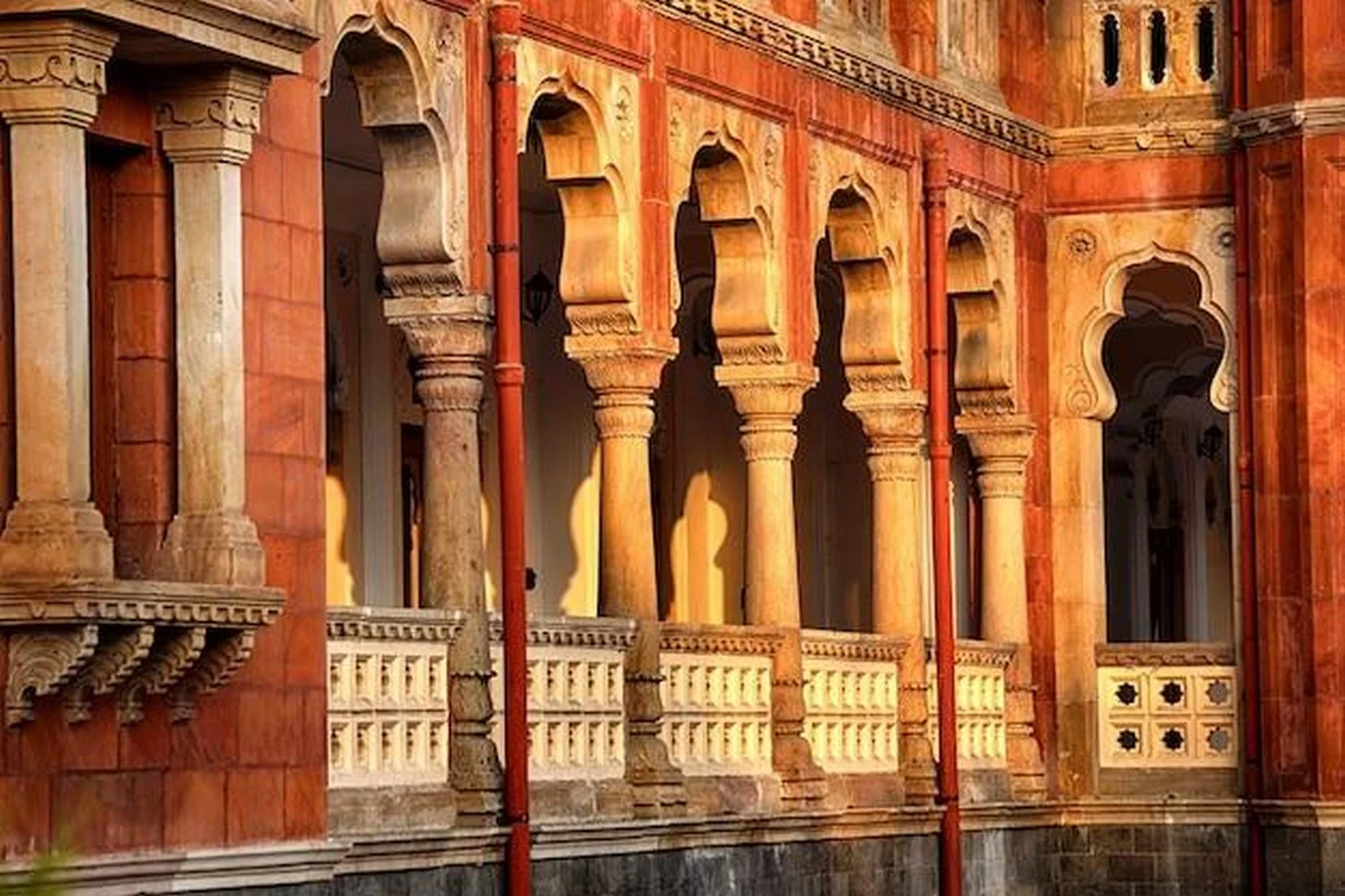 The facade of Gandhi Hall is dominated by its symmetrical design, with a central entrance flanked by beautifully carved windows and arches. The use of red sandstone gives the building a warm, inviting appearance while the white marble trim provides elegant contrast. The combination creates a visual harmony that is both imposing and graceful.
The Iconic Clock Tower (Ghantaghar)
Perhaps the most recognizable feature of Gandhi Hall is its magnificent clock tower, often referred to locally as "Ghantaghar." Rising above the main structure, the clock tower has become a landmark in its own right, serving as a meeting point and a reference location for Indore's residents.| Feature | Details |
|---|---|
| Architectural Style | Indo-Gothic fusion |
| Primary Material | Red sandstone |
| Clock Tower Height | Approximately 30 meters |
| Architect | Charles Stevens |
| Year Built | 1904 |
Interior Spaces and Design
The interior of Gandhi Hall is as impressive as its exterior. The main hall features a high vaulted ceiling supported by elegant arches, creating excellent acoustics for musical performances and public addresses. The spacious design allows for large gatherings, and the natural lighting that floods in through the high windows creates a warm, inviting atmosphere. The flooring, originally polished stone, has been maintained carefully over the decades. The interior walls feature decorative moldings and carvings that showcase the craftsmanship of the era. Despite being over a century old, the hall's interior retains much of its original charm and continues to be used for its intended purpose—as a public gathering space.Practical Visitor Information
Timings and Access
Gandhi Hall is primarily a functional venue and is open to visitors during events and exhibitions. However, the exterior can be viewed and photographed at any time. For those interested in exploring the interior, it's best to check the schedule of events or visit during public exhibitions.| Detail | Information |
|---|---|
| Viewing Hours | Exterior: 24/7 | Interior: During events only |
| Entry Fee | Free for exterior viewing | Varies for events |
| Photography | Allowed (exterior) |
| Best Time to Visit | October to March |
| Duration | 30 minutes to 1 hour |
How to Reach Gandhi Hall
By Air: The nearest airport is Devi Ahilyabai Holkar International Airport in Indore, approximately 10 kilometers from Gandhi Hall. Taxis and app-based cab services are readily available at the airport. By Rail: Indore Junction railway station is the main railhead, located about 2 kilometers from Gandhi Hall. Auto-rickshaws and taxis are available outside the station for the short journey to the hall. By Road: Gandhi Hall is located in the heart of Indore's city center, near the Rajwada Palace. The landmark is well-connected by road, and city buses, auto-rickshaws, and taxis all provide easy access. If you're driving, parking is available in nearby municipal lots.Nearby Attractions
Gandhi Hall's central location makes it an excellent starting point for exploring other heritage sites in Indore. The famous Rajwada Palace, the historic seat of the Holkar dynasty, is within walking distance. This seven-story structure, with its impressive blend of Maratha, Mughal, and French architectural styles, is a must-visit for anyone interested in Indore's royal heritage. Also nearby is the Central Museum (Indore Museum), which houses an impressive collection of artifacts from the region's ancient past, including sculptures, coins, and manuscripts. For those interested in religious architecture, the Kanch Mandir (Glass Temple) and Lal Bagh Palace are also easily accessible from Gandhi Hall.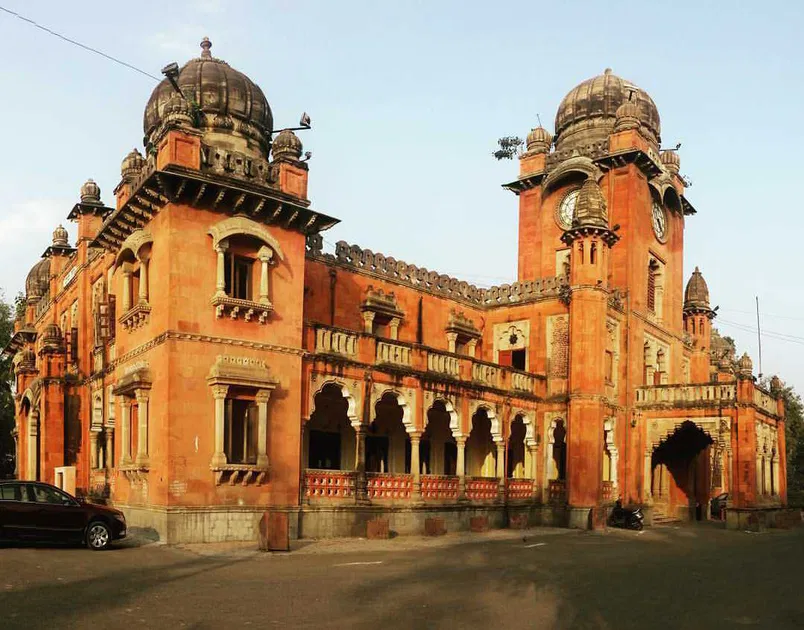
Cultural Significance and Modern Role
Hub for Cultural Events
Gandhi Hall continues to play a vital role in Indore's cultural scene. The hall hosts numerous exhibitions throughout the year, including art shows, craft fairs, and trade exhibitions. These events provide a platform for local artisans and artists to showcase their work and connect with the community. The hall's excellent acoustics make it a favored venue for musical concerts, particularly classical music performances. Many renowned artists have performed here, and the hall continues to be a prestigious venue for cultural events. The spacious interior can accommodate large audiences, making it ideal for public gatherings and ceremonies.Festivals and Celebrations
During major festivals, Gandhi Hall often becomes the center of celebrations. Independence Day and Republic Day ceremonies are frequently held here, and the hall's exterior is often decorated with lights during Diwali and other important festivals. These celebrations provide an opportunity for visitors to experience the hall in a different light—both literally and figuratively. The hall also hosts book fairs, food festivals, and cultural exchange programs that reflect Indore's diverse and vibrant community. These events are usually open to the public and provide a wonderful opportunity to experience local culture and interact with residents.Photography and Visitor Tips
Best Photography Angles
Gandhi Hall offers numerous opportunities for stunning photographs. The exterior's red sandstone facade looks particularly beautiful in the golden light of early morning or late afternoon. The symmetrical design allows for striking frontal shots that showcase the building's grandeur.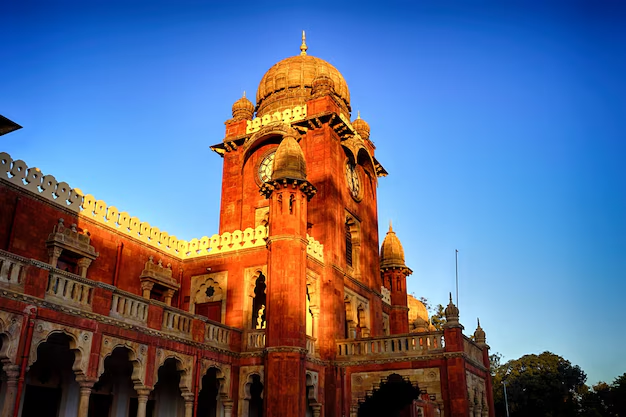 For architectural details, focus on the carved elements around the windows and doors, the decorative brackets under the eaves, and the intricate moldings that frame the arches. The clock tower provides excellent photographic opportunities, and capturing it against the sky creates dramatic images.
Essential Visitor Tips
- Best time for photography: Early morning or late afternoon for the best light
- Combine visits: Plan to visit nearby Rajwada Palace and Central Museum
- Check event schedules: If you want to see the interior, plan around exhibitions
- Comfortable footwear: You'll likely be walking in the surrounding heritage area
- Respect the venue: When events are in progress, follow all rules and guidelines
- Local guides: Consider hiring a guide to learn more about the hall's history
- Weather considerations: Indore can get very hot in summer; visit during cooler months
- Combine with food tour: The nearby Sarafa Bazaar offers excellent street food
Conservation and Preservation Efforts
Gandhi Hall has stood for over a century, and maintaining such a historic structure requires ongoing conservation efforts. The Archaeological Survey of India and local heritage organizations have worked together to preserve the building's architectural integrity while ensuring it remains functional for modern use. Regular maintenance work includes cleaning the red sandstone, repairing weathered elements, and ensuring that the clock mechanism continues to function properly. These conservation efforts are crucial to ensuring that future generations can appreciate this architectural gem. Visitors can contribute to preservation efforts by being respectful of the property, not touching or climbing on delicate architectural elements, and following all posted guidelines during their visit.Exploring Indore's Heritage Circuit
For heritage enthusiasts, Gandhi Hall is an excellent starting point for exploring Indore's rich historical landscape. The city's heritage circuit includes several important sites that can be visited in a single day. Morning: Start at Gandhi Hall to appreciate the Indo-Gothic architecture and photograph the exterior. Spend about an hour here before heading to the nearby Rajwada Palace, where you can explore the royal quarters and learn about the Holkar dynasty. Mid-day: Visit the Central Museum to see artifacts from the region's ancient past, including Parmar sculptures and rare coins. Lunch at one of Indore's famous local restaurants to sample the city's cuisine. Afternoon: Explore the Kanch Mandir, also known as the Glass Temple, which features stunning mirror work and glass mosaics. Then visit the Lal Bagh Palace to see European-inspired architecture and royal collections. Evening: Return to Gandhi Hall area if there's an evening event or exhibition scheduled, or head to Sarafa Bazaar for the famous night food market that serves some of Indore's best street food.The Architectural Legacy of Charles Stevens
Understanding Gandhi Hall's significance requires appreciating the work of Charles Stevens, the architect behind this masterpiece. Stevens was part of a prominent architectural family that left an indelible mark on India's colonial-era buildings. The Stevens firm specialized in creating buildings that were adapted to the Indian climate while incorporating Western architectural principles. Gandhi Hall exemplifies this approach—its high ceilings and large windows provide ventilation in Indore's hot climate, while the thick stone walls keep the interior cool even in summer. Other notable works by the Stevens firm include buildings in Mumbai and Pune, but Gandhi Hall remains one of their finest examples of Indo-Gothic architecture in central India. The hall's enduring appeal lies in its ability to be both grand and welcoming, imposing and elegant—all at the same time.Gandhi Hall in Local Culture and Memory
For the residents of Indore, Gandhi Hall is more than just a historic building—it's a cherished landmark that holds a special place in the city's collective memory. Generations of Indore's residents have attended events at the hall, celebrated festivals in its shadow, and used its clock tower as a reference point for navigating the city. The hall's presence in local literature, art, and popular culture speaks to its importance in the community. It has been featured in films, photographed by countless artists, and remains a popular subject for local photographers and social media enthusiasts. This emotional connection to the building has helped ensure its preservation over the decades. When there have been threats to heritage structures in other cities, Indore's residents have consistently rallied to protect Gandhi Hall, recognizing it as an irreplaceable part of their city's identity.Planning Your Visit to Gandhi Hall
Seasonal Considerations
Winter (October to March): This is the best time to visit Gandhi Hall and explore Indore's other heritage sites. The weather is pleasant, with daytime temperatures ranging from 15°C to 25°C, making it ideal for walking tours and outdoor photography. Summer (April to June): Summer in Indore can be extremely hot, with temperatures often exceeding 40°C. If visiting during these months, plan your visit for early morning or late afternoon when it's cooler. Carry water and wear sun protection. Monsoon (July to September): The monsoon brings relief from the heat but also high humidity. The red sandstone of Gandhi Hall takes on a deeper, richer color when wet, which can make for dramatic photographs. However, be prepared for rain and slippery conditions.Accommodation Options
Indore offers a range of accommodation options to suit different budgets. Since Gandhi Hall is in the city center, there are numerous hotels and guesthouses within walking distance or a short ride away. From luxury properties to budget-friendly options, visitors can find something that meets their needs. For heritage enthusiasts, staying in the old city area near Gandhi Hall provides the opportunity to experience the historic atmosphere and be within walking distance of other heritage sites. The area is well-connected to the rest of the city, making it a convenient base for exploration.Conclusion: Gandhi Hall's Enduring Legacy
Gandhi Hall stands as a testament to Indore's rich cultural heritage and architectural legacy. Over a century after its construction, the hall continues to serve the purpose for which it was built—as a gathering place for the community, a venue for cultural events, and a symbol of civic pride. For travelers visiting Indore, Gandhi Hall offers a unique opportunity to experience Indo-Gothic architecture at its finest. The building's striking appearance, historical significance, and continuing relevance make it much more than just another tourist attraction—it's a living monument that tells the story of Indore's past while remaining firmly rooted in its present. As you stand before the magnificent red sandstone facade, watching the clock tower mark the passage of time, you'll understand why Gandhi Hall has remained one of Indore's most beloved landmarks for over a century. Whether you're an architecture enthusiast, a history buff, or simply a curious traveler, Gandhi Hall is sure to leave a lasting impression and provide a deeper appreciation for India's diverse architectural heritage.Location
Frequently Asked Questions
Q1.Why is it called Gandhi Hall?
Q2.What was the original name of Gandhi Hall?
Q3.When was Gandhi Hall built?
Q4.What is the architectural style of Gandhi Hall?
Q5.What are the timings of Gandhi Hall?
Q6.Is there an entry fee for Gandhi Hall?
Q7.How do I reach Gandhi Hall in Indore?
Q8.What are the nearby attractions to Gandhi Hall?
Recommended For You
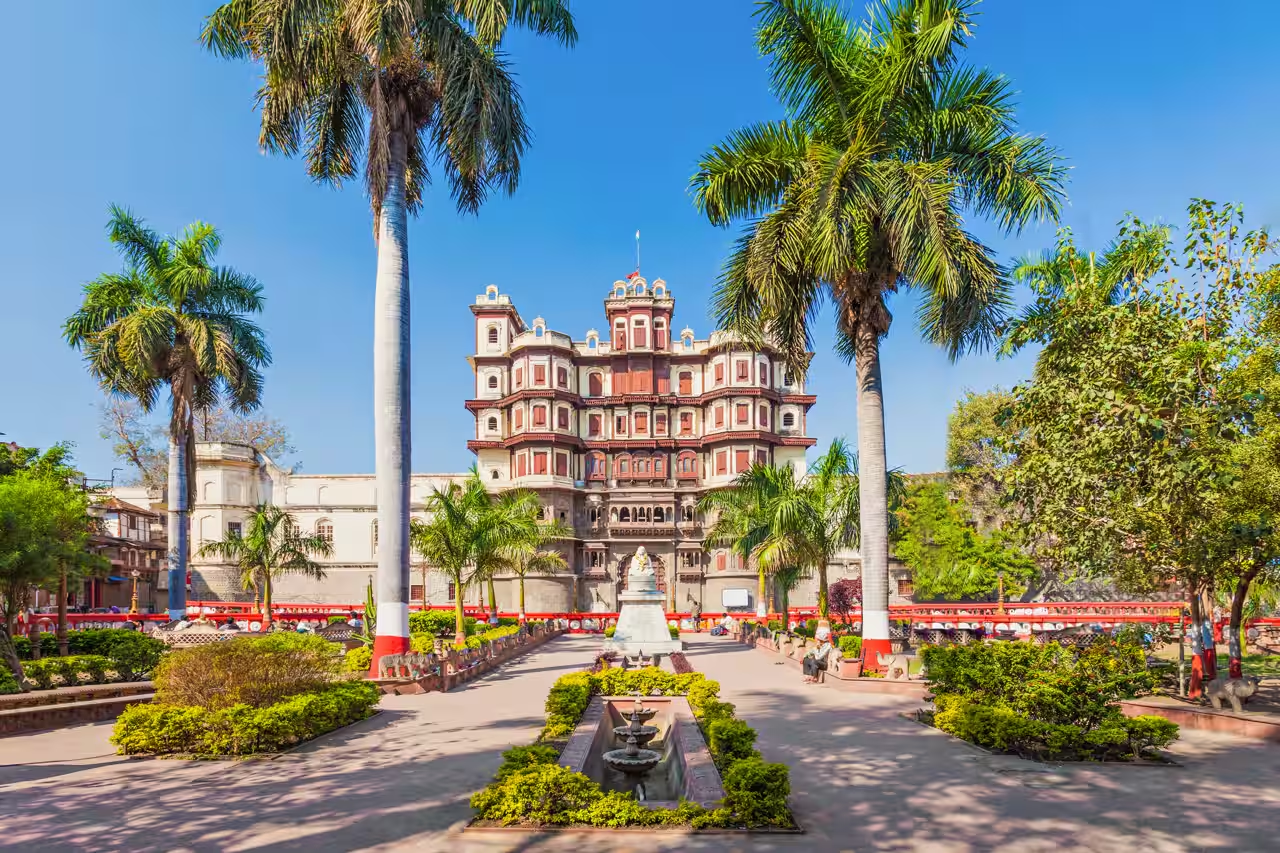
Indore: 15 Best Places to Visit - Food and Heritage
Explore the best places to visit in Indore, from Rajwada Palace and temples to Sarafa Bazaar food trails, museums, and easy one-day itineraries.
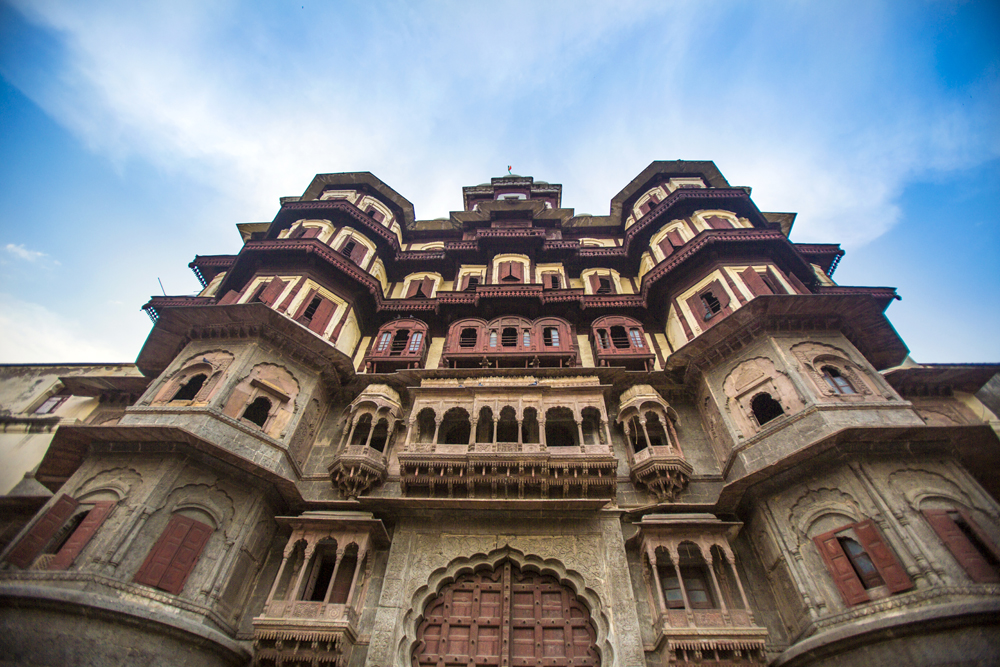
Rajwada Palace Indore: History, Timings & Visitor Information
Discover Rajwada Palace, the historic seven-storey Holkar palace in Indore. Explore its Maratha architecture, royal history, light show timings, and practical visitor guide.
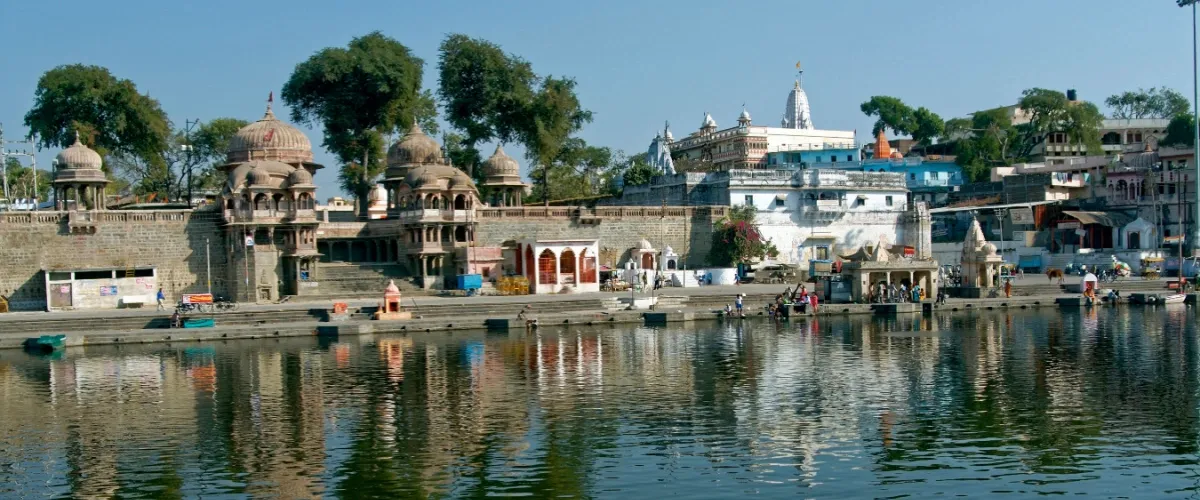
Best Places to Visit in Ujjain: Mahakal Temple & Attractions
Explore the best places to visit in Ujjain - from the sacred Mahakaleshwar Jyotirlinga to the spiritual Ram Ghat. Discover ancient temples, sacred ghats, and the rich cultural heritage of one of India's seven sacred cities.
Never Miss an Adventure
Get the latest trekking guides, travel tips, and exclusive offers delivered straight to your inbox.
