
Heritage
Rajwada Palace Indore: History, Timings & Visitor Information

Rohan Malhotra
January 7, 2026
14 min read2,074 views
Discover Rajwada Palace, the historic seven-storey Holkar palace in Indore. Explore its Maratha architecture, royal history, light show timings, and practical visitor guide.
The Historic Heart of Indore
Standing tall in the bustling heart of Indore, Rajwada Palace stands as the crowning jewel of Malwa's royal heritage. This magnificent seven-storey structure, built by the Holkar dynasty, serves as a timeless reminder of Indore's glorious past and the grandeur of Maratha architecture.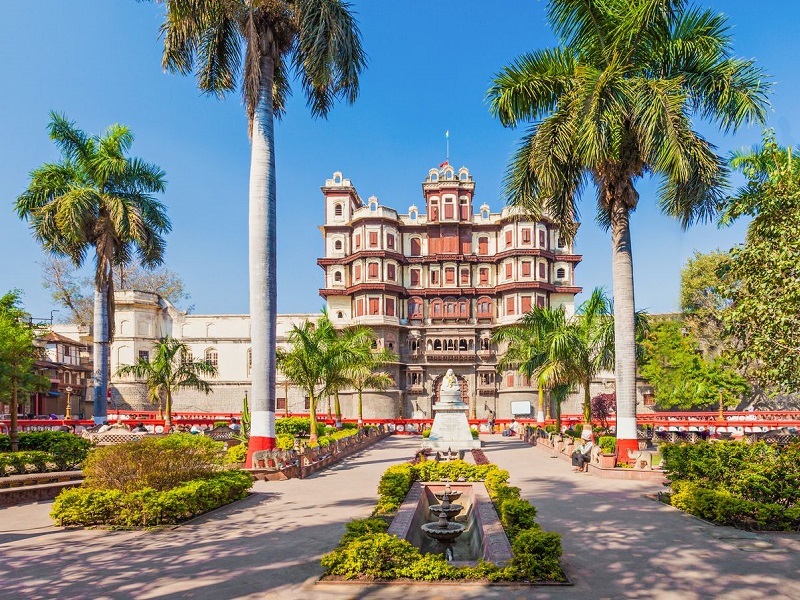 For centuries, this architectural masterpiece has witnessed the rise and fall of empires, royal celebrations, and the everyday life of Indore's nobility. Today, it welcomes visitors from across the globe who come to marvel at its unique Indo-European blend of architectural styles and immerse themselves in the rich tapestry of Holkar history.
The palace's strategic location in Indore's main market area makes it easily accessible to tourists, while its imposing presence dominates the city's skyline with an air of timeless elegance. Whether you're a history enthusiast, architecture lover, or simply someone seeking to explore Madhya Pradesh's cultural treasures, Rajwada Palace offers an unforgettable journey through India's regal past.
For centuries, this architectural masterpiece has witnessed the rise and fall of empires, royal celebrations, and the everyday life of Indore's nobility. Today, it welcomes visitors from across the globe who come to marvel at its unique Indo-European blend of architectural styles and immerse themselves in the rich tapestry of Holkar history.
The palace's strategic location in Indore's main market area makes it easily accessible to tourists, while its imposing presence dominates the city's skyline with an air of timeless elegance. Whether you're a history enthusiast, architecture lover, or simply someone seeking to explore Madhya Pradesh's cultural treasures, Rajwada Palace offers an unforgettable journey through India's regal past.
History of Rajwada Palace
The story of Rajwada Palace begins in 1747, when Malhar Rao Holkar I, the founder of the Holkar dynasty, commissioned the construction of this grand edifice. The palace was built over nearly two decades, with completion achieved around 1766, under the reign of Ahilyabai Holkar. Ahilyabai Holkar, one of India's most revered queens, played a pivotal role in shaping not just the palace but the entire city of Indore. Her reign is remembered for its benevolent administration, development projects, and patronage of the arts. Under her guidance, Rajwada became more than just a royal residence—it transformed into a center of culture, governance, and architectural innovation.| Period | Historical Significance |
|---|---|
| 1747-1766 | Construction period under Malhar Rao Holkar I |
| 1766-1795 | Golden era under Ahilyabai Holkar's rule |
| 19th Century | Continued expansion and renovations |
| 1984 | Major fire damaged upper floors |
| 2000s | Restoration and conservation efforts |
Architecture & Design: A Marvel of Fusion
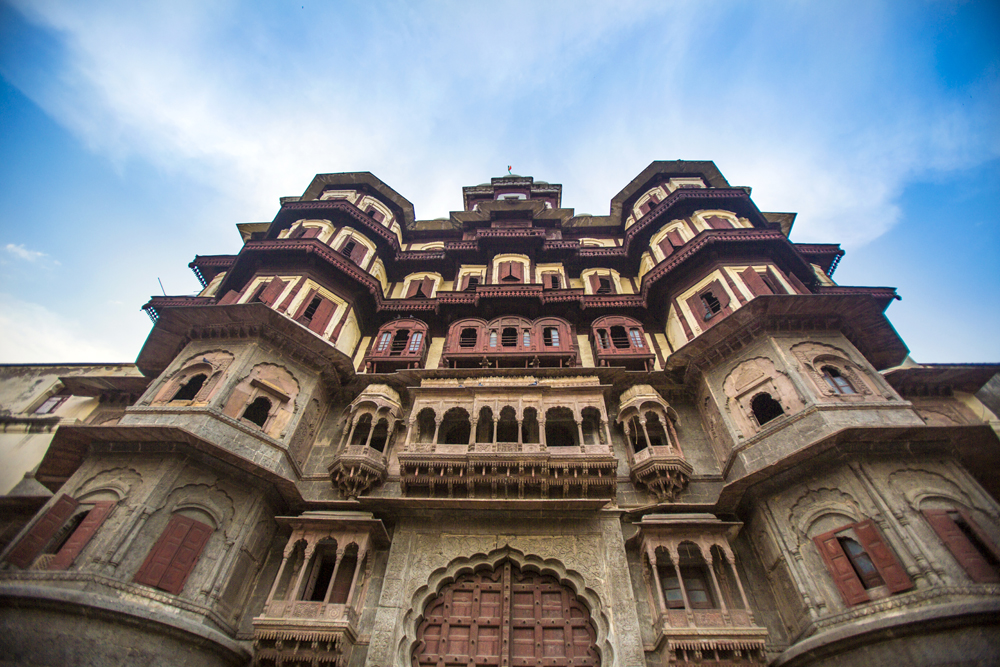
Rajwada Palace stands as a brilliant example of Indo-European architectural fusion, seamlessly blending Maratha, Mughal, and French design elements into a cohesive and visually stunning masterpiece. The palace's seven-storey structure rises with imposing grandeur, each floor offering unique architectural features and functional purposes. The lower floors were primarily designed for administrative functions and public gatherings, while the upper floors served as the private quarters of the royal family.| Architectural Feature | Description |
|---|---|
| Facade | Stone and wood construction with intricate carvings |
| Windows | Balconies and jharokhas with wooden latticework |
| Courtyard | Central open space surrounded by columns |
| Gateway | Grand entrance with decorative arches |
| Wooden Ceilings | Intricate carved ceilings in royal chambers |
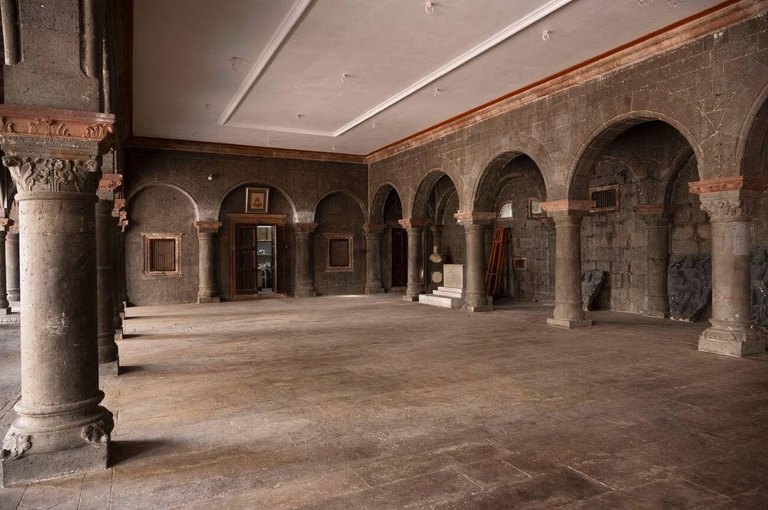 The palace's interior is equally impressive, with wooden ceilings adorned with exquisite carvings, gallery designs that showcase the craftsmanship of the era, and spacious courtyards that once hosted royal gatherings. The use of stone for lower floors and wood for upper sections demonstrates the builders' understanding of material properties and their ability to work with different mediums.
Gardens and fountains originally surrounded the palace, creating a serene environment within the bustling city. While some of these landscape features have changed over time, the essence of the palace's design—creating a royal sanctuary amidst the urban landscape—remains intact.
What makes Rajwada's architecture truly remarkable is how it successfully incorporates elements from different cultural traditions. The grand arches reflect Mughal influence, the ornate wooden work showcases Maratha craftsmanship, and the overall layout demonstrates European sensibilities about space and light.
The palace's interior is equally impressive, with wooden ceilings adorned with exquisite carvings, gallery designs that showcase the craftsmanship of the era, and spacious courtyards that once hosted royal gatherings. The use of stone for lower floors and wood for upper sections demonstrates the builders' understanding of material properties and their ability to work with different mediums.
Gardens and fountains originally surrounded the palace, creating a serene environment within the bustling city. While some of these landscape features have changed over time, the essence of the palace's design—creating a royal sanctuary amidst the urban landscape—remains intact.
What makes Rajwada's architecture truly remarkable is how it successfully incorporates elements from different cultural traditions. The grand arches reflect Mughal influence, the ornate wooden work showcases Maratha craftsmanship, and the overall layout demonstrates European sensibilities about space and light.
Palace Sections & Features
Rajwada Palace is divided into distinct sections, each serving specific functions during the Holkar era and offering unique insights into the royal life of the time.Lower Floors: Administrative Hub
The lower floors of Rajwada Palace were designed as the administrative center of the Holkar kingdom. Here, officials conducted the business of state, received petitions from subjects, and managed the day-to-day affairs of the vast territory under Holkar rule. These floors feature larger rooms, high ceilings, and impressive columns that conveyed authority and dignity. The administrative halls were designed to intimidate visitors with their grandeur while providing a functional space for governance. Stone construction on these floors ensured durability and security.Upper Floors: Royal Quarters
The upper floors of the palace, though damaged by fire, were once the private domain of the royal family. These levels housed the living quarters, private chambers, and spaces for leisure and reflection. Wooden construction on these floors allowed for more intricate designs and lighter structures. The royal apartments featured beautiful balconies from where the family could observe city life below, maintaining a connection with their subjects while enjoying privacy.Courtyard and Central Space
At the heart of Rajwada lies its central courtyard, a quintessential feature of Indian palace architecture. This open space served multiple purposes—from hosting royal ceremonies and performances to providing natural light and ventilation to surrounding rooms. The courtyard was surrounded by pillared corridors and galleries, creating a covered walkway that connected different parts of the palace. This design not only provided protection from the sun but also created an impressive visual effect of depth and perspective.Garden and Surroundings
The gardens that once surrounded Rajwada Palace were an integral part of its design, offering royal residents a retreat from the heat and a space for leisurely strolls. Historical records describe beautifully landscaped gardens with fountains, flowering plants, and shaded pathways. Today, while the gardens have been modified, the area around the palace maintains elements of this original landscape vision. The open space in front of the palace continues to serve as a gathering place, much as it did during royal times.Temple Within Complex
A unique feature of Rajwada Palace is the presence of a temple within the complex. This spiritual space reflects the deep religious devotion of the Holkar dynasty and served as a place of daily worship for the royal family. The temple's architecture complements the palace's overall design, featuring similar elements of stone and wood craftsmanship. For visitors today, this temple provides insight into the spiritual life of the royal household and the importance of faith in daily existence.Light & Sound Show Experience
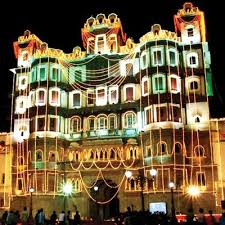
One of the most popular attractions at Rajwada Palace is its evening light and sound show, which brings the palace's history to life through dramatic visual effects and narrative storytelling. The show typically runs for about 45 minutes and chronicles the story of the Holkar dynasty, from its rise to power through the reign of legendary rulers like Ahilyabai Holkar. The narrative is presented in Hindi and English, making it accessible to both domestic and international visitors.| Show Details | Information |
|---|---|
| Duration | Approximately 45 minutes |
| Language | Hindi and English |
| Days | Tuesday to Sunday (Closed on Mondays) |
| Best Viewing Spots | Front of palace, designated seating area |
| Ticket for Show | Separate from palace entry fee |
Timings & Entry Fee
Planning your visit to Rajwada Palace requires understanding the operational hours and fee structure to make the most of your experience.Opening Hours
Rajwada Palace is open to visitors throughout the week, allowing you to plan your visit according to your schedule. The palace typically operates in two sessions, with a break in between for maintenance.| Day | Timings |
|---|---|
| All Days | 10:00 AM to 5:00 PM |
| Break Time | 1:00 PM to 2:00 PM |
| Closed | Open all days (check for holidays) |
| Last Entry | 4:30 PM |
Entry Fee Structure
The entry fee for Rajwada Palace is quite affordable, making it accessible to all types of visitors. Different rates apply for Indian citizens, foreign tourists, and children.| Category | Entry Fee |
|---|---|
| Indian Adults | ₹10 per person |
| Foreign Tourists | ₹100 per person |
| Children (5-12 years) | ₹5 per person |
| Children (below 5 years) | Free entry |
| Camera Fee | Minimal charges for professional equipment |
Best Time to Visit Rajwada Palace
Choosing the right time to visit Rajwada Palace can significantly enhance your experience, allowing you to explore comfortably and capture beautiful photographs.Seasonal Considerations
Winter months (October to March) offer the most pleasant weather for exploring outdoor attractions like Rajwada Palace. During this period, daytime temperatures range from 20°C to 30°C, making it comfortable to walk around the palace complex and spend time in the open courtyard. Summer in Indore can be quite hot, with temperatures often exceeding 40°C. While the palace itself provides some shade, exploring the gardens and surrounding areas can be uncomfortable during peak afternoon hours. If visiting in summer, plan your visit for early morning or late evening. The monsoon season (July to September) brings intermittent rain to Indore. While the palace can still be visited during this time, the courtyards and open areas may be wet. The stone walls of Rajwada take on a different character in the rain, with water creating interesting patterns on the carved surfaces.Day vs. Night Experience
Daytime visits to Rajwada Palace offer the opportunity to explore the interior, examine architectural details up close, and appreciate the craftsmanship of different periods. Natural light floods through the windows and courtyards, creating perfect conditions for photography. However, visiting in the evening, especially around the time of the light and sound show, offers a completely different experience. The illuminated palace facade creates a magical atmosphere, with the interplay of light and shadow highlighting architectural features that might be missed during daylight hours.Crowd Levels
Rajwada Palace tends to be busiest on weekends and during holidays. If you prefer a quieter experience for contemplation and photography, plan your visit on weekdays, particularly Tuesday through Thursday. The palace also sees increased visitors during school holidays and festival seasons. If your schedule allows flexibility, avoiding these peak periods can result in a more relaxed exploration experience.How to Reach & Visitor Tips
Reaching Rajwada Palace is straightforward thanks to its central location in Indore and the city's well-developed transportation infrastructure.From Indore Railway Station
Indore Railway Station, also known as Indore Junction, is approximately 2 kilometers from Rajwada Palace. This short distance makes it easily accessible by auto-rickshaw, taxi, or even a pleasant 20-minute walk through the city's streets. Auto-rickshaws are the most economical option, costing around ₹30-50 for the journey. Taxis and app-based cab services like Ola and Uber are also readily available outside the station, offering air-conditioned comfort for a slightly higher price.From Devi Ahilyabai Holkar Airport
Devi Ahilyabai Holkar Airport is Indore's primary air gateway, located approximately 10 kilometers from Rajwada Palace. The airport handles domestic flights and connects Indore to major Indian cities. From the airport, prepaid taxis are the most convenient option, costing approximately ₹250-350 for the journey to Rajwada Palace. The drive takes about 25-35 minutes, depending on traffic conditions. Some app-based cab services also operate from the airport.Local Transport Options
Indore has an extensive network of city buses, auto-rickshaws, and app-based cab services. City buses are the most economical option, with regular routes passing through the palace area. For flexibility and comfort, auto-rickshaws are often the preferred choice for tourists. They can navigate the narrow streets near the palace easily and provide door-to-door service. Negotiate the fare beforehand or insist on the meter to avoid overcharging.Parking Facilities
Rajwada Palace has designated parking areas for both two-wheelers and four-wheelers. However, due to its location in a busy market area, finding parking during peak hours can be challenging. Arriving early in the day improves your chances of finding convenient parking. The parking area is within walking distance of the palace entrance, making it easy to access the monument after parking your vehicle.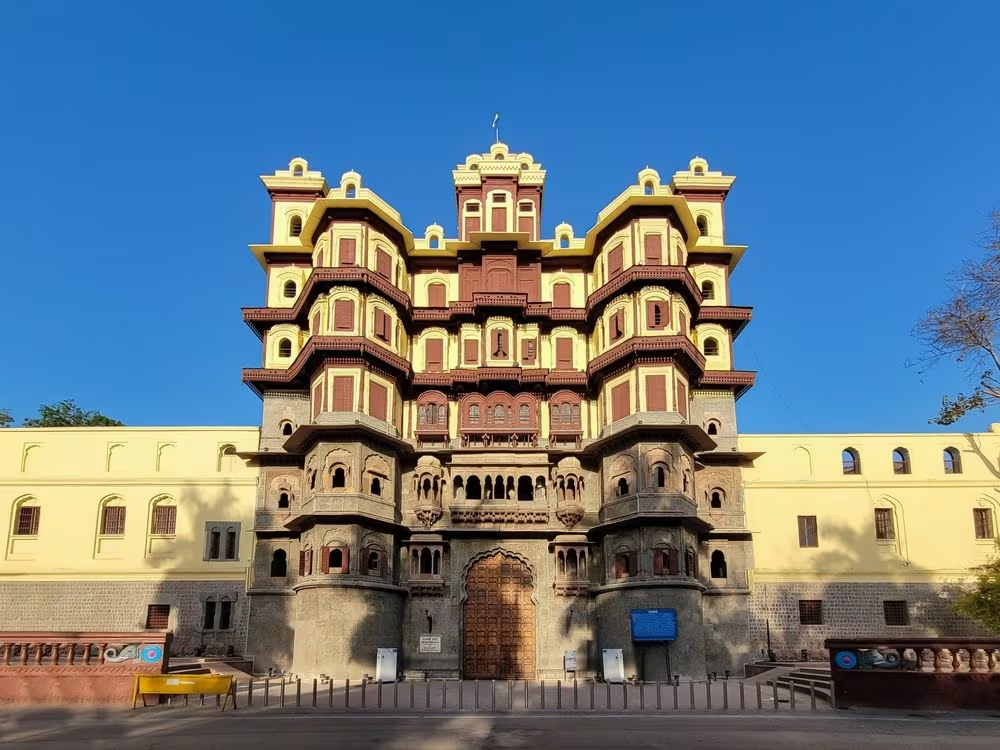
Photography Guidelines
Photography is one of the most popular activities at Rajwada Palace, and visitors are generally encouraged to capture the beauty of this heritage site. The intricate architectural details, especially the wooden carvings and jharokhas, offer excellent subjects for close-up shots. However, visitors should avoid using flash inside the palace, as strong light can damage the delicate wooden and stone elements over time. Tripods may be allowed in certain areas but it's best to check with the staff before setting up equipment.Dress Code and Behavior
While there's no strict dress code for visiting Rajwada Palace, visitors are encouraged to dress modestly out of respect for the site's cultural and historical significance. This is particularly important when visiting the temple within the complex. Maintain silence within the palace premises, especially in areas where other visitors are exploring. Avoid leaning on or touching the carved walls and pillars, as these are fragile historical structures that require careful preservation.Facilities Available
Rajwada Palace offers basic facilities for visitor comfort. Drinking water is available near the entrance, though carrying your own bottle is recommended, especially during hot months. Restroom facilities are located within the complex. Small shops near the palace sell refreshments, souvenirs, and informational material. These can be useful if you need a snack during your visit or want to purchase a memento of your time at Rajwada.Nearby Attractions
Rajwada Palace is surrounded by other interesting attractions that can be combined into a comprehensive day of sightseeing in Indore. The famous Sarafa Bazaar, known for its street food, is within walking distance and offers a delightful culinary experience after exploring the palace. The Krishnapura Chhatri, another historical monument, is also nearby and can be visited in conjunction with Rajwada. For those interested in museums, Central Museum Indore houses a collection of artifacts from the region's history.Conclusion: A Journey Through Royal Indore
Rajwada Palace stands as more than just a historical monument—it's a living testament to the vision, artistry, and governance of the Holkar dynasty. From its architectural brilliance to the stories etched in its walls, this palace offers visitors a profound connection to Indore's regal past. Whether you're marveling at the seven-storey facade, watching the light and sound show bring history to life, or simply sitting in the courtyard absorbing centuries of heritage, Rajwada Palace promises an experience that educates, inspires, and leaves lasting memories. For those exploring Madhya Pradesh's rich cultural landscape, Rajwada Palace is an essential stop. It represents the synthesis of different architectural traditions, the wisdom of rulers who balanced power with benevolence, and the enduring legacy of Indore's royal heritage. Pair the visit with more of the city's places to visit in Indore for a complete Holkar-era heritage trail.Location
Frequently Asked Questions
Q1.What are Rajwada Palace Indore timings?
Rajwada Palace is open daily from 10:00 AM to 5:00 PM with a lunch break from 1:00 PM to 2:00 PM. The palace is open throughout the week including weekends, and the last entry is allowed at 4:30 PM. The light and sound show is typically held in the evening, with separate timings for this special event.
Q2.What is the entry fee for Rajwada Palace?
The entry fee for Rajwada Palace is quite affordable at ₹10 for Indian adults and ₹100 for foreign tourists. Children aged 5-12 years pay ₹5, while children below 5 years enjoy free entry. Professional cameras may incur additional charges, but regular photography is generally allowed.
Q3.Who built Rajwada Palace in Indore?
Rajwada Palace was built by the Holkar dynasty, specifically commissioned by Malhar Rao Holkar I in 1747. The construction was completed around 1766 under the reign of Ahilyabai Holkar, one of India's most revered queens who played a pivotal role in developing Indore and the surrounding region.
Q4.What is the history of Rajwada Palace?
Rajwada Palace has a rich history spanning over 250 years, serving as the seat of the Holkar dynasty's power from the mid-18th century. The palace witnessed important historical events, royal celebrations, and administrative decisions that shaped the region. In 1984, a fire severely damaged the upper floors, but ongoing restoration efforts have preserved this heritage monument for future generations.
Q5.How old is Rajwada Palace?
Rajwada Palace is over 250 years old, with construction beginning in 1747 and completion around 1766. This seven-storey structure has stood as a symbol of Indore's royal heritage for more than two and a half centuries, surviving through the changing tides of history and political landscapes of India.
Q6.Where is Rajwada Palace located in Indore?
Rajwada Palace is located in the heart of Indore city, in the main market area of the Old City. The exact address is near the Rajwada intersection, easily accessible from all parts of Indore. Its central location makes it a prominent landmark and convenient stop for tourists exploring the city.
Q7.How to reach Rajwada Palace from Indore railway station?
Rajwada Palace is approximately 2 kilometers from Indore Railway Station (Indore Junction). You can reach the palace by auto-rickshaw (₹30-50, 20-minute journey), taxi (₹100-150), or app-based cab services. The walk takes about 20 minutes through the city streets if you prefer to explore on foot.
Q8.What is the timing of the light and sound show at Rajwada Palace?
The light and sound show at Rajwada Palace typically runs for 45 minutes and is conducted in both Hindi and English languages. The show usually takes place in the evening, though specific timings may vary seasonally. It's recommended to arrive at least 30 minutes early to secure good seating, and there may be a separate ticket fee for the show.
Q9.Is photography allowed at Rajwada Palace?
Yes, photography is allowed at Rajwada Palace and visitors are encouraged to capture the beautiful architecture and historical details. However, flash photography should be avoided inside the palace to protect the delicate wooden and stone elements. Professional cameras and tripods may require special permission or incur additional charges.
Recommended For You
Heritage
Birla Museum Bhopal: History, Timing and Guide Tips
Plan Birla Museum Bhopal with section-wise exhibit strategy, timing guidance, and practical Bhopal route tips for a deeper visit.
Feb 18Read More
Heritage
Gohar Mahal Bhopal Guide: History, Timings, Visit
Explore Gohar Mahal Bhopal with Begum-era history, architecture highlights, and practical timing and route-planning guidance.
Feb 18Read More
Heritage
Khajuraho Temples: Complete Guide to India's Erotic Sculptures
Discover Khajuraho Temples, UNESCO World Heritage site famous for stunning architecture & erotic sculptures. Complete guide with timings, history, and travel tips.
Feb 18Read More
Never Miss an Adventure
Get the latest trekking guides, travel tips, and exclusive offers delivered straight to your inbox.
