

Gobustan National Park Azerbaijan: Mud Volcanoes, Tickets & Day Plan

Rahul Garg
January 13, 2026
Plan your Gobustan National Park trip with UNESCO rock-art context, mud volcano highlights, route tips from Baku, timing guidance, and practical visitor advice.
Introduction to Gobustan National Park
Gobustan National Park is one of Azerbaijan's most important cultural landscapes because it combines prehistoric rock art, archaeological layers, and dramatic geological terrain in one day-trip destination from Baku. It is widely known for thousands of petroglyphs and for nearby mud volcano fields that give the area an almost lunar visual character. For first-time visitors, Gobustan is not just a sightseeing stop. It is a place where human history and natural earth processes are visible together in a compact route.
The protected cultural landscape of Gobustan is recognized by UNESCO for its long record of human presence and symbolic expression across millennia. Visitors can explore open-air rock art zones and then continue toward mud volcano sites in the wider district. This guide covers practical planning: what makes Gobustan globally significant, how to reach it from Baku, realistic visit duration, best weather windows, ticket and museum expectations, photography tips, and responsible travel advice.
UNESCO World Heritage Significance
The Gobustan Rock Art Cultural Landscape was inscribed on the UNESCO World Heritage List in 2007. The listing highlights the concentration of prehistoric engravings and the site's evidence of long-term human activity in a changing Caspian environment. This is why Gobustan is frequently recommended in UNESCO-focused Azerbaijan itineraries.
What makes the site exceptional is continuity. The engravings and archaeological traces represent different phases of social life including hunting imagery, ritual scenes, symbolic markings, and environmental adaptation. For travelers, this means Gobustan is best understood as a historical archive carved into natural rock rather than a single monument with one-era narrative.
| UNESCO Factor | Why It Matters |
|---|---|
| Cultural Landscape | Combines archaeology, rock art, and environmental context |
| Time Depth | Records human activity across long prehistoric and historic periods |
| Global Relevance | One of the region's major open-air heritage archives |
| Protection Framework | Managed under national reserve and heritage protection systems |
Gobustan Mud Volcanoes: What to Expect
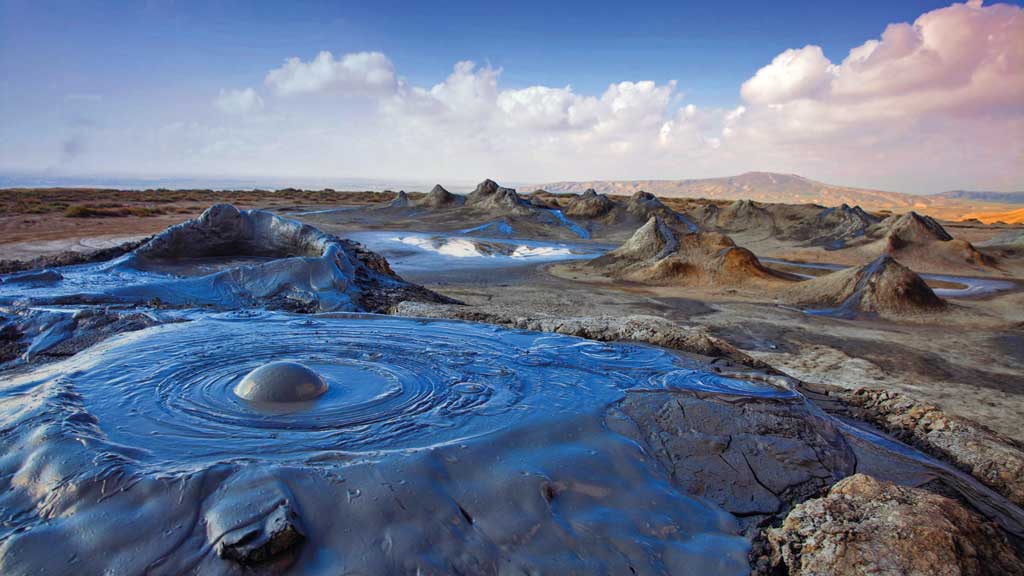
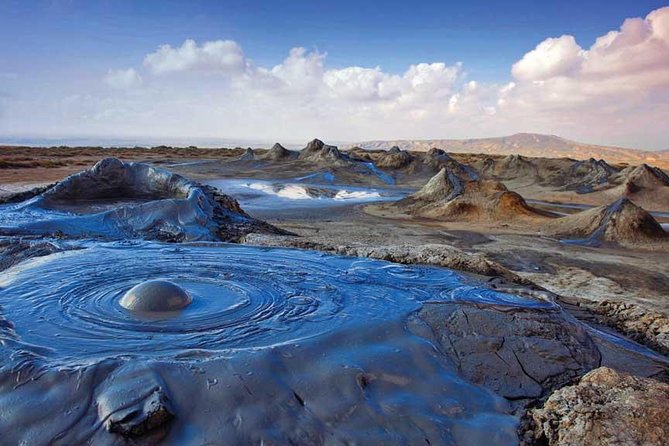
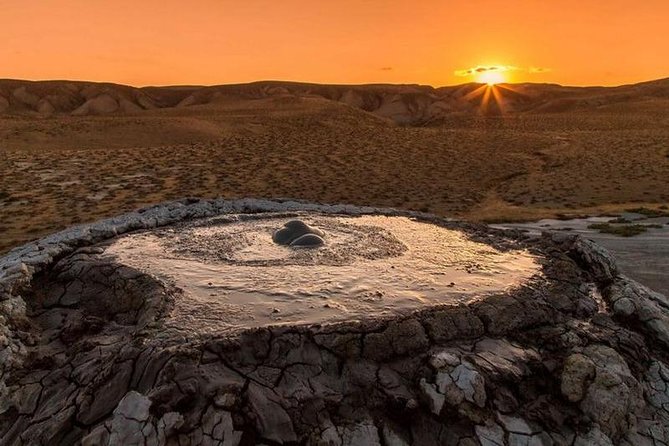
One of the most searched topics is Gobustan mud volcanoes. Azerbaijan has a major share of the world's mud volcano activity, and the wider Gobustan region is one of the places where visitors can observe this phenomenon at close range. These are not lava volcanoes; they are cooler geological vents where gas and mud create bubbling cones and textured grey terrains.
Road conditions to volcano points can vary by weather, and some routes are better handled with local drivers familiar with ground conditions. After rain, surfaces can become slippery and access may take longer than expected. If mud volcanoes are a key priority, keep flexible timing and check same-day local tour guidance.
- Visual character: Grey crater fields and bubbling mud vents.
- Best experience: Dry-weather visibility with manageable ground conditions.
- Travel note: Combine with main Gobustan reserve in a half-day to full-day plan.
Ancient Rock Art and Petroglyphs
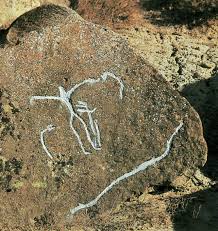
Gobustan rock art includes thousands of engravings across multiple rock groups, often depicting animals, hunting sequences, human figures, movement patterns, and symbolic scenes. While exact dating varies by panel and archaeological interpretation, the site's long chronology is a core reason for its importance.
Visitors usually explore marked zones where notable petroglyph panels are accessible on foot. A guided explanation helps decode the motifs because many carvings are subtle and weathered. Without context, first-time visitors may miss details that reveal the site's anthropological value.
Key visitor practice: do not touch or trace engravings with fingers or objects. Surface wear accumulates quickly, and preservation depends on minimal physical contact.
Gobustan Museum Experience
The Gobustan museum section is useful before entering the open-air panels because it provides orientation and interpretive context. Exhibits help visitors connect geological setting, archaeological finds, and engraved imagery across timelines. This sequence makes the outdoor walk more meaningful.
Typical museum-to-site flow:
- Introductory interpretation and historical context.
- Map-based understanding of key petroglyph sectors.
- Outdoor exploration with short trail segments.
Ticketing and operating details can change over time, so verify current pricing and opening hours at official reserve channels before departure.
Best Time to Visit Gobustan National Park
Gobustan can be visited across much of the year, but comfort and photography quality improve in moderate weather. Spring and autumn are commonly preferred for walking and open-air viewing. Summer can be hot on exposed rock surfaces, while windy or rainy days may reduce comfort.
| Season | Conditions | Recommendation |
|---|---|---|
| Spring | Mild weather, clearer walking comfort | Excellent for full-site exploration |
| Summer | Hot daytime exposure in open rock zones | Visit earlier in the day |
| Autumn | Comfortable temperatures, stable light | Very good for photography and walking |
| Winter | Cooler and potentially windy conditions | Possible with weather-aware planning |
If combining mud volcanoes on the same day, start early from Baku and keep a buffer for route variation.
How to Reach Gobustan from Baku
Gobustan National Park from Baku is typically done by private taxi, hired driver, or organized half-day/full-day tours. The route is road-based and usually manageable for day travel. Public transport options exist in limited forms, but they are less convenient for travelers who want to cover both reserve and mud volcano points efficiently.
Private Taxi or Driver
Most straightforward for flexible timing, especially if including mud volcanoes and additional stops.
Organized Tour
Good for first-time visitors who prefer packaged transport plus explanation. Check what is included: museum ticket, mud volcano transfer, and guide language.
Self-Drive
Possible for confident drivers, but route and surface awareness matter more if leaving main roads for volcano areas.
If this is part of a broader city trip, pair with Baku Azerbaijan guide and heritage additions like Old City Baku.
Tour Options and Visit Duration
How much time to spend at Gobustan depends on whether you include mud volcanoes and museum interpretation depth. A quick heritage-only pass can be done in a few hours, but a richer day plan is better for first-time visitors.
| Plan Type | Time Needed | Includes |
|---|---|---|
| Short Visit | 2 to 3 hours | Main reserve walk + basic museum pass |
| Standard Day Trip | 4 to 6 hours | Reserve, museum, and mud volcano segment |
| Extended Circuit | Full day | Gobustan plus nearby Baku-region attractions |
A standard half-to-full day from Baku is usually ideal for balancing learning and logistics without rush.
Photography Tips at Gobustan
Gobustan photography works best when light angle reveals engraving depth on rock surfaces. Harsh overhead light can flatten details, while angled morning or late-afternoon light improves texture visibility.
- Use wide frames for landscape context and tight frames for engraving details.
- Avoid stepping outside marked paths for 'better angles' on fragile ground.
- Protect gear from dust and wind in exposed sections.
- For mud volcanoes, carry cleaning wipes for footwear and equipment.
Drone and professional filming rules can vary by area and policy updates, so seek current permission guidance before planned shoots.
Nearby Attractions to Combine
Gobustan is frequently combined with other Baku-area heritage and city attractions for efficient itinerary design.
- Ateshgah Temple Baku for historical-religious context.
- Yanar Dag Azerbaijan for another geology-linked site.
- Maiden Tower Baku and Old City Baku for urban heritage continuation.
If your trip includes retail time, add shopping in Baku on a separate city day to avoid overloading the Gobustan excursion.
Travel Tips and Responsible Conduct
- Carry water, sun protection, and proper walking footwear.
- Respect marked zones and do not climb restricted rock faces.
- Do not touch petroglyph surfaces.
- Avoid littering in both reserve and mud volcano areas.
- Confirm same-day opening and ticket updates before departure.
- Keep weather buffer in your transport schedule.
Responsible behavior preserves the site and improves your own experience because it keeps movement safer and more structured.
Tickets, Opening Hours, and On-Ground Verification
Because operational details can change, treat all third-party ticket and timing references as provisional. The most reliable approach is to confirm current information through official reserve channels before departure from Baku. This includes opening hours, museum access windows, entry categories for domestic and foreign visitors, and any same-day restriction linked to weather or maintenance.
A practical verification checklist:
- Check official reserve page for latest ticket notice.
- Confirm whether mud-volcano transfer is included in your selected tour or priced separately.
- Ask your driver or operator about road condition after rain.
- Carry small cash backup in case card facilities vary by service point.
- Keep passport or ID proof if required at entry control points.
This extra step prevents missed entries and helps you avoid rushed itinerary changes. It also improves cost clarity, because many visitors underestimate how transport mode and guide type affect total trip expense.
If you are traveling with children or senior family members, schedule slower movement between museum and outdoor rock zones and avoid peak midday heat in summer. A paced plan improves comfort and helps you spend more meaningful time reading panels and understanding the site's historical context.
Final Take
Gobustan National Park is one of the strongest day trips from Baku for travelers who want both ancient cultural heritage and unusual geological landscapes. Its UNESCO value, visible petroglyph record, and nearby mud volcanoes create a rare combination that is difficult to match in one compact route.
Plan with verified timings, choose a realistic half- or full-day format, and prioritize preservation etiquette. Done right, Gobustan becomes more than a checklist stop; it becomes one of the most memorable educational experiences in Azerbaijan travel.
Location
Frequently Asked Questions
Q1.What is Gobustan National Park famous for?
Q2.Where is Gobustan National Park located?
Q3.Why is Gobustan a UNESCO World Heritage Site?
Q4.How old are Gobustan rock carvings?
Q5.How can I reach Gobustan from Baku?
Q6.What is the best time to visit Gobustan National Park?
Q7.How much time should I keep for Gobustan?
Q8.What is the Gobustan National Park entry fee?
Recommended For You

Yanar Dag Azerbaijan: Fire Mountain Timings, Tickets & Best Time
Discover Yanar Dag (Fire Mountain) in Azerbaijan, where natural gas flames have burned for 4,000 years. Learn history, best time to visit, how to reach from Baku, and practical travel tips.

Shopping in Baku: Malls, Old City & Souvenirs
Discover shopping in Baku Azerbaijan: from luxury malls like Port Baku to traditional Old City bazaars. Guide to carpets, souvenirs, and best shopping areas.

Baku Azerbaijan: Complete Travel Plan Places And Weather
Plan your Baku trip with itinerary ideas, costs, visa basics, transport tips, best season, and key attractions across Azerbaijan's capital.
Never Miss an Adventure
Get the latest trekking guides, travel tips, and exclusive offers delivered straight to your inbox.
