
Hari Parbat Fort Srinagar: History, Timings & Access Info

Priya Mehta
February 7, 2026
Visit Hari Parbat Fort in Srinagar! Discover history, timings, how to reach, Shankaracharya Temple, and complete travel guide to this hilltop fort.
Hari Parbat Fort Srinagar Guide
Hari Parbat Fort is one of Srinagar's most meaningful heritage hills because it combines military history, sacred associations, and panoramic city views. Travelers planning Kashmir usually focus on lakes and gardens first, but this fort adds historical depth to the itinerary. If you are organizing days in the valley, use Kashmir trip planning early and reserve one slot for Hari Parbat.
The site is also culturally layered. Around the hill you find spaces connected to different religious traditions, making Hari Parbat a strong example of Kashmir's shared historical geography.

Historical Importance
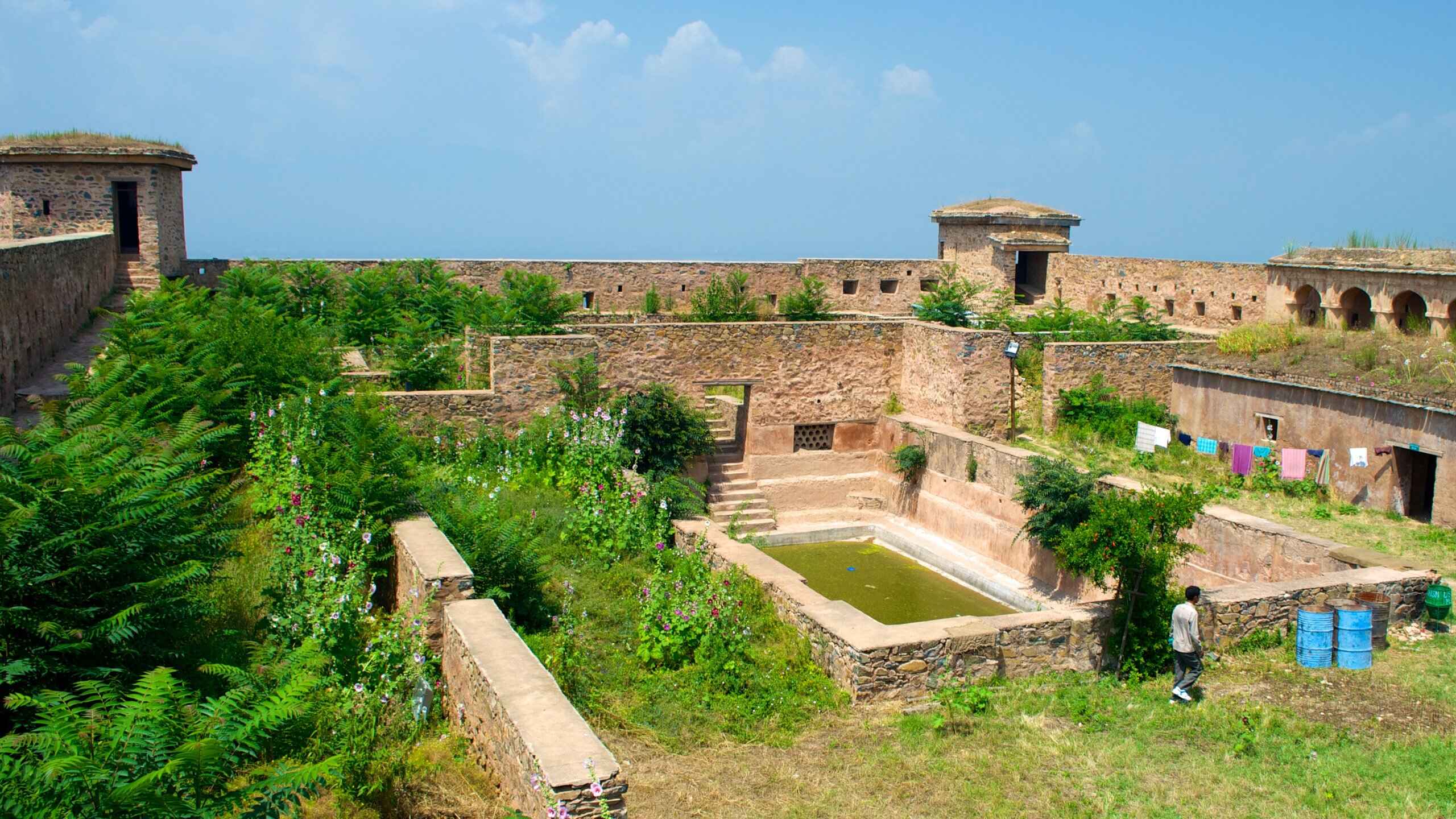
The fort zone gained strategic relevance because of elevation and command over city approaches. Over different periods, rulers strengthened defenses and used the hill as a control point. Today, even where structures are partially preserved, the terrain logic remains clear and helps visitors understand why this site was historically central.
Rather than reading it as a single-event monument, see Hari Parbat as a long-duration defensive landscape adapted over time.
Architecture and Fort Form
The surviving fort sections show robust walls, elevated watch potential, and controlled access lines. Architecture here is less ornamental than many palace structures, but it is rich in military function. The visual impact comes from placement, contour use, and relationship to surrounding Srinagar.
For travelers, the best method is to observe the hill in layers: approach, wall lines, upper views, and city orientation. This makes the visit more coherent than random photo movement.

Sacred and Cultural Context
Hari Parbat is not only a fort stop. It is also part of a broader devotional and cultural map. This layered identity distinguishes it from purely military sites and explains why local memory around the hill is strong.
Visitors should maintain respectful behavior, especially near active prayer areas and community pathways. Heritage and living practice coexist here, and travel etiquette matters.
Best Time to Visit
Spring and autumn usually provide the best comfort for hill movement and clear views. Summer can also be pleasant in mornings. Winter offers dramatic visuals but requires better clothing and mobility planning.
Early morning and late afternoon are best for photography and lower crowd pressure. Midday visits can still work, but light can be harsh for detailed frames.

How to Reach Hari Parbat Fort
Hari Parbat is accessible from major Srinagar zones by local transport and cabs. Route time depends on traffic and season, so keep realistic transfer margin if combining multiple stops on the same day.
You can pair this visit with Shikara experiences and Yusmarg planning on separate slots to balance history and nature across your itinerary.
Suggested Half-Day Plan
| Time | Plan |
|---|---|
| Morning | Fort and hill exploration |
| Midday | Meal break and transfer |
| Afternoon | Lake or market segment |
This model works well for first-time visitors and helps avoid itinerary overload.

Photography Tips
Use wide frames for hill-city relationship and medium frames for wall texture. A good photo set includes one skyline frame, one fort-detail frame, and one cultural-context frame showing pathways or surrounding neighborhoods.
Keep footwear stable and avoid risky edge positions. Better photos usually come from controlled viewpoints with patience rather than extreme positioning.
Travel Tips for Better Experience
- Carry water and light snacks
- Wear grip footwear for slope sections
- Keep one weather buffer in your day plan
- Respect local customs near sacred points
- Use early slots for quieter exploration
These basics improve both comfort and site quality.
Common Mistakes to Avoid
Travelers often underestimate time and treat Hari Parbat as a 20-minute stop. That usually leads to a rushed visit and missed context. Another mistake is stacking too many same-day high-effort sites in Srinagar traffic windows.
A better strategy is one fort segment plus one lighter city stop, then rest before evening activities.
Final Take
Hari Parbat Fort offers more than a viewpoint. It gives military history, cultural layering, and city perspective in one compact heritage experience. For travelers who want to understand Srinagar beyond postcard visuals, this site is essential.
Plan with respect, pace carefully, and include context-based observation. You will get far more value than from a quick checklist stop.
Extended Planning Notes
A common reason travelers under-enjoy this destination is over-compressed scheduling. Heritage exploration improves when you keep transit buffers, climate buffers, and one optional stop instead of forcing fixed minute-level plans. This destination works best when viewed as a contextual experience rather than a checklist item. Use realistic movement assumptions, especially if your group includes elders or children. A slower pace increases observation quality, reduces fatigue, and gives better decision-making for the second half of the day.
For stronger route continuity, pair this guide with shikara ride in kashmir and yusmarg kashmir. These internal references help you connect architecture, local culture, and practical movement planning without repeating the same attraction type all day. In multi-stop routes, alternate high-effort and low-effort segments. This keeps energy stable and avoids the common pattern of early enthusiasm followed by rushed final stops.
Advanced Observation Checklist
- Start with macro layout before focusing on details
- Identify what is original, restored, or weathered
- Map movement paths and visitor pressure points
- Use two viewing passes: orientation pass and detail pass
- Take notes on interpretation, not just photos
This method is especially useful for travelers who want meaningful recall after the trip. Without structured observation, even major monuments can blur together. A short note-taking discipline can dramatically improve retention and storytelling quality.
Photo and Timing Strategy
For most locations, first light and late light are best for texture and depth. Midday can still work for documentation shots, but nuanced details are easier to capture in softer directional light. Keep one wide contextual frame, one medium narrative frame, and one close detail frame for each section. This simple three-frame model gives a complete visual record without overshooting.
If crowds are high, wait for flow gaps instead of forcing frames. Patience usually produces cleaner compositions and safer movement. Also avoid physically risky positions for dramatic angles. Strong storytelling images come more from composition discipline than from dangerous viewpoints.
Final Field Guidance
Before ending the visit, verify that you covered primary sections, essential context points, and one reflective pause to synthesize what you observed. If you still have time, use botanical garden kashmir to decide your next stop based on effort level rather than popularity alone. This approach improves total trip quality and prevents late-day burnout.
The most successful heritage days are not the busiest ones. They are the ones where you understand the place, remember key details, and finish with enough energy for the next day. Plan accordingly, and this destination will deliver much stronger value.
Additional practical note: keep digital map backups, verify local timings close to visit date, and maintain a flexible one-hour buffer in your schedule. This small margin usually absorbs traffic, queue variation, or weather disruption without compromising core site quality.
Additional practical note: keep digital map backups, verify local timings close to visit date, and maintain a flexible one-hour buffer in your schedule. This small margin usually absorbs traffic, queue variation, or weather disruption without compromising core site quality.
Additional practical note: keep digital map backups, verify local timings close to visit date, and maintain a flexible one-hour buffer in your schedule. This small margin usually absorbs traffic, queue variation, or weather disruption without compromising core site quality.
Location
Frequently Asked Questions
Q1.What is Hari Parbat Fort in Srinagar?
Q2.Where is Hari Parbat Fort located?
Q3.What is the history of Hari Parbat Fort?
Q4.What are the Hari Parbat timings?
Q5.What is the Hari Parbat fort entry fee?
Q6.How to reach Hari Parbat Fort?
Q7.What is the best time to visit Hari Parbat?
Q8.How much time is needed to visit Hari Parbat?
Recommended For You

Kashmir Trip: How Many Days Needed?
Planning Kashmir trip? Learn how many days required - 3 to 10 days itineraries covering Srinagar, Gulmarg, Pahalgam & Sonamarg.
Kashmir in September: Weather, Places & Tips
Planning Kashmir in September? Get weather details, top places, things to do, packing tips, and practical itinerary advice for a smooth valley trip.

What to Wear in Kashmir: Season-Wise Packing Checklist
Complete guide on what to wear in Kashmir - summer, winter & monsoon. Packing list for Gulmarg, Srinagar & clothing tips for Kashmir trip.
Never Miss an Adventure
Get the latest trekking guides, travel tips, and exclusive offers delivered straight to your inbox.
