
Harike Bird Sanctuary Amritsar: Timings, Bird Species & Boat Rides

Rohan Malhotra
December 21, 2025
Explore Harike Bird Sanctuary, Punjab's largest wetland and a Ramsar site. Home to 360+ bird species, rare Indus River Dolphins, and spectacular winter migrations near Amritsar.
Introduction to Harike Bird Sanctuary
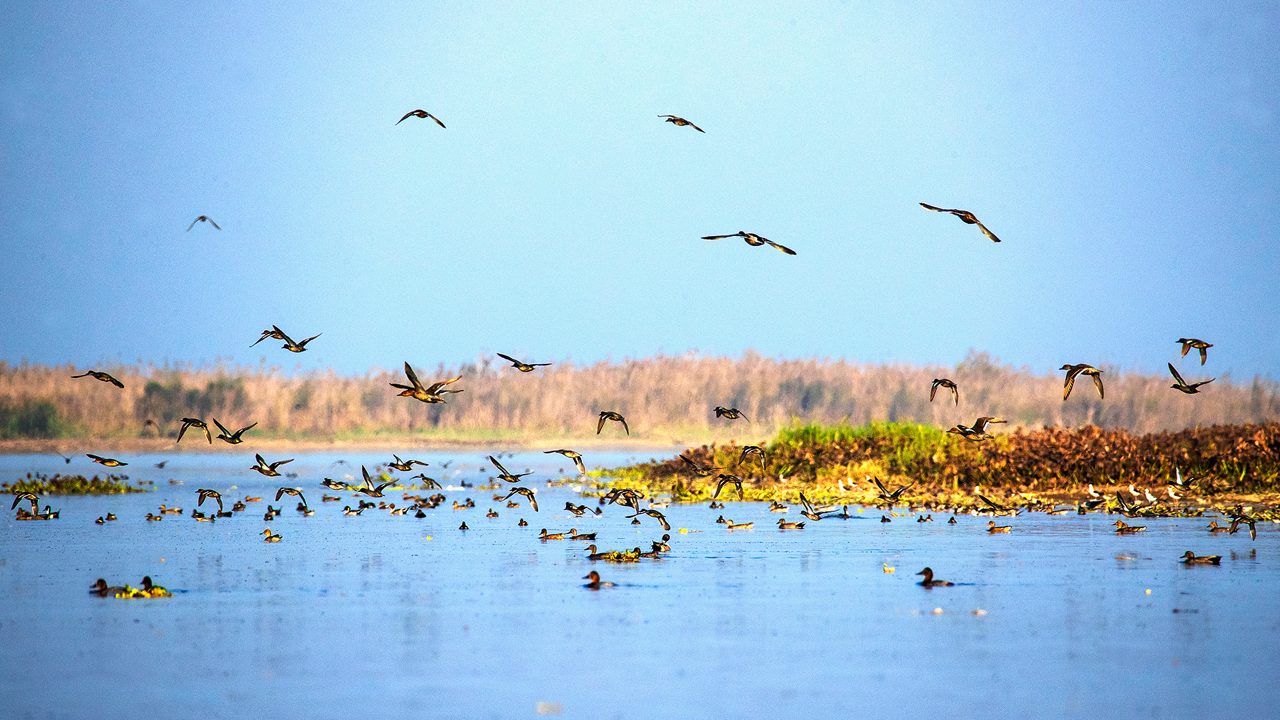
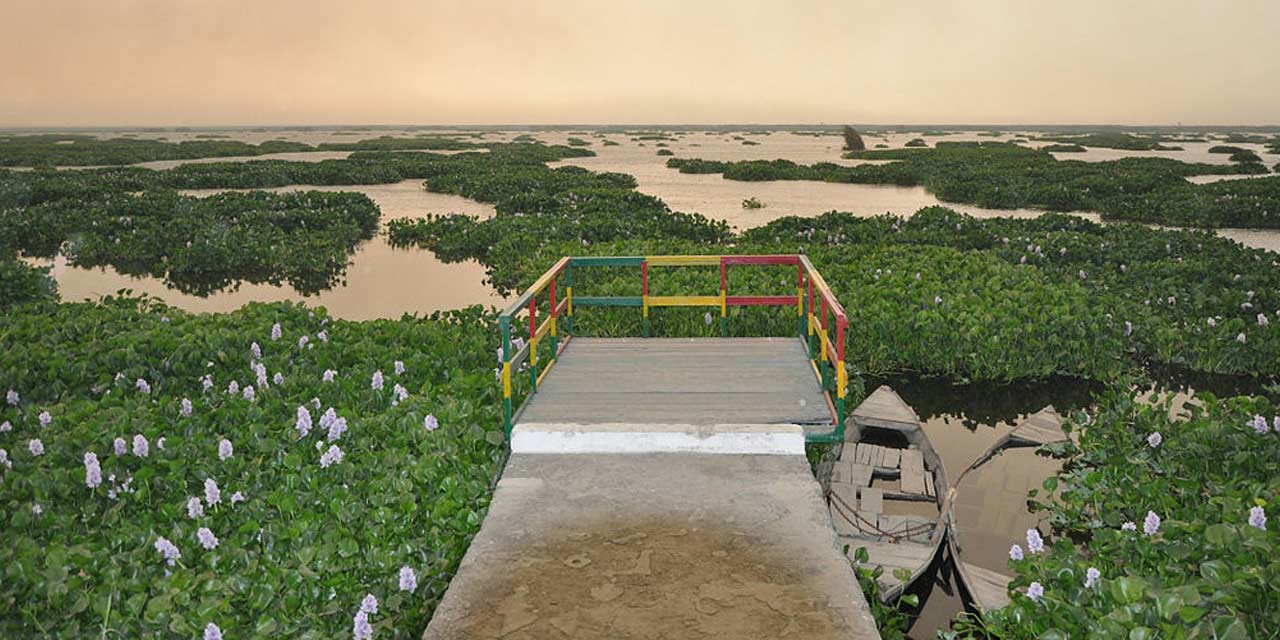
Welcome to Harike Bird Sanctuary, one of North India's most spectacular wetland ecosystems and a paradise for bird enthusiasts. Located at the confluence of the Beas and Sutlej rivers, this expansive sanctuary spans approximately 86 square kilometers across three districts of Punjab. Recognized as a Ramsar site of international importance, Harike Wetland attracts thousands of migratory birds every winter, making it a must-visit destination for wildlife photographers, nature lovers, and anyone seeking a peaceful retreat into nature.
The sanctuary's unique geographical position creates a diverse habitat that supports an incredible array of avian species. From the moment you step into this wetland wonderland, you'll be surrounded by the melodious calls of countless birds and the serene beauty of vast marshes, shallow lakes, and abundant vegetation. Whether you're an experienced ornithologist or simply someone who appreciates nature's wonders, Harike offers an unforgettable wildlife experience that few other places in India can match.
About Harike Wetland
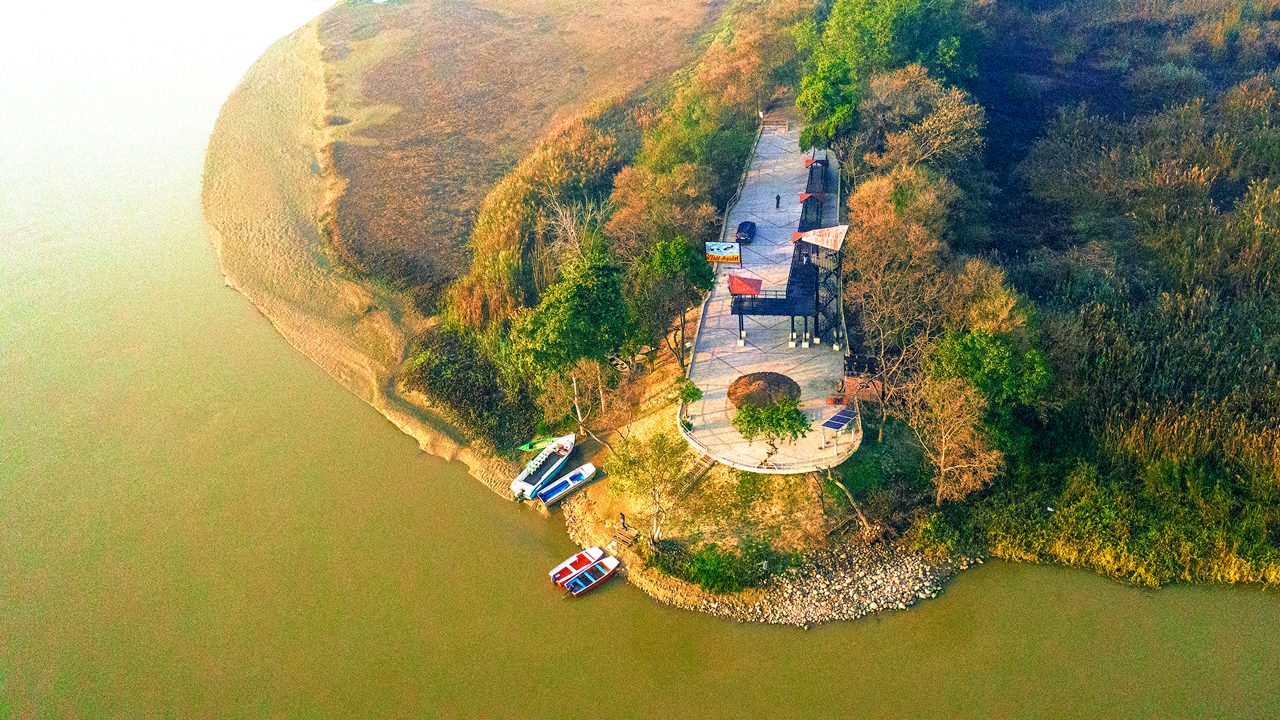
Harike Wetland, also known as Harike Pattan, was created in 1953 with the construction of the Harike Barrage on the confluence of the Beas and Sutlej rivers. This man-made wetland has since evolved into one of the most important aquatic ecosystems in Northern India. The wetland spans across the districts of Tarn Taran, Ferozepur, and Kapurthala in Punjab, creating a unique landscape that combines shallow water bodies, marshes, and rich agricultural lands.
The sanctuary was officially declared a Wildlife Sanctuary in 1982 and gained international recognition when it was designated as a Ramsar site in 1990. This prestigious designation acknowledges the wetland's global importance in conserving biological diversity. The ecological significance of Harike extends beyond just birds – it serves as a crucial breeding ground for numerous fish species and supports a variety of aquatic plants that form the foundation of this complex ecosystem.
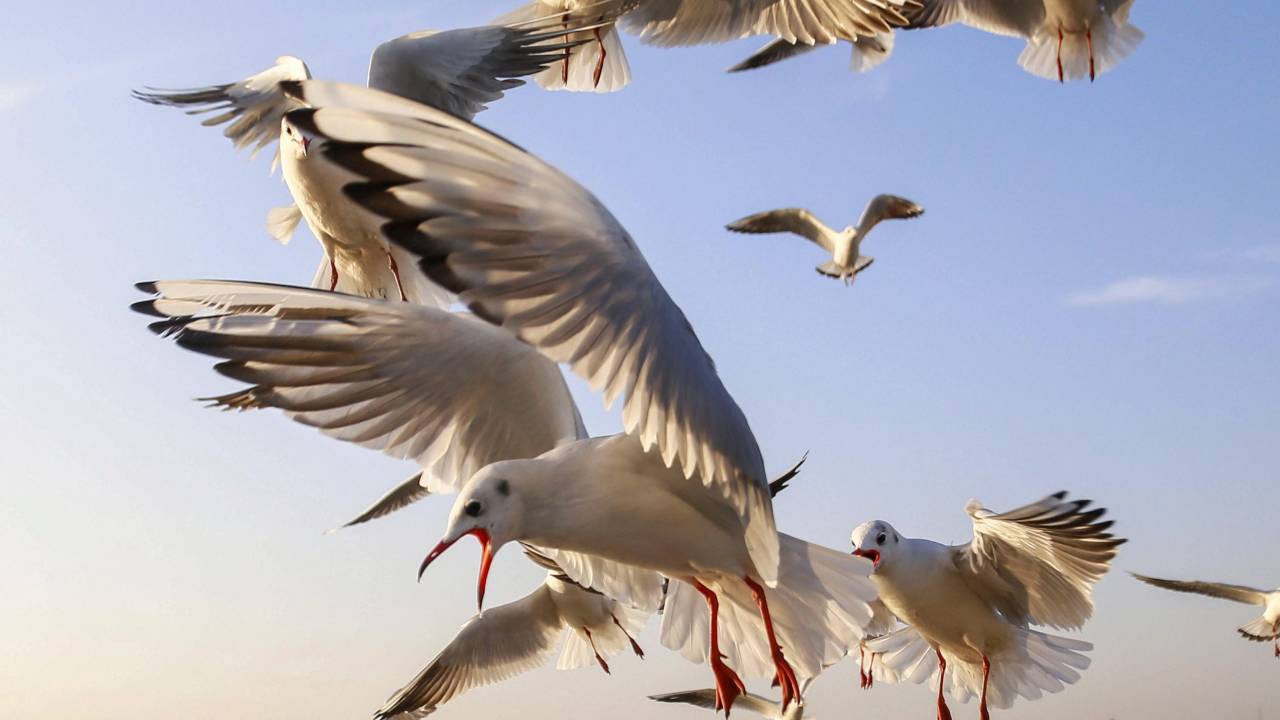
What makes Harike truly special is its role as a critical stopover point for migratory birds traveling thousands of kilometers from Central Asia, Siberia, and other parts of the world. The wetland's abundant food resources and safe resting areas make it an ideal sanctuary for these weary travelers during their annual migration cycles.
The Magnificent Birds of Harike
Harike Bird Sanctuary is home to an impressive diversity of avian species, with over 360 bird species recorded here. The wetland attracts approximately 200,000 birds annually during the peak winter season, transforming the area into a vibrant spectacle of colors, sounds, and natural beauty. Birdwatchers from across the country and around the world flock to Harike to witness this incredible gathering of feathered creatures.
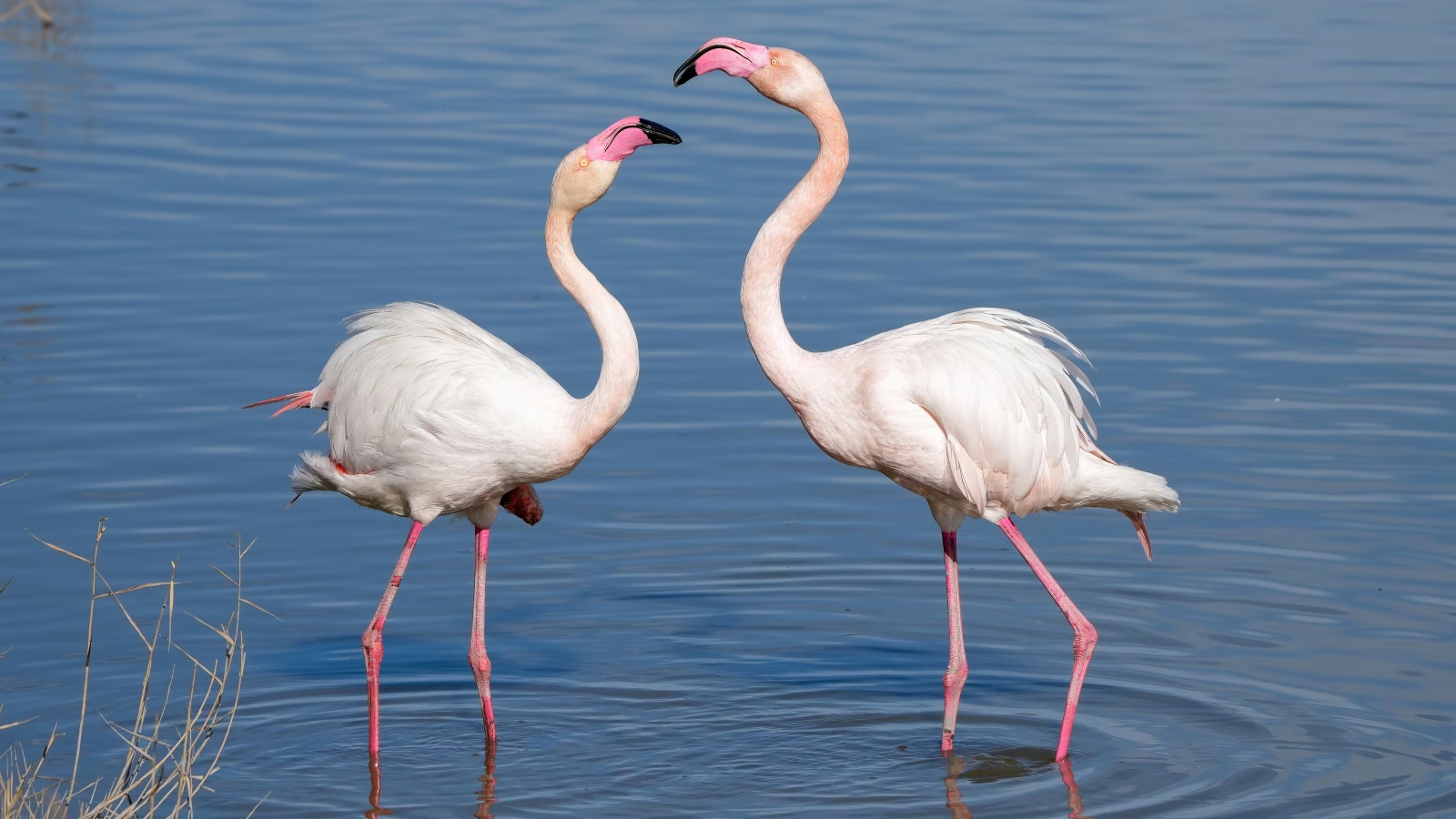
Among the most sought-after species are the magnificent migratory birds that arrive here starting from November. The sanctuary is famous for hosting rare and endangered species, including the Siberian Crane, Sarus Crane, and the majestic Greater Flamingo. The wetland also provides habitat for numerous ducks, geese, pelicans, storks, herons, and egrets. Some of the notable species you might encounter include:
- Large Waterbirds: Greater Flamingo, Common Crane, Sarus Crane, Painted Stork, Asian Openbill, Woolly-necked Stork
- Ducks and Geese: Bar-headed Goose, Greylag Goose, Northern Pintail, Common Teal, Gadwall, Eurasian Wigeon
- Birds of Prey: Marsh Harrier, Pallid Harrier, Greater Spotted Eagle, Imperial Eagle, Osprey
- Waders and Shorebirds: Black-tailed Godwit, Black-winged Stilt, Avocet, Sandpipers, Plovers
- Resident Species: Bronze-winged Jacana, Pheasant-tailed Jacana, Purple Moorhen, Bronze Cuckoo
The best time for birdwatching is early morning when the birds are most active and the lighting is perfect for photography. As you explore the wetland's various trails and watchtowers, you'll be amazed by the sheer variety and abundance of birdlife that calls Harike home, even if only temporarily.
The Elusive Indus River Dolphins
One of the most exciting and rare wildlife experiences you can have at Harike is the opportunity to spot the endangered Indus River Dolphin (Platanista gangetica minor). These magnificent freshwater dolphins, also known as Bhulan in local language, are one of the world's rarest mammals and are found in only a few river systems in South Asia.
The Indus River Dolphin is blind, having evolved without eyesight due to the murky waters of its habitat. It navigates and hunts using echolocation, making it a fascinating subject for wildlife enthusiasts. Harike is one of the few places where these elusive creatures can still be found, making any sighting a truly special and memorable experience.
However, spotting these shy creatures requires patience and a bit of luck. They are most commonly seen during the winter months when water levels are lower and visibility improves. Local boat operators and forest department guides know the best spots and can increase your chances of encountering these remarkable animals. Remember to maintain silence and avoid sudden movements if you're fortunate enough to see them.
The presence of Indus River Dolphins in Harike is a testament to the wetland's ecological health and the importance of ongoing conservation efforts to protect this unique habitat and its precious inhabitants.
Best Time to Visit Harike Bird Sanctuary
The best time to visit Harike Bird Sanctuary depends on what you want to experience, but generally, the winter months offer the most rewarding wildlife viewing opportunities.
Peak Season (November to March): This is when Harike comes alive with thousands of migratory birds. The winter weather is pleasant, with temperatures ranging from 10°C to 25°C during the day, making it comfortable for long hours of birdwatching. December and January are particularly good months as the wetland is at its fullest in terms of bird population. The shallow waters teem with waterfowl, and the surrounding areas are filled with the calls and activities of various bird species.
Shoulder Season (October and April): These months mark the arrival and departure periods for migratory birds. While you might see fewer species compared to peak winter, the weather is pleasant, and you can witness interesting behaviors as birds prepare for or complete their long migrations.
Summer (May to June): The summer months can be quite hot, with temperatures reaching up to 45°C. However, this is a good time to spot resident bird species and observe reptiles like turtles and various types of lizards. The wetland has fewer visitors during this time, offering a more peaceful experience if you can handle the heat.
Monsoon (July to September): The wetland receives significant rainfall during these months, which can make access difficult in some areas. However, the post-monsoon period (late September) brings lush greenery and is excellent for photography as the landscape transforms dramatically.
For the best overall experience, plan your visit between December and February when bird diversity is at its peak and the weather is most favorable for outdoor activities.
Timings & Entry Fee
Before planning your visit to Harike Bird Sanctuary, it's essential to know the practical details about timings, entry fees, and permissions required.
Timings:
The sanctuary is open to visitors from 6:00 AM to 6:00 PM throughout the week. The best time to enter is early morning (around 6:30-7:00 AM) when birds are most active and the lighting is ideal for photography. Afternoon visits can also be productive, especially during winter when many birds come out to bask in the sun.
Entry Fee:
The entry fee to Harike Bird Sanctuary is very reasonable, making it accessible to all visitors:
- Indian Nationals: ₹50 per person
- Foreign Nationals: ₹300 per person
- Camera Fee: ₹100 for still cameras, ₹500 for video cameras
- Boat Ride: ₹500-₹1000 per boat (depending on duration and type of boat)
Important Note: Fees are subject to change, so it's advisable to check with the Punjab Forest Department or local tourist information centers before planning your visit.
Permits:
For entry into certain core areas of the sanctuary and for boat rides, you may need additional permits from the Forest Department office located near the entrance. These permits are usually issued on the spot, but carrying a valid ID proof (Aadhaar card, voter ID, or passport) is mandatory.
Facilities Available:
- Basic parking facilities near the entrance
- Small interpretation center with information about local wildlife
- Restrooms and basic refreshment options
- Watchtowers and hides for wildlife viewing
- Guided boat tours (subject to water levels and availability)
How to Reach Harike Bird Sanctuary
Harike Bird Sanctuary is easily accessible from major cities in Punjab and neighboring states. Here's how you can reach this beautiful wetland:
By Air:
The nearest airport is Sri Guru Ram Dass Jee International Airport in Amritsar, approximately 60 kilometers away. From the airport, you can hire a taxi or take a bus to reach Harike. The journey takes about 1.5 to 2 hours by road, depending on traffic and road conditions.
By Train:
The nearest railway station is Amritsar Junction, which is well-connected to major cities across India. From Amritsar, you can take a bus or hire a taxi to reach Harike. Alternatively, you can also take a train to Jalandhar City Railway Station, which is about 75 kilometers from Harike. Regular taxi and bus services are available from both stations.
By Road:
Harike is well-connected by road networks, making it easily accessible by car or bus:
- From Amritsar: Approximately 60 km via NH 3 and NH 354. The drive takes about 1.5 hours.
- From Jalandhar: Approximately 75 km via NH 354. The journey takes around 2 hours.
- From Ludhiana: Approximately 120 km via NH 354 and NH 44. The drive takes about 2.5-3 hours.
- From Chandigarh: Approximately 200 km via NH 44. The journey takes around 4-5 hours.
Regular state transport buses and private buses operate from these cities to the nearby town of Harike. From the Harike town center, the sanctuary entrance is just a short auto-rickshaw or taxi ride away.
Self-Drive Option:
Driving to Harike is a pleasant experience as the roads are generally well-maintained. The route from Amritsar offers scenic views of Punjab's agricultural landscape. If you're driving, you can park your vehicle at the designated parking area near the sanctuary entrance.
Nearby Attractions
While visiting Harike Bird Sanctuary, you can explore several other interesting attractions in the region to make your trip even more memorable:
1. Golden Temple, Amritsar (60 km):
The most famous Sikh pilgrimage site in the world, the Golden Temple is a spiritual and architectural marvel. The temple's stunning golden structure, reflected in the sacred pool, creates an otherworldly atmosphere that attracts millions of devotees and tourists every year. The temple complex also serves free meals (langar) to all visitors regardless of caste, creed, or religion – a powerful symbol of equality and service.
2. Wagah Border Ceremony (55 km):
Witness the elaborate border closing ceremony between India and Pakistan at the Wagah-Attari border. The daily ceremony features synchronized marches by soldiers from both countries and is a powerful display of national pride. The evening ceremony, known as the "Beating the Retreat," begins before sunset and is an unforgettable experience.
3. Jallianwala Bagh (60 km):
Located in Amritsar, this historic garden commemorates the tragic massacre of peaceful celebrators by British forces in 1919. The site features a memorial, museum, and bullet-marked walls that serve as a somber reminder of India's freedom struggle. A visit here is both educational and deeply moving.
4. Partition Museum, Amritsar (60 km):
India's first museum dedicated to the Partition of 1947, this institution tells the stories of millions who were affected by the division of the country. Through photographs, personal artifacts, and oral histories, the museum preserves the memories of one of the most traumatic events in South Asian history.
5. Akal Takht and other Gurdwaras in Amritsar (60 km):
Explore the rich Sikh heritage by visiting other important gurdwaras in Amritsar, including the Akal Takht (the highest temporal seat of Sikh authority), Gurdwara Baba Atal Rai, and Gurdwara Mata Kaulan. Each site offers unique insights into Sikh religion, history, and architecture.
6. Tarn Taran Sahib (30 km):
Home to the historic Gurdwara Sri Tarn Taran Sahib, this town is an important pilgrimage site for Sikhs. The gurdwara features the largest sacred pool (sarovar) in Punjab and is believed to have healing properties. The architecture is stunning, and the peaceful atmosphere makes it worth a visit.
7. Goindwal Sahib (40 km):
Another important Sikh pilgrimage site featuring the historic Gurdwara Baoli Sahib. This gurdwara houses a deep well (baoli) with 84 steps, and it's believed that bathing here while reciting Japji Sahib brings liberation. The town's spiritual atmosphere and historical significance make it a meaningful stop on your trip.
Recommended Itinerary:
Plan a 2-3 day trip to combine wildlife watching at Harike with cultural and historical experiences in Amritsar. Day 1 can be dedicated to exploring Harike Bird Sanctuary, Day 2 for visiting the Golden Temple and Jallianwala Bagh, and Day 3 for the Wagah Border ceremony and other attractions in Amritsar.
Essential Travel Tips
To make the most of your visit to Harike Bird Sanctuary, keep these practical tips in mind:
What to Carry:
- Binoculars: Essential for distant bird watching. A good pair of 8x or 10x binoculars will significantly enhance your experience.
- Camera: A DSLR or mirrorless camera with a telephoto lens (200mm or more) is ideal for wildlife photography.
- Field Guide: Carry a bird identification guidebook or download bird identification apps to help you spot and identify different species.
- Comfortable Clothing: Wear earth-colored (khaki, olive, brown) clothing that blends with the environment. Avoid bright colors that might disturb wildlife.
- Comfortable Footwear: Waterproof hiking boots or sturdy walking shoes are recommended, especially during winter and monsoon seasons.
- Sun Protection: Hat, sunglasses, and sunscreen are essential, especially during summer months.
- Insect Repellent: The wetland can have mosquitoes and other insects, especially during early morning and evening hours.
- Water and Snacks: Carry sufficient water and light snacks, as options inside the sanctuary are limited.
Best Practices for Wildlife Viewing:
- Maintain Silence: Speak softly and avoid sudden movements to avoid disturbing birds and other wildlife.
- Keep Distance: Maintain a respectful distance from wildlife. Use binoculars and zoom lenses for close-up views.
- Stay on Designated Paths: Venturing off designated trails can damage fragile wetland ecosystems and disturb nesting birds.
- Respect Wildlife: Never attempt to feed, touch, or harass animals. Remember that you are a guest in their home.
- Leave No Trace: Carry all your trash back with you. Help keep the sanctuary clean and beautiful.
- Follow Guidelines: Pay attention to instructions from forest department staff and guides. They know the best practices for wildlife viewing.
Photography Tips:
- The golden hours (early morning and late afternoon) provide the best lighting for photography.
- Use fast shutter speeds to capture birds in flight.
- Be patient and wait for the perfect shot rather than chasing birds.
- Respect the sanctuary's rules regarding drone usage and flash photography.
Accommodation Options:
While there are limited accommodation options within the sanctuary itself, you can find various places to stay in nearby towns and cities:
- Amritsar (60 km): Wide range of hotels, guesthouses, and homestays to suit all budgets.
- Jalandhar (75 km): Good hotels and resorts for a comfortable stay.
- Ferozepur (30 km): Basic guesthouses and hotels for overnight stays.
- Forest Rest House: Limited accommodations are available within the sanctuary with prior permission from the Forest Department.
For the best experience, consider staying in Amritsar and making a day trip to Harike, or vice versa. This allows you to combine wildlife watching with the rich cultural experiences that Amritsar offers.
Conservation Efforts and Challenges
Harike Bird Sanctuary faces several conservation challenges that threaten its delicate ecosystem. Understanding these issues can help visitors appreciate the importance of responsible tourism and conservation efforts.
Major Threats:
- Invasive Species: The spread of invasive water hyacinth (Eichhornia crassipes) has been a significant problem, choking water bodies and affecting native aquatic plants and animals.
- Pollution: Agricultural runoff containing pesticides and fertilizers, as well as domestic and industrial pollution from upstream areas, affects water quality.
- Habitat Degradation: Encroachment, illegal fishing, and unsustainable tourism practices can damage critical habitats.
- Climate Change: Changing weather patterns affect water levels and migration timing, potentially disrupting the delicate balance of the ecosystem.
- Human-Wildlife Conflict: As human settlements expand around the wetland, conflicts between local communities and wildlife can increase.
Conservation Initiatives:
The Punjab Forest Department, along with various NGOs and international organizations, has been working to protect and restore Harike Wetland:
- Regular removal of water hyacinth to maintain open water areas
- Awareness programs for local communities about sustainable fishing and farming practices
- Strict enforcement of wildlife protection laws
- Research and monitoring programs to track bird populations and ecosystem health
- Community-based conservation initiatives that involve local residents in protection efforts
How You Can Help:
- Practice responsible tourism by following all sanctuary guidelines
- Support local conservation initiatives and NGOs working to protect the wetland
- Spread awareness about the importance of wetland conservation
- Report any illegal activities you witness to forest department officials
- Reduce your ecological footprint by avoiding single-use plastics and disposing of waste properly
Conclusion
Harike Bird Sanctuary is more than just a bird watching destination – it's a living testament to nature's incredible diversity and resilience. This remarkable wetland offers a unique opportunity to witness one of India's most spectacular wildlife spectacles, where thousands of migratory birds gather annually in a celebration of life that has been repeated for millennia.
Whether you're captivated by the elegant flight of flamingos, the majesty of Sarus cranes, or the rare glimpse of endangered river dolphins, Harike promises experiences that will stay with you long after you've returned home. The sanctuary's ecological importance cannot be overstated – it serves as a critical refuge for countless species and plays a vital role in maintaining the region's environmental balance.
As you plan your visit, remember that responsible tourism is key to ensuring that future generations can also enjoy this natural wonder. By respecting wildlife, following guidelines, and supporting conservation efforts, you become part of the global community working to protect our planet's precious biodiversity.
So pack your binoculars, charge your camera, and prepare for an unforgettable journey into the heart of Punjab's wild side. Harike Bird Sanctuary awaits, ready to reveal its secrets to those who approach with patience, respect, and an open heart. The call of the wild is calling – will you answer?
Happy birdwatching!
Location
Frequently Asked Questions
Q1.Where is Harike Bird Sanctuary located?
Q2.What is Harike Wetland famous for?
Q3.Which rivers meet at Harike?
Q4.Can we see dolphins in Harike?
Q5.What is the best time to visit Harike?
Q6.What are the timings of the sanctuary?
Q7.Is there an entry fee?
Q8.How far is Harike from Amritsar?
Recommended For You
Places to Visit in Amritsar: Golden Temple Circuit & City Highlights
Best places to visit in Amritsar. Golden Temple, Wagah Border, Jallianwala Bagh & Punjab attractions.

Golden Temple Amritsar: Darshan Timings, Langar & Travel Tips
Experience divine serenity at Golden Temple Amritsar. Discover its rich history, sacred rituals, and the world's largest langar serving 100,000 daily. Complete guide with timings, dress code, and travel tips.

Wagah Border Ceremony: Timings, Seating & Ticket Process
Experience the patriotic Wagah Border Beating Retreat Ceremony. Complete guide to timings, entry tickets, VIP passes, how to reach from Amritsar, and tips for this spectacular India-Pakistan border ritual.
Never Miss an Adventure
Get the latest trekking guides, travel tips, and exclusive offers delivered straight to your inbox.
