
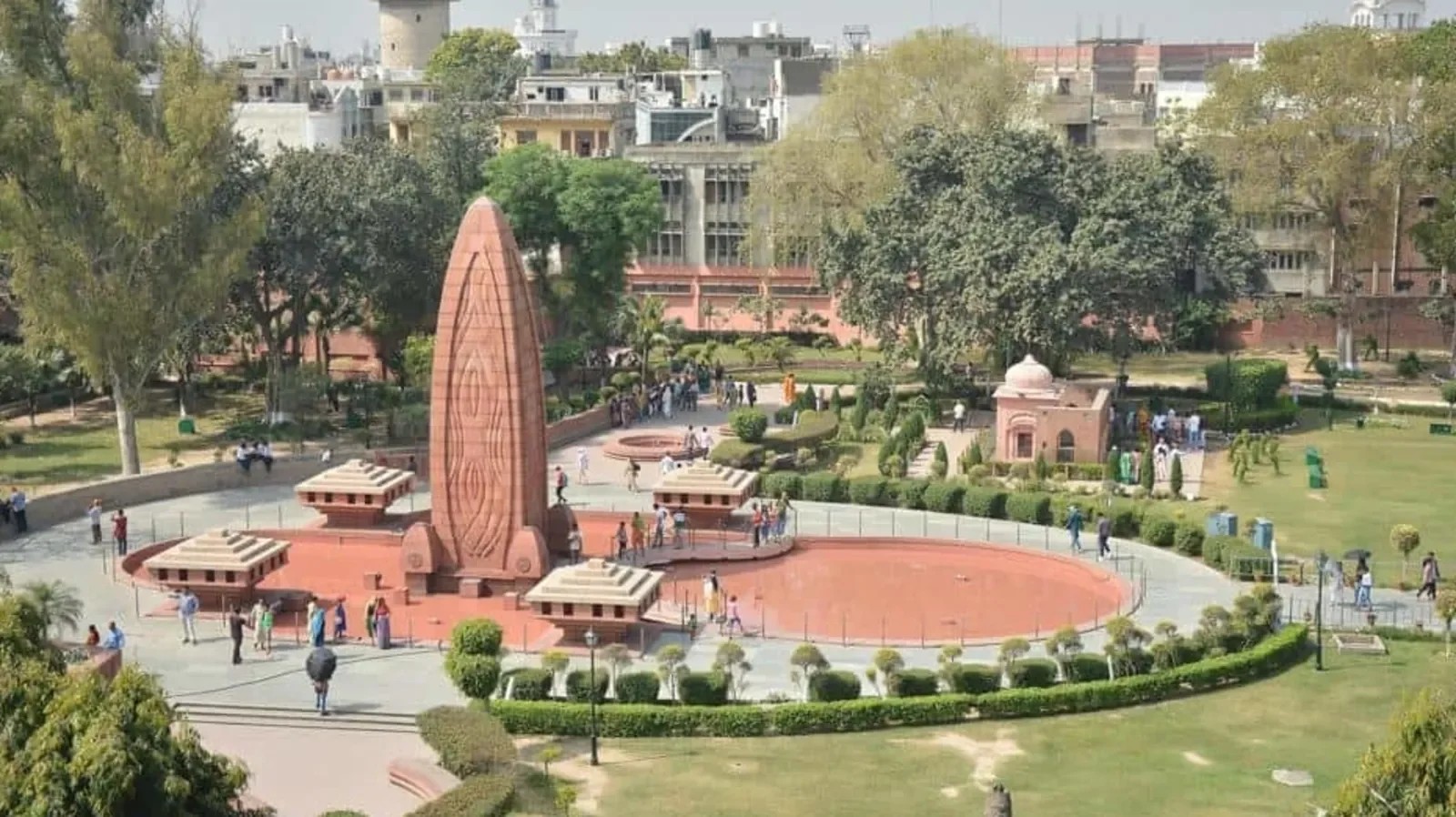
Jallianwala Bagh Amritsar: Timings, History & Entry

Priya Mehta
January 21, 2026
Visit Jallianwala Bagh in Amritsar! Discover timings, entry fee, history, massacre, memorial, how to reach, and complete travel guide for this historical landmark.
Jallianwala Bagh Amritsar: Complete Historical and Visitor Guide
Jallianwala Bagh is one of the most important memory sites in India’s freedom struggle. Located close to the Golden Temple in Amritsar, this public garden became the site of a horrific massacre on 13 April 1919, during Baisakhi. A peaceful gathering was fired upon under the command of Brigadier General Reginald Dyer, leaving hundreds dead and many more injured. The event altered Indian political consciousness and intensified anti-colonial resistance across the country.
Today, the memorial is not just a place to visit, but a place to pause and reflect. If you are planning a heritage walk in Amritsar, pair this stop with golden temple amritsar and keep enough mental space between both visits. Jallianwala Bagh deserves quiet attention, not rushed checklist tourism.

What Happened on 13 April 1919
On Baisakhi day, thousands of people had gathered in and around the garden area. Some came for peaceful protest against the Rowlatt Act, while others were present due to festival movement in the city. The entrance lanes were narrow, and once firing began, escape options were limited. Eyewitness records, inquiries, and historical archives document the brutality of the action.
Many people were shot while attempting to flee. Others jumped into the well within the complex in desperate attempts to survive. Official colonial counts underreported casualties, while Indian accounts and later research indicate far higher loss. Regardless of numerical disputes, the moral and political impact was immediate and immense.
Why Jallianwala Bagh Changed the Freedom Movement
The massacre became a turning point in India’s anti-colonial struggle. It exposed the violence underlying imperial authority and transformed public sentiment in multiple provinces. National leaders, writers, and ordinary citizens viewed the event as proof that constitutional appeals alone were insufficient under repressive rule.
The memory of Jallianwala Bagh also shaped later actions by revolutionaries and political organizers. Public discourse around dignity, accountability, and self-rule deepened after 1919. For visitors today, this historical transition is the key lens: the site marks not only grief, but a decisive shift in collective resistance.
Travelers who want a deeper context can include partition museum amritsar in the same city itinerary. Together, these two places help map the long arc from colonial violence to modern nation-state trauma and memory.
What to See Inside the Memorial Complex
1. Preserved Bullet Mark Walls
Sections of wall with marked bullet impacts are preserved as evidence. These are among the most direct visual reminders of the firing. Spend a few minutes reading the plaques and observing the spacing and height of marks to understand firing pattern and crowd vulnerability.
2. Martyrs’ Well
The well is one of the most emotionally difficult points in the complex. People jumped here during firing to escape bullets. The memorial treatment around it is intentionally solemn, and visitors should maintain silence and respectful conduct.
3. Central Memorial Structure
The sculptural memorial symbolizes sacrifice and national remembrance. Its formal language is modern yet rooted in the gravity of the event. Use this area as a reflection point before moving to galleries.

Museum and Interpretation Experience
Recent upgrades have improved interpretation through curated displays, archival references, and structured storytelling. Depending on operational schedule, visitors may also find multimedia presentation formats that explain chronology, politics, and personal accounts linked to the massacre.
While digital installations can make history more accessible, do not skip reading static text panels. They provide crucial context that prevents oversimplified understanding. A complete visit should include both visual memorial points and educational sections.
Timings, Entry Fee, and Duration
| Visitor Information | Practical Details |
|---|---|
| Entry Fee | Generally free for visitors |
| Opening Hours | Daytime to evening windows (verify locally on arrival) |
| Ideal Visit Duration | 60-120 minutes including galleries |
| Best Time Slot | Morning for quieter reflection, evening for combined city walk |
Operational windows may change during national events, maintenance cycles, or special commemorative programs, so confirm current timings at the site.
How to Reach Jallianwala Bagh
The memorial is located in Amritsar’s heritage core near the Golden Temple complex. Most visitors walk from nearby drop points, parking areas, or temple-side approach lanes. If you are coming from the railway station or airport side, app cabs and autos are widely available. Keep extra buffer for crowd movement, especially on weekends and festival periods.
A full-day Amritsar route can include places to visit amritsar for planning sequence and travel efficiency. That helps avoid back-and-forth transit in dense traffic pockets.
Best Time to Visit and Visitor Etiquette
October to March is typically the most comfortable season for walking. Early morning visits are quieter and better for reflective observation. Evenings are suitable if you are combining this stop with surrounding heritage zones, but crowd levels can be higher.
- Maintain low voice levels and avoid loud group behavior.
- Do not treat memorial points as casual selfie backdrops.
- Read plaques and historical panels before moving quickly to the next point.
- Guide children gently through context so the visit remains meaningful.
Suggested Heritage Circuit in Amritsar
- Morning: Jallianwala Bagh for focused reflection and museum reading.
- Late Morning: Walk to nearby sacred and heritage zones.
- Afternoon: City meal break and rest.
- Evening: Continue to wagah border ceremony if logistics permit and you want a very different historical-political experience.
This structure keeps emotional pacing balanced. Visiting Jallianwala Bagh in the morning often gives a more attentive and less crowded experience.

Common Mistakes to Avoid
- Rushing through in 20 minutes without reading core interpretation panels.
- Using social-media summaries as your only historical source.
- Skipping the well and bullet mark sections, which are central evidence points.
- Planning zero buffer time during festival or weekend crowd spikes.
- Visiting without emotional preparedness, especially with young children.
Why This Memorial Matters Today
Jallianwala Bagh continues to matter because it confronts visitors with the human cost of state violence and the price paid in struggles for dignity and self-rule. It is not simply a monument from the past. It is an active civic classroom that asks difficult questions about power, rights, and accountability.
When approached with patience and respect, the site leaves lasting impact. Read, observe, and reflect rather than consume it as content. That is the most honest way to engage with Jallianwala Bagh and with the memory of those who never walked out.
Reading the Site Beyond Statistics
Discussions around casualty numbers are important for historical rigor, but visitors should also pay attention to spatial conditions that made survival difficult: narrow exits, enclosed gathering zone, and panic under sustained firing. This spatial reading helps people understand why casualty impact was so severe in a short window. Heritage learning becomes stronger when numbers and physical evidence are read together.
If you are traveling as a study group, assign each person one theme before entry: legal context, eyewitness testimony, memorial design, or political aftermath. After the visit, spend fifteen minutes sharing observations. This practice produces deeper retention and moves the visit beyond passive tourism.
Many visitors also connect this stop with broader regional travel using amritsar travel guide, which helps sequence sacred, historical, and civic landmarks in a way that feels coherent rather than exhausting.
Before exiting, revisit one preserved wall and one interpretive panel. This second pass often reveals details missed in the first walk and helps convert an emotional visit into informed historical understanding.
Location
Frequently Asked Questions
Q1.Is there an entry fee for Jallianwala Bagh?
Q2.What are the timings of Jallianwala Bagh?
Q3.How far is Jallianwala Bagh from the Golden Temple?
Q4.Is the bullet mark wall still there?
Q5.Is photography allowed inside Jallianwala Bagh?
Q6.What is the light and sound show timing?
Q7.How much time is needed to visit Jallianwala Bagh?
Q8.What is the best time to visit Jallianwala Bagh?
Recommended For You
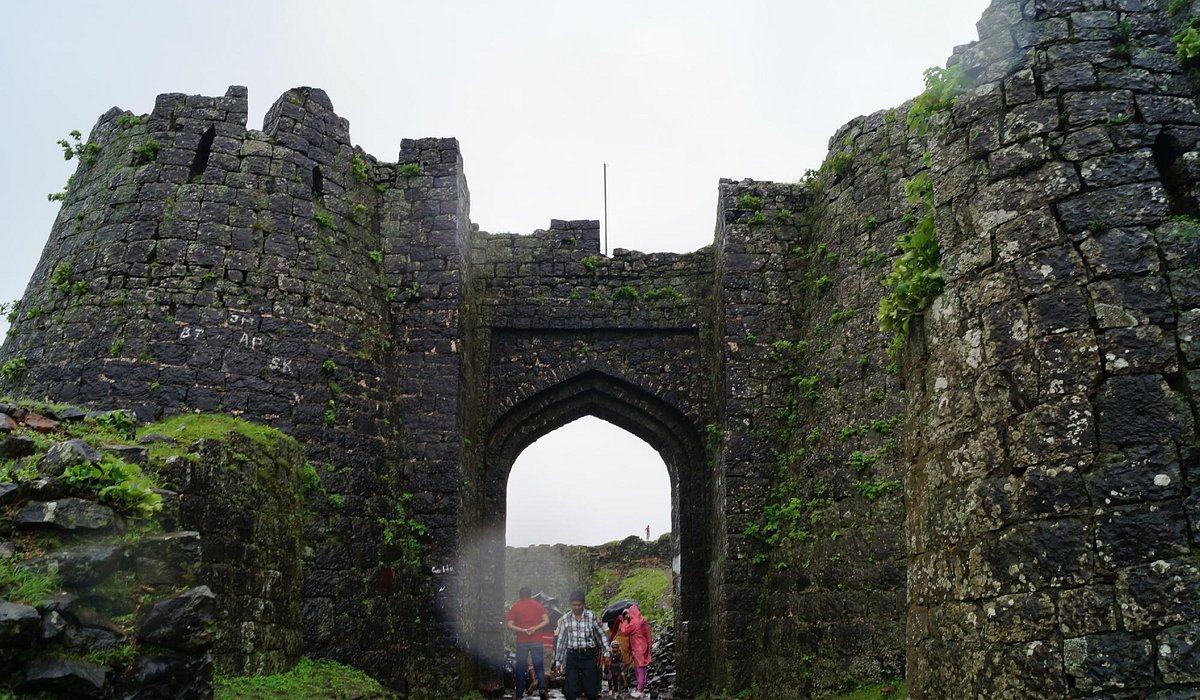
Places to Visit in Amritsar: Golden Temple Circuit & City Highlights
Best places to visit in Amritsar. Golden Temple, Wagah Border, Jallianwala Bagh & Punjab attractions.
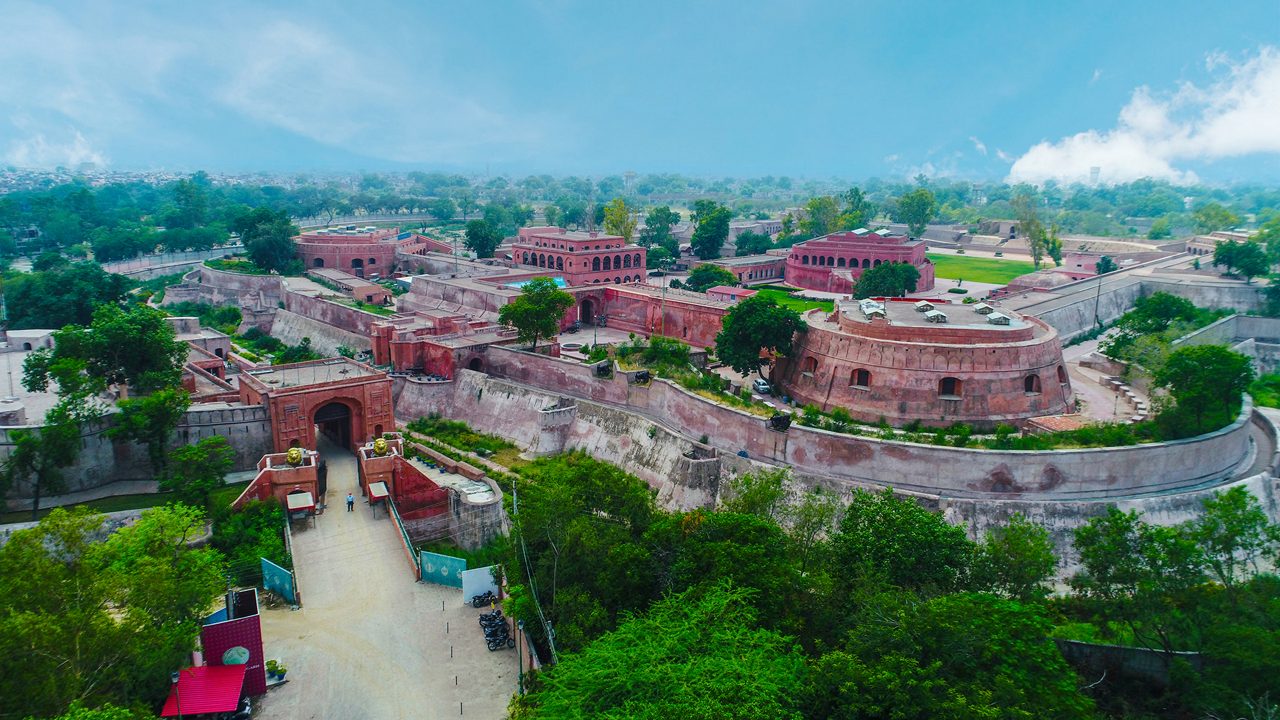
Amritsar: Complete Travel Plan Places And Weather
Complete Amritsar travel guide featuring Golden Temple, Wagah Border, Jallianwala Bagh, Partition Museum, Punjabi cuisine & practical tips.
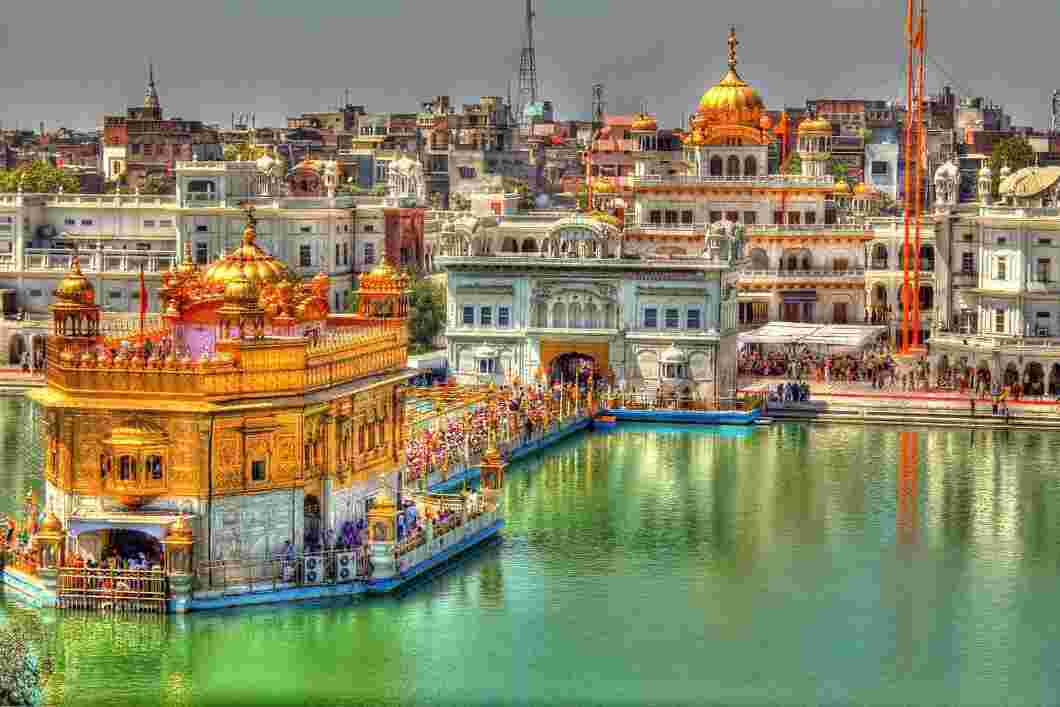
Things to Do in Punjab: Culture, Food Trails & Heritage Sites
Discover top things to do in Punjab, from Golden Temple and Wagah to food, festivals, heritage routes, and practical travel planning tips.
Never Miss an Adventure
Get the latest trekking guides, travel tips, and exclusive offers delivered straight to your inbox.
