
Places to Visit in Amritsar: Golden Temple Circuit & City Highlights
Rohit Verma
February 15, 2026
Best places to visit in Amritsar. Golden Temple, Wagah Border, Jallianwala Bagh & Punjab attractions.
Introduction
Amritsar, the spiritual capital of Punjab and the holiest city in Sikhism, welcomes millions of pilgrims and tourists each year. Founded in 1577 by Guru Ram Das, the fourth Sikh Guru, this city derives its name from Amrit Sarovar, the Pool of Nectar that surrounds its most sacred shrine. But Amritsar is more than just a pilgrimage destination – it's a vibrant tapestry of spiritual heritage, historical significance, and Punjabi culture that offers visitors an unforgettable experience.
The city's significance extends far beyond its religious importance. Amritsar has been at the center of some of the most pivotal moments in Indian history – from the flourishing of Sikh empire to the horrors of the Jallianwala Bagh massacre, from the trauma of Partition to the ongoing tensions at the Wagah border. Each of these historical events has left its mark on the city, creating layers of meaning that make every visit a journey through time.
Modern Amritsar seamlessly blends this rich heritage with contemporary Punjabi culture. The streets around the Golden Temple buzz with life – shops selling religious items, tourists and pilgrims from every corner of the world, street food vendors selling delicious Amritsari specialties, and the constant sound of Gurbani (Sikh scriptures) being recited or played. Beyond the spiritual core, the city offers vibrant markets, excellent food, and that famous Punjabi hospitality that makes every visitor feel at home.
Whether you're a spiritual seeker, a history enthusiast, a food lover, or simply someone who wants to experience authentic Punjabi culture, Amritsar has something for you. The city can be comfortably explored in 2-3 days, though many visitors find themselves drawn back again and again by its powerful spiritual pull and warm hospitality.
Golden Temple (Harmandir Sahib)
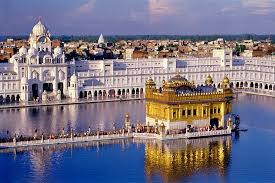
The Golden Temple, officially known as Harmandir Sahib (Abode of God), is not just Amritsar's crown jewel – it's the spiritual and cultural heart of the Sikh religion. This magnificent shrine is the preeminent pilgrimage destination for Sikhs worldwide, but it welcomes people of all faiths with open arms, embodying the Sikh principles of equality and service to humanity.
Architecture and Significance
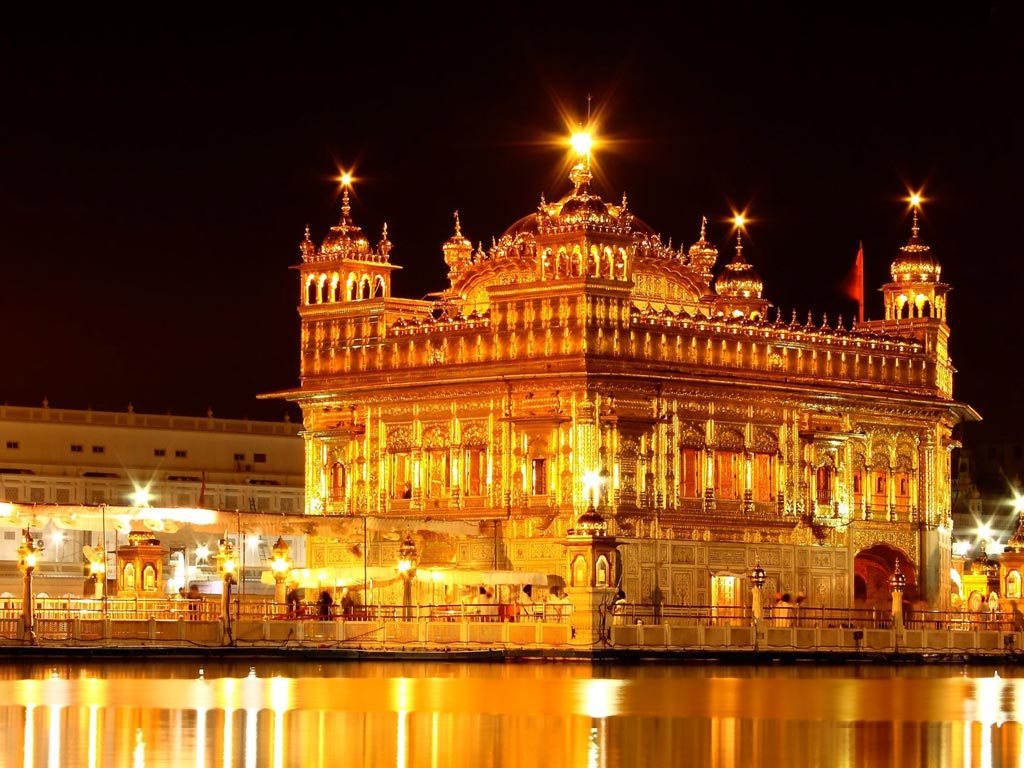
What makes the Golden Temple extraordinary is both its physical beauty and its spiritual atmosphere. The temple is built in a large holy tank (the Amrit Sarovar) with water that's believed to have healing properties. The temple itself is a stunning example of Sikh architecture – a harmonious blend of Islamic and Indian styles that has inspired countless other Sikh gurdwaras. The lower level is marble, inlaid with intricate flower patterns and animal motifs, while the upper level is gold-plated, giving the temple its famous name.
The temple is approached from all four sides, symbolizing that the Sikh faith is open to people from all castes, creeds, and directions. This was a radical statement in medieval India, when entry to many Hindu temples was restricted by caste. Four ornate entrance doors lead into the sanctum, which houses the Guru Granth Sahib (the Sikh holy book). Unlike most religious spaces, the Guru Granth Sahib is installed on a throne under a jewel-studded canopy, treated as the living presence of the Gurus rather than an idol.
Langar: The Community Kitchen
One of the most profound aspects of the Golden Temple is its langar (free community kitchen), which serves approximately 100,000 people every single day, regardless of caste, creed, religion, or social status. This tradition, established by Guru Nanak (the first Sikh Guru), embodies the Sikh principles of seva (selfless service) and equality. Anyone can volunteer to help prepare or serve food, and anyone can partake in the meal.
The langar operates 24 hours a day, 365 days a year, fueled by donations and served by volunteers. The simple meal – typically dal (lentils), roti (bread), and kheer (rice pudding) – is prepared in massive pots that can hold thousands of liters. Watching the kitchen in operation is impressive in itself, with automated roti machines and volunteers working in coordinated harmony. The experience of sitting on the floor in the langar hall, eating alongside people from every walk of life, is profoundly humbling and moving.
Visitor Guidelines
Dress Code: Modest dress is required. Everyone must cover their head before entering the temple complex. Head coverings are available for free at the entrance (deposit is required, returned when you leave). Shoes must be removed and deposited at the shoe counter. Avoid shorts, short skirts, and revealing clothing.
Behavior: Maintain silence and respect within the main shrine. Photography is allowed but turn off your flash and don't stand directly in front of the Guru Granth Sahib to take photos. Smoking, alcohol, and drugs are strictly prohibited in the entire complex.
Best Time to Visit: Early morning (3:00 AM to 6:00 AM) offers the most peaceful experience, especially during the early morning prayers. The temple is less crowded, and the spiritual atmosphere is most intense. The evening, particularly on weekends, sees the maximum crowds. If you're visiting during festival times (especially Guru Nanak Jayanti in November or Baisakhi in April), expect very large crowds.
Jallianwala Bagh
On April 13, 1919, the British Indian Army, under the command of General Reginald Dyer, fired without warning on a peaceful gathering of unarmed Punjabis who had assembled in Jallianwala Bagh to celebrate Baisakhi (the Punjabi harvest festival). In just ten minutes, over 1,600 rounds were fired into the enclosed space where thousands had gathered, leaving hundreds dead and thousands wounded. This massacre became a turning point in India's freedom struggle, transforming loyal British subjects into determined freedom fighters.
Today, Jallianwala Bagh is a memorial garden that preserves the memory of those who were martyred. The bullet marks are still visible on the walls of the garden – a stark reminder of that fateful day. The Martyrs' Well, where many people jumped to escape the gunfire, has been preserved as a memorial. The Flame of Liberty, an eternal flame that burns continuously, honors the sacrifice of those who died.
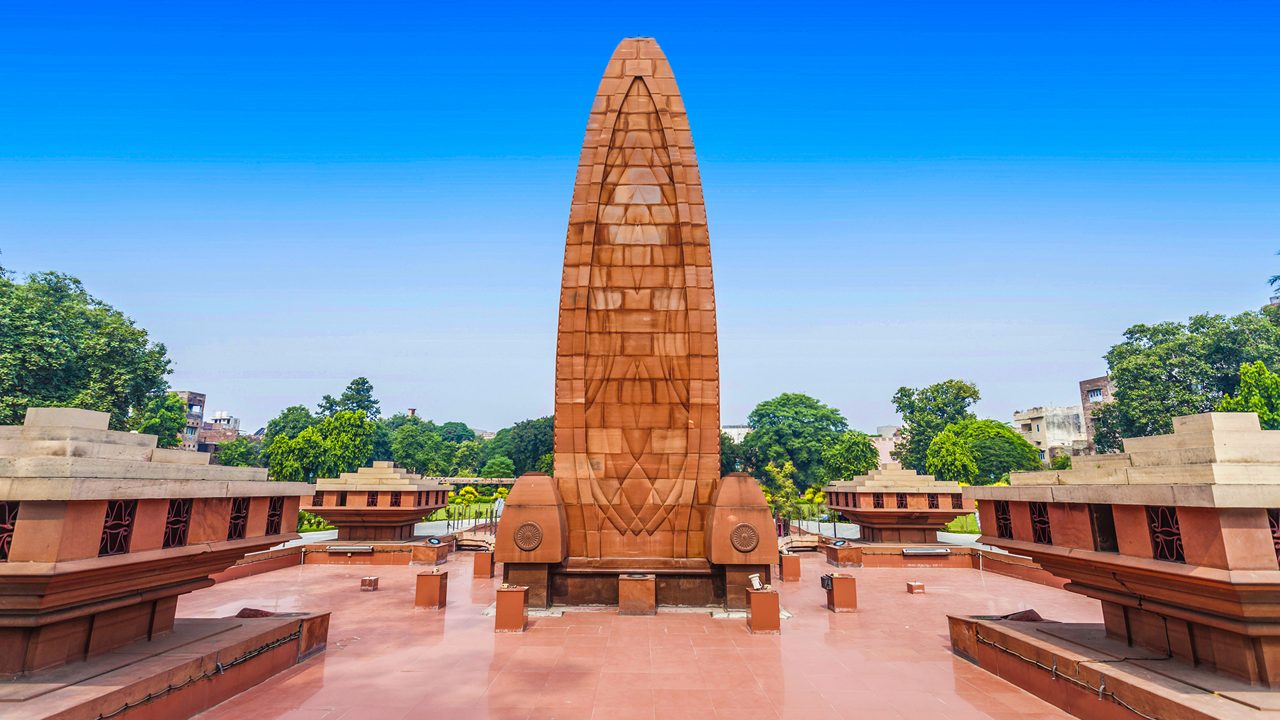
The memorial includes an extensive gallery with photographs and paintings depicting the massacre and its aftermath. The emotional weight of this place is heavy – visitors are often moved to tears by the graphic depictions and the realization that they're standing on ground that once soaked innocent blood. A visit to Jallianwala Bagh is not just sightseeing; it's a pilgrimage to honor those who sacrificed for India's freedom.
Wagah Border
About 30 kilometers from Amritsar lies the Wagah Border, the only road crossing between India and Pakistan. Every evening, a ceremony takes place here that's unlike anything else in the world – the Beating Retreat Ceremony, where the flags of both nations are lowered and the border gates closed for the night. What makes it remarkable is the theatrical, patriotic atmosphere that surrounds this otherwise routine military procedure.
The ceremony begins in the late afternoon, with crowds gathering on both sides of the border well in advance. On the Indian side, grandstands have been built to accommodate visitors. The atmosphere is electric – Indian flags waving, patriotic songs playing, vendors selling snacks and souvenirs. As the ceremony time approaches, the energy builds, with crowds cheering "Bharat Mata ki Jai" (Victory to Mother India).
The ceremony itself is a choreographed display of military coordination and showmanship. Soldiers from both sides march in perfect synchronization toward the gates. The rapid, aggressive opening of the gates is followed by the coordinated lowering of flags. The entire performance is designed to impress and intimidate – a display of military prowess and national pride. Despite the tense atmosphere, the ceremony is peaceful and disciplined.
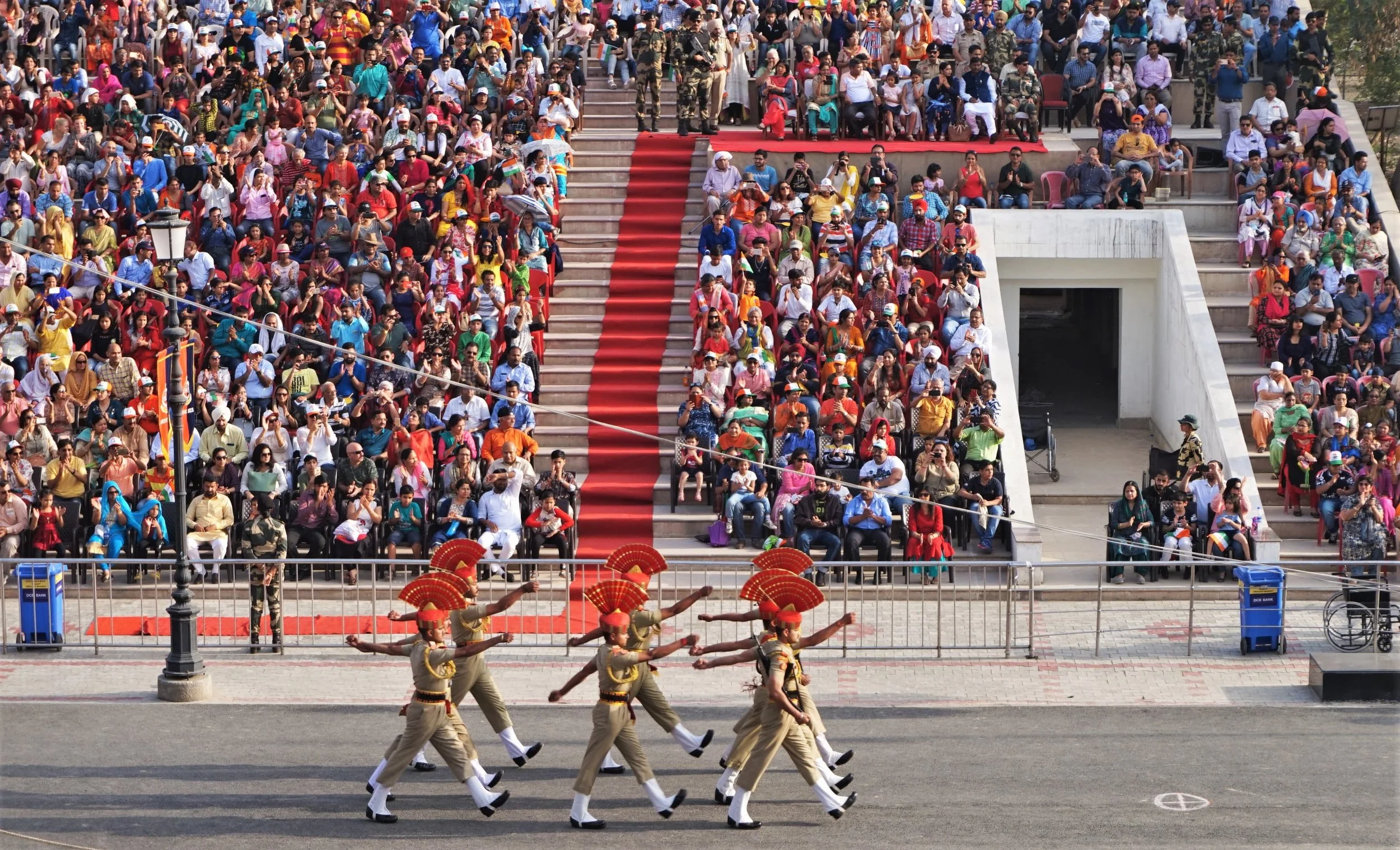
Ceremony Timings: The ceremony begins around 5:00 PM in winter and 5:30 PM in summer, though these times can vary. Gates open at least an hour earlier. Arrive early to secure a good seat – especially on weekends and holidays when crowds are larger. The ceremony lasts approximately 45 minutes.
Travel from Amritsar: Taxis and auto-rickshaws are readily available for the journey. The drive takes 45-60 minutes each way. Many tour operators offer organized trips, which include transportation and sometimes dinner. There's no public transport to Wagah Border, so you'll need private transport.
Temples & Gurdwaras
While the Golden Temple is the spiritual center of Amritsar, the city is home to numerous other sacred sites that offer deeper insights into the region's religious and cultural fabric.
Durgiana Temple
Durgiana Temple is one of Amritsar's most important Hindu temples, dedicated to Goddess Durga. Built in the early 20th century, the temple is situated near the Golden Temple and is architecturally similar, featuring marble inlay work and a holy tank. The temple complex is spacious and beautifully maintained. The main shrine houses an idol of Goddess Durga, and the temple also contains shrines to other Hindu deities including Lakshmi and Narayanan.
Akal Takht
Located within the Golden Temple complex, Akal Takht (the Throne of the Timeless One) is one of the five Takhts (seats of authority) in Sikhism. It's where the Guru Granth Sahib was first installed by Guru Arjan Dev in 1604. Historically, this is where Sikh Gurus would address the community and where important decisions were made. Today, it houses ancient Sikh scriptures and manuscripts, including weapons used by Guru Gobind Singh. The building was destroyed during Operation Blue Star in 1984 and subsequently rebuilt.
Gurdwara Mata Kaulan
This beautiful gurdwara is dedicated to Mata Kaulan, a saint who dedicated her life to the service of humanity. Located in the village of Bibhour, about 7 kilometers from Amritsar, it's known for its peaceful atmosphere and beautiful architecture. The gurdwara features extensive gardens and a large pool, making it a serene escape from the city.
Partition Museum
The Partition Museum, located within the Town Hall building, is a powerful emotional journey into one of the most traumatic events in modern history – the Partition of India in 1947. The museum, opened in 2016, uses photographs, oral histories, personal artifacts, and interactive displays to tell the stories of the millions who were displaced, the hundreds of thousands who lost their lives, and the families that were separated during the division of the subcontinent.
What makes this museum particularly poignant are the personal stories – letters written during the separation, personal belongings that people carried with them as refugees, photographs of families that would never be reunited. Many visitors find themselves moved to tears by these intimate glimpses into human suffering and resilience.
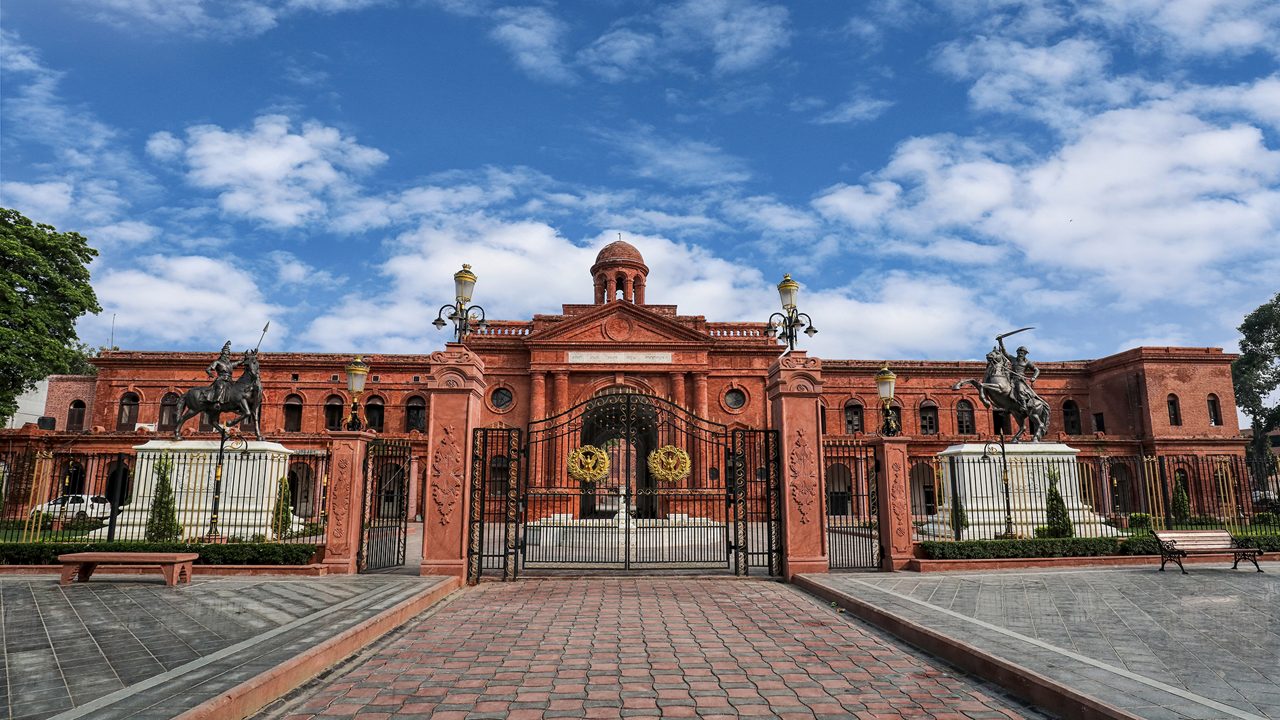
The museum doesn't just document trauma – it also celebrates the resilience and courage of those who rebuilt their lives in new lands. It's an important educational resource for younger generations who may not fully understand this chapter of history. The museum is open Tuesday through Sunday, and admission is free, though donations are appreciated.
Local Markets & Food
No visit to Amritsar is complete without experiencing its vibrant markets and legendary food scene.
Hall Bazaar
Hall Bazaar is Amritsar's main shopping street, located near the Golden Temple. The market is a sensory explosion – colorful shops selling everything from religious items and traditional Punjabi clothing to electronics and handicrafts. This is the place to buy phulkari (embroidered textiles), jutis (traditional Punjabi footwear), shawls, and other Punjabi handicrafts. The market is particularly busy during festival seasons.
Guru Bazaar
Guru Bazaar specializes in religious items – prayer books, karas (prayer beads), miniature pictures of Sikh Gurus, and other devotional items. Many shops here have been operating for generations, serving pilgrims from around the world. It's an excellent place to buy souvenirs that have genuine religious significance.
Amritsari Cuisine
Amritsar is often called the food capital of Punjab, and for good reason. The city's cuisine is legendary – rich, flavorful, and deeply satisfying. Restaurants throughout the city serve authentic Amritsari food, but the best way to experience it is often on the street.
Amritsari Kulcha: This stuffed bread is Amritsar's most famous culinary export. The kulcha is stuffed with a spiced potato mixture, baked in a tandoor (clay oven), and served with chole (spiced chickpeas) and chutney. The combination of textures and flavors is absolutely delicious.
Lassi:Amritsar's lassi is legendary – a thick, creamy yogurt drink available in sweet or salted varieties. The sweet version, often topped with malai (clotted cream) or dry fruits, is particularly popular.
Street Food: Beyond kulcha and lassi, Amritsar's street food scene includes tandoori chicken, fish, kebabs, chaat, and numerous other items. The food is typically spicy, flavorful, and incredibly satisfying.
Travel Tips
Best Time to Visit
The best time to visit Amritsar is from October to March, when the weather is pleasant. Summer (April to June) can be extremely hot, with temperatures reaching 45°C. Winter (December to February) is cool but manageable. Monsoon (July to September) brings moderate rainfall that provides relief from the heat. The most popular time to visit is during festivals – Guru Nanak Jayanti in November and Baisakhi in April – though these are also the most crowded.
Dress Code and Behavior
While Amritsar is relatively modern and cosmopolitan, it's still a religious city with conservative traditions. Dress modestly, especially when visiting religious sites. Alcohol is available but public drunkenness is frowned upon. Smoking in public places is prohibited. When visiting the Golden Temple or other religious sites, be respectful of ongoing prayers and ceremonies.
Getting Around
Auto-rickshaws are the most convenient way to get around the city. Taxis are also available. For visiting places like Wagah Border or Pul Kanjari, consider hiring a taxi or joining a tour. The city is small enough that many places are walkable, though the heat can make walking uncomfortable during midday.
Accommodation
Amritsar has accommodation options for every budget, from budget guesthouses to luxury hotels. Many hotels are located near the Golden Temple for easy access to the main attractions. Book well in advance if you're visiting during festival seasons, as rooms fill up quickly.
Location
Frequently Asked Questions
Q1.What are the best places to visit in Amritsar?
Q2.How many days are needed for Amritsar?
Q3.What is the best time to visit Amritsar?
Q4.What is the dress code for Golden Temple?
Q5.Is Wagah Border worth visiting?
Q6.What are the timings for Wagah ceremony?
Q7.Is Amritsar safe for tourists?
Q8.What should I wear in Amritsar?
Recommended For You
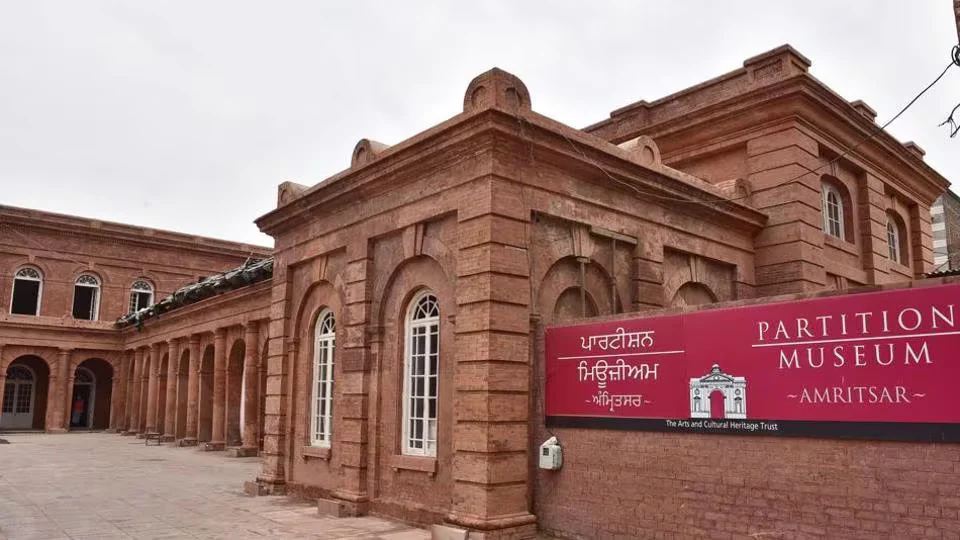
Partition Museum Amritsar: Tickets, Timings & Gallery Highlights
Partition Museum Amritsar guide with tickets, timings, history context, exhibit highlights, visitor tips, and nearby attractions near Town Hall and Golden Temple.
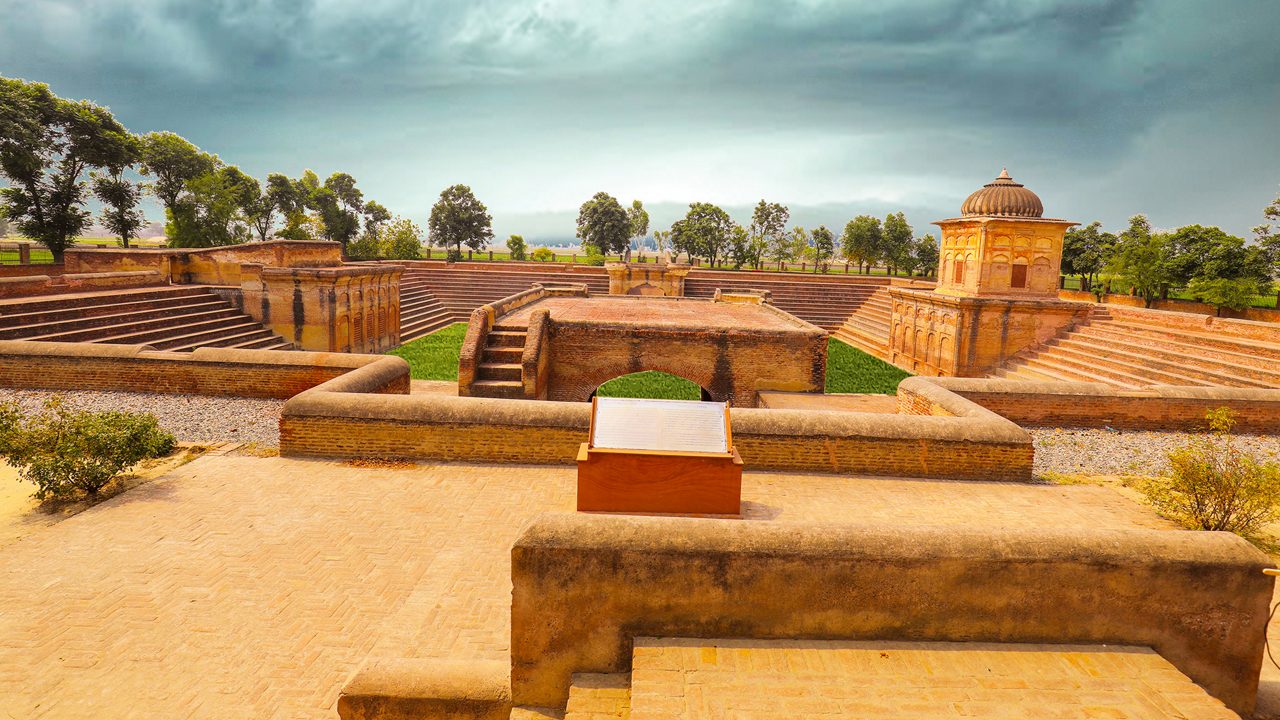
Pul Kanjari Amritsar: History, Legacy Site & Entry Details
Pul Kanjari Amritsar guide with historical context, architecture highlights, Moran legend, route planning, and practical heritage-visit tips.
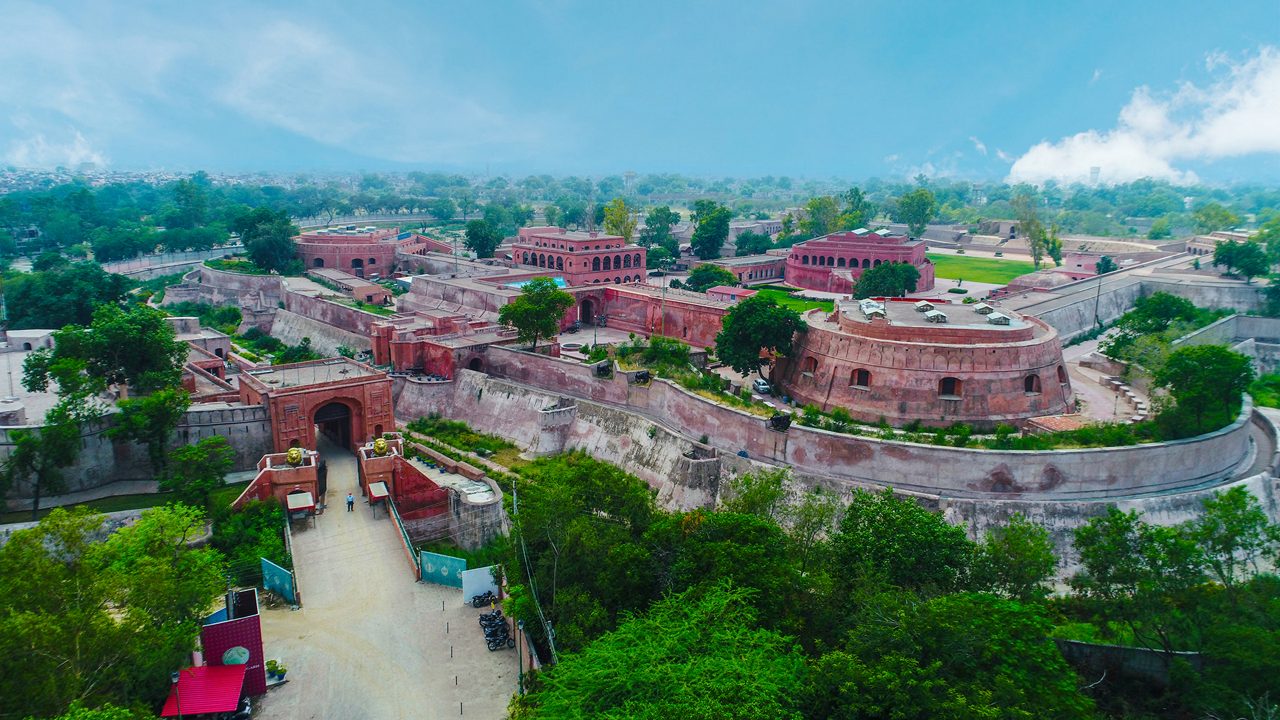
Best Time to Visit Amritsar: Weather Guide and Tips
Find the best time to visit Amritsar with season-wise planning, crowd-aware timing, and practical route tips for smoother travel.
Never Miss an Adventure
Get the latest trekking guides, travel tips, and exclusive offers delivered straight to your inbox.
