
Wagah Border Ceremony: Timings, Seating & Ticket Process

Rohan Malhotra
December 11, 2025
Experience the patriotic Wagah Border Beating Retreat Ceremony. Complete guide to timings, entry tickets, VIP passes, how to reach from Amritsar, and tips for this spectacular India-Pakistan border ritual.
Introduction: The World's Most Patriotic Border Ceremony
Imagine standing in a stadium filled with thousands of people, their patriotic chants echoing through the air as the sun sets. Soldiers from two nations march aggressively toward each other, kick their legs higher than seems humanly possible, and then – in a moment that captures the complexity of international relations – shake hands before lowering their flags together. Welcome to the Wagah Border Ceremony, one of the most unique, energetic, and emotionally charged experiences in the world. Located on the historic Grand Trunk Road between Amritsar, India and Lahore, Pakistan, the Wagah-Attari border witnesses a daily ritual that's part military pageantry, part theater, and entirely unforgettable. The "Beating Retreat Ceremony" has been conducted every evening since 1959, making it one of the oldest continuous traditions between these two neighboring nations. What makes this ceremony extraordinary is its atmosphere. The stands on both sides of the border are packed with cheering spectators, Indians shouting "Bharat Mata ki Jai" and Pakistanis responding with "Pakistan Zindabad." The energy is electric, the patriotism palpable, and the spectacle unlike anything else you'll witness. Whether you're a history enthusiast, a cultural traveler, or simply someone curious about one of the world's most fascinating borders, the Wagah ceremony is an experience that stays with you long after you've returned home.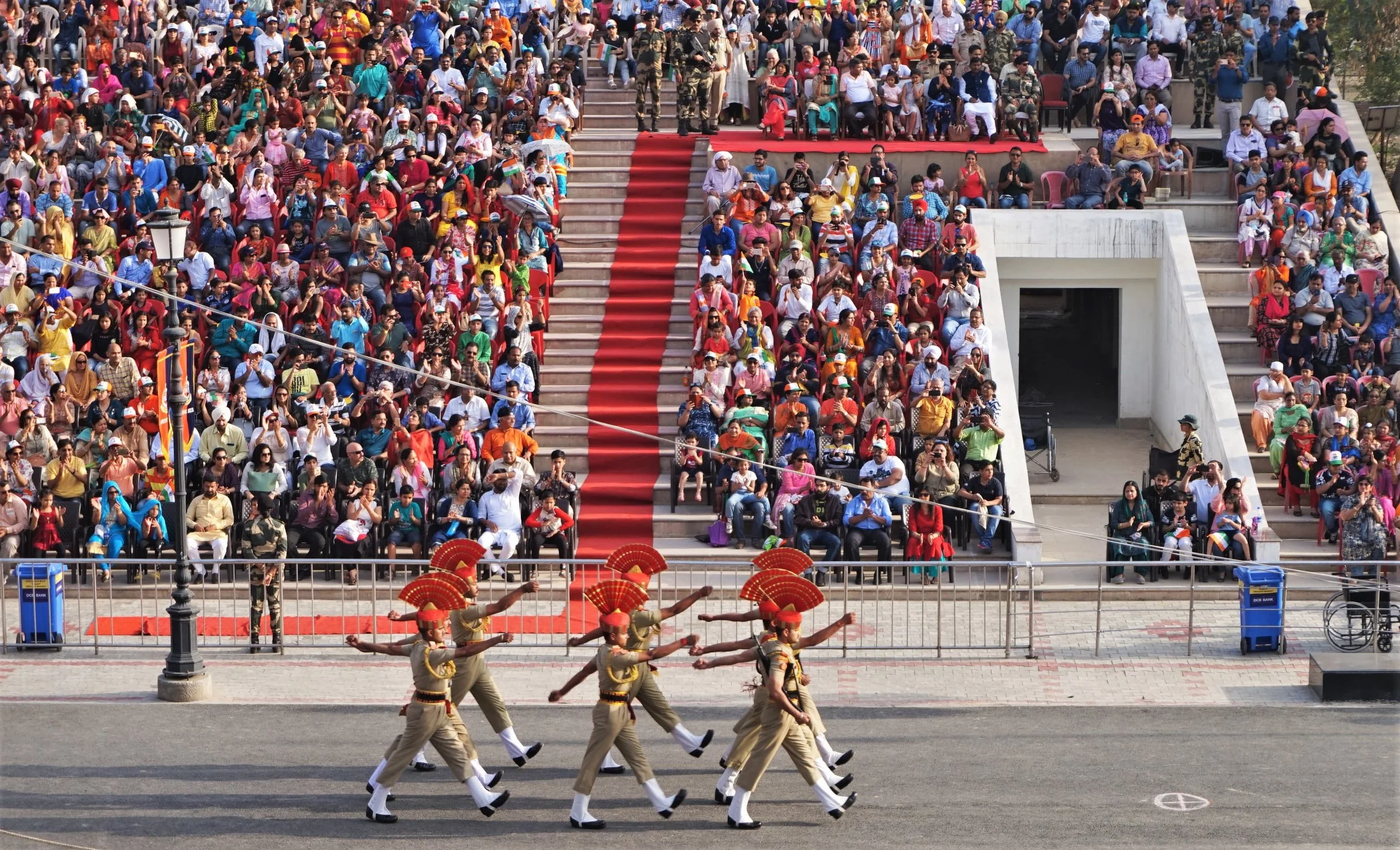
The Beating Retreat Ceremony: What Happens
The Wagah Border Ceremony is a daily military practice that the Border Security Force (BSF) of India and the Pakistan Rangers have jointly followed since 1959. The ceremony, officially called the "Beating Retreat," lasts approximately 45 minutes and symbolizes both rivalry and cooperation between the two nations.The Build-Up (90 minutes before sunset)
The excitement begins well before the actual ceremony. Spectators start arriving 2-3 hours early to secure good seats. On the Indian side, the atmosphere is carnival-like. Women volunteers from the audience carry large Indian flags and run toward the gate, energizing the crowd. patriotic songs blare from speakers: "Ae Mere Watan Ke Logon," "Vande Mataram," and "Sandese Aate Hain." The crowd sings along, their voices rising in a crescendo of national pride.The Parade Begins (30 minutes before sunset)
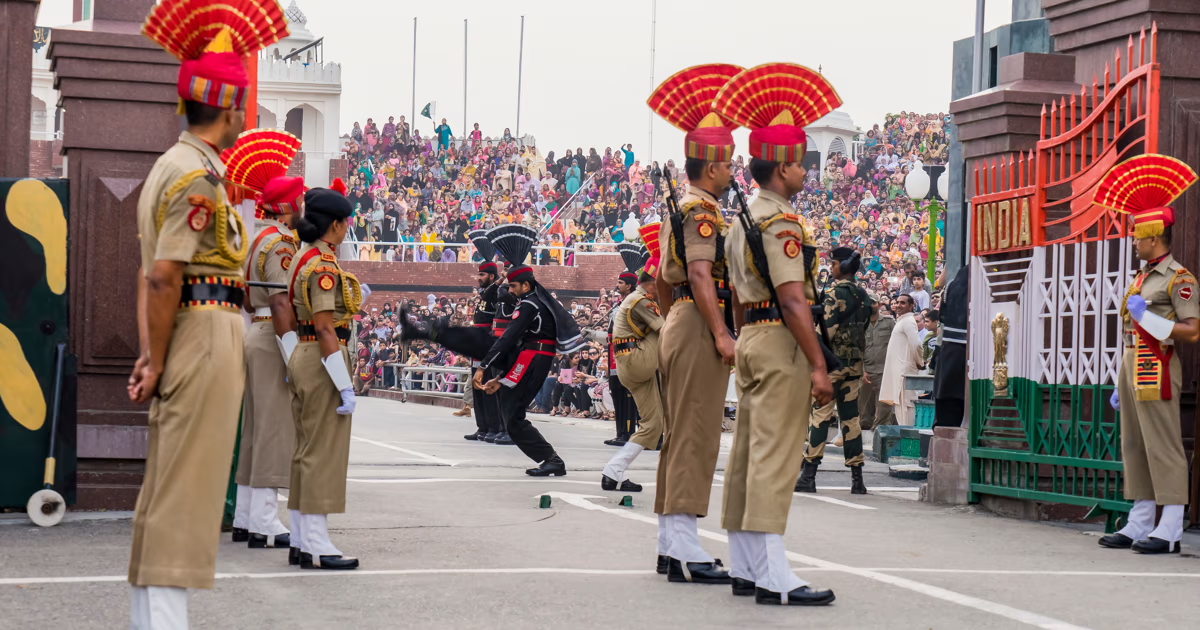
As sunset approaches, the BSF soldiers begin their parade. Dressed in their impressive uniforms – red and khaki for the BSF, with their distinctive headgear – the soldiers march with precision. What follows is a carefully choreographed display:- Gate Opening: The iron gates separating India and Pakistan are opened dramatically.
- Aggressive Marching: Soldiers from both sides march toward each other in perfectly synchronized steps, stopping just inches from the border line.
- High-Kicking: The signature move – soldiers kick their legs higher than their heads, a display of aggression and athleticism that must be seen to be believed.
- Facial Posturing: The soldiers maintain intense facial expressions, eyebrows furrowed, radiating determination.
- The Handshake: Despite the aggressive posturing, the ceremony concludes with a brief handshake between soldiers from both sides – a gesture of sportsmanship amidst the rivalry.
- Flag Lowering: Both nations' flags are lowered simultaneously, folded with military precision, and carried back to their respective countries.
- Gate Closing: The iron gates slam shut, marking the end of another day and the formal closing of the border for the night.
What Makes It Special
Unlike typical border ceremonies, Wagah transforms the daily act of border closing into a spectacle. The soldiers' height (many are over 6 feet tall), their elaborate uniforms, the synchronized marching, and the crowd's participation create an experience that's both military precision and populist theater. The ceremony is conducted with such seriousness and intensity that you can't help but be swept up in the emotion, even as an observer.History of the Wagah-Attari Border
The Wagah border crossing has historical significance that predates the ceremony itself. When India was partitioned in 1947, the Radcliffe Line drawn by Sir Cyril Radcliffe divided Punjab between the two nations. Wagah found itself on this new international border, with the village divided and families separated overnight. The Attari-Wagah border, as it's officially called, became one of the primary transit points between India and Pakistan. For years, the Samjhauta Express (friendship express) and the Delhi-Lahore bus service crossed here, carrying passengers and goods between the divided nations. The Beating Retreat Ceremony began in 1959 as a way to formally close the border each evening. What started as a simple military ritual evolved over the decades into the elaborate spectacle we see today. Despite the tensions between India and Pakistan – including wars in 1965, 1971, and 1999, and the 2008 Mumbai attacks – the ceremony has continued uninterrupted, a testament to the shared protocols and mutual respect between the BSF and Pakistan Rangers. On significant days like India's Independence Day (August 15) and Pakistan's Independence Day (August 14), the ceremony takes on added significance. Both sides host their respective heads of state, and the crowds swell to unprecedented numbers. Yet even on these emotionally charged days, the handshake at the end serves as a reminder that even amidst rivalry, there's room for cooperation.Ceremony Timings: Summer vs Winter
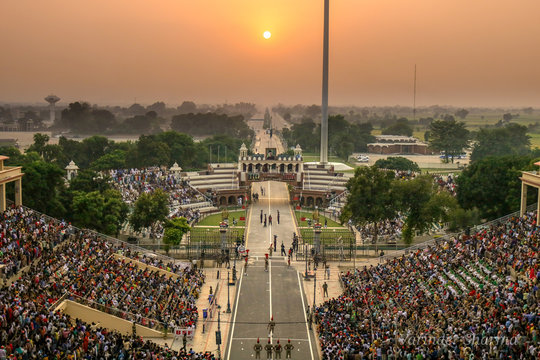 The Wagah ceremony begins 90 minutes before sunset throughout the year. Since sunset times vary seasonally, the ceremony start time changes accordingly. Gates open earlier to allow spectators time to pass security checks and find seating.
| Season | Ceremony Start Time | Gates Open | Duration |
|---|---|---|---|
| Summer (April - September) |
5:15 PM - 5:45 PM | 3:30 PM | 45 minutes |
| Winter (October - March) |
4:15 PM - 4:45 PM | 2:30 PM | 45 minutes |
Important Timing Notes:
- Sunset times change gradually, so the ceremony time shifts by a few minutes every week. Check the current time before planning your visit.
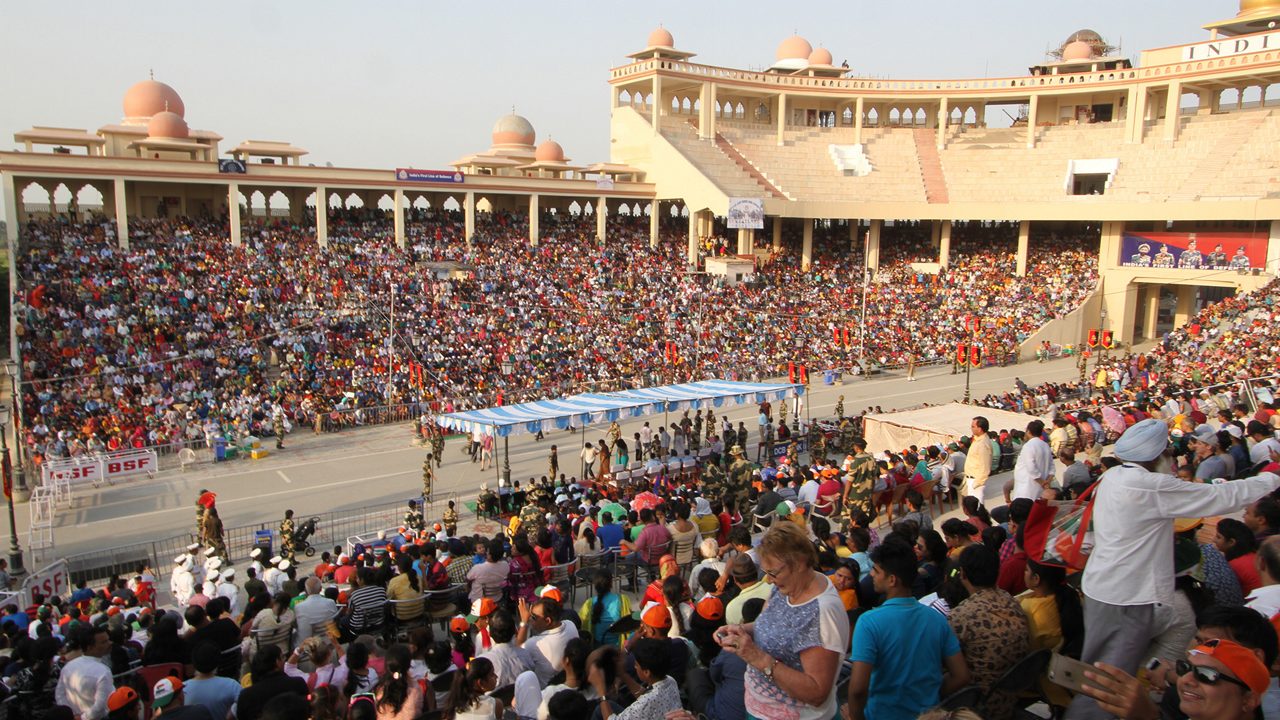
- Arrive 2-3 hours early for general seating. The best seats (front rows) fill up quickly, especially on weekends and holidays.
- VIP pass holders can arrive 60-90 minutes before the ceremony.
- On Sundays and national holidays, arrive even earlier as crowds are significantly larger.
- The ceremony concludes before complete darkness, so photography is possible throughout.
Special Days:
On Republic Day (January 26) and Independence Day (August 15), the ceremony is particularly special. Both sides host dignitaries, and the energy is at its peak. If you're visiting during these times, expect larger crowds but also a more elaborate ceremony.Entry Fee, Tickets & VIP Passes
One of the best things about the Wagah ceremony is that entry is completely free. The Indian government, recognizing the ceremony's importance as a tourist attraction and patriotic experience, does not charge for admission.General Entry
- Cost: Free
- Seating: First come, first serve
- Arrival: Gates open 2.5-3 hours before the ceremony
- Separate lines: Men and women have separate queues for security checks
VIP Passes
VIP passes are available for specific categories of visitors:- Foreign Nationals: Show your passport at the VIP entrance for privileged seating
- Senior Citizens: Above 65 years can access VIP seating
- Dignitaries/Officials: Government and military officials with proper ID
- Sponsored Passes: Sometimes available through travel agents or hotel concierges
Best Seating Strategy:
- Front Rows: Best view, most energy, but you'll need to arrive 2.5-3 hours early
- Middle Section: Good balance of view and comfort – arrive 2 hours early
- VIP Gallery: Comfortable seats, shade (in summer), but you're slightly removed from the crowd energy
- Ladies Section: Women can choose to sit in the special ladies' section – often has great views
Reserved Tickets:
While general entry is free, some online platforms offer reserved seating for a fee. These services save your spot and sometimes include transportation. However, most visitors prefer the general admission experience, which is more authentic and energetic.How to Reach Wagah Border from Amritsar
Wagah is approximately 30 kilometers from Amritsar, and the journey takes 45-75 minutes depending on traffic and mode of transport.By Government Hop-On Hop-Off Bus (Recommended)
The Punjab Tourism Department operates double-decker buses that run from the Golden Temple complex to Wagah and back. This is the most popular option for tourists.- Departure: From Golden Temple complex
- Timing: Buses leave 3-4 hours before the ceremony (check current schedule)
- Cost: Approximately ₹100-150 per person (round trip)
- Duration: 1 hour each way
- Advantage: Dedicated service, you'll reach with other tourists, guides often provide commentary
By Taxi/Cab
- Cost: ₹800-1,200 for a round trip (car waits for you during the ceremony)
- Duration: 45-60 minutes each way
- Advantage: Comfortable, air-conditioned, flexible timing
- Book: Through your hotel, taxi stands, or app-based services (Uber, Ola)
By Auto-Rickshaw
- Cost: ₹400-700 for a round trip (shared autos are cheaper)
- Duration: 60-75 minutes each way
- Comfort: Can be bumpy, but it's an authentic local experience
By Private Vehicle
If you're driving, parking is available near the ceremony ground. However, traffic can be heavy when leaving, so be prepared for a slow exit.Route:
From Amritsar, take the GT Road (Grand Trunk Road) toward Attari. The road is well-marked with signs pointing to "Wagah Border" or "Joint Check Post." The journey passes through rural Punjab, offering glimpses of mustard and wheat fields.Visitor Tips: What to Know Before You Go
Security & What's Allowed
Strict Security: The Wagah border is an active military installation, so security is tight:- Bags: Only small ladies' purses are allowed. No backpacks, camera bags, or large handbags.
- Electronics: Cameras and mobile phones are allowed, but signal jammers are often active (don't expect network coverage).
- IDs: Carry valid ID proof (Aadhaar, voter ID, passport for foreigners).
- Prohibited Items: Weapons, alcohol, tobacco products, large umbrellas, food packets (water bottles are okay).
What to Carry
- Water: Carry water bottles. Once inside the seating area, there are no stalls selling water or snacks.
- Sun Protection: The seating is open-air with no shade. Carry hats, caps, sunglasses, and sunscreen – especially important in summer (April-June).
- Monsoon Gear: If visiting during the rainy season (July-September), carry raincoats or umbrellas (compact ones that can pass security).
- Comfortable Shoes: You'll be doing a fair amount of walking and standing.
- Minimal Belongings: Travel light. The fewer things you carry, the faster you'll clear security.
Best Seats & Viewing Strategy
- Ladies Section: Women can sit in the dedicated ladies' section – often has great views and is less crowded.
- Front Rows: Most immersive experience but you'll arrive hours early. Wear comfortable clothing for the wait.
- Middle Rows: Good balance – better view than back rows, less waiting than front rows.
- Side Views: If you can't get center seats, side seats offer interesting angles for photography.
Photography Tips
- Zoom Lens: Bring a camera with zoom capability to capture the soldiers' expressions and details.
- Golden Hour: The ceremony timing coincides with golden hour – perfect for photography.
- Respect Rules: Don't block others' views. Don't use flash during the ceremony (it's distracting).
- Crowd Shots: The patriotic crowd is as much a part of the experience as the soldiers themselves.
Food & Facilities
- Inside Venue: No food or water stalls once you're seated. Eat and hydrate before entering.
- Outside: There are food stalls and small restaurants near the entrance where you can grab snacks before or after.
- Restrooms: Basic facilities are available outside the seating area. Plan accordingly.
Special Considerations
- Families with Children: Kids love the ceremony's energy, but be prepared for long waiting periods. Bring snacks and entertainment for the wait.
- Senior Citizens: VIP seating is available. The walk from the parking area to the seating area can be long – arrange for drop-off closer to the gate if possible.
- Foreign Nationals: Use the VIP entrance with your passport. You'll get privileged seating and often skip long queues.
Nearby Attractions
If you're planning a full day in the Wagah area, consider combining the ceremony with nearby attractions:Pul Kanjri
Located approximately 20 kilometers from Wagah, Pul Kanjri is a historical site associated with Maharaja Ranjit Singh. The legend goes that the Maharaja's lost shoes (mojari) were found here, hence the name. The site features a beautiful mosque, a baoli (step well), and a temple. It's a peaceful spot with historical significance and offers a glimpse into Punjab's royal past.Sarhad Restaurant
Located near the Wagh border crossing, Sarhad Restaurant is themed around the partition and offers Punjabi cuisine on both sides of the border. While you can't cross into Pakistan for a meal, the restaurant attempts to create a culinary bridge between the two nations. The food is authentic Punjabi, and the setting is unique.Partition Museum
While not exactly near Wagah (it's in Amritsar), the Partition Museum is an essential complement to the Wagah experience. The museum documents the human stories of the 1947 partition, providing historical context that will deepen your understanding of the border's significance. Visit the museum in the morning, then head to Wagah for the evening ceremony.Is It Worth Visiting? The Experience Explained
After reading all this, you might wonder: Is 45 minutes of flag lowering worth hours of travel and waiting? The answer, for most visitors, is an emphatic yes. What makes Wagah special isn't just the ceremony itself but the entire experience:- The Crowd Energy: Thousands of people united in patriotism, cheering, singing, and celebrating together.
- The Soldiers: BSF personnel are genuinely impressive – tall, fit, and executing their routine with remarkable precision.
- The Atmosphere: Standing at an international border, watching two nations perform a daily ritual, is inherently fascinating.
- The Handshake: That moment of cooperation amidst all the aggression is powerful and symbolic.
- The Photos & Memories: You'll leave with incredible stories and photographs.
- It's Crowded: Especially on weekends and holidays. Be prepared for long queues and jostling for seats.
- It's Hot: In summer, the open-air seating can be brutal. Carry water and sun protection.
- It's Theatrical: Some might find the aggressive posturing performative. Remember, it's a ceremony, not combat.
Planning Your Amritsar Trip
Most visitors combine Wagah with Amritsar's other attractions. Here's a suggested itinerary:- Morning: Visit the Golden Temple, Sikhism's holiest gurdwara. The serene spirituality balances the evening's patriotism.
- Afternoon: Visit Jallianwala Bagh memorial. The historical significance of this site, where the 1919 massacre occurred, provides context to India-Pakistan relations.
- Late Afternoon: Head to Wagah for the ceremony.
- Evening: Return to Amritsar for dinner at one of the city's famous restaurants serving authentic Punjabi cuisine.
Conclusion: Witness History Every Evening
The Wagah Border Ceremony is more than a tourist attraction – it's a living piece of history, a daily reminder of the complex relationship between two nations that share culture, history, and a border. In those 45 minutes, you witness patriotism, aggression, cooperation, protocol, and human emotion all playing out against the backdrop of a setting sun. Whether you're moved by the soldiers' precision, energized by the crowd's chants, or simply fascinated by the uniqueness of the experience, Wagah delivers something special. It's one of those travel experiences that photographs and words can't fully capture – you have to be there, feel the energy, and witness it yourself. So next time you're in Punjab, make the journey to Wagah. Arrive early, find a good seat, and let yourself get swept up in the spectacle. Cheer for Bharat, watch the soldiers march, and experience one of the world's most unique border ceremonies. After all, how often can you say you witnessed history – every single evening?Location
Frequently Asked Questions
Q1.What are the Wagah Border ceremony timings?
The Wagah Border ceremony begins 90 minutes before sunset every day of the year. Since sunset times vary seasonally, the ceremony start time changes accordingly:
Summer (April - September):
• Gates open: 3:30 PM
• Ceremony starts: 5:15 PM - 5:45 PM
Winter (October - March):
• Gates open: 2:30 PM
• Ceremony starts: 4:15 PM - 4:45 PM
Important Notes:
• The ceremony lasts approximately 45 minutes
• Sunset times change gradually by a few minutes every week – check current times before visiting
• Arrive 2-3 hours early for general seating, especially on weekends and holidays
• VIP pass holders can arrive 60-90 minutes before the ceremony
• On Sundays and national holidays, arrive even earlier as crowds are significantly larger
Q2.Is there an entry fee or ticket for Wagah Border ceremony?
No, entry to the Wagah Border ceremony is completely FREE for all visitors.
General Entry:
• No ticket required
• Seating is first come, first serve
• Gates open 2.5-3 hours before the ceremony
• Separate security queues for men and women
VIP Access:
• Foreign nationals can show their passport for privileged seating
• Senior citizens (65+) can access VIP seating
• Government and military officials with proper ID
Reserved Seating:
• Some travel agencies offer reserved seating for a fee, but most visitors prefer the general admission experience
What's NOT Free:
• Transportation to/from Wagah (bus, taxi, auto-rickshaw costs apply)
• Food and water (carry your own – no stalls inside the venue)
• Parking (nominal fee for private vehicles)
The free entry policy makes Wagah one of the most accessible attractions in the Amritsar region.
Q3.How can I get a VIP pass for Wagah Border?
VIP passes for Wagah Border are available for specific categories of visitors:
Automatic VIP Access:
• Foreign Nationals: Show your valid passport at the VIP entrance – no prior arrangement needed
• Senior Citizens: Indians aged 65+ can access VIP seating with ID proof
• Dignitaries/Officials: Government and military personnel with official ID
Arranged VIP Access:
• Through Travel Agents: Some Punjab Tourism-approved agents can arrange VIP passes
• Hotel Concierge: Luxury hotels in Amritsar can sometimes arrange passes for guests
• Official Requests: Writing to BSF authorities (for large groups or special occasions)
VIP vs General Seating:
• VIP: Comfortable seats, shade, shorter queues, but less immersive
• General: More energetic, closer to the action, but you'll arrive hours early
Recommendation: If it's your first visit, try general seating for the full experience. If you're short on time or visiting with elderly family, VIP is more comfortable.
Q4.Are bags allowed inside Wagah Border ceremony?
Strict security restrictions apply since Wagah is an active military installation:
Allowed:
• Small ladies' purses/handbags (size approximately 8" x 10")
• Mobile phones and cameras
• Water bottles
• Small wallets
NOT Allowed:
• Backpacks or large bags
• Camera bags
• Laptop bags
• Suitcases or trolley bags
• Large umbrellas (compact folding umbrellas may be allowed)
• Food packets (sealed or unsealed)
• Tobacco products, alcohol, lighters, matches
• Weapons or any sharp objects
Recommendations:
• Travel as light as possible – carry only your phone, camera, wallet, and water
• Leave backpacks at your hotel or in your vehicle
• If you must carry medications, keep them in a small pouch
• Wear clothing with pockets to avoid carrying a bag altogether
• There are no cloakroom facilities at the venue, so plan accordingly
• Security checks can take 30-60 minutes during peak times, so account for this in your arrival time
Q5.How far is Wagah Border from the Golden Temple and how do I reach?
Wagah Border is approximately 30 kilometers from the Golden Temple in Amritsar. The journey takes 45-75 minutes depending on traffic and mode of transport.
Transport Options:
1. Government Hop-On Hop-Off Bus (Most Popular):
• Departure: From Golden Temple complex
• Timing: Buses leave 3-4 hours before the ceremony
• Cost: ₹100-150 per person (round trip)
• Duration: 1 hour each way
• Book: On-spot or through your hotel
2. Taxi/Cab:
• Cost: ₹800-1,200 for round trip (car waits)
• Duration: 45-60 minutes each way
• Comfort: AC, comfortable, flexible timing
• Book: Through hotel, taxi stands, or apps (Uber/Ola)
3. Auto-Rickshaw:
• Cost: ₹400-700 round trip (shared autos cheaper)
• Duration: 60-75 minutes each way
• Experience: Authentic local, but can be bumpy
4. Private Vehicle:
• Parking available (₹50-100)
• Route: GT Road (Grand Trunk Road) from Amritsar to Attari/Wagah
Suggested Schedule:
• Morning: Visit Golden Temple
• Afternoon: Lunch, then depart for Wagah (2.5-3 hours before ceremony)
• Evening: Ceremony, then return to Amritsar for dinner
Q6.Can tourists cross the border at Wagah?
No, tourists cannot casually cross the India-Pakistan border at Wagah.
Official Crossing Points:
• Wagah-Attari is primarily for trade and approved travel only
• Regular tourists cannot cross here without special visas and permissions
• The Samjhauta Express (train) and Delhi-Lahore bus used to cross here – both services are currently suspended
For Tourists Wanting to Visit Pakistan:
• Must obtain a Pakistani visa in advance
• Approved crossings happen at designated points with extensive paperwork
• This is not a casual day-trip arrangement
• Currently, due to political tensions, tourist crossings are extremely limited
What You CAN Do:
• Watch the ceremony from the Indian side
• See the Pakistani side (soldiers, spectators) from the stands
• Photograph the border gate and flags
• Experience being at an international border
• Some travel companies used to organize "border viewing" trips, but these are rare now
Important: Don't attempt to cross into Pakistani territory during the ceremony – it's a serious security violation and you'll be detained.
Q7.Is Wagah Border ceremony worth visiting?
Yes, for most visitors, Wagah is absolutely worth the experience. It's one of the most unique things you'll witness anywhere in the world.
What Makes It Special:
• Uniqueness: There's nothing quite like this anywhere else – a daily military ceremony that's equal parts precision drill and popular theater
• Energy: The patriotic crowd energy is infectious – thousands chanting, cheering, and celebrating together
• Soldiers: BSF personnel are genuinely impressive – tall (often 6'+), fit, and executing routines with remarkable precision
• Symbolism: The handshake between soldiers despite the aggressive posturing is powerful – rivalry tempered by protocol
• Experience: Standing at an international border, watching two nations perform a daily ritual, is inherently fascinating
Manage Your Expectations:
• It's Crowded: Especially on weekends – be prepared for long queues, jostling for seats
• It's Hot: In summer (45°C+), open-air seating can be brutal. Carry water and sun protection
• It's Theatrical: Some find the aggressive posturing performative. Remember, it's a ceremony, not combat
• Time Investment: You'll spend 4-5 hours (including travel) for a 45-minute ceremony
Verdict: If you're interested in history, military culture, unique cultural experiences, or just want to witness something truly distinctive – go. The combination of patriotism, pageantry, and the border setting creates an unforgettable experience.
Q8.What time should I arrive at Wagah Border for good seats?
For good seats (especially front rows), you should arrive 2.5-3 hours before the ceremony.
Arrival Timeline:
For Front Row Seats (Best Experience):
• Arrive: 2.5-3 hours before ceremony start
• Security check: 30-45 minutes
• Find seating: First come, first serve
• Wait: Bring entertainment, water, snacks (before security)
For Middle Section Seats:
• Arrive: 2 hours before ceremony
• Still decent views, less waiting time
For Back Rows:
• Arrive: 1-1.5 hours before ceremony
• Views are okay, but you'll feel removed from the action
VIP Pass Holders:
• Arrive: 60-90 minutes before ceremony
• Skip general queues, better seats
Special Days:
• Sundays: Add 30 minutes to all above times (larger crowds)
• Public Holidays: Add 45-60 minutes (can get very crowded)
• August 15/Independence Days: Add 1 hour (massive crowds, dignitaries present)
Pro Tips:
• Go with the government double-decker bus – it arrives with good timing
• Women can access the ladies' section – often has great views without the 3-hour wait
• Foreigners: Use VIP entrance with passport, arrive 90 minutes before
• Bring water and something to sit on while waiting in queue
• Use restroom before entering the venue (facilities are basic outside)
Recommended For You
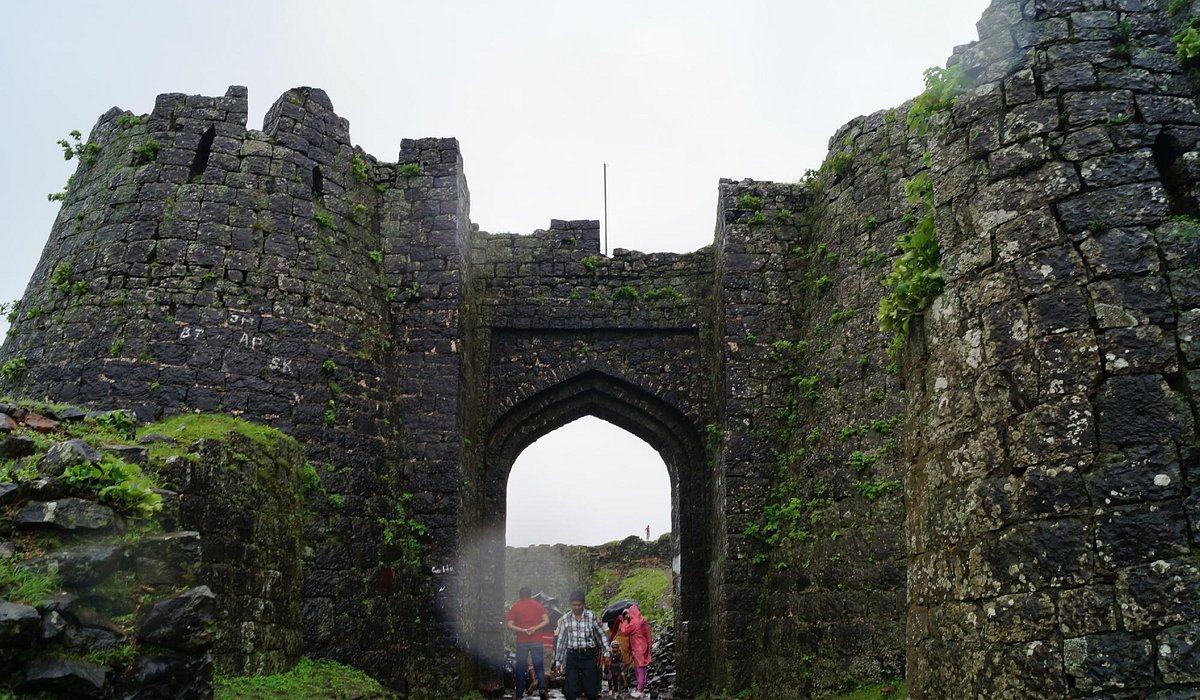
Places to Visit in Amritsar: Golden Temple Circuit & City Highlights
Best places to visit in Amritsar. Golden Temple, Wagah Border, Jallianwala Bagh & Punjab attractions.
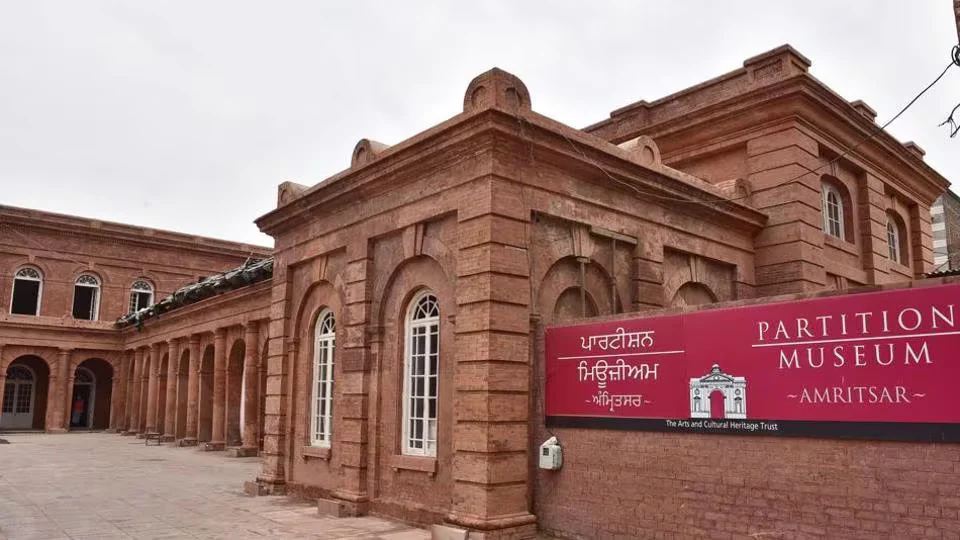
Partition Museum Amritsar: Tickets, Timings & Gallery Highlights
Partition Museum Amritsar guide with tickets, timings, history context, exhibit highlights, visitor tips, and nearby attractions near Town Hall and Golden Temple.
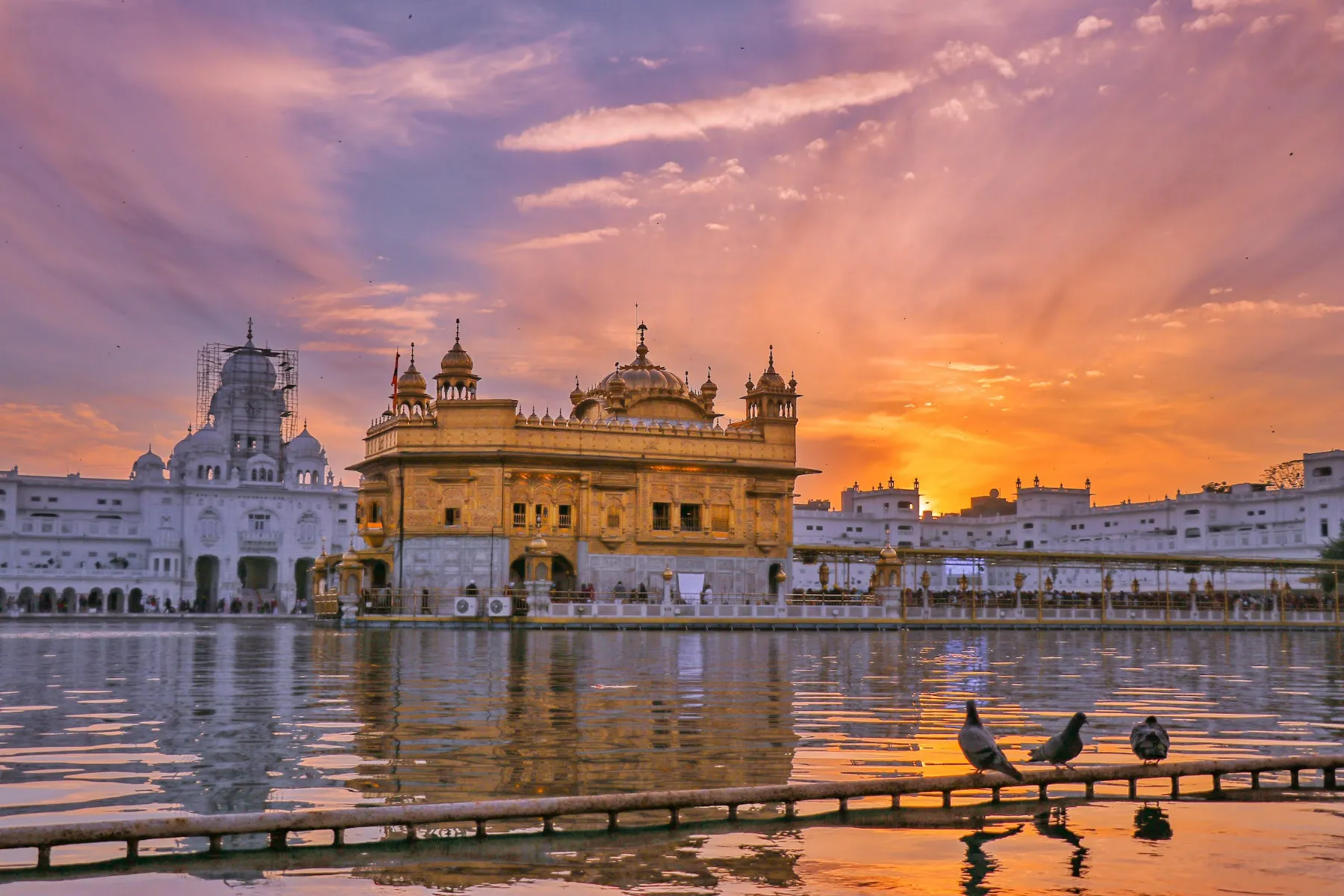
Golden Temple Amritsar Timings: Daily Schedule, Seva & Aarti Details
Complete guide to Golden Temple Amritsar timings - 24-hour schedule, Prakash & Sukhasan ceremonies, best visiting hours, and seasonal variations for a meaningful spiritual experience.
Never Miss an Adventure
Get the latest trekking guides, travel tips, and exclusive offers delivered straight to your inbox.
