
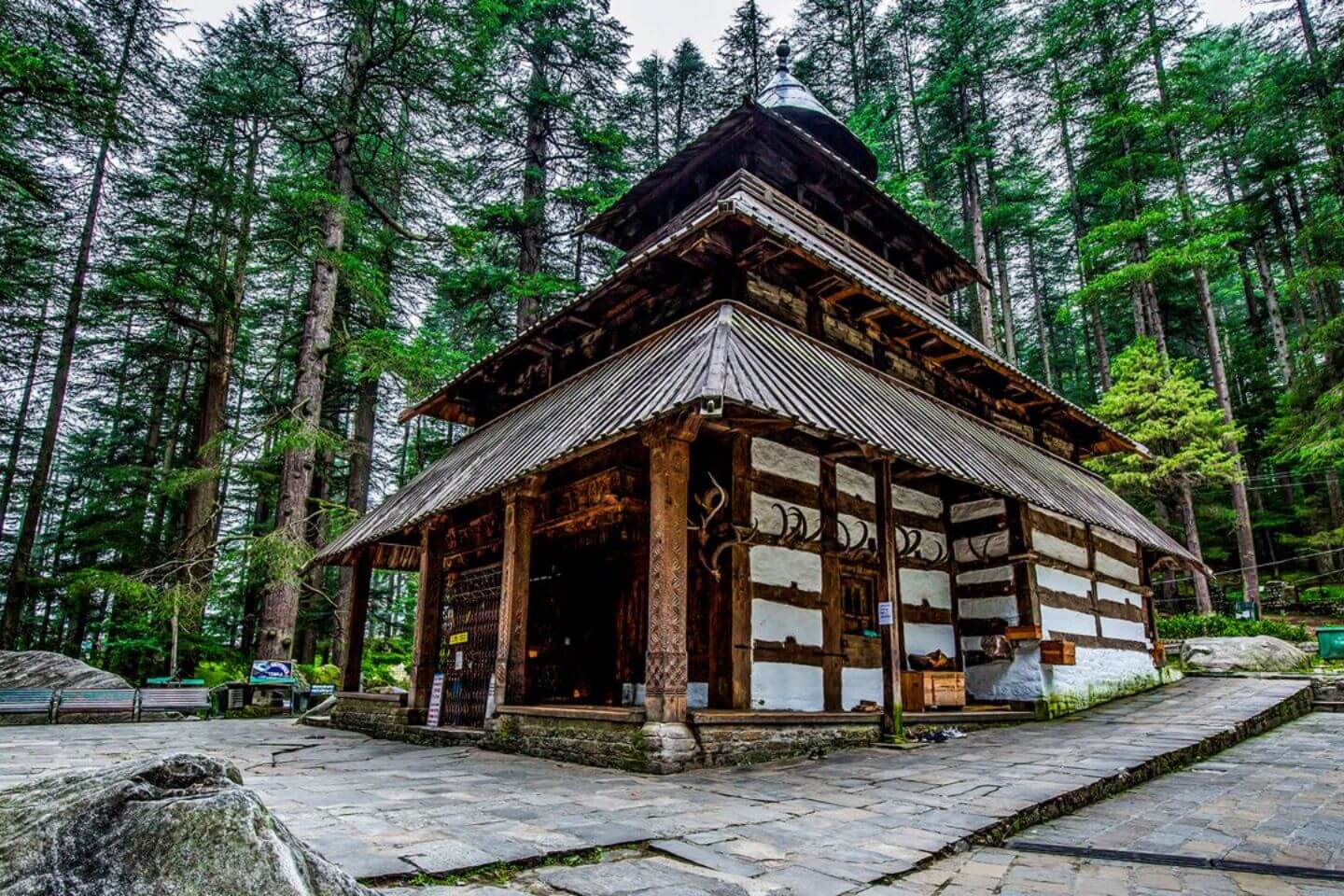
Hidimba Devi Temple Manali: Timings, History & Entry Information

Rahul Garg
February 18, 2026
Visit Hidimba Devi Temple Manali with history, architecture, timing tips, and practical guidance for a respectful spiritual experience.
Hidimba Devi Temple Manali: History, Mythology, and Visitor Guide
Hidimba Devi Temple in Manali is one of Himachal’s most recognizable spiritual landmarks, known for its cedar-forest setting, wooden pagoda architecture, and deep connection to Mahabharata tradition. Unlike crowded urban temples, Hidimba’s atmosphere is shaped by forest silence, mountain weather, and a devotional rhythm that feels both local and timeless. For first-time visitors, the key is to treat it as a spiritual and cultural stop, not only a photo location.
This guide covers mythology, architecture, best visit timing, etiquette, and practical route planning in Manali. If you are building a wider circuit, combine it with places to visit Manali, nearby culture in Old Manali, and thermal-well stops at Vashisht hot water springs Manali.
Mythological and Cultural Significance
Hidimba Devi is linked to the Mahabharata narrative through Bhima and Hidimba, making this temple spiritually important for many devotees and culturally significant for travelers interested in epic traditions. The temple is often described as a sacred point where mythology, local belief, and Himalayan landscape intersect.
During regional festivals, the temple becomes especially active with local participation, processions, and ritual continuity. Even outside festivals, visitors can feel a strong devotional character in the calm movement of worshippers and the forested approach path.
Architecture and Forest Setting
One of the temple’s strongest visual features is its wooden multi-tiered pagoda style, distinct from standard North Indian temple forms. The woodwork, roof geometry, and natural surroundings create a unique sacred mood that defines the site experience.
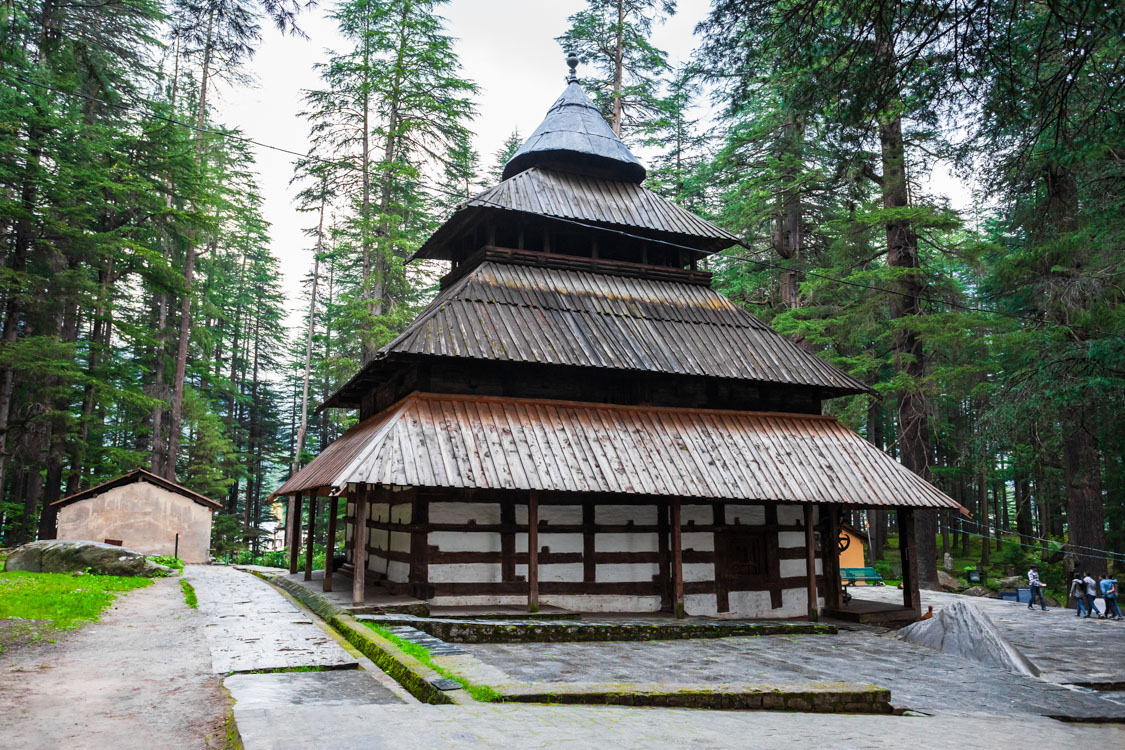
| Feature | Why It Stands Out | Visitor Note |
|---|---|---|
| Wooden pagoda form | Rare Himalayan temple expression | Observe carvings before entering |
| Cedar forest location | Natural spiritual ambiance | Arrive early for quieter paths |
| Compact shrine core | Focused prayer movement | Maintain silence in active zones |
Take time around the exterior as well as inside. Many visitors rush to the center and miss the details that make this temple architecturally special.
Best Time to Visit and Seasonal Behavior
Morning hours are usually best for peaceful darshan and smoother movement. Evenings can be scenic but sometimes more crowded depending on tourist season. In winter, the setting can feel magical with snow influence, but weather conditions may require slower movement and warm layers.
Summer offers easier access and wider local activity, making it suitable for family travelers. Monsoon and shoulder seasons need extra weather checks, especially if you are combining multiple outdoor stops in one day.
How to Reach and Plan a Half-Day Route
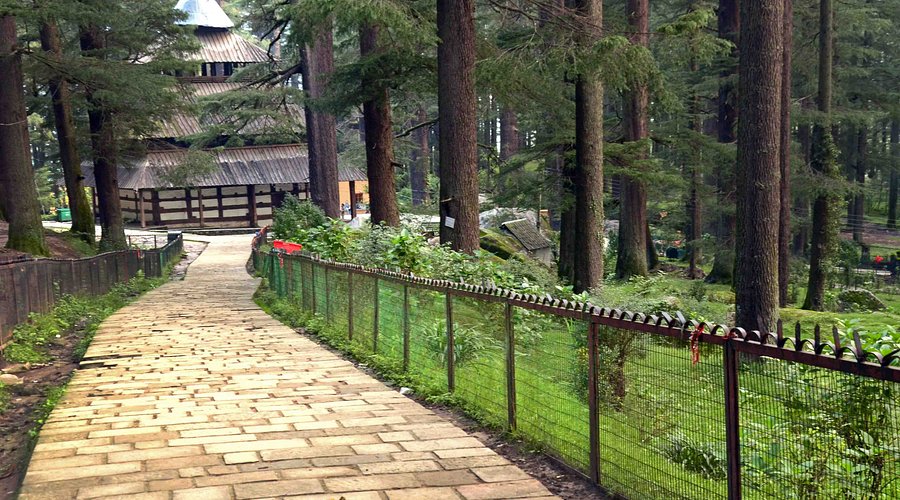
Hidimba Temple is accessible from central Manali by local taxi, auto-style transport, or short-distance travel plans depending on your stay location. Since the route is often integrated into city sightseeing, avoid stacking too many stops in a tight window. A calm half-day plan usually works best.
- Start with Hidimba Temple in morning for better pace.
- Add one nearby attraction after darshan, not three or four.
- Keep warm clothing and hydration for changing weather.
- Use comfortable footwear for forested paths and uneven ground.
- Leave room for traffic and parking delays in peak season.
For active add-ons, you can pair this route with Solang Valley Manali or movement-focused plans from treks in Manali.
Temple Etiquette and Visitor Conduct
As a living spiritual space, the temple should be approached with modest attire, calm voice, and respectful movement. Avoid intrusive photography near active prayer points. If you are traveling in a group, set a meeting point so flow remains organized and quiet.
Local cultural respect is as important as itinerary efficiency. Travelers who slow down and observe local devotional rhythm usually report a deeper, more meaningful experience.
Photography Tips Without Disruption
Best photos at Hidimba come from wider frames that include temple structure and cedar surroundings. Avoid blocking entrance paths or requesting staged poses in prayer areas. Morning soft light often gives the best contrast for architecture shots, while overcast weather can highlight wood texture well.
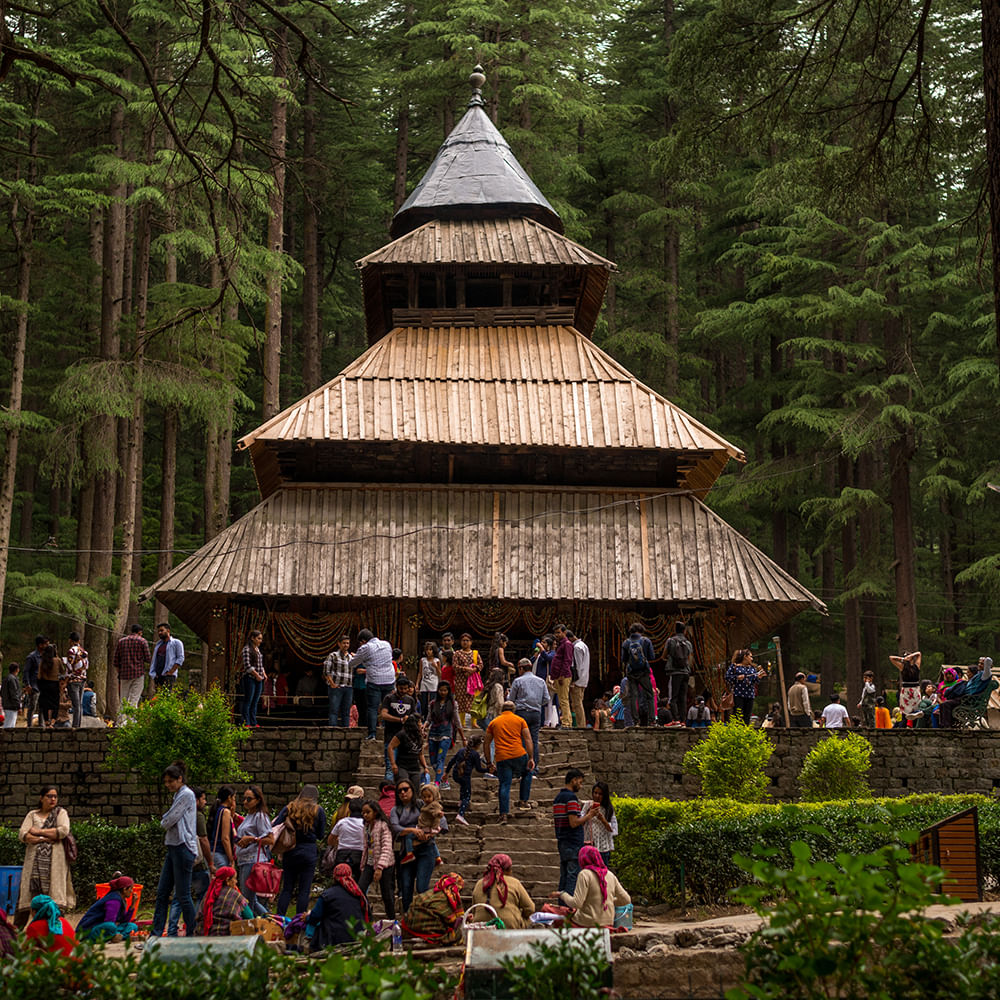
If photography is your priority, finish key shots first, then spend a few quiet minutes in prayer or reflection. This keeps the visit balanced between documentation and spiritual respect.
Conclusion
Hidimba devi temple manali is a rare blend of mythology, Himalayan architecture, and forest spirituality. With realistic timing, respectful conduct, and simple route planning, this temple can be one of the most memorable and meaningful stops in a Manali itinerary.
Family and Festival Planning at Hidimba Temple
Hidimba Devi Temple gets busier during holiday and summer peaks, so family groups should plan with clear timing and lightweight movement. Start earlier, keep one regroup point, and avoid carrying unnecessary items on forest paths. This lowers fatigue and keeps the visit comfortable for children and elders. If weather changes suddenly, use nearby sheltered pauses instead of forcing quick movement.
Festival windows can offer strong local cultural energy, but crowds also rise around prayer and ceremonial periods. If your goal is quiet darshan, choose non-peak mornings. If your goal is cultural observation, festival visits can be rewarding with patient pacing and respectful conduct.
After temple visit, avoid stacking too many high-energy stops in one day. One nearby attraction and one rest block are usually enough. Balanced planning preserves the spiritual tone of the visit and avoids travel burnout in mountain conditions.
Practical Comfort Tips for Mountain Temple Days
Manali weather can shift quickly, so carry one warm layer even in mild seasons. Keep temple visits in the first half of the day and leave room for weather-led adjustments later. This reduces fatigue and protects your overall itinerary quality.
If traveling in peak season, pre-decide your return transport before entering the temple area. This small step prevents late congestion stress and allows a calmer conclusion to your visit.
In short, start early, move respectfully, and keep mountain-weather flexibility in every Manali temple plan.
That simple discipline keeps both darshan and travel comfort in balance throughout the day.
Early start, light luggage, and realistic movement windows are the three most reliable rules for a better Hidimba Temple day in Manali.
Keep this structure for better mountain-day consistency.
Visit patiently and avoid peak rush windows.
Location
Frequently Asked Questions
Q1.Where is Hidimba Devi Temple located?
Q2.What is Hidimba Temple famous for?
Q3.Is there an entry fee at Hidimba Temple?
Q4.What is the best time to visit Hidimba Temple?
Q5.How much time is needed at Hidimba Temple?
Q6.Can I visit Hidimba Temple with family?
Q7.Is photography allowed at Hidimba Temple?
Q8.Which nearby attractions can be combined?
Recommended For You
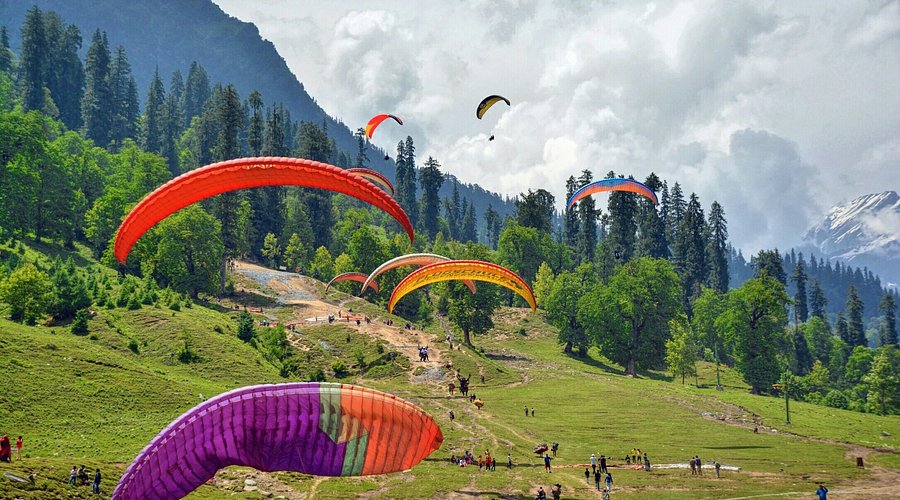
Solang Valley Manali: Activities, Ropeway & Winter Sports
Explore Solang Valley Manali! Guide to adventure activities, best time, how to reach, skiing, paragliding & travel tips.
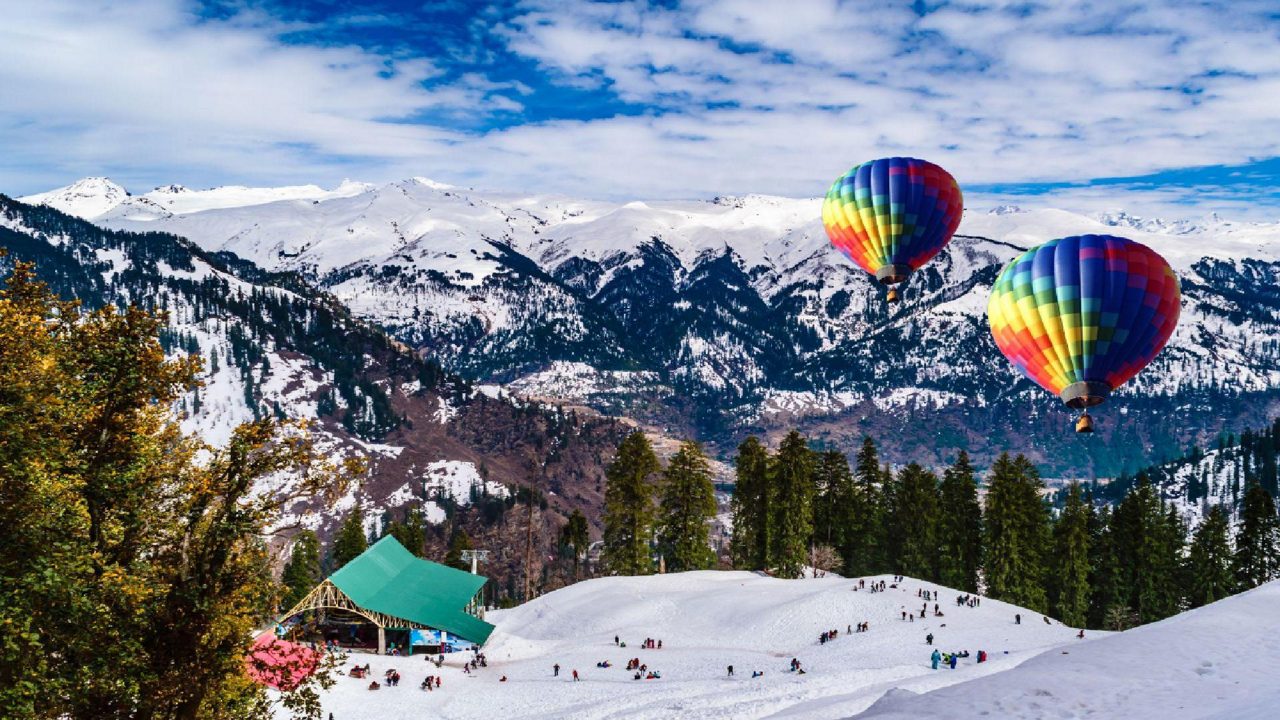
Travel Tips for Manali: Packing, Budget & Route Planning
Essential travel tips for Manali covering best season, routes, permits, stays, packing, budget planning, and practical safety advice for first-time visitors.
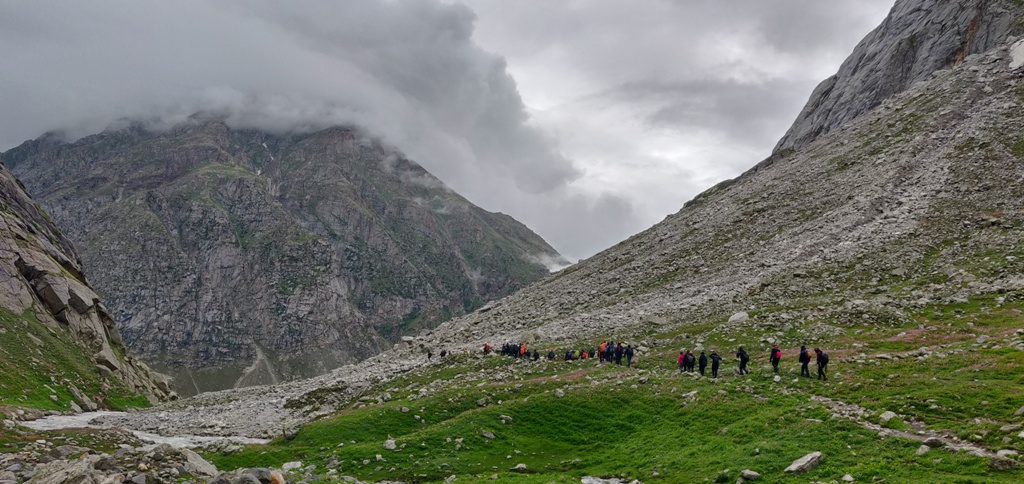
Treks in Manali: Best Routes, Camps & Difficulty Levels
Explore the best treks in Manali with difficulty-wise options, season planning, fitness prep, and practical trekking tips.
Never Miss an Adventure
Get the latest trekking guides, travel tips, and exclusive offers delivered straight to your inbox.
