
Hill Stations in Rajasthan: Weather, Routes & Best Time to Visit

Rohit Verma
February 18, 2026
Discover Rajasthan hill-station travel with a complete Mount Abu guide, season breakdown, routes, and practical tips for a smooth 2-3 day itinerary.
Introduction: Hill Stations in Rajasthan Beyond the Desert Image
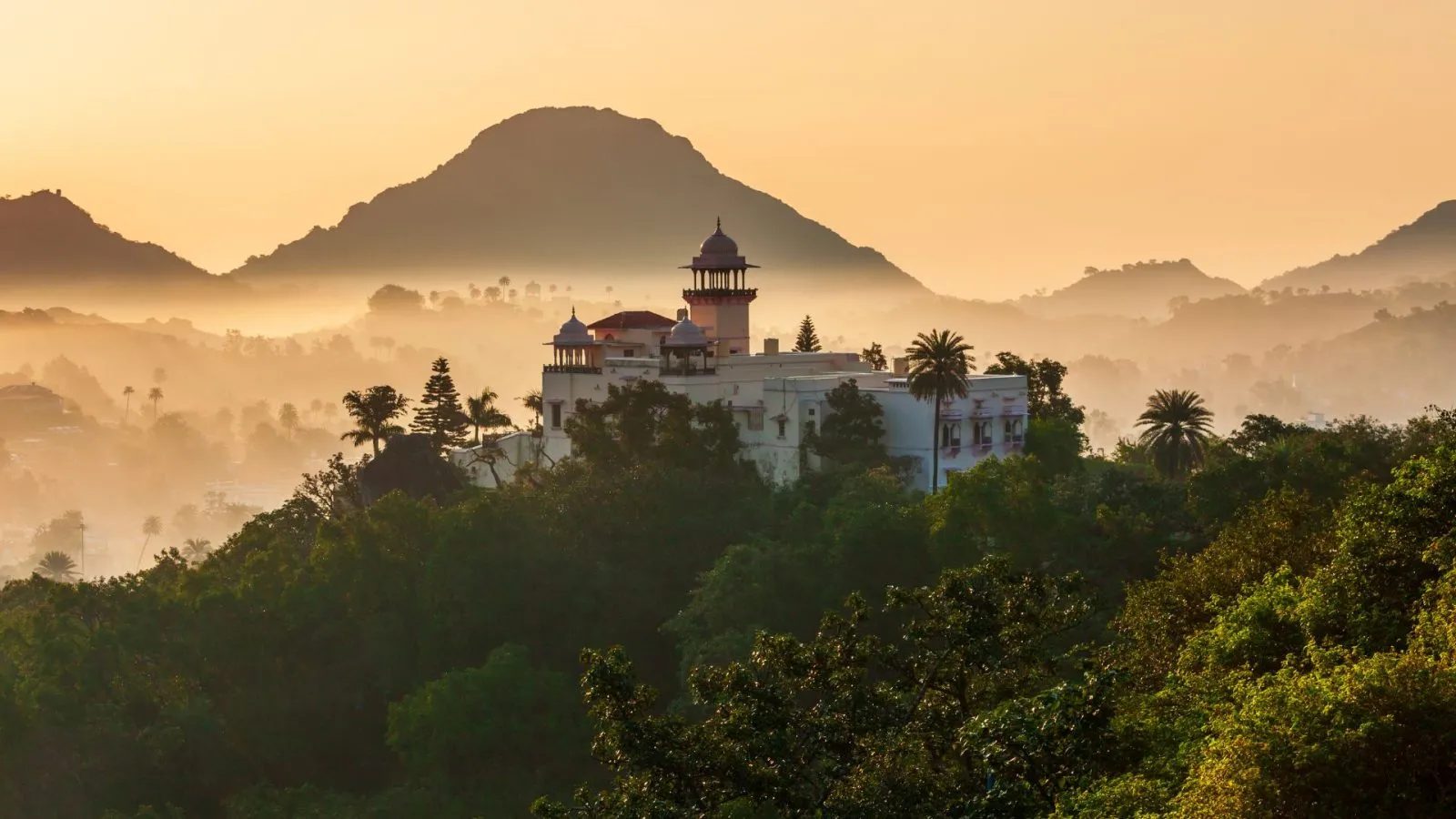
Rajasthan is often associated with forts, dunes, and dry landscapes, but the state also offers relief zones in the Aravalli range. When people search for hill stations in Rajasthan, the answer begins with Mount Abu, the only full-scale hill station in the state. It combines cooler temperatures, religious heritage, lake views, and short scenic hikes, making it a strong summer alternative for travelers from Gujarat, Delhi, and western India.
This guide explains what to expect from Rajasthan hill stations, why Mount Abu remains the primary option, and how to plan by season. It also clarifies an important point: Rajasthan has many elevated places and hill forts, but very few destinations that match the classic hill-station climate and infrastructure profile.
If you are building a focused Mount Abu itinerary, start with places to visit in Mount Abu, include Dilwara Temples, and compare seasonal planning with best time to visit Rajasthan.
Mount Abu: Rajasthan's Only True Hill Station
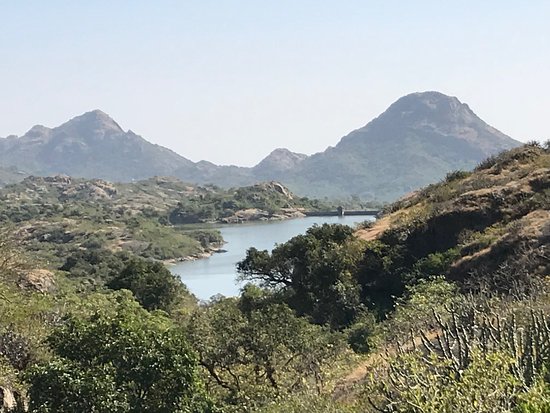
Mount Abu sits in the Aravalli hills and is widely recognized as the only true hill station in Rajasthan. Its altitude provides a cooler environment than nearby plains, especially in summer. This is why it remains a high-demand weekend and holiday destination.
The town offers a workable mix of sightseeing, moderate adventure, temple circuits, and family activities. You can do lakeside boating, cave-style viewpoints, sunrise or sunset points, local market walks, and short nature drives without aggressive scheduling.
| Feature | Mount Abu Snapshot |
|---|---|
| State Position | Only major hill station in Rajasthan |
| Altitude Band | Around 1,200 meters class terrain |
| Best For | Summer escape, family trips, temple visits |
| Trip Length | 2 to 3 days for first-time visitors |
Why Visit Mount Abu
1. Climate Relief in Summer
Compared to many Rajasthan plains, Mount Abu stays significantly cooler. This makes it one of the most practical summer retreats in the state, especially for travelers avoiding long-haul mountain journeys.
2. Strong Religious and Heritage Value
The Dilwara Jain Temples are an architectural highlight and one of the strongest reasons to visit. Intricate marble work, spiritual atmosphere, and historical continuity give the destination cultural depth beyond weather appeal.
3. Accessible Nature + Town Comfort
Unlike remote high-altitude circuits, Mount Abu gives you hill scenery without heavy logistics. Hotels, transport, food options, and local tour formats are easy to manage for families and mixed-age groups.
4. Flexible Experience Types
Couples, religious travelers, photographers, and short-break tourists can all use the same destination differently. That flexibility keeps Mount Abu relevant across seasons.
Best Time to Visit Hill Stations in Rajasthan
For Mount Abu, the most comfortable weather is usually from October to March. Summer is also popular due to escape-from-heat demand, but it can be crowded on weekends and school holidays. Monsoon brings greener visuals and misty conditions, though sudden rain can affect outdoor pacing.
| Season | Experience | Planning Note |
|---|---|---|
| March to June | Peak demand, cooler than plains | Book stay early |
| July to September | Green slopes, cloud build-up | Carry rain layers |
| October to February | Pleasant weather, clear sightseeing | Best overall season |
Top Places to Visit in Mount Abu
Dilwara Temples
Known for detailed marble craftsmanship and temple architecture, this is a must-visit cultural site in Mount Abu. Allocate focused time and follow temple dress and decorum guidelines.
Nakki Lake
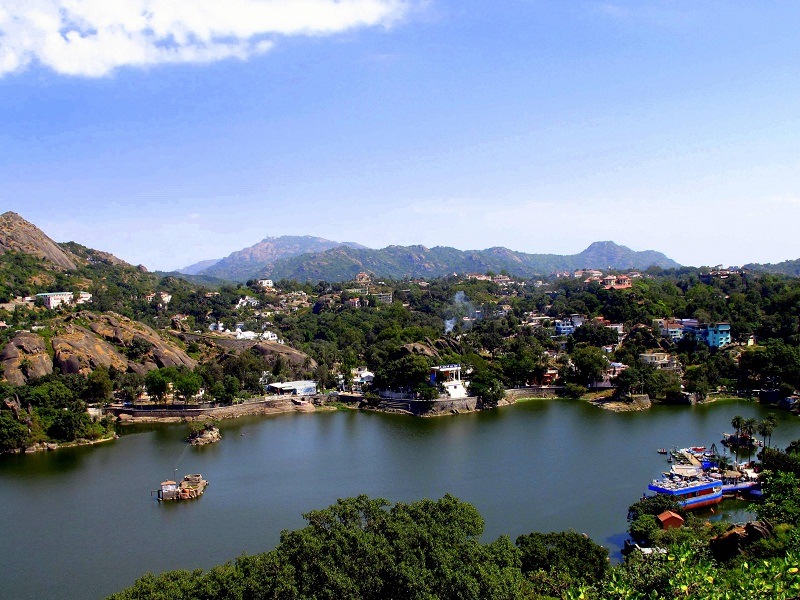
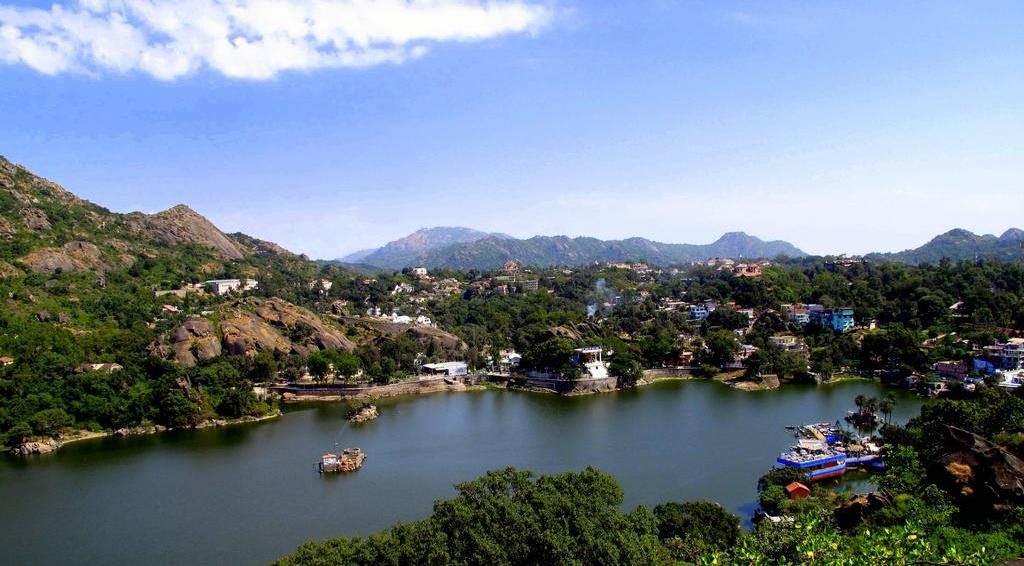
The central social hub for many visitors. Boating, evening walks, and nearby snack zones make it easy for families and first-time tourists.
Guru Shikhar and Viewpoints
Higher viewpoints in and around the Abu region offer sweeping Aravalli panoramas. Keep buffer time for traffic during weekends and holiday periods.
Sunset Point and Toad Rock
Classic short-format attractions that work well for evening slots. Start a little early to avoid crowd compression close to sunset.

Other Elevated Areas in Rajasthan: What They Are and What They Are Not
Travelers often ask whether there are multiple hill stations near Jaipur or Udaipur. Rajasthan does have elevated zones, hill forts, and forested ridges in parts of the Aravalli system. However, most of these are not full-service hill stations with sustained cool-climate town ecosystems like Mount Abu.
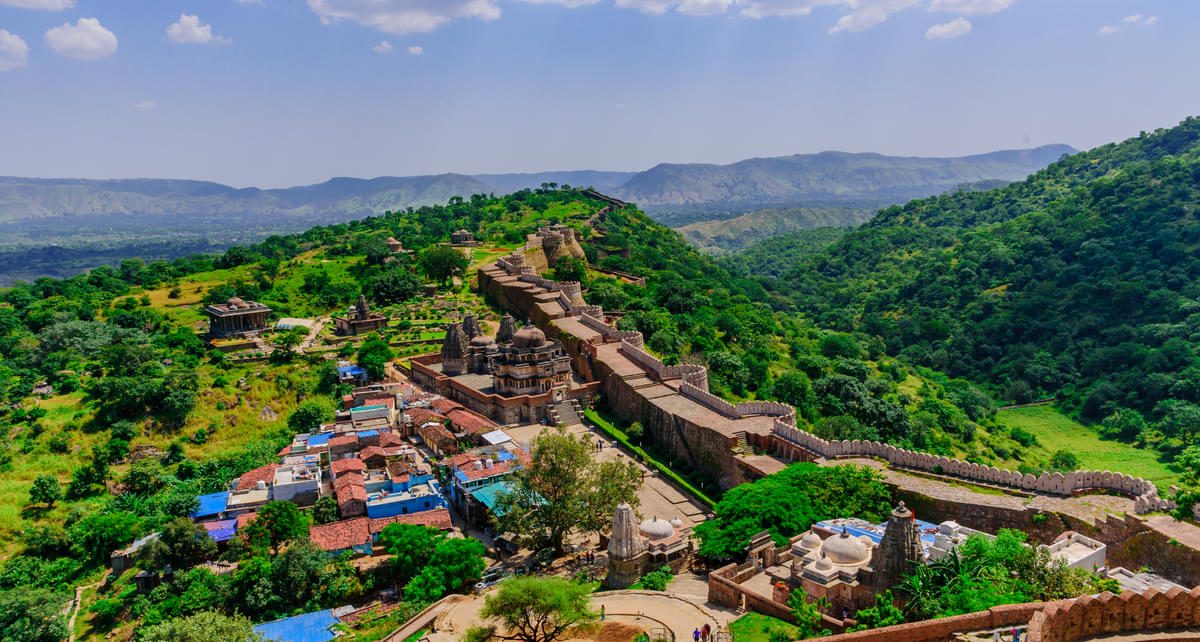
Destinations such as Kumbhalgarh and selected Aravalli pockets can offer scenic drives and mild weather windows, but they should be treated as heritage-nature combinations rather than classic hill-station substitutes.
How to Reach Mount Abu and Plan Transfers
Abu Road is the nearest major rail approach, and road transfer from there is straightforward. Udaipur is often used as an airport base for travelers who prefer air connectivity and then continue by road.
| Access Mode | Best For | Note |
|---|---|---|
| Train to Abu Road | Budget and convenience | Popular option for most travelers |
| Flight to Udaipur + road | Faster long-distance arrivals | Good for tight itineraries |
| Self-drive | Road-trip travelers | Plan parking and weekend traffic |
Inside Mount Abu, local taxis and short-distance autos are commonly used. If your plan includes multiple viewpoints, pre-negotiate a half-day or full-day local cab.
Suggested Itinerary for First-Time Visitors
Day 1: Arrival, check-in, Nakki Lake, evening market walk, Sunset Point. Day 2: Dilwara Temples, higher viewpoint loop, and relaxed evening. Day 3 (optional): nature sanctuary drives or nearby heritage extensions before departure.
This pacing avoids rush and works for family groups. Summer travelers should prioritize morning sightseeing and keep afternoons lighter.
Practical Tips
- Book hotels early for May-June and long weekends.
- Carry layered clothing for evenings in cooler months.
- Respect temple rules and local etiquette at religious sites.
- Use weekday windows for lower crowd pressure.
- Avoid overloading one day with too many points.
Mount Abu by Travel Intent
The easiest way to plan Mount Abu is by trip intent. People searching for hill station near Jaipur, coolest places in Rajasthan, or short summer retreats often have different expectations. If your goal is climate relief, stay-focused itineraries near lake and viewpoint zones work best. If your goal is heritage depth, prioritize temple and fort-linked circuits. For couples, sunset-driven scheduling and lower-noise stays outside the busiest market core usually produce better results.
| Trip Intent | Priority Stops | Ideal Stay Length |
|---|---|---|
| Summer Escape | Nakki Lake, viewpoint loop, easy nature walks | 2 days |
| Culture + Heritage | Dilwara Temples, fort-linked points, museum additions | 2-3 days |
| Slow Couple Trip | Sunrise/sunset points, cafe streets, scenic drives | 3 days |
Crowd, Cost, and Comfort Trade-Offs
Peak demand months bring better social energy but also higher hotel rates and heavier traffic around core points. Off-peak or shoulder windows usually improve calmness, but you need to plan around shorter day length in cooler months and rain unpredictability in monsoon windows. There is no universally perfect slot; there is only the best fit for your pace and budget.
For budget travelers, weekday travel plus early booking often beats last-minute discount hunting during high-demand windows. For families with kids, comfort-first timing matters more than pure savings because rushed transfers reduce overall trip quality.
Detailed 3-Day Itinerary Framework
Day 1: Arrival via Abu Road, check-in, local orientation, Nakki Lake, evening promenade. Day 2: Dilwara Temples early visit, viewpoint circuit, light shopping, sunset stop. Day 3: Optional sanctuary-side nature route or nearby heritage extension before departure.
This itinerary allows recovery time between attractions and avoids fatigue from back-to-back road segments. If your group includes elders, add more sitting buffers and reduce stair-heavy points.
Food, Stay Zones, and Transport Notes
Mount Abu has a wide accommodation range, from budget lodges to mid-scale family hotels. If you want quieter nights, stay slightly away from the densest market strip. If convenience is your priority, central stay zones reduce local transfer time. For transport, half-day cab blocks are often efficient for mixed attraction lists.
Food options are broad enough for vegetarian and family preferences, but peak weekends can increase wait time in popular spots. Keep one backup meal option for evening rush periods.
Reality Check: Hill Station Near Jaipur Queries
Many travelers expect multiple classic hill stations near Jaipur. In practical terms, Mount Abu remains the most established answer in Rajasthan. Other elevated areas can be scenic, but they are better framed as heritage or fort landscapes, not full hill-station equivalents.
Extended Planning for Families and Couples
For families, the best strategy is to limit daily transfers and choose one major sightseeing block in the morning and one relaxed block in the evening. For couples, slower sunset and cafe pacing with one heritage highlight per day gives better experience than aggressive point-to-point movement.
Mount Abu can become tiring only when travelers attempt too many viewpoints in one day. The town rewards flexible pacing, especially during peak season when traffic around central points increases. Keep a realistic plan and allow buffer windows for food breaks and crowd variation.
If You Have Only 48 Hours in Mount Abu
- Hour 1-12: Arrival, Nakki Lake, evening promenade.
- Hour 13-24: Early temple visit and local market circuit.
- Hour 25-36: Viewpoint loop with long lunch break.
- Hour 37-48: Light nature stop and departure.
This compact model works well for weekend travelers who want climate relief and heritage balance.
Conclusion
For travelers searching hill stations in Rajasthan, Mount Abu remains the primary and most practical answer. It offers weather relief, strong sightseeing value, and easy planning for short breaks. Instead of trying to force multiple hill-station comparisons inside Rajasthan, plan Mount Abu well, combine cultural and natural stops, and align your visit with the right season for your travel style.
Location
Frequently Asked Questions
Q1.Which is the hill station in Rajasthan?
Q2.How many hill stations are in Rajasthan?
Q3.What is the coolest place in Rajasthan?
Q4.How far is Mount Abu from Jaipur?
Q5.What is Mount Abu famous for?
Q6.How many days are enough for Mount Abu?
Q7.What is the best time to visit Mount Abu?
Q8.Is Mount Abu worth visiting in summer?
Recommended For You
Places to Visit in Udaipur: Lakes, Palaces & Sunset Points
Explore best places to visit in Udaipur. City Palace, Lake Pichola, Jag Mandir & more. Complete guide to timings, entry fee & boat rides.
Nakki Lake Mount Abu: Boating, Guide & Tips
Discover Nakki Lake in Mount Abu - Rajasthan's only hill station lake. Enjoy boating, explore ancient temples, and experience serene natural beauty. Complete guide with timings, boating prices, and travel tips.
Rajasthan in Monsoon: Top Places to Visit
Discover the best places to visit in Rajasthan in monsoon with city-wise ideas, seasonal highlights, and practical travel tips.
Never Miss an Adventure
Get the latest trekking guides, travel tips, and exclusive offers delivered straight to your inbox.
