
Himalayan Foothills Travel Guide: Route Design, Slow-Travel Planning, and Mountain-Edge Comfort Strategy

Rahul Garg
February 26, 2026
Plan Himalayan foothills routes with practical transfer logic, balanced day design, and weather-aware mountain-edge travel strategy.
Introduction
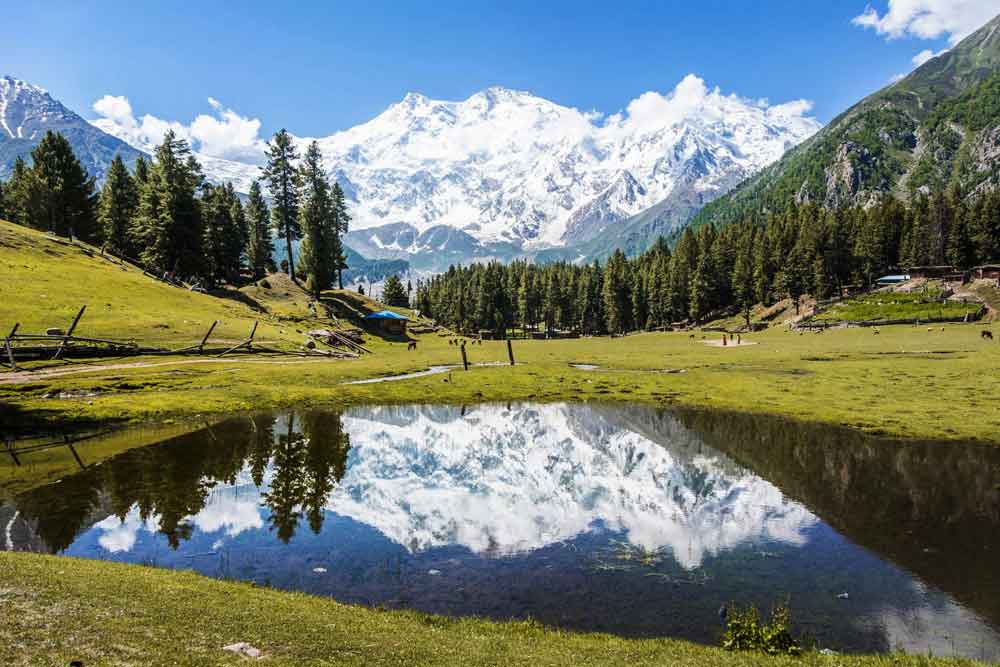
The Himalayan foothills offer one of the most versatile travel landscapes in South Asia, combining mountain-edge scenery, cultural towns, forest corridors, and flexible activity levels suitable for both first-time and experienced travelers. Yet many itineraries fail because they treat foothill routes as simple road trips with unlimited daily movement. In reality, foothill travel quality depends on movement discipline, weather buffers, and purpose-based day design. This guide explains how to build a practical foothills itinerary that balances nature, local life, and recovery. If your objective is long-lasting travel quality rather than fast destination count, this framework will help you structure that outcome.
What Makes Foothill Travel Unique
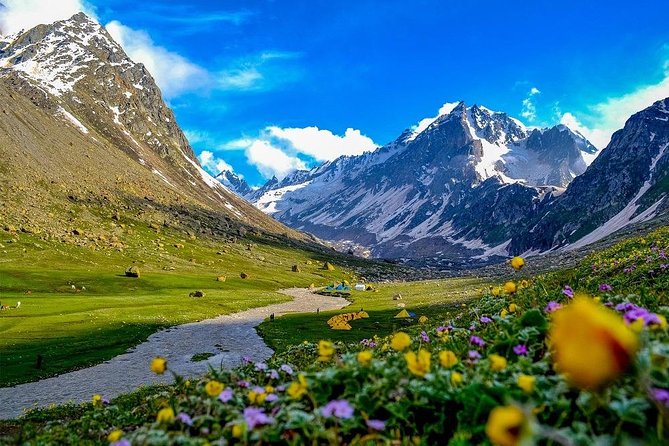
Foothills are transitional zones where plains mobility meets mountain constraints. Distances may look short, but slope variation, road curves, and weather influence real travel time. This creates planning friction for visitors who rely only on map estimates. The right approach is to cap daily transfer load and prioritize one high-value experience block per day. Foothills reward rhythm and observation. Rushed multi-stop days often reduce both safety margin and enjoyment.
Best Season Strategy for Foothill Circuits
Different foothill sections behave differently by season. Cooler months usually support longer exploration windows, while monsoon-sensitive periods demand route flexibility and conservative driving plans. Shoulder windows often provide good balance between crowd density and weather comfort. Choose dates by activity intent: landscape observation, light trekking, cultural stops, or work-friendly slow travel. One season is not universally best for all objectives.
How to Structure a 4-Day Foothills Plan
Day 1: arrival and short orientation loop. Day 2: primary nature block and local culture stop. Day 3: active morning segment and recovery-focused afternoon. Day 4: low-intensity closure with buffer for onward travel. This template prevents exhaustion and protects weather adaptability. If your route touches Himachal sections, align activity logic with Dhauladhar Range Himachal Pradesh context and avoid stacking steep mobility days repeatedly.
Route Design and Transfer Discipline
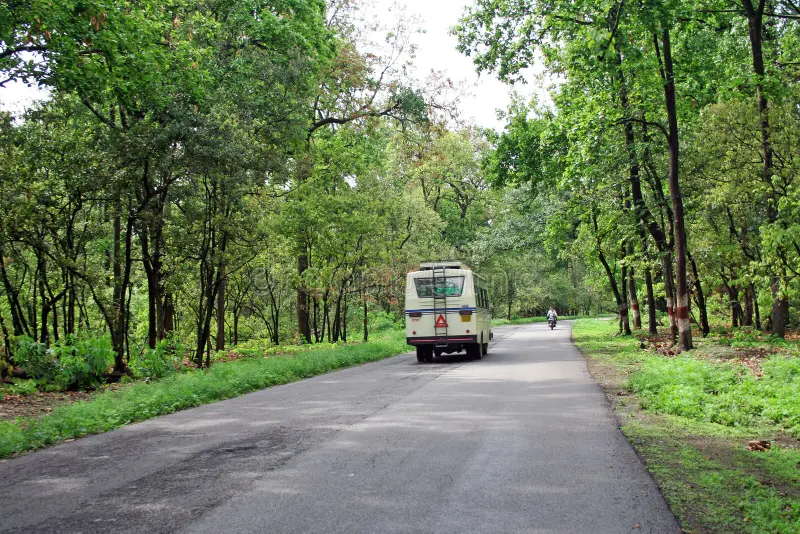
The strongest foothills itineraries are transfer-efficient. Keep accommodation aligned with next-day activity clusters. Do not choose stay locations only for views if they increase daily detours significantly. A good decision rule is maximum one major transfer per day and one optional local loop. This protects energy and allows unplanned scenic pauses. Transfer discipline is the backbone of foothill travel quality.
Activity Mix: Nature, Culture, and Recovery
A balanced foothills itinerary should combine one nature session, one local culture or market session, and one deliberate recovery block daily. Without recovery, later days degrade quickly. Without culture, the trip feels visually repetitive. Without nature depth, the route becomes a transit exercise. Purpose-balanced days deliver stronger memory and better emotional pace.
Walking, Light Trekking, and Mobility Rules
Even easy foothill walks can feel demanding when combined with long road transfers. Keep footwear trail-ready, pace your climbs, and avoid carrying unnecessary weight on short hikes. If your plan includes bigger trail sections, compare your energy budget with references like Mcleodganj tourism and Great Himalayan National Park style day intensity. Controlled progression prevents avoidable fatigue.
Food, Hydration, and Altitude-Edge Comfort
Foothills may not always involve high altitude stress, but temperature swings and activity variability still affect hydration and digestion. Keep meal timing stable, avoid heavy meals before long transfers, and prioritize warm fluids in cooler windows. If your route moves toward higher belts later, reinforce awareness using acute mountain sickness in Ladakh basics as preventive education. Early awareness is always better than reaction.
Weather and Contingency Planning
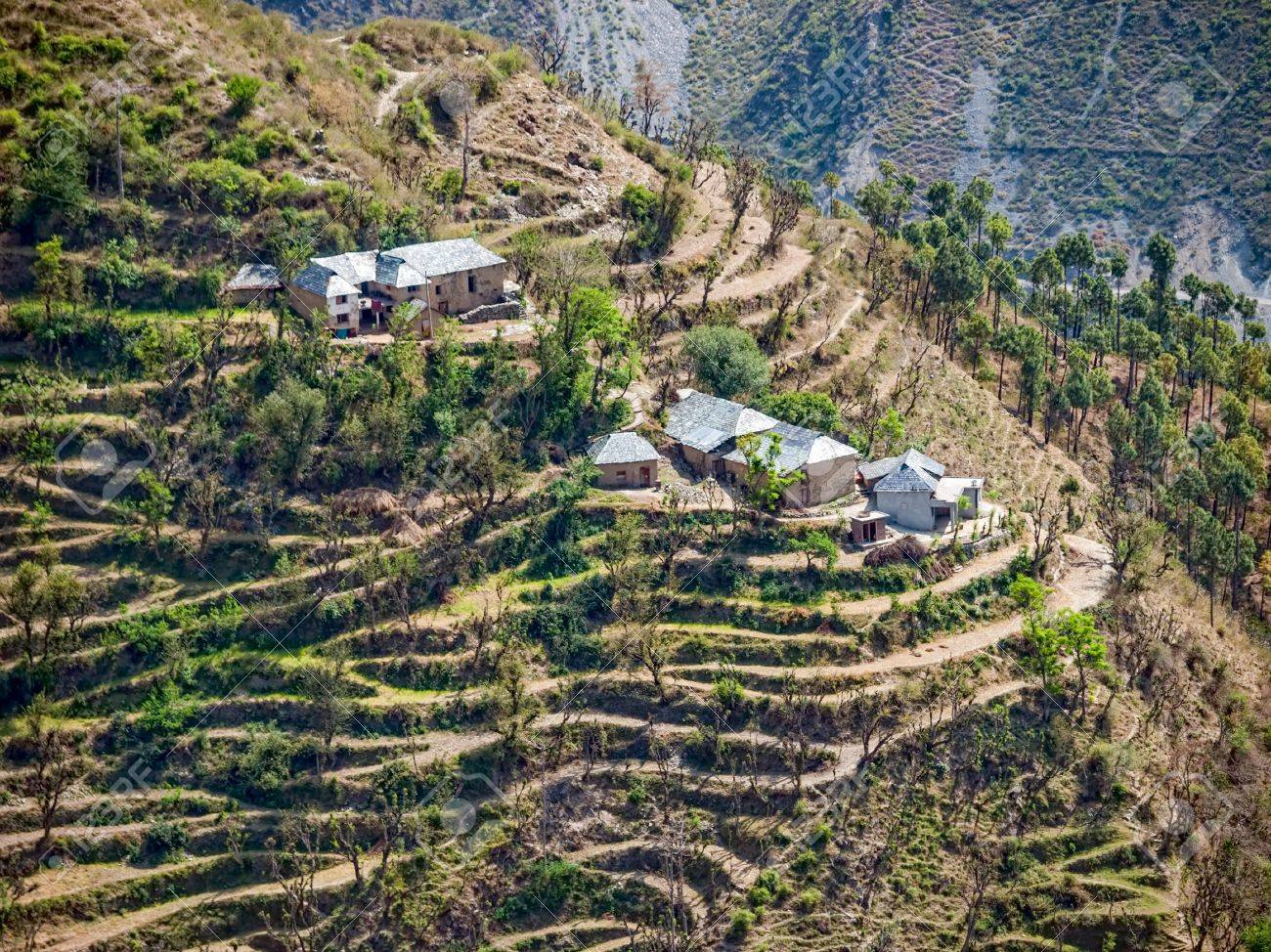
Foothills travel should always include a Plan B. Keep one indoor or low-mobility alternative per day and avoid rigid hour-by-hour plans. Weather shifts, traffic bottlenecks, and local events can alter your day quickly. A flexible structure allows adaptation without stress or quality loss. Contingency is not optional in mountain-edge circuits.
Remote Work and Long-Stay Potential
Foothills are increasingly chosen by remote workers for medium-term stays. Success depends on reliable connectivity, predictable power, and access to routine services. Choose one base and rotate nearby short excursions rather than shifting stays too often. This hybrid model supports productivity and exploration simultaneously. Long-stay foothills travel can be highly rewarding when daily complexity is controlled.
Common Mistakes to Avoid
Typical mistakes include overestimating daily movement capacity, skipping recovery windows, and choosing accommodation that increases route friction. Another issue is chasing too many iconic spots at the expense of lived experience. Fix these by setting clear daily priorities and keeping at least one dropable segment in every itinerary day.
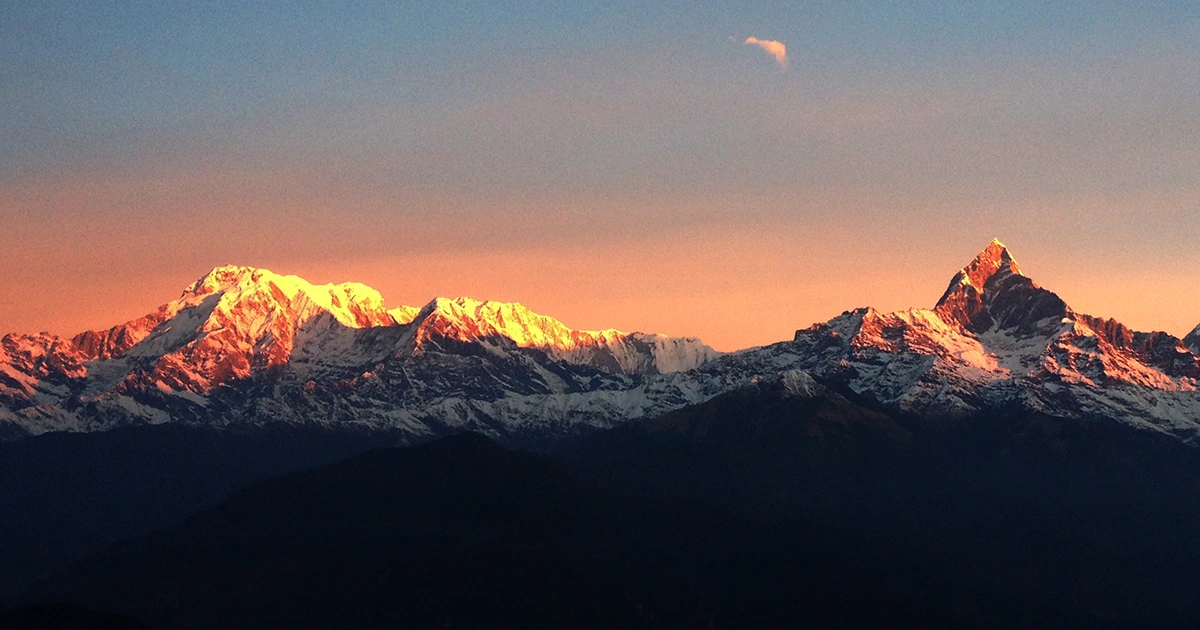
Foothills for First-Time Mountain Travelers
For first-time mountain travelers, foothills are an ideal training ground. You can learn route discipline, weather adaptation, and daily energy management without immediately entering highly technical alpine terrain. Use foothills as a skill-building environment: test your footwear system, refine packing habits, and understand how your body responds to altitude-edge movement. This preparation makes future higher-elevation trips safer and more enjoyable.
Local Interaction and Cultural Depth
Many foothills itineraries miss their richest layer by focusing only on landscapes. Spend time in small markets, community cafes, and local cultural spaces where daily rhythm is visible. Ask respectful questions, learn local route tips, and include one non-touristy interaction each day. Cultural depth reduces travel monotony and gives the landscape personal context. Foothills become more meaningful when people and place are experienced together.
Road Safety Discipline in Mountain-Edge Routes
Road safety decisions can define your entire trip quality. Avoid late-night mountain-edge driving, verify vehicle condition, and keep drivers informed of rest stops. Never compress timelines to recover lost time aggressively. In foothill circuits, conservative driving is not optional; it is core risk management. You reach more safely and still enjoy better overall pacing when transfers are handled with patience.
Repeatable Slow-Travel Framework
A repeatable foothills framework can be: one exploration day, one active day, one culture day, one recovery day, then repeat. This rhythm supports longer stays without burnout and works well for both solo and group travelers. Structure does not reduce spontaneity; it creates space for it by reducing decision fatigue.
Practical Budgeting for Foothill Routes
Budget control in foothills is strongest when you optimize transfers and stays rather than cutting core experiences. Keep one contingency reserve for weather-led route changes and avoid spending spikes caused by last-minute re-routing. Stable budgets come from planning discipline, not constant compromise.
Photography and Observation Rhythm
Foothills are visually rich across changing light, but nonstop photo stops can fragment route flow. Use one focused morning capture window and one evening window, then keep daytime movement steady. This approach balances documentation with immersion and reduces unnecessary delays.
Daily Debrief for Better Route Quality
Spend five minutes each evening reviewing what worked and what to adjust next day. Micro-adjustments in timing, meal windows, and transfer order improve foothill travel quality quickly.
Last Route Reminder
Keep daylight travel priority and avoid compressing evening transfers. This one rule improves safety, comfort, and schedule reliability across foothill circuits.
Final Foothills Note
Start early, stay flexible, and keep daily goals realistic for best results.
Conclusion
Himalayan foothills travel is most rewarding when paced with intention, not urgency. Keep routes efficient, days balanced, and decisions weather-aware. Combine nature, local culture, and recovery in a repeatable structure. With this approach, foothill journeys become deeply restorative and operationally smooth, whether you are planning a short break or an extended mountain-edge circuit.
Location
Frequently Asked Questions
Q1.How many days are ideal for a foothills trip?
Q2.What is the most common foothills planning error?
Q3.Can foothills travel suit remote workers?
Q4.Which places are popular for exploring the Himalayan foothills?
Q5.Do I need special gear to travel in the Himalayan foothills?
Recommended For You
Acute Mountain Sickness in Ladakh: Prevention
Complete guide to Acute Mountain Sickness in Ladakh. Learn symptoms, prevention, medicines, acclimatization tips & safety measures for high-altitude travel.
Offbeat Places in India: 12 Less-Crowded Destinations for Smarter Travel Plans
Explore practical offbeat travel in India with 12 less-crowded destinations, season-based planning advice, budget strategy, and a realistic 7-day circuit template.
Treks in Dharamshala: Top Trails, Distance & Best Time
Top treks in Dharamshala - Triund, Kareri Lake, Indrahar Pass. Trail details, difficulty, best season & preparation tips.
Never Miss an Adventure
Get the latest trekking guides, travel tips, and exclusive offers delivered straight to your inbox.
