
Hogenakkal Falls Tamil Nadu: Coracle Rides, Timings & Route

Rohan Malhotra
February 19, 2026
Complete Hogenakkal Falls guide with coracle rides, fish spa, best time to visit, timings, travel tips and how to reach for the Niagara of India.
Introduction to Hogenakkal Falls
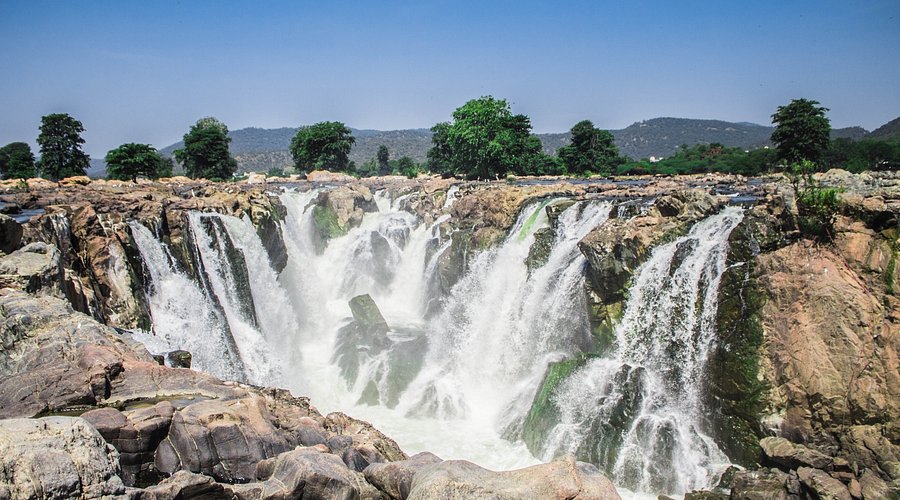
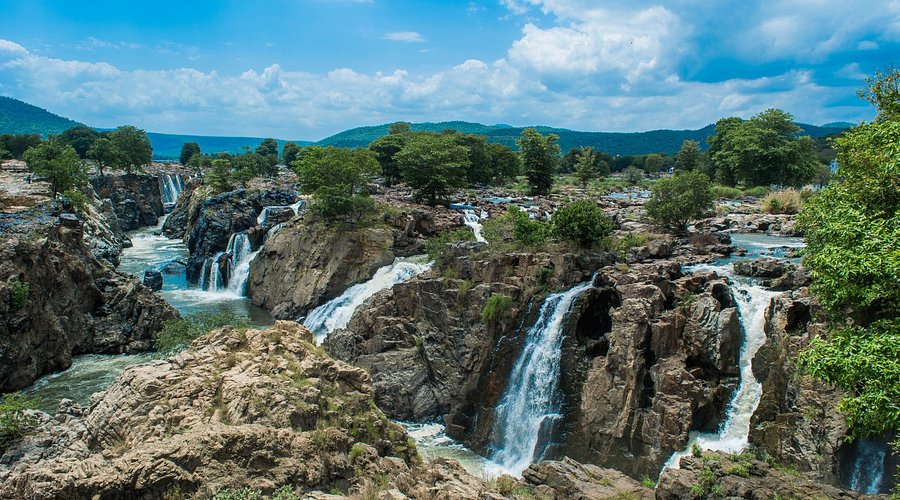
Located on the Kaveri River in the Dharmapuri district of Tamil Nadu, Hogenakkal Falls is often called the "Niagara of India" for its dramatic appearance and thundering power. The name Hogenakkal derives from Kannada words 'hoge' meaning smoke and 'kal' meaning rock - referring to the smoke-like appearance created by the water mist as the river crashes onto the rocks below. This magnificent waterfall is where the Kaveri River drops into Tamil Nadu, creating a spectacular natural boundary between Karnataka and Tamil Nadu. For those interested in exploring more waterfalls in South India, the Athirappilly waterfalls in Kerala are another spectacular destination worth visiting.
What makes Hogenakkal special is its unique character - unlike most waterfalls that cascade in a single drop, Hogenakkal spreads over a wide area with water flowing around numerous rocky outcrops, creating multiple channels and cascades. This geology creates a maze of water, rock, and mist that offers different perspectives from various points. The carbonatite rocks here are among the oldest in the world, dating back 2.4 billion years, adding geological significance to the natural beauty.
The falls are not just a visual spectacle but an important ecosystem supporting diverse flora and fauna. The area is also known for traditional medicine practices, with local healers using herbs from the surrounding forests. The combination of natural beauty, cultural significance, and accessibility makes Hogenakkal one of Tamil Nadu's most popular tourist destinations.
Geography and Formation
Hogenakkal Falls is formed where the Kaveri River, after flowing through Karnataka's relatively flat terrain, encounters the rocky terrain of Tamil Nadu. The river widens and then drops over a series of rocks, creating numerous waterfalls that together constitute what we call Hogenakkal. The total drop is about 20 meters, but the way water spreads over a wide area creates a much more dramatic impression.
The falls cover an area of approximately 200 square meters during peak flow, though this varies seasonally. The river divides into multiple channels around rocky islands, creating what looks like a series of interconnected waterfalls. During monsoon, the channels merge into one massive sheet of water, while summer reveals more individual cascades.
The carbonatite rock formations at Hogenakkal are geologically significant - among the oldest exposed rocks on Earth. These rocks, part of the Southern Granulite Terrain, have been dated to 2.4 billion years and provide valuable insights into Earth's early history. The area has been declared a UNESCO Global Geopark for its geological importance.
Boating and Coracle Rides
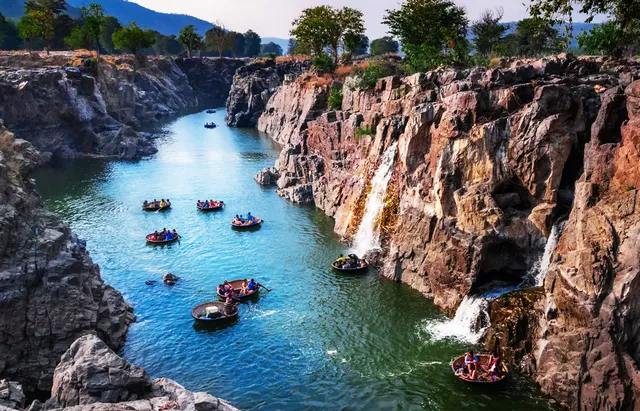
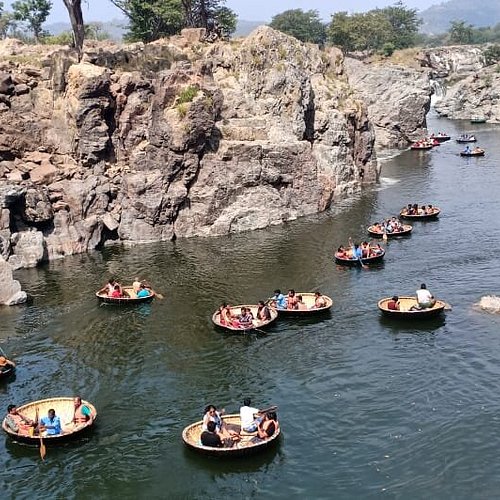
The most popular activity at Hogenakkal is the coracle ride - traditional round boats used for centuries on the Kaveri River. These basket-like boats, made from bamboo and covered with plastic or hide, offer an intimate and thrilling way to experience the falls. Coracles can navigate close to the cascades, providing perspectives impossible from the shore.
The coracle experience begins at the banks where local operators offer rides. Similar traditional boat experiences can be found at other scenic destinations like Alappuzha houseboats in Kerala. You'll board the round boat which sits low in the water - initially feeling unstable until you get used to the unique design. The boatman uses a single oar in a rowing motion to propel and steer the coracle. The ride takes you upstream, through various channels, and close to the main cascades where the thundering water creates an exhilarating atmosphere.
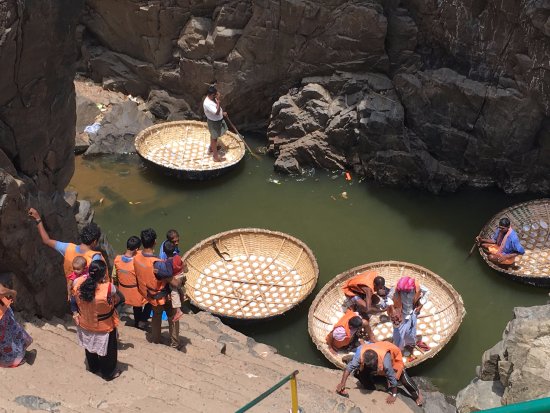
What makes the coracle ride special is the proximity to the falls - you can feel the spray, hear the thundering water, and see the force with which the river cascades over rocks. The boatmen are experienced and know exactly how close they can safely take you. The ride typically lasts 30-60 minutes depending on the package and river conditions.
Safety is generally good, though always choose operators with life jackets. The coracles look fragile but are surprisingly stable. The boatmen have generations of experience navigating these waters and know the safe routes. However, the ride isn't recommended for very small children, elderly people, or those with heart conditions as the proximity to powerful cascades can be intense.
Fish Spa Experience
Hogenakkal offers a unique natural fish spa experience. In the calmer sections of the river upstream from the falls, small fish called doctor fish naturally exfoliate dead skin from your feet. Local operators offer sessions where you sit in shallow water while these fish gently nibble away dead skin cells.
This natural fish spa has become one of Hogenakkal's most popular attractions. The sensation is ticklish initially but becomes relaxing. A typical session lasts 15-30 minutes. The fish are harmless and only eat dead skin, so there's no pain involved. After the session, your feet feel noticeably smoother and softer.
The fish spa experience is completely natural - no tanks, no artificial setup. You simply sit in the flowing river while the fish do their work. It's an eco-friendly spa experience that's fun, unusual, and leaves you with smooth feet as a souvenir.
Best Time to Visit
Understanding seasonal variations is crucial for planning the perfect Hogenakkal visit, as the falls' character changes dramatically throughout the year.
Post-Monsoon (October-November): The falls are at their most spectacular during these months. Recent monsoon rains mean the river is in full flow, creating massive cascades that thunder over the rocks. The mist rises high, creating the smoke-like effect that gave Hogenakkal its name. This is peak season, so expect crowds and higher prices for everything from coracle rides to food.
Winter (December-February): Pleasant weather with clear skies makes winter ideal for sightseeing. While water flow is less than post-monsoon, the falls remain impressive. The reduced flow reveals more rock formations and creates different photographic opportunities. Winter offers the best balance of impressive falls and comfortable weather.
Summer (March-May): Water flow reduces significantly, revealing more rocky terrain and smaller cascades. However, summer has advantages - fewer crowds, lower prices, and the ability to walk on riverbed rocks that are submerged during high flow. The temperature can reach 35-40°C, making morning visits essential.
Monsoon (June-September): The Kaveri River swells dramatically during monsoon, creating spectacular but dangerous conditions. Coracle rides and boat activities are suspended during heavy rains. The area becomes slippery, and paths become hazardous. While the falls are magnificent, this isn't recommended for casual tourists.
How to Reach Hogenakkal
Hogenakkal is well-connected by road, though its location in a relatively remote area means some travel is required regardless of your starting point. Many visitors combine their trip with exploring other attractions near Bangalore.
From Bangalore: Hogenakkal is approximately 180 kilometers from Bangalore, a 4-5 hour drive. The route goes through Hosur, Krishnagiri, and Dharmapuri. Roads are generally good except for the final stretch which is a narrow village road. Direct buses run from Bangalore to Hogenakkal, though these can be crowded.
From Salem: About 114 kilometers away, Salem is the nearest major city to Hogenakkal. The drive takes about 2.5-3 hours. Salem has better rail connectivity than Dharmapuri, so some travelers prefer to reach Salem first and then proceed to Hogenakkal by road.
From Dharmapuri: The district headquarters is about 46 kilometers away, approximately 1.5 hours by road. Regular buses connect Dharmapuri to Hogenakkal. This is the most convenient access point for those traveling by train to Dharmapuri.
By Rail: The nearest railway station is Dharmapuri (46km away). Direct trains from Bangalore and Chennai stop at Dharmapuri. From the station, taxis and buses are available for the onward journey to Hogenakkal.
Things to Do at Hogenakkal
Coracle Ride
The must-do activity at Hogenakkal. These traditional round boats take you close to the cascades, offering thrilling views and an authentic river experience. The boatmen are skilled and know exactly how close they can safely approach the falls. Rides typically cost ₹500-800 per boat depending on duration and season.
Fish Massage
The natural fish spa experience in shallow river sections. Doctor fish gently exfoliate your feet while you sit in the flowing water. Sessions last 15-30 minutes and cost around ₹100-200. It's ticklish but fun, and your feet feel noticeably smoother afterward.
Temple Visits
The area around Hogenakkal has several temples including the Hogenakkal Mariamman Temple. These temples add cultural depth to your visit and offer insight into local religious traditions. Temple visits can be combined with waterfall sightseeing.
Photography
Hogenakkal offers spectacular photography opportunities. The smoke-like mist, rocky terrain, and multiple cascades create dramatic compositions. Early morning light provides beautiful illumination. Post-monsoon offers the most powerful waterfall shots.
Local Market Shopping
The area near the falls has a bustling market selling everything from fresh fish (the area is known for its catch) to traditional medicines, handicrafts, and souvenirs. It's colorful, chaotic, and offers insight into local commerce.
Fresh Seafood
The Kaveri River at Hogenakkal is known for its fresh catch. Local restaurants serve fish curries and fried fish that are simple but delicious. The river fish has a unique flavor due to the mineral-rich waters. Try the karimeen (pearl spot) if available.
Accommodation Options
Hogenakkal offers limited but adequate accommodation options ranging from budget to mid-range.
Budget Options: Several lodges and guesthouses offer basic rooms at budget prices. These are clean but simple - think basic rooms with attached bathrooms and possibly air conditioning. Most are within walking distance of the falls.
Mid-Range Hotels: A few hotels offer more comfortable rooms with better amenities. These typically include AC rooms, room service, and restaurants. Some have river views or falls views. Book in advance for weekends and holidays.
Resorts: Limited resort options exist in the broader area for those seeking luxury. These properties typically have pools, restaurants, and organized activities. They're more expensive but offer a more upscale experience.
Most visitors do Hogenakkal as a day trip from Bangalore or Salem, staying the night only if part of a broader itinerary. For day trips, carrying essentials is important as facilities are limited.
Travel Tips
These practical tips will help make your Hogenakkal visit safer and more enjoyable.
Wear comfortable walking shoes with good grip - the rocky terrain can be slippery even in dry weather. Avoid flip-flops or sandals as they provide no protection. If you plan to walk on the riverbed (possible in summer when water levels are low), shoes that can get wet are ideal.
Carry drinking water and snacks. While food and water are available, prices are tourist-priced and quality may vary. Especially during summer when temperatures can reach 40°C, staying hydrated is crucial.
Be cautious around the water. The rocks are extremely slippery, and currents can be deceptive. Never enter the water near the main falls regardless of how calm it appears. Only swim or wade in designated safe areas under local guidance.
Bargain for coracle rides but remember that the boatmen need to earn a living. Fair bargaining is fine, but don't haggle aggressively. Choose operators who provide life jackets - these are essential for safety, even if the water looks calm.
Visit early morning if possible - not just to beat the heat and crowds but for the best photography. Morning light creates beautiful effects on the waterfalls, and you're more likely to spot birds and other wildlife.
Finally, respect the environment. Don't litter, don't damage the ancient rocks, and don't disturb wildlife. The carbonatite rocks at Hogenakkal are 2.4 billion years old - treat them with the respect due to formations that have witnessed most of Earth's history.
Conclusion
Hogenakkal Falls offers that rare combination of natural drama, adventure, and cultural experience that makes for unforgettable travel memories. The sight of the Kaveri River thundering over ancient rocks, the thrill of a coracle ride close to cascading water, the unusual sensation of a natural fish spa - these experiences stay with visitors long after they've returned home.
What makes Hogenakkal special is its authenticity - unlike many tourist attractions that feel staged or commercialized, Hogenakkal feels raw and real. The coracle boats are the same design used for centuries. The fish spa is completely natural. The falls have been here since before humans existed in this region. This authenticity, this sense that you're experiencing something genuine rather than created for tourists, gives Hogenakkal its appeal.
The falls also represent the power of nature - the way the Kaveri River has carved its path through 2.4 billion-year-old rocks. For waterfall enthusiasts, India offers many such spectacular sights including the majestic Jog Falls in Karnataka, the relentless flow of water that continues unabated through drought and flood, the mist that rises like smoke from the cascading water. Standing by the falls, watching the water thunder past, feeling the spray on your face, you're connected to something much larger than yourself - to the river, to the rocks, to the Earth itself.
Whether you're a nature lover, adventure enthusiast, photographer, or simply someone seeking escape from city life, Hogenakkal delivers experiences that refresh both body and spirit. The falls have been attracting visitors for centuries, and will continue to do so for centuries more - a testament to their enduring power and beauty. Come once, and you'll understand why Hogenakkal is called the Niagara of India - not because it's similar to Niagara, but because it's equally spectacular in its own unique way.
Location
Frequently Asked Questions
Q1.Why is Hogenakkal called Niagara of India?
Q2.Is it safe to do coracle ride at Hogenakkal?
Q3.What is the best time to visit Hogenakkal?
Q4.How to reach Hogenakkal from Bangalore?
Q5.What is special about Hogenakkal fish spa?
Q6.What are Hogenakkal Falls timings?
Q7.How much time is needed for Hogenakkal?
Q8.Is swimming allowed at Hogenakkal?
Recommended For You
Things to Do in Dharamshala: Tibetan Culture, Treks & Cafes
Plan things to do in Dharamshala with monastery circuits, Triund trek planning, McLeod Ganj culture, cafe experiences, and practical multi-day itineraries.
15 Best Waterfalls in Kerala: Location, Season & Entry Info
Explore the best waterfalls in Kerala with Athirappilly, Vazhachal, Soochipara, Meenmutty and more, including season tips and route-based tour planning.
Wayanad Waterfalls: Best Falls, Trek Access & Monsoon Tips
Complete guide to Wayanad waterfalls including Meenmutty, Soochipara, Banthra Sunku, Chethalayam with trekking details, best time, and travel tips.
Never Miss an Adventure
Get the latest trekking guides, travel tips, and exclusive offers delivered straight to your inbox.
