
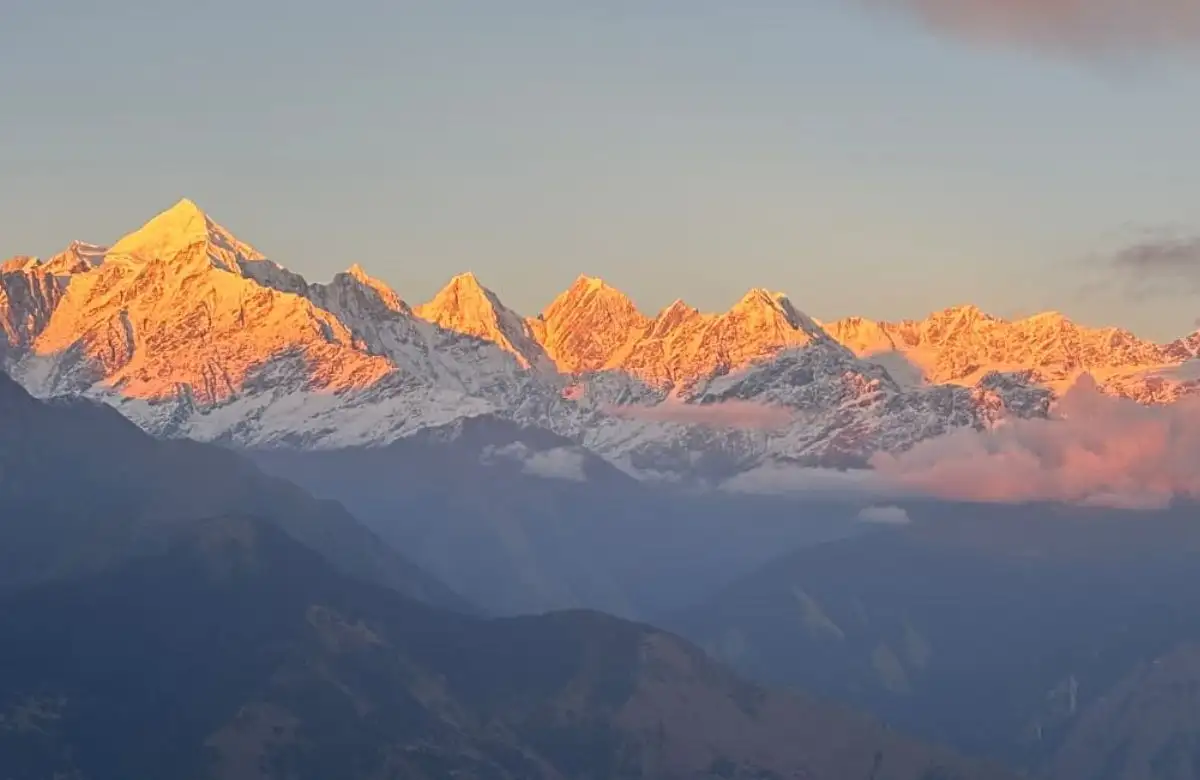
Best Homestays in Munsiyari: Complete Guide 2026

Priya Mehta
February 18, 2026
Discover best homestays in Munsiyari with authentic Kumaoni hospitality. Complete guide to staying in Himalayan homes with local culture, food, and mountain views.
Discover the Heart of Kumaon: Homestays in Munsiyari
Nestled in the Pithoragarh district of Uttarakhand, Munsiyari is often called the 'Little Kashmir' of India. This picturesque hill station, situated at an altitude of 2,200 meters, serves as the gateway to the Milam Glacier and offers breathtaking views of the Panchachuli peaks. While hotels and resorts have mushroomed across popular hill stations, Munsiyari has maintained its charm through authentic homestays that offer travelers a genuine taste of Kumaoni culture and hospitality.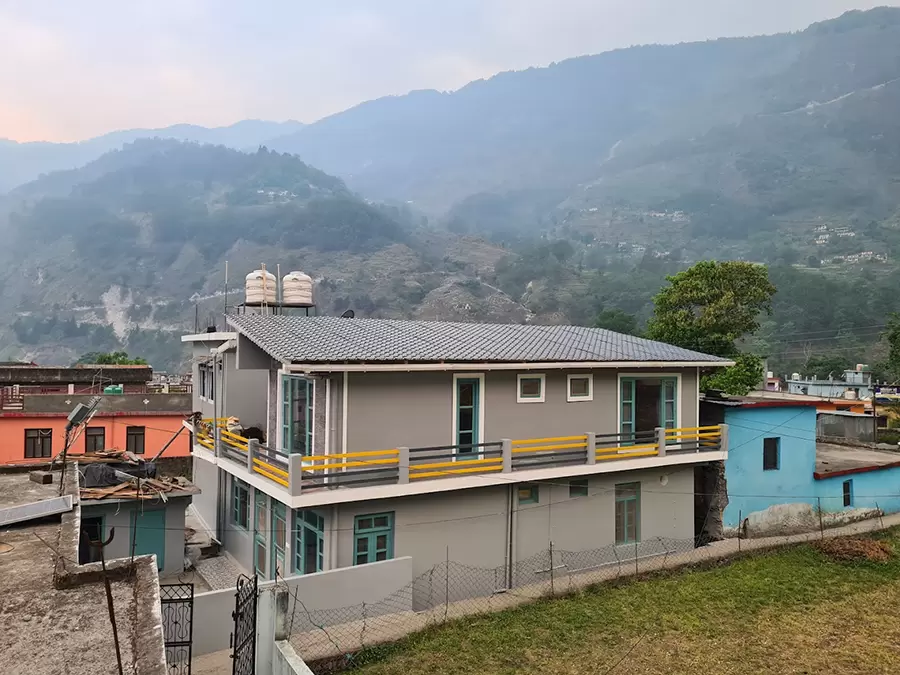 Choosing a homestay in Munsiyari isn't just about finding accommodation—it's about immersing yourself in the local way of life. Imagine waking up to the melodious chirping of Himalayan birds, sipping freshly brewed rhododendron tea while watching the sunrise paint the Panchachuli peaks in golden hues, and enjoying home-cooked Kumaoni cuisine prepared with locally sourced ingredients. This is the authentic Munsiyari experience that only homestays can provide.
The region's homestays are typically run by local families who have lived here for generations. These families don't just offer you a room—they welcome you into their homes, share stories of the region, teach you about local customs, and ensure you experience Munsiyari like a true insider. Whether you're a solo traveler seeking solitude, a couple looking for a romantic getaway, or a family wanting to introduce children to mountain life, Munsiyari's homestays cater to every type of traveler.
Choosing a homestay in Munsiyari isn't just about finding accommodation—it's about immersing yourself in the local way of life. Imagine waking up to the melodious chirping of Himalayan birds, sipping freshly brewed rhododendron tea while watching the sunrise paint the Panchachuli peaks in golden hues, and enjoying home-cooked Kumaoni cuisine prepared with locally sourced ingredients. This is the authentic Munsiyari experience that only homestays can provide.
The region's homestays are typically run by local families who have lived here for generations. These families don't just offer you a room—they welcome you into their homes, share stories of the region, teach you about local customs, and ensure you experience Munsiyari like a true insider. Whether you're a solo traveler seeking solitude, a couple looking for a romantic getaway, or a family wanting to introduce children to mountain life, Munsiyari's homestays cater to every type of traveler.
Why Choose Homestays Over Hotels in Munsiyari?
The homestay experience in Munsiyari offers something that no luxury hotel can match—an authentic connection with the land and its people. Unlike commercial accommodations that often feel disconnected from their surroundings, homestays here are deeply rooted in the local ecosystem. The hosts are usually farmers, former trekkers, or retired professionals who chose to return to their roots. They possess intimate knowledge of the region's geography, flora, fauna, and culture, which they're eager to share with guests. From a practical standpoint, homestays in Munsiyari are significantly more affordable than hotels, with prices ranging from ₹800 to ₹2,500 per night including meals. This cost-effectiveness doesn't come at the expense of comfort—most homestays offer clean, well-maintained rooms with attached bathrooms, hot water (essential in the cold climate), and traditional Kumaoni architecture that blends seamlessly with the landscape. The food alone is worth the stay; hosts serve authentic dishes like bhat ki churkani, aloo ke gutke, and bal mithai that you'd rarely find on hotel menus. Environmental sustainability is another compelling reason to choose homestays. Most accommodations in Munsiyari are built using local materials like stone and wood, utilize solar heating systems, practice rainwater harvesting, and source ingredients from their own farms or nearby villages. By staying at a homestay, you're directly supporting the local economy and ensuring that tourism benefits the community rather than external corporations. Your stay helps preserve traditional architecture, supports local farmers, and provides employment opportunities for village youth who might otherwise migrate to cities in search of work.Top 7 Homestays in Munsiyari
After extensive research and firsthand experiences from travelers, we've compiled a list of the best homestays in Munsiyari that offer the perfect blend of comfort, authenticity, and stunning views. Each property has been selected based on location, host hospitality, cleanliness, food quality, and value for money.1. Milam Inn Homestay
Located in the heart of Munsiyari town, Milam Inn Homestay is named after the famous Milam Glacier trek and is run by the Bisht family, who have been welcoming trekkers and travelers for over 15 years. The homestay offers five well-appointed rooms with balconies that provide unobstructed views of the Panchachuli peaks. What sets Milam Inn apart is the host's deep knowledge of trekking routes in the region—Mr. Bisht is a former trekking guide who can organize treks, provide equipment, and share invaluable insights about the region's geography.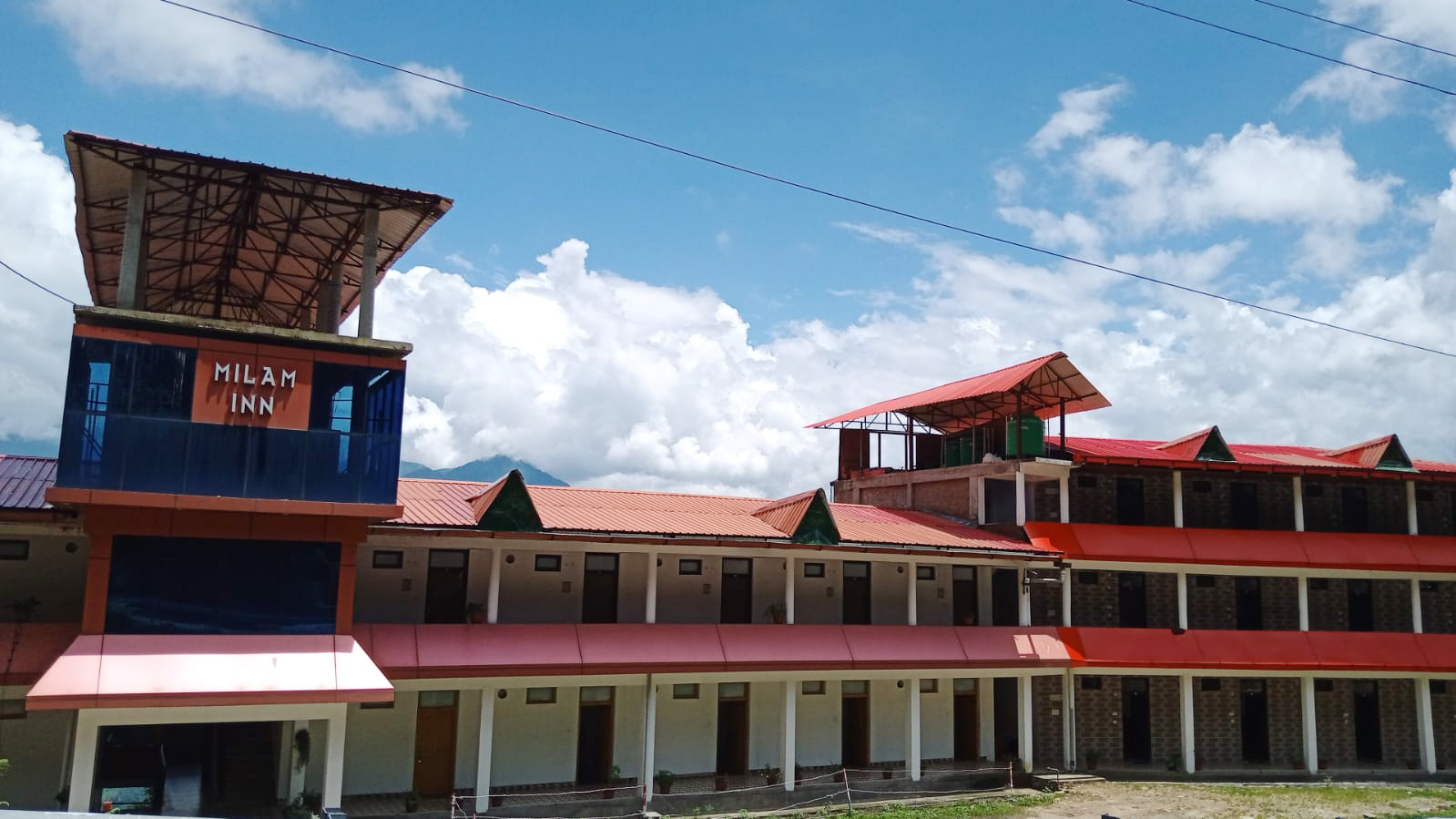 The rooms are tastefully decorated with traditional Kumaoni textiles and wooden furniture crafted by local artisans. The homestay features a common dining area where guests gather for meals, making it easy to strike up conversations with fellow travelers. The food here is exceptional—Mrs. Bisht is renowned for her version of kumaoni raita and the special thali that includes local favorites like kafuli and mandua ki roti. Prices start at ₹1,800 per night including breakfast and dinner.
2. Zara Residency
For travelers seeking modern amenities without sacrificing the homestay experience, Zara Residency is the perfect choice. Located slightly away from the main town in a quieter area, this homestay offers spectacular panoramic views of the Himalayas. The property features beautifully landscaped gardens, a bonfire area, and even a small library stocked with books on Himalayan culture, trekking guides, and novels by regional writers. The rooms at Zara Residency are spacious and feature large windows that frame the mountains like living paintings. The bathrooms are modern with consistent hot water supply—a crucial detail in Munsiyari's cold climate. What makes this place special is the host's attention to detail; each room receives a welcome basket of fresh fruits, homemade chocolates, and a handwritten note with recommendations for local sightseeing. The homestay also organizes cultural evenings where local musicians perform traditional Kumaoni folk songs.3. Himalayan Homestay
Run by the charming Thakur family, Himalayan Homestay offers an authentic glimpse into traditional Kumaoni village life. The property is a beautifully restored traditional house that has been in the family for four generations. The architecture is characteristic of the region—stone walls, wooden ceilings, and intricate carved balconies. Despite its traditional appearance, the homestay offers modern comforts including comfortable beds, clean linens, and WiFi (though the connection can be inconsistent).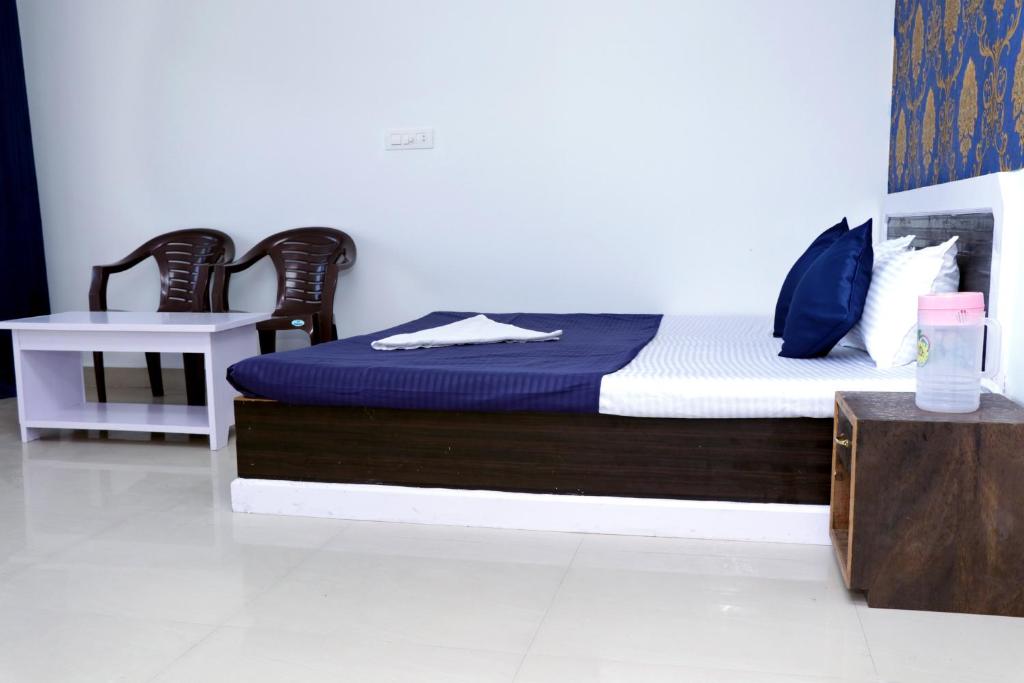 The highlight here is the farm-to-table dining experience. The Thakur family owns organic farms where they grow their own vegetables, and they're happy to take guests on a tour of the fields. Meals are served in a traditional dining room where you'll sit on floor cushions (though chairs are available for those who prefer them). Don't miss their signature dish—gahat ki dal, a nutritious lentil preparation unique to the region. The homestay also offers guided village walks where you can interact with local artisans, visit the village temple, and learn about traditional agricultural practices.
4. Nanda Devi Homestay
Named after the revered Nanda Devi peak, this homestay is perfect for budget travelers who don't want to compromise on experience. Located just a short walk from the main market, Nanda Devi Homestay offers basic but comfortable accommodation at incredibly reasonable prices starting from ₹900 per night. The rooms are simple but spotlessly clean, with warm blankets essential for Munsiyari's cold nights. What makes this homestay special is the host, Mr. Pant, a retired schoolteacher who doubles as an informal historian of Munsiyari. Evenings here often turn into storytelling sessions where he shares fascinating tales about the region's history, the Indo-China border that lies just a few hours away, and the traditional trade routes that once passed through Munsiyari. The homestay also serves as a base for several trekkers, so if you're planning a trek, Mr. Pant can connect you with reliable guides and porters from the village.5. Panchachuli View Homestay
True to its name, this homestay offers perhaps the most spectacular views of the Panchachuli peaks in all of Munsiyari. Perched on a hillside, the property features a large terrace that serves as the perfect spot for morning yoga sessions, evening stargazing, or simply sipping tea while watching the clouds play around the mountains. The homestay is run by a young couple who returned to Munsiyari after working in cities, bringing with them a blend of modern hospitality and traditional warmth. The rooms are thoughtfully designed with local materials—wooden floors, stone walls, and windows that maximize natural light and views. The bathrooms feature solar-heated showers, and the homestay provides eco-friendly toiletries. The hosts are adventure enthusiasts who can help organize anything from gentle nature walks to challenging treks. They also maintain a collection of board games and books, making this a great choice for families with children.6. Wayfarer's Retreat
Wayfarer's Retreat is the homestay of choice for solo travelers and backpackers seeking a social atmosphere. The common areas are designed to encourage interaction—a cozy lounge with a fireplace, a shared kitchen where guests can cook their own meals, and a bulletin board where travelers post notes and photographs from their adventures. The homestay also hosts weekly potluck dinners where guests and hosts share dishes from their respective cultures.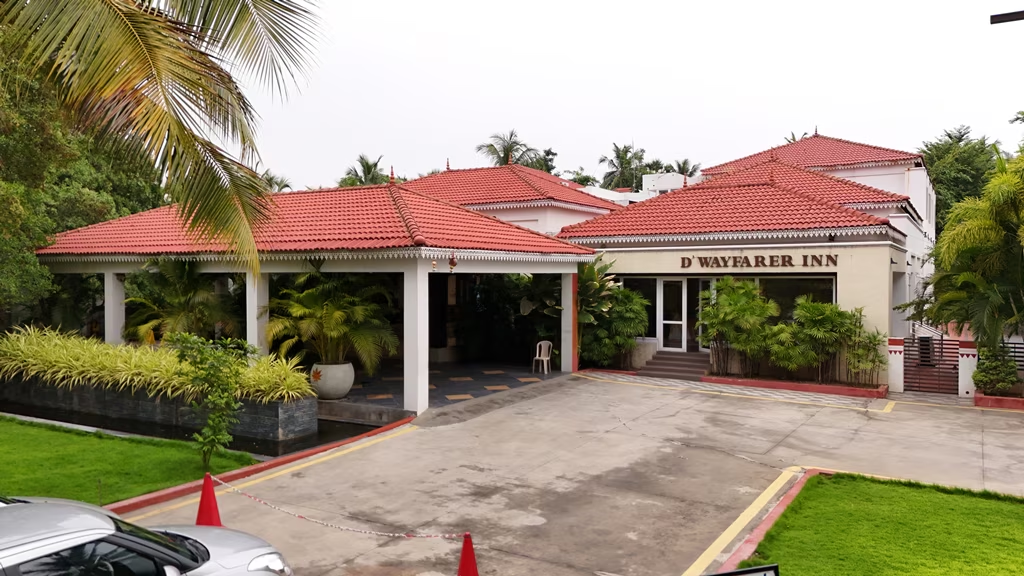 The accommodations include both private rooms and dormitory-style options, making it budget-friendly for solo travelers. Despite the social atmosphere, there's no pressure to participate—introverts will find plenty of quiet corners to read, journal, or simply contemplate the mountains. The homestay is also environmentally conscious, with strict waste segregation, composting, and a policy of serving only filtered water in reusable bottles to minimize plastic waste.
7. V resorts Pathribagh
While technically classified as a resort, V resorts Pathribagh maintains the intimate feel and personalized service of a homestay. Located on a former apple orchard, the property offers cottages scattered across lush gardens, providing privacy without isolation. The resort employs mostly locals from nearby villages, ensuring that your stay directly benefits the community. Each cottage features a private balcony, heating for cold nights, and a sitting area perfect for enjoying room service breakfast while watching the sunrise. The resort's restaurant serves a mix of Kumaoni and continental cuisine, and the chef is happy to accommodate dietary restrictions. What makes this property special is its commitment to sustainability—they grow their own organic vegetables, use solar power for heating, and organize regular nature walks and birdwatching sessions led by local naturalists.What to Expect at Munsiyari Homestays
Before booking a homestay in Munsiyari, it's important to have realistic expectations about what the experience entails. While comfort levels vary across properties, there are certain common characteristics you should be prepared for. First and foremost, Munsiyari is a remote region—mobile connectivity is limited (only BSNL and Vodafone work), and internet can be inconsistent. Consider this a blessing rather than a drawback; it's an opportunity to disconnect from the digital world and reconnect with nature and yourself. The weather in Munsiyari is unpredictable and can change dramatically within hours. Summers (April-June) are pleasant with temperatures ranging from 15-25°C, but nights can still get chilly. Monsoons (July-September) bring heavy rainfall, sometimes causing landslides that block roads. Winters (October-March) are harsh, with temperatures often dropping below freezing and occasional snowfall. Most homestays provide heating in the form of bukharis (traditional wood stoves) or electric blankets, but it's wise to carry warm clothing regardless of the season. Electricity supply can be erratic, with power cuts occurring occasionally, especially during storms. Most homestays have inverters or generators for backup, but don't expect uninterrupted power. Hot water is typically available through solar heating systems or geysers, but during cloudy days or extreme cold, you might need to wait for water to heat up. These minor inconveniences are part of the charm of visiting a remote Himalayan region—they remind you that you're far from the conveniences of urban life.Authentic Kumaoni Cuisine at Homestays
One of the greatest pleasures of staying at a homestay in Munsiyari is the food. Kumaoni cuisine is distinct from the more familiar North Indian fare—it's simpler, lighter, and heavily influenced by the region's geography and climate. Most homestays serve home-cooked meals prepared with locally sourced ingredients, and many hosts are happy to teach guests how to make traditional dishes.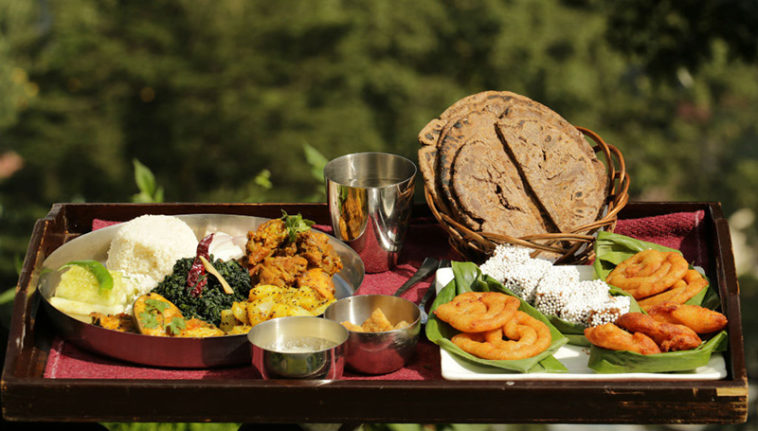 Start your day with a typical Kumaoni breakfast—mandua ki roti (finger millet flatbread) served with gud (jaggery) and aloo ke gutke (spiced potatoes). For lunch, you might be served bhat ki churkani (a tangy rice dish) or faansu (buckwheat pancakes) with local vegetables. Dinner often includes kafuli (a spinach-based curry), chaisu (lentil preparation), and gahat ki dal (horse gram dal), accompanied by rotis made from wheat or ragi flour.
Don't leave without trying bal mithai, the iconic sweet of Kumaon made from evaporated milk and coated with poppy seeds. Another local specialty is singal, a fried sweet bread flavored with cardamom and saffron. Most homestays serve these sweets with tea, and some even offer cooking demonstrations if you're interested in learning the recipes. The food at homestays is typically less oily and lighter than restaurant fare, making it easier to digest at high altitudes.
Start your day with a typical Kumaoni breakfast—mandua ki roti (finger millet flatbread) served with gud (jaggery) and aloo ke gutke (spiced potatoes). For lunch, you might be served bhat ki churkani (a tangy rice dish) or faansu (buckwheat pancakes) with local vegetables. Dinner often includes kafuli (a spinach-based curry), chaisu (lentil preparation), and gahat ki dal (horse gram dal), accompanied by rotis made from wheat or ragi flour.
Don't leave without trying bal mithai, the iconic sweet of Kumaon made from evaporated milk and coated with poppy seeds. Another local specialty is singal, a fried sweet bread flavored with cardamom and saffron. Most homestays serve these sweets with tea, and some even offer cooking demonstrations if you're interested in learning the recipes. The food at homestays is typically less oily and lighter than restaurant fare, making it easier to digest at high altitudes.
Best Time to Visit Munsiyari for Homestay Experience
Choosing the right time to visit Munsiyari depends largely on what you want to experience. Each season offers a different perspective on the region, and your choice will significantly influence the homestay experience. Here's a breakdown of what to expect during different seasons:| Season | Months | Temperature | Experience | Pros | Cons |
|---|---|---|---|---|---|
| Spring | Mar - Apr | 10°C - 20°C | Fflowers in bloom, pleasant weather | Clear mountain views, ideal for trekking | Cold nights, occasional showers |
| Summer | May - Jun | 15°C - 25°C | Peak tourist season | Best weather, all homestays open | Crowded, higher prices |
| Monsoon | Jul - Sep | 18°C - 22°C | Lush greenery, occasional landslides | Fewer tourists, lower prices | Rain can disrupt travel plans |
| Autumn | Oct - Nov | 12°C - 20°C | Clear skies, post-monsoon freshness | Great photography, comfortable trekking | Getting colder at night |
| Winter | Dec - Feb | 0°C - 10°C | Snowfall, minimal tourists | Winter wonderland, solitude | Extreme cold, some homestays closed |
Summer Season (May-June): Peak Travel Time
Summer is undoubtedly the most popular time to visit Munsiyari, and for good reason. The weather is pleasant, with clear blue skies offering unobstructed views of the Panchachuli peaks. This is the best season for trekking—the trails are accessible, and the temperatures during the day are perfect for hiking. During summer, all homestays are operational, and you'll have plenty of options to choose from. The region comes alive with festivals, and you might be lucky enough to witness local celebrations if your timing aligns. However, summer also means crowds. Munsiyari sees an influx of tourists from across India and abroad during school holidays. Popular homestays get booked months in advance, and prices are at their highest. If you're visiting during summer, book your accommodation well in advance—ideally 2-3 months before your travel dates. The advantage of visiting during peak season is that all facilities, restaurants, and transport services are running at full capacity, making logistics easier.Winter Season (December-February): For the Brave Hearts
Winter in Munsiyari is a completely different experience—the region transforms into a quiet wonderland with occasional snowfall covering the landscape in white. This is the season for solitude seekers and photographers who want to capture the Himalayas in all their glory. The Panchachuli peaks look particularly majestic against the clear winter sky, and if you're lucky, you might witness fresh snowfall that turns everything into a picture-perfect postcard. However, winter travel requires preparation. Temperatures often drop below freezing, and some smaller homestays shut down during these months due to the extreme cold. Ensure your chosen homestay offers heating (bukharis or room heaters) and reliable hot water supply. Roads can get blocked due to snow, though they're usually cleared within a day or two. Pack heavy woolens, thermals, and good quality winter boots. The reward for braving the cold is having the mountains almost entirely to yourself—winter sees very few tourists, making it perfect for introspection and peaceful retreat.How to Reach Munsiyari
Reaching Munsiyari is an adventure in itself—the journey involves winding mountain roads, stunning valleys, and gradual ascent into the Himalayas. While the journey can be long and tiring, it's also part of the Munsiyari experience, offering glimpses of rural Uttarakhand life and increasingly spectacular mountain views as you approach your destination.By Air
The nearest airport to Munsiyari is Pantnagar Airport, located approximately 249 kilometers away. However, Pantnagar has limited flight connectivity, with flights primarily from Delhi. From the airport, you'll need to hire a taxi or take a bus to Munsiyari, which takes approximately 8-9 hours. The road journey from Pantnagar passes through beautiful towns like Almora and Bageshwar, so consider breaking the journey with an overnight stop. Alternatively, you can fly to Dehradun's Jolly Grant Airport (approximately 345 kilometers from Munsiyari), which has better connectivity from major Indian cities. However, the drive from Dehradun is longer (10-12 hours) but equally scenic, taking you through the holy town of Rishikesh and along the Ganges before ascending into the mountains.By Train
The nearest railway station is Kathgodam, located approximately 275 kilometers from Munsiyari. Kathgodam is well-connected to major cities like Delhi (Kathgodam Shatabdi runs daily), Lucknow, and Kolkata. From Kathgodam, you can hire a taxi or take a bus to Munsiyari. The road journey from Kathgodam takes approximately 9-10 hours and passes through the scenic towns of Bhimtal, Almora, and Bageshwar. For those traveling from further east, Tanakpur railway station (approximately 285 kilometers away) is another option. However, Kathgodam generally has better connectivity and more frequent trains. If you're taking the train, book tickets in advance, especially during peak tourist season (May-June and October), as trains to Kathgodam fill up quickly.By Road
Driving to Munsiyari gives you the flexibility to stop at scenic points and explore at your own pace. The most common route is from Delhi via Kathgodam. The journey from Delhi to Munsiyari is approximately 590 kilometers and takes 14-16 hours, depending on road conditions and stops. Most travelers break this journey into two parts—Delhi to Kathgodam or Bhimtal (overnight halt), followed by the drive to Munsiyari the next day. The roads are generally well-maintained, though the last stretch from Bageshwar to Munsiyari involves winding mountain roads with sharp curves. If you're not comfortable driving in hilly terrain, it's best to hire a local taxi from Kathgodam or Bageshwar. Local drivers are familiar with the roads and can navigate safely. During monsoon, check road conditions before starting your journey, as landslides can cause temporary roadblocks.Things to Do Near Your Homestay
Staying at a homestay in Munsiyari places you at the center of numerous attractions and activities. Your host can help you plan excursions based on your interests, fitness levels, and the time of year. Here are some popular activities that homestay guests enjoy:Trekking Adventures
Munsiyari is the base camp for several treks ranging from easy day walks to challenging multi-day expeditions. The most famous is the Milam Glacier Trek, a challenging 11-day trek that takes you through some of the most spectacular landscapes in the Himalayas. For those with less time or experience, the Khaliya Top trek is a popular day hike that rewards trekkers with panoramic views of the Panchachuli peaks.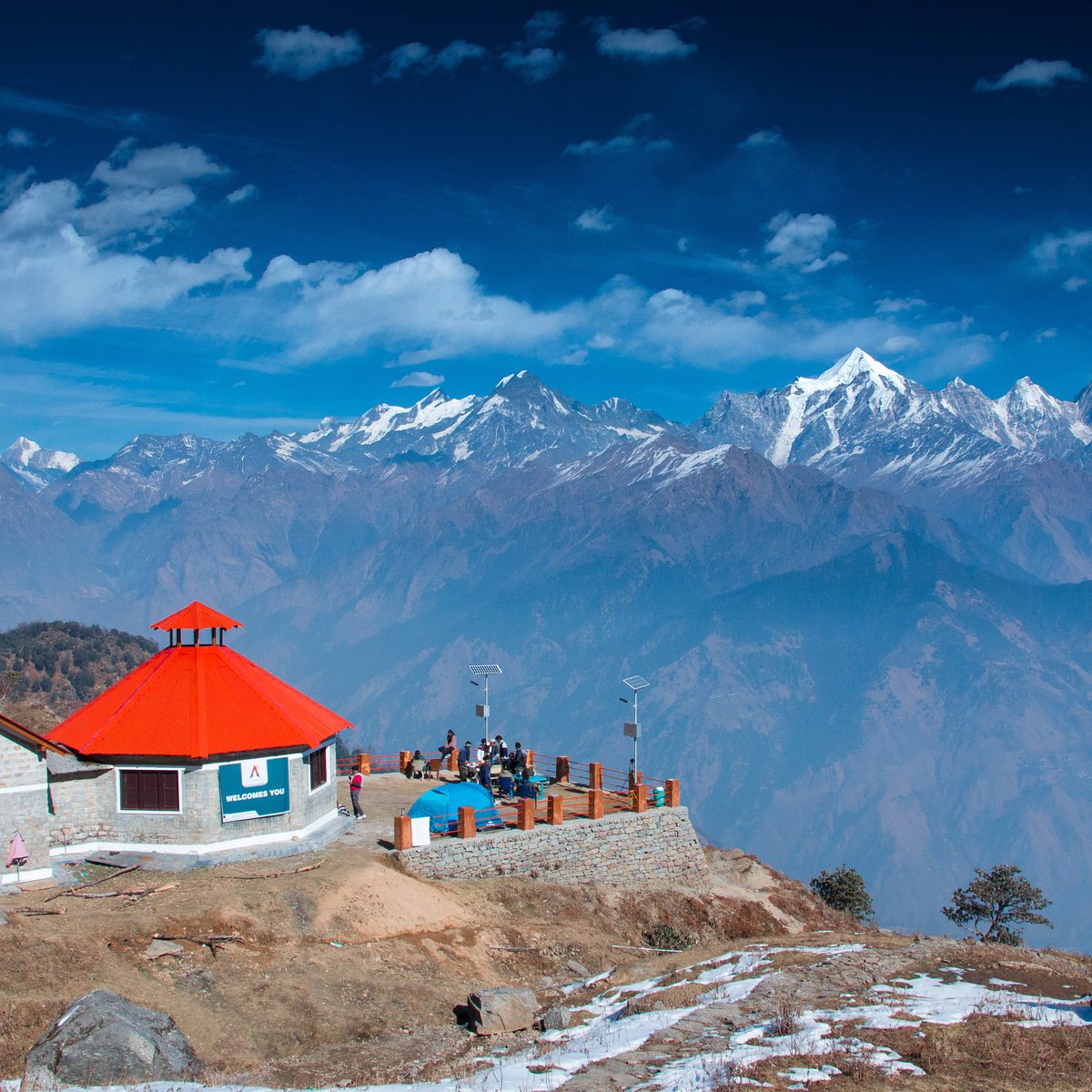 The Nanda Devi Temple trek is a moderate hike that combines spiritual significance with natural beauty. Your homestay host can connect you with reliable trekking guides who can customize routes based on your fitness levels and time constraints. Most guides provide equipment like tents and sleeping bags for overnight treks, and some homestays even pack homemade lunches for your trek.
Nature Walks and Birdwatching
For those who prefer gentle exploration, Munsiyari offers numerous nature trails that wind through pine forests, rhododendron groves, and traditional villages. The area around Darkot Village is particularly beautiful, with ancient wooden houses and terraced fields. Ask your homestay host for recommendations on the best walking trails—you'll often have the path entirely to yourself, with only birdsong and mountain streams for company. Munsiyari is a birdwatcher's paradise, home to species like the Himalayan monal, koklass pheasant, and various birds of prey. The best time for birdwatching is early morning when birds are most active. Some homestays even provide binoculars and bird identification books. The region is also home to diverse flora—spring brings carpets of wildflowers, while autumn turns the forests into shades of gold and crimson.Cultural Experiences
Immerse yourself in local culture by visiting the nearby villages of Darkot and Sarmoli. Darkot is famous for its traditional woolen products—shawls, caps, and blankets handwoven by local women using techniques passed down through generations. Visiting these villages gives you insight into traditional Kumaoni life, far removed from modern urban existence. The Munsiyari Market is a colorful place to spend an evening, especially during the winter months when traditional woolens and handmade products are on sale. Interact with shopkeepers who are happy to share stories about their products. Some homestays can arrange demonstrations of traditional crafts, or even invite local musicians to perform Kumaoni folk songs during dinner.Packing Tips for Your Homestay Stay
Packing for Munsiyari requires careful consideration of the weather, terrain, and the homestay experience. Unlike hotel stays where amenities are readily available, homestays are more basic, and it's best to come prepared. Here's what you should pack regardless of the season:Clothing Essentials
- Thermal innerwear (2-3 sets) – Essential for cold nights and early mornings
- Warm sweaters/fleece – Layering is key in Munsiyari's variable climate
- Windproof and waterproof jacket – Weather can change unexpectedly
- Comfortable trekking shoes with good grip – Essential for walking on uneven terrain
- Closed walking shoes/sneakers – For village walks and casual wear
- Woolen socks (4-5 pairs) – Keep your feet warm and dry
- Woolen cap and gloves – Mandatory, especially in winter
- Sunglasses with UV protection – The sun is intense at high altitudes
- Sun hat or scarf – For protection during daytime activities
Essential Items
- Sunscreen (SPF 50+) – Sunburn is common due to thin mountain air
- Lip balm – The cold weather causes dry, chapped lips
- Moisturizer – Skin dries out quickly in the mountains
- Power bank – Electricity can be inconsistent
- Cash – Most homestays don't accept cards; ATMs are limited
- ID proof – Required for check-in and may be needed at checkpoints
- Basic first-aid kit – Include pain relievers, band-aids, and personal medication
- Camera with extra batteries – You'll want to capture every moment
- Water bottle – Stay hydrated and reduce plastic waste
- Books or Kindle – Perfect for quiet afternoons at the homestay
Homestay Booking Tips and Etiquette
Booking and staying at a homestay in Munsiyari requires a different approach than booking a hotel. Here are some tips to ensure a smooth and enjoyable experience:Booking in Advance
While it's possible to find accommodation upon arrival in Munsiyari, booking in advance is highly recommended, especially during peak season (May-June and October). Popular homestays get fully booked weeks or even months in advance. When booking, directly contact the homestay rather than using third-party booking sites—this ensures you get the best rates and allows you to communicate directly with the host about your preferences and requirements. Be clear about your expectations regarding meals, room preferences, and any special requirements. If you're vegetarian, vegan, or have food allergies, inform the host in advance so they can prepare accordingly. Most homestay hosts are extremely accommodating and will go out of their way to make you comfortable, provided they know your needs beforehand.Respecting Local Customs
Remember that you're staying in someone's home, not a hotel. Respect the host's privacy and house rules. Ask permission before photographing people, especially women and children. Dress modestly, especially when visiting local villages or religious sites. Kumaoni culture is conservative, and while locals are hospitable, they appreciate visitors who respect their traditions. If you're invited to participate in family activities or ceremonies, consider it a privilege and participate respectfully. Remove your shoes before entering certain areas of the house (the host will guide you). Meal times are often family affairs—join in the conversation, share stories about your home, and show genuine interest in learning about their culture. These interactions often become the most cherished memories of your trip.Supporting the Local Community
One of the best ways to give back to the community is by purchasing local products. Buy woolens from local artisans rather than mass-produced souvenirs. If your homestay offers village tours or craft demonstrations, participate enthusiastically and tip the artisans fairly. Most homestays can arrange visits to local schools or community projects—consider donating books or supplies if you wish to contribute. Be environmentally conscious—conserve water and electricity, avoid single-use plastics, and dispose of waste properly. Munsiyari's ecosystem is fragile, and as visitors, it's our responsibility to minimize our environmental impact. Many homestays practice sustainable living; follow their lead and respect their efforts to preserve the environment.Conclusion: Your Himalayan Home Awaits
Choosing to stay at a homestay in Munsiyari is more than a travel decision—it's a choice to experience the Himalayas authentically, connect with local communities, and create memories that transcend typical tourist experiences. The warmth of Kumaoni hospitality, the comfort of home-cooked meals, and the majesty of the Panchachuli peaks combine to create an experience that will stay with you long after you've returned to city life. Whether you're watching the sunrise paint the mountains from your balcony, learning to make traditional Kumaoni dishes with your host, or sharing stories around a bukhari on a cold evening, Munsiyari's homestays offer something far more valuable than luxury amenities—they offer a home in the heart of the Himalayas. As you plan your journey, remember that the best homestay experiences come with an open mind, respectful curiosity, and a willingness to step outside your comfort zone. For more Himalayan adventures, consider exploring our guide to best homestays in Spiti Valley, or discover the village walks in Kumaon. If you're planning to extend your Uttarakhand trip, read about traveling from Munsiyari to Auli for a complete Himalayan experience. The mountains are calling, and a warm Kumaoni welcome awaits! Safe travels, and may your journey to Munsiyari be as beautiful as the mountains themselves!Location
Frequently Asked Questions
Q1.What is the best time to visit Munsiyari for homestay experience?
Q2.Are homestays in Munsiyari safe for solo female travelers?
Q3.What facilities can I expect at Munsiyari homestays?
Q4.How much do homestays in Munsiyari cost per night?
Q5.What food is served at Munsiyari homestays?
Q6.How do I reach Munsiyari from major cities?
Q7.Do I need to book Munsiyari homestays in advance?
Recommended For You
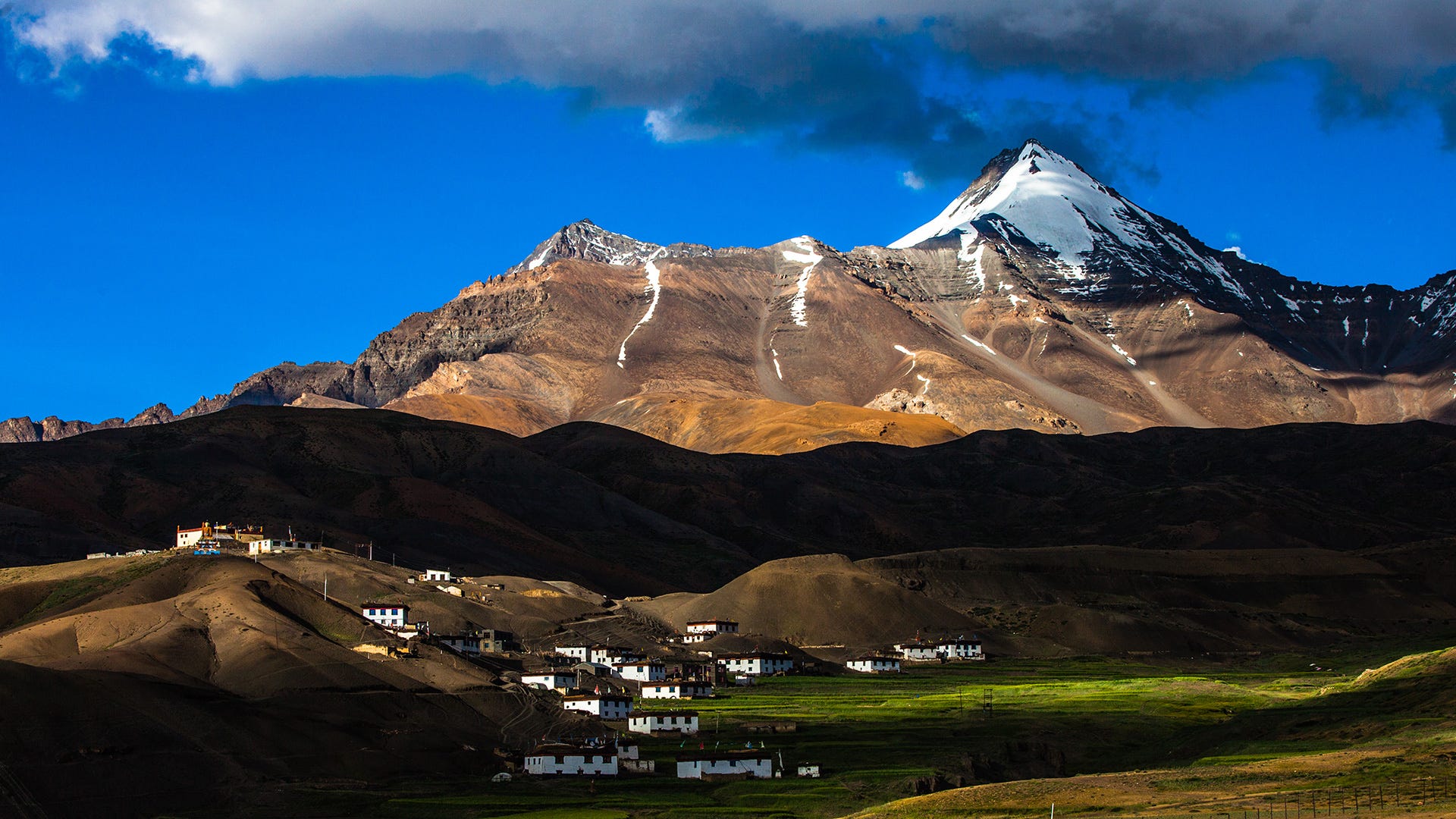
Spiti Valley 8 Days: Complete Itinerary And Route Plan
Plan perfect 8 days Spiti Valley trip from Delhi/Manali. Discover complete itinerary, best time to visit, budget & essential travel tips.
Things to Do in Uttarakhand: 30 Best Experiences & Attractions
Discover the 30 best things to do in Uttarakhand - from spiritual Char Dham pilgrimage and yoga in Rishikesh to adventure sports, wildlife safaris, and offbeat Himalayan villages. Complete guide with costs and tips.
Places to Visit in Auli: Ski Slopes, Ropeway & Mountain Views
Best places to visit in Auli including skiing slopes, ropeway, Gurso Bugyal, artificial lake, Nanda Devi viewpoints, Chattrakund, Joshimath and travel tips.
Never Miss an Adventure
Get the latest trekking guides, travel tips, and exclusive offers delivered straight to your inbox.
