
Spiti Valley 8 Days: Complete Itinerary And Route Plan
Rahul Garg
February 18, 2026
Plan perfect 8 days Spiti Valley trip from Delhi/Manali. Discover complete itinerary, best time to visit, budget & essential travel tips.
Introduction: The Middle Land Awaits
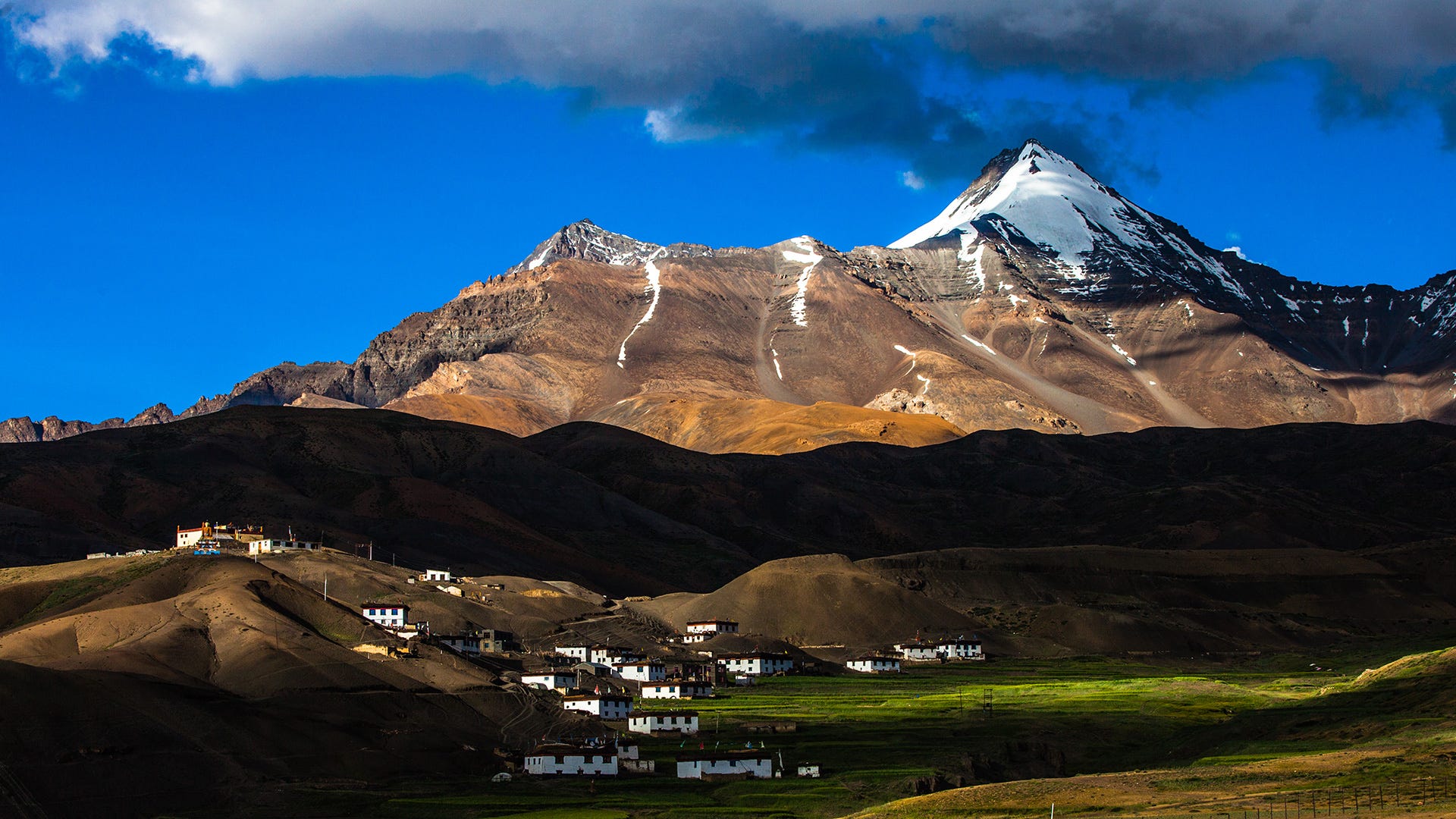
Nestled in the remote Trans-Himalayan region of Himachal Pradesh, Spiti Valley—often called "The Middle Land" between India and Tibet—is a destination that transforms every traveler. This cold desert mountain valley, with its barren landscapes, ancient monasteries, and pristine turquoise lakes, offers an adventure unlike any other in India. An 8 days Spiti Valley trip guide is essential for anyone planning to explore this mystical region where the mountains meet the sky.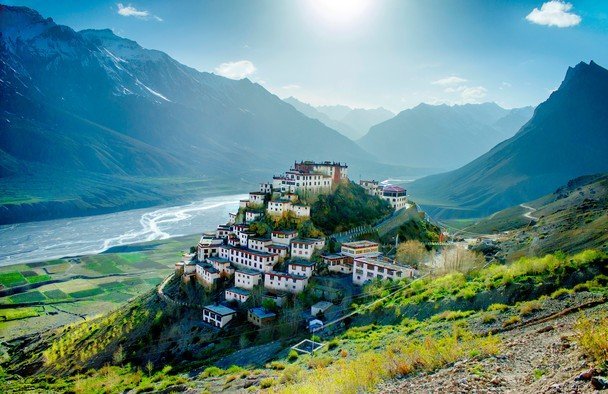 Imagine waking up to the sound of prayer flags fluttering in the wind, witnessing centuries-old monasteries perched on cliff edges, and gazing at stars so bright they feel within reach. Spiti Valley is not just a destination; it's a journey that tests your spirit and rewards you with memories that last a lifetime. Whether you're a seasoned traveler or a first-time visitor to the mountains, this comprehensive 8 days Spiti Valley trip guide will help you plan the adventure of a lifetime.
The valley remains cut off from the rest of the world for nearly six months due to heavy snowfall, making the summer months (June to September) the best time to visit. During this period, the roads are accessible, the weather is pleasant, and the valley comes alive with vibrant festivals and blooming wildflowers. This 8 days Spiti Valley trip guide focuses on the Manali-Kaza circuit, perfect for travelers seeking both adventure and spiritual rejuvenation.
Imagine waking up to the sound of prayer flags fluttering in the wind, witnessing centuries-old monasteries perched on cliff edges, and gazing at stars so bright they feel within reach. Spiti Valley is not just a destination; it's a journey that tests your spirit and rewards you with memories that last a lifetime. Whether you're a seasoned traveler or a first-time visitor to the mountains, this comprehensive 8 days Spiti Valley trip guide will help you plan the adventure of a lifetime.
The valley remains cut off from the rest of the world for nearly six months due to heavy snowfall, making the summer months (June to September) the best time to visit. During this period, the roads are accessible, the weather is pleasant, and the valley comes alive with vibrant festivals and blooming wildflowers. This 8 days Spiti Valley trip guide focuses on the Manali-Kaza circuit, perfect for travelers seeking both adventure and spiritual rejuvenation.
Why Choose 8 Days for Spiti Valley?
An 8-day itinerary strikes the perfect balance between covering Spiti's major highlights and maintaining a comfortable, enjoyable pace. Unlike rushed 5-day trips that leave you exhausted, or overly ambitious 12-day journeys that require extensive planning and budget, an 8-day Spiti Valley trip allows you to experience the region's essence without feeling overwhelmed. This timeframe lets you acclimatize properly to the high altitude (Kaza sits at 3,800 meters), explore key monasteries, visit remote villages, and even camp beside the legendary Chandratal Lake. Most importantly, it gives you buffer days for unexpected weather delays or road closures—a common occurrence in the mountains. Following this 8 days Spiti Valley trip guide ensures you experience both the popular attractions and the hidden gems that make this region special.Best Time to Visit Spiti Valley
Choosing the right time for your Spiti Valley adventure is crucial for a safe and enjoyable experience. The valley experiences extreme weather conditions, with temperatures ranging from -30°C in winter to 30°C in summer.| Season | Months | Temperature | Pros | Cons |
|---|---|---|---|---|
| Summer | Jun - Sep | 15°C - 25°C | All roads open, pleasant weather, ideal for sightseeing | Peak tourist season, higher prices |
| Winter | Nov - Mar | -15°C to -30°C | White Spiti experience, fewer tourists, frozen lakes | Extreme cold, Kunzum Pass closed, limited accommodation |
| Shoulder | May & Oct | 10°C - 20°C | Fewer crowds, lower prices, good road conditions | Unpredictable weather, occasional snowfall |
Summer Season (June-September): Best for Road Trips
The summer months are undoubtedly the best time to visit Spiti Valley, especially for first-time travelers. During this period, both the Manali and Shimla routes are accessible via Kunzum Pass and Rohtang Pass. The weather is pleasant, with daytime temperatures hovering around 20°C, making it perfect for sightseeing and outdoor activities. This is also when the valley's famous festivals, like the Ladarcha Fair and Chaam Dance, take place, offering a glimpse into the region's rich Buddhist culture. Most homestays, hotels, and campsites are operational during these months, ensuring you have comfortable accommodation options throughout your journey.Winter Season (November-March): For the Brave Hearts
Winter in Spiti is an entirely different experience—the valley transforms into a winter wonderland with heavy snowfall covering everything in white. This season attracts adventure seekers and photographers looking to capture the frozen Chandratal Lake and snow-covered monasteries. However, be prepared for extreme cold, with temperatures often dropping below -20°C. The Kunzum Pass remains closed during winter, meaning the only way to reach Spiti is via the Shimla route, which stays open throughout the year. Most accommodation options shut down, and you'll need to stay in homestays with basic facilities. Mobile connectivity is almost non-existent, and you'll need to carry sufficient cash as ATMs rarely work.Complete 8-Day Spiti Valley Itinerary
This carefully curated 8 days Spiti Valley trip guide follows the Manali-Kaza-Manali circuit, covering all major attractions while allowing ample time for acclimatization and exploration. This route is shorter than the Shimla circuit and offers stunning mountain scenery, though altitude gain is more rapid, requiring proper acclimatization.Day 1: Delhi to Manali – The Journey Begins
Your adventure begins with an overnight journey from Delhi to Manali. Most travelers prefer taking an overnight Volvo bus (12-14 hours) that departs Delhi around 5-6 PM and reaches Manali by 7-8 AM the next morning. These buses are comfortable, with reclining seats and basic amenities, making the long journey bearable. Alternatively, if you're driving, you can break the journey into two parts: Delhi to Chandigarh (5 hours) on Day 1, and Chandigarh to Manali (8 hours) on Day 2. This allows you to rest and acclimatize gradually. If you have time, spending a day exploring Manali before heading to Spiti is highly recommended, especially if it's your first high-altitude trip.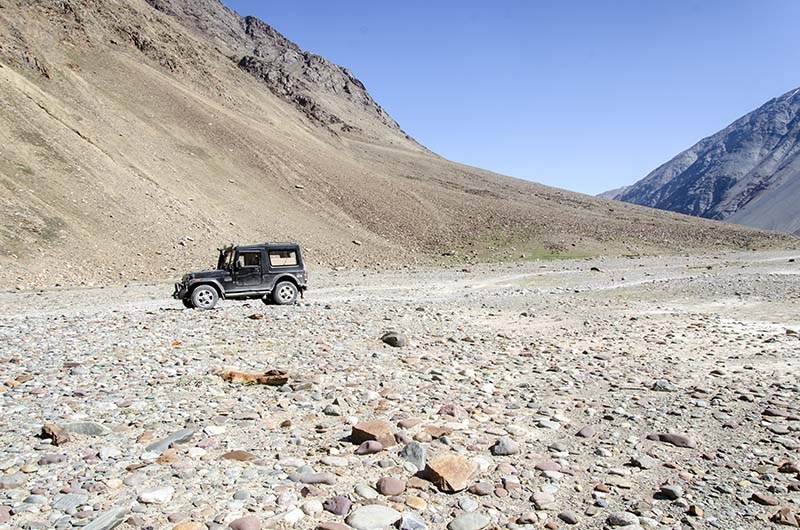
Day 2: Manali Local Sightseeing & Acclimatization
Spend your first full day in Manali acclimatizing and exploring this charming hill station. Acclimatization is crucial when traveling to high-altitude regions like Spiti, so take it easy and avoid strenuous activities. Visit the Hadimba Temple, a beautiful wooden temple surrounded by cedar forests, and explore the Old Manali area with its quaint cafes and vibrant marketplace. In the afternoon, visit the Vashisht Hot Water Springs, known for their medicinal properties, and take a short trek to the Jogini Waterfall. Use this day to stock up on essentials—warm clothes, medicines, snacks, and cash—as facilities are limited once you leave Manali. If you have time, visit the Manali Nature Park or take a short drive to Solang Valley for stunning views of the surrounding peaks.Day 3: Manali to Kaza via Kunzum Pass – The Epic Journey
This is the most spectacular and challenging day of your 8 days Spiti Valley trip guide. The journey from Manali to Kaza (approximately 200 km) takes 10-12 hours, depending on road conditions and stops. Start early (by 5 AM) to reach Kaza before dark. The route takes you through the newly constructed Atal Tunnel (9.02 km), bypassing the treacherous Rohtang Pass and significantly reducing travel time. From Gramphu, the road diverges towards Spiti, leading you through some of the most breathtaking landscapes in the Himalayas. You'll cross the iconic Chota Dhara and Batal, where you can stop for a simple meal at the famous Chacha Chachi Dhaba. The highlight of this journey is crossing Kunzum Pass (4,551 meters), one of the highest motorable passes in the world. The pass offers stunning views of the Spiti Valley and the Bara-Shigri Glacier. Don't forget to visit the Kunzum Devi Temple and spin the prayer wheels for a safe journey. The descent from Kunzum Pass to Kaza is equally scenic, with the landscape changing from barren mountains to verdant valleys.Day 4: Kaza Local Sightseeing – Monasteries and More
After the previous day's long journey, take some time to rest and explore Kaza, the headquarters of Spiti Valley. Begin your day with a visit to the iconic Key Monastery (Ki Gompa), perched dramatically on a hilltop at 4,166 meters. This thousand-year-old monastery is the largest in Spiti and offers stunning views of the valley. The monastery houses ancient Buddhist scriptures, thangkas, and weapons, and you might even spot young monks studying in its peaceful courtyards.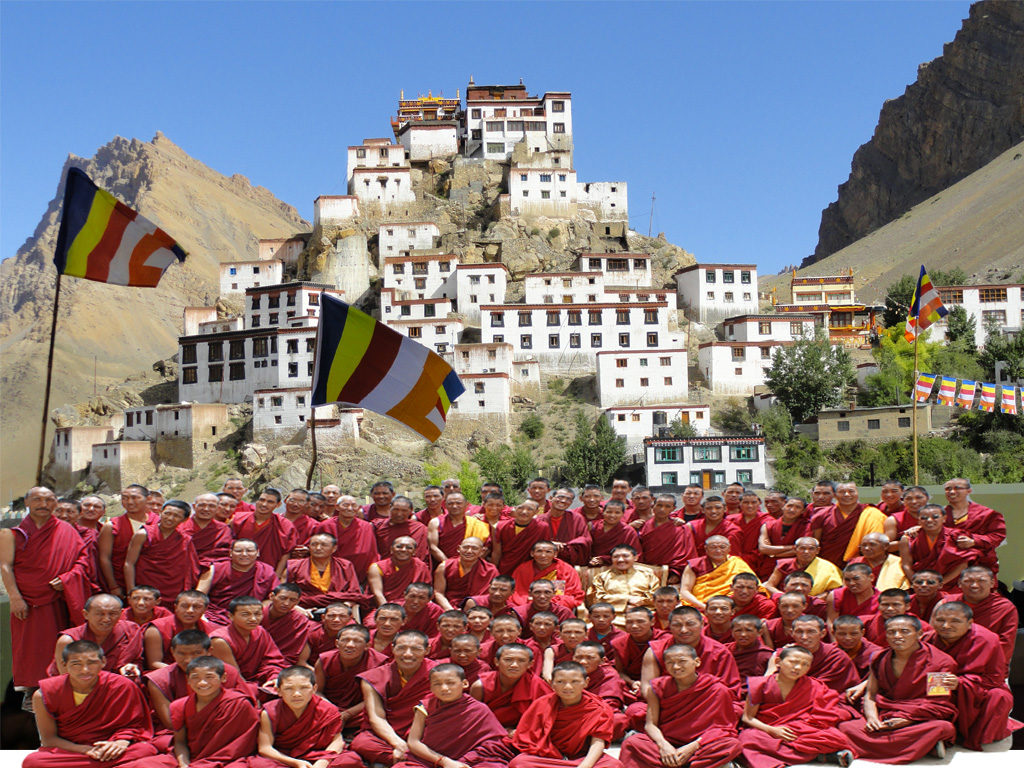 After exploring Key Monastery, drive to Kibber Village, once one of the highest inhabited villages in the world at 4,270 meters. The village offers stunning views of the valley and is home to the Kibber Wildlife Sanctuary, where you might spot the elusive snow leopard. Don't miss the Chicham Bridge, Asia's highest bridge, connecting Kibber to Chicham Village across a deep gorge.
Return to Kaza in the evening and explore the local market, which has several cafes, restaurants, and shops selling local handicrafts and souvenirs. If you have energy, visit the Sakya Tangyud Monastery in Kaza, known for its beautiful frescoes and peaceful atmosphere.
After exploring Key Monastery, drive to Kibber Village, once one of the highest inhabited villages in the world at 4,270 meters. The village offers stunning views of the valley and is home to the Kibber Wildlife Sanctuary, where you might spot the elusive snow leopard. Don't miss the Chicham Bridge, Asia's highest bridge, connecting Kibber to Chicham Village across a deep gorge.
Return to Kaza in the evening and explore the local market, which has several cafes, restaurants, and shops selling local handicrafts and souvenirs. If you have energy, visit the Sakya Tangyud Monastery in Kaza, known for its beautiful frescoes and peaceful atmosphere.
Day 5: Kaza to Langza, Hikkim, and Komik – The Highest Villages Circuit
This day takes you to some of the highest permanently inhabited villages in the world, each with its own unique charm and cultural significance. Start early and drive to Langza Village (4,400 meters), famous for its massive Buddha statue overlooking the valley and marine fossils embedded in the rocks—a reminder that the entire region was once under the Tethys Sea. From Langza, proceed to Hikkim (4,400 meters), home to the world's highest post office. Send a postcard to your loved ones from this remote outpost—it's a unique experience that makes for a great story. The post office, established in 1983, is a lifeline for the region's residents and processes dozens of letters daily during the tourist season.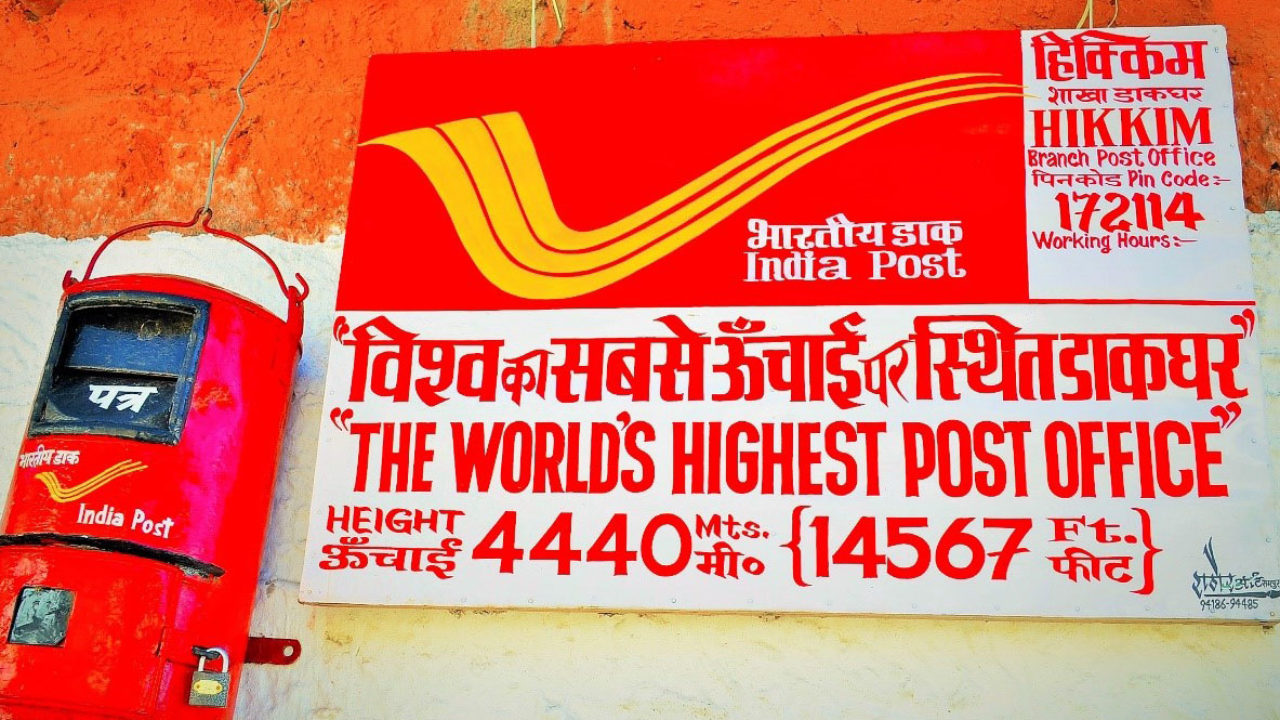 Next, visit Komik Village (4,513 meters), one of Asia's highest villages, known for its ancient monastery and stunning views of the surrounding peaks. The village is home to fewer than 100 residents who follow a traditional agrarian lifestyle. If you're visiting during summer, you might see locals farming peas and barley—the only crops that grow at this altitude.
This circuit offers a glimpse into the harsh yet beautiful life of Spiti's residents, who have adapted to the extreme conditions over centuries. Return to Kaza by evening, or if you're feeling adventurous, camp overnight in one of these villages for a truly immersive experience.
Next, visit Komik Village (4,513 meters), one of Asia's highest villages, known for its ancient monastery and stunning views of the surrounding peaks. The village is home to fewer than 100 residents who follow a traditional agrarian lifestyle. If you're visiting during summer, you might see locals farming peas and barley—the only crops that grow at this altitude.
This circuit offers a glimpse into the harsh yet beautiful life of Spiti's residents, who have adapted to the extreme conditions over centuries. Return to Kaza by evening, or if you're feeling adventurous, camp overnight in one of these villages for a truly immersive experience.
Day 6: Kaza to Chandratal Lake – Camping Under the Stars
No 8 days Spiti Valley trip guide is complete without a visit to the magical Chandratal Lake ("Moon Lake" in Hindi). This high-altitude lake (4,300 meters) gets its name from its crescent shape and is considered sacred by locals. Legend has it that the lake is the meditation spot of Indra, the king of gods. The journey from Kaza to Chandratal (approximately 90 km) takes 4-5 hours, passing through some of the most spectacular landscapes in Spiti. You'll drive past the scenic Losar Village, the first village you encounter after crossing Kunzum Pass, and along the breathtaking Samudri Tapu plateau.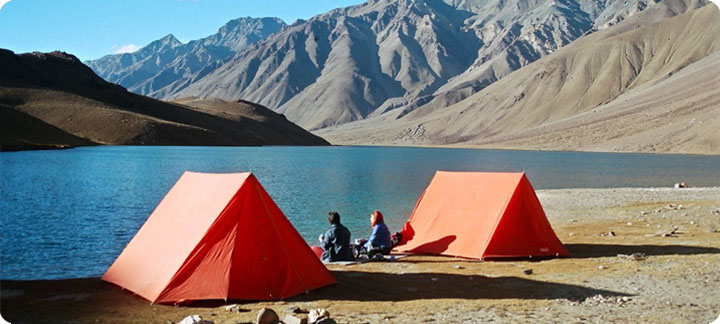 Camping beside Chandratal is an experience unlike any other. The lake's crystal-clear waters reflect the surrounding snow-capped peaks, creating a mirror image that's straight out of a fairy tale. As night falls, the sky transforms into a canvas of millions of stars, with the Milky Way clearly visible—a stargazer's paradise.
Several campsites operate near the lake during summer, offering Swiss tents and dome tents with basic facilities. Remember that the temperature drops significantly after sunset, so carry warm clothing. The lake is a 2-km trek from the camping area, and visiting during sunrise offers the most magical views when the lake glows in golden light.
Camping beside Chandratal is an experience unlike any other. The lake's crystal-clear waters reflect the surrounding snow-capped peaks, creating a mirror image that's straight out of a fairy tale. As night falls, the sky transforms into a canvas of millions of stars, with the Milky Way clearly visible—a stargazer's paradise.
Several campsites operate near the lake during summer, offering Swiss tents and dome tents with basic facilities. Remember that the temperature drops significantly after sunset, so carry warm clothing. The lake is a 2-km trek from the camping area, and visiting during sunrise offers the most magical views when the lake glows in golden light.
Day 7: Chandratal to Manali – The Descent
Wake up early to catch the sunrise over Chandratal Lake—the reflection of the golden peaks in the calm waters is a sight you'll cherish forever. After breakfast, begin your journey back to Manali, retracing your route via Kunzum Pass and Batal. Stop at Batal for a hearty meal at the Chacha Chachi Dhaba, run by a couple who have been serving travelers for decades. Their simple yet delicious food and warm hospitality have made this dhaba legendary among Spiti travelers. If time permits, take a short detour to Dhankar Lake, a hidden gem that offers stunning views of the Dhankar Monastery and the confluence of the Spiti and Pin rivers. Reach Manali by late afternoon and check into your hotel. Spend the evening relaxing and reflecting on your incredible journey through the "Middle Land." If you have energy, explore the Mall Road in Manali and shop for souvenirs like shawls, handicrafts, and local jams.Day 8: Manali to Delhi – Journey's End
On your final day, enjoy a leisurely breakfast in Manali and spend some time exploring areas you might have missed on Day 2. Visit the Manu Temple, dedicated to the sage Manu, or take a short trek to the hidden Manali Sanctuary. Begin your journey back to Delhi by afternoon, either by overnight Volvo bus or private vehicle. As you descend from the mountains back to the plains, you'll carry with you memories of a land that feels like another world—where time slows down, nature dominates, and the spirit finds peace.Budget Estimates for Your Spiti Valley Trip
Planning your finances is an essential part of any trip, and Spiti Valley can be as expensive or as budget-friendly as you make it. Here's a breakdown of expected costs for an 8-day Spiti Valley trip from Delhi:| Category | Budget Traveler | Mid-Range | Comfort |
|---|---|---|---|
| Transport | ₹8,000-12,000 (Public bus/shared taxi) | ₹15,000-20,000 (Private taxi/scooter) | ₹25,000-35,000 (Personal SUV/Innova) |
| Accommodation | ₹3,000-5,000 (Homestays/dormitories) | ₹6,000-10,000 (Guesthouses/hotels) | ₹12,000-18,000 (Premium hotels/camps) |
| Food | ₹2,000-3,000 (Local dhabas) | ₹4,000-6,000 (Mix of cafes/restaurants) | ₹8,000-12,000 (Premium restaurants) |
| Total (Per Person) | ₹13,000-20,000 | ₹25,000-36,000 | ₹45,000-65,000 |
Transportation Options
The most significant expense in your Spiti trip will be transportation. If you're a solo traveler or on a tight budget, consider taking public HRTC buses from Manali to Kaza (₹300-500 per person). These buses are basic but safe and offer an authentic local experience. Alternatively, you can rent a scooter or bike in Manali (₹800-1,500 per day) for a more adventurous journey. For groups of 4-6 people, hiring a private taxi (Innova Scorpio or XUV) from Manali is the most convenient option. A complete 8-day circuit costs approximately ₹25,000-35,000, including fuel, driver allowance, and taxes. This gives you flexibility in terms of stops and schedules, and allows you to explore offbeat places that public transport doesn't reach.Accommodation Choices
Spiti offers a range of accommodation options to suit every budget. Homestays are the most authentic and affordable option (₹500-1,000 per night including meals). Staying with local families not only supports the community but also gives you insight into Spitian culture and hospitality. Most villages have homestays approved by the Spiti Tourism Department, ensuring basic hygiene and comfort standards. Mid-range travelers can opt for guesthouses and hotels in Kaza (₹1,500-3,000 per night), which offer attached bathrooms, hot water, and sometimes WiFi. Premium options include luxury camps at Chandratal Lake (₹2,500-4,000 per night) and heritage properties like The Grand Dragon Hotel in Kaza (₹4,000-6,000 per night), which offers modern amenities without compromising on the Spiti experience.Essential Packing List for Spiti Valley
Packing for Spiti Valley requires careful planning due to the region's extreme weather conditions and remote location. The key is to layer your clothing and pack smart, ensuring you're prepared for everything from scorching sun to freezing nights.Clothing Essentials
- Thermal innerwear (2-3 pairs) – Essential for cold nights
- Trekking pants (2-3 pairs) – Quick-dry, comfortable
- Fleece jacket/down jacket – For layering during cold weather
- Windproof and waterproof jacket – Spiti is windy and weather is unpredictable
- Woolen cap and gloves – Mandatory, especially for Chandratal camping
- Warm socks (4-5 pairs) – Keep your feet warm and dry
- Comfortable walking shoes with good grip – You'll be doing a lot of walking on uneven surfaces
- Sunglasses with UV protection – The sun is intense at high altitude
- Sun hat or scarf – For protection during daytime sightseeing
Medical & Personal Items
- Diamox tablets – For preventing and treating AMS (Acute Mountain Sickness)
- Pain relievers – For headaches caused by altitude
- Cold and cough medication – Cold is common at high altitude
- Band-aids and antiseptic cream – For minor cuts and scrapes
- Lip balm and moisturizer – The air is extremely dry
- Sunscreen (SPF 50+) – Sunburn is common due to thin atmosphere
- Hand sanitizer and wet wipes – Toilets can be basic
- Personal medication – Carry sufficient supply
Other Essentials
- Power bank – Electricity is unreliable in remote areas
- Cash (ATM cards) – Only Kaza has ATMs, and they're often non-functional
- ID proof – Required for permits and hotel check-ins
- Flashlight/headlamp – Power cuts are common
- Water bottle with filter – Stay hydrated and reduce plastic waste
- Snacks – Carry energy bars, dry fruits, and chocolates for long drives
- Camera and batteries – You'll want to capture every moment
- Trash bags – Practice responsible tourism by carrying your waste back
Important Travel Tips for Spiti Valley
Following this 8 days Spiti Valley trip guide is just the beginning—successful travel to Spiti requires preparation, awareness, and respect for local culture. Here are some crucial tips to ensure your trip is safe, enjoyable, and memorable.Acute Mountain Sickness (AMS) – Prevention and Management
AMS is the most common health issue faced by travelers to Spiti Valley. Symptoms include headache, nausea, dizziness, and shortness of breath, typically occurring within 6-24 hours of ascent above 2,500 meters. To prevent AMS, ascend gradually, drink plenty of water (3-4 liters per day), avoid alcohol and smoking, and consider taking Diamox 125 mg twice daily starting one day before ascent. If you experience symptoms, rest immediately, do not ascend further until symptoms improve, and descend if symptoms worsen. Severe AMS can lead to High Altitude Pulmonary Edema (HAPE) or High Altitude Cerebral Edema (HACE), both of which are life-threatening and require immediate descent to lower altitude and medical attention.Permit Requirements
Indian citizens do not require any permit to visit Spiti Valley. However, foreign nationals need an Inner Line Permit (ILP) to visit areas near the Indo-China border, including Kaza, Kibber, and Chandratal. The permit can be obtained from the District Commissioner's Office in Kullu or Reckong Peo, or through registered tour operators. Carry multiple copies of your permit, as you'll need to show them at various checkpoints.Connectivity and Communication
Mobile connectivity in Spiti is extremely limited. BSNL and Jio networks work in some areas but are unreliable. In Kaza, you might get basic 2G/3G connectivity, but don't depend on it. Inform your family and friends about your itinerary in advance, and carry a satellite phone or BSNL SIM card if you need to stay connected. WiFi is available in some hotels and cafes in Kaza, but the speed is too slow for video calls or large file uploads. Consider this digital detox an opportunity to disconnect from the virtual world and reconnect with nature and yourself.Cash and ATMs
Kaza has two ATMs (SBI and PNB), but they're frequently non-functional due to poor connectivity and cash shortages. Carry sufficient cash for your entire trip—ideally ₹10,000-15,000 per person. Most homestays, hotels, and dhabas accept only cash. Credit/debit cards are rarely accepted, even in Kaza.Responsible Tourism Practices
Spiti Valley is a fragile ecosystem, and as a responsible traveler, it's your duty to minimize your environmental impact. Avoid using plastic—carry a reusable water bottle and refill it at natural springs or homestays. Dispose of waste properly—carry your trash back to Kaza or Manali, where there are designated waste disposal facilities. Respect local culture—dress modestly when visiting monasteries, seek permission before photographing people, and don't disturb religious ceremonies. Support the local economy by purchasing handicrafts directly from artisans, eating at local eateries, and staying in homestays. Avoid bargaining aggressively—remember, every rupee matters in these remote communities.Best Accommodation Options
For a truly immersive experience, consider staying in homestays run by local families. Not only are they affordable (₹500-1,000 per night including meals), but they also offer authentic Spitian hospitality and home-cooked food. Some popular homestays include Yangchom Guest House in Kaza, Nepcable Homestay in Komic, and Changchub Choling Homestay in Langza. If you prefer more comfort, Hotel Deyzor in Kaza offers modern amenities, a rooftop restaurant, and stunning valley views. For a unique experience, stay at The Grand Dragon Kaza, Spiti's first luxury hotel that combines traditional Spitian architecture with contemporary comfort. At Chandratal Lake, campsites like Moon Lake Camp and Himalayan Caravan Adventure offer comfortable tents with bedding and hot meals.Food Recommendations
Spiti cuisine is simple, hearty, and influenced by Tibetan culture. Don't miss trying momos (steamed dumplings), thukpa (noodle soup), and tingmo (steamed bread) at local eateries. In Kaza, cafes like The Taste of Spiti and Sol Cafe offer delicious coffee, pancakes, and pizza—welcome breaks after days of local food. For authentic Spitian cuisine, try chha gosht (lamb curry with yogurt), tigmo (steamed bread), and arak (local barley beer) at homestays. Most meals in homestays are vegetarian and include dal, rice, seasonal vegetables, and roti. Don't expect fine dining—food in Spiti is about sustenance and warmth, not gourmet experiences.Conclusion: A Journey That Transforms
As this comprehensive 8 days Spiti Valley trip guide comes to an end, remember that traveling to Spiti is about more than just checking destinations off a list—it's about immersing yourself in a land where time moves differently, where nature dominates, and where the harsh landscape is matched only by the warmth of its people. Whether you're watching the sunrise over Chandratal Lake, spinning prayer wheels at Key Monastery, or sipping butter tea with a local family in Langza, Spiti Valley will leave an indelible mark on your soul. The journey will test you—rough roads, basic facilities, and high altitude are challenging—but the rewards are immeasurable: pristine landscapes, ancient wisdom, and a profound sense of peace. As you plan your trip using this 8 days Spiti Valley trip guide, remember that the best moments are often the unplanned ones—the rainbow over Kunzum Pass, the conversation with a monk at Key Monastery, the night sky filled with a billion stars at Chandratal. Come with an open mind, a respectful heart, and a spirit of adventure, and Spiti will give you memories that last a lifetime. For those seeking more Himalayan adventures, consider exploring Ladakh on a bike trip, or discover the hidden gems of things to do in Spiti Valley. If you're planning to visit during winter, read our guide on Spiti Valley in winter to prepare for extreme conditions. And for nature enthusiasts, the Pin Valley National Park offers incredible wildlife viewing opportunities. The mountains are calling, and Spiti awaits. Safe travels!Location
Frequently Asked Questions
Q1.Is 8 days enough for Spiti Valley?
Q2.Which is better: Shimla or Manali route for Spiti?
Q3.Do I need a permit for Spiti Valley?
Q4.Is Spiti Valley safe for solo travelers?
Q5.What kind of vehicle is best for Spiti Valley?
Q6.What is the best time to visit Spiti Valley?
Q7.How much does an 8-day Spiti Valley trip cost?
Q8.Is altitude sickness a concern in Spiti Valley?
Q9.Are there ATMs and fuel stations in Spiti Valley?
Q10.What should I pack for Spiti Valley trip?
Recommended For You
Things to Do in Spiti Valley: Monasteries, Villages & Routes
Discover the top 15 things to do in Spiti Valley including Key Monastery, Chandratal Lake, Pin Valley, ancient villages, and high-altitude adventures. Complete guide with itineraries, costs, and travel tips.
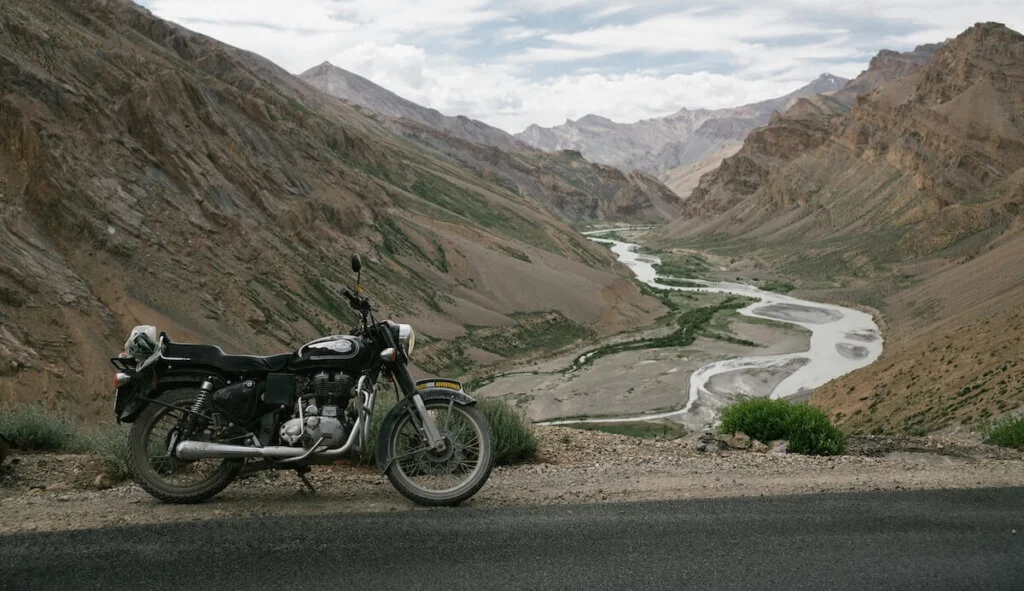
Leh Ladakh Bike Trip: Complete Route And Itinerary Plan
Plan Leh Ladakh bike trip with route choices, itinerary, cost, permits, acclimatization tips, and practical riding prep for a safer high-altitude ride.
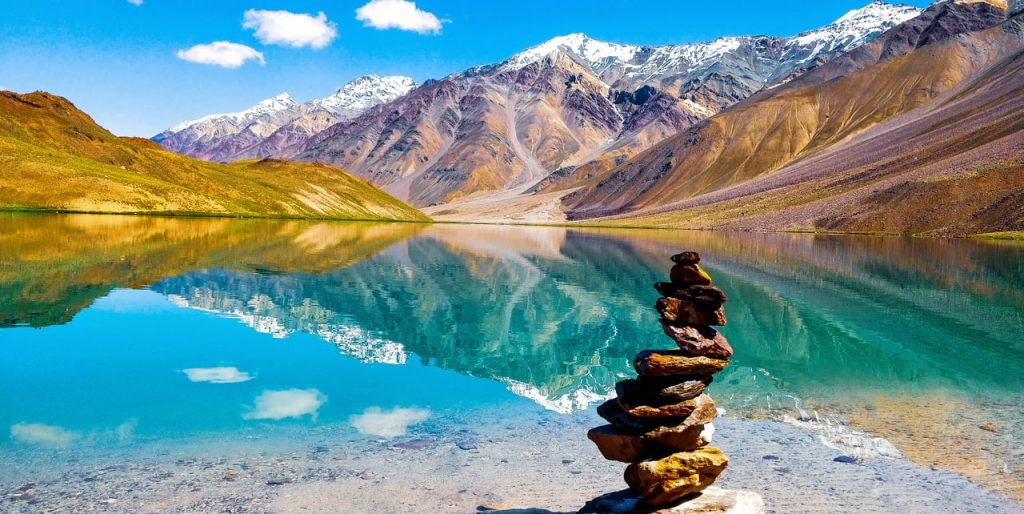
Best Time to Visit Spiti Valley: Road Status, Season & Itinerary Fit
Discover the best time to visit Spiti Valley with season-wise weather, road status windows, and month-by-month planning tips for road trips, treks, and Chandratal.
Never Miss an Adventure
Get the latest trekking guides, travel tips, and exclusive offers delivered straight to your inbox.
