
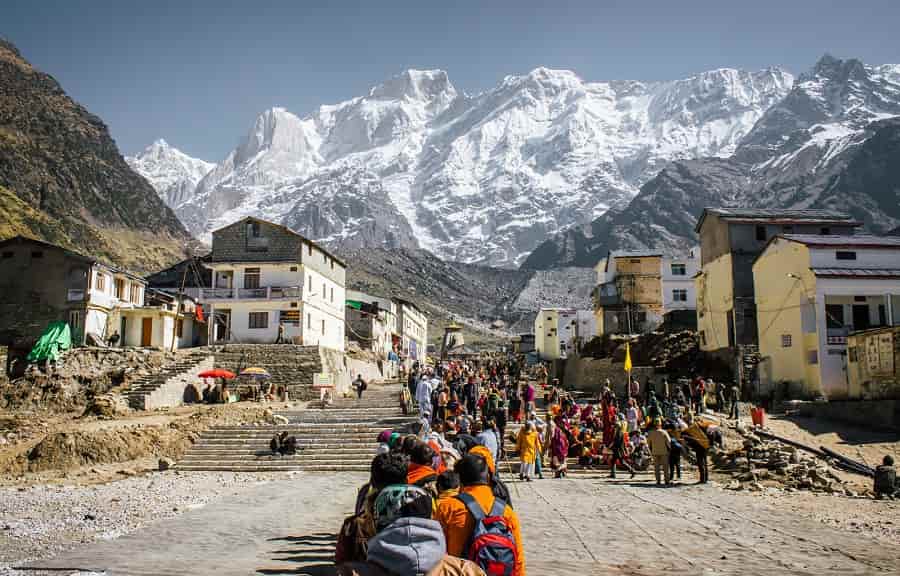
How to Reach Kedarnath: Registration, Route & Trek Information

Rohan Malhotra
February 18, 2026
Plan how to reach Kedarnath with route stages, trek preparation, seasonal timing, and practical safety guidance.
How to Reach Kedarnath: Trek, Helicopter, and Route Planning
Reaching Kedarnath requires careful planning because the final stretch is not a standard road journey. Most travelers combine road movement up to the base region and then complete the last segment by trek or alternate approved options. Good planning is essential for safety, pilgrimage comfort, and time management, especially in season windows with high demand.
This guide gives practical route logic for how to reach Kedarnath from major entry points. For related pilgrimage context, see chardham yatra closing dates, how to reach amarnath temple, and amarnath temple kashmir.
Route Overview
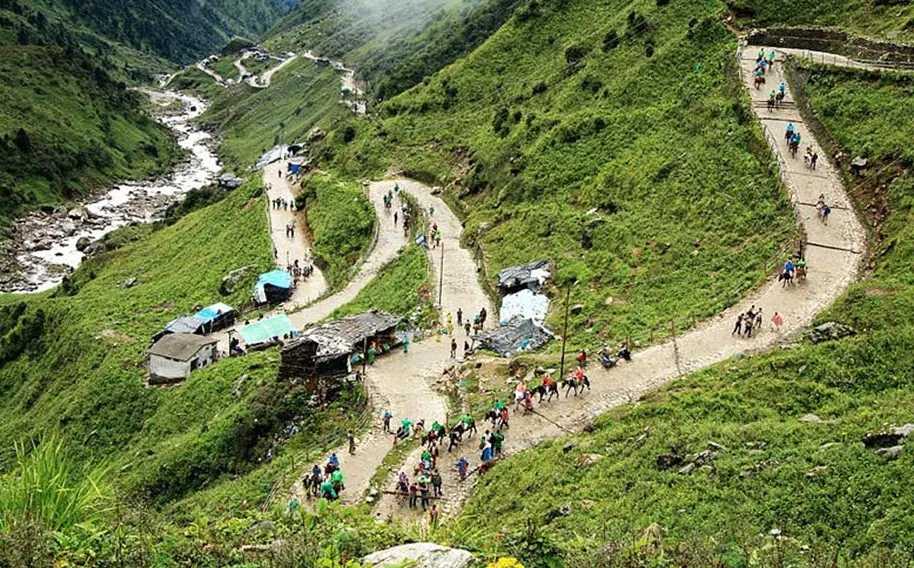
Kedarnath access generally follows a phased model: reach Uttarakhand gateway city, move by road to the last motorable region, then continue on the final mountain section by trekking or authorized alternatives. The route intensity depends on weather, fitness, and season congestion.
Do not underestimate preparation for the final segment. Even experienced travelers should pace this part carefully.
By Trek: Core Pilgrim Route
The trek route is the most common approach and requires stamina, weather awareness, and proper pacing. Start early, hydrate regularly, and avoid rushing in high-altitude sections. If you are new to mountain trekking, acclimatization and conservative speed are essential.
Trek quality improves when travelers carry light gear and keep one schedule buffer for weather or health variation.
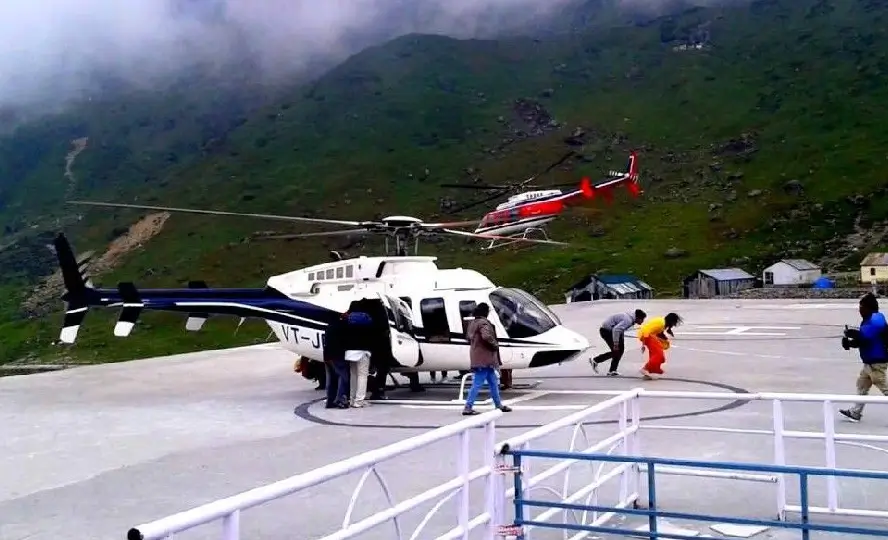
By Helicopter: Time-Efficient Option
Helicopter services can reduce physical strain and time for eligible travelers, especially seniors or those with limited trekking capacity. However, weather conditions can affect flight schedules. Always keep a backup plan and avoid booking tightly connected onward travel on the same day.
Helicopter use is a convenience layer, not a guarantee against weather disruption.
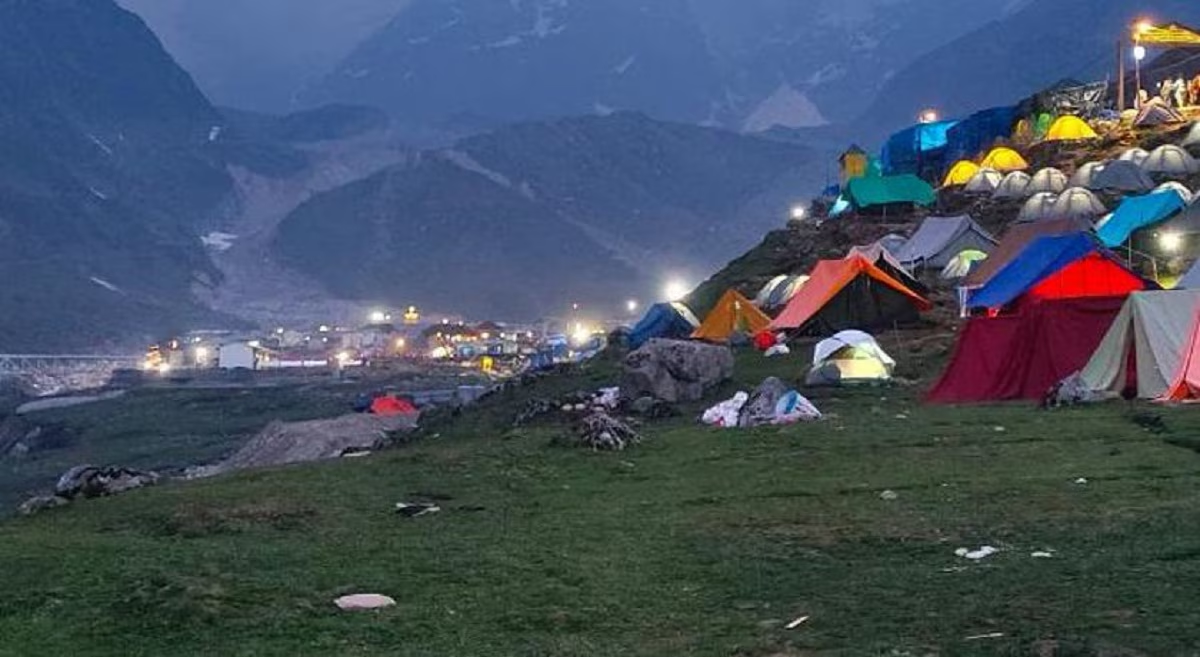
From Delhi and Major Cities
| Start City Type | Pattern | Planning Tip |
|---|---|---|
| Delhi/NCR | Road + base transfer + final ascent | Break journey to reduce fatigue |
| North India rail hubs | Train + road + final ascent | Align arrival with daytime movement |
| Flight arrivals | Air + road + final ascent | Keep a weather buffer day |
A staged journey is safer and more manageable than one long compressed transfer.
Best Time and Seasonal Considerations
Kedarnath route conditions are highly season-dependent. Peak pilgrimage windows have higher crowd density and limited booking availability. Shoulder windows can feel smoother but still require weather attention. Always confirm official opening/closing and daily advisories before movement.
For broader mountain season context, see best time to visit kashmir and similar high-altitude planning frameworks.
Preparation Checklist
- Fitness readiness for uphill and long walk segments.
- Layered clothing and rain protection.
- Medical basics and hydration plan.
- Valid IDs and required registrations/documents.
- Conservative itinerary with at least one reserve day.
Most difficulties happen due to over-ambitious planning, not lack of route information.
Suggested Safe Journey Structure
Day 1: reach gateway city and rest.
Day 2: move to base region and prepare.
Day 3: final ascent segment (trek/helicopter route logic).
Day 4: return with controlled pace.
Day 5: weather/health buffer and onward travel.
This structure protects safety and reduces schedule stress.
Common Mistakes to Avoid
- Underestimating trek difficulty.
- Skipping acclimatization or adequate rest.
- Overpacking for final ascent.
- Ignoring weather-linked schedule changes.
- Booking tight onward plans with no margin.
A calm, flexible approach gives better spiritual and physical outcome.
Final Recommendation
The best way to reach Kedarnath is through disciplined phased planning: route clarity, health readiness, and weather buffers. Whether you trek or choose helicopter support, prioritize safety and realistic timing. With the right preparation, the journey becomes smoother and far more meaningful.
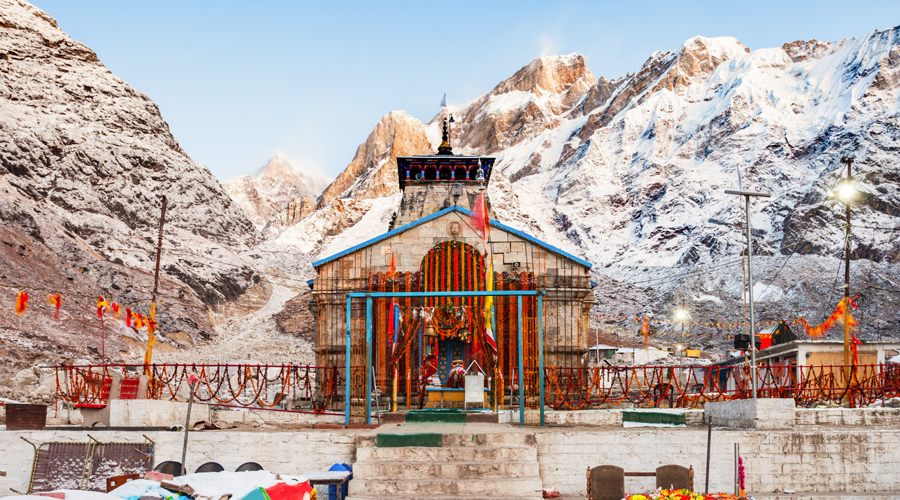
Fitness and Health Preparation for Kedarnath Route
The final segment to Kedarnath demands basic endurance and disciplined pacing. Begin light walking prep before your trip if you are not used to climbs. Keep hydration steady and avoid heavy exertion immediately after long road travel. Altitude, cold, and crowd pressure can increase fatigue quickly, so prevention planning is essential.
Travelers with seniors or children should build slower day targets and add buffers for rest and recovery. Over-compressed plans are the main reason many pilgrims struggle on the route.
Document and Scheduling Discipline
Keep IDs, registrations, and confirmations organized in both digital and printed forms. Network reliability can vary, so offline copies are useful. If you choose helicopter options, keep alternate day logic in case weather affects operations. If you choose trek, start early and avoid late ascent windows.
Keep accommodation and onward transport flexible where possible. This single decision reduces stress and allows safer judgment if weather changes.
Final Pilgrimage Planning Rule
Kedarnath journey quality comes from humility in planning: realistic pacing, weather awareness, and personal fitness honesty. Respect the mountain conditions and the pilgrimage becomes far more meaningful and manageable.
Weather and Contingency Planning
Mountain pilgrimage routes are highly weather-sensitive. Treat every schedule as conditional and keep alternate timing in place. If weather affects movement, prioritize safety and route instructions over fixed booking pressure.
Carry basic rain and cold protection even when forecasts look favorable. Conditions can shift quickly in higher terrain.
Pilgrimage Comfort Rule
Rest well before ascent, eat light, and keep your effort steady. Avoid comparing pace with others. A controlled, personal rhythm is safer and usually leads to a better overall pilgrimage outcome.
With realistic planning and humility toward terrain, Kedarnath travel becomes more manageable for most pilgrims.
Respect route advisories, keep flexible bookings, and prioritize health over speed. This approach consistently improves Kedarnath journey safety and makes the pilgrimage emotionally richer.
Kedarnath planning works best when you think in stages: travel stage, acclimatization stage, ascent stage, and return stage. Each stage needs its own energy and weather margin. Pilgrims who rush this structure often face avoidable exhaustion or schedule stress. Keep your plan conservative, carry essentials, and respect local advisories at every checkpoint. A disciplined and humble approach does not reduce the experience; it makes the pilgrimage safer, deeper, and more meaningful for most travelers.
Safe pacing always matters more than aggressive timing on the Kedarnath route.
Balanced timing and preparation are the safest way to complete Kedarnath travel comfortably.
Keep one reserve day wherever possible.
Hydrate steadily during the entire route.
Location
Frequently Asked Questions
Q1.What is the main way to reach Kedarnath?
Q2.Is Kedarnath accessible year-round?
Q3.How difficult is the Kedarnath final ascent?
Q4.Do I need registration for Kedarnath yatra?
Q5.Can elderly pilgrims visit Kedarnath?
Q6.When should I start the trek segment?
Q7.What should I carry for Kedarnath route?
Q8.How many days should I keep for Kedarnath?
Recommended For You
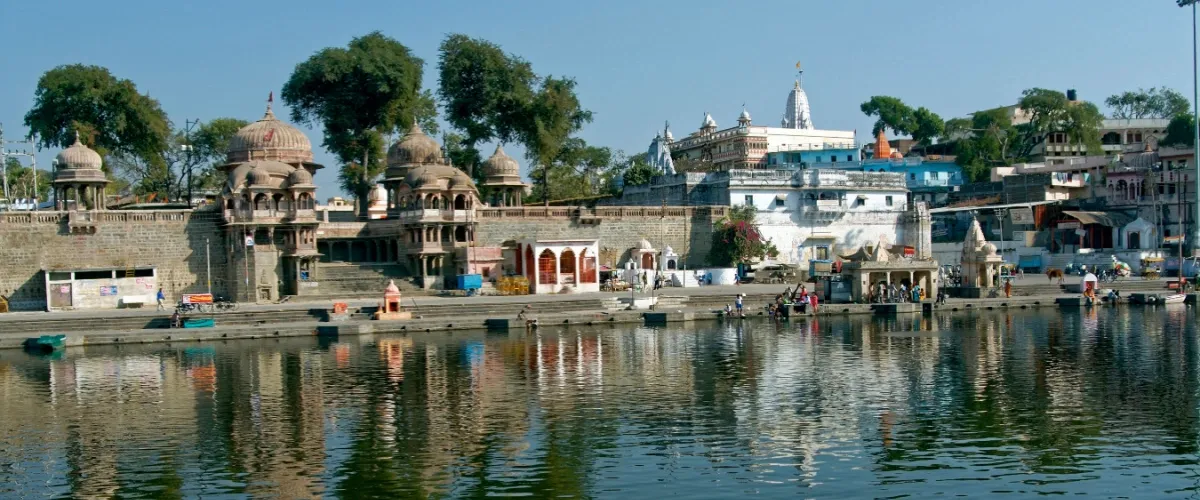
Best Places to Visit in Ujjain: Mahakal Temple & Attractions
Explore the best places to visit in Ujjain - from the sacred Mahakaleshwar Jyotirlinga to the spiritual Ram Ghat. Discover ancient temples, sacred ghats, and the rich cultural heritage of one of India's seven sacred cities.
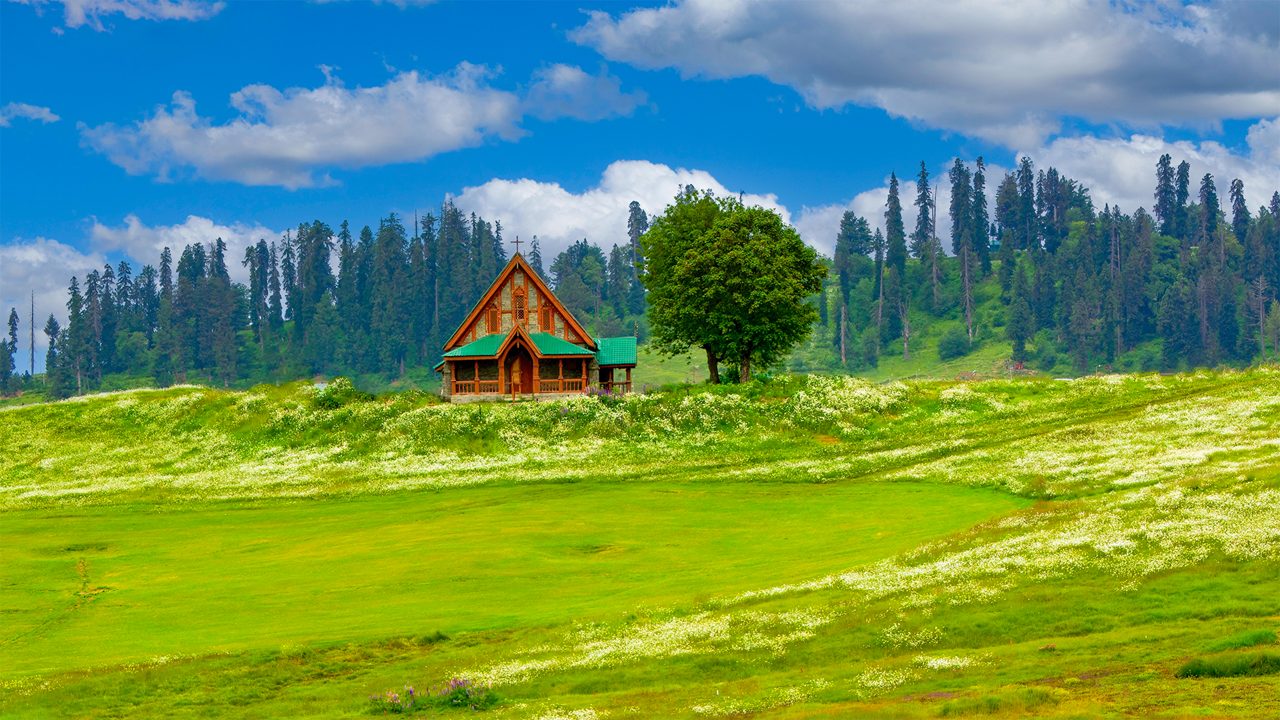
Best Time to Visit Kashmir: Month-by-Month Weather & Activities
Plan the best time to visit Kashmir with month-by-month weather, snow and bloom seasons, and practical guidance for sightseeing, honeymoon, and family travel.
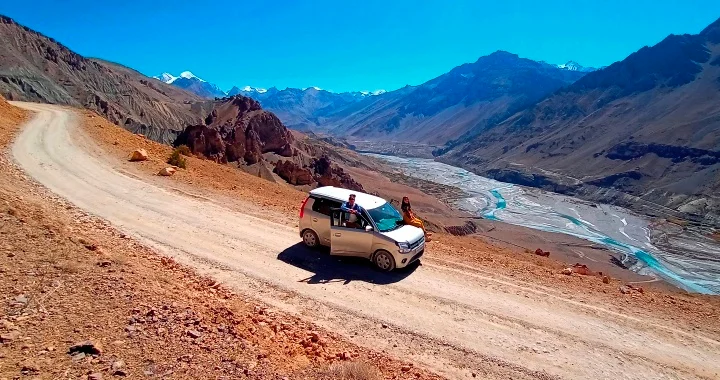
How To Reach Spiti Valley: Routes And Travel Options
Planning a trip to Spiti Valley? Learn how to reach Spiti from Manali & Shimla by road, flight & train. Get routes, timings, permits & essential travel tips.
Never Miss an Adventure
Get the latest trekking guides, travel tips, and exclusive offers delivered straight to your inbox.
