

Kullu Dussehra Festival: Dates, Processions & Cultural Highlights

Rahul Garg
January 20, 2026
Experience the International Dussehra Festival in Kullu. Know dates, Ratha Yatra, congregation of 200+ deities, cultural fair & complete travel guide.
International Dussehra Festival in Kullu: Complete Travel and Celebration Guide
Kullu Dussehra is one of India’s most distinctive Dussehra celebrations because it does not follow the typical Ravana-burning format seen in many other cities. Instead, the festival centers on the procession of Lord Raghunath ji and the gathering of local deities from across the Kullu valley. This gives the event a strong ritual identity and makes it culturally unique.
If you are planning to attend, think of it as a full festival ecosystem: religious processions, fair activities, folk performances, local crafts, and heavy visitor movement across key zones. This guide helps you plan the experience with practical clarity.
Why Kullu Dussehra Is Different from Other Dussehra Festivals
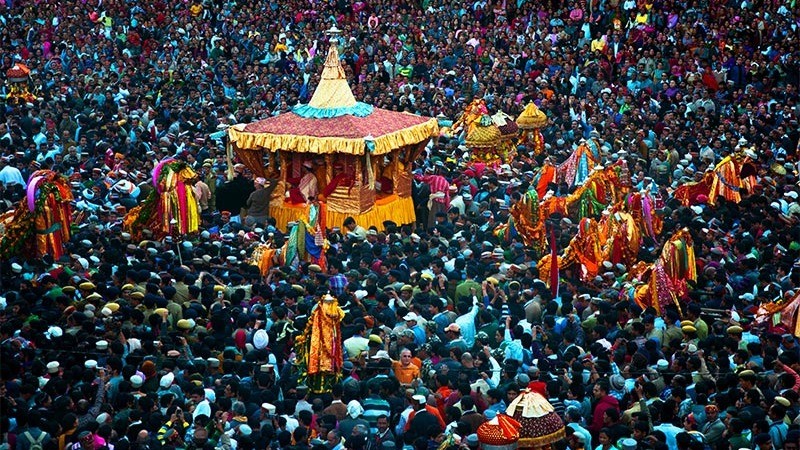
Most Dussehra events conclude on Vijayadashami with Ravana effigy burning. Kullu Dussehra starts around that period and continues with an extended devotional and cultural format. The centerpiece is the ceremonial movement of deities, led by Lord Raghunath ji, through festival grounds and community routes.
This structure makes the event less of a single-night spectacle and more of a multi-day cultural immersion. Travelers who understand this difference usually enjoy the festival more deeply.
Core Rituals and Festival Highlights
Rath Yatra Procession
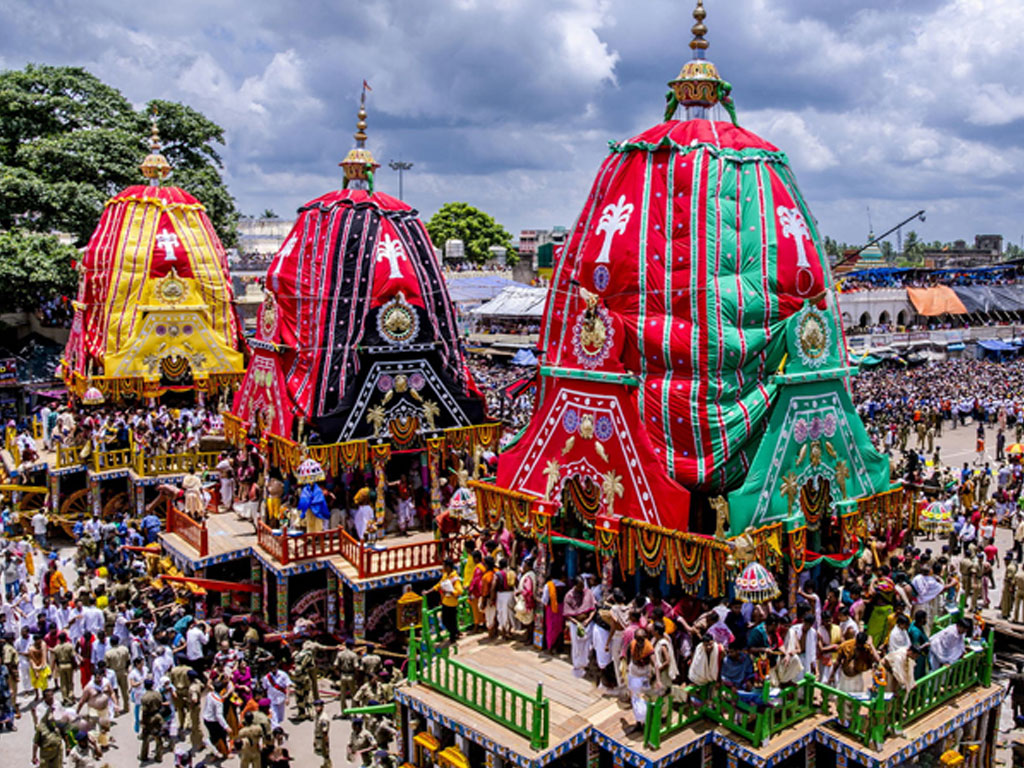
The chariot procession is the most iconic visual element of Kullu Dussehra. It brings together local faith communities, traditional music, and ceremonial participation at scale.
Deity Congregation
Local deities from surrounding regions are brought in decorated palanquins, creating an atmosphere of sacred assembly rare in modern festivals.
Cultural Stage Programs
Folk music, dance, and regional performances take place through festival days, adding strong Himachali identity to the celebration.
Fair and Market Activity
Festival markets offer handicrafts, local textiles, and regional food experiences. This is a great space for cultural interaction when done with slower pacing.
How to Plan Your Visit (3-Day Model)
Day 1: Arrival and Orientation
Reach Kullu, settle in, and walk nearby festival zones in the evening to understand crowd movement.
Day 2: Main Ritual Day
Attend major procession windows early and reserve time for cultural performances and fair circuits.
Day 3: Market and Local Exploration
Use your final day for local shopping, food, and one nearby valley stop before onward travel.
If you want a broader hill itinerary, combine this with best places to visit in Himachal Pradesh for route extension.
Best Places to Watch Processions and Events
Central grounds and route junctions provide strong viewing but get crowded quickly. Arrive early for safer positioning and easier exits. If you are traveling with elders or children, choose edge-view zones instead of center-density sections.
Do not chase every movement point. Pick one good viewing location for processions and another for cultural stage programs to reduce fatigue.
Where to Stay During Festival Week
| Stay Option | Best For | Trade-off |
|---|---|---|
| Kullu town hotels | Fast festival access | High occupancy and traffic pressure |
| Nearby valley stays | Calmer nights and scenic comfort | Daily commute needed |
| Mid-range guesthouses | Budget control | Limited premium facilities |
Book in advance. Festival dates push both prices and occupancy quickly.
How to Reach Kullu Efficiently
Kullu is reachable by road and nearby air access options, but festival-time travel should include buffer hours. Road delays are common during key event windows. If possible, arrive one day before your main festival target.
Local movement during peak procession times may be slower than expected, so avoid tightly packed day schedules.
What to Wear and Carry
- Layered clothing for variable mountain weather.
- Comfortable walking shoes for fair grounds and uneven paths.
- Reusable water bottle and basic personal medicines.
- Light cash buffer for stalls and local purchases.
- Phone battery backup for long event days.
Festival days involve long standing periods, so comfort-first packing works best.
Shopping and Local Culture Experience
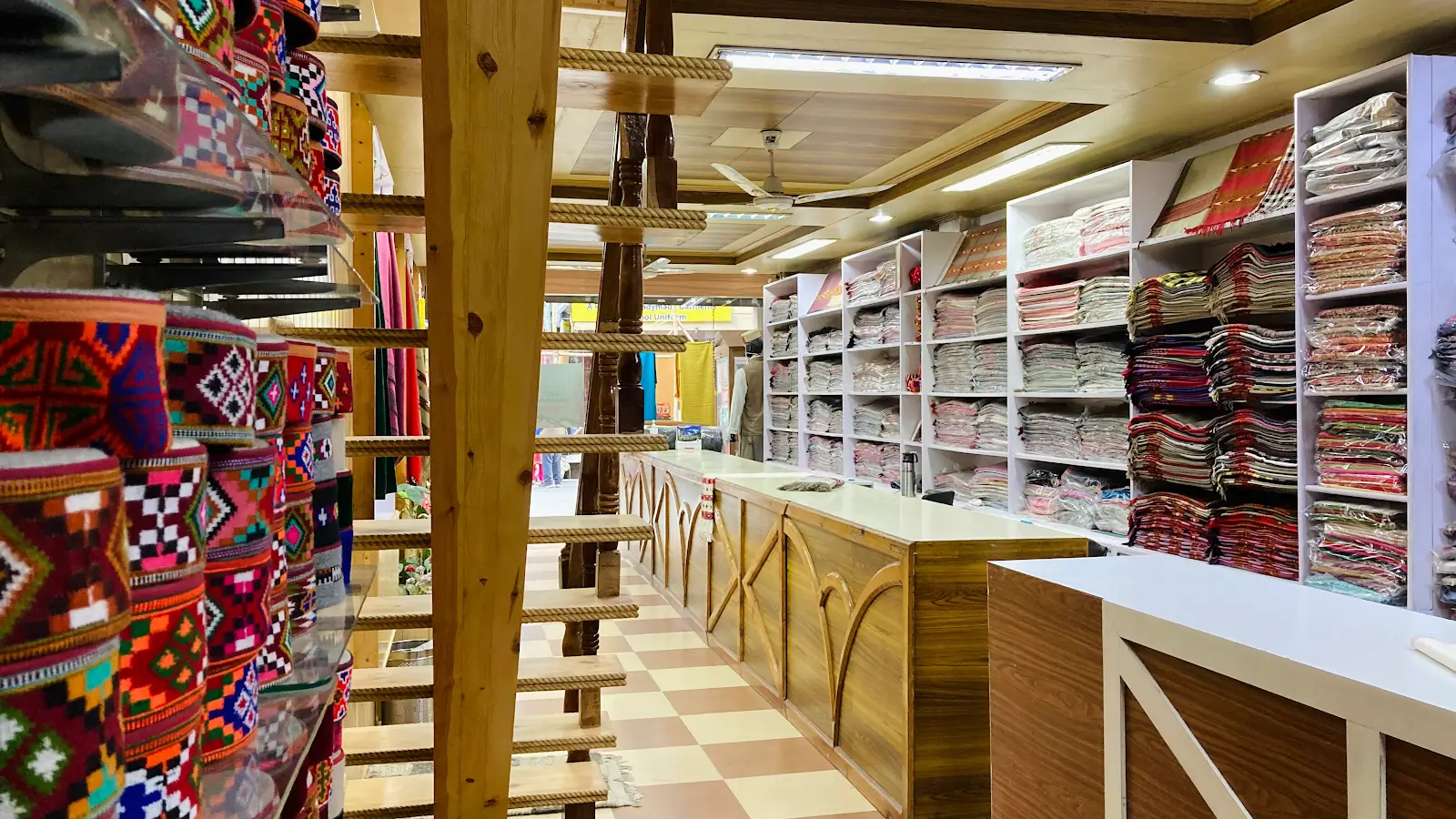
Kullu Dussehra fair zones are known for shawls, woolens, handcrafted goods, and regional food. Compare quality before purchase and buy from established stalls where possible. The fair is a strong place to understand local craftsmanship beyond stage performances.
If you are collecting festival data for longer cultural travel, compare with famous festivals in India to map how Kullu differs from plains-based celebrations.
Safety and Crowd Navigation Tips
- Arrive early for procession days.
- Set one regroup point with your group.
- Keep kids and seniors in lower-density viewing areas.
- Use marked routes and follow local authority advisories.
- Avoid pushing into palanquin movement lines.
Respectful behavior in ritual movement zones is essential; these are sacred processions, not only performance corridors.
Common Mistakes Travelers Make
- Expecting Ravana-dahan style format and missing local context.
- Arriving without stay confirmation in peak period.
- Overplanning too many viewing points in one day.
- Ignoring weather shifts and underpacking layers.
- Treating deity processions as photo-only opportunities.
Extend Your Himachal Cultural Route
Many travelers combine Kullu Dussehra with nearby valley plans. A useful extension path is scenic and leisure focus through Kullu-Manali route ideas, plus wider festival comparison through best festivals of Ladakh and best festivals of Rajasthan for future trips.
Final Take
International Dussehra Festival in Kullu is one of India’s most culturally rich autumn events when experienced with context and planning. Focus on ritual understanding, early positioning, and realistic movement planning. Done right, Kullu Dussehra offers far more than a festival visit. It becomes a meaningful encounter with living Himalayan tradition.
Historical Context You Should Know
Kullu Dussehra’s identity is rooted in local devotional history tied to Lord Raghunath ji and valley deity traditions. The event evolved as a collective religious-cultural gathering where local communities bring their deities to participate in a shared ceremonial calendar. This is why the festival emphasizes congregation and procession rather than dramatic effigy burning formats common elsewhere.
Understanding this context improves your experience on ground. You begin to see each ritual movement as part of a living tradition instead of just a tourist attraction.
Best Time of Day for Different Experiences
- Morning: Better for controlled movement, photography prep, and early procession positioning.
- Afternoon: Good for fair exploration, food stalls, and craft shopping.
- Evening: Best for cultural stage energy and social atmosphere.
Travelers often exhaust themselves by standing all day at one spot. Split your day into ritual, fair, and performance blocks for a better pace.
Budget Planning for Festival Week
| Expense Head | Festival Week Trend | Control Tip |
|---|---|---|
| Stay | Higher demand and rates | Book early and reconfirm check-in policy |
| Local travel | Variable due diversions | Keep walking-friendly day plans |
| Food | Moderate | Choose high-turnover clean stalls |
| Shopping | Wide quality-price range | Compare stalls before buying |
Family, Senior, and Solo Traveler Notes
Families with children should avoid center-density crowd lines during major procession transitions. Seniors should prioritize shorter movement loops and choose edge seating or calmer viewing pockets. Solo travelers should keep routes simple and avoid isolated returns after late programs.
The festival is welcoming, but crowd discipline and route planning are essential for comfort and safety.
Pre-Event Checklist
Accommodation confirmation, layered clothing, hydration setup, local emergency contacts, and one fixed regroup point. These basics reduce most on-ground friction during festival days.
Photography and Documentation Tips
Carry weather-safe gear, avoid blocking procession routes, and take wide contextual frames before close portraits. Always ask before photographing individuals in ritual focus. Respect-first photography usually gives better access and better stories than aggressive crowd shooting.
Capture market details, instruments, costumes, and procession transitions for a fuller narrative of Kullu Dussehra’s cultural range.
Location
Frequently Asked Questions
Q1.When does Kullu Dussehra start?
Q2.How long does the Kullu Dussehra festival last?
Q3.Does Kullu Dussehra burn Ravana effigies?
Q4.Which God is worshipped in Kullu Dussehra?
Q5.Why is it called International Dussehra?
Q6.How far is Manali from Kullu Dussehra?
Q7.What is the role of Hadimba Devi in Kullu Dussehra?
Q8.Where to stay during Kullu Dussehra?
Recommended For You

Manali: Complete Travel Plan Places And Weather
Complete Manali travel guide featuring Rohtang Pass, Solang Valley, Hadimba Temple, adventure activities, best time to visit & practical tips.

Solang Valley Manali: Activities, Ropeway & Winter Sports
Explore Solang Valley Manali! Guide to adventure activities, best time, how to reach, skiing, paragliding & travel tips.

Kullu Manali Honeymoon: 3-4 Day Itinerary, Budget & Tips
Plan your Kullu Manali honeymoon with practical 3-4 day itineraries, romantic experiences, budget guidance, and season-smart travel tips.
Never Miss an Adventure
Get the latest trekking guides, travel tips, and exclusive offers delivered straight to your inbox.
