
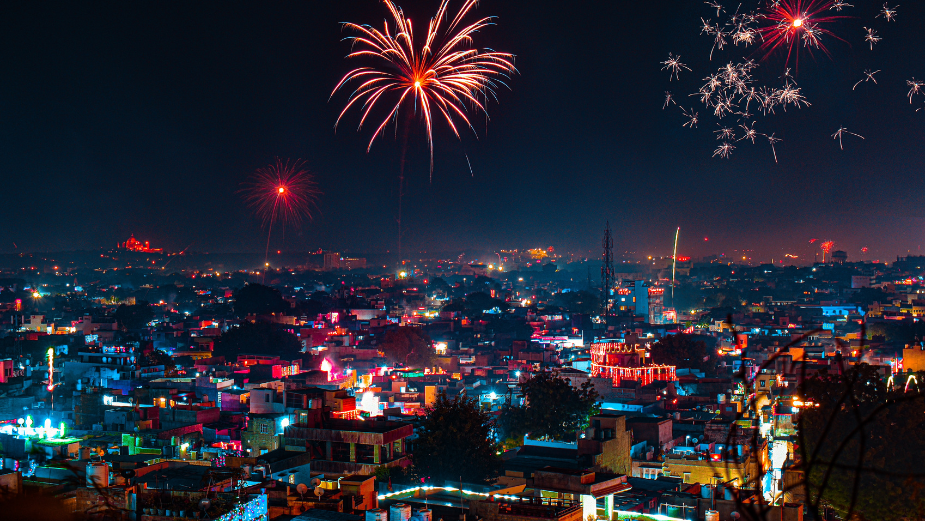
Famous Festivals in India: Complete Guide to 20 Most Popular Celebrations
Rohit Verma
February 20, 2026
Discover the famous festivals in India - Diwali, Holi, Durga Puja & more! Learn dates, traditions, best places to experience & cultural significance of 20+ major Indian festivals.
India, a land of diverse cultures, religions, and traditions, celebrates festivals with unparalleled enthusiasm and grandeur. From the colorful streets during Holi to the illuminated nights of Diwali, each festival tells a unique story of faith, heritage, and community. This comprehensive guide to famous festivals in India will take you through the most significant celebrations that define the country's cultural tapestry, helping you understand their significance, experience them authentically, and plan your travels around these spectacular events.
Why Festivals in India Are Special
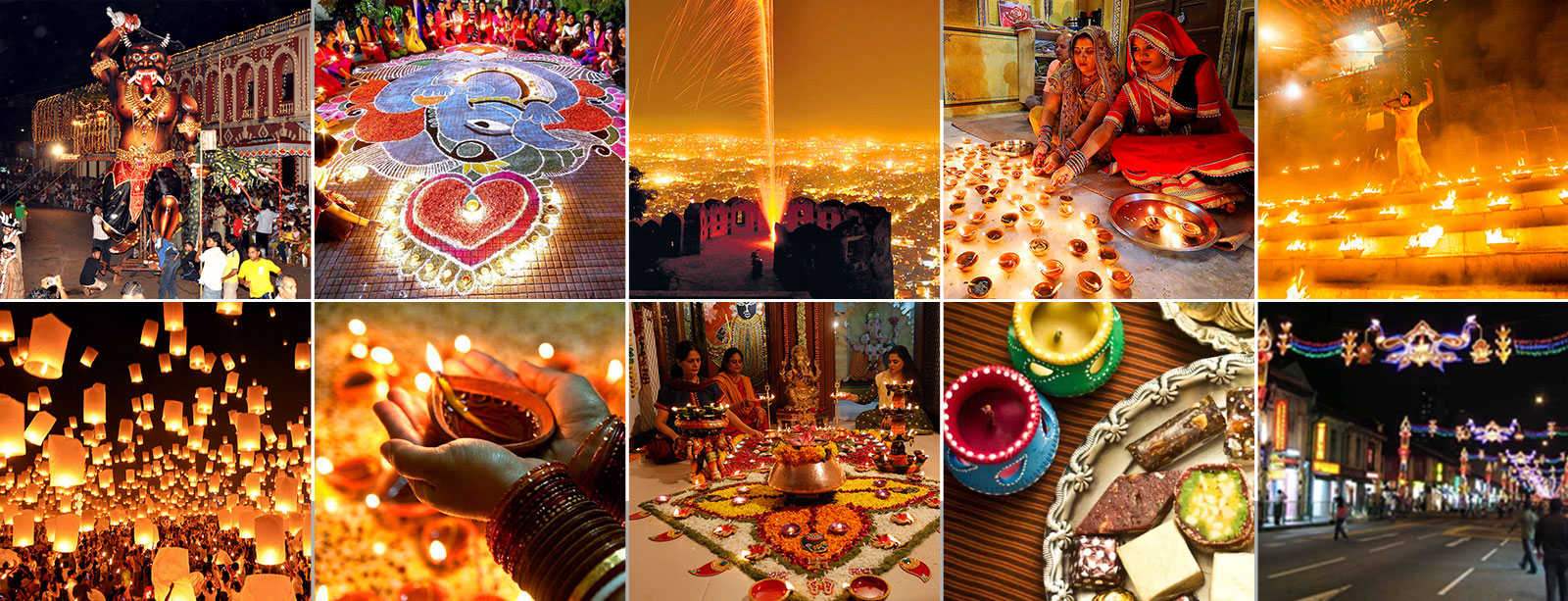
India's festival calendar is a reflection of its incredible diversity. With 28 states, 8 officially recognized religions, and countless regional traditions, the country celebrates festivals throughout the year. What makes Indian festivals unique is their ability to bring people together, transcending barriers of caste, creed, and social status. These celebrations are not just religious observances but cultural phenomena that showcase India's artistic heritage, culinary traditions, and community spirit.
Every festival in India has deep historical and mythological roots. Many follow the lunar calendar, meaning their dates change annually. They celebrate harvest cycles, seasonal changes, victories of good over evil, and devotion to deities. The preparations often begin weeks in advance, with families cleaning homes, buying new clothes, preparing special foods, and decorating their spaces. For travelers, these festivals offer immersive cultural experiences that go beyond typical sightseeing.
Major Hindu Festivals in India
Diwali: The Festival of Lights
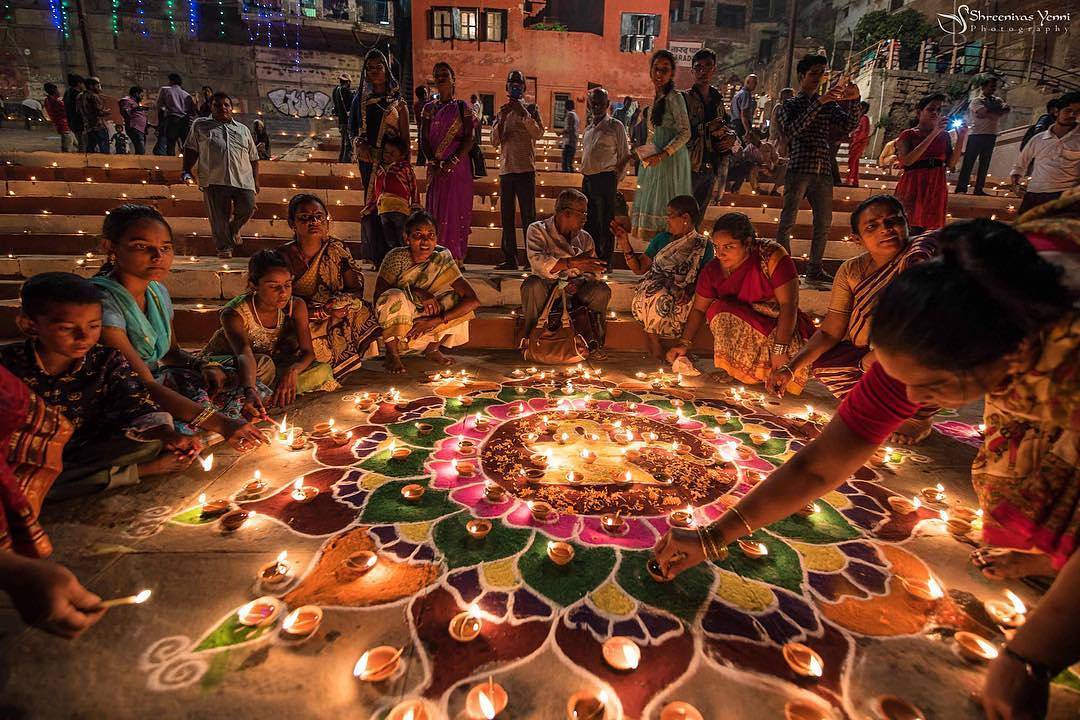
Diwali, undoubtedly the most famous festival in India, celebrates Lord Ram's return to Ayodhya after 14 years of exile. The festival spans five days, with the main day falling on the new moon night of the Hindu month of Kartik (October-November). Homes are illuminated with millions of diyas (oil lamps), rangoli (colorful floor patterns) adorn entrances, and fireworks light up the sky.
The spiritual significance of Diwali varies across regions. For some, it honors Goddess Lakshmi, the deity of wealth and prosperity. For others, it celebrates the victory of Lord Krishna over the demon Narakasura. In Bengal, Diwali is dedicated to Goddess Kali. Regardless of the specific tradition, the central theme remains the triumph of light over darkness and knowledge over ignorance.
Best Places to Experience: Ayodhya for the world's largest Deepotsav with over 22 lakh diyas; Varanasi for illuminated ghats; Jaipur for elaborate market decorations; Amritsar's Golden Temple, which is spectacularly lit.
Key Traditions: Lighting diyas, creating rangoli, bursting firecrackers, preparing sweets like ladoos and gujiya, buying new clothes, and Lakshmi Puja.
Holi: The Festival of Colors
Holi, celebrated in March, marks the arrival of spring and the victory of good over evil. The two-day festival begins with Holika Dahan, where bonfires are lit to symbolize the burning of the demon Holika. The following day, Rangwali Holi, sees people smearing each other with colored powder (gulal) and colored water in joyous celebration.
The festival has mythological roots in the story of Prahlad, a devotee of Lord Vishnu who survived unharmed when his aunt Holika, immune to fire, sat with him in a pyre. It also celebrates the divine love between Radha and Krishna. Across India, Holi takes different forms - Lathmar Holi in Barsana, where women playfully beat men with sticks; Dol Jatra in Bengal; and Hola Mohalla in Punjab, which features martial arts displays.
Best Places to Experience: Vrindavan and Mathura for week-long celebrations; Barsana for unique Lathmar Holi; Goa for beach celebrations; Jaipur for royal Holi events.
Durga Puja: The Grand Bengali Festival
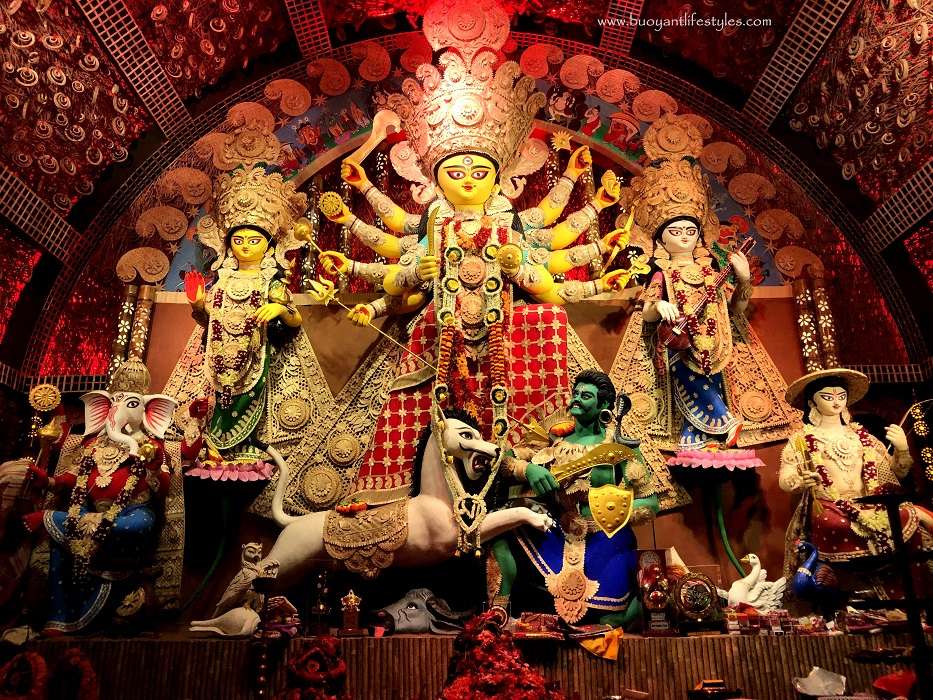
Durga Puja, primarily celebrated in West Bengal, Odisha, and Assam, honors Goddess Durga's victory over the buffalo demon Mahishasura. The festival usually occurs in September-October and lasts for five days, from Sasthi to Dashami. What makes Durga Puja special is the community aspect - elaborate pandals (temporary structures) house beautifully crafted clay idols of the goddess, and people visit pandals in processions called pandal hopping.
The artistic creativity during Durga Puja is remarkable. Each pandal competes to create the most innovative themes, ranging from traditional to contemporary issues. The idol immersion procession (Visarjan) on the final day is an emotional spectacle as devotees bid farewell to the goddess. Kolkata transforms during this period, with the city coming alive with cultural programs, food stalls, and festive energy.
Best Places to Experience: Kolkata for the most elaborate pandals and cultural programs; Cuttack for silver and gold decorations on idols; Delhi's Chittaranjan Park for authentic Bengali celebrations.
Key Traditions: Pandol hopping, dhunuchi naach (dance with incense burners), anjali (morning prayers), sindoor khela (married women playfully applying vermilion), and Visarjan processions.
Navratri and Dussehra: Nine Nights of Devotion
Navratri, meaning "nine nights," is dedicated to Goddess Durga and her nine forms. The festival occurs twice a year - Chaitra Navratri (March-April) and Sharad Navratri (September-October). During this period, devotees fast, worship, and participate in traditional dances. Each day is associated with a different avatar of the goddess, and the color of clothing changes daily.
The celebrations vary dramatically across regions. In Gujarat, people perform Garba and Dandiya Raas dances in circles with sticks. In Tamil Nadu, the festival is celebrated as Golu, where dolls and figurines are displayed on stepped platforms. In North India, the Ram Lila - dramatic reenactments of the Ramayana - is performed, culminating in Dussehra, where effigies of the demon king Ravana are burned.
Best Places to Experience: Gujarat for Garba and Dandiya Raas; Kolkata for Durga Puja; Mysore for royal Dussehra processions; Kullu for the unique Kullu Dussehra; Varanasi for Ram Lila performances.
Janmashtami: Lord Krishna's Birth
Janmashtami celebrates the birth of Lord Krishna, the eighth avatar of Lord Vishnu. The festival occurs in August-September and is marked by fasting, midnight celebrations (Krishna's birth time), and the reenactment of Krishna's childhood mischief. The most iconic celebration is the Dahi Handi event, particularly in Maharashtra, where human pyramids form to break pots of butter suspended high above the ground.
In Mathura and Vrindavan, Krishna's birthplace and childhood home, Janmashtami is a grand affair. Temples are decorated, devotees sing bhajans (devotional songs) throughout the night, and the entire region becomes a celebration of Krishna's life and teachings.
Best Places to Experience: Mathura and Vrindavan for the most authentic celebrations; Mumbai for spectacular Dahi Handi competitions; Dwarka (Krishna's kingdom) for temple celebrations; ISKCON temples across India.
Ganesh Chaturthi: The Elephant God's Festival
Ganesh Chaturthi, celebrating the birth of Lord Ganesha, the remover of obstacles, is most prominently celebrated in Maharashtra. The festival usually occurs in August-September and lasts for 10 days, culminating in the immersion of Ganesha idols in water bodies. The public celebration of Ganesh Chaturthi was popularized by freedom fighter Lokmanya Tilak to unite people during India's independence movement.
Pandals housing Ganesha idols of various sizes are set up across cities. devotees offer modaks (sweet dumplings), the deity's favorite sweet, and perform aartis. The immersion processions on the final day are accompanied by drums, dancing, and chants of "Ganpati Bappa Morya." In recent years, eco-friendly clay idols have gained popularity to reduce environmental impact.
Best Places to Experience: Mumbai for the most elaborate celebrations (Lalbaugcha Raja is the most famous pandal); Pune for traditional celebrations; Hyderabad for Khairatabad Ganesh (one of the tallest idols).
Makar Sankranti: The Harvest Festival
Makar Sankranti, celebrated in January, marks the transition of the sun into Capricorn and the end of winter. Unlike most Hindu festivals that follow the lunar calendar, this solar festival has fixed dates (January 14-15). It's a harvest festival celebrating new crops and the arrival of longer days.
The festival has different names across India: Pongal in Tamil Nadu (four-day harvest celebration), Lohri in Punjab (bonfire celebrations), Uttarayan in Gujarat (kite flying festival), and Magh Bihu in Assam. Common themes include flying kites, taking holy dips in rivers, sharing sweets made of sesame and jaggery, and thanking the sun god for a good harvest.
Best Places to Experience: Gujarat for the International Kite Festival in Ahmedabad; Tamil Nadu for Pongal celebrations; Punjab for Lohri bonfires; West Bengal for the Ganga Sagar Mela.
Maha Shivaratri: The Great Night of Shiva
Maha Shivaratri, the "Great Night of Lord Shiva," is celebrated in February-March. Devotees fast, worship Shiva lingams with milk, honey, and bel leaves, and chant mantras through the night. The festival commemorates the marriage of Shiva and Parvati and also marks the day when Shiva performed the Tandava, the cosmic dance of creation and destruction.
Shiva temples across India see massive crowds on this day. The most famous celebrations occur at the 12 Jyotirlingas, the holiest Shiva shrines. In Kashmir, the festival is celebrated as Herath, with unique local traditions.
Best Places to Experience: Varanasi for all-night temple celebrations; All 12 Jyotirlingas for special rituals; Srikalahasti temple in Andhra Pradesh for elaborate decorations.
Islamic Festivals in India
Eid ul-Fitr: The Feast of Breaking Fast
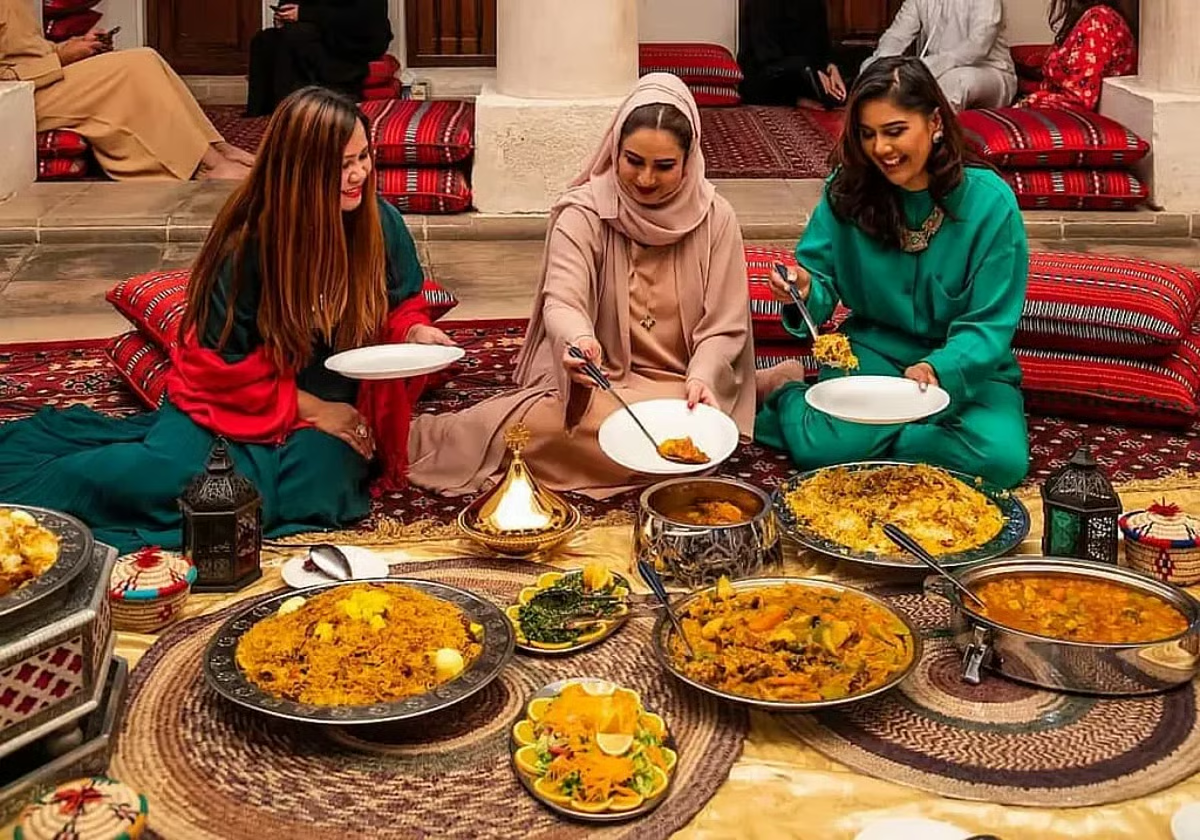
Eid ul-Fitr marks the end of Ramadan, the Islamic holy month of fasting. The date varies based on moon sighting. The day begins with special prayers at mosques, followed by feasting, charity (Zakat), and visiting friends and family. The festival emphasizes community bonding and gratitude.
In India, Eid celebrations vary regionally. Old Delhi's Jama Masjid sees massive gatherings. In Hyderabad, the historic Mecca Mosque hosts elaborate prayers. In Kerala, the festival is called Cheru Perunnal and includes unique local traditions. Special dishes like seviyan (sweet vermicelli), biryani, and kebabs are prepared.
Best Places to Experience: Old Delhi around Jama Masjid; Hyderabad for traditional Nizami cuisine; Lucknow for Awadhi Eid traditions; Kashmir for unique Wazwan feast.
Eid ul-Adha: The Festival of Sacrifice
Eid ul-Adha, also called Bakrid, commemorates Prophet Ibrahim's willingness to sacrifice his son. The festival occurs about 70 days after Eid ul-Fitr. Muslims who can afford it sacrifice a sheep, goat, or cow, distributing the meat among family, friends, and the poor.
The festival emphasizes charity and community. In India, special Eid prayers are held at mosques and Eidgahs (open prayer grounds). The meat is used to prepare special dishes like biryani, kebabs, and haleem (a slow-cooked meat stew, particularly famous in Hyderabad).
Best Places to Experience: Hyderabad for Shah Ghouse's famous haleem; Delhi for Old Delhi's festive atmosphere; Kolkata for the unique Kolkata Biryani.
Muharram: The Islamic New Year
Muharram is the first month of the Islamic calendar, particularly significant for Shia Muslims who commemorate the martyrdom of Imam Hussein, the grandson of Prophet Muhammad. The 10th day, Ashura, is marked by processions, mourning rituals, and reenactments of the Battle of Karbala.
In India, the most impressive Muharram processions occur in Lucknow, Kolkata, Mumbai, and Hyderabad. Taziya processions (replicas of Hussein's mausoleum) are taken out, and Shia Muslims participate in mourning ceremonies. Sunni Muslims observe Muharram by fasting on Ashura.
Best Places to Experience: Lucknow for traditional Shia processions; Kolkata for impressive Taziya processions; Hyderabad for Nalgonda's unique rituals.
Ramzan (Ramadan): The Month of Fasting
Ramzan, the holy month of fasting, is observed by Muslims worldwide. During this month, Muslims abstain from food, water, and other physical needs from dawn to dusk. The fast is broken at sunset with iftar meals, and the pre-dawn meal before fasting is called sehri.
In India, Ramzan transforms Muslim-majority areas. Delhi's Jama Masjid area, Mumbai's Mohammed Ali Road, and Hyderabad's old city become food havens at night, with special markets and restaurants serving iftar delicacies. The month is also marked by increased prayers, Quran recitations, and charitable activities.
Best Places to Experience: Hyderabad for the best iftar food markets; Delhi around Jama Masjid; Mumbai's Mohammed Ali Road; Srinagar's Dal Lake for unique Kashmiri iftar traditions.
Christian Festivals in India
Christmas: The Birth of Jesus
Christmas, celebrating the birth of Jesus Christ, is widely celebrated across India, particularly in states with significant Christian populations like Goa, Kerala, Mizoram, Meghalaya, and Nagaland. The festive atmosphere begins weeks in advance with markets, decorations, and baking.
Kerala offers unique Christmas traditions with Syrian Christian heritage. Goa transforms into a festive destination with midnight masses, beach parties, and Portuguese-influenced celebrations. Northeast India has elaborate celebrations with caroling, community feasts, and traditional music. Mumbai, Delhi, and other metro cities have beautiful midnight Masses at churches.
Best Places to Experience: Goa for beach celebrations and Portuguese traditions; Kerala for Syrian Christian customs; Shillong for Northeast Indian Christmas traditions; Mumbai for midnight Mass at Mount Mary Basilica.
Key Traditions: Midnight Mass, decorating Christmas trees, exchanging gifts, traditional plum cake, making sweets like kulkuls and rose cookies.
Easter: The Resurrection
Easter celebrates the resurrection of Jesus Christ and follows the 40-day period of Lent (fasting and prayer). The celebrations include Good Friday (commemorating Jesus' crucifixion) and Easter Sunday (celebrating his resurrection). The dates vary based on the lunar calendar.
In India, Good Friday church services are solemn, with processions depicting the crucifixion. Easter Sunday is joyous, with special church services, feasting, and community gatherings. Goa has particularly elaborate celebrations. In Kerala and Northeast India, Easter is celebrated with traditional customs and special foods.
Best Places to Experience: Goa for traditional Portuguese Easter customs; Kerala for Syrian Christian traditions; Northeast India for unique regional celebrations.
Sikh Festivals in India
Guru Nanak Jayanti: The Birth of the First Sikh Guru
Guru Nanak Jayanti, also called Gurpurab, celebrates the birth of Guru Nanak, the founder of Sikhism. The festival usually occurs in November. The celebrations begin with Prabhat Pheris (early morning processions) singing hymns. On the main day, the Guru Granth Sahib (Sikh holy book) is read continuously for 48 hours.
Gurdwaras (Sikh temples) are beautifully decorated, and langars (community kitchens) serve free meals to all visitors regardless of religion or caste. The Golden Temple in Amritsar sees the most elaborate celebrations, with the entire complex illuminated and massive langars serving lakhs of devotees.
Best Places to Experience: Amritsar's Golden Temple for the most spectacular celebrations; Delhi's Bangla Sahib Gurdwara for urban celebrations; Nanak Jhira Saheb in Karnataka.
Baisakhi: The Harvest Festival and Birth of Khalsa
Baisakhi, celebrated on April 13 or 14, has dual significance - it marks the harvest of rabi crops and commemorates the formation of the Khalsa Panth by Guru Gobind Singh in 1699. The festival is particularly important in Punjab.
Celebrations include visiting gurdwaras, processions (nagar kirtans), bhangra and giddha dances, and fairs. In Punjab, villages hold fairs with wrestling competitions, music, and food stalls. The Golden Temple in Amritsar is beautifully decorated, and special prayers are offered.
Best Places to Experience: Amritsar for Golden Temple celebrations; Punjab villages for traditional harvest fairs; Delhi for nagar kirtans.
Lohri: The Punjabi Winter Festival
Lohri, celebrated on January 13, marks the end of winter and the harvesting of rabi crops. Bonfires are lit, and people dance around them singing traditional folk songs. Foods like rewri, gajjak, and popcorn are thrown into the fire as offerings.
The festival is particularly important for new brides and newborns, who receive special attention. Punjab celebrates Lohri most enthusiastically, with communities gathering around bonfires, dancing bhangra and giddha, and sharing festive foods.
Best Places to Experience: Punjab for the most authentic celebrations; Chandigarh for community events; Delhi for neighborhood celebrations.
Regional Festivals of India
Pongal: Tamil Nadu's Harvest Festival
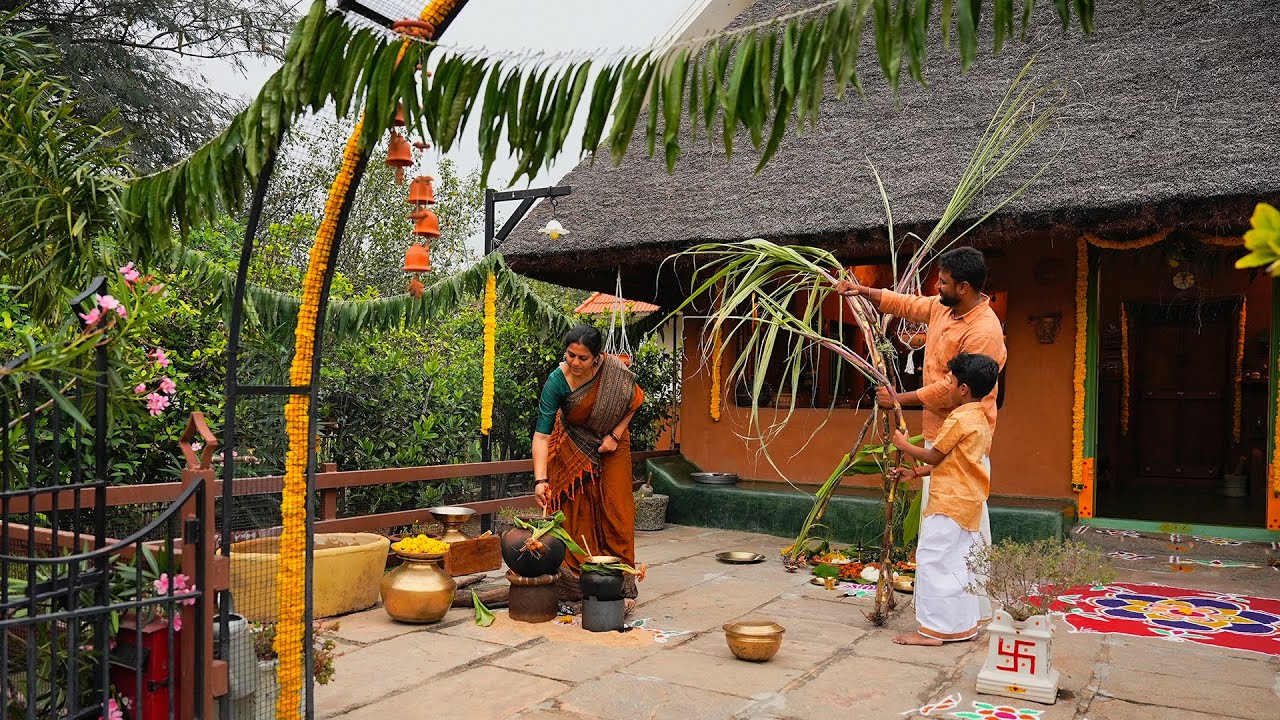
Pongal, Tamil Nadu's most important festival, is a four-day harvest celebration in mid-January. The name comes from the Tamil word "to boil" - referring to the traditional dish of rice and jaggery boiled in milk, which is offered to the sun god.
Day 1 - Bhogi Pongal: Old belongings are discarded and burned, symbolizing new beginnings. Homes are cleaned and decorated with kolam (rice flour patterns).
Day 2 - Thai Pongal: The main day when Pongal dish is prepared and offered to Surya (sun god). Families wear new clothes and visit relatives.
Day 3 - Mattu Pongal: Dedicated to cattle, which are decorated and worshipped for their role in agriculture. In some villages, bull-taming sports like Jallikattu are held.
Day 4 - Kaanum Pongal: A day for family reunions, picnics, and visiting relatives. Women pray for their brothers' well-being.
Best Places to Experience: Madurai for traditional celebrations; Chennai for urban Pongal events; Thanjavur for agricultural communities' celebrations.
Onam: Kerala's Harvest Festival
Onam is Kerala's most important festival, celebrating the homecoming of the legendary King Mahabali. The 10-day harvest festival usually occurs in August-September. It's a secular festival celebrated by people of all religions in Kerala.
Key Traditions:
- Pookalam: Elaborate flower carpets laid at entrances, growing more complex each day.
- Onam Sadya: A grand vegetarian feast served on banana leaves with 24-28 dishes.
- Vallam Kali: Snake boat races on rivers, particularly the Aranmula boat race.
- Pulikali: Performers painted as tigers dancing to traditional drums.
- Kathakali and Koodiyattam performances: Traditional dance-drama performances.
- Onakalikal: Traditional games and sports.
Best Places to Experience: Trivandrum for official celebrations; Aranmula for snake boat races; Thrissur for Pulikali; Kochi for cultural programs.
Hornbill Festival: Nagaland's Cultural Showcase
The Hornbill Festival, held annually from December 1-7 in Kohima, is Nagaland's premier festival showcasing the state's rich tribal heritage. Named after the hornbill bird, revered in Naga folklore, the festival brings together all 16 major Naga tribes.
The festival features traditional dance performances, music, indigenous games, craft stalls, and food markets. Visitors can witness morung (traditional bachelor dormitory) life, try rice beer, watch hornbill bird impersonations, and experience Naga hospitality. It's one of India's most colorful and authentic cultural festivals.
Best Place to Experience: Kohima, Nagaland, at the Kisama Heritage Village.
Pushkar Camel Fair: Rajasthan's Cultural Spectacle
The Pushkar Camel Fair, held annually in November in the holy town of Pushkar, is one of the world's largest camel fairs. What began as a livestock trading fair has evolved into a massive cultural festival attracting thousands of tourists.
The fair features camel races, beauty contests, camel trading, folk dances, music performances, and competitions like longest mustache and turban tying. The climax is the ritual bath at Pushkar Lake on Kartik Purnima. The festival offers a glimpse into Rajasthan's rural life and traditional crafts.
Best Place to Experience: Pushkar, Rajasthan, in November.
Hemis Festival: Ladakh's Buddhist Celebration
The Hemis Festival, held at Hemis Monastery in Ladakh, commemorates the birth of Padmasambhava, the founder of Tibetan Buddhism. The two-day festival usually occurs in June-July and features the famous Chaam dance - masked dances performed by monks.
The festival showcases Ladakh's Buddhist culture, with colorful costumes, ancient rituals, and traditional music. The Hemis Museum, housed in the monastery, displays valuable Buddhist artifacts. The festival coincides with the Hemis National Park's peak season, allowing travelers to combine cultural and wildlife experiences.
Best Places to Experience: Hemis Monastery, Ladakh; other monasteries in Ladakh also have their own festivals throughout summer.
Rann Utsav: Gujarat's White Desert Festival
The Rann Utsav is a cultural festival held in the Great Rann of Kutch from November to February. The white salt desert comes alive with tent cities, cultural performances, handicraft markets, and adventure activities.
Visitors can stay in luxury tents, watch folk dances under the full moon, shop for Kutchi embroidery and crafts, enjoy camel safaris, and witness the surreal beauty of the white desert. The carnival atmosphere includes Gujarati food festivals, music performances, and traditional games.
Best Place to Experience: Dhordo, Kutch, Gujarat.
Bihu: Assam's Harvest Festival
Bihu is Assam's most important festival, celebrated three times a year - Rongali Bihu (April, marking Assamese New Year), Bhogali Bihu (January, harvest festival), and Kongali Bihu (October, praying for good crops). Rongali Bihu is the most elaborate.
Celebrations include Bihu dances performed by young men and women, traditional Assamese music (using instruments like dhol, pepa, and gagana), wearing traditional Assamese clothes (mekhela chador for women), and preparing festive foods like pitha, larus, and jolpan.
Best Places to Experience: Guwahati for urban celebrations; rural Assam for authentic traditions; Majuli island for cultural performances.
Goa Carnival: Pre-Lenten Celebration
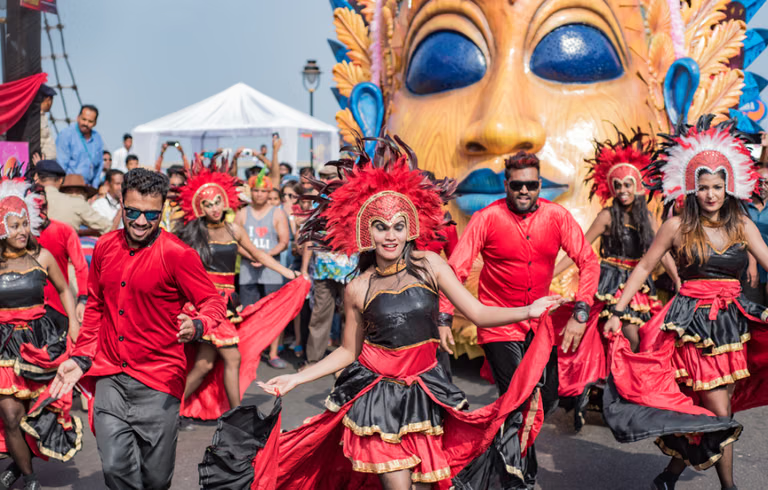
The Goa Carnival is a pre-Lenten festival introduced by Portuguese colonizers. Held in February or March, it features colorful street parades with floats, elaborate costumes, music, and dancing. The carnival, meaning "farewell to meat," precedes the 40-day fasting period of Lent.
Celebrations are most elaborate in Panjim, Margao, Vasco, and Mapusa. The carnival king Momo leads the parades, and streets come alive with music, dancing, and revelry. It's one of India's most unique festivals, blending Portuguese and Indian cultures.
Best Places to Experience: Panjim for the main parade; Margao for traditional celebrations; Vasco for community events.
Ladakh Festival: Celebrating Ladakhi Culture
The Ladakh Festival, held in September, showcases the region's unique Buddhist culture. Organized by the Jammu and Kashmir Tourism Department, the festival features polo matches, archery contests, masked dances, craft bazaars, and musical performances.
The festival aims to preserve and promote Ladakhi heritage. Visitors can witness traditional ceremonies, taste local cuisine, and learn about the region's customs. It's an excellent time to visit Ladakh, with pleasant weather and maximum cultural exposure.
Best Place to Experience: Leh and surrounding monasteries in Ladakh.
Buddhist and Jain Festivals
Buddha Jayanti: The Buddha's Birthday
Buddha Jayanti, also called Vesak, celebrates the birth, enlightenment, and death of Gautama Buddha. The festival usually falls in April or May. Buddhist monasteries across India hold special prayers, ceremonies, and cultural programs.
The Mahabodhi Temple in Bodh Gaya (where Buddha attained enlightenment) sees the most elaborate celebrations. Other important sites include Sarnath (where Buddha gave his first sermon) and Kushinagar (where he attained Nirvana). Monasteries in Ladakh, Sikkim, and Dharamshala also host significant events.
Best Places to Experience: Bodh Gaya for the most sacred celebrations; Sarnath for Buddhist ceremonies; Dharamshala for Tibetan Buddhist celebrations.
Paryushana: Jain Festival of Forgiveness
Paryushana is the most important Jain festival, focusing on spiritual upliftment through fasting, meditation, and seeking forgiveness. The eight-day festival (or ten days for Swetambara Jains) occurs in August-September.
Jains observe fasting, listen to scripture recitations, meditate, and seek forgiveness from all living beings. The final day, Samvatsari, is marked by the universal forgiveness message: "Micchami Dukkadam" - asking for forgiveness for any harm caused knowingly or unknowingly.
Best Places to Experience: Gujarat and Rajasthan's Jain communities; Palitana temples in Gujarat; Shravanabelagola in Karnataka.
Planning Your Festival Travel in India
Best Time to Experience Indian Festivals
India's festival calendar is packed year-round, but certain periods are particularly festival-dense:
August-November: The peak festival season with Janmashtami, Ganesh Chaturthi, Durga Puja, Dussehra, Diwali, and Pushkar Fair. This is the best time to experience multiple major festivals.
January-March: Features Makar Sankranti, Pongal, Holi, and Easter. Spring festivals and harvest celebrations dominate.
April-June: Good for Bihu, Buddha Jayanti, and Ladakh's Hemis Festival (June).
December: Features Christmas and the Hornbill Festival.
Festival Travel Tips
- Book Early: Festival seasons see massive demand for transport and accommodation. Book at least 2-3 months in advance.
- Respect Traditions: Learn basic customs, dress appropriately, and follow photography etiquette.
- Plan Routes: Festivals create massive crowds. Plan your movements, allow extra time, and have backup plans.
- Stay Connected: Buy a local SIM card and save offline maps and important contacts.
- Carry Cash: Many small vendors and establishments don't accept digital payments during festivals.
- Be Patient: Crowds, delays, and chaos are part of the experience. Maintain a positive attitude.
- Stay Hydrated: Festival celebrations often involve long hours outdoors. Carry water and stay hydrated.
- Secure Valuables: Crowded festivals are prone to pickpocketing. Keep valuables secure and carry minimal items.
Sustainable Festival Tourism
As responsible travelers, consider eco-friendly practices during festival visits:
- Use public transport or carpool to reduce carbon footprint
- Avoid single-use plastics - carry reusable bottles and bags
- Support local artisans by buying authentic handicrafts
- Choose eco-friendly celebrations (e.g., natural Holi colors)
- Respect local environments - don't litter during celebrations
- Support community-based tourism initiatives
Festival Calendar: Quick Reference
| Festival | Month | Key Locations |
|---|---|---|
| Makar Sankranti/Pongal/Lohri | January 14-15 | Gujarat, Tamil Nadu, Punjab |
| Vasant Panchami | January-February | Bengal, Bihar |
| Maha Shivaratri | February-March | Shiva temples nationwide |
| Holi | March | Mathura, Vrindavan, Barsana |
| Ram Navami | March-April | Ayodhya, Rameshwaram |
| Baisakhi | April 13-14 | Punjab |
| Ramadan/Eid ul-Fitr | April-May (varies) | Delhi, Hyderabad, Mumbai |
| Rath Yatra | June-July | Puri |
| Janmashtami | August | Mathura, Vrindavan |
| Ganesh Chaturthi | August-September | Mumbai, Pune |
| Onam | August-September | Kerala |
| Navratri/Durga Puja | September-October | Kolkata, Gujarat |
| Dussehra | September-October | Mysore, Kullu |
| Diwali | October-November | Ayodhya, Varanasi |
| Chhath Puja | November | Bihar, Jharkhand |
| Pushkar Fair | November | Pushkar, Rajasthan |
| Christmas | December 25 | Goa, Kerala, Northeast |
Festival Food: Culinary Traditions
Every Indian festival is accompanied by special foods that carry cultural and symbolic significance:
Diwali: Sweets (ladoos, jalebis, gulab jamun, kaju katli), savory snacks (mathri, namakpare), and dried fruits represent prosperity.
Holi: Gujiya, thandai, mathri, kanji, and puran poli - each region has specialties.
Durga Puja: Khichdi, labra (mixed vegetable curry), begun bhaja (fried eggplant), and sweets like rasgulla and sandesh.
Eid: Biryani, seviyan, kebabs, haleem, and sheer khurma.
Christmas: Plum cake, kulkuls, rose cookies, vindaloo, and sorpotel.
Pongal: Sakkarai Pongal (sweet Pongal), ven Pongal (savory Pongal), and sugarcane.
Onam: Onam Sadya - 24-28 dishes served on banana leaves including avial, thoran, olan, and payasam.
Photography Tips for Festival Travelers
- Respect Privacy: Always ask permission before photographing people, especially during religious ceremonies.
- Use Natural Light: Festivals often have low-light situations. Learn to use high ISO settings effectively.
- Protect Equipment: Use rain covers for cameras during Holi and protect from dust during processions.
- Capture Candid Moments: Some of the best shots come from unplanned, spontaneous moments.
- Show Context: Include wide shots that show the scale and atmosphere of celebrations.
- Be Present: Don't let photography prevent you from actually experiencing the festival.
Conclusion: Experience India's Festival Magic
India's festivals are more than just celebrations - they're windows into the country's soul. They reveal the depth of India's spirituality, the richness of its cultural heritage, and the warmth of its people. Whether you're watching millions of diyas illuminate Ayodhya during Diwali, dancing in the streets during Holi, or marveling at the artistic pandals of Durga Puja in Kolkata, each festival offers a unique lens through which to understand India.
For travelers, these festivals provide opportunities for cultural immersion that go beyond typical tourism. They're chances to participate in ancient traditions, taste regional cuisines, witness incredible artistic creativity, and connect with locals in meaningful ways. The memories of these celebrations - the colors, the sounds, the tastes, and most importantly, the people - will stay with you long after you've returned home.
As you plan your festival travels in India, remember that the most meaningful experiences often come not from grand spectacles but from genuine connections with people celebrating their heritage. Approach each festival with respect, curiosity, and an open heart, and you'll discover why India's festivals are among the most captivating cultural experiences on Earth.
Whether you're a spiritual seeker, a culture enthusiast, a photographer, or simply someone curious about the world, India's festivals have something profound to offer. They remind us of the power of tradition, the importance of community, and the universal human desire to celebrate life's moments - big and small. In a world that often seems divided, these festivals bring people together, transcending barriers and creating moments of pure joy and connection.
Plan your journey, respect the traditions, and prepare yourself for experiences that will transform your understanding of India and its incredible cultural tapestry. The festivals of India are waiting to welcome you with colors, lights, music, and warmth that you'll treasure forever.
Location
Frequently Asked Questions
Q1.What are the most famous festivals in India?
Q2.When is the best time to experience festivals in India?
Q3.How many major festivals are celebrated in India?
Q4.Which Indian festival is most popular among tourists?
Q5.What is the biggest religious festival in India?
Q6.Are Indian festivals celebrated on fixed dates every year?
Q7.What should tourists wear during Indian festivals?
Q8.How can tourists respectfully participate in Indian festivals?
Q9.What are the harvest festivals of India?
Q10.Which Indian festivals are UNESCO Intangible Cultural Heritage?
Q11.How long do major Indian festivals last?
Q12.What foods are traditionally eaten during Indian festivals?
Q13.Are Indian festivals safe for foreign tourists?
Q14.What are the regional festivals of South India?
Q15.Where can I experience authentic tribal festivals in India?
Recommended For You
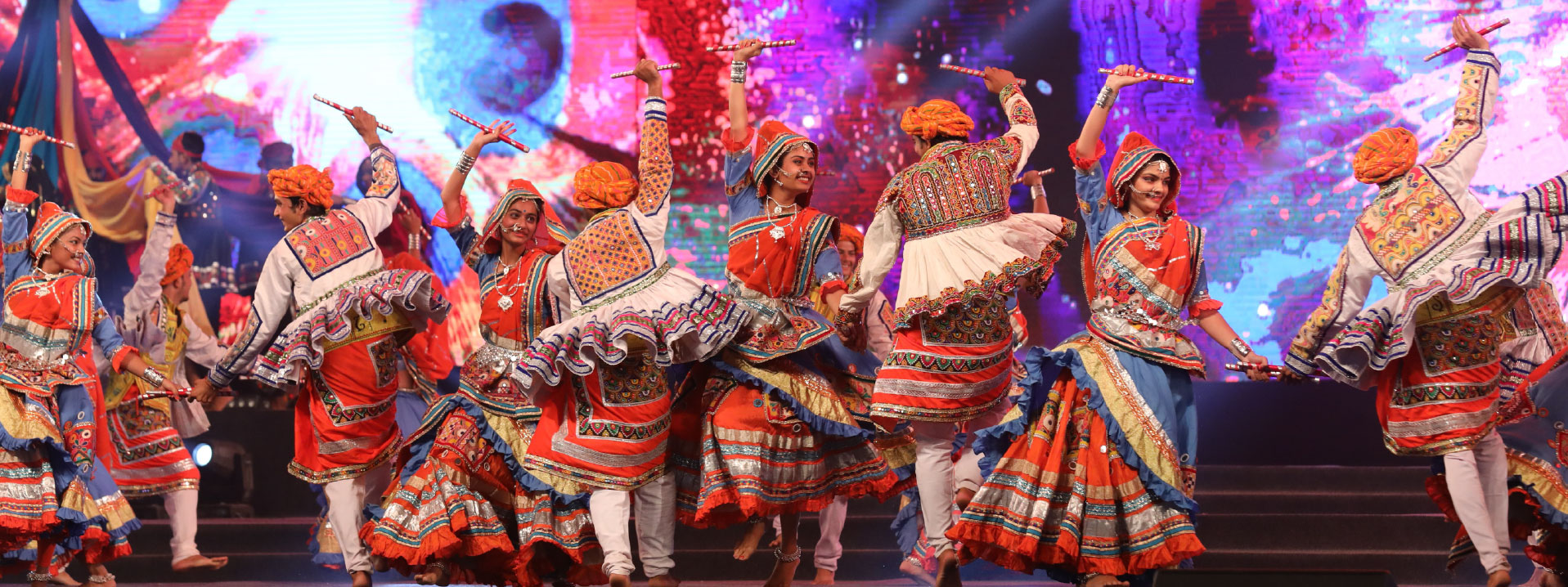
Festivals in Gujarat: Garba, Kutch Events & Seasonal Highlights
Experience Gujarat's vibrant festivals! Navratri Garba dances, Uttarayan kites, Rann Utsav white desert, Diwali celebrations & more. Complete guide to festival tourism in Gujarat.
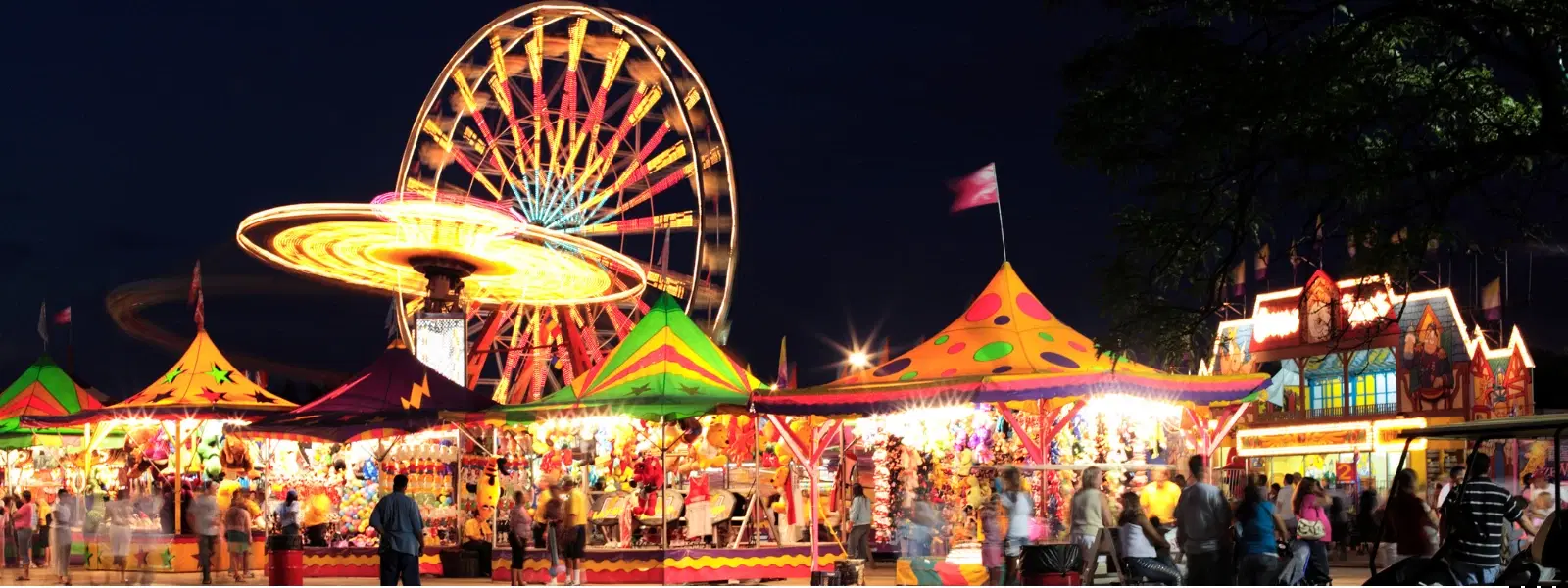
Goa Carnival: Parade Routes, Dates & Celebration Highlights
Experience Goa Carnival! Get dates, parade schedule, events, venues & complete festival guide. Join the vibrant Portuguese celebration in Goa.
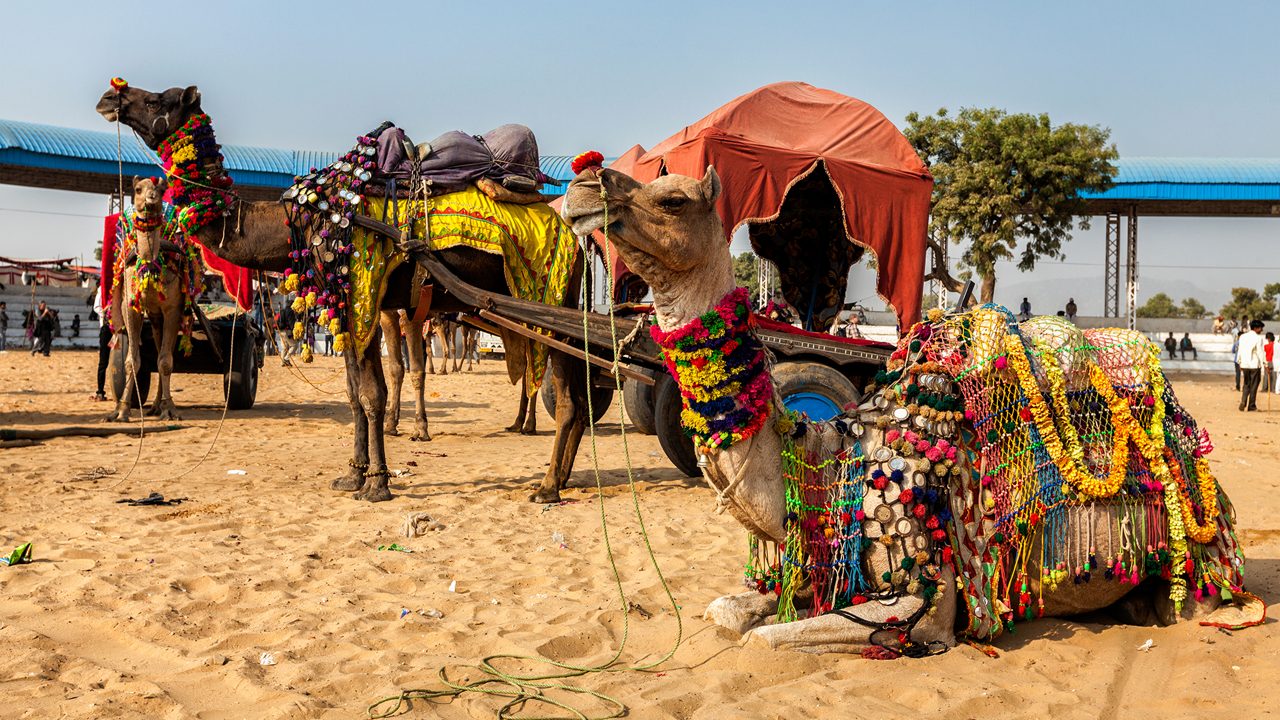
Pushkar Mela: Camel Fair Dates, Events & Rajasthan Trip Plan
Complete Pushkar Camel Fair Guide with 2025 dates, booking information, photography tips, accommodation, and travel advice for experiencing this iconic Rajasthan festival.
Never Miss an Adventure
Get the latest trekking guides, travel tips, and exclusive offers delivered straight to your inbox.
