
National Parks in Andaman: Marine Life, Forest Trails & Permit Basics

Rohan Malhotra
November 24, 2025
Explore National Parks in Andaman. Mahatma Gandhi Marine, Mount Harriet, Saddle Peak. Wildlife, trekking, tickets & best time to visit.
National Parks Andaman: Wildlife Paradise
The Andaman and Nicobar Islands, an archipelago of over 500 islands in the Bay of Bengal, harbor some of India's most pristine national parks and wildlife sanctuaries. From marine national parks protecting coral reefs and marine life to terrestrial reserves preserving unique island ecosystems, Andaman's protected areas represent a remarkable conservation success story. For nature enthusiasts, wildlife lovers, and anyone seeking pristine natural environments, Andaman's national parks deliver unforgettable encounters with exotic species and untouched habitats.
What makes Andaman's national parks truly special is their extraordinary biodiversity. These islands evolved in isolation, developing unique species found nowhere else on Earth. The parks protect everything from saltwater crocodiles and dugongs to Andaman wild pigs and turtles. From tropical rainforests to coral reefs, Andaman's ecosystems represent nature's remarkable creativity and adaptability.
The parks offer diverse experiences - marine national parks for underwater exploration, terrestrial sanctuaries for trekking and wildlife viewing, and biosphere reserves for comprehensive ecological appreciation. Whether you're a diver seeking coral reefs, a trekker wanting rainforest trails, or simply someone who appreciates nature's beauty, Andaman's national parks provide profound connections to wild India.
Top National Parks in Andaman
Mahatma Gandhi Marine National Park
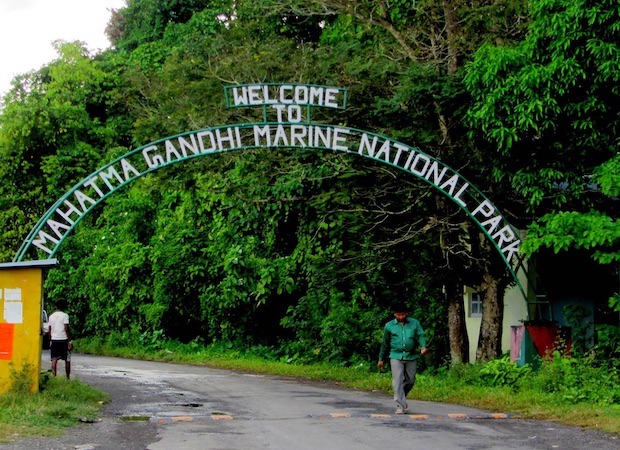
Established in 1983, Mahatma Gandhi Marine National Park is one of Andaman's premier marine conservation areas. Located in Wandoor, South Andaman, the park protects approximately 281 square kilometers of coral reefs, mangroves, and marine life. The park's creation represented India's commitment to conserving marine biodiversity in the island ecosystems.
The marine park's coral reefs are among the healthiest in Indian waters, supporting incredible marine life diversity. Over 271 coral species have been recorded here, creating underwater gardens of extraordinary color and complexity. The park also protects vital mangrove ecosystems that serve as nurseries for marine life and coastal protection against storms and erosion.
Mount Harriet National Park
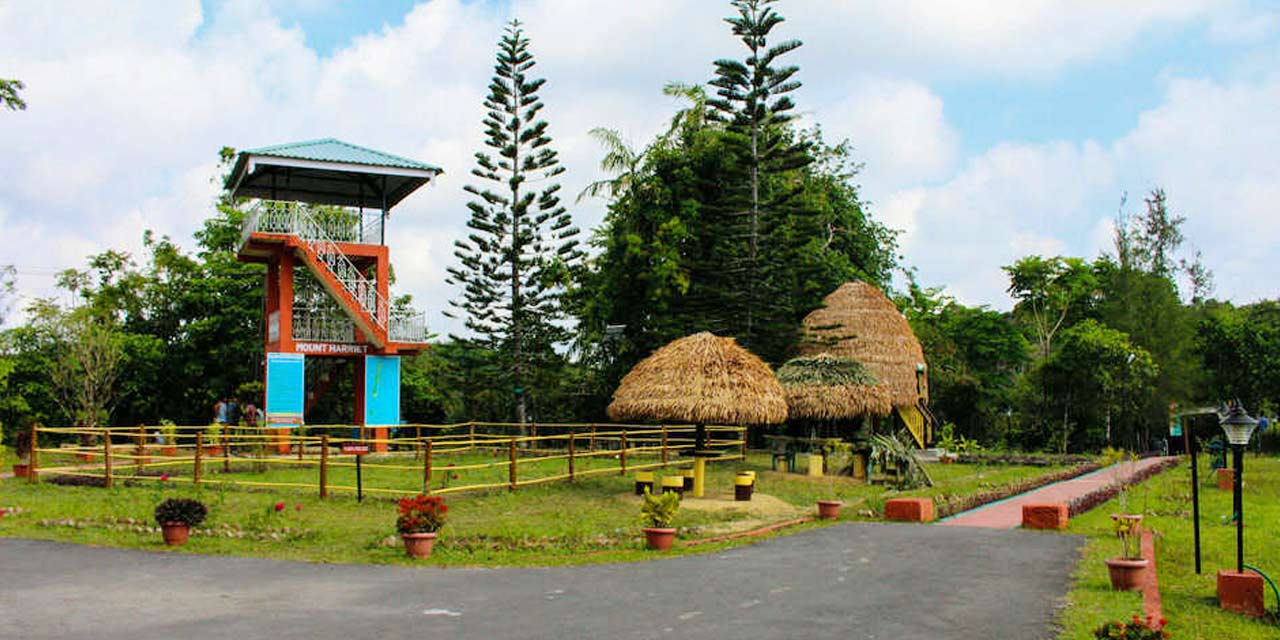
Mount Harriet National Park, established in 1979, represents Andaman's terrestrial conservation commitment. Located on South Andaman Island, this 47 square kilometer park protects island rainforests and their unique wildlife. The park was named after British officer Robert Harriet who served in Andaman and whose house the park headquarters once occupied.
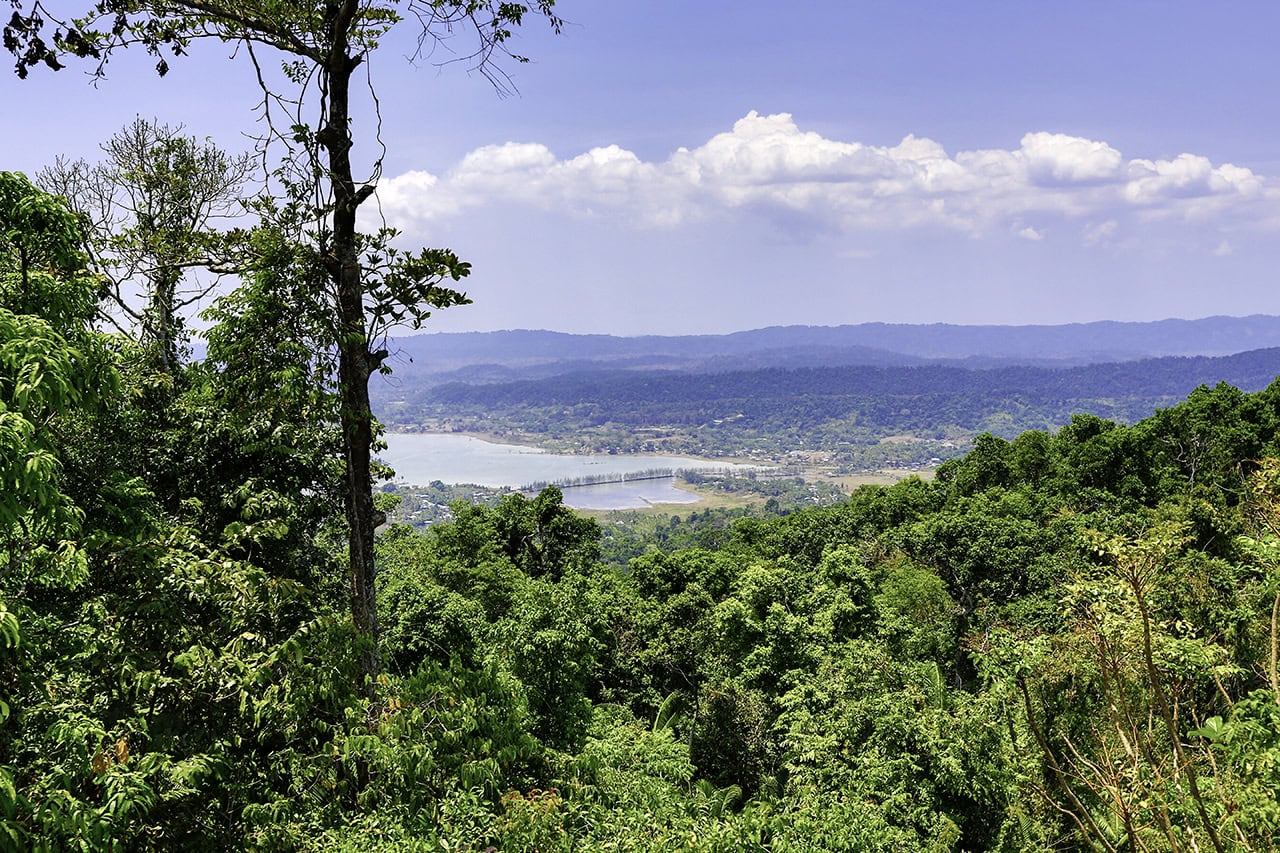
The park's centerpiece is Mount Harriet, rising 365 meters above sea level, the second-highest point in South Andaman. The mountain offers panoramic views of surrounding islands and ocean. Dense rainforests cloak the mountain, creating habitat for numerous endemic species including the Andaman wild pig, Andaman horseshoe bat, and various reptiles.
Saddle Peak National Park
Saddle Peak National Park, established in 1987, protects the highest point in Andaman and Nicobar Islands - Saddle Peak itself at 732 meters. Located on North Andaman Island, this 33 square kilometer park encompasses the peak and surrounding rainforest ecosystems. The park's elevation gradient creates diverse habitats from sea level to high-altitude cloud forests.
The park represents the highest-altitude terrestrial protected area in the archipelago. Saddle Peak's prominence makes it a landmark visible from much of North Andaman. The surrounding forests host unique species adapted to Andaman's island environments. The park offers trekking opportunities to reach the summit, rewarding hikers with spectacular views.
Rani Jhansi Marine National Park
Rani Jhansi Marine National Park, established in 1996, represents marine conservation in the Ritchie's Archipelago. Located near Havelock Island, the park protects approximately 256 square kilometers of coral reefs and marine life. The park was named in honor of Rani Lakshmibai of Jhansi who supported India's independence struggle.
The marine park's coral reefs support some of Andaman's most diverse marine ecosystems. The park's location in the Ritchie's Archipelago, a cluster of islands offering unique geographical and ecological conditions, provides particularly rich conservation value. Marine life here includes various coral species, reef fish, mollusks, and charismatic megafauna like turtles and dugongs.
Best Time to Visit
October to May - Optimal Season
The best time to visit Andaman's national parks is the dry season from October to May. During these months, rainfall is minimal, seas are calm, and visibility is excellent for marine activities and wildlife viewing. Temperatures remain comfortable (25-30°C), ideal for trekking and outdoor exploration.
This period coincides with peak tourist season, so expect more visitors and better facility operations. However, the excellent conditions justify the popularity. Marine visibility during these months can exceed 30 meters, making it perfect for diving and snorkeling. Trekking trails are accessible and safe. The dry weather means you can fully enjoy outdoor activities without monsoon disruptions.
Monsoon (June-September)
Monsoon in Andaman (June-September) brings heavy rainfall with averages exceeding 3000 millimeters. During this period, seas become rough with reduced visibility, trekking trails are slippery and potentially dangerous, and many outdoor activities become challenging. However, monsoon brings the islands to life with vibrant green landscapes.
Marine national parks remain open during monsoon, but diving conditions are suboptimal. Visibility can be minimal, and currents stronger. Trekking in rainforests is more challenging due to slippery conditions and leeches. The forests appear lush and beautiful, creating atmospheric landscapes. Only experienced visitors should attempt monsoon visits, and always prioritize safety.
Off-Season Advantages
May and June, at the transition between dry and monsoon seasons, offer advantages. Crowds are significantly reduced compared to peak dry season. Temperatures remain warm. Marine visibility is still good before heavy monsoon begins.
These shoulder periods provide quieter experiences in national parks. Accommodation options may be more available and possibly cheaper. Travel within Andaman is easier without peak season crowds. If you can plan around monsoon predictions, May and early June offer excellent value for those willing to accept some rain risk.
| Season | Temperature | Marine Visibility | Best For |
|---|---|---|---|
| Winter (Oct-May) | 25-30°C | Excellent (>20m) | Diving, snorkeling, trekking |
| Monsoon (Jun-Sep) | 25-30°C | Poor (<5m) | Less crowded, photography |
How to Reach
By Air to Port Blair
The primary gateway to Andaman is Port Blair, connected by flights from major Indian cities. To reach Andaman's national parks, you'll typically fly to Port Blair's Veer Savarkar Airport (IXZ). Direct flights operate from Delhi, Kolkata, Chennai, and Bangalore. The flight from Kolkata is shortest (approximately 2 hours).
From Port Blair, you'll connect to various islands via government ferries, private boats, or helicopters. For terrestrial parks like Mount Harriet and Saddle Peak, you'll travel by road from Port Blair across South Andaman or North Andaman Island respectively. Marine parks are reached by boat to nearby islands. Port Blair serves as the main hub for Andaman exploration.
Inter-Island Travel
Reaching different national parks requires inter-island transportation. Government ferries connect major islands on scheduled routes. These ferries are economical but slow, sometimes taking several hours between islands. Private speedboats offer faster transfers but at higher cost.
For example, reaching Mount Harriet (South Andaman) from Port Blair requires travel across the island. For Saddle Peak (North Andaman), you'll take ferries or potentially fly to Diglipur, then travel by road. Rani Jhansi Marine Park near Havelock requires boat transport from Port Blair. Always check ferry schedules in advance and allow buffer time for weather delays.
Permits and Permissions
Visiting national parks in Andaman requires obtaining permits from the Forest Department. Foreign nationals and even Indian citizens from other states need Restricted Area Permits (RAP). These permits are available in Port Blair and typically cost INR 500-1000 depending on duration.
Some areas within national parks require additional permissions, particularly tribal reserve zones. Trekking to certain peaks may require forest department approval. Scuba diving in marine parks may require permission from recognized operators. Always carry permit copies and ensure they're valid for your entire stay period. The permit system exists to protect both wildlife and tribal communities.
Wildlife and Marine Life
Marine Life
Andaman's marine national parks protect extraordinary biodiversity. Coral reefs support over 1,000 fish species including reef fish, pelagic fish, and sharks. The reefs themselves feature 271+ coral species creating underwater mosaics of stunning beauty and complexity.
Charismatic megafauna includes dugongs (sea cows), several turtle species including green sea turtles, and occasionally dolphins. The waters host various shark species, rays, and groupers. Invertebrates including colorful nudibranchs, mollusks, and crustaceans create spectacular diversity for underwater photographers.
Terrestrial Wildlife
Andaman's terrestrial parks protect unique island species evolved in isolation. Endemic mammals include the Andaman wild pig, found only in these islands, and Andaman horseshoe bat. Saltwater crocodiles inhabit mangroves and coastal areas within and around parks.
Reptile diversity is high, including various snake species, lizards, and turtles. Bird life includes both resident and migratory species, with over 270 bird species recorded across Andaman. The islands' isolation from mainland India allowed unique evolutionary pathways, creating wildlife found nowhere else on Earth.
Endemic Species
Andaman's most remarkable conservation story is its endemic species - animals found only in these islands. These include numerous reptile species, frogs, and insects. The Andaman wild pig, while not the most charismatic species, represents fascinating evolutionary adaptation to island life.
The endemic status means these species are extremely vulnerable to habitat loss and invasive species. Protected areas like national parks are crucial for their survival. Seeing these unique species in their natural habitat is a rare privilege that Andaman's conservation efforts make possible for visitors.
Trekking and Activities
Mount Harriet Trek
Mount Harriet offers one of Andaman's most accessible and rewarding treks. The trail to the 365-meter summit is well-marked and takes approximately 2-3 hours round trip. The trek passes through pristine rainforest, offering opportunities to spot endemic wildlife and experience island ecosystems.
The trek difficulty is moderate, suitable for most fitness levels. The summit provides panoramic views of South Andaman Island, neighboring islands, and the vast Bay of Bengal. The trek also visits Madhuban, the colonial-era governor's mansion that now serves as park headquarters, adding historical context to nature exploration.
Saddle Peak Trek
Saddle Peak, at 732 meters the highest point in Andaman and Nicobar, offers more challenging trekking. The trail to the summit requires approximately 4-6 hours round trip through changing rainforest zones. This trek rewards hikers with Andaman's highest altitude views.
The Saddle Peak area includes diverse ecosystems from lowland forests to high-altitude cloud forests. The trek passes through different vegetation types, maximizing wildlife viewing opportunities. From the summit, on clear days, you can see across multiple islands and sometimes even to Myanmar across the Andaman Sea. This trek is recommended for experienced hikers.
Marine Activities
Marine national parks like Mahatma Gandhi and Rani Jhansi offer exceptional underwater experiences. Scuba diving reveals Andaman's world-class coral reefs, with visibility exceeding 30 meters during dry season. Snorkeling provides easier access to reef shallows.
Popular dive sites include spots near Havelock for Rani Jhansi Marine Park and areas around Wandoor for Mahatma Gandhi Marine National Park. Liveaboard diving and snorkeling trips are readily available. Glass-bottom boats offer underwater views for non-divers. The marine parks protect some of India's most pristine coral ecosystems, providing world-class diving experiences.
Tickets and Permissions
Entry Fees
Entry to Andaman's national parks typically requires nominal fees. Indian citizens pay approximately INR 20-100 per park, while foreign nationals pay INR 100-500. Children and students often receive discounted rates. Fees vary by park and activities - marine parks may have separate boat charges.
These entry fees support park maintenance, conservation programs, and community development. Payment is typically accepted at park entrances and government offices. Carry cash as digital payment acceptance may be limited in remote park areas.
Permit Requirements
Restricted Area Permits (RAP) are mandatory for all visitors to Andaman and Nicobar Islands, including Indian citizens from other states and foreign nationals. These permits are available from the Forest Department office in Port Blair and cost INR 500-1000 depending on duration (typically 30 days).
Some national parks may require additional permissions for specific activities. Trekking beyond designated trails requires forest department approval. Professional photography and filming may need special permissions. Tribal reserve zones have restricted access to protect indigenous communities. Always carry multiple permit copies and ensure valid documentation throughout your stay.
Booking and Reservations
During peak season (December-April), national parks can experience high visitor numbers. While walk-in entry is typically available, booking accommodations in advance is crucial. Park entry is generally first-come, first-served, but getting to parks may require transport coordination.
For marine parks, boat transfers and diving equipment may need advance booking. Trekking during monsoon may be dangerous without proper planning and permits. Scuba diving should be arranged with recognized operators who know current conditions. Book inter-island ferries in advance during peak periods to ensure space.
Travel Tips
Conservation Awareness
Andaman's national parks represent conservation successes but face ongoing challenges. Practice responsible tourism by maintaining distance from wildlife, not removing any flora or fauna, and following designated trails. Avoid using plastic - the islands struggle with waste management.
Refrain from touching or feeding wildlife. Support local conservation efforts by using licensed operators for activities like diving and trekking. The parks exist to protect unique island ecosystems - your responsible behavior helps maintain their integrity for future generations.
Safety Considerations
Marine activities in Andaman have inherent risks - currents, waves, and marine life. Always dive or snorkel with reputable operators who follow safety protocols. Never swim alone in unpatrolled areas. Respect marine life - don't touch or harass turtles, coral, or other species.
Trekking safety includes staying on marked trails, carrying sufficient water, and informing park authorities of your plans. Rainforests contain potentially dangerous wildlife including saltwater crocodiles in some areas. Follow park guidelines about wildlife encounters. The islands' remote location means emergency response may be delayed - carry basic first aid and communication.
Conclusion
Andaman's national parks represent India's remarkable commitment to preserving island biodiversity. From marine national parks protecting pristine coral reefs to terrestrial sanctuaries safeguarding unique rainforests, these protected areas offer windows into nature's extraordinary creativity and resilience. The parks protect species found nowhere else on Earth.
For visitors, Andaman's national parks deliver profound connections to wild India. Whether diving through coral gardens, trekking rainforest trails, or simply absorbing pristine landscapes, these protected areas create memories that resonate deeply. The parks represent hope - that conservation can succeed even in small island ecosystems.
Extend your Andaman exploration by discovering more Andaman attractions, experiencing marine activities, or visiting iconic beach destinations like Neil's Cove for comprehensive understanding of these incredible islands.
Location
Frequently Asked Questions
Q1.How many national parks are in Andaman?
Q2.Which is the best national park in Andaman?
Q3.What is the best time to visit Andaman national parks?
Q4.What wildlife can I see in Andaman national parks?
Q5.Is scuba diving allowed in marine national parks?
Q6.Are there trekking trails in Mount Harriet?
Q7.What is the entry fee for Mahatma Gandhi Marine National Park?
Q8.Do I need permits to visit Saddle Peak?
Q9.How to reach Mount Harriet National Park?
Q10.Are guides available for trekking?
Q11.What is the best way to explore marine parks?
Recommended For You
Andaman Complete: Plan Islands Weather And Activities
Complete Andaman travel guide featuring Havelock, Neil Island, Port Blair, scuba diving, beaches, best time to visit, ferry & practical tips.
Andaman in October: Complete Guide to Post-Monsoon Paradise
Discover Andaman in October - post-monsoon paradise with lush landscapes, clear waters, fewer crowds & great value. Complete guide to weather, activities, ferry services & itineraries.
Great Andaman Biosphere Reserve: Ecosystem, Access & Responsible Travel
Understand the Great Andaman biosphere topic with clear UNESCO context, Jarawa protection rules, permit basics, ATR conduct, and ethical Andaman travel guidance.
Never Miss an Adventure
Get the latest trekking guides, travel tips, and exclusive offers delivered straight to your inbox.
