
ISKCON Temple Chandigarh: Darshan Timings, Aarti & Location Details

Rohan Malhotra
February 20, 2026
Visit ISKCON Temple Chandigarh. Know aarti timings, prasadam, how to reach, festivals & best time to visit.
Introduction: Spiritual Haven in City Beautiful
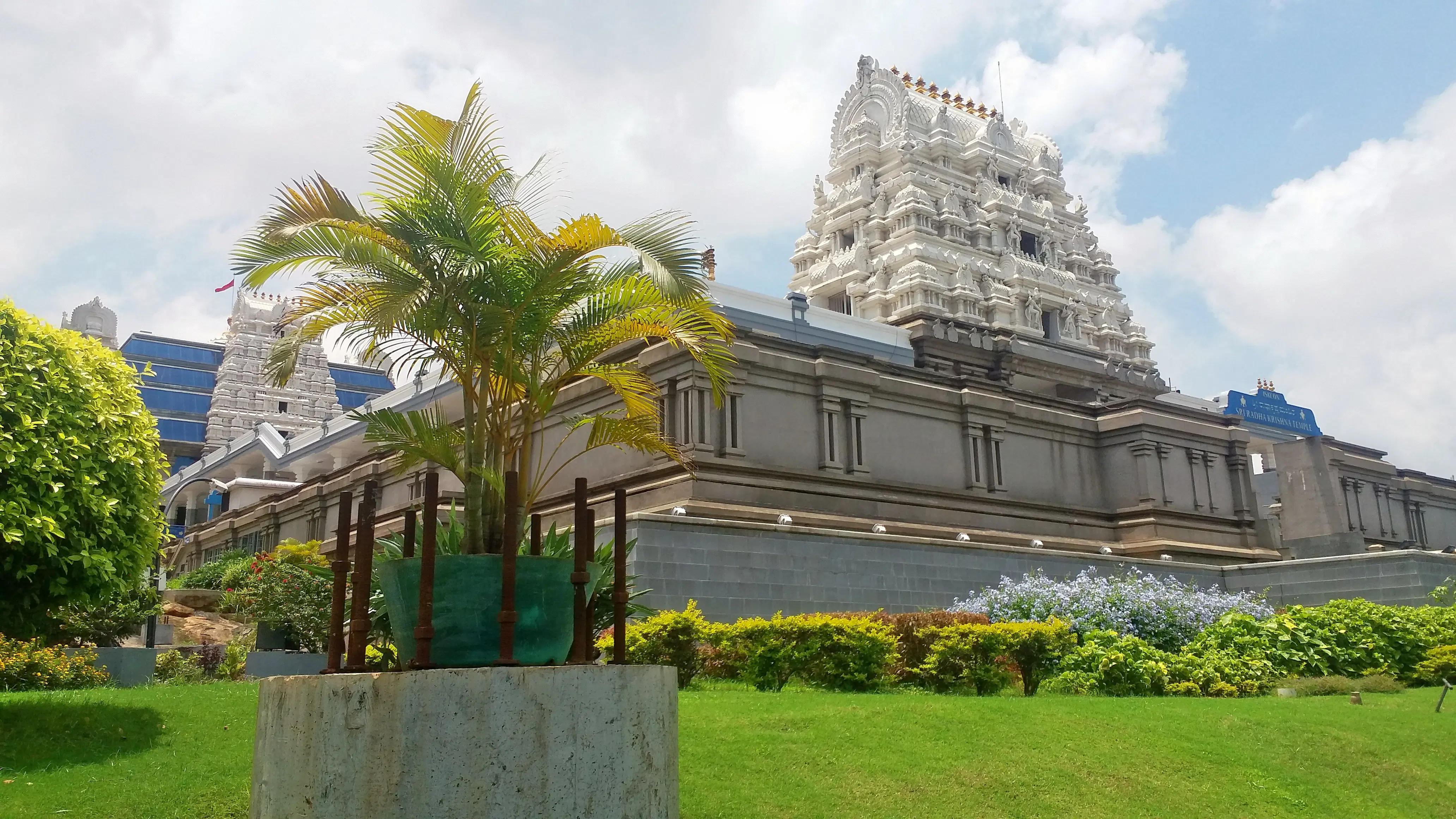
ISKCON Temple in Chandigarh stands as one of the most significant spiritual and architectural landmarks in this modern planned city. Dedicated to Lord Krishna and Radha, the temple represents devotion while embodying the architectural philosophy that defines Chandigarh's unique city character. As one of the most prominent ISKCON temples in India, it attracts devotees from across the country while serving as a cultural landmark for the city.
The temple's setting in Sector 17-B positions it within Chandigarh's carefully planned urban fabric, creating a harmonious contrast between modern cityscape and traditional temple architecture. The spacious temple complex provides not just a place of worship but a center for spiritual activities, cultural education, and community gatherings. For those exploring ISKCON temples across India, the ISKCON Temple Delhi and ISKCON Temple Mumbai offer similar spiritual experiences with their own unique architectural features.
This comprehensive guide covers ISKCON Temple Chandigarh's history, architectural features, daily schedules, aarti timings, prasadam offerings, and practical visitor information. Whether you're a devotee planning a spiritual visit, an architecture enthusiast interested in modern temple design, or a cultural tourist exploring Chandigarh's heritage, this temple delivers a complete experience.
About ISKCON Temple Chandigarh
ISKCON Temple Chandigarh is part of the International Society for Krishna Consciousness (ISKCON), a global organization dedicated to promoting Vedic culture and spiritual values. ISKCON temples worldwide are known for their devotion to Lord Krishna, adherence to Vaishnavism traditions, and role in preserving and propagating Hindu spiritual heritage.
Historical Development: The Chandigarh temple was established to serve the growing Krishna devotee community in the city and surrounding regions. Its construction represents ISKCON's mission to create centers of spiritual education and cultural preservation. The temple has grown significantly since its establishment, both in terms of physical infrastructure and community reach.
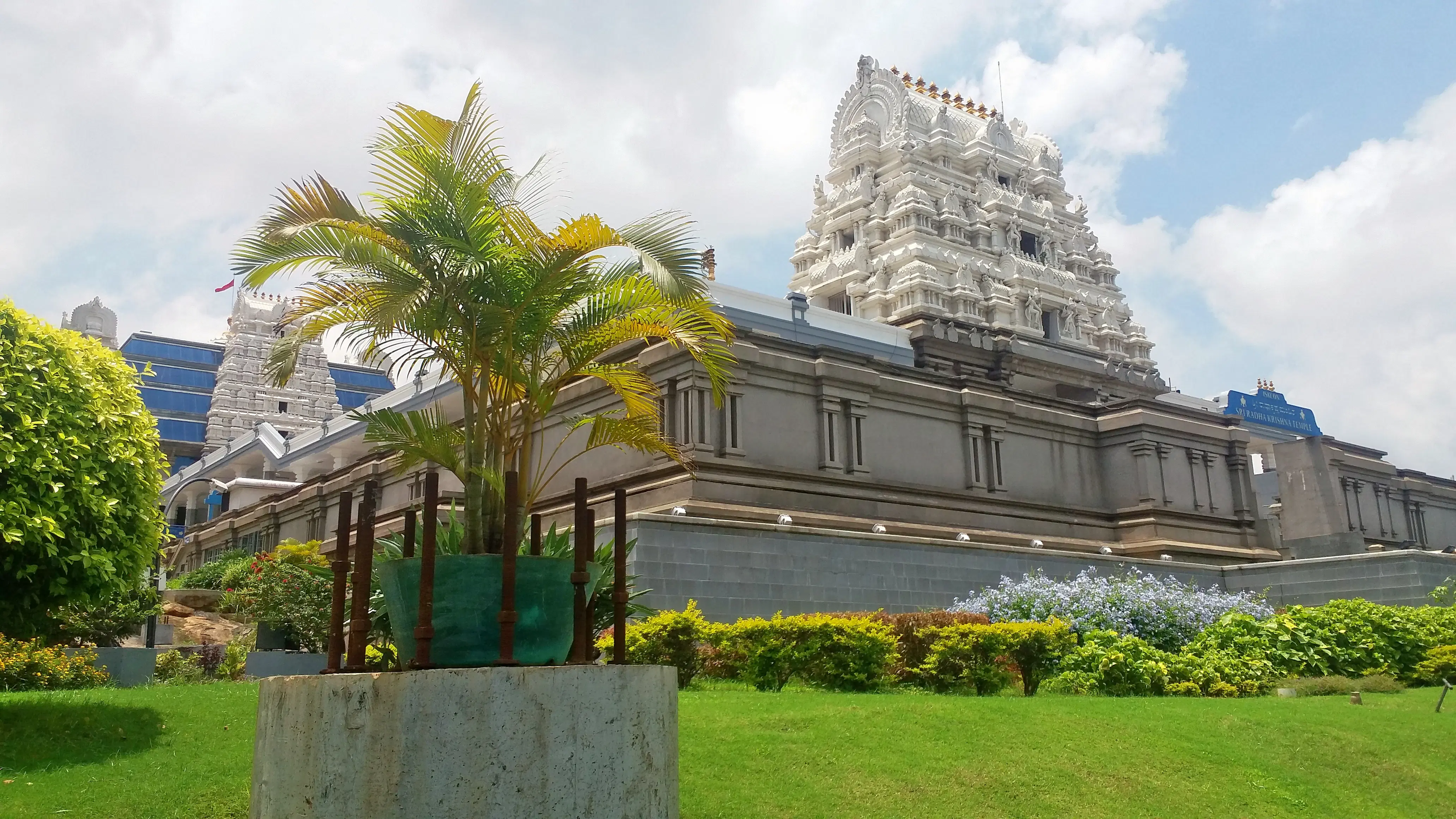
Architectural Significance: The temple combines traditional Vedic temple architecture with modern construction techniques. The design features the classic temple elements—sanctum, temple hall, and deity shrines—while incorporating contemporary materials and engineering. The white marble exterior with gold accents creates a striking visual statement.
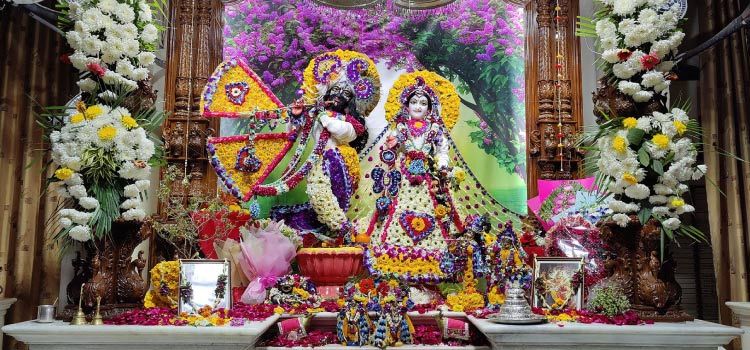
Deities Enshrined: The primary deities worshipped at ISKCON Temple Chandigarh are Lord Krishna and Radha. These principal deities occupy central positions within the temple complex. The temple also houses images of other deities from the Hindu pantheon, reflecting the broader Vaishnavite tradition while maintaining Krishna worship as the primary focus.
Community Role: Beyond serving as a place of worship, the temple functions as a community center. It conducts spiritual education programs, cultural classes teaching Vedic scriptures, and activities for children and youth. The temple's distribution of prasadam and community service programs extend its spiritual mission into social welfare.
| Aspect | Details |
|---|---|
| Location | Sector 17-B, Chandigarh |
| Organization | ISKCON International |
| Primary Deities | Lord Krishna and Radha |
| Architecture Style | Traditional Vedic with modern elements |
| Community Programs | Spiritual education, cultural activities |
Temple Architecture & Features
ISKCON Temple Chandigarh's architecture creates a unique spiritual space that blends tradition with modernity. The temple's design reflects both Vedic architectural principles and contemporary construction standards, resulting in a structure that is both authentic and innovative.
Main Temple Building: The central temple structure features the main sanctum where the deities reside. The sanctum is traditionally designed facing west, following Vastu Shastra principles. The sanctum area is open to devotees during most hours, with special curtains drawn only during private ceremonies. The interior features traditional temple elements including intricate carvings and sacred decorations.
Temple Hall: The spacious temple hall accommodates devotees during aarti, festivals, and special ceremonies. The hall provides excellent acoustics for devotional singing and chanting. Its design allows unobstructed views of the sanctum for devotees participating in rituals. The temple hall also features beautiful marble floors and decorative elements that enhance the spiritual atmosphere.
Deity Shrines: Radha and Krishna have dedicated shrines within the temple complex. These shrines are elaborately decorated and allow devotees to offer prayers directly to specific deities. The shrines feature traditional motifs and artwork depicting pastimes of the deities, creating intimate worship spaces within the larger temple.
Exterior Design: The temple's exterior features pristine white marble with traditional gold accents. The main entrance features beautifully carved doors depicting themes from Krishna's life. The temple's shikhara, or dome, follows traditional North Indian temple architecture while incorporating modern construction techniques.
Meditation and Quiet Areas: The temple complex includes designated spaces for meditation and spiritual reflection. These areas provide peaceful retreat from the main temple activities, allowing devotees to engage in personal prayer or meditation. The design acknowledges the importance of inner spiritual practices alongside communal worship.
Aarti Timings & Daily Schedule
The daily schedule at ISKCON Temple Chandigarh follows traditional temple timings, with specific aarti ceremonies forming the spiritual rhythm of temple life. Understanding this schedule helps devotees plan their visits appropriately.
Morning Aarti: The first aarti of the day typically occurs around 7:30 AM during mangala aarti. This early morning ceremony marks the temple's opening and creates spiritual energy for the day ahead. Devotees attending mangala aarti experience the temple's peaceful atmosphere and receive Krishna's first darshan of the day.
Midday Aarti: A second aarti ceremony is conducted around 12:30 PM during rajabhoga aarti. This midday aarti provides an opportunity for devotees who cannot attend the morning ceremony. The temple is generally less crowded during this time, offering more intimate worship experience.
Evening Aarti: The final aarti of the day occurs around 7:00 PM during shayana aarti. This evening ceremony concludes the temple's daily worship cycle. The atmosphere during evening aarti is particularly spiritual, and the ceremony often attracts more devotees due to work and school schedules.
Darshan Hours: Between aarti ceremonies, the temple remains open for darshan. Devotees can have personal viewing of the deities during this time. The temple also offers opportunity for circumambulation of the deities, an important devotional practice in Vaishnavism.
Day-Specific Schedule: The temple's exact timings may vary slightly based on festival days, ekadashi, or special events. Regular days typically follow the aarti schedule, but devotees should check current timings before planning visits, especially during festival seasons when additional ceremonies may be conducted.
| Ceremony | Approximate Timing | Duration | Significance |
|---|---|---|---|
| Mangala Aarti | 7:30 AM | ~30 minutes | Temple opening, first darshan |
| Rajabhoga Aarti | 12:30 PM | ~30 minutes | Midday offering opportunity |
| Shayana Aarti | 7:00 PM | ~30 minutes | Evening ceremony, temple closing |
| Darshan Window | Between aartis | Variable | Personal deity viewing |
Prasadam & Food Facilities
ISKCON Temple Chandigarh maintains the temple tradition of offering prasadam to all devotees. The prasadam distribution system ensures that everyone who attends the temple receives Krishna's mercy in the form of blessed food.
Prasadam Variety: The temple offers different types of prasadam on different occasions. Standard prasadam typically includes khichdi, subji, and halwa. On festival days and special Sundays, the prasadam menu becomes more elaborate with multiple dishes and special preparations. All prasadam is prepared following traditional recipes and strict cleanliness standards.
Distribution System: The temple has organized prasadam distribution to manage large crowds, especially during festivals. Tokens or coupons may be issued to maintain order and ensure fairness. Devotees collect prasadam in designated areas, creating an orderly system that respects both spiritual tradition and practical considerations.
Dietary Considerations: ISKCON temples typically prepare prasadam without onion and garlic, in accordance with Vaishnavite principles. This makes the prasadam suitable for all devotees while maintaining authentic flavor. The temple may occasionally offer special prasadam varieties during festivals.
Annakuta Offerings: On special occasions, devotees can offer annakuta, or special offerings, to the deities. The temple provides guidelines on appropriate offerings and procedures for those who wish to make special contributions. These offerings are an expression of devotion and are received with proper rituals.
Food for Children: The temple recognizes the needs of families with children and ensures that prasadam is child-friendly. Special arrangements for distributing prasadam to children may be available. The temple also conducts programs specifically for children's spiritual education.
Festivals & Celebrations
ISKCON Temple Chandigarh celebrates major Vaishnavite festivals with grandeur and devotion, transforming the temple into a vibrant spiritual center during these occasions. These festivals attract large crowds and create unforgettable devotional experiences.
Janmashtami: The celebration of Lord Krishna's birth is one of the most important festivals at ISKCON Temple Chandigarh. The temple organizes elaborate abhishekam (ritual bathing) of the deities, midnight celebrations with devotional singing, and special prasadam distribution. Devotees fast and stay awake throughout the night, culminating in Krishna's darshan at dawn.
Radhastami: This festival honoring Radha is celebrated with great devotion approximately two weeks after Janmashtami. The temple holds special ceremonies for Radha, and her shrine is elaborately decorated. Devotees fast on this day and participate in bhajans and kirtans dedicated to Radha's pastimes.
Ramanavami: The appearance of Lord Rama is celebrated with readings of the Ramayana and special aarti ceremonies. The temple's programs include devotional discourses on Rama's glories and recitations of key episodes. The celebration focuses on hearing Rama's story and developing devotion to both Rama and Krishna.
Govardhan Puja: This day honoring Govardhan Hill, where Krishna lifted the Govardhan mountain, is celebrated with special worship and enthusiasm. The temple organizes processions or special decorations commemorating this significant pastime. Devotees participate in chanting and offer special prayers throughout the day.
Nauka: This 11-day period of intense devotion attracts devotees seeking spiritual growth. The temple conducts additional ceremonies, spiritual discourses, and community activities during Nauka. Many devotees take partial or complete fasting and spend extended time in temple activities during this period.
Special Sunday Programs: Beyond daily worship, the temple conducts special programs on Sundays, which may include cultural performances, spiritual lectures, or community gatherings. These programs provide opportunities for devotees to deepen their understanding and connect with the broader community.
How to Reach & Location
ISKCON Temple Chandigarh's central location in Sector 17-B makes it easily accessible from various parts of the city. Understanding transportation options helps you plan your visit efficiently.
From Chandigarh Bus Stand: The temple is approximately 8-10 kilometers from the main ISBT bus stand in Sector 17. Local taxis, auto-rickshaws, and city buses provide convenient connections. The journey through Chandigarh's well-planned sectors takes about 20-30 minutes depending on traffic. If you're visiting other spiritual destinations in North India, the ISKCON Temple Kanpur is also well-connected by road.
From Railway Station: Chandigarh Railway Station is approximately 12 kilometers from the temple. Taxis and auto-rickshaws are available at the station. The journey to Sector 17-B from the railway station takes about 30-40 minutes depending on traffic and route taken.
From Airport: Chandigarh Airport is approximately 15 kilometers from ISKCON Temple. Pre-paid taxis and ride-sharing services provide convenient transportation. The airport journey typically takes 30-45 minutes to reach the temple area.
By Private Vehicle: Those driving can park in designated areas around the temple complex. Parking is generally available, though it may fill during major festivals or aarti times. The temple's location in Sector 17-B is easily accessible by private vehicles with good road connectivity.
Local Transportation: Chandigarh has an efficient public transportation system. Local buses connect Sector 17-B with other parts of the city. Auto-rickshaws provide convenient point-to-point service. For those unfamiliar with the city, ride-sharing apps offer reliable transportation options.
Location Significance: The temple's location in Chandigarh, India's first planned city, is particularly meaningful. Chandigarh's urban design incorporates spiritual and cultural elements like ISKCON Temple, creating a city that respects both modern efficiency and traditional values. The temple serves as a spiritual anchor in the city's development.
Visitor Guidelines
Visiting ISKCON Temple Chandigarh is a rewarding spiritual experience, especially when following temple traditions and guidelines. These tips ensure respectful and meaningful visits.
Dress Code: While ISKCON temples are generally accommodating, modest dress is appropriate. Men should wear dhoti or pants with shirts covering shoulders. Women should wear sarees or salwar kameez with dupattas. Avoid shorts, sleeveless tops, or revealing clothing out of respect for the sacred space.
Behavior: Maintain silence within the temple complex, especially during ceremonies and aarti. Devotional activities like kirtan and japa require focused concentration, so avoid unnecessary conversations or phone use. Photography may be restricted during aarti ceremonies—check with temple authorities.
Offerings: If making offerings, use the temple's designated procedures or consult with temple priests. Cash donations are commonly accepted in designated boxes. The temple provides opportunities for seva, or voluntary service, which many devotees find spiritually fulfilling.
Photography: Photography for personal use is generally permitted outside the temple complex. However, photography during aarti and inside the sanctum may be restricted. Always ask permission before taking photos, especially during ceremonies. Respect others' privacy and devotion when taking photographs.
Festival Preparation: During major festivals, arrive early as queues can be long. Bring water and light snacks, especially for fasting. Be prepared for extended hours during night festivals. Consider booking accommodation nearby if you plan to stay until late ceremonies complete.
Conclusion
ISKCON Temple Chandigarh stands as a beacon of devotion and culture in India's modern planned city. The temple successfully brings traditional spiritual practices into contemporary urban settings, creating a space where ancient wisdom meets modern life. Its role extends beyond worship to education, community service, and cultural preservation.
For devotees, the temple offers a complete spiritual experience—from powerful aarti ceremonies that connect individuals with the divine, to the distribution of prasadam that represents Krishna's mercy, to educational programs that deepen understanding. The beautiful architecture creates an inspiring environment for devotion and contemplation.
For visitors, even those not familiar with ISKCON traditions, the temple provides insight into contemporary Hindu spiritual practice and the global ISKCON movement. The peaceful atmosphere and spiritual energy make it a place of reflection regardless of one's background.
Planning a visit involves understanding the daily schedule, respecting dress codes and temple etiquette, and preparing for festival experiences. Whether attending a regular day's aarti or a major festival celebration, ISKCON Temple Chandigarh delivers authentic and transformative spiritual experiences.
Travelers exploring ISKCON temples across North India often compare this experience with ISKCON Temple Ahmedabad or the flagship ISKCON Temple Indore, both of which share similar architectural and devotional traditions.
Location
Frequently Asked Questions
Q1.Where is ISKCON Temple Chandigarh located?
Q2.What are the timings of ISKCON Temple Chandigarh?
Q3.When is aarti performed at ISKCON Temple Chandigarh?
Q4.Is there any dress code for ISKCON Temple Chandigarh?
Q5.How to reach ISKCON Temple Chandigarh by bus?
Q6.What festivals are celebrated at ISKCON Temple Chandigarh?
Q7.Is prasadam free at ISKCON Temple Chandigarh?
Q8.Can foreigners visit ISKCON Temple Chandigarh?
Q9.What should I carry when visiting ISKCON Temple Chandigarh?
Q10.Can we take photos inside ISKCON Temple Chandigarh?
Recommended For You
15 Famous Temples in Delhi: Timings, Routes & Darshan Highlights
Explore 15 famous temples in Delhi. From Akshardham to Lotus Temple, discover spiritual sites, timings & entry details.
ISKCON Temple Ahmedabad: Timings, Aarti Schedule & Visit Tips
Visit ISKCON Temple Ahmedabad (Sri Sri Radha Govind Dham). Check darshan timings, aarti schedule, history, and how to reach.
ISKCON Temple Indore: Darshan Timings, Temple History & Visitor Info
Visit ISKCON Temple Indore (Sri Sri Radha Ratnabihari). Check darshan timings, aarti schedule, history, and how to reach.
Never Miss an Adventure
Get the latest trekking guides, travel tips, and exclusive offers delivered straight to your inbox.
