
ISKCON Temple Delhi: Timings, Aarti Schedule & Festival Calendar

Priya Mehta
January 29, 2026
Visit ISKCON Temple Delhi! Get timings, aarti schedule, Janmashtami celebrations, how to reach, and complete travel guide for East of Kailash temple.
A Spiritual Haven in East of Kailash
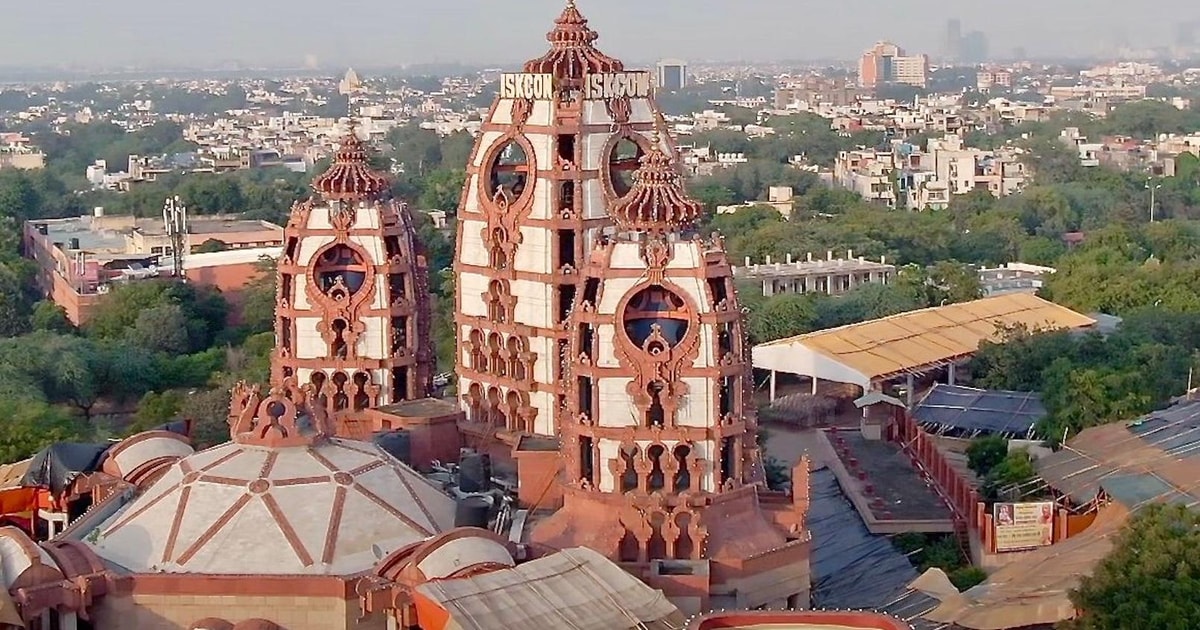
Nestled in the upscale neighborhood of East of Kailash in South Delhi, the ISKCON Temple stands as one of the most beautiful and prominent religious landmarks in India's capital. Officially known as the ISKCON Temple Delhi or Sri Sri Radha Parthasarathi Mandir, this magnificent structure attracts thousands of devotees and tourists daily who come to experience its divine atmosphere and architectural grandeur. For those exploring other spiritual destinations in Delhi, the nearby Lotus Temple and Akshardham Temple are also must-visit landmarks.
What sets this temple apart is not just its stunning red sandstone architecture or the beautifully decorated deities, but the overwhelming sense of peace that envelops you the moment you step inside. In a city as chaotic as Delhi, finding a sanctuary where the mind can quiet down and the soul can connect with the divine is truly special. The ISKCON Temple offers exactly that - a space where spirituality meets modernity, and ancient traditions come alive through vibrant celebrations and devoted worship.
Whether you're a devotee seeking blessings, a traveler interested in exploring Delhi's spiritual landscape, or someone simply looking for a peaceful retreat, this temple has something to offer everyone. From the early morning Mangala Aarti to the grand celebrations of Janmashtami, every moment here is filled with devotion, music, and the sweet chanting of the Hare Krishna maha-mantra.
History and Establishment
The ISKCON Temple Delhi was established in 1998, though the foundation for this magnificent structure was laid several years earlier. The temple was built by the ISKCON Bangalore group under the inspiration and guidance of Srila Prabhupada, the founder-acharya of the International Society for Krishna Consciousness. The project took approximately five years to complete and was inaugurated by the then Prime Minister of India, Atal Bihari Vajpayee, in the presence of senior ISKCON leaders and thousands of devotees.
The temple's establishment was part of Srila Prabhupada's vision to create centers of Krishna consciousness and Vedic culture across the world. He believed that modern society needed spiritual solutions to its problems, and the practice of bhakti-yoga (devotional service to Krishna) offered a path to true happiness and fulfillment. The Delhi temple has grown from a modest beginning to become one of the most visited ISKCON temples in India, attracting not just devotees but also tourists, students, and spiritual seekers.
Over the years, the temple complex has expanded to include various facilities like the GLA Museum (Gallery of Living Arts), a large auditorium for cultural programs, Govinda's restaurant serving delicious vegetarian food, and a well-stocked book shop. These additions have transformed the temple from a place of worship into a complete spiritual and cultural center.
Temple Architecture
The ISKCON Temple Delhi is a masterpiece of modern temple architecture that beautifully blends traditional North Indian temple design with contemporary construction techniques. The most striking feature is the use of red stone on the exterior, which gives the temple its characteristic warm appearance, especially when illuminated by sunlight.
Exterior Design
The temple's shikharas (spires) rise majestically above the surrounding landscape, creating a striking silhouette against the Delhi skyline. The main shrine features multiple shikharas of varying heights, with the tallest one reaching up to 90 feet. The exterior walls are adorned with intricate carvings depicting scenes from Krishna's pastimes, stories from the Bhagavad Gita, and motifs from Hindu mythology.
Interior Design
The interior of the temple is equally impressive, with marble flooring that stays cool even during Delhi's scorching summers. The main prayer hall is air-conditioned and can accommodate over 1,500 devotees at a time. The ceiling features beautiful paintings depicting the various pastimes of Lord Krishna - from his childhood leelas in Vrindavan to his role as the charioteer in the Kurukshetra war.
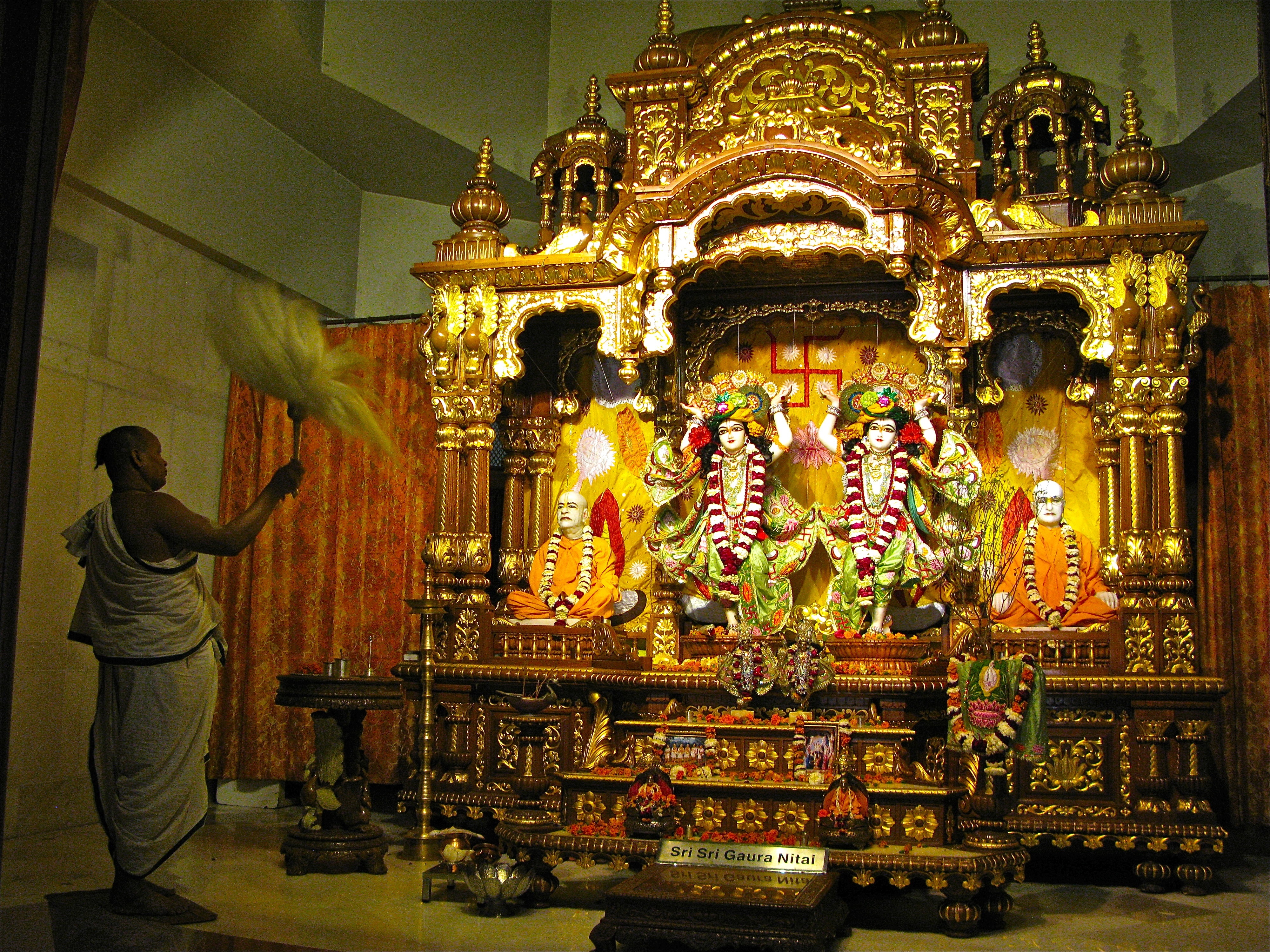
The most magnificent aspect of the interior is the gold-plated altar where the main deities are installed. The altar features intricate carvings and is beautifully decorated with fresh flowers every morning. The lighting is designed to highlight the deities and create a divine ambiance during aartis.
Courtyard and Complex
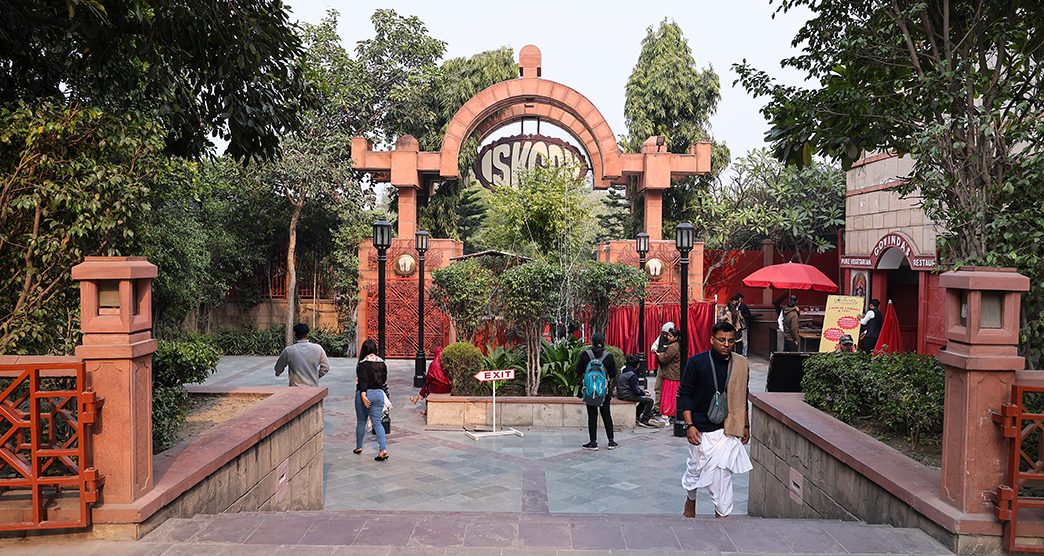
The temple complex includes a spacious courtyard with a fountain, seating areas, and well-maintained gardens. The open space is used for various activities including kirtan performances, book distribution, and festivals. The entire complex is kept impeccably clean, reflecting the ISKCON emphasis on purity both internal and external.
Deities of the Temple
The presiding deities of ISKCON Temple Delhi are Sri Sri Radha Parthasarathi. Radha and Krishna are worshipped here as Parthasarathi, which means "charioteer of Arjuna" - referring to Krishna's role in the Bhagavad Gita where he serves as Arjuna's charioteer and delivers the divine discourse.
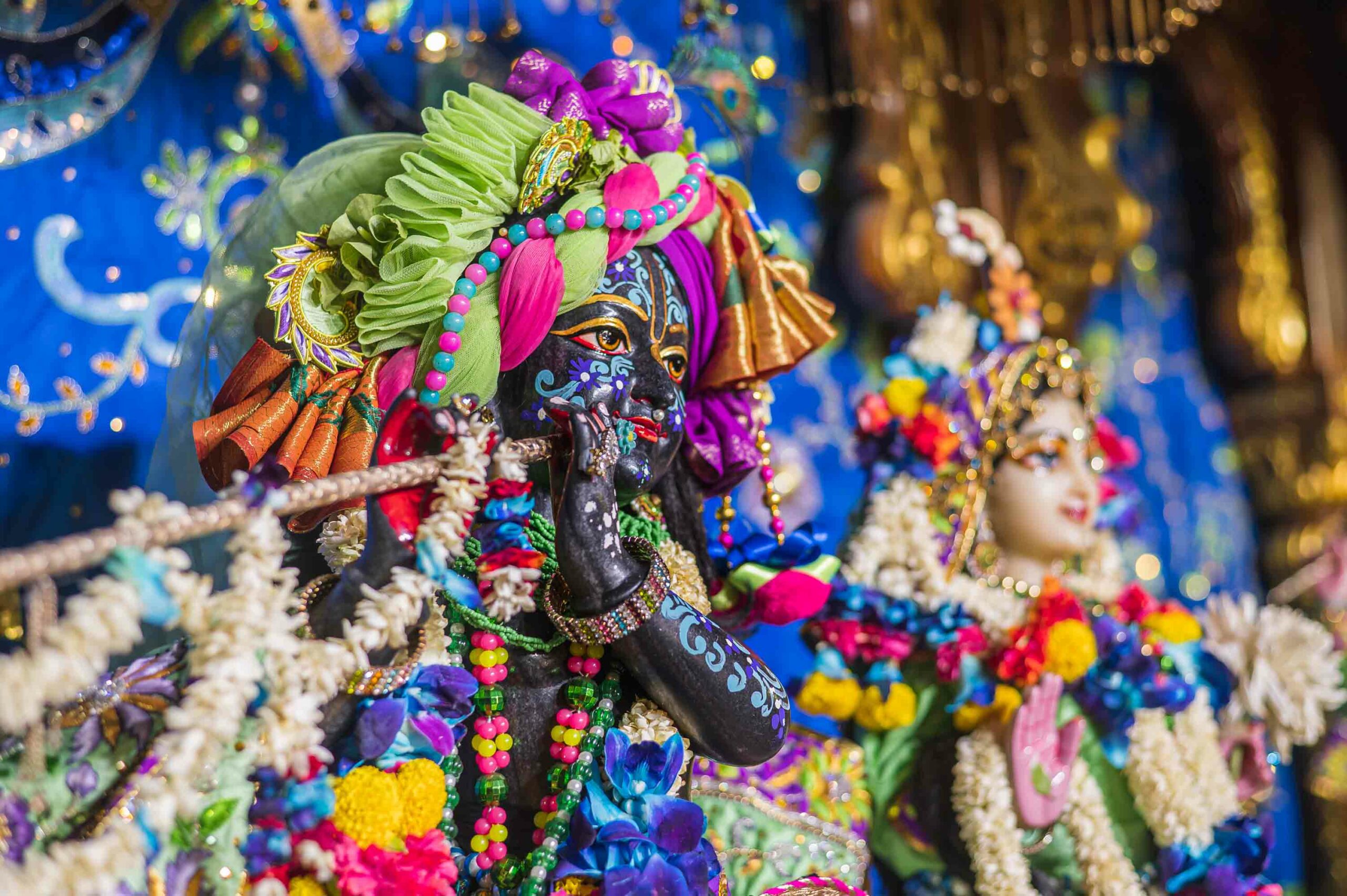
The deities are exquisitely carved and are considered some of the most beautiful in all ISKCON temples worldwide. They are decorated with different outfits, jewelry, and flowers every day, making each darshan unique. The deities are worshiped according to strict Vaishnava traditions with multiple aartis and bhog offerings throughout the day.
Other Deities
In addition to Radha Parthasarathi, the temple altar features other deities including Sita, Ram, Lakshman, and Hanuman (Ram Darbar) and Gaura Nitai (Chaitanya Mahaprabhu and Nityananda Prabhu). Each deity has its own significance and is worshipped with specific rituals. The presence of multiple deities allows devotees to offer prayers to different forms of the divine.
Daily Worship
The deities are given a ceremonial bath (abhishekam) every morning, dressed in fresh outfits, offered food (bhog) six times a day, and put to rest with the shayan aarti at night. Each ritual is accompanied by specific mantras and songs. The deity worship here follows the standards established by Srila Prabhupada and creates a powerful spiritual atmosphere that devotees can experience during their visit.
ISKCON Temple Delhi Timings
The temple follows a strict schedule throughout the year, with slight variations between summer and winter months to align with sunrise times. The temple opens early in the morning and remains open till late at night, with multiple aartis and darshan periods.
Regular Timings (Summer - April to September)
Morning Session:
- Mangala Aarti: 4:30 AM - The first aarti of the day, most auspicious, attended by devoted followers
- Darshan: 4:45 AM - 1:00 PM
- Tulsi Aarti: 5:15 AM
- Sringar Aarti: 7:15 AM
- Gopal Aarti: 7:45 AM
- Raj Bhog Aarti: 12:30 PM - Midday aarti with main bhog offering
Afternoon Break: 1:00 PM - 4:00 PM (Temple closes)
Evening Session:
- Usthapan Aarti: 4:00 PM - Temple reopens
- Sandhya Aarti: 7:30 PM - Most popular aarti, largest gathering
- Shayan Aarti: 8:30 PM - Final aarti, deities retire for the night
- Temple Closes: 9:00 PM
Regular Timings (Winter - October to March)
Morning Session: 5:00 AM - 1:00 PM
Afternoon Break: 1:00 PM - 4:00 PM
Evening Session: 4:00 PM - 8:30 PM (Sandhya Aarti at 7:00 PM)
Sunday Program
Sundays are special at ISKCON Temple Delhi. The temple organizes a special program that includes:
- Spiritual Discourse: 12:00 PM - Learn about Bhagavad Gita and Vedic philosophy
- Sunday Feast: 1:00 PM - Free prasadam distribution
- Extended Evening: The temple remains open till 9:30 PM on Sundays
Aarti Schedule
The temple conducts eight aartis every day, each with its own significance and atmosphere. Understanding the aarti schedule can help you plan your visit better.
Mangala Aarti (4:30 AM / 5:00 AM)
This is the first aarti of the day and is considered the most auspicious. The atmosphere is peaceful and meditative, with only the most dedicated devotees in attendance. The deities are woken up with this aarti, and offering prayers at this time is believed to be especially meritorious.
Tulsi Aarti (5:15 AM / 5:45 AM)
This aarti is dedicated to Tulsi devi, who is considered a great devotee of Lord Krishna. The Tulsi plant is worshipped in Hindu tradition, and this aarti marks the morning prayers to Tulsi.
Sringar Aarti (7:15 AM / 7:45 AM)
The Sringar Aarti marks the dressing of the deities. After their morning bath, the deities are dressed in beautiful outfits and adorned with jewelry. This aarti is visually spectacular as you can see the deities in their morning dress.
Gopal Aarti (7:45 AM / 8:15 AM)
This aarti marks the first bhog (food offering) of the day to the deities. Breakfast is offered to Krishna, and the aarti is relatively short but sweet.
Raj Bhog Aarti (12:30 PM)
The Raj Bhog Aarti is the midday aarti and marks the main meal offering to the deities. This aarti is elaborate and is attended by many devotees who visit during lunch hours. After this aarti, the temple closes for the afternoon.
Usthapan Aarti (4:00 PM)
This aarti marks the reopening of the temple in the evening. The deities are awakened from their afternoon rest, and darshan resumes.
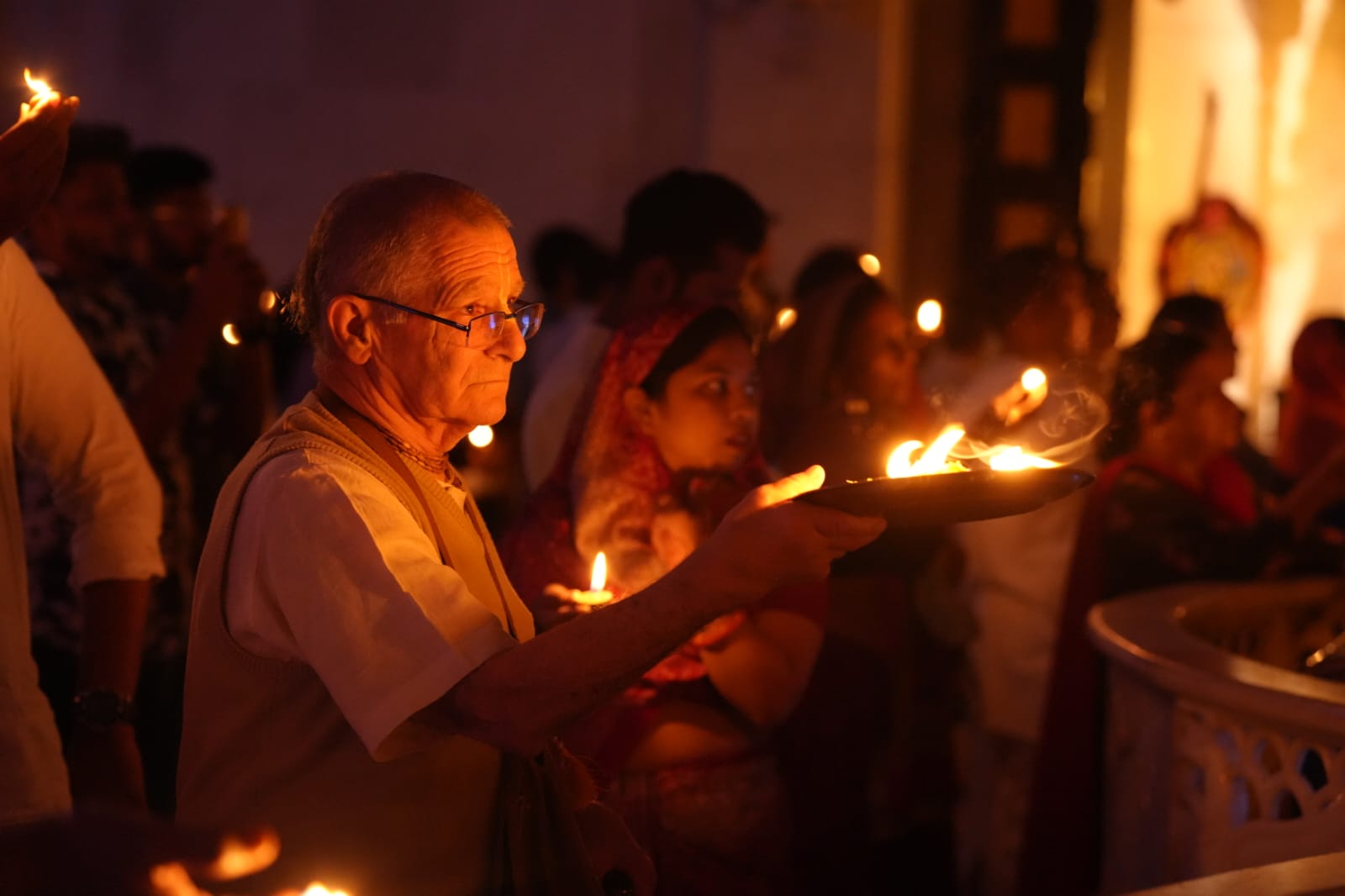
Sandhya Aarti (7:00 PM Winter / 7:30 PM Summer)
The Sandhya Aarti is the most popular and well-attended aarti of the day. The temple is filled with devotees, and the atmosphere is electric with kirtan, dancing, and chanting. This is the best time to experience the vibrant devotion that characterizes ISKCON. The entire hall resonates with the chanting of "Hare Krishna Hare Krishna, Krishna Krishna Hare Hare, Hare Rama Hare Rama, Rama Rama Hare Hare."
Shayan Aarti (8:30 PM)
The final aarti of the day marks the putting to rest of the deities. After this aarti, the deities are retired for the night, and the temple closes shortly after. This aarti is peaceful and marks a beautiful end to the day's worship.
Best Time to Visit
Choosing the right time for your visit can significantly enhance your experience at ISKCON Temple Delhi.
For Peaceful Darshan
The early morning hours, especially during Mangala Aarti (4:30-5:00 AM), offer the most peaceful experience. The temple is least crowded, the atmosphere is serene, and you can spend unhindered time in front of the deities. This time is ideal for meditation and sincere prayer.
For Vibrant Spiritual Experience
The evening Sandhya Aarti (7:00-7:30 PM) is when the temple comes alive with devotion. Hundreds of devotees participate in kirtan, and the collective energy creates a powerful spiritual experience. This is the best time if you want to experience ISKCON's signature style of worship with music, dance, and ecstatic devotion.
For Tourists
If you're visiting as a tourist interested in architecture and culture, the mid-morning hours (9 AM - 12 PM) are ideal. The temple is not too crowded, and you have enough time and space to explore the complex, visit the museum, and spend time observing the deity worship.
For Families
Sunday mornings are great for families with children. The special discourse at 12 PM is engaging for adults and children alike, and the free Sunday feast is a wonderful experience. The temple is family-friendly with children's programs and activities during Sunday services.
Seasonal Considerations
Delhi's extreme weather affects the temple experience. Summers (April-June) are extremely hot, though the air-conditioned prayer hall provides relief. Winters (November-February) are pleasant, and the early morning aartis are especially beautiful in winter. The monsoon months (July-September) bring rain but also a refreshing break from the heat.
Festivals and Celebrations
ISKCON Temple Delhi is famous for its grand celebrations of various Vaishnava festivals. These festivals are not just religious events but cultural celebrations that attract people from all backgrounds.
Janmashtami - Krishna's Birthday
Janmashtami is the grandest festival celebrated at ISKCON Temple Delhi. The temple attracts over 50,000 devotees on this day, and the celebrations continue for 24 hours without stopping. The entire temple is decorated with flowers and lights, and special programs include:
- Abhishekam: Ceremonial bathing of Krishna with milk, yogurt, honey, and fruit juices
- Jhulan Seva: Swing service where Krishna is placed on a decorated swing
- Drama Performances: Plays depicting Krishna's pastimes
- Kirtan: Non-stop chanting throughout the night
- Midnight Celebrations: Special aarti at midnight marking Krishna's birth
- Prasadam Distribution: Free food for all visitors
The atmosphere during Janmashtami is magical, with devotion reaching its peak. Devotees fast till midnight, break their fast with prasadam, and participate in the various ceremonies throughout the day and night.
Rath Yatra - Chariot Festival
Usually held in July, Rath Yatra celebrates Lord Jagannath's journey from Puri. ISKCON Temple Delhi organizes a grand procession where a beautifully decorated chariot carrying Jagannath, Baladev, and Subhadra is pulled by devotees through the streets of East of Kailash. Thousands participate in the procession, singing devotional songs and distributing prasadam to bystanders.
Gaura Purnima
This festival celebrates the appearance day of Chaitanya Mahaprabhu, who is considered an incarnation of Krishna and the founder of Gaudiya Vaishnavism. The temple organizes special discourses on his life and teachings, extended kirtans, and a feast for all devotees.
Ram Navami
Lord Rama's birthday is celebrated with special worship of the Ram Darbar deities installed in the temple. The program includes Sunderkand recitation, Ramayana readings, and cultural programs depicting scenes from Ram's life.
Nauka Vihar (Boat Festival)
During the summer months, the temple organizes a special festival where the deities are taken on a boat ride in a small pond within the complex. This festival recreates Krishna's boat pastimes with the gopis and is a visual delight.
Prasadam and Govinda's Restaurant
One of the highlights of visiting ISKCON Temple Delhi is the prasadam (food offered to Krishna). The temple distributes free prasadam after every aarti. Simple but delicious, this prasadam typically includes khichdi, halwa, and sometimes subji. Receiving and eating this prasadam is considered a blessing and an important part of the temple experience.
Govinda's Restaurant
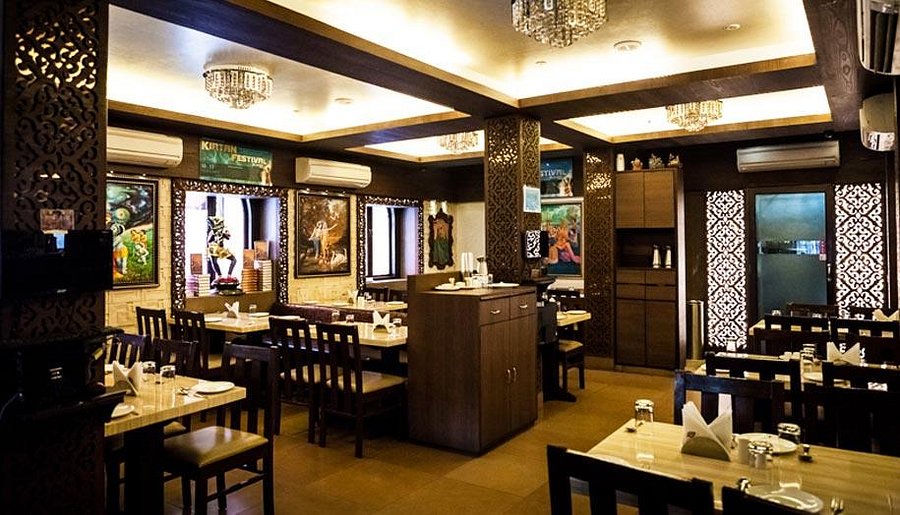
For those who want a more elaborate meal, Govinda's Restaurant within the temple complex serves delicious pure vegetarian food. The restaurant follows strict Satvik principles - no onion, no garlic, and all food is first offered to Krishna before being served.
Popular Dishes
- Thali: A complete meal with dal, rice, roti, vegetables, and sweet (₹150-250)
- Dal Makhani: Rich and creamy black lentils
- Paneer Butter Masala: Creamy tomato-based paneer dish
- South Indian Breakfast: Idli, dosa, vada with sambar and chutney
- Fresh Sweets: Peda, barfi, halwa prepared in the temple kitchen (₹40-80)
Restaurant Timings
- Breakfast: 8:00 AM - 11:00 AM
- Lunch: 12:00 PM - 3:30 PM
- Dinner: 6:00 PM - 9:30 PM
The restaurant is clean, air-conditioned, and offers a peaceful dining environment with views of the temple gardens. It's budget-friendly and a great place to experience authentic Satvik cuisine.
GLA Museum and Cultural Activities
The Gallery of Living Arts (GLA) Museum within the temple complex is worth exploring. The museum features exhibits on Vedic culture, the Bhagavad Gita's teachings, ISKCON's history, and Srila Prabhupada's life. The exhibits use multimedia presentations to make ancient wisdom accessible and engaging.
Educational Programs
The temple conducts regular courses on Bhagavad Gita, Vedic philosophy, mantra meditation, and yoga. These courses are suitable for beginners as well as advanced students. Special youth programs engage young people in spiritual education through interactive methods.
Cultural Events
Regular cultural events include kirtan concerts, classical dance performances, drama presentations based on Indian epics, and book exhibitions. These events are typically free and open to all, promoting Indian culture and spiritual values.
How to Reach ISKCON Temple Delhi
The temple is conveniently located in East of Kailash, South Delhi, and is well connected by various modes of transport.
By Metro (Most Convenient)
Delhi Metro is the easiest way to reach the temple. Two nearby stations serve the area:
Nehru Place Station (Violet Line): The closest station at 1.5 km from the temple. From here, you can take an auto-rickshaw (₹50) or walk for 15-20 minutes.
Kailash Colony Station (Violet Line): About 2 km from the temple. Auto-rickshaws are available outside the station (₹60), or you can walk in 20-25 minutes.
By Bus
Several DTC buses connect to ISKCON Temple. Routes 434, 434A, 481, and 534 have stops near the temple. The fare is ₹15-25. The ISKCON Temple bus stop is right outside the complex.
By Taxi/Cab
App-based cabs like Ola and Uber, as well as traditional taxis, are readily available. The temple is a popular destination and all drivers know the location.
From Connaught Place: 12 km, 30-40 minutes, ₹250-350
From Noida: 15 km, 40 minutes, ₹300-400
From Delhi Airport: 20 km, 45-60 minutes, ₹500-700
Parking
The temple has parking for 200 cars. The fee is ₹20, though parking is free for the first 30 minutes. During festivals, parking fills up quickly, so arriving early is recommended.
Dress Code and Temple Etiquette
While there's no strict dress code, modest clothing is appreciated. Men can wear shirts and pants or dhotis. Women prefer sarees or salwar kameez. Avoid shorts, short skirts, and revealing clothing out of respect for the sacred space.
Temple Etiquette
Do's:
- Remove shoes before entering the main temple - shoe counters are available (free)
- Maintain silence in the prayer hall
- Switch off or silence mobile phones
- Respect all devotees regardless of background
- Participate in kirtan if you feel inclined
Don'ts:
- No photography inside the prayer hall
- Don't turn your back to the deities - move backward when leaving
- Avoid loud conversations
- No eating in the prayer hall
- Don't touch the altar or deities
Tips for First-Time Visitors
Planning Your Visit
- Go early morning for peace or evening for the vibrant atmosphere
- Attend a full aarti for the complete experience
- Carry a light shawl or sweater - the prayer hall is air-conditioned
- Keep a water bottle, especially during summer
- Plan for 1-2 hours minimum for a satisfactory visit
What to Expect
- Security check at the entrance - this is standard procedure
- Free shoe counter near the entrance
- Mobile phone collection area - you may be asked to deposit phones
- Clean, organized, and peaceful environment
- Friendly volunteers who can guide you
With Family
- Supervise children at all times
- Use designated family seating areas
- Visit Govinda's Restaurant for a meal - it's family-friendly
- Allow 2-3 hours for a complete family visit
- The museum is educational for children - don't miss it
Nearby Attractions
If you're planning a full day of sightseeing, you can combine your visit to ISKCON Temple with other nearby attractions.
Lotus Temple: About 5 km away, this Bahá'í House of Worship is famous for its lotus-shaped architecture.
Humayun's Tomb: Approximately 7 km away, this UNESCO World Heritage site is a masterpiece of Mughal architecture. For history enthusiasts, the Jama Masjid is another iconic Mughal-era monument worth visiting in Old Delhi.
Nehru Place: A commercial hub about 1.5 km away, good for shopping electronics.
Kalkaji Mandir: An ancient temple about 2 km away, dedicated to Goddess Kali. Travelers wanting a wider Delhi temple circuit can also add Chhatarpur Temple or Jhandewalan Hanuman Temple to the same day.
ISKCON Temple Delhi offers more than just a tourist experience
Whether you're a devotee seeking spiritual connection, a tourist interested in architecture and culture, or someone looking for peace in Delhi's chaos, ISKCON Temple welcomes you with open arms. The beautiful deities, the soul-stirring kirtans, the delicious prasadam, and the serene atmosphere make every visit special.
The temple represents the successful blend of ancient spiritual wisdom with modern relevance. It's not just a place of worship but a center for spiritual learning, cultural preservation, and community service. A visit here leaves you feeling refreshed, inspired, and connected to something larger than yourself.
Plan your visit to ISKCON Temple Delhi and experience the divine presence that has transformed countless lives. Let the chanting of "Hare Krishna" resonate in your heart long after you've left the temple premises. Haribol!
Location
Frequently Asked Questions
Q1.What are ISKCON Temple Delhi timings?
Q2.What is the aarti timing at ISKCON Temple Delhi?
Q3.When was ISKCON Temple Delhi built?
Q4.Which deities are in ISKCON Temple Delhi?
Q5.What is morning aarti time at ISKCON Temple Delhi?
Q6.Is ISKCON Temple Delhi open every day?
Q7.What is the best time to visit ISKCON Temple Delhi?
Q8.How to reach ISKCON Temple Delhi by metro?
Recommended For You
Best Places to Visit in Delhi: Monuments, Markets & Day Plans
Explore the best places to visit in Delhi including Red Fort, India Gate, Qutub Minar, Humayun's Tomb, Lotus Temple & Akshardham. Complete travel guide with timings, entry fees, and practical tips.
15 Famous Temples in Delhi: Timings, Routes & Darshan Highlights
Explore 15 famous temples in Delhi. From Akshardham to Lotus Temple, discover spiritual sites, timings & entry details.
Jama Masjid: Complete Guide To India's Mosques
Complete guide to Jama Masjid India. Discover history, architecture, timings & prayer times. Your guide to magnificent Mughal mosques.
Never Miss an Adventure
Get the latest trekking guides, travel tips, and exclusive offers delivered straight to your inbox.
