
ISKCON Temple Kanpur: Aarti Timings, Prasadam & Darshan Details

Priya Mehta
February 3, 2026
Visit ISKCON Temple Kanpur. Know aarti timings, prasadam, festivals, how to reach, and complete travel guide with address and visitor information.
Kanpur's Spiritual Haven
ISKCON Temple Kanpur stands as a beacon of spirituality and devotion in Uttar Pradesh's industrial capital, offering residents and visitors alike a sanctuary of peace amidst urban chaos. This beautiful temple dedicated to Lord Krishna and Radha represents the International Society for Krishna Consciousness (ISKCON) mission in Kanpur, bringing Vedic wisdom, devotional practices, and Indian spiritual culture to devotees seeking connection with the Divine. If you're exploring other Krishna temples in India, you'll find the ISKCON network offers consistent spiritual experiences across different cities.
What makes ISKCON Kanpur special is its blend of authentic spiritual practice with contemporary accessibility. The temple maintains strict devotional standards while welcoming everyone—regardless of background, nationality, or spiritual level—to participate in its activities. Whether you're a serious practitioner seeking deep spiritual engagement, a curious visitor wanting to understand Hindu devotional practices, or simply someone seeking peaceful surroundings away from city noise, ISKCON Kanpur provides a welcoming, non-judgmental space for spiritual exploration.
This comprehensive guide covers everything you need to know about visiting ISKCON Temple Kanpur—from daily schedules and festival celebrations to practical information for first-time visitors.
About ISKCON Kanpur
History and Establishment
ISKCON Temple Kanpur was established as part of ISKCON's global mission to spread Krishna consciousness and Vedic culture throughout the world. Founded in 1966 by A.C. Bhaktivedanta Swami Prabhupada, ISKCON has grown into a worldwide organization with hundreds of centers, temples, and projects. The Kanpur center represents this mission in one of North India's important industrial cities.
The temple has grown significantly since its establishment, expanding its facilities and programs to serve Kanpur's growing spiritual community. What may have started as small gatherings has evolved into a full-fledged temple complex with deities, worship programs, community services, and educational activities. The temple's growth reflects Kanpur residents' increasing spiritual interest and ISKCON's successful presentation of spiritual wisdom in ways relevant to contemporary life.
Affiliation and Philosophy
ISKCON Kanpur follows Gaudiya Vaishnavism, a devotional tradition focusing on Lord Krishna as the Supreme Personality of Godhead. This tradition, originating in Bengal in the 16th century, emphasizes devotion (bhakti) as the primary spiritual path, particularly through chanting the Hare Krishna mantra, deity worship, studying Vedic scriptures like Bhagavad Gita, and living a spiritually conscious lifestyle.
The temple's activities align with ISKCON's global philosophy while adapting to local cultural contexts. Programs include kirtan (devotional singing), philosophical discourse, deity worship, festival celebrations, community feasting, and educational courses. The temple serves spiritual seekers interested in Vedic philosophy, Krishna consciousness, and devotional practices suitable for modern life.
Community Engagement
Beyond daily temple activities, ISKCON Kanpur engages with the broader community through various programs. Youth programs connect young people with spiritual wisdom through engaging activities. Food distribution programs (often called Food for Life) serve meals to those in need, following the principle that spiritual service should include helping others. Educational courses and workshops make Vedic wisdom accessible to modern audiences. The temple has become an important part of Kanpur's spiritual landscape, offering alternatives to materialistic pursuits through meaningful spiritual engagement.
Temple Architecture and Deities
Temple Architecture
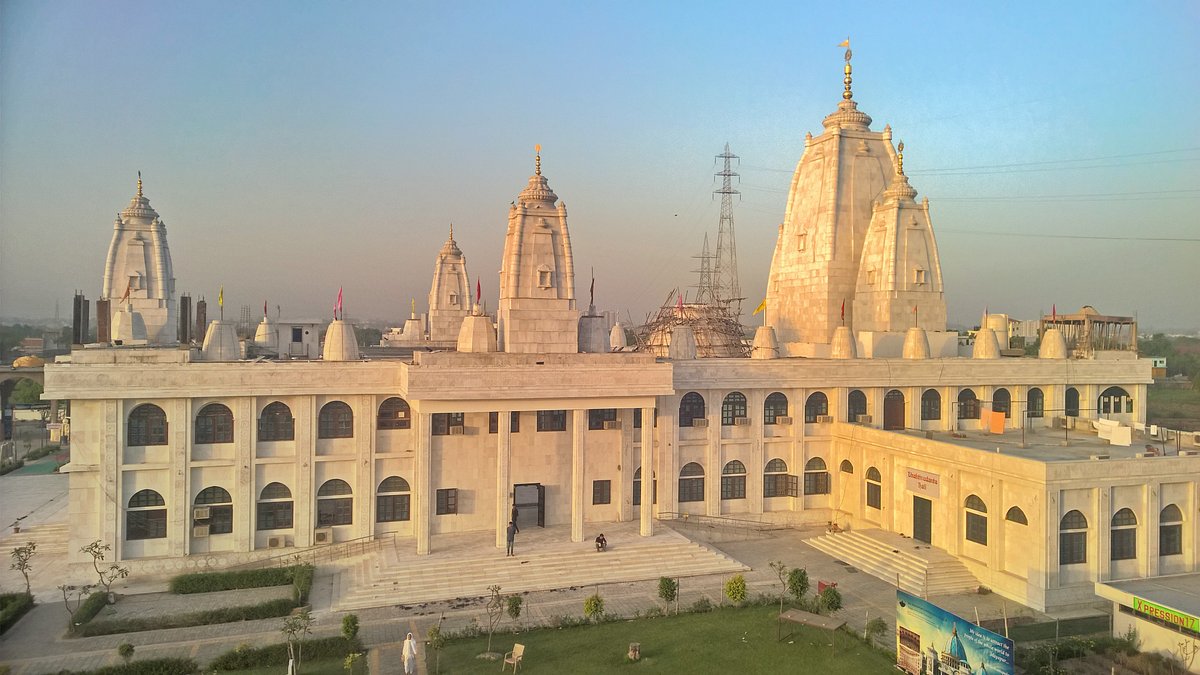
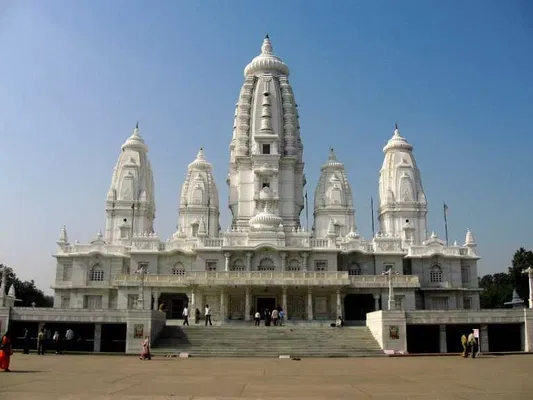
ISKCON Temple Kanpur features beautiful traditional temple architecture adapted to contemporary needs. The exterior showcases classic elements of North Indian temple design with shikharas (spires), carved stone elements, and painted facade depicting Krishna's pastimes. The interior combines traditional shrine rooms with modern community facilities, creating functional sacred space.
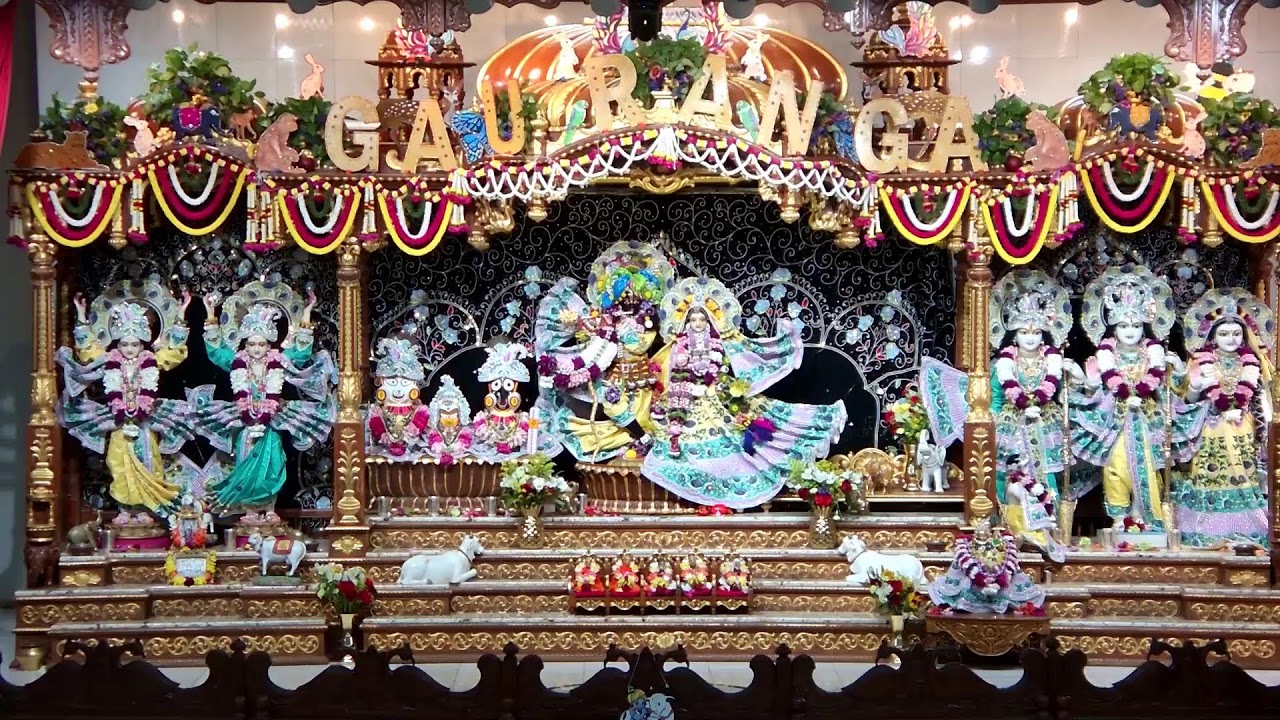
The temple hall where deities are installed serves as the spiritual heart. This sanctum features beautifully decorated altars where Radha Krishna deities reside. The hall's design enables devotees to see the deities clearly during darshan (viewing) and aarti (worship ceremonies). The architecture facilitates both individual devotion and collective participation in temple programs.
The temple complex includes auxiliary spaces for various activities: lecture halls for philosophical discourses, a prasadam (blessed food) distribution area, a bookstore selling spiritual literature, and community spaces for meetings and gatherings. The design balances sacred traditional aesthetics with practical modern functionality.
Main Deities
The presiding deities are Sri Sri Radha Madhava, beautiful forms of Radha and Krishna that are the temple's spiritual focus. These deities are treated as living manifestations of the Divine, receiving daily care and worship according to Vedic traditions. The deities' outfits change daily, featuring beautiful traditional Indian clothing in various colors and designs.
Additional deities may also be present on the altar, including forms of Lord Chaitanya (the incarnation of Krishna who inaugurated the sankirtan movement) and Lord Nityananda, or other avatar forms of Vishnu like Lord Ram and Lord Jagannath. The presence of multiple deities allows devotees to worship different divine forms according to their specific spiritual inclinations and the occasion.
The altar decorations change according to festivals and seasons. During Janmashtami (Krishna's birthday), the altar receives elaborate decoration with flowers, lights, and special backdrops. During other festivals, different themes and colors dominate the altar, keeping temple visually engaging and spiritually fresh.
Daily Schedule and Aarti Timings
ISKCON temples follow strict daily schedules based on Vedic timekeeping, with specific programs designated for different times of day. Understanding these schedules helps visitors plan their visits for maximum spiritual benefit.
Mangala Aarti (Early Morning)
The temple day begins incredibly early with Mangala Aarti typically around 4:30 AM. This first aarti of the day awakens the deities and begins their daily service. Mangala means "auspicious" and this early morning worship sets the temple's spiritual tone for the day. Mangala Aarti is peaceful and meditative, relatively quiet compared to later aartis when more devotees participate.
The ceremony involves offering incense, lamps, flowers, and food to the deities while singing devotional songs glorifying the Lord's early morning pastimes. Devotees who attend Mangala Aarti often describe it as an especially transcendent experience—the early hour, temple still dark except for lamp glow, and first kirtan of the day create profound spiritual atmosphere.
Darshan Arati (Morning Aarti)
Approximately 7:15 AM, the second major aarti of the day occurs. This morning aarti is more accessible for many devotees than the pre-dawn Mangala Aarti. The temple typically has more attendees for this ceremony as it's scheduled at more reasonable hours. The morning aarti includes elements of both worship and darshan—deities are revealed from their nighttime rest to begin their day.
This aarti is followed by Guru Puja, worship of the spiritual master who founded ISKCON. This ceremony acknowledges the parampara (disciplic succession) of spiritual teachers passing down Vedic wisdom. Devotees often stay for kirtan (devotional singing) following the aarti.
Sringar Darshan (Mid-Morning)
Around 10:00 AM, the deities receive their mid-morning darshan, revealing them freshly decorated after their morning care. Sringar refers to the deity dressing and decoration process. This darshan is beautiful as the deities often wear particularly ornate outfits and flower decorations during this time.
This mid-morning period often includes Bhagavatam class—study of the Srimad Bhagavatam (one of India's most important Puranas describing Krishna's life and pastimes). These classes provide philosophical education and practical wisdom applicable to daily life. Visitors are welcome to attend these free educational programs.
Raj Bhog Aarti (Midday)
At approximately 12:00 PM, Raj Bhog Aarti is offered. Raj Bhog refers to the opulent noon feast offered to the deities. This aarti represents the main midday worship and includes offering a full meal preparation to the deities. The ceremony involves more elaborate offerings and decorations than earlier morning programs.
Following Raj Bhog Aarti, the deities rest for their afternoon siesta (approximately 1:00 PM to 4:00 PM). The temple hall typically remains open during this quiet period, but the altar curtains may be closed covering the deities. Devotees can use this time for personal meditation, study, or helping with temple services.
Sandhya Aarti (Evening Aarti)
The evening aarti, usually around 7:00 PM, represents one of the most popular and well-attended temple programs. This Sandhya (twilight) aarti celebrates the deities' evening pastimes and offers thanks for the day's blessings. The temple is typically full of devotees for this ceremony, creating powerful collective energy.
The evening aarti includes elaborate lamp offerings, incense, flowers, and food. The kirtan (devotional singing) is particularly enthusiastic, with devotees dancing and singing. Many devotees consider evening aarti the day's spiritual highlight, balancing the day's activities with devotional absorption before the temple closes for the night.
Shayana Aarti (Night Aarti)
The day concludes with Shayana Aarti approximately 8:30 PM. Shayana means "sleeping"—this final aarti puts the deities to rest for the night. The ceremony involves offering special prayers and lamps for the deities' peaceful rest, along with food offerings for the night. The temple closes shortly after Shayana Aarti.
Shayana Aarti is notably peaceful—a perfect end to the temple's busy daily schedule. The evening lights create beautiful deity reflections. Devotees who stay for this final aarti often describe it as especially calming and spiritually rewarding.
Sunday Program - Special Weekly Celebration
Sundays at ISKCON temples are special everywhere, and ISKCON Kanpur is no exception. The Sunday program attracts the week's largest gathering and offers accessible entry points for newcomers curious about Krishna consciousness.
The Sunday program typically begins around 6:00 PM with kirtan (devotional singing) that continues until aarti. These musical meditations involve chanting the Hare Krishna maha mantra: "Hare Krishna, Hare Krishna, Krishna Krishna, Hare Hare, Hare Rama, Hare Rama, Rama Rama, Hare Hare" accompanied by musical instruments like mridanga (clay drums) and kartals (hand cymbals).
Following kirtan, Bhagavatam discourse or philosophical lecture (often in Hindi for local accessibility) presents spiritual wisdom relevant to contemporary life. These lectures make Vedic philosophy practical and understandable, regardless of your background knowledge. The discourse is followed by arati and then the Sunday FEAST—a delicious vegetarian dinner that's free for all attendees.
The Sunday feast has become legendary in ISKCON circles. Prasadam (blessed food) is distributed to all attendees, regardless of donation or contribution. The feast typically includes rice, dal (lentils), sabzi (vegetable dishes), halava (sweet preparation), and other items. The food is prepared according to strict Vaishnava standards—no meat, fish, eggs, onions, or garlic—but despite these restrictions, it's famously delicious and satisfying.
Sunday programs provide excellent opportunities for first-time visitors to experience ISKCON culture in accessible, welcoming environments without commitment or pressure. You can simply observe and participate at your comfort level. Many people have found that attending Sunday programs regularly became their introduction to deeper spiritual practices.
Prasadam and Food Facilities
Prasadam (literally "the mercy of the Lord") holds special importance in ISKCON culture, and ISKCON Kanpur maintains this tradition by distributing blessed food to visitors and devotees.
Free Prasadam Distribution
Free prasadam is distributed after major aartis, though availability and quantity vary based on the day and occasion. Sunday prasadam distribution is the most elaborate, with the full feast mentioned above. On regular days, simple sweets or dry snacks might be offered.
Receiving prasadam is considered spiritually beneficial—it's not just food but the Lord's mercy. The preparation process itself is devotional, with cooks following traditional recipes and offering the food to the deities before distribution. This spiritual charge is believed to make the food spiritually purifying.
Temple Restaurant
ISKCON Kanpur operates an in-house restaurant serving sattvic vegetarian food prepared according to strict Vaishnava standards. This means the food is vegetarian but additionally excludes onions and garlic, which are considered rajasic (passion-inducing) rather than sattvic (purity-promoting) in Vedic tradition.
Despite what might sound like restrictions, the food is delicious and nutritious. The menu typically includes North Indian dishes like dal makhani (creamy black lentils), rajma (kidney beans), paneer preparations (Indian cottage cheese), rotis (flatbread), rice, seasonal vegetables, and traditional sweets. The restaurant serves both snacks and full meals at reasonable prices.
The restaurant provides clean, peaceful dining environments where you can spiritually benefit from eating sattvic food in sanctified surroundings. Many devotees consider eating at temple restaurants preferable to eating in restaurants outside, where the atmosphere and food preparation methods may not align with spiritual principles.
Sunday Feast
As mentioned, the Sunday feast is a major attraction. It's completely free—no charges or requirements for payment, though donations are accepted. The feast is served after the Sunday evening program, typically around 8:00-8:30 PM, continuing until all attendees have been served.
The feast is served communally—people sit in rows and volunteers serve food onto plates or leaf plates. This communal eating arrangement symbolizes equality and spiritual community. Everyone eats together, regardless of social or economic status, embodying spiritual principles where the soul is recognized as the real identity rather than external designations.
Festivals and Celebrations
ISKCON temples celebrate festivals with great enthusiasm, and ISKCON Kanpur is no exception. These festivals provide opportunities for increased devotion, spiritual community, and cultural education.
Janmashtami (Krishna's Birthday)
Janmashtami, celebrating Lord Krishna's appearance on earth thousands of years ago, is ISKCON's biggest annual festival. The temple celebrates with two major days—Janmashtami day itself and Nandotsav (celebrating Krishna's childhood pastimes with Nanda and Yashoda in Vrindavan).
On Janmashtami day, the temple is decorated elaborately with flowers, lights, and special backdrops. The deities receive special abhishek (ceremonial bathing) with various auspicious liquids. The midnight aarti—celebrating Krishna's birth time—is particularly elaborate, with kirtan continuing throughout the night. Devotees fast until midnight, breaking fast with prasadam.
The temple atmosphere on Janmashtami is electric, with hundreds of devotees filling the temple and surrounding areas. Programs include kirtan, dramas depicting Krishna's pastimes, philosophical discourses, and continuous chanting of the Hare Krishna mantra. For first-time visitors, Janmashtami provides an exciting introduction to ISKCON culture, though be prepared for large crowds.
Rama Navami (Lord Rama's Appearance Day)
Rama Navami celebrates Lord Ramachandra's appearance, another major festival in the Vaisnava calendar. The temple hosts Rama Katha recitations (narrating Lord Ram's pastimes from the Ramayana), special decorations for the deities, and continuous chanting throughout the day. The temple often presents dramatic presentations or readings of Ramayana verses.
Holi
ISKCON's Holi celebration differs from the popular wild throwing of colors. Instead, the temple focuses on Holi's spiritual significance—particularly the burning of the Holika demoness and Prahlad's devotion to Lord Vishnu. Devotees perform small Holika bonfire ceremonies and offer special prayers. Some playful color throwing happens among children, but the focus remains on worship rather than rowdy celebration.
Diwali
ISKCON celebrates Diwali as Govardhan Puja, commemorating Krishna's lifting of Govardhan Hill to protect His villagers from Indra's wrath. The temple features small Govardhan Hill replicas made from cow dung and decorated beautifully. Special programs and feasts mark this celebration.
Gaura Purnima
Gaura Purnima celebrates the appearance of Lord Chaitanya Mahaprabhu, who inaugurated the sankirtan movement (congregational chanting of God's names) in the 16th century. As the founder of the Gaudiya Vaishnava sampradaya that ISKCON follows, Lord Chaitanya is deeply honored, particularly on his appearance day. The temple hosts special abhishek, lectures about his life and teachings, and festive feasts.
How to Reach ISKCON Temple Kanpur
ISKCON Temple Kanpur is conveniently located for access from various parts of the city.
From Kanpur Railway Station: Approximately 5-7 kilometers away. Auto-rickshaws, cycle rickshaws, and taxis are readily available outside the station. The journey takes 15-25 minutes depending on traffic. Auto-rickshaws are the most economical option for solo travelers or small groups. For those exploring other spiritual destinations in India, the ISKCON Temple Chandigarh and ISKCON Temple Indore are also easily accessible from their respective railway stations.
From Kanpur Airport: Approximately 15-20 kilometers away. Taxis and app-based cab services (Uber, Ola) are available outside the airport. Journey time is approximately 30-40 minutes depending on traffic.
From Major Bus Stations: The temple is accessible from various bus stands in Kanpur. Local transport (auto-rickshaw, taxi) can bring you to the temple.
By Private Vehicle: The temple has parking facilities. During major festivals, parking might fill up quickly, so arrive early for festival programs.
Within the City: Most auto-rickshaw and taxi drivers know ISKCON Temple by name. If mentioning nearby landmarks helps, ask for directions to the temple's location in your specific area of Kanpur.
Practical Information for Visitors
Dress Code and Temple Etiquette
Dress Modestly: Both men and women should dress modestly. Avoid shorts, short skirts, sleeveless tops, or revealing clothing. This shows respect for the sacred environment. Traditional Indian clothing (sari, salwar kameez for women; kurta pajama for men) is appropriate but not required—clean, modest Western clothing is acceptable.
Footwear: Remove shoes before entering the main temple hall. Shoe racks are provided near the entrance. Socks are recommended as temple floors can be cold.
Photography: Photography is generally permitted in the temple complex, but avoid photographing during active aarti ceremonies as this can disturb devotees' worship. Always ask permission before photographing anyone specifically.
Behavior: Maintain silence and respect during aartis. Turn off mobile phones. Avoid conversations that might disturb others' worship. If bringing children, supervise them to ensure they don't disturb others.
Donations and Contributions
ISKCON Temple Kanpur operates primarily through donations. Donation boxes are available in the temple complex for those wishing to contribute. Donations support temple maintenance, deity worship, deity renovation, food distribution programs, and various community services.
Donations are voluntary—no one is pressured to give. However, those who appreciate the temple's services and spiritual atmosphere often contribute according to their capacity. Regular monthly sponsorships are available for those wanting ongoing engagement with temple maintenance.
Facilities and Services
Bookstore: The temple bookstore sells spiritual texts including Bhagavad Gita As It Is (ISKCON's primary philosophical text), smaller books on Krishna consciousness, deity photos, and devotional items like beads and prayer beads.
Guest House: Some ISKCON temples have guest house facilities. Check if Kanpur's temple offers accommodation for out-of-town visitors wanting to stay in spiritual environments.
Parking: Parking facilities are available for those driving to the temple. During festivals, arrive early for parking.
Wheelchair Accessibility: Most modern ISKCON temples including Kanpur are designed to be accessible, with ramps and accessible restrooms.
Visiting Tips
- Best Times to Visit: Weekday evenings are less crowded than weekends. Sunday evenings are busiest due to the feast program. Festivals have maximum attendance—arrive early for seating. If you're visiting other ISKCON temples, the ISKCON Temple Mumbai follows similar scheduling patterns.
- First-Time Visitors: Attend Sunday evening programs for the best introduction to temple culture. The lectures make philosophy accessible, and the feast provides delicious prasadam.
- Spiritual Practices: Don't worry about knowing everything. Simply observe and participate as you're comfortable. Chanting "Hare Krishna" along with others is easy and spiritually beneficial.
- Children: Children are welcome. Keep them supervised so they don't disturb others. The Sunday program's kirtan (singing and dancing) is particularly engaging for kids.
- Questions: Temple staff and devotees are usually happy to answer questions about philosophy, practices, or practical matters. Feel free to ask.
- Mobile Phones: Switch off or silence phones during programs. Avoid using phones during aartis.
- Purchases: The bookstore sells spiritual literature and devotional items. Purchasing supports the temple.
- Volunteering: Regular visitors often volunteer to help with temple services. Ask about opportunities if you're interested.
ISKCON Temple Kanpur offers spiritual sanctuary in the heart of a bustling industrial city. Whether you're seeking deep spiritual engagement, philosophical wisdom, community connection, or simply peaceful surroundings away from urban stress, the temple welcomes you with open arms. The deities are beautiful, the kirtan is melodious, the philosophy is practical, and the prasadam is delicious. Come, participate, and experience spiritual culture that has transformed millions of lives worldwide.
Location
Frequently Asked Questions
Q1.What are ISKCON Temple Kanpur's opening and aarti timings?
Q2.Where is ISKCON Temple located in Kanpur and how do I reach it?
Q3.Which deities are worshipped at ISKCON Temple Kanpur?
Q4.Is there any dress code or dress requirements for visiting ISKCON Temple Kanpur?
Q5.Is prasadam (food) available at ISKCON Temple Kanpur and is it free?
Q6.What are the major festivals celebrated at ISKCON Temple Kanpur?
Recommended For You
Chintaman Ganesh Temple Ujjain: Timings, Darshan & Travel Details
Plan your Chintaman Ganesh Temple visit in Ujjain with darshan timing strategy, route options, etiquette tips, and practical one-day temple combinations.
Mangalnath Temple Ujjain: Timings, Puja Details & Route Info
Plan your Mangalnath Temple visit with practical darshan and puja timing strategy, local route tips, and one-day Ujjain itinerary guidance.
Siddhivinayak Temple Mumbai: Darshan Timings, VIP Entry & Nearby Access
Complete guide to Siddhivinayak Temple Mumbai including darshan timings, aarti schedule, online booking, VIP pass, offerings, history, and how to reach.
Never Miss an Adventure
Get the latest trekking guides, travel tips, and exclusive offers delivered straight to your inbox.
