
Cuisine of Malaysia: Traditional Dishes, Regional Food & What to Try

Rahul Garg
February 19, 2026
Explore cuisine of Malaysia with Malay, Chinese, Indian, and Peranakan influences, plus regional specialties, street food culture, and practical dining tips.
Cuisine of Malaysia: Complete Food Culture Guide
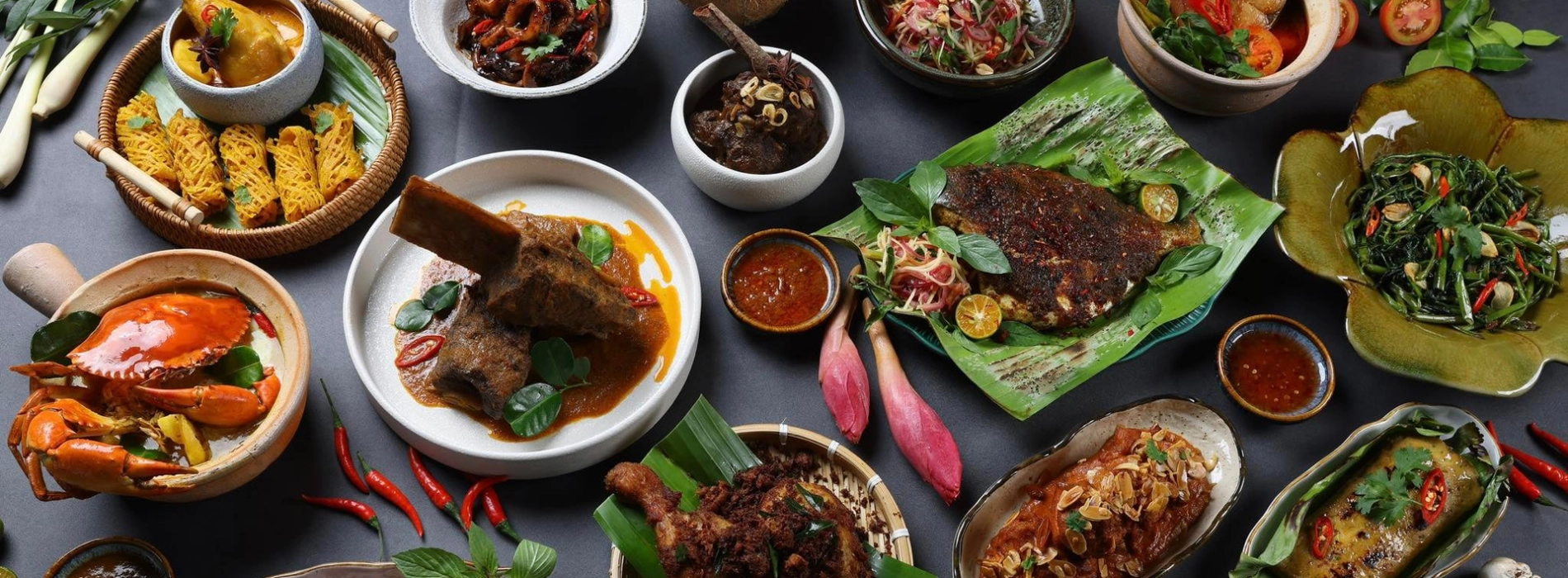
The cuisine of Malaysia is one of Asia’s most diverse food systems, shaped by Malay, Chinese, Indian, and Peranakan influences. What makes Malaysian food special is not one dish, but the everyday coexistence of multiple culinary traditions across breakfast, street food, and sit-down dining. In one day, you can move from nasi lemak to noodle-based Chinese-Malaysian dishes and then to Indian-Mamak favorites.
This guide helps you understand what to eat, where to try it, and how to plan your food route by format and region. For trip planning support, combine this with Chinatown Kuala Lumpur Malaysia and Central Market Malaysia.
Malay Cuisine: The Core Foundation
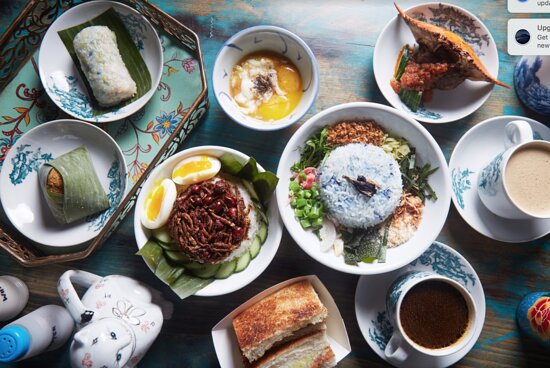
Malay cuisine forms the backbone of national food identity and often centers around rice, sambal, coconut milk, herbs, and spice layering.
- Nasi Lemak as an iconic breakfast and all-day dish.
- Rendang and spice-rich slow-cooked preparations.
- Satay and grilled meat formats with sauces.
- Regional rice-based meal sets with local variation.
Chinese-Malaysian Influence
Chinese communities have shaped Malaysia’s noodle, wok-fry, and broth ecosystems. Popular categories include stir-fried noodles, roast-based meals, and hawker-format specialties.
| Dish Style | Typical Experience |
|---|---|
| Char Kway Teow style dishes | Wok-driven, smoky, street-popular |
| Hokkien/Cantonese influences | Noodle and sauce profile diversity |
| Chicken rice formats | Fast, balanced, and widely available |
Indian-Malaysian and Mamak Food
Indian and Indian-Muslim traditions are central to Malaysia’s affordable, high-flavor food culture.
- Roti Canai with dhal and curry pairings.
- Banana-leaf meal formats.
- Mee Goreng Mamak and fusion noodle styles.
- Spice-forward curries in quick-service setups.
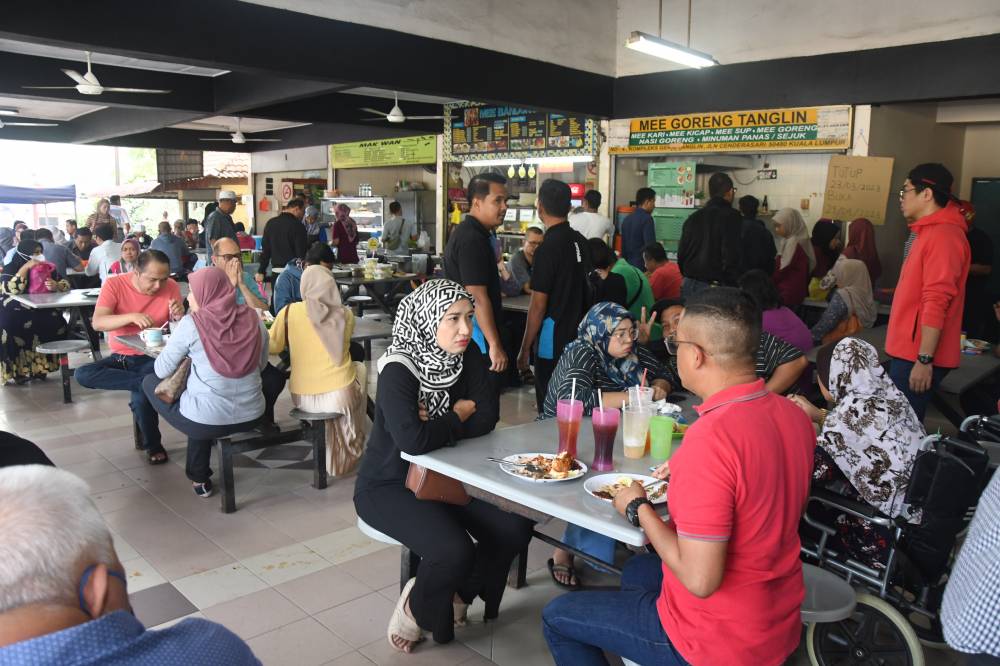
Mamak outlets are especially useful for late-night dining and budget-friendly meal variety.
Nyonya Peranakan Cuisine
Peranakan food blends Chinese techniques with Malay spices and ingredients, creating layered dishes that are unique to Malaysia and nearby cultural regions.
- Laksa variants with regional differences.
- Otak-otak and spice-balanced fish preparations.
- Palm sugar and coconut-based dessert influence.
Street Food in Malaysia: How to Explore Smartly
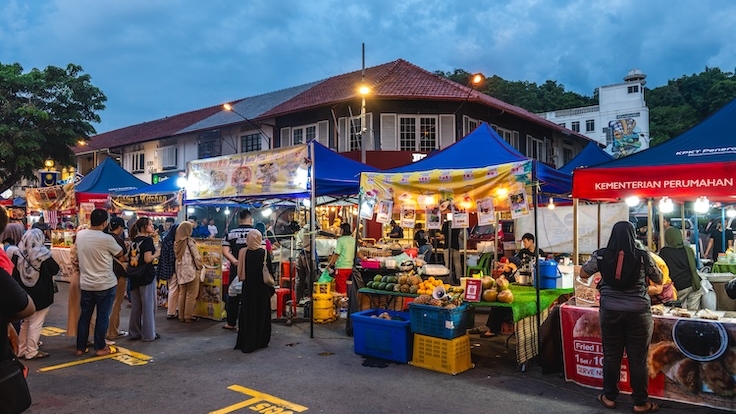
Hawker and market food are essential to understanding Malaysian cuisine. The best strategy is shared ordering in small portions so you can sample more categories.
| Street Food Tip | Why It Helps |
|---|---|
| Choose high-turnover stalls | Better freshness and faster service |
| Share dishes in groups | Wider tasting with lower cost |
| Start with mild spice options | Easy adaptation for first-time travelers |
Regional Food Strategy Across Malaysia
Food style changes by region, so plan by city and state rather than repeating the same dishes everywhere.
- Penang: strong street-food and noodle culture.
- Kuala Lumpur: broad cross-cultural food access.
- Malacca: Peranakan-influenced culinary depth.
- Borneo zones: local indigenous ingredients and styles.
For add-on route planning, use Batu Caves Malaysia and Islands in Malaysia.
Halal and Dietary Planning
Malaysia is generally easy for halal-conscious travelers, but ingredient checks still matter in mixed street-food environments. Vegetarian travelers should confirm broth and sauce bases where required.
- Ask clearly about fish sauce and shrimp paste usage.
- Request sambal on side if spice tolerance is low.
- Prefer labeled or high-transparency outlets in busy zones.
Common Mistakes Food Travelers Make
- Eating only in malls and missing hawker culture.
- Over-ordering early in market rounds.
- Ignoring regional specialties outside major city centers.
- Not planning hydration in humid weather conditions.
One-Day Malaysian Food Trail Format
| Meal Window | Suggested Focus |
|---|---|
| Breakfast | Nasi lemak + local beverage |
| Lunch | Chinese-Malaysian noodle style |
| Evening | Street food tasting session |
| Dinner | Mamak or Peranakan meal |
Final Takeaway
The cuisine of Malaysia is best explored through variety, not repetition. Plan meals across Malay, Chinese-Malaysian, Indian-Malaysian, and Peranakan formats to understand the country’s real culinary depth.
Use format-based planning, share dishes, and adapt by region. That approach gives maximum flavor diversity and a much stronger food-travel experience.
Location
Frequently Asked Questions
Q1.What is Malaysia's national dish?
Q2.What is Malaysian food known for?
Q3.Is Malaysian food spicy?
Q4.What are must-try Malaysian dishes?
Q5.What is a typical Malaysian breakfast?
Q6.What is Nyonya food?
Q7.Is Malaysian food similar to Thai or Indonesian cuisine?
Q8.What are Malaysian eating habits like?
Recommended For You
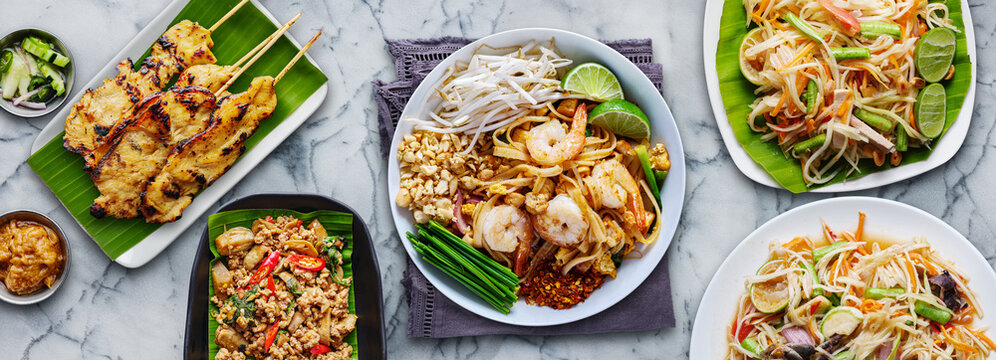
Best Food in Thailand: 20 Must-Try Dishes & Street Eats
Discover the best food in Thailand. From Pad Thai to Tom Yum Goong. A complete guide to Thai street food, curries, and local delicacies for every foodie.
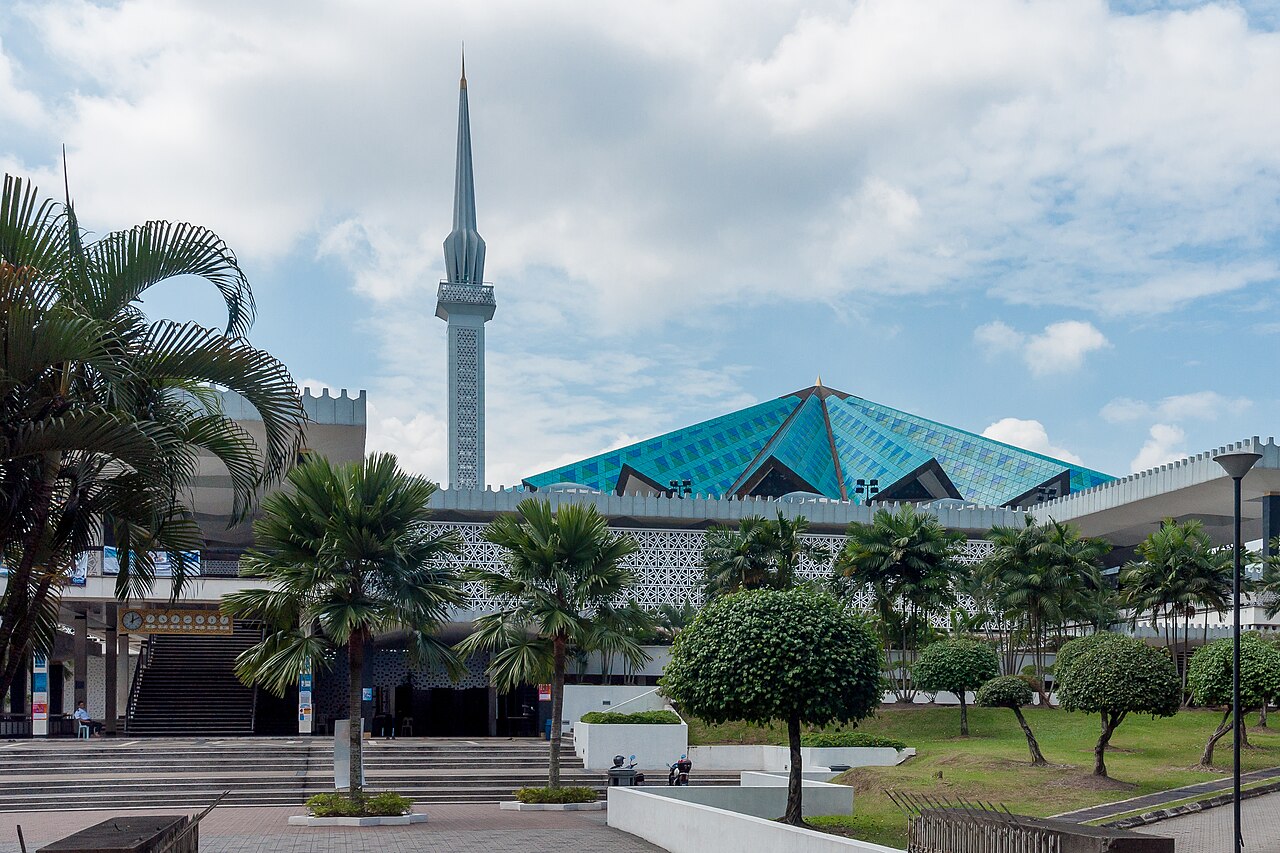
National Mosque Kuala Lumpur: Dress Code, Timings & Visitor Rules
Visit Masjid Negara, Malaysia's National Mosque in Kuala Lumpur. Discover dress code, opening hours, history & entry fee guide.
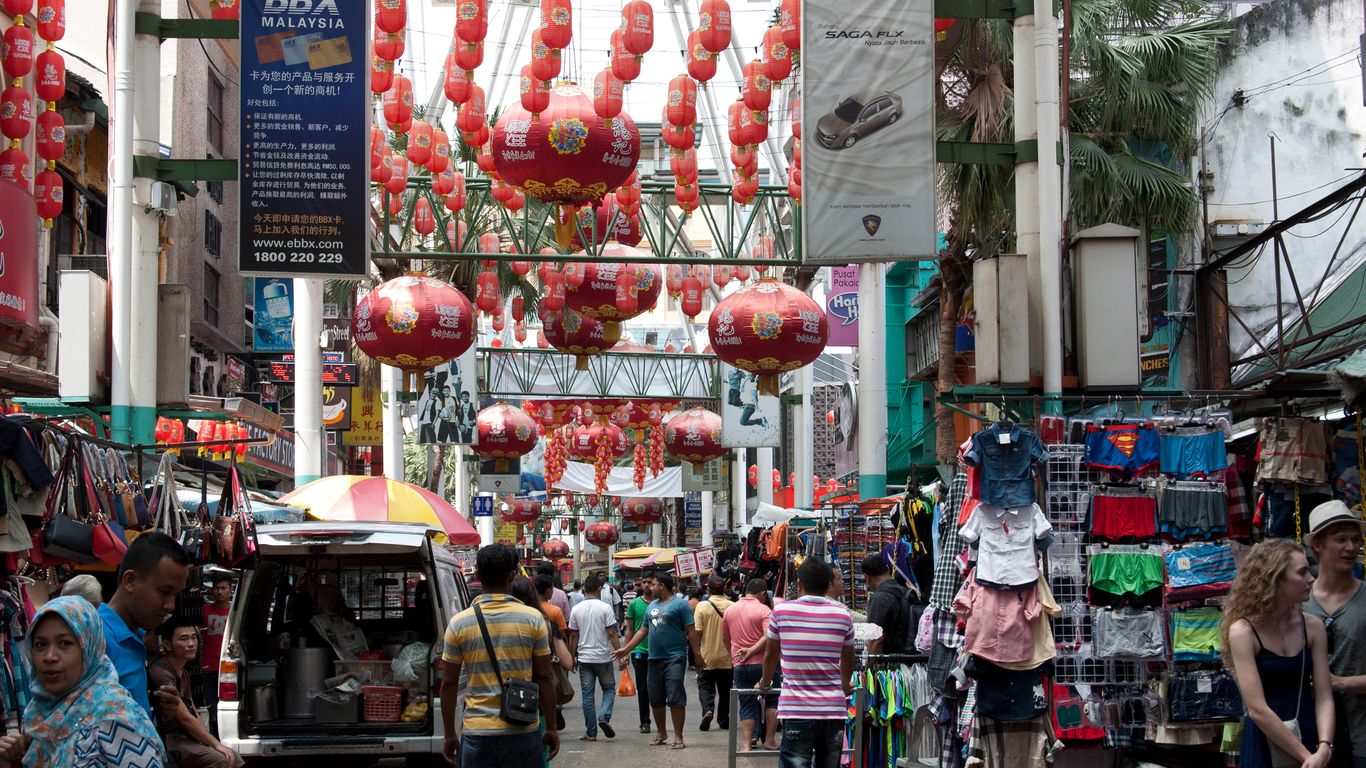
Chinatown Kuala Lumpur: Petaling Street Markets, Food & Timings
Explore Chinatown Kuala Lumpur with Petaling Street shopping, food tips, nearby temples, best visiting hours, and easy transport routes for visitors.
Never Miss an Adventure
Get the latest trekking guides, travel tips, and exclusive offers delivered straight to your inbox.
