
Jageshwar Dham Temples: Timings, Route Map & Pilgrimage Tips

Priya Mehta
February 20, 2026
Plan your Jageshwar Dham Temples visit with practical darshan timing, route options, stay tips, and Almora itinerary suggestions for a complete pilgrimage experience.
Ancient Temple Cluster in Kumaon Himalayas
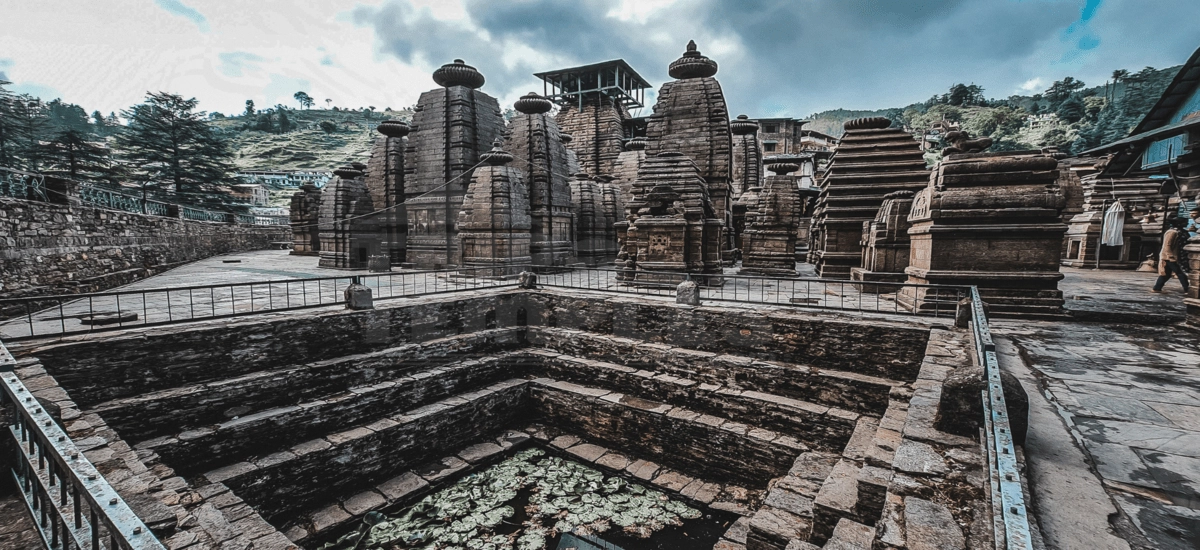
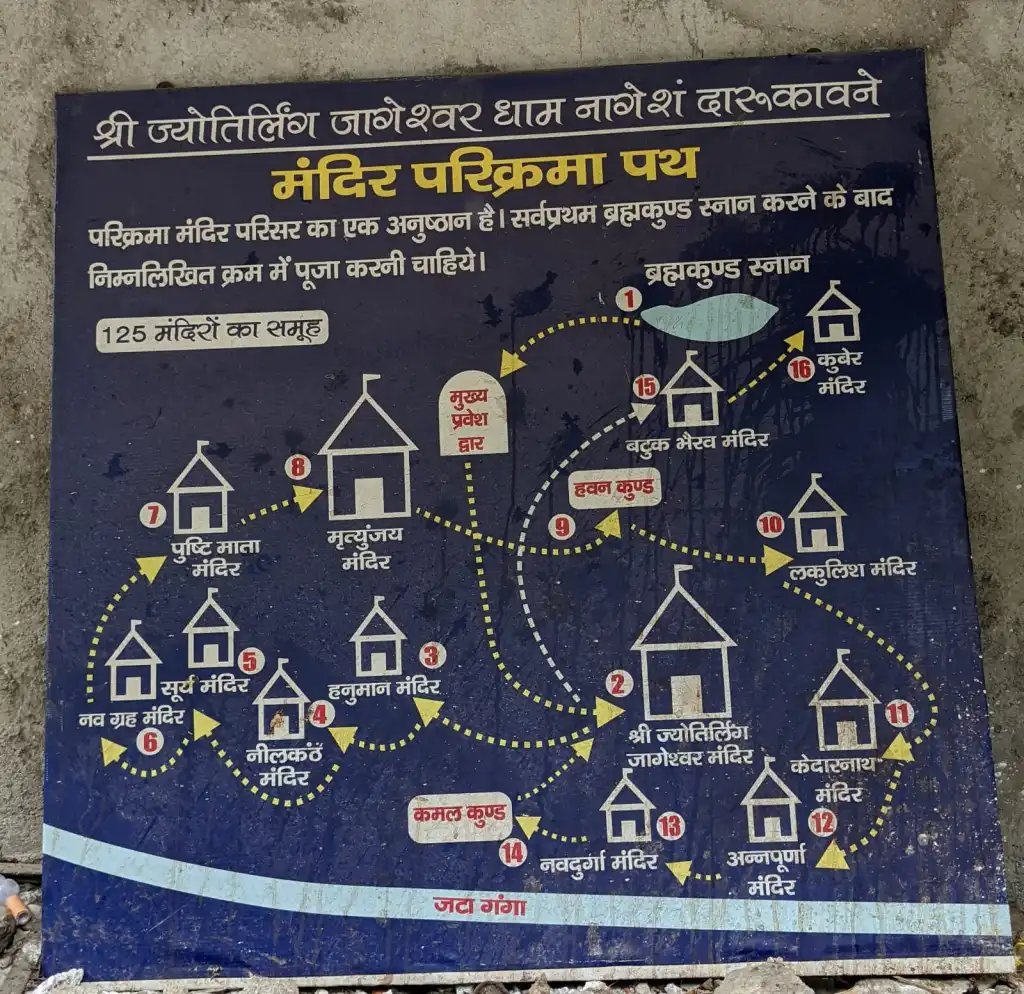
Nestled in the verdant Jataganga valley of Almora district, Jageshwar Dham represents one of India's most remarkable temple clusters. This sacred complex, comprising over 100 ancient shrines dedicated primarily to Lord Shiva, stands as a testament to the architectural and spiritual grandeur of the Kumaon region. Located at an altitude of 1,870 meters amidst dense deodar forests, Jageshwar offers pilgrims and history enthusiasts an unparalleled journey into India's temple-building heritage spanning over a millennium.The temple complex holds immense religious significance as one of the Jyotirlingas – the sacred abodes of Lord Shiva. According to Hindu mythology, Jageshwar is believed to be the site where Lord Shiva first appeared as a lingam of light. The cluster's spiritual importance is further enhanced by its location near the sacred Jataganga River, whose crystal-clear waters are said to have originated from the sweat of Lord Shiva during his cosmic dance.
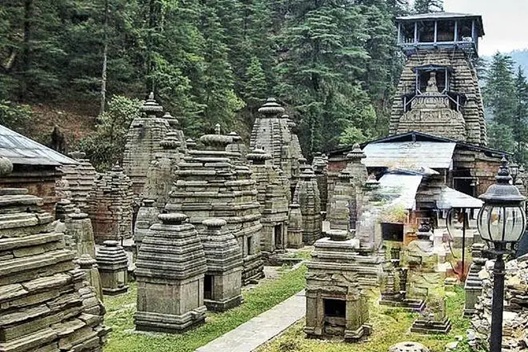
What sets Jageshwar apart from other temple complexes is its remarkable state of preservation and the sheer density of temples within a compact area. The main cluster contains 124 temples, with dates ranging from the 7th to the 12th centuries CE. These temples represent various architectural styles from the Katyuri and Chand dynasties that ruled the Kumaon region, making Jageshwar a living museum of Himalayan temple architecture.
Beyond its religious and historical significance, Jageshwar offers visitors a serene atmosphere far removed from the crowds of more popular pilgrimage sites. The peaceful surroundings, the gentle sound of temple bells, the fragrance of incense, and the sight of ancient stone carvings against the backdrop of towering deodar trees create an experience that is both spiritually uplifting and aesthetically enriching.
Major Temples and Sacred Shrines
Jageshwar Mahadev Temple: The Primary Shrine
The Jageshwar Mahadev Temple is the largest and most significant temple in the complex. Dedicated to Lord Shiva as Jageshwar (Lord of the World), this temple houses the sacred Jyotirlinga that draws devotees from across India. The temple's shikhara (spire) rises majestically above the complex, visible from various points along the approach road.
The sanctum sanctorum houses a shivling of unusual significance – it is believed to be a svayambhu (self-manifested) lingam that appeared naturally. The temple's architecture exemplifies the North Indian Nagara style with its curvilinear shikhara and intricately carved mandapa (hall). The exterior walls feature detailed carvings of deities, celestial beings, and mythological scenes that have withstood centuries of exposure to Himalayan weather.
Mritunjaya Mahadev Temple: Oldest Shrine
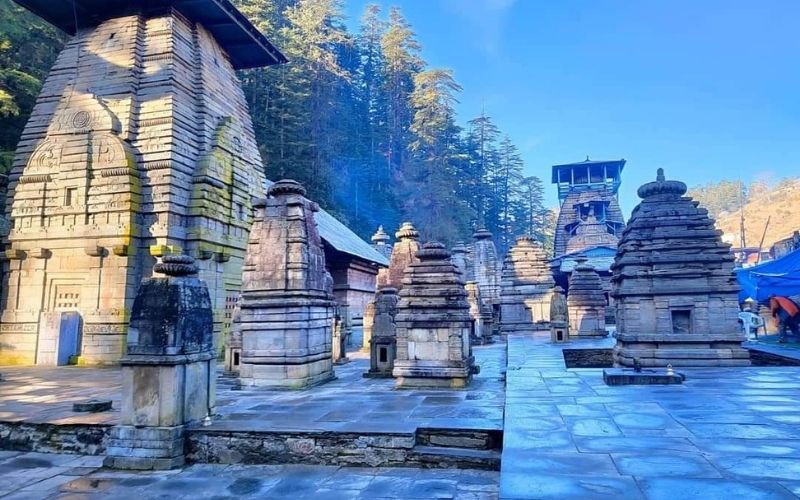
The Mritunjaya Mahadev Temple is believed to be the oldest temple in the complex, dating back to the 8th century. This temple is dedicated to Lord Shiva as the conqueror of death (Mritunjaya). Devotees visit this shrine seeking blessings for longevity and health.
Architecturally, this temple is significant for its relatively simple design compared to the more elaborate later constructions. The simplicity reflects an earlier phase of Himalayan temple architecture before the Katyuri rulers developed the more ornate style seen in other temples. The temple's peaceful atmosphere makes it ideal for meditation and quiet contemplation.
Dandeshwar Shiv Temple: The Giant
Located slightly away from the main cluster, the Dandeshwar Shiv Temple is the largest temple in the Jageshwar complex by physical size. This temple houses a massive shivling and features impressive architectural elements including a towering shikhara and spacious courtyards.
The temple's isolation from the main cluster adds to its mystique. Fewer tourists make the short walk to Dandeshwar, making it a perfect spot for those seeking solitude. The temple's location near a stream adds to its serene atmosphere, and the sound of flowing water provides a natural backdrop to meditation and prayer.
Other Notable Temples
- Surya Temple: Dedicated to the Sun God, this temple is one of the few non-Shaivite shrines in the complex. It features distinct architectural elements that set it apart from the Shiva temples.
- Kuber Temple: Dedicated to Kuber, the treasurer of the gods, this temple is believed to bless devotees with prosperity and wealth.
- Baijnath Temple Group: A cluster of smaller temples featuring intricate carvings and dedicated to various forms of Lord Shiva.
- Lakulisha Temple: Dedicated to the founder of the Pashupata sect of Shaivism, this temple holds special significance for followers of this philosophical tradition.
Temple Timings and Darshan Planning
Planning your visit to Jageshwar Dham requires understanding the temple timings and optimizing your darshan schedule. The temple complex follows specific opening hours that vary slightly by season, and planning around these times can significantly enhance your experience.
| Season | Morning Darshan | Evening Darshan | Special Notes |
|---|---|---|---|
| Summer (Apr-Jun) | 5:00 AM - 12:00 PM | 2:00 PM - 9:00 PM | Best weather for exploration |
| Monsoon (Jul-Sep) | 6:00 AM - 12:00 PM | 2:00 PM - 8:00 PM | Fewer crowds, green surroundings |
| Autumn (Oct-Nov) | 6:00 AM - 12:00 PM | 2:00 PM - 8:00 PM | Clear mountain views |
| Winter (Dec-Mar) | 7:00 AM - 12:00 PM | 2:00 PM - 7:00 PM | Cold but peaceful |
Optimal Darshan Times
The early morning hours (5:30 AM - 7:30 AM) offer the most spiritually charged atmosphere. The morning aarti (ritual worship) at Jageshwar Mahadev Temple is particularly powerful, with the sounds of bells, chanting, and the fragrance of incense creating an immersive experience. Winter mornings require warm clothing, but the crisp mountain air and the sight of the sun rising over the deodar forests make the early start worthwhile.
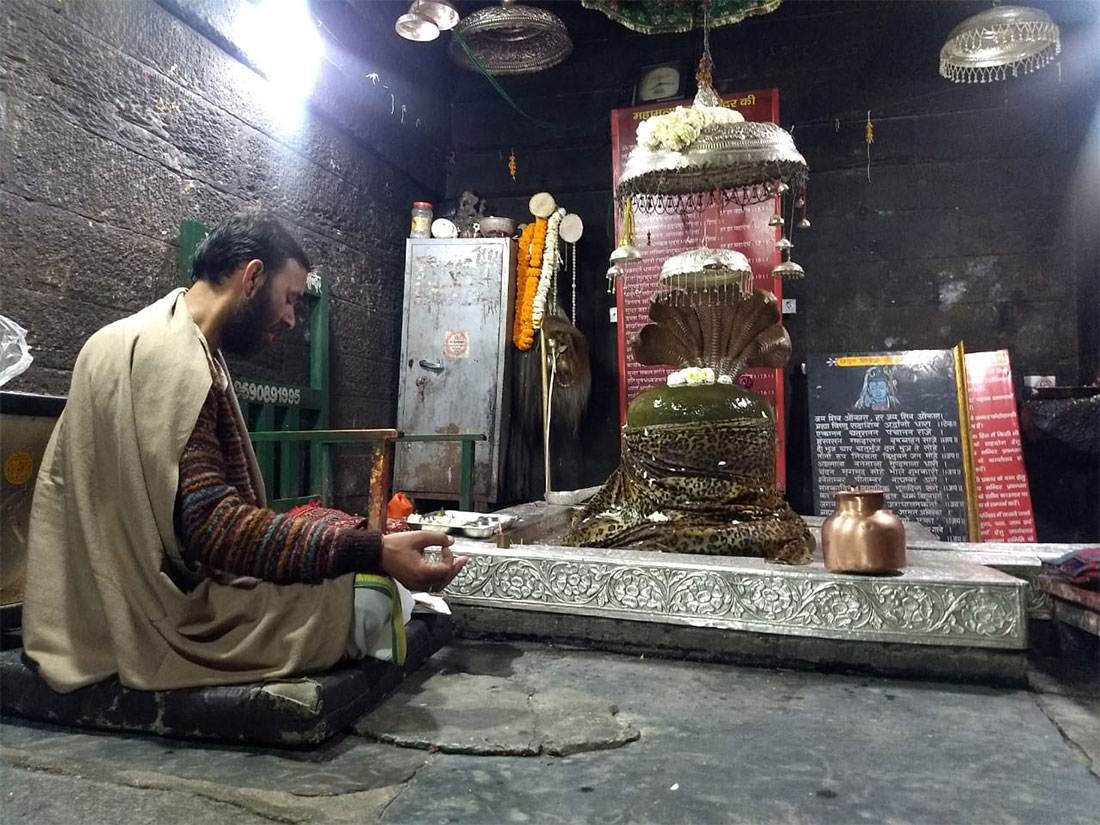
The evening hours (4:00 PM - 6:30 PM) provide excellent lighting for photography and a more relaxed atmosphere for exploration. The soft golden light of the setting sun illuminates the temple carvings beautifully, and the temperature is comfortable for walking around the complex. The evening shayan aarti (sleeping ritual) is a moving experience that marks the closing of the temple ceremonies.
Aarti Schedule
- Morning Aarti: 5:30 AM (summer), 6:30 AM (winter)
- Midday Aarti: 12:00 PM (year-round)
- Evening Aarti: 7:00 PM (summer), 6:00 PM (winter)
- Shayan Aarti: 9:00 PM (summer), 8:00 PM (winter)
How to Reach Jageshwar Dham
Reaching Jageshwar Dham requires some planning due to its location in the Kumaon Himalayas. The journey itself is part of the experience, taking you through some of Uttarakhand's most scenic landscapes.
By Air
The nearest airport is Pantnagar Airport, located approximately 150 kilometers from Jageshwar. Pantnagar has limited connectivity, with flights primarily from Delhi. From the airport, you'll need to hire a taxi for the approximately 5-6 hour journey to Jageshwar. The route passes through beautiful towns including Haldwani, Bhimtal, and Almora.
For international travelers or those from major Indian cities, flying to Delhi's Indira Gandhi International Airport and then continuing by road or rail is often more practical. Delhi is approximately 400 kilometers from Jageshwar.
By Train
The nearest railway station is Kathgodam, located approximately 125 kilometers from Jageshwar. Kathgodam is well-connected to Delhi, Lucknow, and Kolkata. The Kathgodam Shatabdi runs daily from Delhi, making it a convenient option.
From Kathgodam railway station, hire a taxi or take a bus to Jageshwar. The journey takes approximately 4-5 hours and passes through Bhimtal and Almora. Shared jeeps are also available but may not be as comfortable for the winding mountain roads.
By Road
The road journey to Jageshwar is scenic but requires patience due to mountain roads. Here are the common routes:
- From Delhi: Delhi -> Haldwani -> Bhimtal -> Almora -> Jageshwar (approximately 400 km, 10-12 hours)
- From Kathgodam: Kathgodam -> Bhimtal -> Almora -> Jageshwar (125 km, 4-5 hours)
- From Almora: Almora -> Jageshwar (35 km, 1.5 hours) – the most convenient base
The roads are generally well-maintained but involve winding mountain roads with sharp curves. If you're not comfortable driving in hilly terrain, hiring a local driver from Kathgodam or Almora is recommended. During monsoon, check road conditions as landslides can occasionally cause delays.
Best Time to Visit Jageshwar Dham
Choosing the right time to visit Jageshwar Dham depends on your priorities – spiritual experience, weather comfort, or crowd avoidance. Each season offers a different perspective on this sacred site.
Summer Season (April to June)
Summer is the most popular time to visit Jageshwar. The weather is pleasant with daytime temperatures ranging from 15°C to 25°C, making it comfortable for temple exploration and photography. The clear skies offer excellent views of the surrounding Himalayan peaks. All temples and facilities are fully operational, and priests are available for special rituals.
However, summer also means larger crowds, especially during weekends and school holidays. Popular festivals like Shivratri (usually in February or March) and Sawan (July-August) see significant pilgrim influx. If visiting during peak season, consider arriving on weekdays for a quieter experience.
Monsoon Season (July to September)
The monsoon transforms Jageshwar into a lush green paradise. The deodar forests take on a vibrant hue, and the Jataganga River flows with renewed vigor. This is the least crowded period, making it ideal for those seeking solitude and introspection. The rain-washed temples look particularly beautiful against the green backdrop.
However, be prepared for wet weather and occasional road disruptions. Carry rain gear and waterproof footwear. Some smaller temples may have reduced timings. Always check weather forecasts and road conditions before traveling during monsoon.
Autumn Season (October to November)
Many travelers consider autumn the best time to visit Jageshwar. The monsoon rains have cleared, leaving the landscape fresh and green. The skies are crystal clear, offering excellent mountain views. Daytime temperatures are comfortable (12°C-20°C), and nights are crisp but not freezing.
This period sees fewer crowds than summer, making it ideal for photography and unhurried exploration. The Navratri festival (usually September-October) is an especially vibrant time to visit, with special ceremonies and decorations.
Winter Season (December to March)
Winter at Jageshwar is for the spiritually inclined and solitude seekers. Temperatures can drop to 0°C or below, and occasional snowfall transforms the complex into a magical winter wonderland. The crowds thin dramatically, and you may often have the temples entirely to yourself.
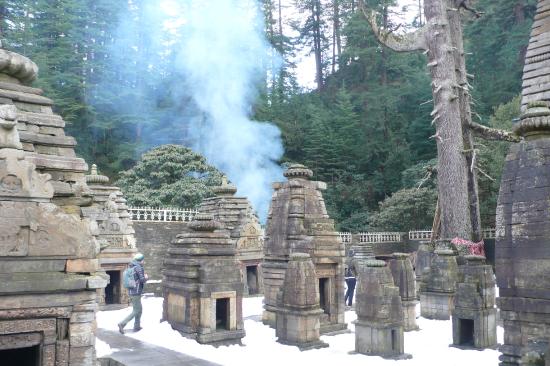
However, winter travel requires preparation. Some homestays close during this period, and those that remain open require advance booking. Carry heavy woolens, thermals, and good winter footwear. Roads can occasionally be blocked by snow, though they're usually cleared within a day or two.
Accommodation and Stay Options
Jageshwar offers limited but adequate accommodation options ranging from basic pilgrim lodges to comfortable guesthouses. The choices are simple but clean, and most offer warm hospitality that is characteristic of the Kumaon region.
Government Guest House (KMVN)
The Kumaon Mandal Vikas Nigam (KMVN) Guest House is the most reliable accommodation option in Jageshwar. Located within walking distance of the temple complex, it offers comfortable rooms with basic amenities. The guest house has a restaurant serving vegetarian food, and the staff can arrange local guides and transportation.
Book in advance, especially during peak season and festivals. The guest house offers both AC and non-AC rooms, though AC is unnecessary except in summer. Rooms with mountain views are available and worth the additional cost.
Private Guesthouses and Homestays
Several private guesthouses and homestays operate in Jageshwar town, offering rooms ranging from ₹800 to ₹2,000 per night. These establishments are typically family-run and offer home-cooked Kumaoni meals. The advantage of homestays is the personal connection – hosts often share stories about the temples and can guide you to lesser-known shrines.
Popular options include Jageshwar Guest House and Kumaoni Home, both known for their cleanliness and hospitality. Some homestays offer traditional Kumaoni architecture with wooden carvings and stone walls.
Almora as Base
Many travelers prefer to stay in Almora (35 km away) and visit Jageshwar as a day trip. Almora offers more accommodation options including mid-range and heritage hotels. The advantage of this approach is access to better restaurants, shopping, and medical facilities if needed. However, it means missing the peaceful early morning and evening hours at the temples.
Combining Jageshwar with Almora Itinerary
Jageshwar Dham fits perfectly into a broader Kumaon region itinerary. Combining it with other attractions in Almora district creates a well-rounded pilgrimage and cultural experience.
One-Day Jageshwar Itinerary from Almora
- 6:00 AM: Depart Almora for Jageshwar (scenic 1.5-hour drive)
- 7:30 AM: Arrive at Jageshwar, attend morning aarti
- 8:30 AM: Explore main temple complex (Jageshwar Mahadev, Mritunjaya)
- 10:00 AM: Visit Dandeshwar Temple
- 11:30 AM: Breakfast at local eatery or pack from Almora
- 12:30 PM: Visit smaller temples in the cluster
- 2:00 PM: Lunch break
- 3:30 PM: Archaeological Museum visit
- 5:00 PM: Evening walk around Jageshwar town
- 6:00 PM: Evening aarti at Jageshwar Mahadev
- 7:30 PM: Depart for Almora
Two-Day Kumaon Spiritual Circuit
For a more comprehensive experience, combine Jageshwar with other spiritual and cultural sites in the region:
Day 1: Almora to Jageshwar
- Morning: Explore Almora town (Nanda Devi Temple, Bright End Corner)
- Afternoon: Drive to Jageshwar, check-in at guesthouse
- Evening: Temple visit and evening aarti
Day 2: Jageshwar and Return
- Early morning: Temple exploration and morning rituals
- Mid-morning: Visit nearby villages and local handicraft centers
- Afternoon: Return journey via Kosi Hill for scenic views
Practical Tips for Pilgrims
What to Carry
- Modest clothing (cover shoulders and knees)
- Comfortable walking shoes with good grip
- Warm layers (evenings are cold year-round)
- Rain gear during monsoon
- Water bottle (stay hydrated)
- Offerings (flowers, fruits, bel leaves) if you wish to perform puja
- Camera (temples allow photography outside sanctum)
Temple Etiquette
- Remove footwear before entering temple premises
- Maintain silence during prayers and rituals
- Ask permission before photographing priests or rituals
- Dress modestly and respect local customs
- Avoid consuming non-vegetarian food or alcohol within temple premises
Budget Planning
| Expense Category | Budget Range | Notes |
|---|---|---|
| Accommodation | ₹800 - ₹2,500/night | KMVN guest house or homestays |
| Meals | ₹300 - ₹600/day | Local restaurants and guest houses |
| Transportation | ₹3,000 - ₹5,000 | Taxi from Kathgodam round trip |
| Offerings | ₹100 - ₹500 | Optional puja materials |
| Guide | ₹500 - ₹1,000 | Optional but recommended |
Common Mistakes to Avoid
1. Underestimating Travel Time
Mountain roads take longer than expected. A journey that looks short on map can take 4-5 hours. Build buffer time into your schedule and don't overpack your day.
2. Ignoring Weather Conditions
Weather in the mountains can change rapidly. Always check forecasts before travel and be prepared for unexpected rain or cold. Carry layers even in summer.
3. Missing the Spiritual Dimension
Don't rush through temples like a tourist checklist. Take time to sit, meditate, and absorb the spiritual atmosphere. The real value of Jageshwar lies in quiet contemplation, not just sightseeing.
4. Not Booking in Advance
During festivals and peak season, accommodation fills up quickly. Book your stay well in advance, especially if you have specific requirements like room with mountain view.
5. Skipping Local Guidance
Local priests and guides can reveal aspects of the temples that guidebooks miss. Don't hesitate to ask questions about temple history, rituals, and local legends.
Conclusion: Timeless Spiritual Journey
Jageshwar Dham Temples offer a unique blend of spiritual significance, architectural heritage, and natural beauty that is increasingly rare in modern India. The temple complex stands as a bridge between ancient traditions and contemporary spiritual seeking, providing continuity with over a millennium of uninterrupted worship.
For pilgrims, Jageshwar represents an opportunity to connect with one of the sacred Jyotirlingas in an intimate, unhurried setting. For history enthusiasts, the temples offer a masterclass in North Indian temple architecture across multiple dynasties. For nature lovers, the deodar forests and mountain setting provide a perfect backdrop for spiritual exploration.
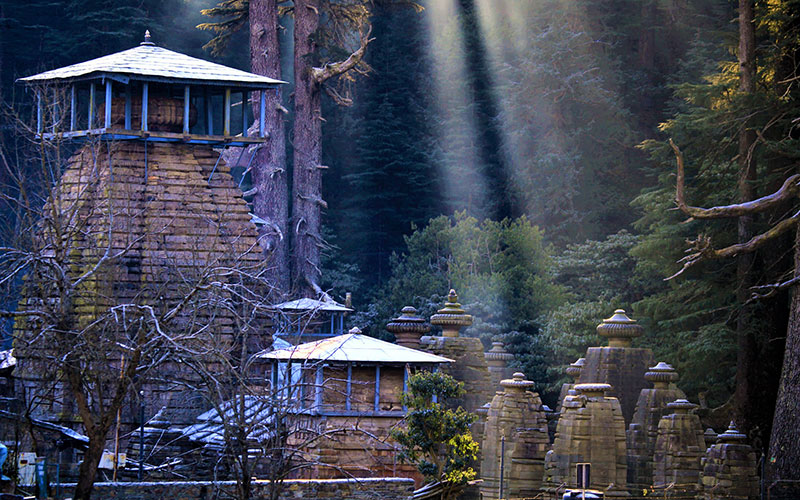
The peaceful atmosphere, far from commercialization and crowds, makes Jageshwar ideal for introspection and spiritual renewal. Whether you're seeking blessings, exploring heritage, or simply escaping to the mountains, Jageshwar Dham welcomes all with its timeless appeal and sacred energy.
Plan your visit with respect for the traditions, sensitivity to the environment, and openness to the spiritual dimension that makes this place special. The memories of your time among these ancient shrines, with the sound of temple bells and the sight of towering deodars, will stay with you long after you return to the plains below.
For those interested in exploring more of the region's spiritual heritage, consider combining your visit with temples in other Himalayan regions, or explore the broader Kumaon circuit for a complete spiritual and cultural experience.
Location
Frequently Asked Questions
Q1.What is the best time to visit Jageshwar Dham Temples?
Q2.How much time is needed to explore Jageshwar temple cluster?
Q3.Is Jageshwar Dham suitable for family pilgrimage travel?
Q4.What is the easiest route to reach Jageshwar from Almora?
Q5.What budget is practical for a short Jageshwar trip?
Q6.What should visitors carry for temple visits in this region?
Q7.Can Jageshwar be combined with Binsar and Almora attractions?
Q8.What planning mistakes should first-time visitors avoid?
Recommended For You
15 Best Hill Stations in Himachal Pradesh
Explore the best hill stations in Himachal Pradesh with practical route planning, traveler-type recommendations, and season-wise travel tips.
Things to Do in Uttarakhand: 30 Best Experiences & Attractions
Discover the 30 best things to do in Uttarakhand - from spiritual Char Dham pilgrimage and yoga in Rishikesh to adventure sports, wildlife safaris, and offbeat Himalayan villages. Complete guide with costs and tips.
Best Places to Visit Kashmir: Complete Travel Guide 2026
Explore the best places to visit Kashmir including Srinagar Dal Lake, Gulmarg skiing, Pahalgam valleys, and complete travel guide.
Never Miss an Adventure
Get the latest trekking guides, travel tips, and exclusive offers delivered straight to your inbox.
