
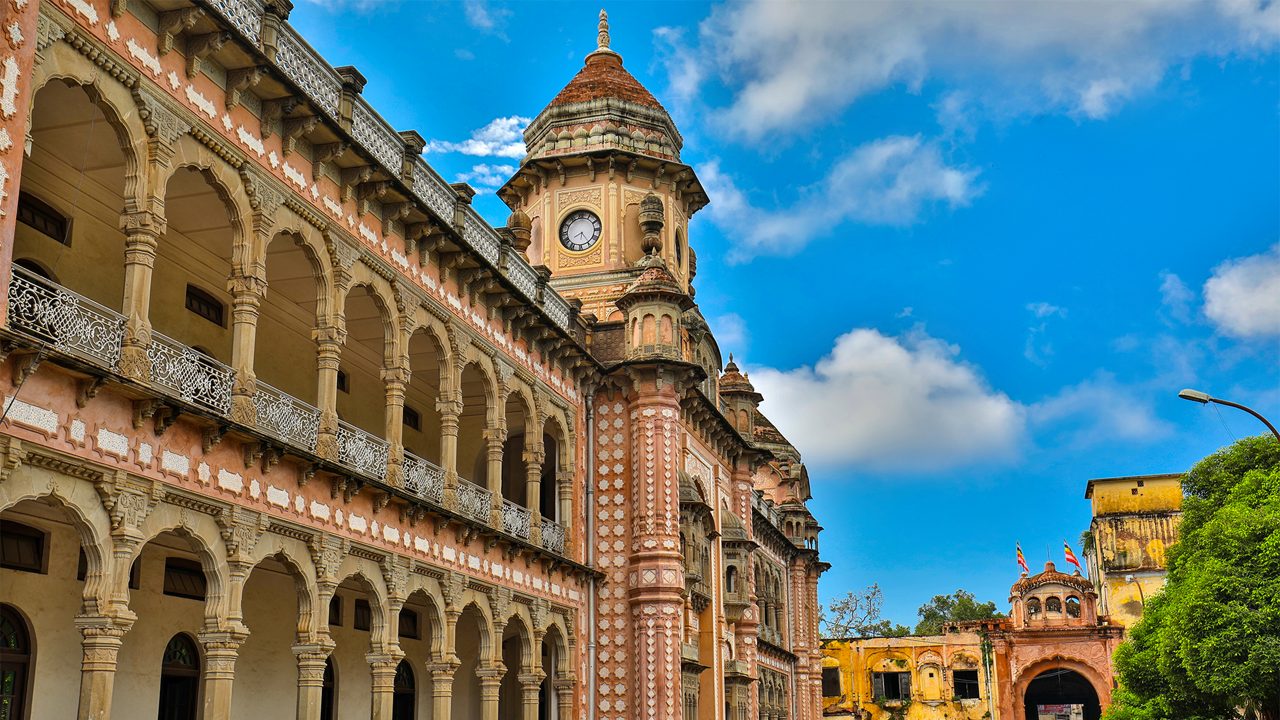
Famous Temples in Jammu and Kashmir: Top 15 Sacred Sites

Neha Kapoor
February 20, 2026
Discover famous temples in Jammu and Kashmir with Vaishno Devi, Amarnath, Shankaracharya, and practical pilgrimage planning tips.
Introduction to Sacred Temples of Jammu and Kashmir
Jammu and Kashmir is one of India’s most important spiritual regions, with temple traditions spread across Jammu plains, Trikuta hills, and Kashmir Valley heritage sites. For pilgrims and cultural travelers, this region offers both active shrines with daily darshan and ancient temple sites with archaeological significance. The challenge is not finding famous temples, but planning them in practical clusters so travel stays smooth and meaningful.
This guide is built for route-first planning: major pilgrimage shrines, valley temples, ancient temple ruins, best seasons, and access strategy. If you are planning a complete state trip, also check best-time-to-visit-kashmir and kashmir-in-summers-vs-winters before fixing dates.
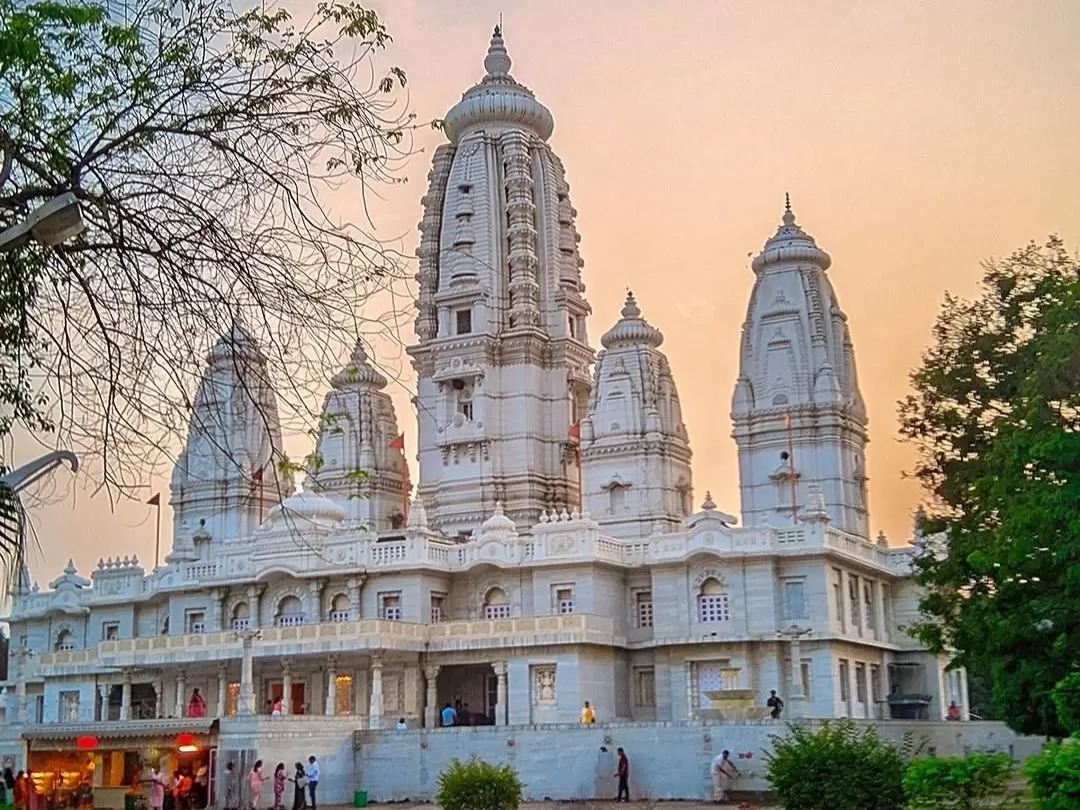
Top 15 Famous Temples in Jammu and Kashmir
1. Shri Mata Vaishno Devi (Katra)
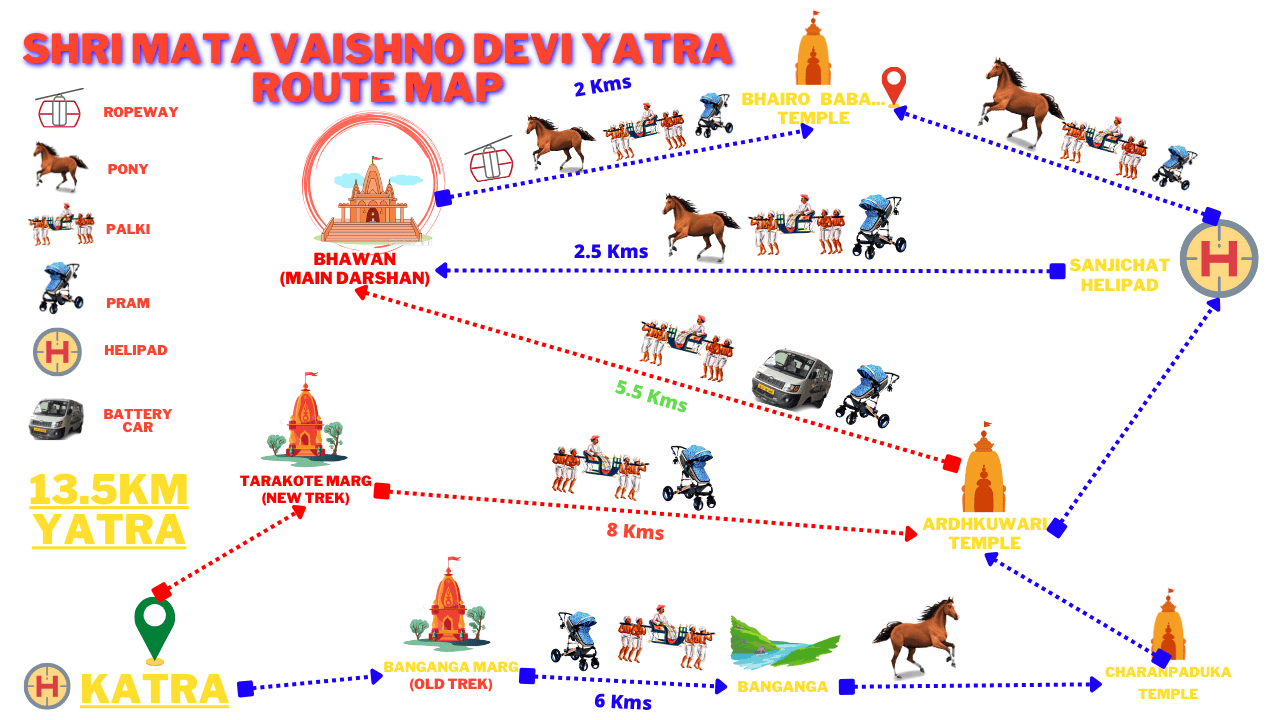
The most famous shrine in the region, attracting pilgrims year-round. Managed by the Shri Mata Vaishno Devi Shrine Board, the yatra model includes registration, route management, and seasonal advisories.
2. Amarnath Holy Cave Shrine
One of the most sacred Shiva pilgrimage destinations in India. The annual yatra is managed by Shri Amarnathji Shrine Board (SASB) with strict seasonal windows and safety advisories.
3. Shankaracharya Temple (Srinagar)
Perched on Shankaracharya Hill, this historic Shiva temple is among the most visited spiritual landmarks in Srinagar.
4. Raghunath Temple (Jammu)
A key Vaishnav temple complex in Jammu city and a central point for urban temple circuits.
5. Ranbireshwar Temple (Jammu)
One of Jammu’s important Shiva temples, known for its lingam worship tradition and city accessibility.
6. Peer Kho Cave Temple (Jammu)
A cave-linked spiritual site with strong local devotional significance and easy inclusion in Jammu city itineraries.
7. Kheer Bhawani Temple (Tulmulla)
A major temple for Kashmiri Hindu tradition, especially important during annual devotional observances.
8. Martand Sun Temple (Anantnag region)
One of the most iconic ancient temple sites in Kashmir Valley, known for historical architecture and archaeological relevance.
9. Avantiswami Temple (Awantipora)
Important temple ruins from early medieval Kashmir, valuable for heritage and temple-history travelers.
10. Sudh Mahadev Temple (Udhampur region)
A major Shiva pilgrimage site in Jammu division, often paired with regional spiritual routes.
11. Gauri Shankar Temple (Jammu region circuits)
Included in many local temple loops and associated with traditional Shiva worship patterns.
12. Shiv Khori Cave Shrine (Reasi belt)
A naturally formed cave-shrine route that attracts pilgrims looking for cave-based spiritual experiences.
13. Kol Kandoli Temple (Nagrota)
Traditionally considered an early spiritual stop for many Vaishno Devi pilgrims.
14. Sukrala Mata Temple (Kathua region)
A hill shrine with strong regional devotional following, especially during Navratri windows.
15. Pandrethan Shiva Temple (Srinagar area)
A historically significant and well-preserved ancient stone temple in Kashmir Valley.
| Temple | Region | Primary Focus | Trip Fit |
|---|---|---|---|
| Vaishno Devi | Jammu | Major pilgrimage | Dedicated yatra |
| Amarnath | Kashmir Himalaya | Seasonal high-altitude yatra | Pre-registered pilgrimage |
| Shankaracharya | Srinagar | Historic hill temple | City spiritual block |
| Martand/Avantiswami | Valley heritage belt | Ancient temple architecture | History + culture |
| Raghunath/Ranbireshwar | Jammu city | Urban temple circuit | Family-friendly route |
Temple Clusters for Practical Planning
Jammu cluster
Raghunath, Ranbireshwar, Peer Kho, and nearby urban temples can be covered in one city-side day with low transfer stress.
Katra-Reasi pilgrimage cluster
Vaishno Devi and Shiv Khori routes require dedicated planning due to crowd and terrain factors.
Srinagar-Valley heritage cluster
Shankaracharya, Kheer Bhawani, Pandrethan, Martand, and Avantiswami can be sequenced as spiritual plus heritage travel blocks.
Current Pilgrimage Notes for Vaishno Devi and Amarnath
As of February 20, 2026, official portals remain the most reliable source for yatra services and updates. The Shri Mata Vaishno Devi Shrine Board site shows service quota and booking notices, while the Shri Amarnathji Shrine Board site notes that 2026 yatra dates will be updated soon and continues to publish safety advisories and do-and-don’t guidance.
For Amarnath-specific route strategy and process basics, combine this guide with how-to-reach-amarnath-temple and amarnath-temple-kashmir.
Best Time for Temple Travel in Jammu and Kashmir
- March to June: Comfortable for Jammu and lower-altitude temple circuits.
- July to September: Important period for Amarnath season (subject to annual official schedule).
- October to November: Good for many valley temple and heritage visits with clearer weather windows.
- Winter: Some routes may face weather limitations; check live advisories before departure.
Temple timing and access can change by season and local administration decisions, so same-week verification is essential.
How to Reach Major Temples
| Temple | Access Model | Planning Need |
|---|---|---|
| Vaishno Devi | Jammu/Katra access + trek/approved options | Registration and route prep |
| Amarnath | Seasonal yatra routes via designated corridors | Mandatory official protocols |
| Shankaracharya | Srinagar city ascent route | Time for security and climb |
| Martand | Road trip from valley base | Heritage-day itinerary |
| Jammu city temples | Local cab/auto circuits | Low-complexity urban planning |
Temple Timings and Darshan Planning
Timings vary by season, day type, and local administration updates. Instead of relying on static blog charts, use this rule:
- Confirm official timing updates 24-48 hours before visit.
- Use early morning slots for major shrines and hill temples.
- Keep additional queue buffer during weekends and festivals.
- For high-footfall yatras, complete registration and document checks in advance.
Family and Solo Pilgrimage Strategy
Families should avoid stacking multiple high-effort temple climbs in one day. Keep one major shrine and one low-intensity city or heritage stop. Solo travelers can move faster, but should still prioritize daylight route completion on remote or high-altitude segments.
- Carry layered clothing for rapid weather shifts.
- Use one fixed regroup point at crowded shrine areas.
- Keep identity documents and permits accessible.
- Follow official do-and-don’t advisories strictly for yatra routes.
Budget Framework for J&K Temple Circuits
Temple travel budgets vary sharply depending on route type. Urban temple circuits in Jammu are generally predictable, while yatra routes add transport, queue time, and contingency needs.
| Budget Block | Common Variation | Control Tip |
|---|---|---|
| Stay | Seasonal demand spikes | Book early for yatra periods |
| Transport | Higher on route-complex days | Cluster temple geography |
| Food | Queue-related timing changes | Keep fixed meal windows |
| Contingency | Often underestimated | Keep 15-20% extra budget |
Common Mistakes to Avoid
- Treating high-altitude yatra routes like normal city sightseeing.
- Ignoring official registration or RFID/permit requirements.
- Overpacking too many temples across distant regions in one trip day.
- Skipping weather checks for mountain corridors.
- Using unauthorized booking channels for key services.
Suggested 3-Day Temple Itinerary
Day 1 (Jammu city): Raghunath, Ranbireshwar, Peer Kho, local cultural walk.
Day 2 (Katra/Reasi side): Vaishno Devi-focused route with full-day buffer.
Day 3 (Srinagar/Valley block): Shankaracharya plus one heritage temple site depending on transfer window.
This is a practical structure for mixed devotional and heritage interest without excessive route strain.
Conclusion
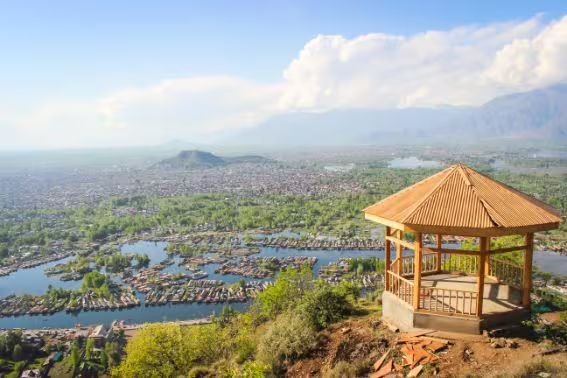
Jammu and Kashmir offers one of India’s richest temple landscapes, from world-famous pilgrimage shrines to ancient valley temple heritage. The best travel outcomes come from route-wise planning, official advisory checks, and realistic daily pacing. When done well, a J&K temple circuit is spiritually meaningful, historically rich, and operationally manageable.
Location
Frequently Asked Questions
Q1.Which is the most famous temple in Jammu and Kashmir?
Q2.What are famous temples in Srinagar?
Q3.How do I reach Vaishno Devi temple?
Q4.What is the trek distance for Amarnath cave pilgrimage?
Q5.Are helicopters available for Vaishno Devi and Amarnath?
Q6.What is the best time to visit temples in Jammu and Kashmir?
Q7.What is special about Shankaracharya Temple?
Q8.Is photography allowed at all temples?
Recommended For You
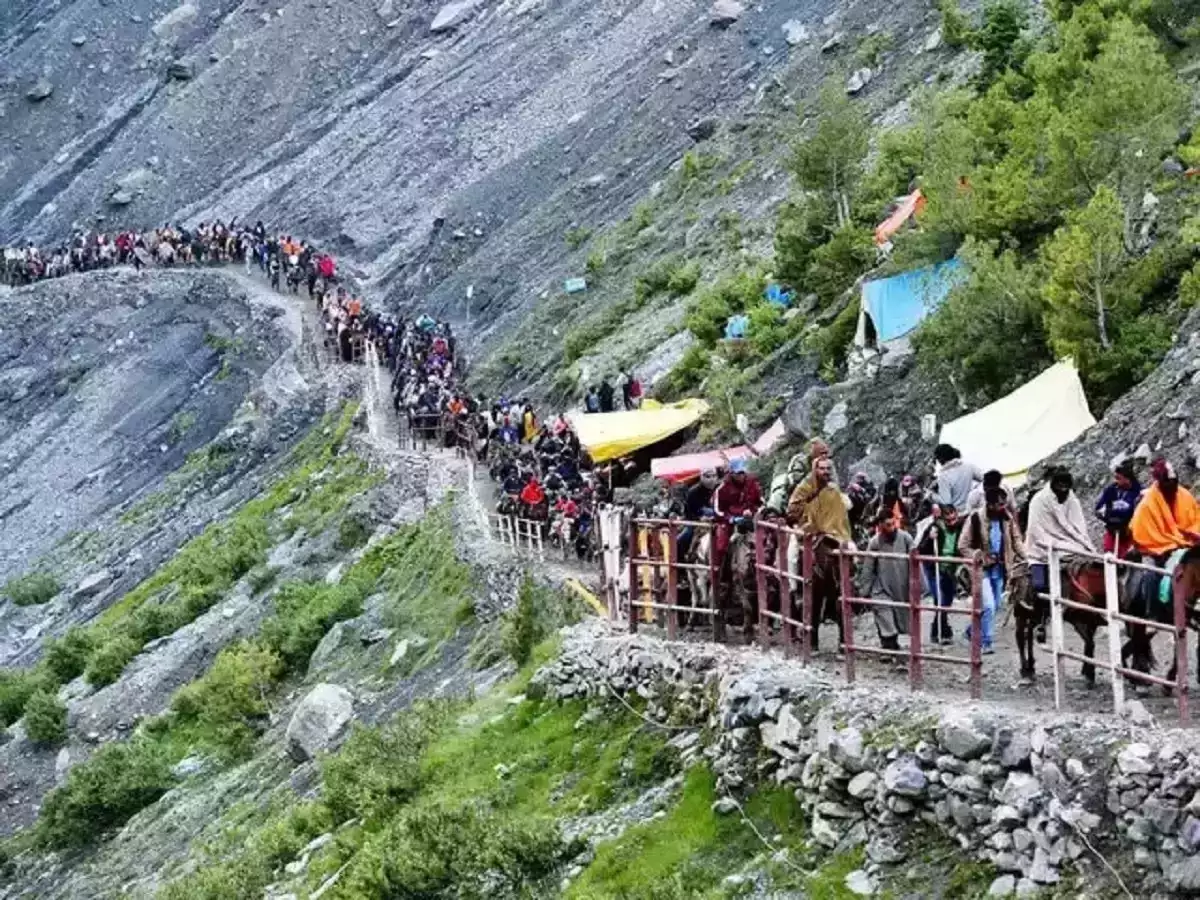
How to Reach Amarnath Temple: Complete Travel Guide 2026
Complete guide on how to reach Amarnath Temple by Pahalgam and Baltal routes. Includes transportation, registration, preparation, costs, and helicopter services.
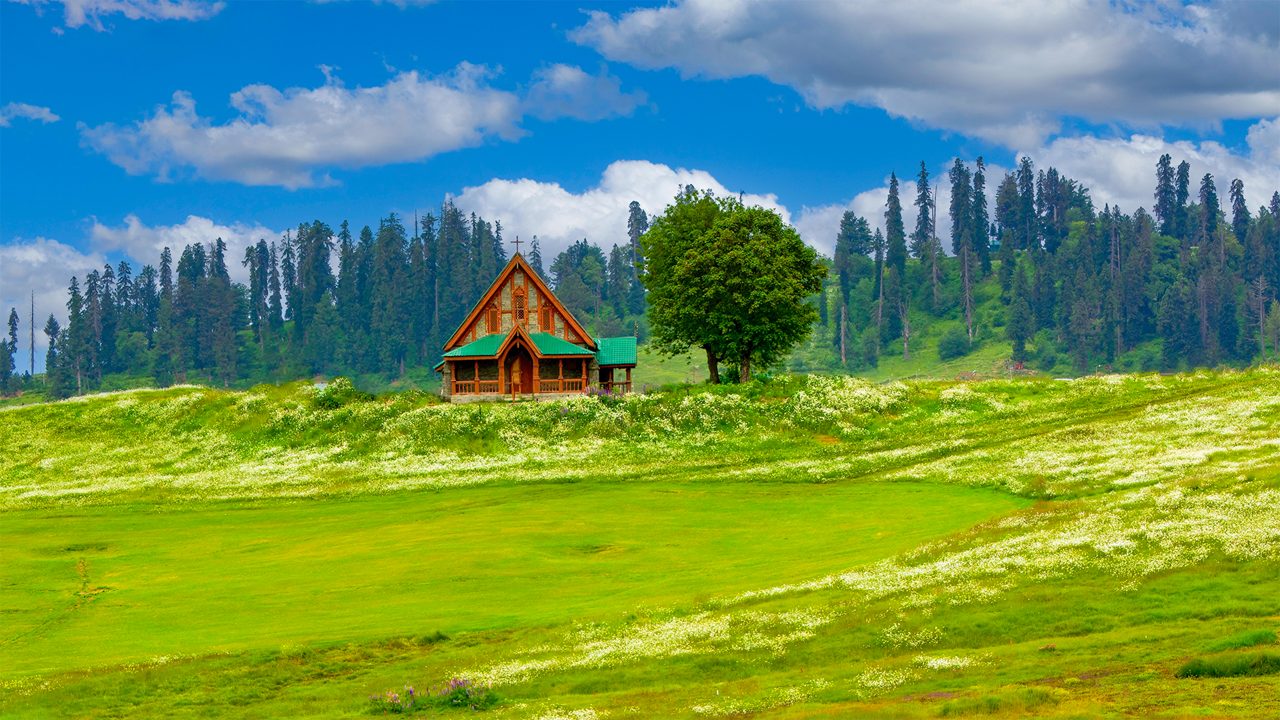
Best Time to Visit Kashmir: Month-by-Month Weather & Activities
Plan the best time to visit Kashmir with month-by-month weather, snow and bloom seasons, and practical guidance for sightseeing, honeymoon, and family travel.
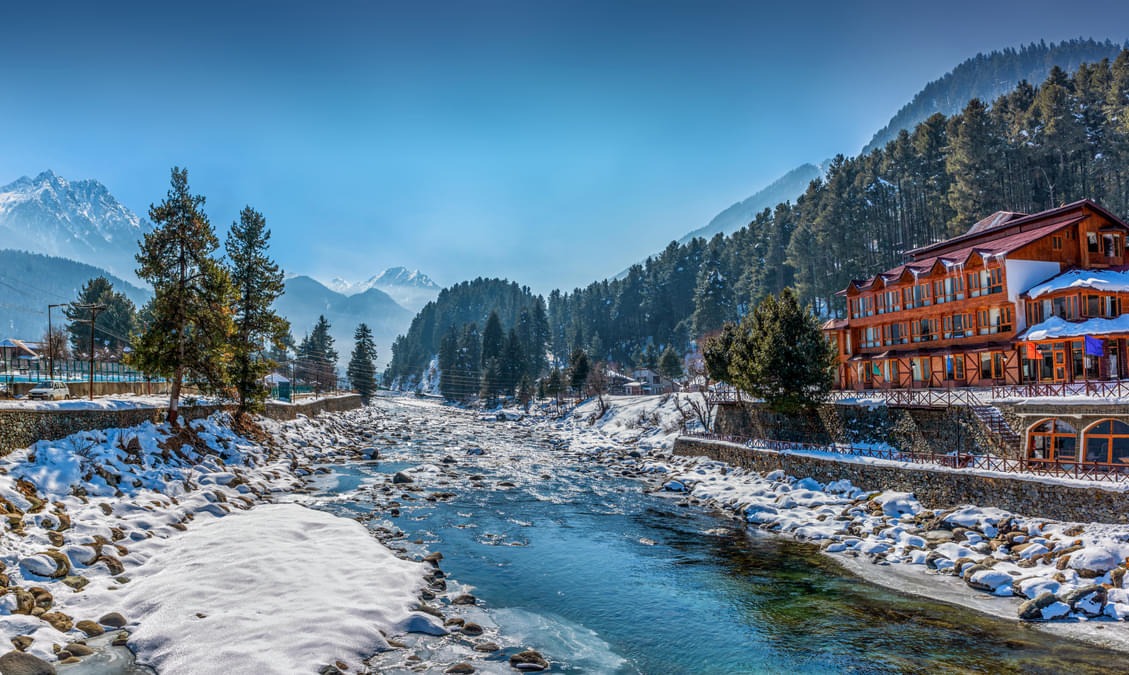
Kashmir in Summers vs Winters: Best Time to Visit
Kashmir in summers vs winters: Compare weather, activities, scenery & costs to decide the best time to visit Kashmir for honeymoon, family trip, or adventure.
Never Miss an Adventure
Get the latest trekking guides, travel tips, and exclusive offers delivered straight to your inbox.
