Select date
Jaisalmer: Complete Travel Plan Desert And Weather
Adventure

Jaisalmer: Complete Travel Plan Desert And Weather

Neha Kapoor

Neha Kapoor

February 20, 2026

5 min read2,292 views

Complete Jaisalmer travel guide featuring Golden Fort, havelis, desert safari, Sam Sand Dunes, best time to visit & practical tips.

Jaisalmer is not just a fort city in the Thar Desert; it is a complete cultural landscape of sandstone architecture, desert life, local crafts, and dramatic light conditions that change every few hours. Many travelers rush through in one day and miss its strongest experiences. This guide helps you build a practical Jaisalmer plan with balanced sightseeing, desert activities, and crowd-smart timing. If you are comparing Rajasthan city styles first, read Jaipur vs Udaipur before finalizing your route.

Why Visit Jaisalmer

Jaisalmer offers a unique visual identity: yellow sandstone structures that glow at sunrise and sunset, narrow old lanes, havelis with intricate facades, and desert camps beyond city limits. Unlike greener hill destinations, Jaisalmer’s charm comes from texture, light, and heritage storytelling. It suits photographers, history lovers, and travelers who enjoy open landscapes.

Best Time to Visit Jaisalmer

October to March is the most comfortable period for daytime exploration and desert activities. Summer heat can be intense and limits outdoor comfort, though hotel rates may drop. Winter nights can become very cold in camps, so layered clothing is essential. Festival windows attract more crowds but create stronger cultural atmosphere.

Top Places to Visit

Jaisalmer Fort: Living fort with homes, shops, temples, and panoramic city views.
Patwon Ki Haveli: Fine carvings and merchant-era architecture.
Gadisar Lake: Calm evening setting for slower pace and photography.
Sam Sand Dunes: Popular zone for sunset and desert camp stays.
Kuldhara: Historic abandoned village often included in half-day circuits.

How Many Days Are Enough?

Two full days are ideal for first-timers. Day one can focus on fort and old city heritage. Day two works well for havelis, local markets, and sunset at dunes with night camp. A third day allows slower exploration, nearby villages, and better photography sessions away from peak crowds.

Desert Camp Planning Tips

Not all camps offer the same experience. Check location distance from main roads, washroom quality, heating availability in winter, and cultural program schedule. Some camps feel crowded and commercial; others are quieter and more immersive. Clarify inclusions before payment: transfers, dinner, breakfast, folk performances, and activity charges often vary.

Food and Shopping

Jaisalmer has strong traditional Rajasthani food options along with rooftop dining in fort-view areas. For shopping, look for textiles, mirror-work items, leather products, and handcrafted decor. As always, compare prices across multiple shops before purchasing high-value items.

How to Reach Jaisalmer

Jaisalmer is accessible by train and road from major Rajasthan hubs. Travelers often combine it with Jodhpur and Jaipur in one circuit. Road transfers are comfortable if you start early and keep hydration support in warmer months. For travelers building wider India itineraries, route planning logic is similar to destination connectors such as Pantnagar Airport or Delhi to Kedarnath, where last-mile logistics shape overall trip quality.

Final Itinerary Suggestion

Day 1: Fort walk, haveli circuit, evening market.
Day 2: Gadisar Lake, Kuldhara, Sam dunes, camp night.
Day 3 (optional): Slow city photography and local food trail.

Jaisalmer is best when you balance heritage sightseeing with desert-time breathing space. Keep your schedule flexible around weather and sunset hours. For cross-region trip planning, you can also read Jakar Bhutan and Junagadh Gujarat to compare cultural destination pacing across India and nearby Himalayan circuits.

Location

Frequently Asked Questions

Q1.What is the best time to visit Jaisalmer?

The best time to visit Jaisalmer is from October to March when the weather is pleasant (20-30°C) and suitable for sightseeing and desert activities. October-November has comfortable temperatures post-monsoon. December-January is peak season with best weather but maximum visitors and highest prices - book accommodations and desert camps early. February starts warming up but remains pleasant. This is also when the Desert Festival typically occurs, attracting thousands with camel races, folk dances, and cultural events - a vibrant but crowded time to visit. March begins getting warmer (reaching 35°C+ by month-end) but still manageable. Avoid April-June summer when temperatures routinely reach 40-45°C, sometimes touching 50°C - extreme heat makes outdoor activities nearly impossible during the day. July-September monsoon brings some relief from heat but limited rain and humidity - not many tourists but desert camping operates in limited manner. For most travelers, November-February offers ideal conditions for exploring both the city and desert. If visiting during summer, plan activities for very early morning and late afternoon, resting during peak heat hours.

Q2.How many days are enough for Jaisalmer?

A 2-3 day trip is sufficient to cover Jaisalmer's main attractions. Day 1: Explore Jaisalmer Fort, Patwon Ki Haveli, and other havelis. Day 2: Day trip to Sam Sand Dunes for desert safari, camel ride, and overnight camping. Day 3: Explore more havelis, visit Gadisar Lake, or relaxation. For a more relaxed experience including cultural shows, deeper desert exploration, or a visit to Longewala (famous from the movie Border), plan 4-5 days. Many travelers combine Jaisalmer with Jodhpur (5-6 hours drive) and Udaipur (8-10 hours) in a classic Rajasthan circuit - for this itinerary, plan 7-10 days. If you're interested in photography, culture, or history, you might appreciate having more time to explore the havelis at a leisurely pace rather than rushing through them. The desert camping experience is worth extending for - spending one night under the stars in the Thar Desert is magical and a highlight for many visitors to Jaisalmer.

Q3.Is Jaisalmer safe for tourists?

Yes, Jaisalmer is generally very safe for tourists, including solo female travelers. The city sees thousands of domestic and international visitors annually without major safety issues. The local people are known for their hospitality and the tourist areas are generally safe. Standard precautions apply - avoid isolated areas at night, choose reputable accommodations, and safeguard valuables. The main risks are related to the harsh desert environment rather than crime. For desert safaris, always go with reputable operators who have proper equipment, experienced guides, and safety protocols. The desert can be disorienting - never venture alone into the desert without a guide. Temperatures in summer can be dangerous - heat stroke is a real risk during April-June. In winter, desert temperatures can drop below freezing at night - carry adequate warm clothing if camping. During monsoon, flash floods can create dangerous conditions in typically dry areas - follow local advice. Political stability is excellent, and there are no civil disturbances. Women should dress modestly to respect local customs, though tourist areas are used to various dress styles. Overall, Jaisalmer is safe, and the biggest challenges are environmental rather than criminal.

Q4.What is Jaisalmer famous for?

Jaisalmer is famous for several things: 1) The Golden Fort (Sonar Quila) - a living fort with yellow sandstone architecture that glows golden in the sun. 2) Intricate Havelis - Patwon Ki Haveli, Nathmal Ki Haveli, Salim Singh Ki Haveli, and others with stunning stone carvings and jaali work. 3) Desert Safaris - camel and jeep safaris into the Thar Desert with overnight camping under the stars. 4) Sam Sand Dunes - spectacular sand dunes approximately 40km from the city, perfect for desert experiences and sunset views. 5) Desert Festival - annual event featuring camel races, folk dances, turban tying competitions, and other cultural activities. 6) Architecture - the distinctive yellow sandstone architecture that gives Jaisalmer its nickname 'Golden City.' 7) Cultural heritage - Rajput valor, trading history, and desert traditions. 8) Location in the heart of the Thar Desert - one of India's most fascinating landscapes. Jaisalmer offers a unique blend of history, architecture, desert adventures, and cultural experiences that make it one of Rajasthan's most popular destinations.

Q5.How far is Sam Sand Dunes from Jaisalmer?

Sam Sand Dunes is approximately 40-45 kilometers from Jaisalmer city center. The drive takes approximately 1-1.5 hours one way by car, depending on road conditions and your exact starting point in Jaisalmer. Most desert camps and safari operators provide transportation from Jaisalmer to Sam Sand Dunes as part of their packages. The road journey passes through desert landscapes, small villages, and offers glimpses of rural Rajasthani life - the journey itself is quite scenic. For those taking a taxi or private vehicle, expect to pay approximately ₹1500-2000 for a round trip. Many organized tours and desert camp packages include transportation from Jaisalmer hotels to the dunes and back. Some operators offer shared vehicle options to reduce costs. The last stretch of the journey involves off-road driving through sandy terrain to reach the dunes - this is where 4WD vehicles are essential. Sam Sand Dunes is the most popular desert camping location near Jaisalmer due to its accessibility and relatively good facilities. For those wanting more remote desert experiences, other dunes exist further into the Thar Desert but require more time and effort to reach.

Q6.Is Jaisalmer worth visiting?

Absolutely, Jaisalmer is absolutely worth visiting and is one of Rajasthan's most unique and rewarding destinations. Unlike many cities that might feel similar to others, Jaisalmer offers an experience unlike anywhere else in India. The golden sandstone architecture, particularly the living fort and intricate havelis, is stunning and unlike anything you'll see elsewhere in India. The desert location adds a completely different dimension - the Thar Desert with its vast sand dunes, spectacular sunsets, and starry nights creates an almost otherworldly atmosphere. The combination of architectural marvels (fort, havelis), desert adventures (camel safaris, desert camping), rich culture (folk music, dance, traditions), and romantic desert nights makes Jaisalmer special. The city is smaller and more manageable than Jaipur or Udaipur - you can cover main attractions in 2-3 days. It's less crowded than other Rajasthan destinations (except during peak festival times). The desert camping experience is one of India's most unique activities. The accessibility (connected by rail, road, and air) makes it relatively easy to reach. Whether you're interested in history, architecture, culture, adventure, or photography, Jaisalmer delivers exceptional experiences. For many travelers, Jaisalmer is the highlight of their Rajasthan trip, often exceeding expectations.

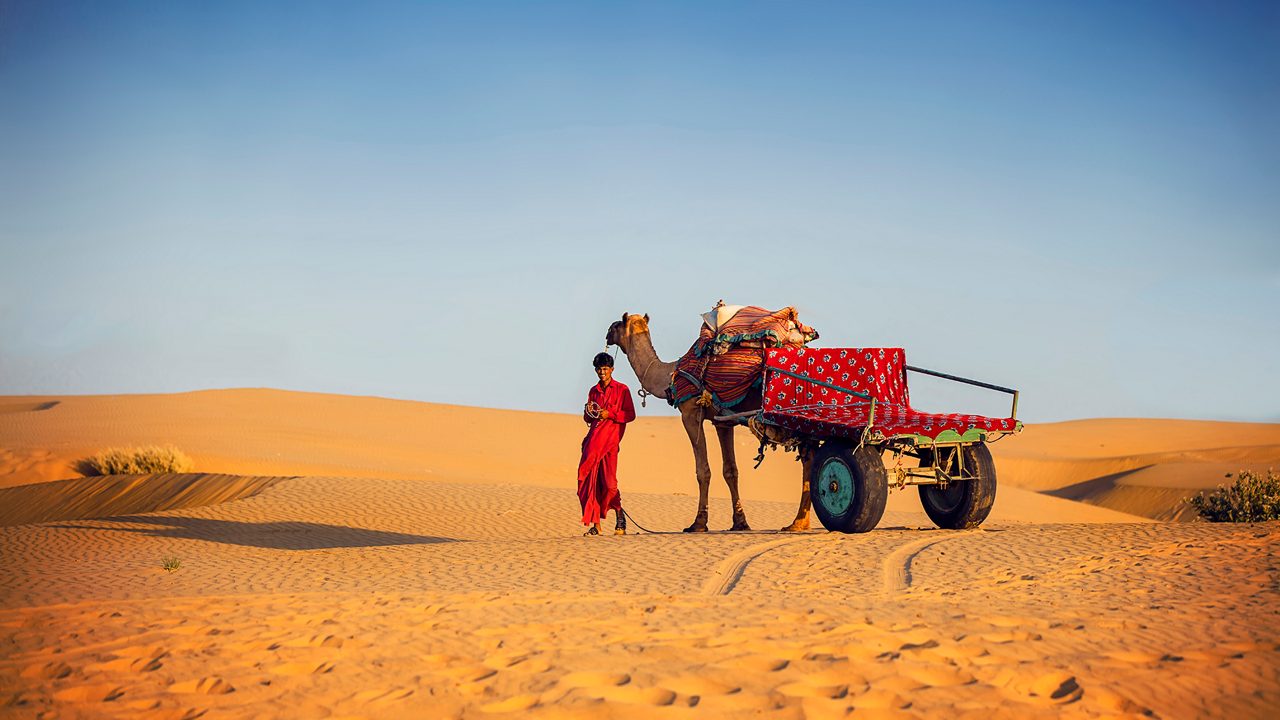
Q7.Can we do camel safari in Jaisalmer?

Yes, camel safaris are one of Jaisalmer's most popular and iconic activities. Camels, traditionally used as the 'ships of the desert,' are available for rides ranging from 30 minutes to multi-day expeditions. The most common camel safari experience is at Sam Sand Dunes, approximately 40km from Jaisalmer city. This usually includes a sunset ride to watch the sun dip below the dunes, followed by dinner, folk music and dance performances around a bonfire, and often overnight camping. Camel safaris can also be done closer to Jaisalmer at Khuri Sand Dunes (approximately 40km in a different direction). Shorter camel rides (30-60 minutes) are perfect for experiencing the unique gait of a camel and getting photos. Longer safaris (2-3 hours or full day) take you deeper into the desert, passing through villages, possibly spotting desert wildlife (chinkara, desert foxes, various birds), and experiencing the vastness of the Thar. For the adventurous, multi-day camel safaris explore remote areas with overnight camping in different locations each night. Always book through reputable operators who prioritize animal welfare - camels should be well-cared for and not overworked. The best time for camel safaris is from October to March when weather is pleasant. Summer (April-June) is extremely hot, making daytime safaris very challenging. Monsoon (July-September) sees limited operations.

Q8.What is the Desert Festival in Jaisalmer?

The Desert Festival in Jaisalmer is a three-day annual cultural celebration that showcases the vibrant culture, traditions, and people of Rajasthan. Held typically in January or February (exact dates vary each year based on the lunar calendar), the festival attracts thousands of domestic and international visitors. The festival was started by the Rajasthan Tourism Department to promote desert tourism and has become one of Jaisalmer's biggest attractions. Key events and competitions include: 1) Camel Races - the most popular event where camels from across the region compete in races across the sand dunes. 2) Camel Decoration competitions where camels are elaborately decorated with jewelry, colorful saddles, and paintings. 3) Turban Tying competitions showing the speed and skill of tying traditional Rajasthani turbans. 4) Mr. Desert contest which includes having the longest mustache and other fun competitions. 5) Folk music and dance performances featuring Kalbeliya, Ghoomar, and other traditional Rajasthani dance forms. 6) Puppet shows displaying the art of Rajasthani puppetry. 7) Acrobatics and other cultural performances. The festival is held at Sam Sand Dunes, with the golden sand dunes providing a spectacular backdrop. The festival dates are announced a few months in advance - plan and book accommodations early as this is peak season and Jaisalmer gets fully booked. The festival offers a concentrated dose of Rajasthani culture and is highly recommended if your visit coincides with these dates.

Never Miss an Adventure

Get the latest trekking guides, travel tips, and exclusive offers delivered straight to your inbox.

WhatsAppSay Hi on WhatsApp
Jaisalmer Travel Guide: Golden City Complete