
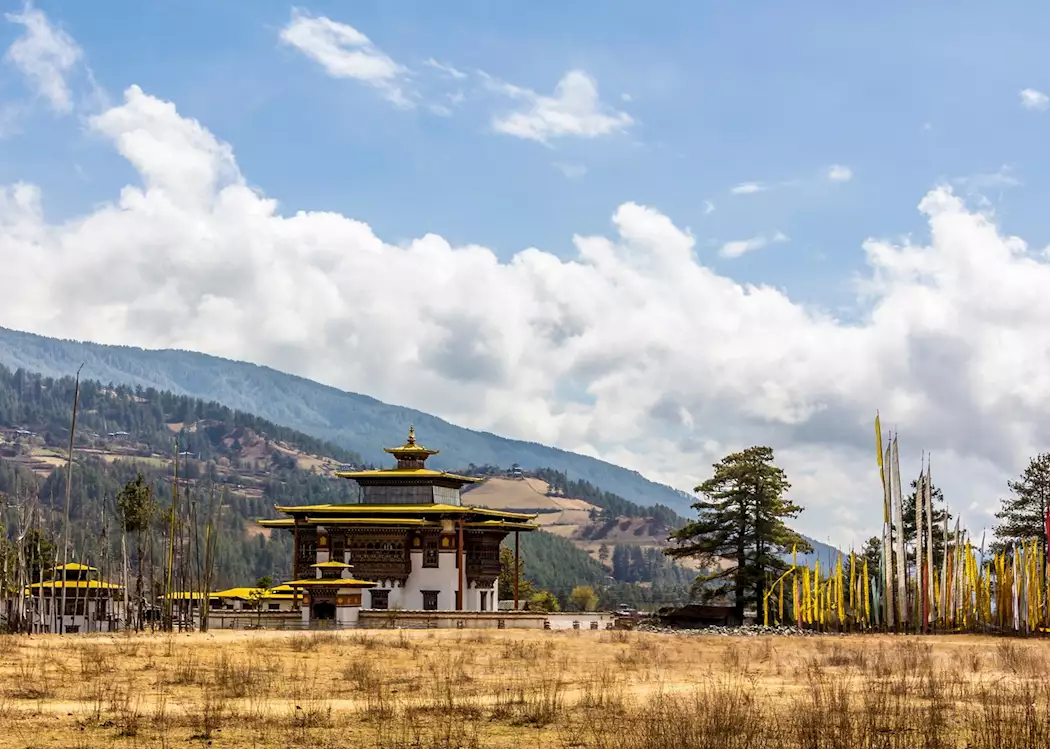
Jakar Bhutan Travel Guide: Places to Visit & Things to Do
Rahul Garg
December 11, 2025
Complete Jakar Bhutan travel guide. Discover ancient temples, festivals, trekking & Bumthang Valley's spiritual heritage.
Jakar, located in Bhutan’s Bumthang Valley, is one of the country’s most culturally rich destinations. Unlike the busier western Bhutan circuit, Jakar offers quieter monasteries, traditional valley life, and meaningful heritage experiences without constant crowd pressure. This guide is designed for travelers who want depth over checklist tourism. If you are comparing mountain destination pacing, also read Delhi to Spiti Valley for a very different Himalayan route style.
Why Jakar Is Worth Visiting
Jakar combines sacred sites, beautiful valley landscapes, and authentic Bhutanese rhythm. It is ideal for travelers interested in monastery architecture, local festivals, and slow exploration. The town is also a good base for short village visits and spiritual circuits that are less commercial than many mainstream destinations.

Best Time to Visit Jakar
Spring and autumn are the most comfortable seasons with clear skies and pleasant daytime conditions. Winter is quieter and scenic but colder, while monsoon months can bring wet travel windows. Festival dates vary and can elevate your experience, so check local calendars before finalizing flights and permits.
Top Places to Visit in Jakar
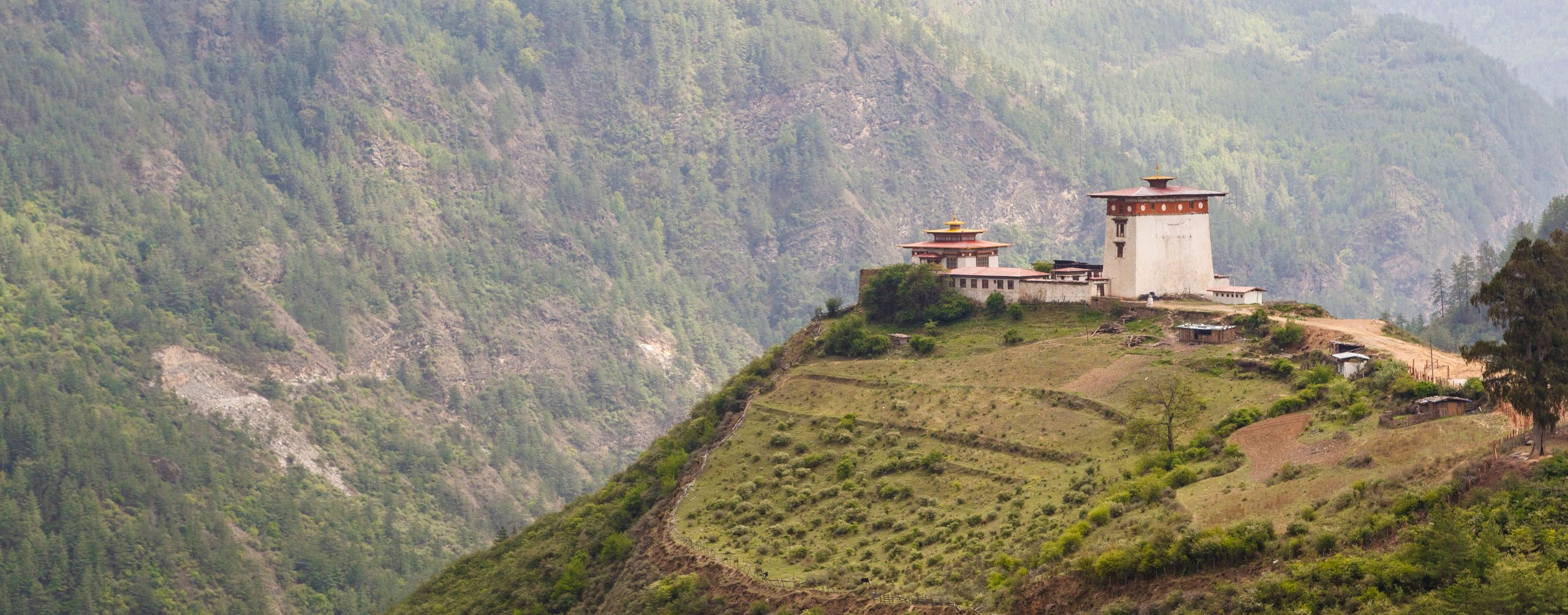
Jakar Dzong: A major fortress-monastery with commanding valley views.
Kurjey Lhakhang: One of Bhutan’s most respected spiritual sites.
Jambay Lhakhang: Historic temple known for deep cultural significance.
Bumthang Valley villages: Slow drives, local homes, and traditional farming scenery.
How to Reach Jakar
Most travelers reach Bhutan via Paro and then continue by domestic connection or road/overland itinerary depending on route design. Travel in Bhutan usually follows pre-arranged logistics, so working with a reliable operator is key. Keep transfer days relaxed, because mountain roads and weather can affect punctuality.

Suggested 3-Day Jakar Itinerary
Day 1: Arrival and light valley orientation.
Day 2: Dzong + Lhakhang heritage circuit with local meal stops.
Day 3: Village excursion, cultural interaction, and relaxed evening walk.
With extra time, add another day for deeper monastery visits and slower valley drives.
Festivals and Local Traditions
Jakar and the wider Bumthang Valley host some of Bhutan’s most significant religious festivals, including the Jambay Lhakhang Drup, known for its dramatic naked fire dance performed at midnight as part of ancient purification rituals. These tsechus, or masked dance festivals, are not staged for tourists but are genuine community and monastic events where locals gather in traditional dress to receive blessings and reaffirm social and spiritual bonds. Attending one, even briefly, offers insight into Bhutanese Buddhism that few other experiences can match, though visitors should remain respectful observers rather than active participants unless invited.
The valley is also known for its distinctive weaving traditions, particularly the yathra textile made from sheep wool and woven into blankets, jackets, and bags with bold geometric patterns. Local cooperatives in and around Jakar allow visitors to watch the weaving process and purchase directly from artisans, supporting the valley’s traditional economy while bringing home an authentic, functional souvenir rather than a mass-produced one.
Accommodation and Food
Jakar offers hotels and guesthouses across comfort levels. Mid-range properties are usually enough for most travelers and often provide warm hospitality. Food is generally simple, nourishing, and seasonal. If you prefer mild spice levels, communicate dietary preferences clearly in advance.
Budget and Planning Tips
Bhutan trip budgets vary based on season, transport mode, and accommodation class. Keep contingency for route changes and seasonal variations. Pack layered clothing, comfortable walking shoes, and rain support depending on month. Avoid overloading the itinerary; Jakar is best enjoyed through slower, meaningful exploration.

Getting Around Bumthang Valley Once You Arrive
Once you reach Jakar, most sightseeing happens by a combination of short drives and walking. The Dzong, Kurjey Lhakhang, and Jambay Lhakhang are spread across the valley floor rather than clustered together, so a hired car with driver for the day is the most practical option for travelers without their own vehicle. Distances between major sites are short, usually under 20 minutes by road, which makes it easy to string together two or three stops in a single morning without feeling rushed.
Walking is worthwhile between the closer temples and village lanes, especially in the stretch near Jakar town where farmhouses, small shops, and prayer wheels line the route. Cycling is available in some seasons through local operators and suits travelers who want a slower, self-paced way to see the valley without committing to a full-day car hire. Whichever mode you choose, build in flexible time rather than a fixed-minute schedule, since local conversations, impromptu temple visits, and photo stops tend to extend the day in a good way.
Mobile network coverage in Bumthang is reasonable near the town center but weakens quickly once you head into the outer villages, so download offline maps and confirm meeting points with your driver or guide before setting out each day.
Packing and Practical Advice for Jakar
Bumthang sits at a higher elevation than Paro or Thimphu, so evenings and early mornings can turn cold even outside peak winter months. Pack a proper insulating layer alongside your regular travel clothing, along with a windproof outer shell for early monastery visits when temple courtyards are still in shade. Comfortable, broken-in walking shoes matter more than trekking boots for most itineraries, since the terrain around Jakar's main sites is manageable but includes some uneven stone paths and gentle inclines.
Modest clothing is expected inside all monasteries and temples: shoulders and knees should be covered, and shoes are removed before entering shrine rooms. Carry a light scarf or shawl that can double as a cover-up if you're dressed more casually earlier in the day. Photography is often restricted inside inner shrine halls, so check with your guide before raising a camera, even if the temple courtyard itself is fine to photograph.
Cash matters more in Bumthang than in the capital, since card acceptance is limited outside the main hotels. Carry sufficient Ngultrum for local purchases, small guesthouse expenses, and artisan shopping, and confirm with your operator whether meals and entry permits are already bundled into your trip cost or need to be settled separately as you go.
Altitude in Bumthang is moderate compared to high-Himalayan treks, but travelers arriving straight from sea-level cities sometimes feel mild breathlessness on the first day. Pace your first afternoon gently, stay hydrated, and avoid heavy alcohol on arrival night. Most visitors adjust within a day and have no further issues for the rest of the trip.
Final Thoughts
Jakar is ideal for travelers seeking cultural depth and calm Himalayan scenery. Build your plan around fewer transfers and more time at key sites. For itinerary-style comparison across regions, explore Junagadh Gujarat, Pari Mahal Kashmir, and How to Reach Pahalgam from Delhi before deciding your next mountain route.
Location
Frequently Asked Questions
Q1.What is Jakar famous for?
Q2.How many days are needed for Jakar?
Q3.How to reach Jakar from Paro?
Q4.What is the best time to visit Jakar?
Q5.What is the altitude of Jakar?
Q6.What is the Burning Lake in Bhutan?
Q7.What are the main temples in Jakar?
Q8.Is Jakar safe for tourists?
Recommended For You
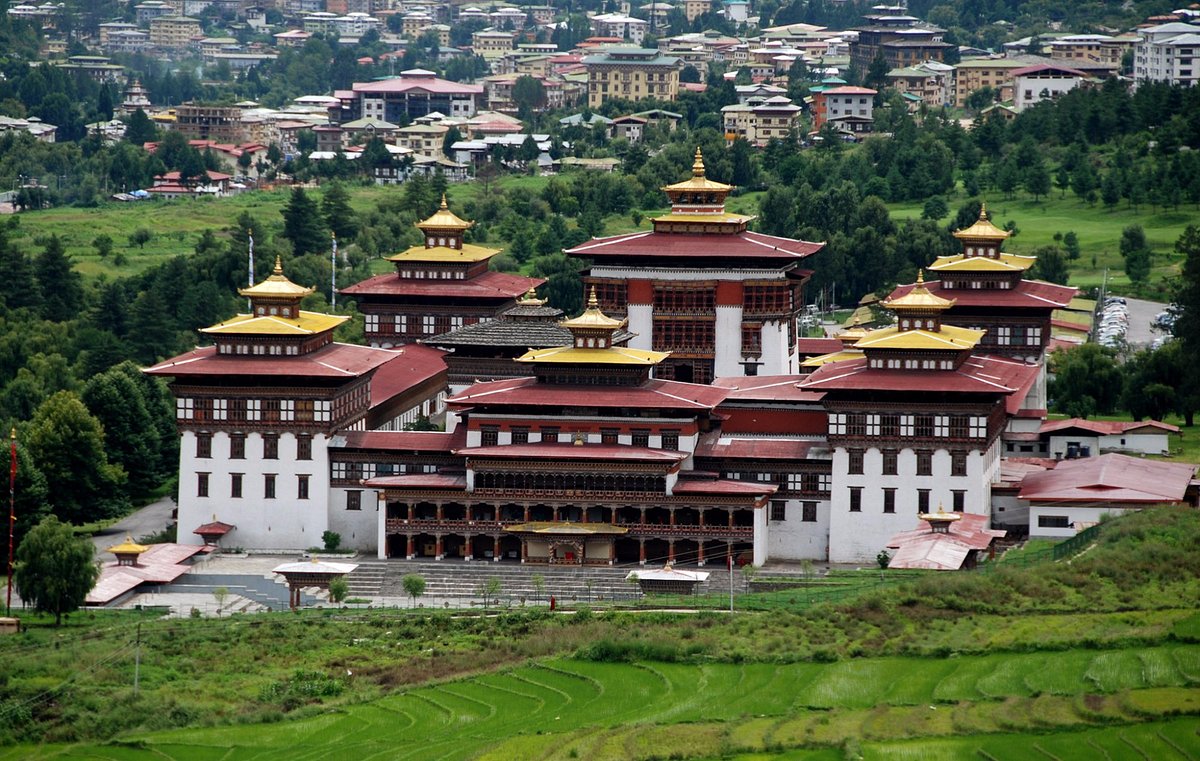
Tashichho Dzong Thimphu: History, Timings & Visitor Details
Plan your visit to Tashichho Dzong in Thimphu with history, architecture, timings, dress code, access tips, and practical guidance for respectful entry.
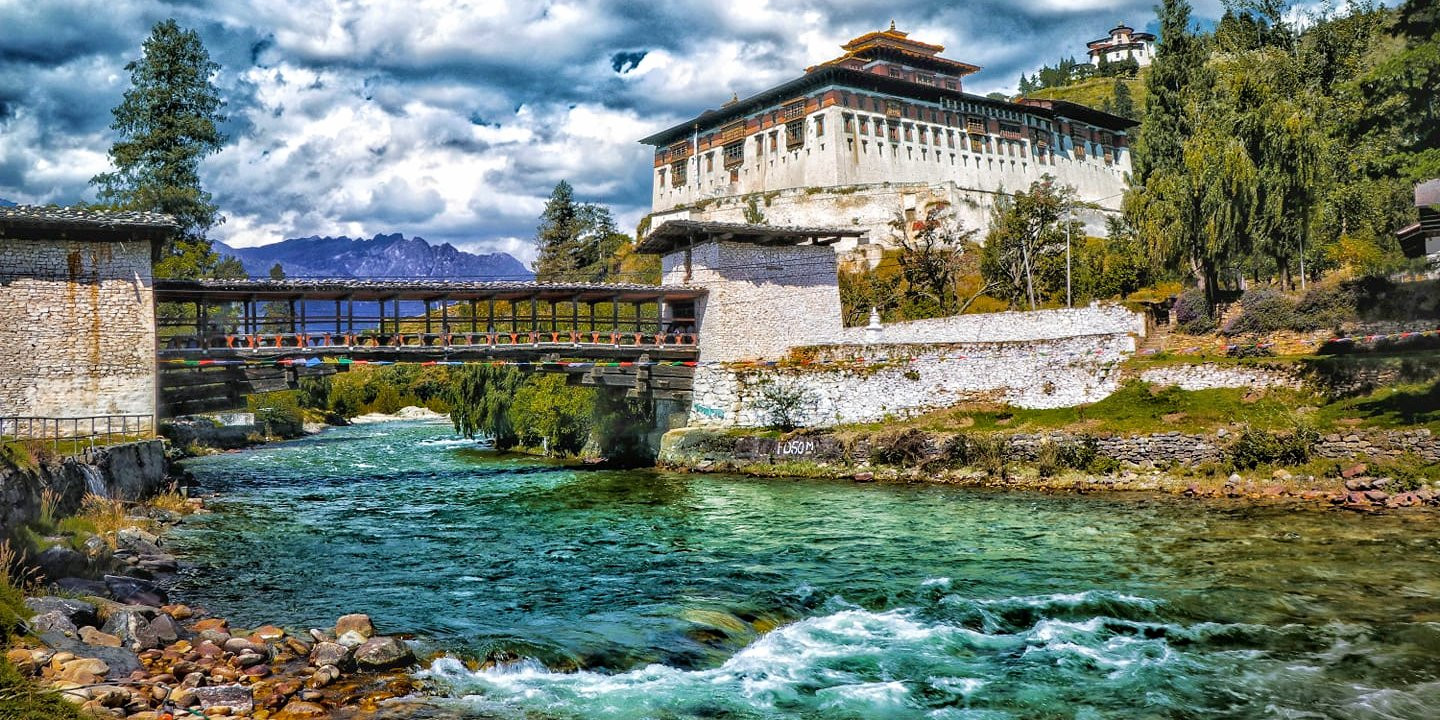
Rinpoche Dzong Bhutan: Fortress History, Architecture & Visit Information
Explore Rinpung Dzong Bhutan with location details, architectural highlights, spiritual significance, and the best time to visit Paro Valley.
Haa Valley Bhutan: Scenic Route, Stays & Things to Do
Explore Haa Valley Bhutan, the hidden Himalayan paradise. Discover how to reach, best time to visit, places to see & travel tips.
Never Miss an Adventure
Get the latest trekking guides, travel tips, and exclusive offers delivered straight to your inbox.
