
Jama Masjid: Complete Guide To India's Mosques

Priya Mehta
December 8, 2025
Complete guide to Jama Masjid India. Discover history, architecture, timings & prayer times. Your guide to magnificent Mughal mosques.
Introduction to Jama Masjid
Jama Masjid, meaning "Friday Mosque," stands as one of India's most magnificent architectural and cultural treasures. Built during the zenith of Mughal rule, these grand mosques represent the pinnacle of Islamic architecture in the Indian subcontinent. The term "Jama Masjid" refers to the principal mosque of a town where Muslims gather for Friday prayers (Jummah), making it the central religious and social hub for the Islamic community.
The most famous among them is the Jama Masjid in Delhi, commissioned by Emperor Shah Jahan—the same visionary who built the Taj Mahal and the Red Fort. However, India boasts several significant Jama Masjids, each with unique architectural features and historical importance. From Delhi's imposing red sandstone structure to the elegant mosques of Agra, Jaipur, and Bhopal, each Jama Masjid tells a story of artistic brilliance, religious devotion, and cultural synthesis. For those exploring Mughal architecture in Delhi, the nearby Red Fort is also a must-visit monument.
This comprehensive guide explores the famous Jama Masjids across India, their architectural marvels, religious significance, and practical information for visitors. Whether you're an architecture enthusiast, a history buff, or a spiritual seeker, understanding these mosques offers deep insights into India's multicultural heritage and the legacy of Mughal craftsmanship.
Famous Jama Masjids in India
Delhi Jama Masjid
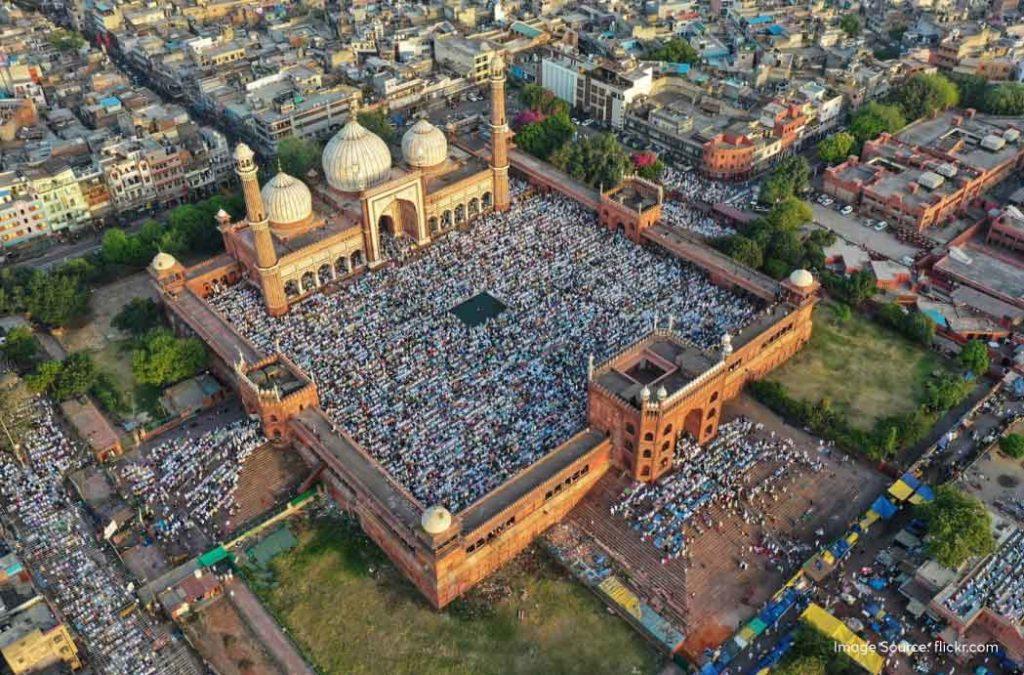
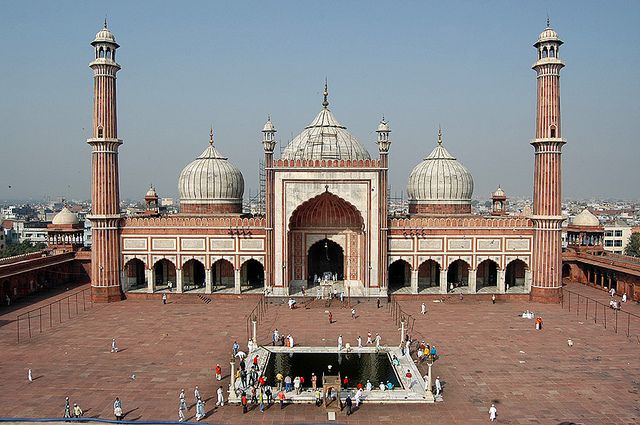
The Delhi Jama Masjid, completed in 1656, is India's largest mosque and one of its last great architectural commissions of the Mughal era. Emperor Shah Jahan built it as the principal mosque of Shahjahanabad, his new capital. Over 5,000 artisans worked for six years to construct this masterpiece, which could accommodate 25,000 worshippers in its vast courtyard.
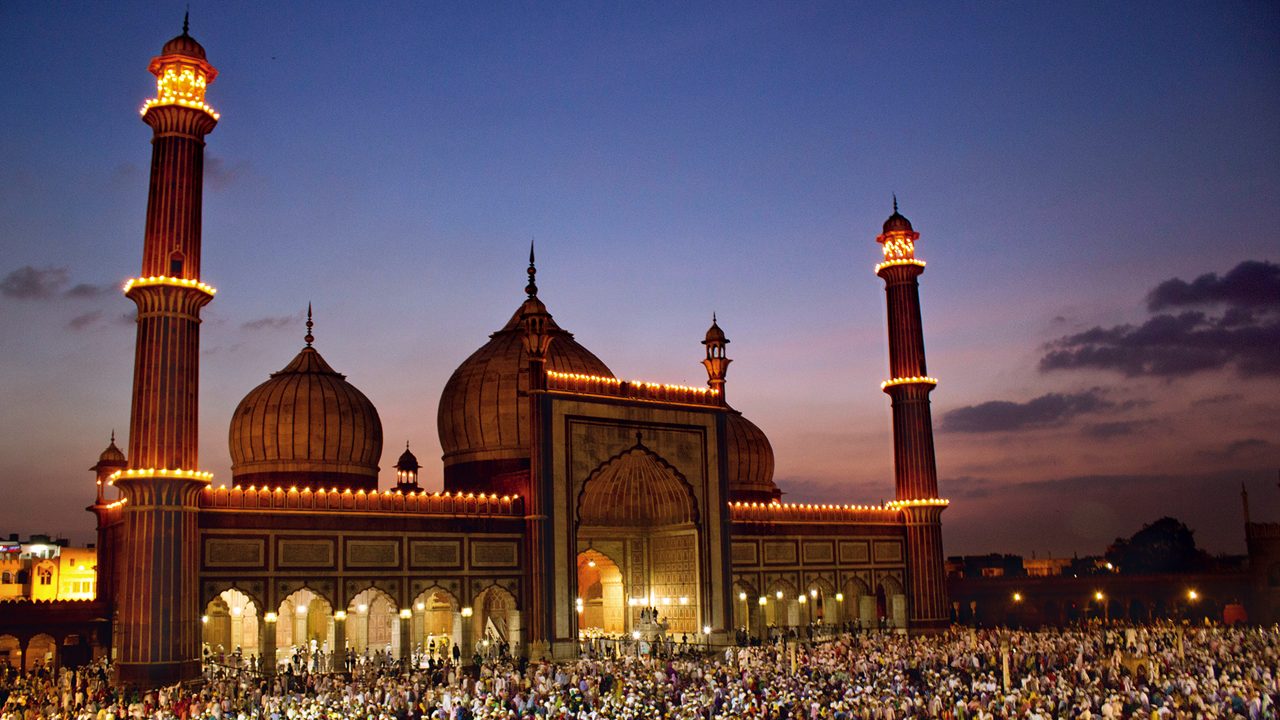
The mosque's most striking features are its three magnificent gates, four corner towers, and two soaring minarets standing 40 meters high. The western gateway, reserved for the emperor, was originally built from red sandstone taken from the Red Fort. The grand prayer hall features eleven arches decorated with white marble and black granite, creating a stunning visual contrast.
Agra Jama Masjid
Built in 1571 by Emperor Akbar near Agra Fort, the Agra Jama Masjid represents an earlier phase of Mughal architecture. Unlike the red sandstone structure in Delhi, this mosque uses a combination of red sandstone and white marble, showcasing the architectural evolution during Akbar's reign. Its spacious courtyard and intricate carvings demonstrate the synthesis of Persian and Indian architectural elements.
The mosque's location within the Agra Fort complex highlights its importance in Mughal religious and political life. The prayer hall's elegant arches and the use of geometric patterns reflect the sophisticated aesthetic sensibilities of Akbar's court.
Jaipur Jama Masjid
Situated in the heart of Jaipur's Johari Bazaar, this Jama Masjid was built in 1656 by Shah Jahan, making it contemporary to its Delhi counterpart. While smaller in scale, the mosque exemplifies the refined Mughal architectural style adapted to regional preferences. The delicate marble work and graceful proportions make it a hidden gem for architecture lovers exploring the Pink City.
Bhopal Jama Masjid
Built in 1837 by Qudsia Begum, Bhopal's first female ruler, this mosque represents a later phase of Islamic architecture in India. The structure blends Indo-Islamic styles with distinctive local influences, reflecting Bhopal's unique cultural heritage as a princely state ruled by women for generations.
Fatehpuri Masjid, Delhi
Also commissioned during Shah Jahan's reign, Fatehpuri Masjid sits at the western end of Chandni Chowk and offers a quieter counterpart to the grandeur of the main Delhi Jama Masjid, making it a worthwhile pairing for visitors exploring Old Delhi's Mughal-era mosques in one trip.
History and Mughal Era
The Jama Masjids of India are inseparable from Mughal history, representing the dynasty's patronage of architecture and their role as custodians of Islamic culture in the subcontinent. The term "Jama" itself comes from the Arabic "Jummah," meaning Friday—the day of congregational prayers in Islam. These mosques were not just places of worship but centers of learning, community gathering, and political discourse.
The Mughals, who ruled India from 1526 to 1857, were descendants of both Genghis Khan and Timur (Tamerlane). They brought with them Persian architectural traditions, which they skillfully blended with Indian elements to create a distinctive Indo-Islamic style. The Jama Masjids exemplify this synthesis—Persian domes and arches combine with Indian brackets, pillars, and decorative motifs.
Shah Jahan (1628-1658), the builder of Delhi's Jama Masjid, is often called the greatest Mughal patron of architecture. His reign produced the Taj Mahal, the Red Fort, and the Jama Masjid—a golden age of architectural creativity. The Jama Masjid was completed at enormous cost—approximately one million rupees in 17th-century currency—demonstrating the importance the Mughals placed on creating magnificent spaces for worship.
Throughout history, these mosques have witnessed significant events. The Delhi Jama Masjid was the site where the last Mughal emperor, Bahadur Shah Zafar, was coronated in 1837. During the 1857 revolt against British rule, the mosque saw fierce fighting and was used by Indian sepoys as a stronghold. After independence, the mosque remained a symbol of India's secular identity, hosting people of all faiths who come to admire its beauty and historical significance.
Architectural Features
General Design Elements
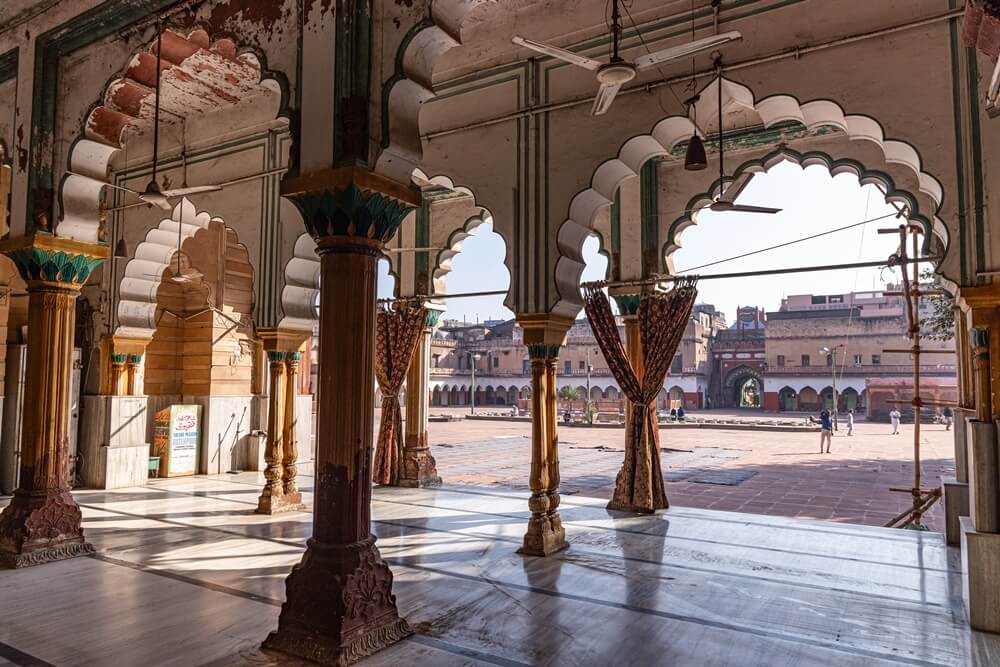
Every Jama Masjid follows certain architectural principles derived from Islamic tradition. The courtyard, an essential element, serves as a transition space between the outside world and the sacred prayer hall. This open space, where worshippers gather before prayers, represents the concept of community in Islam—equality before God.
The prayer hall always faces Mecca (qibla direction), indicated by the mihrab—a niche in the wall that shows the direction of prayer. The minbar, or pulpit, stands to the right of the mihrab, from where the imam delivers Friday sermons. The minarets, or towers, serve both practical and symbolic functions—they're used for the call to prayer and represent the connection between earth and heaven.
Materials and Construction
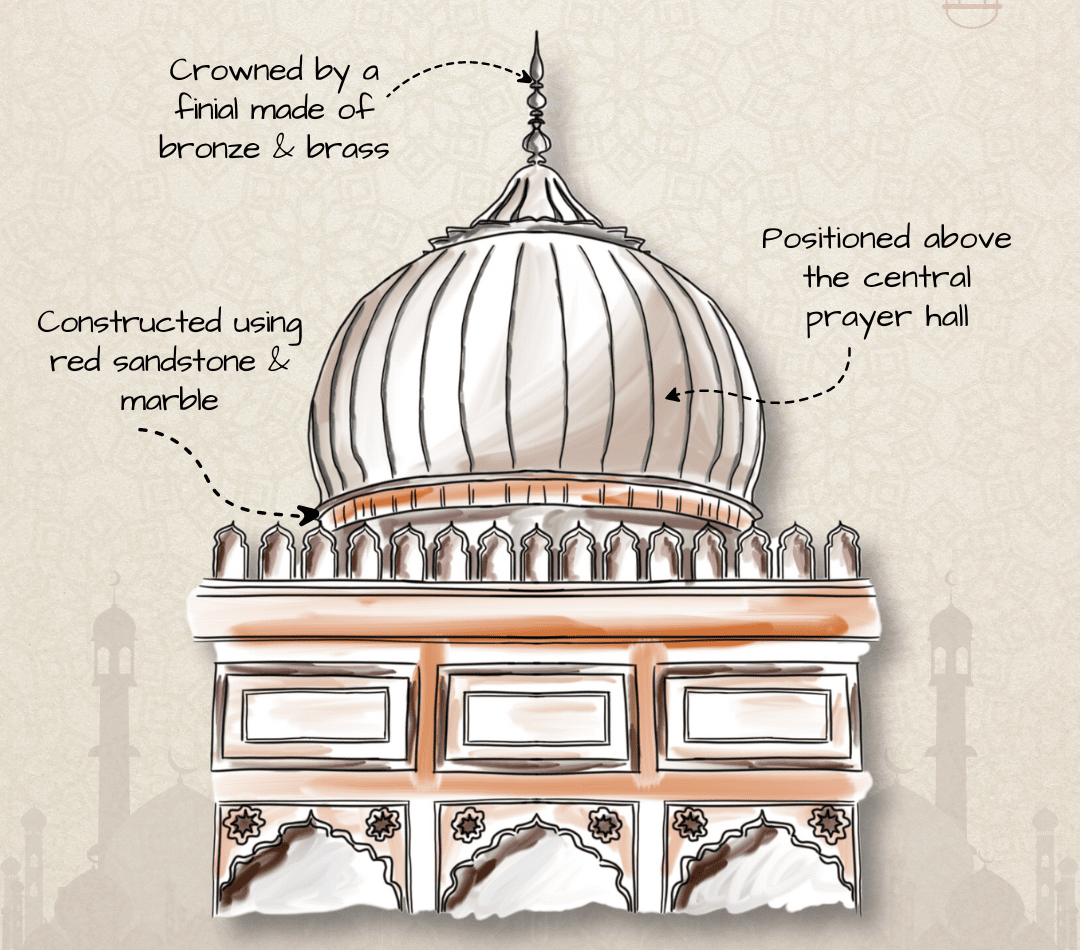
Mughal architects favored red sandstone and white marble, materials abundantly available in India. The red sandstone from Rajasthan provided durability and a warm hue, while white marble from Makrana (the same quarry that supplied stone for the Taj Mahal) added elegance and grace. This color combination—red and white—became a hallmark of Mughal architecture.
The construction techniques demonstrated remarkable engineering expertise. Without modern machinery, artisans lifted massive stones using simple pulleys and animal labor. The walls and domes were built with precise mathematical calculations, ensuring structural stability for centuries. The use of arches and domes distributed weight efficiently, allowing for vast interior spaces without columns—a marvel of medieval engineering.
Decorative Arts
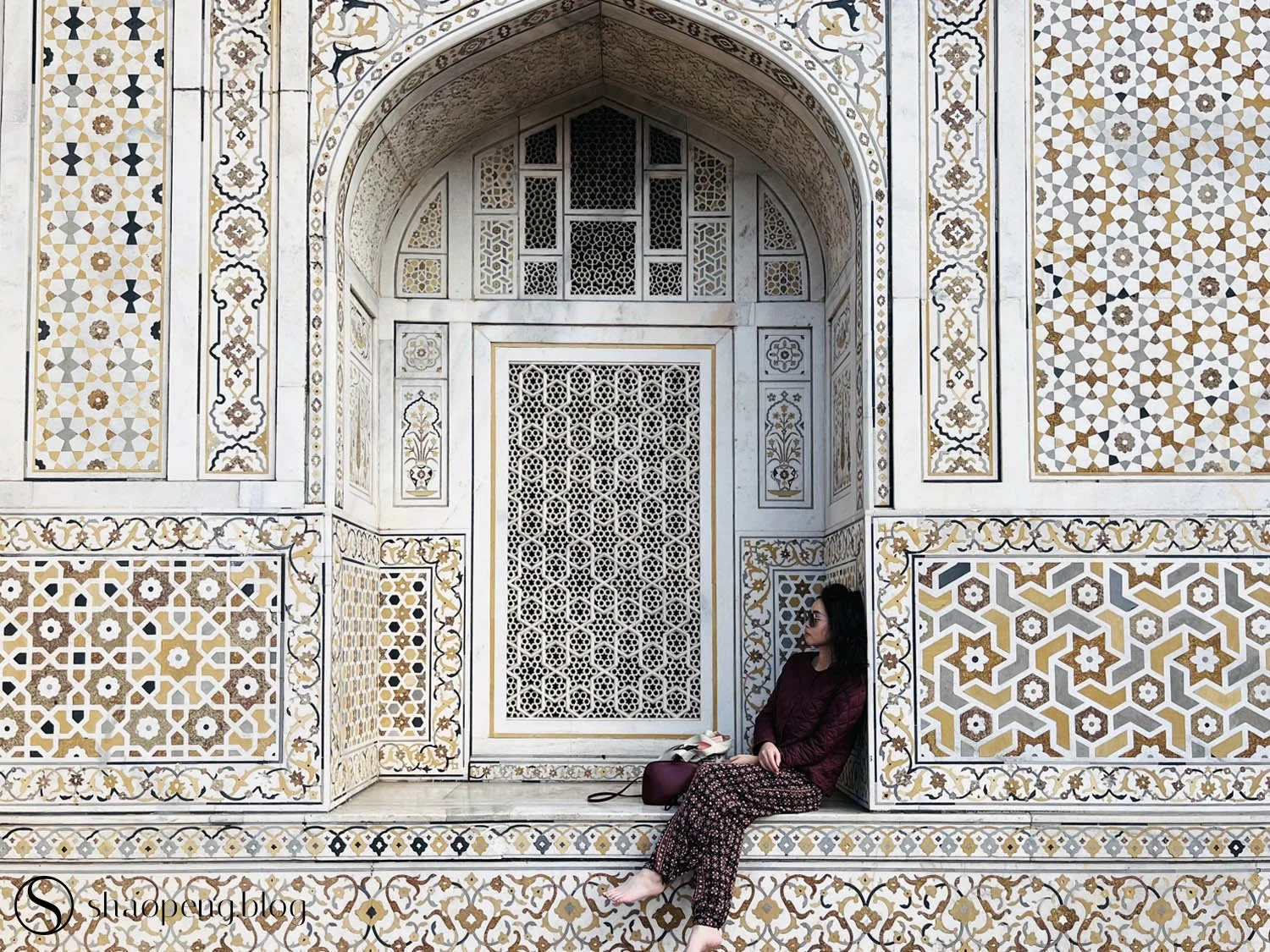
The decorative elements in Jama Masjids showcase extraordinary craftsmanship. Arabic calligraphy, featuring verses from the Quran, adorns walls and arches. Geometric patterns, based on complex mathematical principles, create mesmerizing designs that symbolize infinity. Floral motifs represent paradise—the gardens promised to believers in Islamic tradition.
The pietra dura technique—inlaying semi-precious stones into marble to create intricate designs—is prominently displayed, especially in the Delhi Jama Masjid. Lapis lazuli, carnelian, jade, and other stones were carefully shaped and set into marble to create delicate patterns resembling flowers and vines. This technique, also used extensively in the Taj Mahal, reached its zenith during Shah Jahan's reign.
Religious Significance
Jama Masjids hold profound religious importance in Islam. They are the principal mosques where the Friday congregation (Jummah) prayers are held—a weekly gathering that forms the cornerstone of Islamic communal worship. The imam's Friday sermon (khutbah) addresses religious, social, and political issues, making the mosque not just a place of prayer but a center for community guidance.
During the holy month of Ramadan, Jama Masjids come alive with special prayers called Taraweeh, conducted after the evening prayer. The mosques host iftaar meals, where fasting Muslims break their daily fast together. Eid prayers, marking the end of Ramadan and the festival of Eid-ul-Adha, are among the most important congregational events held at these mosques.
For India's Muslim community, which constitutes approximately 14% of the population, these mosques are living heritage sites. They serve as educational institutions where children learn to read the Quran and about Islamic traditions. They're also spaces for social welfare—distribution of charity (zakat), organizing marriage ceremonies, and providing shelter to travelers in accordance with Islamic hospitality traditions.
Prayer Timings and Guidelines
Islamic prayer follows a strict schedule based on the sun's position, with five daily prayers:
- Fajr: Dawn prayer, offered before sunrise
- Dhuhr: Midday prayer, after the sun passes its zenith
- Asr: Afternoon prayer, in late afternoon
- Maghrib: Sunset prayer, immediately after sunset
- Isha: Night prayer, after twilight disappears
Friday prayers (Jummah) replace the Dhuhr prayer and include a sermon (khutbah). The timing varies throughout the year based on the position of the sun, so mosques publish annual prayer timetables. During Ramadan, special night prayers called Taraweeh are added after Isha.
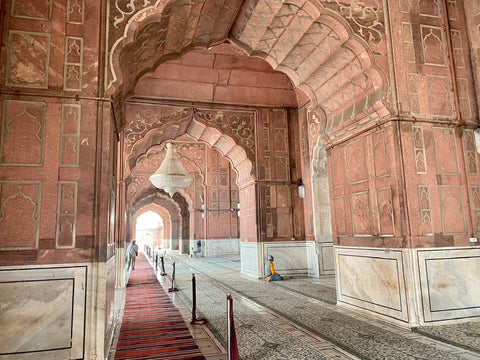
For visitors, it's important to respect prayer times. Non-Muslims are generally welcome outside prayer hours, but access to the prayer hall may be restricted during congregational prayers. Friday midday prayers are particularly important, and visitors should avoid visiting during this time unless they're specifically attending to observe.
The ablution area (wuzu khana), where worshippers perform ritual washing before prayers, is located within the mosque complex. Men and women have separate prayer areas, with women typically designated a screened or separate section. This separation respects Islamic principles of modesty and allows women to pray comfortably.
Best Jama Masjids to Visit
For Architecture Lovers
The Delhi Jama Masjid is unparalleled for architectural grandeur. Its massive scale, symmetrical design, and ornate details make it a masterpiece. The climb to the minaret top offers breathtaking views of Old Delhi, including the Red Fort and Chandni Chowk. The best time for architectural photography is early morning when the soft light illuminates the red sandstone and white marble.
The Agra Jama Masjid offers a different architectural experience, showcasing Akbar's era style. Its elegant proportions and the use of both sandstone and marble provide excellent study material for understanding the evolution of Mughal architecture.
For Spiritual Seekers
For those seeking spiritual connection, visit during less crowded times—early morning or weekday afternoons. The Fatehpuri Mosque in Delhi, though smaller than the main Jama Masjid, offers a more intimate spiritual experience. In Agra, the Jama Masjid at Fatehpur Sikri combines spiritual atmosphere with historical significance.
For Cultural Experience
The area around Delhi's Jama Masjid offers rich cultural experiences. The winding streets of Matia Mahal and Jama Masjid market are famous for Mughlai cuisine, especially dishes like kebabs, biryani, and sheer mal. Visiting during Ramadan offers a unique opportunity to witness the festive atmosphere, with special food stalls set up for iftaar.
The Tipu Sultan Mosque in Kolkata represents a different regional style of Islamic architecture, reflecting the cultural synthesis in eastern India. Similarly, the Jama Masjid in Srinagar showcases Kashmiri wooden architecture with distinctive influences from Central Asia.
Photography Tips
Photography in Jama Masjids requires sensitivity and respect. While photography is generally allowed, always check local regulations and ask permission before photographing people, especially during prayers. Avoid using flash inside the prayer hall as it can disturb worshippers and damage old artwork.
The best time for photography is early morning (6-8 AM) or late afternoon (4-6 PM) when the light is soft and golden. The red sandstone glows beautifully in this light, and the shadows add depth to architectural shots. Wide-angle lenses capture the grand scale of the courtyards, while telephoto lenses are useful for photographing intricate details—calligraphy, geometric patterns, and decorative elements.
For drone photography, strictly check regulations. Most mosques do not permit drone flights due to privacy concerns and respect for religious spaces. If you're a professional photographer planning to use specialized equipment, consider obtaining prior permission from the mosque management or local authorities.
Cultural Etiquette
Visiting a Jama Masjid requires respect for Islamic customs and traditions. Dress modestly—both men and women should cover their arms and legs. Women should carry a scarf to cover their heads if requested, though this is typically optional for non-Muslim visitors. Avoid tight, transparent, or revealing clothing.
Remove footwear before entering the prayer hall. All mosques have designated areas for leaving shoes—either at the entrance or in shoe stands. It's advisable to wear socks or easily removable footwear. Avoid visiting if you're intoxicated, as this is considered deeply disrespectful.
Maintain silence inside the prayer hall, especially during prayers. If you must speak, whisper. Turn off your phone or set it to silent mode. Avoid walking directly in front of people who are praying—this is considered disrespectful. Instead, walk behind them.
Respect prayer times by not entering the prayer hall during congregational prayers. Wait in the courtyard until prayers conclude. Ask permission before photographing worshippers, especially women. Many people are happy to be photographed, but always ask first and respect their decision if they decline.
Refrain from public displays of affection within the mosque premises. Avoid eating or drinking inside the prayer areas. Dispose of waste properly—mosques are places of cleanliness in Islamic tradition. If you're visiting during Ramadan, be mindful that people are fasting; avoid eating, drinking, or smoking in their presence.
Festivals and Events
Jama Masjids become vibrant centers of celebration during Islamic festivals. Eid-ul-Fitr marks the end of Ramadan, the month of fasting. On this day, the mosques are decorated, and special prayers are held in the morning. Worshippers wear new clothes, exchange greetings, and distribute charity (Zakat-ul-Fitr) to the poor. The atmosphere is joyous, with families gathering and children receiving gifts.
Eid-ul-Adha, the Festival of Sacrifice, commemorates Prophet Ibrahim's willingness to sacrifice his son in obedience to God. Special prayers are held, and Muslims who can afford it sacrifice an animal (usually a goat, sheep, or cow), distributing the meat among family, friends, and the needy. The mosques organize collective sacrifices and manage the distribution of meat.
Milad-un-Nabi, the Prophet Muhammad's birthday, is observed with special prayers, Quran recitation, and processions in some areas. While not universally celebrated as a festival, many mosques hold religious gatherings and educational programs about the Prophet's life and teachings.
Ramadan, though not a festival, is a special time at Jama Masjids. The mosques host special night prayers (Taraweeh) and Quran recitation sessions. In the evenings, the areas around mosques come alive with iftaar markets selling food for breaking the fast. Many mosques organize community iftaars where people break their fast together, regardless of social or economic status.
Travel Tips
Best time to visit: October to March offers pleasant weather for exploring mosques, especially in North India where summers can be extremely hot. Early morning visits (around opening time) provide the quietest experience and best lighting for photography.
Transportation: Most major Jama Masjids are well-connected by public transport. In Delhi, the Jama Masjid metro station (Violet Line) is just a few minutes' walk from the mosque. In other cities, auto-rickshaws and taxis are readily available. Parking is limited around historic mosques, so public transport is recommended.
Combination visits: Plan to visit nearby attractions to maximize your time. In Delhi, combine the Jama Masjid with the Red Fort (walking distance) and Chandni Chowk market. You can also visit the nearby Agra Fort when in Agra. Check if you need separate tickets for nearby monuments.
Duration: Allow 1-2 hours for a thorough visit, including time to admire the architecture, explore the courtyards, and climb the minarets (if permitted). Add extra time if you plan to explore the surrounding markets.
Accessibility: Many historic mosques have stairs and may not be fully wheelchair accessible. Check in advance if you have mobility concerns. The Delhi Jama Masjid has some accessibility features, but climbing minarets requires physical fitness.
Facilities: Larger mosques have basic facilities including drinking water and restrooms. However, don't expect modern amenities. Carry water, especially in summer. Dressing rooms for women may be available if you need to adjust your clothing for modesty.
Jama Masjids represent the finest flowering of Islamic architecture in India and stand as enduring symbols of the country's pluralistic heritage. These mosques are not just monuments of stone and marble—they're living spaces where faith, culture, and community converge. Whether you're admiring the architectural brilliance, soaking in the spiritual atmosphere, or simply experiencing the vibrant culture around these sacred spaces, a visit to a Jama Masjid offers profound insights into India's Islamic heritage and the legacy of the Mughal empire. As you walk through their courtyards and admire their soaring minarets, you're walking through centuries of history—a testament to human creativity, devotion, and the enduring power of faith to inspire beauty.
Location
Frequently Asked Questions
Q1.What is Jama Masjid?
Q2.What are the visiting timings for Jama Masjid?
Q3.Can non-Muslims visit Jama Masjid?
Q4.What is the dress code for visitors?
Q5.What is the entry fee for Jama Masjid?
Q6.Is photography allowed in Jama Masjid?
Q7.What is the history of Jama Masjid?
Q8.How to reach Jama Masjid?
Recommended For You
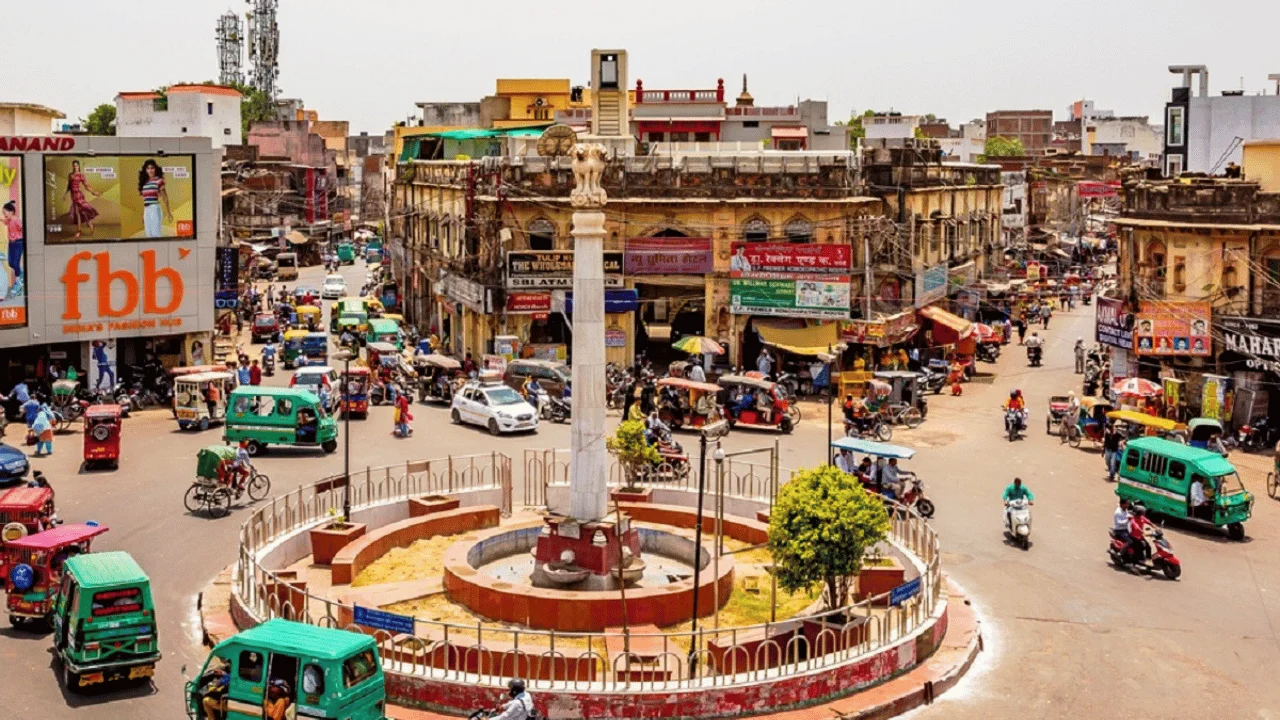
Chandni Chowk Delhi: Street Food Trail, Markets & Metro Access
Explore Chandni Chowk Delhi - Complete street food guide, shopping tips, timings & metro access. Famous for Paranthe Wali Gali, spice market & shopping.
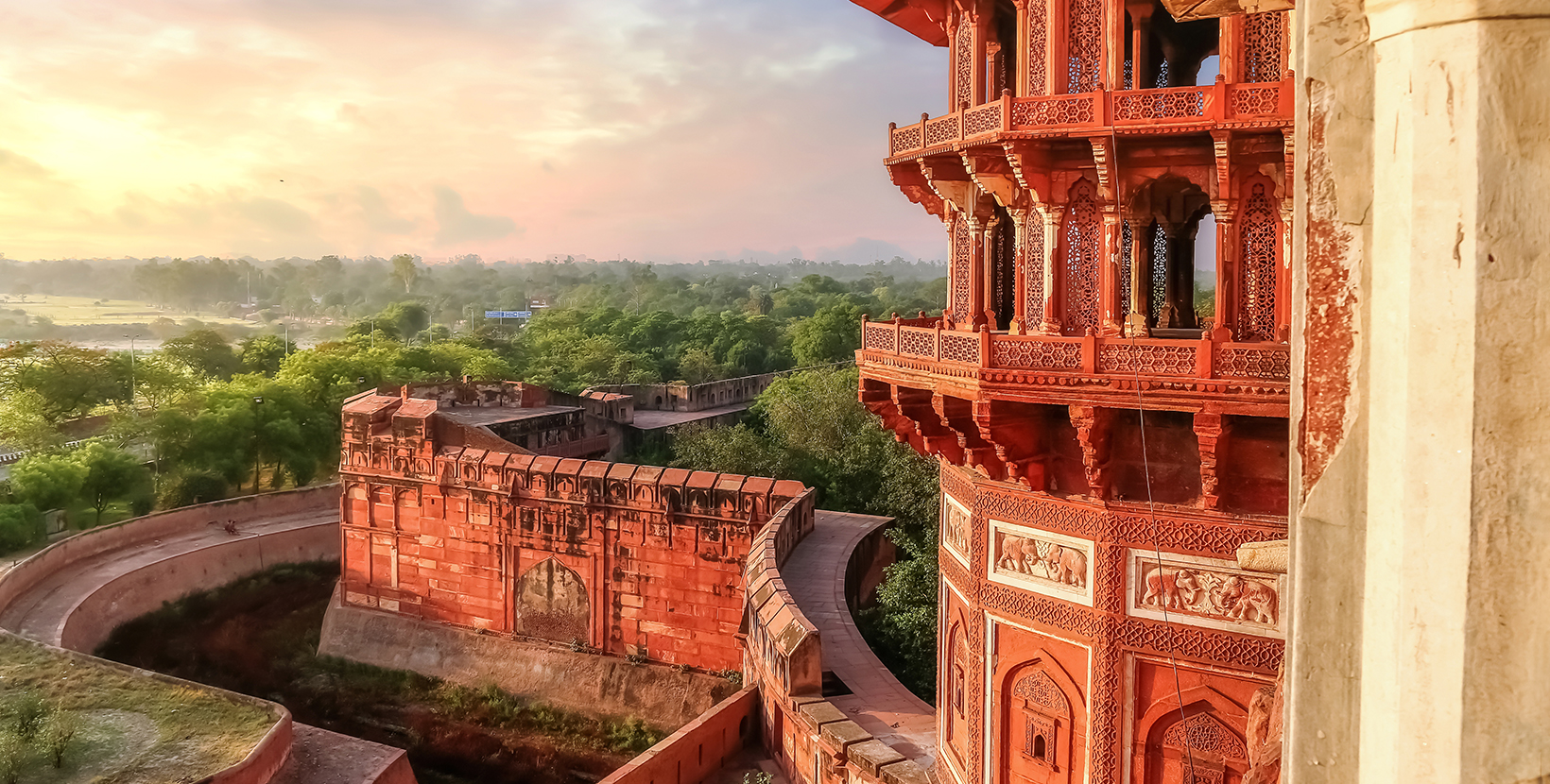
Agra Fort Guide: Tickets, Timings, History and Tips
Plan your Agra Fort visit with practical guidance on history, architecture, tickets, timings, and route planning for a smooth heritage day.
Fatehpuri Masjid Delhi: History, Prayer Timings & Visitor Tips
Complete guide to Fatehpuri Masjid Delhi covering historical background, architecture, timings, entry details, and Old Delhi itinerary tips.
Never Miss an Adventure
Get the latest trekking guides, travel tips, and exclusive offers delivered straight to your inbox.
