
Japanese Park Delhi: Entry Info, Activities & Best Visit Time

Rohit Verma
December 12, 2025
Discover Japanese Park Delhi! Get timings, entry fee, activities, boating & complete travel guide for Swarna Jayanti Park in Rohini.
Introduction
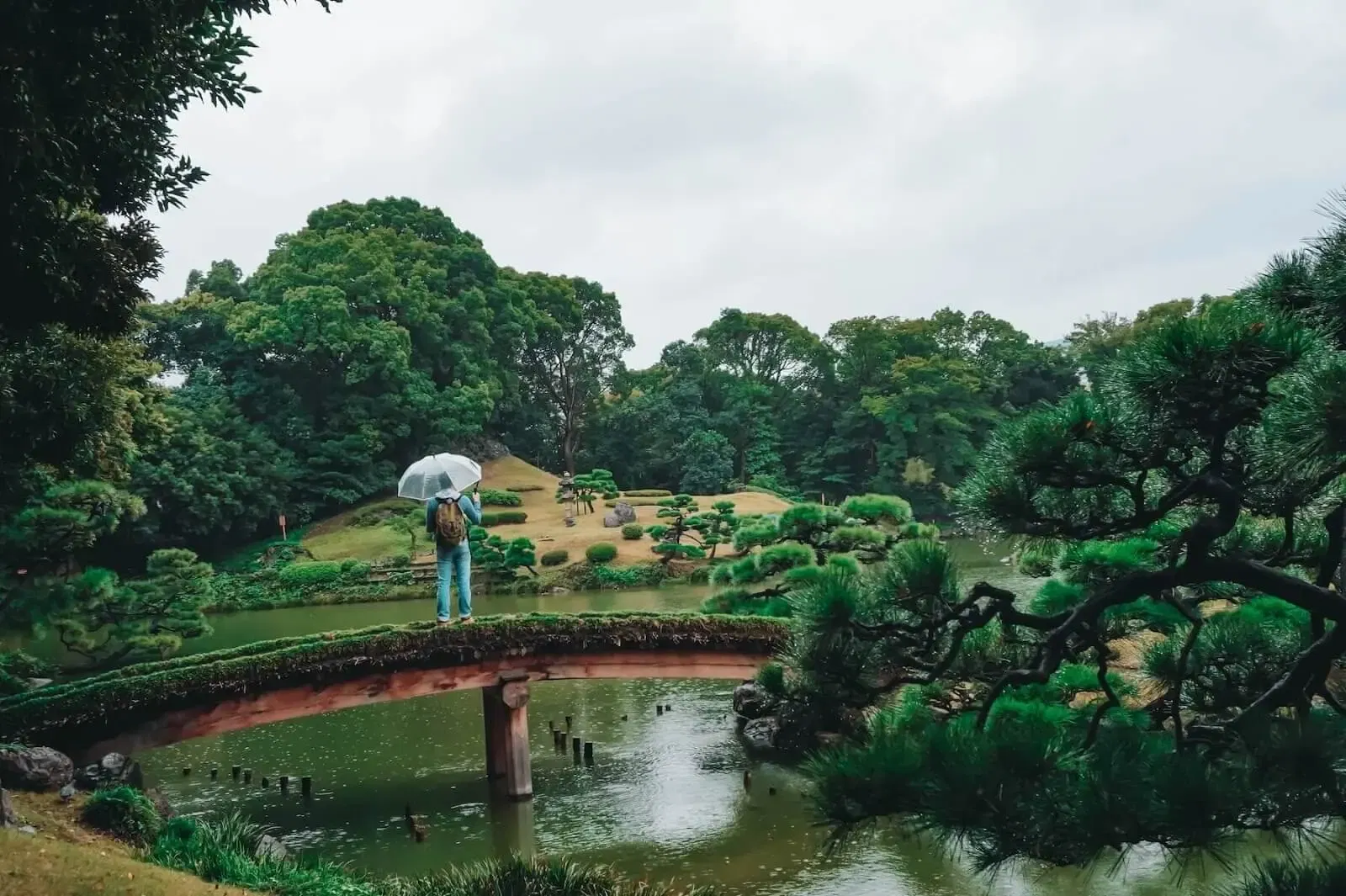
Japanese Park Delhi, officially known as Swarna Jayanti Park, is one of Delhi's most serene green spaces. Located in Rohini, this 13-hectare park offers a peaceful escape from the bustling capital city. The park's Japanese-style landscaping features pagoda structures, traditional pathways, and a beautiful boating lake, creating a unique atmosphere that feels far removed from chaotic city streets.
What makes Japanese Park special is its authentic design elements. The park features authentic Japanese garden elements including stone lanterns, bamboo groves, a koi pond with colorful fish, and a zen garden area. Families love it for the combination of natural beauty, recreational facilities, and children's play areas. Whether you're looking for a peaceful morning walk, a family picnic spot, or boating on the lake, this park has something for everyone.
Japanese Park Timings and Entry Fee
Understanding the park's schedule helps you plan a smooth visit. The park maintains consistent operating hours with slight variations for summer and winter seasons.
| Item | Details |
|---|---|
| Summer Timings | 5:00 AM - 8:00 PM (April to September) |
| Winter Timings | 6:00 AM - 7:00 PM (October to March) |
| Entry Fee | FREE for all visitors |
| Boating Charges | Paddle boats ₹50/30 min, Rowing boats ₹80/30 min |
| Parking Fee | ₹20-30 inside the park |
| Maintenance Day | Closed first Monday of every month |
The best visiting time is weekday mornings when the park is less crowded and the weather is pleasant. Weekends tend to be busier, especially Saturday and Sunday afternoons. Arriving early gives you the best experience with fewer crowds and better opportunities for photography.
Best Time to Visit Japanese Park
Seasonal timing significantly affects your Japanese Park experience. Delhi's extreme climate means choosing the right months makes a big difference in comfort and enjoyment.
| Season | Months | Temperature | Best For | Rating |
|---|---|---|---|---|
| Winter | Nov - Feb | 10-20°C | Comfortable walks, photography, picnics | 9/10 |
| Summer | Mar - Jun | 25-45°C | Early morning visits only | 6/10 |
| Monsoon | Jul - Sep | Rainy, humid | Less crowded, lush greenery | 7/10 |
Winter (November to February) is undoubtedly the best time to visit Japanese Park. The weather is pleasant with temperatures ranging from 10-20°C, making it ideal for walking, jogging, boating, and family picnics. The park looks beautiful during winter mornings with soft golden light illuminating the pagoda structures.
Summer months (March to June) can be extremely hot with temperatures often exceeding 40°C. If visiting in summer, plan strictly for early morning (5-7 AM) when temperatures are cooler. Avoid midday visits altogether. Carry sufficient water and sun protection.
Monsoon season (July to September) brings rain and humidity. The park becomes lush green, and crowds are lower. If you don't mind getting wet, monsoon can offer a peaceful experience.
How to Reach Japanese Park Rohini
Japanese Park is located in Rohini, Northwest Delhi, and is easily accessible through various transport options. The park is opposite Rohini East Metro Station, making it convenient to reach by Delhi Metro.
| From | Distance | Time | Best Option |
|---|---|---|---|
| Indira Gandhi Airport | 25 km | 45-60 min | Taxi or cab |
| New Delhi Railway Station | 15 km | 30-40 min | Metro to Rohini East + auto |
| Old Delhi Railway Station | 20 km | 40-50 min | Metro to Rohini East + auto |
The Red Line connects directly to Rohini East Metro Station. The park is opposite the metro station, a 5-7 minute walk. This is the most convenient option. DTC buses serve Rohini. App-based cabs cost ₹100-150 from Rohini Metro. Driving via Outer Ring Road has parking for ₹20-30.
Park Features and Attractions
Japanese Park offers diverse features catering to different interests. From authentic Japanese garden elements to recreational facilities, the park provides multiple experiences within one location.
Japanese Garden Elements
Traditional pagoda-style structures dot the landscape, creating focal points. Stone lanterns line winding pathways, adding cultural authenticity. A dedicated zen garden area features raked stone patterns, embodying Japanese meditation concepts. The bamboo grove offers shade and tranquility. The koi pond features colorful fish, and a traditional Japanese bridge provides beautiful photo opportunities.
Lake and Water Features
The large boating lake is one of Japanese Park's main attractions. The lake features a beautiful reflection area where pagoda structures mirror in calm water. Boating provides a unique perspective and is a favorite for families. Water fountains, cascades, and a lotus pond enhance the ambiance.
Recreational Facilities
The children's play area features modern equipment including slides, swings, and climbing structures. The park has a dedicated fitness equipment zone, designated sitting areas for seniors, and a 2.5-kilometer jogging track. An amphitheater hosts cultural events. Yoga and meditation areas, plus basketball, volleyball, and badminton courts are available.
Walking and Green Areas
Well-maintained walking paths connect all sections. Dense tree cover provides shade. The rose garden is beautiful during blooming season. Open lawns provide picnic spots for families.
Activities for Families
Japanese Park offers numerous activities perfect for family outings. The combination of recreational options and family-friendly facilities ensures everyone has an enjoyable time.
Boating and Water Activities
Boating is one of the most popular family activities. Paddle boats cost ₹50 per 30 minutes, perfect for family groups. Rowing boats cost ₹80 per 30 minutes. Children's paddle boats are available for younger visitors. Group discounts are available for parties of four or more. Safety measures including life jackets and trained staff are in place. The best time for boating is 9-11 AM.
Children's Entertainment
The play area keeps children engaged with swings, slides, and climbing structures. On weekends, a mini train ride operates. A children's maze area challenges kids. Open spaces are perfect for running games. Birthday party booking facilities make it popular for children's celebrations.
Family Recreation
Picnic spots with benches and shaded areas provide perfect settings. Photography is popular with beautiful pagoda structures. The safe, enclosed environment makes it suitable for families.
Food Options
While Japanese Park is primarily recreational, food options are available both inside and near the park.
Inside the Park
Food stalls near the entrance offer basic refreshments including packaged chips, biscuits, and cold drinks. Ice cream and snack vendors operate throughout the park. Tea and coffee kiosks are available. Alcohol is strictly not allowed within park premises.
Nearby Options
The Sector 9 market is a 5-minute walk offering various food options. Local eateries serve North Indian and Chinese food. Rohini restaurants are approximately a 10-minute drive. Pacific Mall, 3 km away, has a food court. Local street food near Rohini East Metro Station provides quick, affordable options.
Weekend Crowd Tips
Saturday and Sunday from 10 AM to 6 PM are the busiest periods. Morning hours are less crowded. Public holidays bring maximum visitors.
Visit on weekdays for fewer crowds. Weekday mornings are often empty. Early morning visits (5-7 AM) work even on weekends. Arrive early for parking.
Nearby Attractions
Japanese Park is part of a larger recreational area. The Swarna Jayanti Park Extension is adjacent. Rohini Park, 2 km away, provides another option. The Rohini Sector 9 Market is within walking distance. Pacific Mall, 3 km away, is a major shopping destination. ISKCON Temple Rohini, 3 km away, features beautiful architecture.
Travel Tips
Entry is completely free, making Japanese Park one of Delhi's most budget-friendly attractions. Carry a water bottle and wear comfortable walking shoes. The best visit time is weekday morning.
Parking is available for ₹20-30, but fills up quickly on weekends. Photography is encouraged, but drone usage is prohibited. No alcohol or smoking is allowed. Maintain cleanliness by using dustbins.
Do's: Visit early for better experience. Carry sunscreen during warmer months. Respect park rules. Dispose of waste properly. Enjoy the peaceful atmosphere.
Don'ts: Don't litter the park. Don't damage plants or structures. Don't play loud music. Don't bring excessive outside food.
The park is well-lit in evenings. Security guards are present. A first aid facility is available near the main entrance. Safe drinking water is available. Disabled access is available with ramps.
Conclusion
Japanese Park Delhi offers a unique combination of authentic Japanese garden design, recreational facilities, and peaceful green space in bustling Delhi. Whether seeking a quiet morning walk, a fun family outing, or a break from city life, this park delivers on multiple fronts.
The park's thoughtful design creates an atmosphere of tranquility rare in the capital city. Families love the variety of activities, while individuals appreciate the peaceful environment.
Plan your visit for early morning on a weekday for the best experience. The park is free to enter, accessible to everyone. Combine your visit with nearby Rohini attractions or make it a standalone destination.
For more Delhi attractions, explore historical places in Delhi for heritage sites. If you enjoy parks, Bharat Darshan Park and Waste to Wonder Park are other unique Delhi parks.
Location
Frequently Asked Questions
Q1.What is Japanese Park Delhi?
Q2.What are Japanese Park Rohini timings?
Q3.What is the Japanese Park entry fee?
Q4.How to reach Japanese Park Rohini?
Q5.Is boating available at Japanese Park?
Q6.What activities can families do at Japanese Park?
Q7.What is the best time to visit Japanese Park Delhi?
Q8.Is parking available at Japanese Park?
Recommended For You
Chandni Chowk Delhi: Street Food Trail, Markets & Metro Access
Explore Chandni Chowk Delhi - Complete street food guide, shopping tips, timings & metro access. Famous for Paranthe Wali Gali, spice market & shopping.
Agrasen ki Baoli Delhi: History, Entry, Timings & Photo Tips
Discover Agrasen ki Baoli in Delhi with its stepwell history, architecture, visiting details, and nearby attractions.

Delhi: Complete Travel Plan Places And Weather
Complete Delhi travel guide featuring Red Fort, Qutub Minar, India Gate, Old Delhi markets, best time to visit & practical tips.
Never Miss an Adventure
Get the latest trekking guides, travel tips, and exclusive offers delivered straight to your inbox.
