
Delhi: Complete Travel Plan Places And Weather

Rohan Malhotra
February 20, 2026
Complete Delhi travel guide featuring Red Fort, Qutub Minar, India Gate, Old Delhi markets, best time to visit & practical tips.
Introduction to Delhi
Delhi, India's sprawling national capital territory, stands as a living museum where centuries of history coexist with modern urban life. The city seamlessly blends two distinct worlds - Old Delhi, with its ancient Mughal-era lanes, bustling bazaars, and magnificent monuments, and New Delhi, with its broad tree-lined avenues, colonial architecture, and contemporary cosmopolitan vibe. As one of the oldest continuously inhabited cities in the world, Delhi has been the capital of multiple empires, each leaving behind an indelible mark on its cultural landscape.
What makes Delhi truly fascinating is its incredible diversity. Within a single city, you'll find UNESCO World Heritage Sites, magnificent Mughal architecture, British colonial buildings, ancient temples, modern malls, and some of the best street food in the world. The city serves as India's political center, housing the Parliament, Rashtrapati Bhavan, and numerous government institutions, while simultaneously being a hub for arts, culture, cuisine, and commerce.
Delhi's charm lies in its contradictions - the chaotic yet vibrant energy of its streets, the juxtaposition of ancient monuments alongside sleek metro stations, the convergence of diverse cultures from across India and the world. The city has something for every type of traveler - history enthusiasts can explore centuries of architectural heritage, food lovers can indulge in incredible culinary experiences, culture seekers can visit museums and galleries, and shoppers can find everything from traditional handicrafts to international brands.
The city's rich history spans over 3,000 years, with references found in the epic Mahabharata as Indraprastha, the legendary capital of the Pandavas. Over the centuries, Delhi has been built, destroyed, and rebuilt multiple times, giving rise to the saying that Delhi is a city of seven cities. Each era has left behind magnificent monuments that today stand as testament to the city's glorious past and its enduring significance in Indian history.
Best Time to Visit Delhi
Delhi experiences an extreme climate with very hot summers, a brief monsoon season, and cool winters. The timing of your visit significantly impacts your experience, as the weather can either enhance or hinder your exploration of this vibrant city.
October to March is undoubtedly the best time to visit Delhi, when the weather is pleasant and ideal for sightseeing. During these months, daytime temperatures range from 20°C to 30°C, making it comfortable to explore outdoor monuments and markets. This period is perfect for visiting Delhi's numerous historical sites, walking through busy markets, and enjoying outdoor activities. The winter months (December-January) can get quite chilly, with temperatures sometimes dropping to 5°C at night, so carrying warm clothing is essential if you're visiting during this time.
February and March are particularly pleasant, with blooming flowers across the city's gardens and comfortable temperatures. October and November see the post-monsoon greenery and various festivals including Diwali, which illuminates the city with lights and celebrations. However, this is also peak tourist season, so popular attractions can be crowded and hotel rates are higher. Book accommodations well in advance if visiting during October-November or December-January.
April to June brings scorching summer heat, with temperatures often exceeding 40°C and sometimes reaching 45°C or higher. The heat can be oppressive, making outdoor sightseeing extremely uncomfortable, especially during midday. However, this is off-season, so you'll find fewer crowds at attractions and significantly lower prices on hotels and flights. If you must visit during summer, plan activities for early morning or late afternoon, take advantage of air-conditioned attractions like museums and malls during peak heat hours, and stay hydrated.
July to September is the monsoon season when Delhi receives moderate to heavy rainfall. The rains bring relief from the summer heat and transform the city into a lush green landscape. However, high humidity can make it feel uncomfortable, and sudden downpours can disrupt outdoor plans. The advantage of visiting during monsoon is that tourist numbers are very low, and you can enjoy popular attractions without crowds. Hotel rates are also significantly lower. Carry an umbrella or rain gear and be prepared for potential flooding in some areas during heavy rainfall.
Top Attractions in Delhi
Red Fort (Lal Qila)
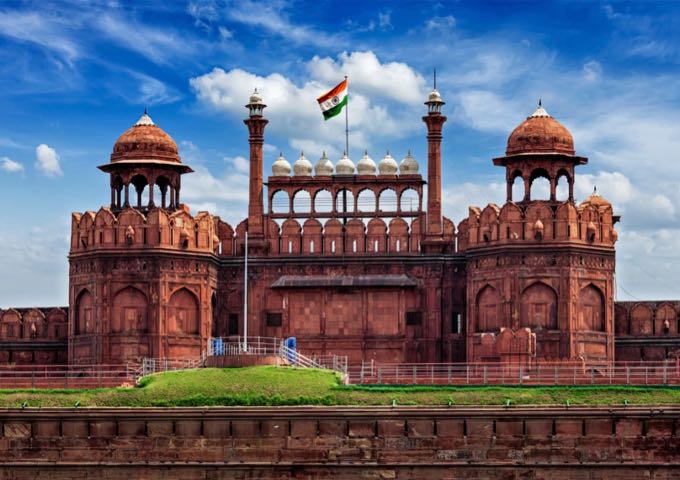
The magnificent Red Fort, a UNESCO World Heritage Site, stands as Delhi's most iconic monument and a powerful symbol of India's rich history. Built by the Mughal Emperor Shah Jahan between 1638 and 1648, when he decided to shift his capital from Agra to Delhi, the fort served as the main residence of the Mughal emperors for nearly 200 years. The fort gets its name from its massive red sandstone walls, which stretch for over 2 kilometers and rise up to 33 meters in height.
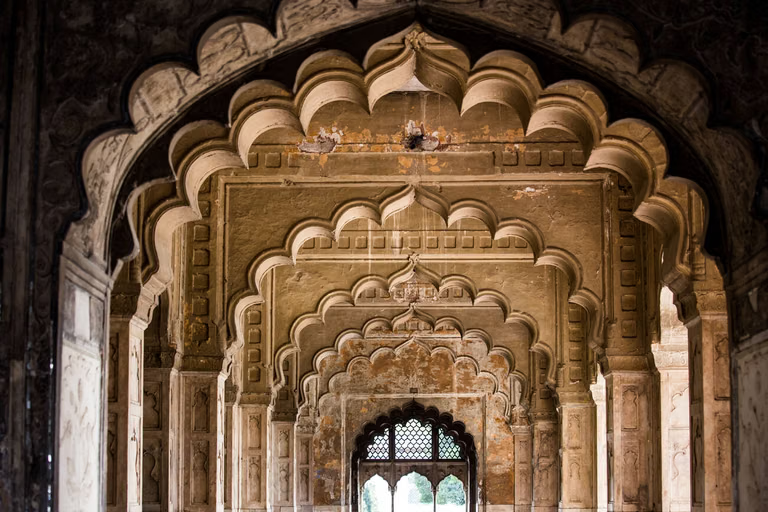
The fort's architecture represents the pinnacle of Mughal creativity, with its elegant pavilions, intricate carvings, and Persian-inspired design elements. The main entrance, the Lahore Gate, is particularly impressive and has immense historical significance as it's where the Indian Prime Minister raises the national flag and addresses the nation every Independence Day. Inside the fort, you'll find several beautiful structures including the Diwan-i-Aam (Hall of Public Audience) where the emperor would hear complaints from his subjects, and the Diwan-i-Khas (Hall of Private Audience) reserved for important meetings.
The fort houses the Rang Mahal (Palace of Colors) where the emperor's wives lived, the Mumtaz Mahal which has been converted into a museum, and the beautiful Nahr-i-Behisht (Stream of Paradise) that runs through the pavilions. The Sound and Light Show held every evening brings the fort's history to life through dramatic narration and illuminated effects. The show is available in both English and Hindi and is highly recommended for understanding the fort's historical significance.
Qutub Minar
The Qutub Minar, another UNESCO World Heritage Site, is the tallest brick minaret in the world and one of Delhi's most remarkable ancient monuments. Standing at 72.5 meters tall, this magnificent tower was built in the early 13th century by Qutub-ud-din Aibak, the founder of the Delhi Sultanate, and later completed by his successors. The minaret is a masterpiece of Indo-Islamic architecture, with five distinct storeys featuring intricate carvings and verses from the Quran.
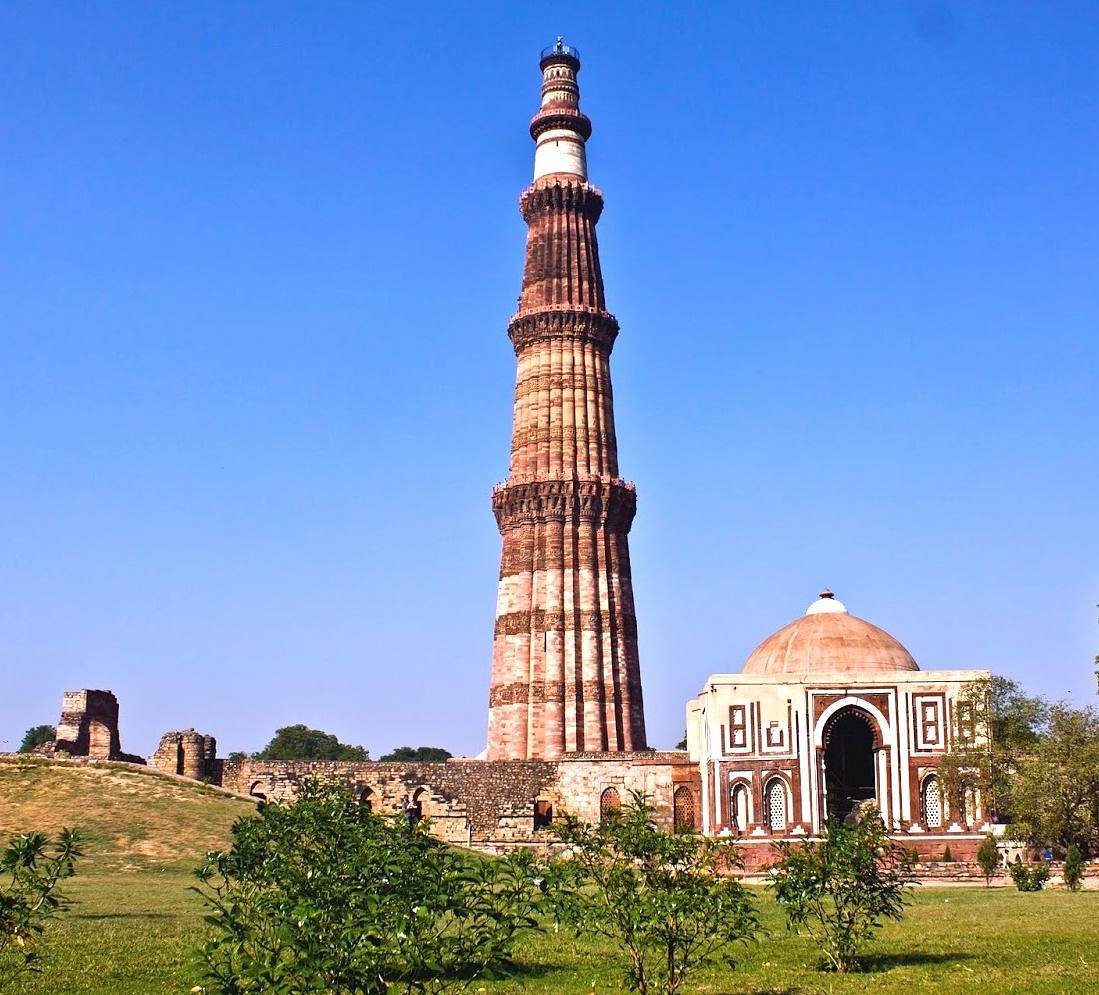
The construction of Qutub Minar began in 1193 and took nearly 75 years to complete. Each storey is marked by a balcony, and the tower gradually tapers from a 15-meter diameter at the base to 2.5 meters at the top. The minaret was built as a victory tower and also served as a minaret for the muezzin to call the faithful to prayer. The surrounding Qutub Complex contains several other historically significant structures including the Quwwat-ul-Islam Mosque (the first mosque built in India), the Iron Pillar (dating back to the 4th century and famous for not rusting despite being exposed to the elements for over 1,600 years), and the Alai Darwaza (the main gateway).
The complex is spread over a large area with well-maintained gardens, making it perfect for leisurely exploration. The site is particularly beautiful in the early morning light or during sunset when the minar casts dramatic shadows. Qutub Minar is extremely popular with both domestic and international tourists, so visit early in the morning to avoid crowds and to get the best lighting for photographs.
India Gate
India Gate, perhaps Delhi's most recognizable landmark after the Red Fort, is a majestic war memorial standing at the eastern end of Rajpath. Designed by Sir Edwin Lutyens and inspired by the Arc de Triomphe in Paris, this 42-meter high archway was built in 1931 to commemorate the 84,000 Indian soldiers who lost their lives fighting for the British Army during World War I and the Third Anglo-Afghan War. The monument also honors soldiers who died in the 1971 Indo-Pak war, with the Amar Jawan Jyoti (eternal flame) burning continuously since 1971.
India Gate is surrounded by lush green lawns that serve as a popular picnic spot for families and a gathering place for locals and tourists alike. The area comes alive in the evenings when the monument is beautifully illuminated, creating a spectacular sight. Rajpath, the ceremonial boulevard that runs from India Gate to Rashtrapati Bhavan, is used for the annual Republic Day parade and is flanked by beautiful lawns and ponds.
The area around India Gate is particularly vibrant in the evenings, with street food vendors selling snacks, families enjoying picnics on the lawns, and the monument beautifully lit against the night sky. The names of fallen soldiers are inscribed on the walls of the gate. The Republic Day celebrations on January 26th feature a spectacular parade along Rajpath, with India Gate as the centerpiece. Visiting during the early morning or evening offers the best experience, as midday can be extremely hot and crowded.
Humayun's Tomb
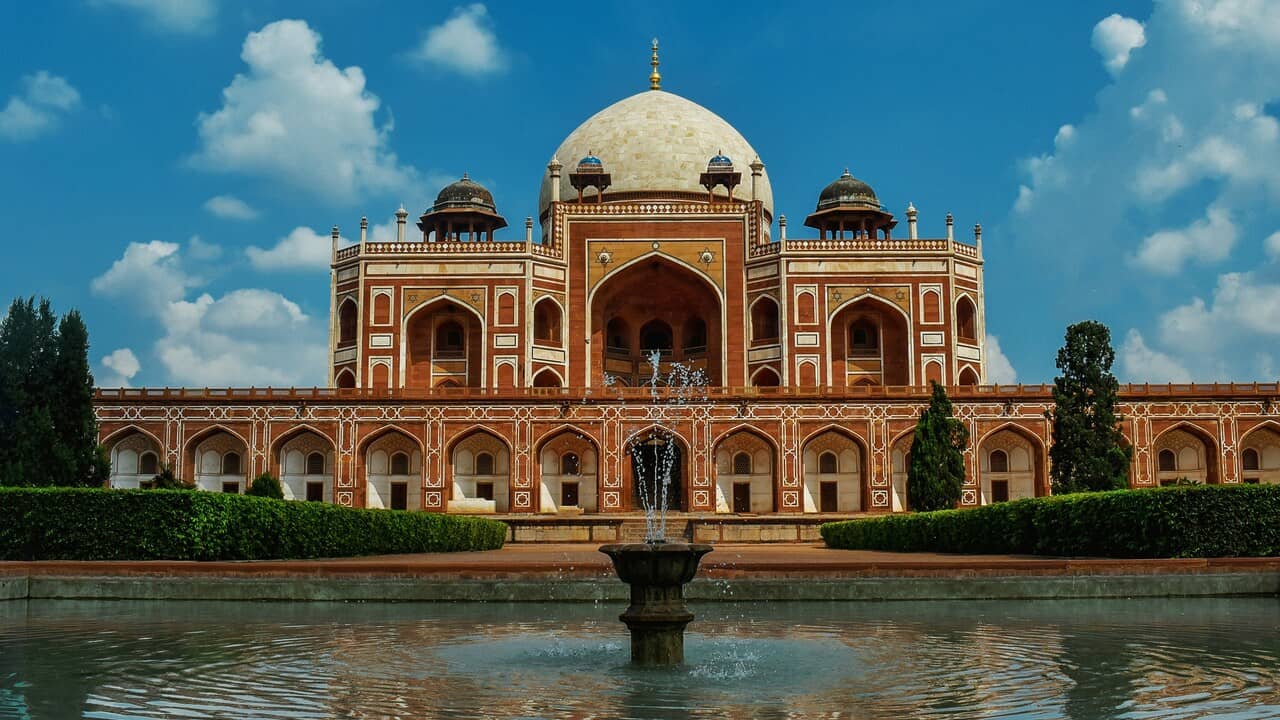
Humayun's Tomb, a UNESCO World Heritage Site, is a magnificent mausoleum and the first garden-tomb on the Indian subcontinent. Built in 1570 for the Mughal Emperor Humayun by his widow Bega Begum, this tomb is considered the architectural precursor to the Taj Mahal. The tomb's design, with its central dome, charbagh (four-part) garden, and impressive use of red sandstone and white marble, set the standard for Mughal architecture that followed.
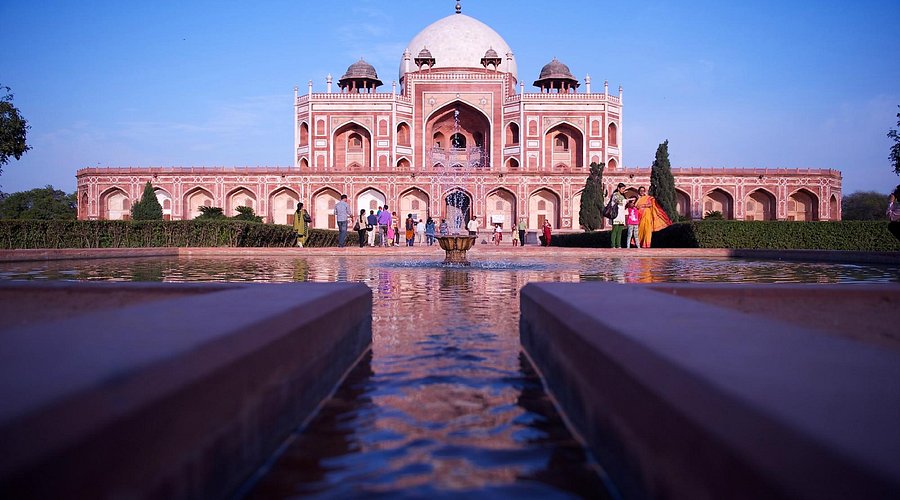
The tomb complex is spread over 27 acres and houses not only Humayun's tomb but also the graves of over 150 members of the Mughal royal family. The main tomb sits on a raised platform and is entered through grand gateways on the south and west sides. The interior features an octagonal central chamber containing the cenotaph of Humayun, surrounded by smaller chambers for other royal family members. The architecture is a brilliant synthesis of Persian and Indian styles, with beautiful jali (lattice) screens, ornate ceilings, and detailed calligraphy.
The complex underwent extensive restoration by the Aga Khan Trust for Culture and is now beautifully maintained. The charbagh garden, divided into four squares by water channels, has been restored to its original Mughal glory. The site is particularly beautiful at sunset when the golden light illuminates the red sandstone. Several other smaller tombs are located within the complex, including the tomb of Isa Khan (a noble in Sher Shah Suri's court) and the Arab Serai, making it a fascinating place to explore for architecture and history enthusiasts.
Chandni Chowk
Chandni Chowk, Delhi's most famous and chaotic market, offers an intense, vibrant experience that captures the essence of Old Delhi. Built in the 17th century by Shah Jahan's daughter Jahanara, this historic market was once lined with pools that reflected moonlight, giving it the name 'Moonlight Square.' Today, it's a bustling network of narrow lanes filled with shops, street food vendors, rickshaws, and an incredible energy that has to be experienced to be understood.
Chandni Chowk is divided into several specialized markets, each selling different types of goods. The Kinari Bazaar specializes in wedding items and zari (gold thread) work, Dariba Kalan is famous for jewelry and silver, Nai Sarak is known for books and stationery, and Chawri Bazaar is renowned for brass, copper, and paper products. The area is also home to several historic buildings including the Sunehri Masjid (Golden Mosque) and the Fatehpuri Masjid.
What makes Chandni Chowk truly special is its incredible street food scene. This is where you'll find some of Delhi's most famous food establishments, many operating for generations. Try the famous parathas from Paranthe Wali Gali, chaat from Natraj, jalebi from Old Famous Jalebi Wala, and rabri falooda from Giani's. The best way to explore Chandni Chowk is on foot or by cycle rickshaw, though be prepared for crowds, noise, and sensory overload. Visit during the day for shopping and street food, but avoid Sundays when many shops are closed.
Jama Masjid
The Jama Masjid, India's largest mosque, is an architectural masterpiece that dominates Old Delhi's skyline. Commissioned by Shah Jahan and completed in 1656, this magnificent mosque can accommodate 25,000 worshippers in its vast courtyard. Built from red sandstone and white marble, the mosque features three great gates, four towers, and two 40-meter-high minarets constructed of vertical strips of red sandstone and white marble.
The mosque's design incorporates elements from Hindu and Jain architecture, particularly in the decoration of the mihrabs (prayer niches) and the minbar (pulpit). The courtyard, which can hold 25,000 people, is paved with red stone and features a large tank for ritual ablutions. The prayer hall is crowned by three magnificent domes, with the central dome particularly impressive. Visitors can climb the southern minaret for a panoramic view of Old Delhi's chaotic streets and surrounding monuments.
The mosque remains an active place of worship, and visitors should dress modestly (cover your head, shoulders, and knees). Remove your shoes before entering the prayer hall (shoe storage is available for a small fee). The area around Jama Masjid is particularly lively, with numerous street food vendors serving delicious kebabs, biryani, and other Mughlai dishes. The best time to visit is early morning or late afternoon when the light is beautiful and the crowds are thinner. The view from the minarets at sunset is spectacular.
Connaught Place
Connaught Place (CP), officially known as Rajiv Chowk, is Delhi's premier commercial and business district and a major tourist attraction. Built in a distinctive circular design inspired by the Royal Crescent in Bath, England, CP was constructed in 1933 and named after the Duke of Connaught. The complex features two concentric circles - Inner Circle and Outer Circle - filled with shops, restaurants, offices, and theaters.
Connaught Place has undergone extensive renovation and is now a vibrant, pedestrian-friendly area with beautifully restored Georgian-style buildings. The Inner Circle is lined with international brands, restaurants, cafes, and bars, while the Outer Circle features a mix of shops and office buildings. Central Park in the middle of CP provides a green space where people relax, attend events, and enjoy the fountain shows.
CP serves as a major transportation hub, with the Rajiv Chowk Metro Station being the largest and busiest in the Delhi Metro system. The area is particularly lively in the evenings when people gather at restaurants, bars, and the many street food stalls. From CP, you can easily walk to other central Delhi attractions including India Gate, Jantar Mantar, and the Agrasen ki Baoli (an ancient stepwell). The area is perfect for shopping, dining, and experiencing modern Delhi's cosmopolitan vibe.
Akshardham Temple
The Akshardham Temple, officially known as Swaminarayan Akshardham, is a stunning modern Hindu temple complex that showcases traditional Indian architecture, culture, and spirituality. Opened in 2005, this magnificent structure was built in just five years by thousands of artisans and volunteers using traditional methods and materials. The main monument, 141 feet high and 316 feet wide, features 234 intricately carved pillars, nine domes, and 20,000 statues of devotees and sadhus.
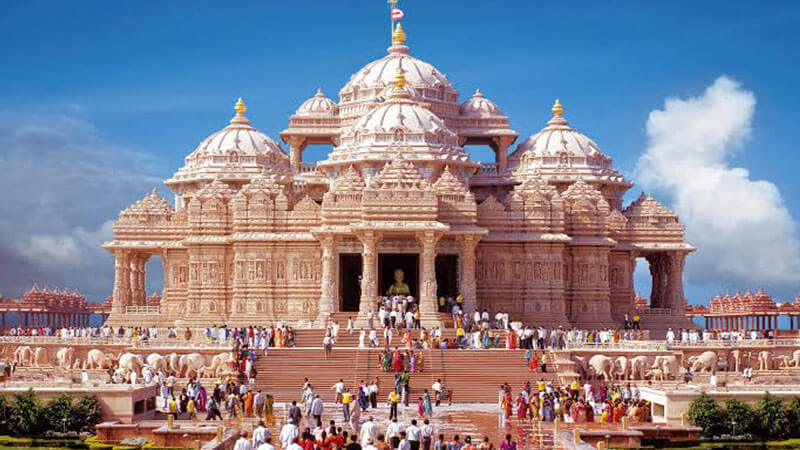
The temple complex is spread over 100 acres and includes several attractions. The main monument features beautiful carvings depicting Hindu deities, scenes from Indian mythology, and representations of Indian culture. The Yogi Hraday Kamal is a lotus-shaped garden containing quotes from great thinkers and saints. The Sahaj Anand Water Show is a spectacular multimedia water show that explains Indian philosophy through stories and special effects.
The complex also features three exhibition halls: the Hall of Values (Sahajanand Darshan) with animatronic figures showing important life lessons, the Boat Ride (Sanskruti Vihar) that takes you through 10,000 years of Indian history, and the Theater (Neelkanth Kalyan) showing a film about the young Swaminarayan. The temple is particularly beautiful when illuminated in the evenings. Note that photography is not allowed inside the complex, and there are strict security checks. Mobile phones and cameras must be deposited in lockers before entering.
Lotus Temple
The Lotus Temple, one of Delhi's most distinctive modern landmarks, is a Bahá'í House of Worship known for its striking flower-like architecture. Designed by Iranian architect Fariborz Sahba and completed in 1986, the temple has won numerous architectural awards for its innovative design. The structure consists of 27 free-standing marble-clad 'petals' arranged in clusters of three to form nine sides, creating the impression of a blooming lotus flower.
What makes the Lotus Temple unique is that it's open to people of all religions - there are no idols, religious images, or rituals inside. The Bahá'í faith emphasizes the unity of all religions and the oneness of humanity, and this philosophy is reflected in the temple's design and purpose. The central prayer hall can accommodate 1,300 people and is known for its peaceful, meditative atmosphere. The hall's impressive ceiling rises to a height of over 34 meters at its highest point.
The temple is set in beautiful gardens with nine pools representing the floating leaves of the lotus. The site is particularly popular at sunset when the illuminated marble glows in the fading light. The temple attracts millions of visitors annually, making it one of the most visited buildings in the world. Photography is allowed outside but not inside the prayer hall to maintain the peaceful atmosphere. The temple is closed on Mondays. The surrounding gardens provide a peaceful escape from Delhi's chaos and are perfect for quiet contemplation.
Hauz Khas Village
Hauz Khas Village (HKV) is one of Delhi's trendiest neighborhoods, perfectly blending medieval history with contemporary urban culture. The area centers around a 13th-century water tank (hauz) built by Sultan Alauddin Khalji to supply water to his capital city of Siri. Today, the village is known for its narrow lanes filled with art galleries, boutiques, cafes, bars, and restaurants set amid ancient monuments and a beautiful deer park.
The Hauz Khas Complex contains several historic structures including the Feroz Shah Tughlaq's tomb, a mosque, and an Islamic seminary (madrasa) with pavilions overlooking the water tank. These medieval ruins, with their distinctive architecture and peaceful atmosphere, provide a stunning backdrop to the trendy establishments that have made HKV famous. The contrast between ancient stone walls and modern cafes creates a unique atmosphere that's quintessentially Delhi.
The area is particularly popular with Delhi's young crowd, who come here for the vibrant nightlife, excellent restaurants, and art scene. The deer park adjacent to the complex offers walking trails through lush greenery and is perfect for morning walks or evening strolls. The water tank, reflecting the monuments and sky, is especially beautiful at sunset. HKV is also known for its shopping, with numerous boutiques selling designer clothes, jewelry, and home decor. Visit in the evening to experience the area's lively energy, or during the day for a quieter exploration of the historic monuments and park.
Other Notable Attractions
Jantar Mantar
Jantar Mantar, located in Connaught Place, is an astronomical observatory built in 1724 by Maharaja Jai Singh II of Jaipur. The complex contains 13 architectural astronomy instruments that were used to predict the movements of the sun, moon, and planets, and to compile astronomical tables. The most impressive structure is the Samrat Yantra, a 27-meter high sundial that can tell time with an accuracy of two seconds.
Other notable instruments include the Misra Yantra, which was designed to determine the shortest and longest days of the year, and the Jai Prakash Yantra, used for observing stars. The observatory represents the scientific achievements of 18th-century India and is remarkably sophisticated for its time. Jantar Mantar is particularly interesting for those interested in astronomy, mathematics, or scientific history. Guided tours are recommended to understand how each instrument works.
Agrasen ki Baoli
Agrasen ki Baoli is a historic stepwell located near Connaught Place, believed to date back to the legendary King Agrasen from the Mahabharata era, though the existing structure is likely from the 14th century. This remarkable structure features 103 steps descending 15 meters into the earth, with water at the bottom that is now dry. The stepwell is built in a unique design with 108 water-filled levels.
The baoli is an impressive example of ancient Indian engineering and architecture, with its arched niches, carved stone panels, and symmetrical design creating a visually stunning space. The structure has gained popularity in recent years as a photogenic location and has been featured in several Bollywood films. The baoli is particularly atmospheric in the early morning or late afternoon when light filters down through the levels. It's free to enter and offers a fascinating glimpse into Delhi's ancient water management systems.
National Museum
The National Museum on Janpath is India's premier museum, housing over 200,000 artworks spanning 5,000 years of Indian history and culture. The extensive collection includes artifacts from the Indus Valley Civilization, ancient sculptures, miniature paintings, textiles, manuscripts, arms and armor, and decorative arts. Highlights include the Harappan Gallery with its famous Dancing Girl statue, the Buddhist Art section with stunning sculptures, and the impressive collection of miniature paintings from various Indian schools.
The museum is spread over three floors and would take a full day to explore thoroughly. Most visitors focus on key sections based on their interests. Audio guides are available, and the museum occasionally offers guided tours. The museum also has a well-stocked gift shop and a cafe. It's closed on Mondays. The National Museum is essential for anyone interested in Indian art, history, and culture, providing context and depth to the monuments you'll see around Delhi.
Gurdwara Bangla Sahib
Gurdwara Bangla Sahib is one of Delhi's most prominent Sikh houses of worship, known for its stunning golden dome and the large sacred pool (sarovar) within its complex. The gurdwara is associated with the eighth Sikh Guru, Guru Har Krishan, who stayed here in 1664. The complex includes the main prayer hall, the sacred pool, a school, a hospital, and a museum.
What makes Bangla Sahib special is the langar (community kitchen) that serves free meals to thousands of people daily regardless of religion, caste, or background. Visitors are welcome to volunteer or partake in the langar, which operates 24 hours a day. The gurdwara is particularly beautiful when illuminated at night. Visitors should cover their head (scarves are provided if needed), remove shoes, and dress modestly. The atmosphere is one of peace and devotion, and the complex is open to all. The kirtan (religious hymns) create a serene ambiance, and the community kitchen offers a humbling experience of Sikh hospitality and service.
Where to Stay in Delhi
Delhi offers accommodation options for every budget, from budget guesthouses and hostels to luxury hotels and heritage properties. The location of your stay significantly impacts your experience of the city.
For first-time visitors and tourists wanting to be close to major attractions, Connaught Place and central Delhi are excellent locations. This area has numerous mid-range hotels (₹2000-4000 per night) and luxury hotels (₹5000-12000 per night). Staying here puts you within walking distance or short metro rides to India Gate, Jantar Mantar, and several markets. The area is well-connected by metro and has excellent restaurants and shopping options. Popular hotels in this area include The Lalit, The Park, and numerous mid-range options.
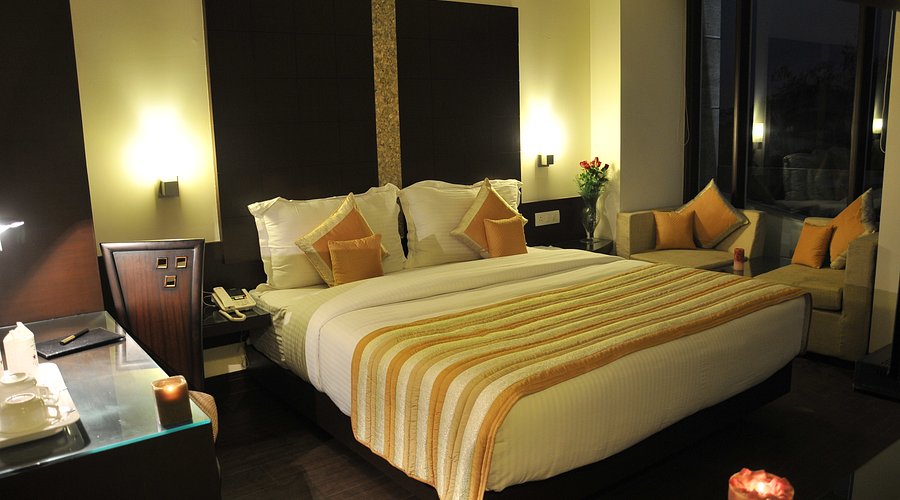
For budget travelers, Paharganj near New Delhi Railway Station has numerous budget hotels and hostels (₹500-1500 per night). This area is popular with backpackers and offers basic but clean accommodations. The Main Bazaar in Paharganj is a chaotic, vibrant street filled with budget hotels, restaurants, and shops. It's convenient for transit but can be overwhelming for some. Popular hostels include Zostel and Moustache, which offer dorm beds and private rooms at reasonable rates.
For luxury travelers, Delhi has several world-class 5-star hotels, particularly in central Delhi and near diplomatic areas. Properties like The Taj Mahal Hotel, The Imperial (a historic hotel with colonial charm), The Oberoi, The Leela Palace, and Trident offer luxurious rooms, excellent service, multiple restaurants, spas, and pools. These hotels typically cost ₹12000-25000+ per night. The Imperial is particularly recommended for history buffs - it's a heritage hotel with beautiful colonial architecture and an impressive collection of Indian art.
Other good areas to stay include South Delhi (Greater Kailash, Saket) for upscale neighborhoods and malls, Karol Bagh for mid-range options and good metro connectivity, and Aerocity near the airport for convenience if you have an early flight. Airbnbs are available across the city and can be good value, especially for longer stays or for families.
Food in Delhi
Delhi is arguably India's food capital, offering an incredible culinary landscape that ranges from street food to fine dining. The city's food reflects its diverse population and rich history, with influences from across India and the world. Delhi's food scene is legendary, and eating your way through the city is an essential part of the Delhi experience.
Street food is where Delhi truly shines. The city's street food is diverse, flavorful, and incredibly affordable. In Old Delhi, try the famous chaat (savory snacks) at places like Natraj Dahi Bhalle Corner (dahi bhalla), Bitoo Tikki Wali (tikki), and the various chaat shops in Chandni Chowk. Don't miss Old Famous Jalebi Wala for their incredible jalebis (sweet, deep-fried batter soaked in sugar syrup). For parathas (fried bread), visit Paranthe Wali Gali in Chandni Chowk, where several shops have been serving stuffed parathas for generations.
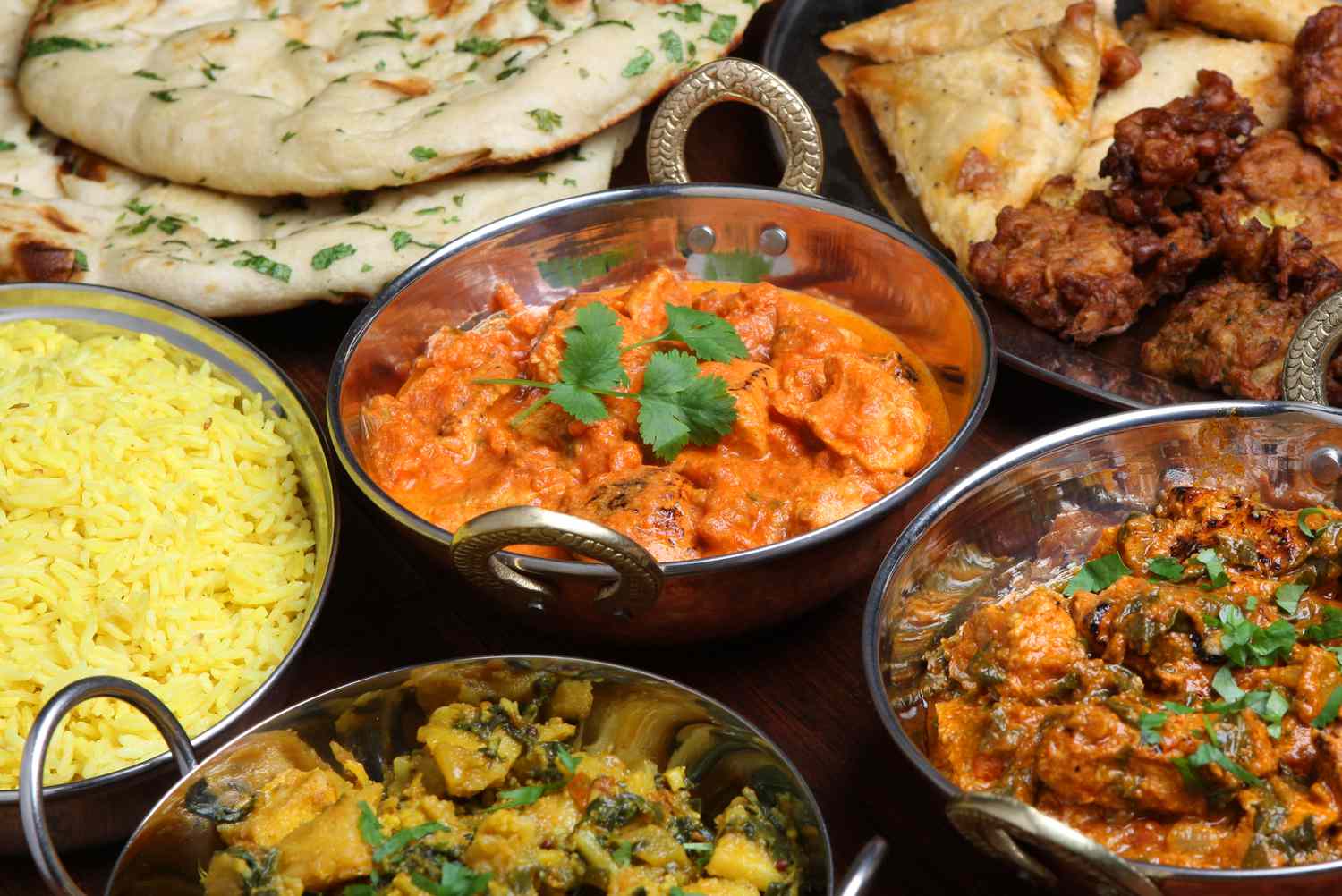
For Mughlai cuisine (rich, creamy dishes from the Mughal era), Old Delhi is again the place to go. Karim's near Jama Masjid is legendary for their mutton burra kebab, mutton korma, and chicken Jehangir. Al Jawahar and Bade Miyan are other excellent options for authentic Mughlai food. For biryani, try the biryani at Matia Mahal or the famous chicken biryani at Babu Bhai in Shadipur.
Modern Delhi has a thriving cafe and restaurant scene. Khan Market and Hauz Khas Village are known for their trendy cafes, restaurants, and bars. Popular cafes include Cafe Lota, Elma's, and the numerous cafes in Hauz Khas Village. For fine dining, Indian Accent at The Lodhi is consistently ranked among India's best restaurants. Bukhara at ITC Maurya is famous for its dal Bukhara and tandoori dishes, and has hosted numerous world leaders.
Don't miss Delhi's winter specialty, the famous Daulat Ki Chaat (also called malai makhan), a frothy, creamy dessert available only in winter months. Try it in Chandni Chowk or at specialized vendors. For sweets, Delhi has excellent halwai shops - try Bengali Market for Bengali sweets, or Evergreen Sweet House in Green Park for a wide variety of Indian sweets.
Shopping in Delhi
Delhi is a shopper's paradise, offering everything from traditional handicrafts to international brands, from bustling street markets to upscale malls. The shopping experience in Delhi is diverse and reflects the city's multifaceted character.
For traditional handicrafts, textiles, and souvenirs, Central Cottage Industries Emporium on Janpath is excellent, offering quality handicrafts from across India at government-fixed prices. The state emporiums on Baba Kharak Singh Marg (near Connaught Place) showcase crafts from different Indian states - each state has its own emporium with authentic regional products. Dilli Haat, an open-air craft bazaar, features artisans from across India selling their products directly. It's an excellent place for handicrafts, textiles, and regional food.
For traditional Indian clothing, Chandni Chowk's Kinari Bazaar has everything from wedding items to fabrics and zari work. South Extension, Karol Bagh, and Sarojini Nagar are known for clothes and fashion at reasonable prices. Sarojini Nagar Market is particularly popular with young people for trendy, affordable clothing.
For books, Khan Market has several excellent bookstores, including Bahrisons Booksellers. Daryaganj's Sunday book market is legendary for second-hand books. For spices and dry fruits, Khari Baoli in Old Delhi is Asia's largest spice market - a fascinating place to visit even if you're not buying.
Modern shopping malls are found across Delhi, particularly in South Delhi (Select Citywalk, DLF Emporio, DLF Promenade) and Vasant Kunj (Ambience Mall). These malls house international brands, luxury stores, multiplexes, and food courts. For antiques and curios, Sunder Nagar Market has several shops selling interesting items, though verify authenticity and customs regulations before buying.
How to Reach Delhi
By Air
Indira Gandhi International Airport (DEL) is Delhi's primary airport and one of India's busiest airports. The airport has three terminals: Terminal 3 handles most international flights and full-service domestic carriers, Terminal 1 is used by budget carriers like IndiGo and SpiceJet for domestic flights, and Terminal 2 is used during peak periods. The airport is well-connected to major cities across India and around the world, with direct flights to most international destinations.
The airport is located about 16 kilometers from central Delhi and is well-connected by the Delhi Airport Express metro line, which runs from New Delhi Railway Station to Terminal 3 in approximately 20 minutes. Taxis, app-based cabs (Uber, Ola), and prepaid taxis are available 24/7. The airport features excellent facilities including lounges, shops, restaurants, currency exchange, and free Wi-Fi. Immigration and customs can be time-consuming during peak hours, so arrive early for international flights.
By Train
Delhi is served by several major railway stations. New Delhi Railway Station (NDLS) near Connaught Place is the main station, handling most major trains including Rajdhanis and Shatabdis. Old Delhi Railway Station (DLI) near Chandni Chowk handles many trains to North India. Hazrat Nizamuddin Railway Station (NZM) in South Delhi handles trains to South India and some eastern destinations. Delhi Sarai Rohilla (DEE) handles some trains to Rajasthan and Gujarat. From Delhi, you can easily take a train to visit the magnificent Agra Fort or explore the royal heritage of Rajasthan with our guide to the best places to visit Rajasthan.
Delhi is connected by rail to virtually every major city in India. The Rajdhani Express trains connect Delhi to state capitals with fast, air-conditioned service. Shatabdi Express trains provide same-day connections to nearby cities. Regular mail and express trains are more economical but take longer. The railway stations are connected by metro, and auto-rickshaws and taxis are readily available. Book tickets well in advance, especially for popular trains and during peak travel seasons.
By Road
Delhi is connected by excellent highways to cities across North India. The city is the starting point or transit point for many road trips. Major highways include the Delhi-Gurgaon Expressway (to Jaipur, Rajasthan), the Delhi-Agra Yamuna Expressway (to Agra, Uttar Pradesh), the National Highway 44 to Chandigarh and Amritsar, and the National Highway 48 to Mumbai via Jaipur and Ahmedabad.
Interstate buses connect Delhi to neighboring states. The main bus terminals include Inter State Bus Terminus (ISBT) at Kashmiri Gate (buses to North India including Himachal, Punjab, Jammu & Kashmir), ISBT at Anand Vihar (buses to Uttar Pradesh, Uttarakhand, Bihar), and Sarai Kale Khan ISBT (buses to South India and Rajasthan). Both government (Himachal Roadways, UPSRTC, etc.) and private operators run comfortable Volvo, luxury, and sleeper buses. Self-driving is an option but be prepared for heavy traffic and challenging driving conditions within Delhi.
Getting Around Delhi
Delhi has an extensive public transportation system, though traffic congestion can be severe. Understanding your options helps you navigate the city efficiently.
The Delhi Metro is the most efficient way to get around Delhi. This modern, air-conditioned metro system connects most parts of the city and is clean, safe, and affordable. The network includes multiple lines with color coding, and trains run frequently (every 2-3 minutes during peak hours). The Airport Express Line connects the airport to central Delhi. Metro cards can be purchased and recharged, and tourists can get tourist cards for unlimited travel over a period. The metro is extremely crowded during rush hours (8-10 AM and 5-7 PM), making travel uncomfortable with luggage.
Auto-rickshaws (three-wheeled scooters) are a common way to get around for short distances. By law, they should use meters, but many drivers refuse or demand excessive fares, especially from tourists. It's best to use app-based cab services like Uber and Ola, which offer auto-rickshaws with transparent pricing. Taxis (both app-based and street-hailable) are available throughout the city. App-based cabs (Uber, Ola) are recommended for transparency, safety, and convenience. These apps show you the fare upfront and track your ride.
For local buses, Delhi Transport Corporation (DTC) runs an extensive network of buses covering the entire city. Buses are very cheap but can be crowded and confusing for visitors not familiar with routes and bus numbers. Buses are generally not recommended for tourists unless you're familiar with the system. For traveling short distances within a neighborhood, cycle rickshaws are available in some areas like Old Delhi, particularly in Chandni Chowk. Negotiate the fare beforehand. Walking is feasible in certain areas like Connaught Place, Hauz Khas, and Lutyens' Delhi, but Delhi's extreme weather and traffic can make walking challenging.
Travel Tips for Delhi
Delhi's weather can be extreme, and this significantly impacts your experience. In summer (April-June), temperatures can exceed 40°C, making outdoor activities uncomfortable or even dangerous. Plan activities for early morning or late afternoon, stay hydrated, use sunscreen, and seek air-conditioning during peak heat hours. In winter (December-January), temperatures can drop to 5°C or lower, especially at night. Carry warm clothing including a jacket, hat, and gloves if you're visiting during winter. The monsoon season (July-September) brings humidity and sudden downpours - carry an umbrella or rain gear and be prepared for potential flooding in some areas.
Dress modestly, especially when visiting religious sites. Both men and women should cover their shoulders and knees. Some religious sites require head covering - carry a scarf or dupatta. Remove shoes before entering temples, mosques, and gurdwaras. Public displays of affection are not culturally appropriate and should be avoided. Be respectful when taking photographs - ask permission before photographing people, especially women and religious ceremonies. Photography is prohibited in some areas like airports, military installations, and some religious sites. Look for signs or ask if unsure.
Bargaining is expected in markets but not in malls or stores with fixed prices. In places like Chandni Chowk, Janpath, and Dilli Haat, negotiate politely but firmly. Research fair prices before shopping to avoid being overcharged. Street food is delicious but choose vendors with high turnover and freshly prepared food. Vegetarian options are safer. Drink only bottled water and avoid ice in drinks from street vendors. Peel fruits yourself and avoid raw salads from street vendors. Carry hand sanitizer and wet wipes as public toilets may not have soap or be clean.
Delhi is generally safe for tourists, but take normal big-city precautions. Avoid isolated areas at night, especially for women. Keep valuables secure and be aware of your surroundings in crowded areas where pickpockets may operate. Use reputable transportation, especially at night. Women should be cautious traveling alone at night, though the Delhi Metro has dedicated women's cars which are safe. Emergency numbers include 100 for police and 112 for all emergencies. Save the number of your hotel and carry a card with your hotel's name and address written in Hindi and English.
The air quality in Delhi can be very poor, especially in winter months (October-January) when pollution levels spike. If you have respiratory issues, check air quality levels before visiting, consider wearing an N95 mask outdoors on poor air quality days, and limit outdoor activities when pollution is high. Many visitors experience the 'Delhi Belly' - digestive issues from unfamiliar bacteria in food and water. Eat at reputable restaurants, avoid street food during your first few days, stick to vegetarian food initially, take probiotics before and during your trip, and carry medication for diarrhea.
Conclusion
Delhi is a city that rewards those who embrace its chaos, diversity, and contradictions. This ancient yet modern city offers an unparalleled journey through India's rich history while simultaneously showcasing the country's rapid modernization. From the magnificent monuments of the Mughal era to the buzzing energy of contemporary markets, from the peaceful spirituality of its many religious sites to the vibrant energy of its street food scene, Delhi assaults and captivates your senses in equal measure.
What makes Delhi special is not just its monuments but its people - the resilience, warmth, and diversity of its 20 million residents create an energy that's uniquely Delhi. The city has absorbed centuries of history, waves of migrants, and rapid change while somehow maintaining its identity. Every lane tells a story, every monument whispers secrets of the past, and every meal offers a taste of India's incredible culinary diversity.
For travelers, Delhi offers an immersive introduction to India. It's a city that can be overwhelming initially, but those who take the time to explore beyond the obvious will discover layers of history, culture, and experiences that make Delhi truly unforgettable. Whether you're exploring ancient forts, savoring street food in chaotic bazaars, finding peace in beautiful gardens, or navigating its modern malls and metro, Delhi will challenge, excite, and ultimately charm you. If you enjoy Delhi's spiritual diversity, you might also want to explore the sacred city of Varanasi or visit the Golden Temple with our Amritsar travel guide. For those fascinated by Rajasthan's royal heritage, our Jaisalmer travel guide covers the golden city's stunning forts and desert landscapes.
As you depart from Delhi, you'll likely find that the city has left an indelible impression - maybe it's the taste of perfect chaat from a street stall, the view of Qutub Minar at sunset, the peace experienced in a gurdwara's langar, or simply the realization that you've experienced something deeply authentic and real. Delhi may not be for everyone, but for those who embrace its energy and complexity, it offers one of India's most rewarding travel experiences.
Location
Frequently Asked Questions
Q1.What is the best time to visit Delhi?
Q2.How many days are enough for Delhi?
Q3.Is Delhi safe for solo female travelers?
Q4.What should I wear in Delhi?
Q5.Is Delhi expensive to visit?
Q6.What is Delhi famous for?
Q7.Can I do a day trip to Taj Mahal from Delhi?
Q8.How do I get around Delhi?
Recommended For You
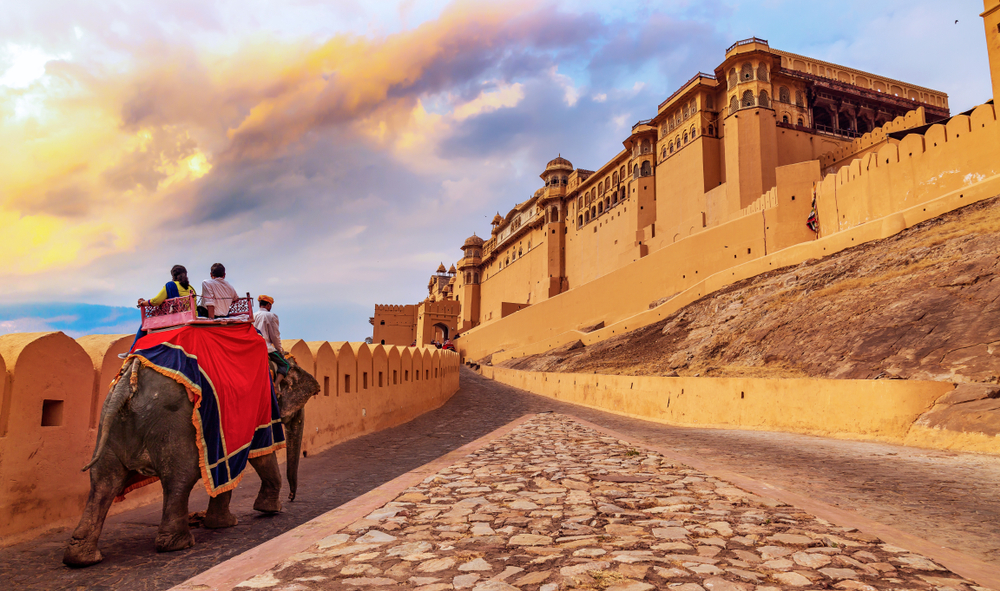
Best Places to Visit Rajasthan: Top 20 Destinations
Explore the best places to visit Rajasthan, India's royal state. Discover Jaipur's pink forts, Udaipur's romantic lakes, Jodhpur's blue streets, and Jaisalmer's golden desert with this comprehensive guide.
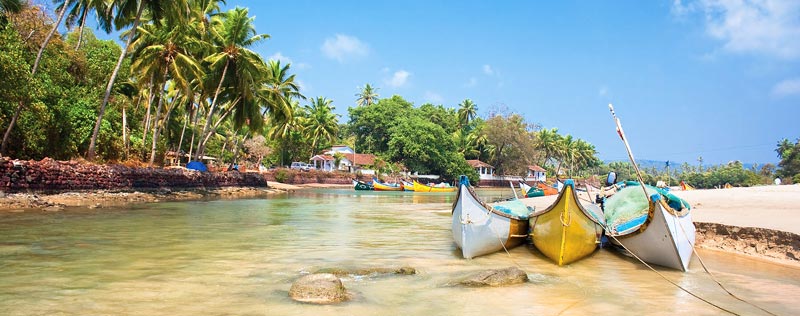
Goa Complete: Plan Beaches Weather And Activities
Complete Goa travel guide featuring beaches, nightlife, water sports, churches, cuisine, markets, North vs South Goa, and practical travel tips.
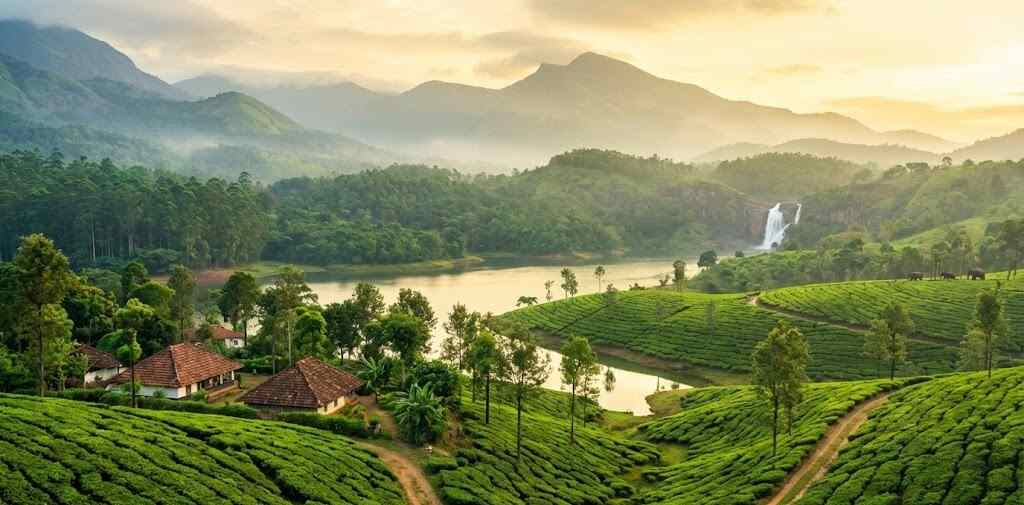
Kerala Complete: Plan Backwaters Weather And Places
Complete Kerala travel guide featuring Munnar, Alleppey backwaters, Thekkady, Kochi, houseboats, Ayurveda, best time to visit & practical tips.
Never Miss an Adventure
Get the latest trekking guides, travel tips, and exclusive offers delivered straight to your inbox.
