
Jew Town Kochi: Synagogue, Spice Shops & Heritage Streets

Rahul Garg
February 12, 2026
Explore Jew Town Kochi! Discover antique shops, Paradesi Synagogue, spice market, shopping & complete travel guide for historic Fort Kochi.
Jew Town Kochi: Complete Heritage and Shopping Guide
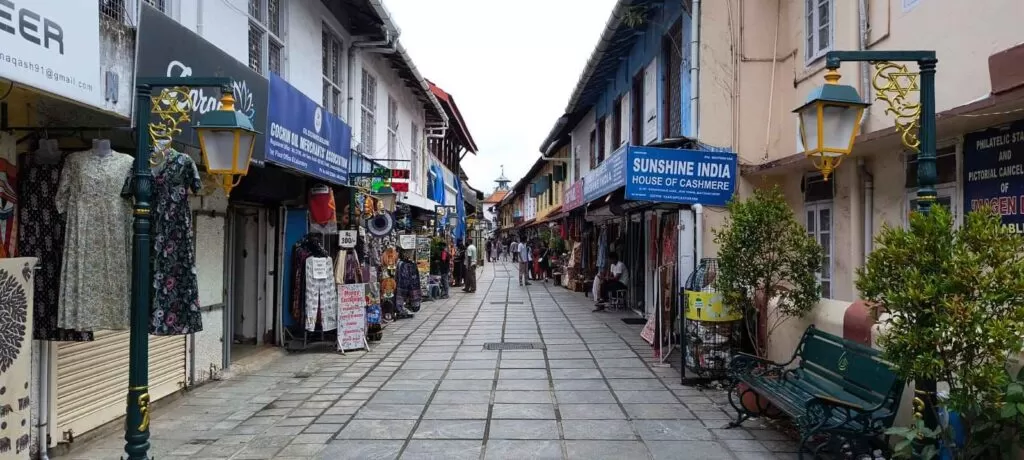
Jew Town in Kochi is one of Kerala’s most layered heritage streets, where trade history, religious memory, and everyday commerce meet in a compact walkable zone. Located in Mattancherry near Fort Kochi, it is best known for the Paradesi Synagogue, old warehouse-style buildings, spice-linked business culture, and antique storefronts that line narrow lanes. Many visitors come only for quick photos, but the area offers much more when explored at a deliberate pace.
Unlike generic market destinations, Jew Town is historically rooted. Its identity reflects centuries of Jewish presence in Kerala, maritime trade exchange, and cultural coexistence with local communities. If your Kochi itinerary is short, this should still be a priority stop because it combines architecture, storytelling, and shopping in one place. Pair it with best places to visit kerala to structure a wider regional route.

Historical Importance of Jew Town Kochi
Jewish communities in Kerala developed over many centuries through trade connections across the Indian Ocean. Mattancherry and adjacent zones became important points for settlement, commerce, and worship. Over time, political transitions, colonial layers, and migration patterns changed the size of the local community, but heritage traces remained visible in architecture, institutions, and street culture.
The Paradesi Synagogue, built in the 16th century, is the most recognized landmark in the neighborhood. Even for non-religious visitors, it represents continuity of faith and identity in a region shaped by multiple traditions. Exploring Jew Town with this background helps you move beyond “old market” impressions and understand it as a living record of multicultural history.
What to Expect in the Streets
Jew Town’s character comes from its pace. Lanes are lined with antiques, handcraft objects, curated decor stores, small cafes, and spice-related shops. Building facades often show worn timber frames, colonial-era proportions, and signboards that reveal generations of business transition. Some stores cater to serious collectors, while others focus on casual souvenir buyers.
The best approach is to walk slowly and compare items across multiple shops before purchasing. Prices vary significantly by quality, authenticity, and finishing. Take photos of options, ask polite questions, and return for final buying decisions after one full lane loop. This prevents impulse shopping and usually results in better value.
Paradesi Synagogue Visit Tips
The synagogue is a major draw, but visitors should check current opening windows and dress expectations before arrival. Interiors are culturally sensitive spaces, so follow staff instructions, remove footwear where required, and avoid restricted photography. Even when entry is controlled, the external streetscape around the synagogue provides rich heritage context.
If you are planning a faith-and-culture circuit, connect this area with local food exploration through famous food in kerala after your heritage walk. This creates a balanced day combining history and regional cuisine.
Shopping Guide: What to Buy in Jew Town
- Antique-style decor: Lamps, carved boxes, clocks, mirrors, and vintage-look pieces.
- Spice purchases: Pepper, cardamom, clove, cinnamon blends, and gift packs.
- Textiles and craft: Handloom products, stitched goods, and home-linen items.
- Collectibles: Prints, framed motifs, retro signage, and curated artifacts.
Always ask whether an item is original antique, restored piece, or reproduction. Honest sellers usually clarify this immediately. If shipping is required, verify packing standards and delivery timelines before payment.

Best Time to Visit Jew Town Kochi
October to March is generally the most comfortable season for walking in Kochi. Morning and late afternoon are best for a slower, less crowded experience. Midday heat and humidity can reduce comfort, especially when you are moving in and out of stores. During holiday periods and cruise-heavy days, footfall can increase significantly.
Weekdays often offer better browsing quality than weekend peaks. If you want meaningful interaction with shop owners and less hurried decision-making, choose a weekday morning slot.
How to Reach Jew Town
Jew Town is accessible from Fort Kochi and other parts of the city by taxi, auto, or ferry-plus-road combinations depending on your base. Travel times vary with traffic and bridge load, so keep realistic buffers. Most drivers are familiar with the area; ask to be dropped near the synagogue lane for easy orientation.
If you are designing a shopping-focused day, pair this with shopping kochi and avoid unnecessary cross-city backtracking.
Suggested Half-Day Plan
| Time Block | Recommended Activity |
|---|---|
| 09:30-10:00 AM | Arrival, orientation walk, first visual pass |
| 10:00-11:00 AM | Synagogue visit area and heritage reading |
| 11:00 AM-12:00 PM | Focused browsing across antique and spice shops |
| 12:00-12:30 PM | Return to shortlisted stores for final purchases |
| 12:30 PM onward | Lunch and onward city itinerary |
This sequence helps avoid early impulse buys and keeps your spending decisions more informed.
Photography and Etiquette Guidelines
- Ask before photographing shop interiors or private counters.
- Do not block narrow lanes while setting up shots.
- Respect prayer spaces and signage around restricted zones.
- Keep bargaining polite and realistic; avoid aggressive negotiation.
- Carry water and walk-friendly footwear for humid conditions.
Jew Town works best when treated as a shared neighborhood, not an open-air set. Respectful behavior improves local interaction and keeps the experience authentic.
Common Mistakes Travelers Make
- Arriving without checking synagogue timings and finding key points closed.
- Buying from the first shop without comparison across lane sections.
- Assuming every “old-looking” object is a verified antique.
- Visiting only at noon and cutting the walk short due heat.
- Ignoring nearby seasonal experiences like christmas in kochi during festive travel periods.
Why Jew Town Deserves More Than a Quick Stop
Jew Town is valuable because it offers depth in a small footprint. You can read history, observe architecture, interact with traders, and build a thoughtful shopping list without spending a full day. Few city neighborhoods combine these layers this efficiently.
Approach it with patience: walk once for understanding, walk again for decisions. That simple method turns a crowded tourist lane into one of the most rewarding cultural stops in Kochi.
Before leaving, pause for ten minutes at the quieter end of the street and observe how modern visitors, old facades, and active commerce overlap in real time. That overlap is the true character of Jew Town.
How to Judge Quality Before You Buy
In antique-heavy markets, confidence comes from method. First, inspect joints, hinges, and base material instead of only polished surfaces. Second, ask for origin story and age estimate; serious sellers usually explain provenance clearly, even when exact certification is unavailable. Third, compare at least three shops for similar categories before deciding on price. This simple process reduces buyer regret significantly.
For spices, choose sealed packs from clean counters and verify packing date when available. If you are carrying purchases to another city or country, ask about moisture-safe packing and customs-friendly labeling. Good vendors are used to traveler logistics and can usually guide you on practical handling.
Where Jew Town Fits in a Kerala Itinerary
Jew Town is ideal as a half-day culture block between coastal sightseeing and food exploration. It works for solo travelers, families, and photographers because walking distances are manageable and activity intensity is flexible. Travelers who prefer deep local context can spend extra time speaking with long-running shop owners and mapping street evolution through old signboards and building details.
If your plan is tight, prioritize one heritage pass and one shopping pass through the lane. That two-pass method captures both context and commerce without fatigue. It is the most efficient way to experience the area meaningfully in limited time.
Location
Frequently Asked Questions
Q1.What is Jew Town Kochi?
Q2.Where is Jew Town located in Kochi?
Q3.Why is Jew Town Kochi famous?
Q4.How old is the Jewish settlement in Kochi?
Q5.What are Paradesi Synagogue timings and entry fee?
Q6.Best places for shopping in Jew Town?
Q7.How to reach Jew Town Kochi?
Q8.Best time to visit Jew Town Kochi?
Recommended For You
Christmas in Kochi: Carnival, Cakes & Culture
Plan Christmas in Kochi with this festive guide to Cochin Carnival, Fort Kochi celebrations, midnight mass, and the iconic Burning Pappanji.
Shopping in Kochi: MG Road, Jew Town, Spices & Antiques
Shopping in Kochi guide - Jew Town antiques, Kerala spices, Fort Kochi souvenirs, MG Road jewelry. Complete guide to shopping in Kochi.

Best Places to Visit Kerala: 20 Must-See Destinations
Explore the best places to visit in Kerala. From Munnar's tea gardens and Alleppey backwaters to Kochi's culture and Thekkady's wildlife. Complete Kerala travel guide.
Never Miss an Adventure
Get the latest trekking guides, travel tips, and exclusive offers delivered straight to your inbox.
