
Kanchipuram Temples: Complete Travel Guide to the City of Thousand Temples

Rohit Verma
February 10, 2026
Complete Kanchipuram temples guide with history, major temples like Ekambareswarar, Kamakshi Amman, Varadaraja Perumal, silk sarees, and travel tips.
The City of Thousand Temples
Kanchipuram, known as the "City of Thousand Temples," is one of India's seven sacred cities (Sapta Puri) and a major Hindu pilgrimage center in Tamil Nadu. This ancient city, located about 75 kilometers from Chennai, has been a center of Tamil culture, learning, and spirituality for over 1,500 years. With more than 100 extant temples ranging from magnificent architectural marvels to intimate neighborhood shrines, Kanchipuram truly lives up to its name.
What makes Kanchipuram special is its dual heritage as both a Shaivite and Vaishnavite center. Unlike most temple towns that are dedicated primarily to either Shiva or Vishnu, Kanchipuram is sacred to both traditions, housing some of the most important temples for each. The city is also one of the Panchabhuta Sthalas – representing the earth element (Prithvi) at the Ekambareswarar Temple.
Beyond its spiritual significance, Kanchipuram is renowned for its beautiful silk sarees, known as Kanchipuram silk, which have been woven here for centuries. The city's weavers create these exquisite textiles for temple deities, royalty, and discerning customers across India and abroad.
For temple enthusiasts, history buffs, cultural explorers, or spiritual seekers, Kanchipuram offers a profound journey through South India's religious heritage. Here, in the ancient streets lined with temple towers, you can experience the living tradition of Hindu worship that has continued uninterrupted for over a millennium.
Ancient History and Cultural Significance
Kanchipuram's history spans over two millennia, making it one of South India's oldest continuously inhabited cities. The city finds mention in ancient Tamil literature like the Sangam works (3rd century BCE to 3rd century CE), where it's described as a flourishing urban center.
The city rose to prominence under the Pallava dynasty (4th to 9th centuries CE), who made Kanchipuram their capital and built many of its magnificent temples. The Pallavas were great patrons of art and architecture, and they developed the distinctive South Indian temple style that would influence temple construction across the region for centuries.
Subsequent dynasties including the Cholas, Pandyas, and Vijayanagara rulers all contributed to Kanchipuram's temple heritage. Each dynasty added new structures, renovated existing ones, and endowed the temples with wealth and land. This continuous patronage allowed Kanchipuram's temples to flourish and grow into the magnificent complex we see today.
The city has been an important center of Shaivite philosophy since the 7th century, when the great saint Thirugnana Sambandar visited and sang hymns in praise of its temples. These Tevaram hymns are still recited in the temples today, maintaining a continuous tradition of devotion.
Kanchipuram also became a major center of Vaishnavism under the influence of the Alvars (Vaishnavite saints). The philosopher Ramanuja, who systematized Visishtadvaita Vedanta, lived and taught here for many years, establishing the city as an important seat of Vaishnavite learning.
Major Temples of Kanchipuram
Ekambareswarar Temple: Earth Element Shrine
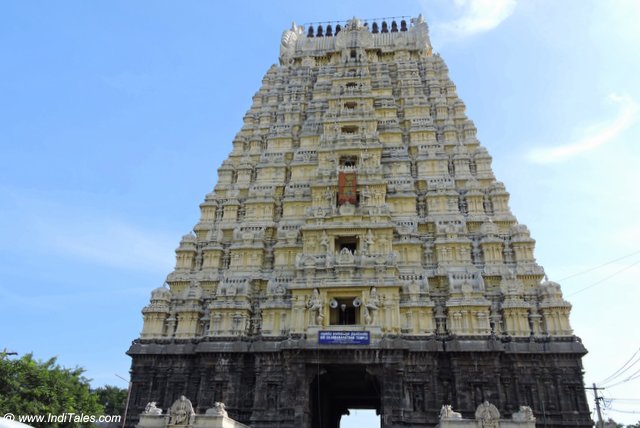
The Ekambareswarar Temple, dedicated to Lord Shiva as Ekambareswarar (Lord of the Mango Tree), is one of the Panchabhuta Sthalas representing the earth element (Prithvi). This massive temple complex covers 25 acres and is one of the largest in India.
The temple's sanctum houses a Prithvi Lingam – Shiva as the earth element. According to legend, Goddess Parvati performed penance here under a mango tree to unite with Shiva, who appeared before her as the earth element. The temple is associated with the Mangala tree that is believed to be over 3,500 years old and still stands within the complex.
The temple's Rajagopuram (main tower) rises to 59 meters, making it one of the tallest in South India. The temple complex includes five prakarams (circumambulation courtyards), numerous shrines, and a sacred tank. The architectural grandeur and spiritual atmosphere make this temple a must-visit.
Kamakshi Amman Temple: Divine Mother
The Kamakshi Amman Temple is dedicated to Goddess Kamakshi, a form of Parvati. This important Shakta center is one of the Shakti Peethas – sacred shrines of the Divine Mother scattered across India.
The temple's main deity is Goddess Kamakshi seated in a majestic lotus posture (Padmasana), with four arms holding symbols of power and compassion. The idol is made of Panchaloha (five metals) and is believed to be especially powerful for granting devotees' wishes.
The temple features beautiful Dravidian architecture with a gold-plated sanctum and elaborately carved pillars. The Gayatri Mandapam with its carved pillars is particularly noteworthy. The temple complex also includes shrines to various forms of the Goddess and to Aadi Sankaracharya, who established the Sri Chakra here.
Varadaraja Perumal Temple: Vishnu's Abode
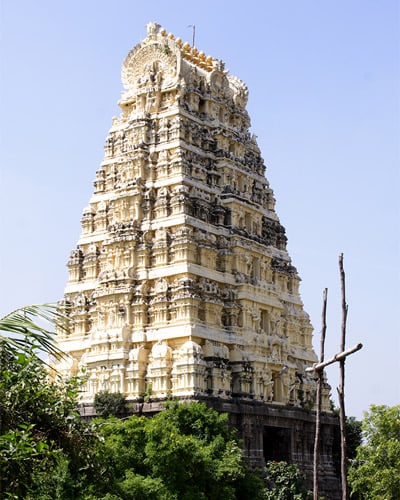
The Varadaraja Perumal Temple, dedicated to Lord Vishnu, is one of the 108 Divya Desams (sacred Vishnu temples praised by the Alvars). This magnificent temple complex is one of Kanchipuram's largest and most visited.
The presiding deity is Varadaraja Perumal (Vishnu) in a standing posture, with his consorts Sridevi and Bhudevi. The temple is unique for housing a massive wooden image of Atthi Varadar made from the Atthi tree (fig), which is revealed to devotees once every 40 years. This image was submerged in the temple tank for protection and is brought out during special periods.
The temple features a 100-pillar hall with exquisite sculptures, multiple gopurams, and beautiful stone carvings. The Golden Lizard on the ceiling of a sanctum is believed to confer liberation if touched.
Kailasanathar Temple: Pallava Architectural Gem
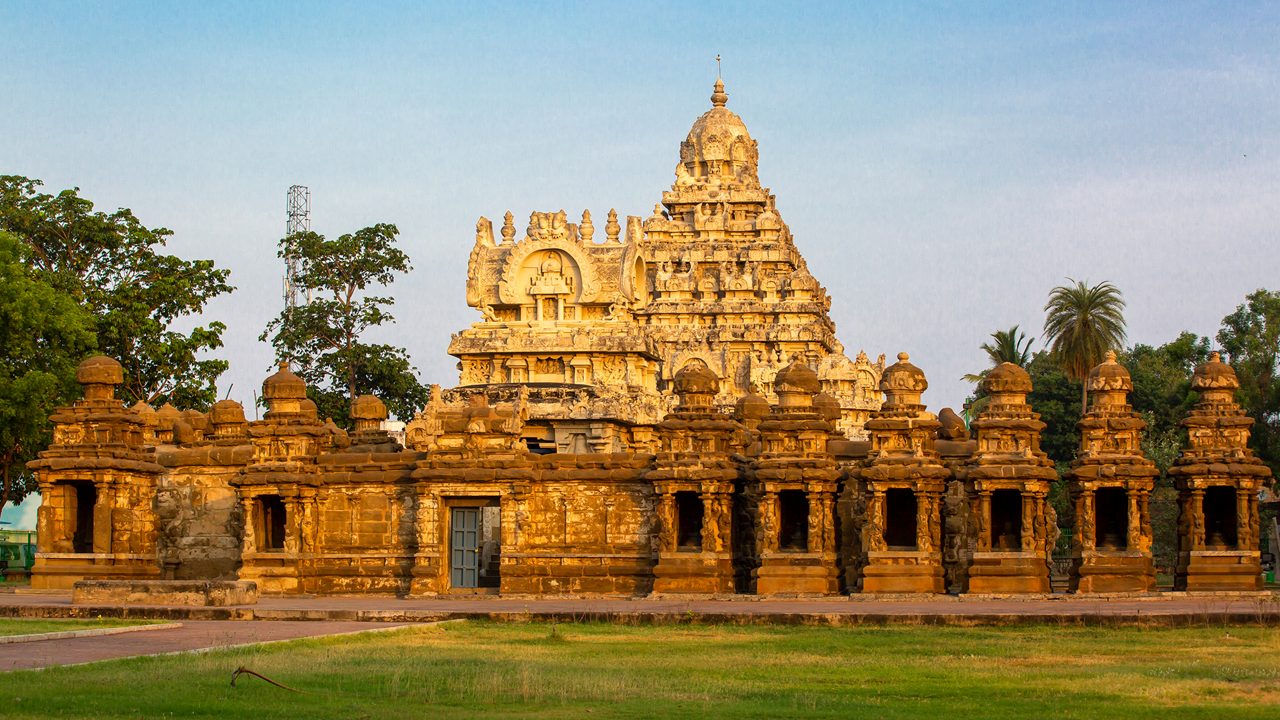
The Kailasanathar Temple, built by the Pallava king Rajasimha (Narasimhavarman II) in the early 8th century, is the oldest surviving temple in Kanchipuram and a masterpiece of Pallava architecture.
Dedicated to Lord Shiva, this sandstone temple features a main sanctum surrounded by a circumambulatory path with small shrines. The temple walls are covered with exquisite sculptures depicting Shiva in various forms, scenes from Hindu mythology, and celestial beings.
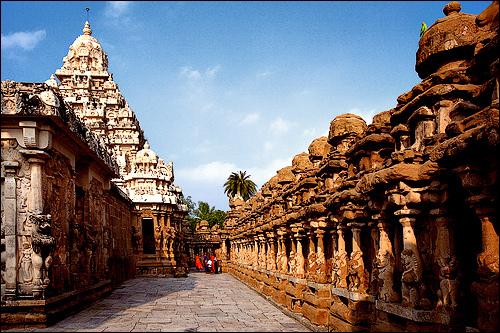
The temple's peaceful atmosphere and relatively smaller scale make it ideal for contemplation. The architecture represents a transition from early rock-cut caves to structural temples, making it important for understanding the evolution of South Indian temple architecture.
Other Notable Temples
- Kanchi Kamakoti Peetham: The seat of the Shankaracharya, one of Hinduism's most important religious institutions.
- Ulagalanda Perumal Temple: Dedicated to Vamana avatar of Vishnu, featuring a massive 35-foot idol.
- Yathothkari Perumal Temple: One of the Divya Desams, associated with the Alvar Poigai Alvar.
- Tiru Pavala Vannam: Small but ancient temple known for its red-colored Shiva lingam.
Kanchipuram Silk Sarees
No visit to Kanchipuram is complete without exploring its famous silk weaving tradition. Kanchipuram silk sarees are renowned for their quality, durability, and beauty, and have been granted Geographical Indication (GI) status.
These sarees are woven from pure mulberry silk, with gold and silver zari (metallic thread) borders. The distinctive feature of Kanchipuram sarees is that the body and border are woven separately and then interlocked, making the saree exceptionally durable.
Visitors can:
- Visit weaving centers: See the intricate process of saree making.
- Purchase sarees: Buy directly from weavers or showrooms.
- Learn the craft: Understand the traditional techniques passed down through generations.
Best Time to Visit Kanchipuram
Winter (November to February)
November to February offers pleasant weather (20°C-30°C), ideal for temple visits and exploration. December and January can be crowded due to pilgrimage season.
Festival Seasons
- Brahmotsavam at Ekambareswarar: Usually in Panguni (March-April)
- Garuda Sevai at Varadaraja Perumal: In Vaikasi (May-June)
- Navaratri: September-October, especially vibrant at Kamakshi Amman
How to Reach Kanchipuram
By Air
Chennai International Airport (75 km) is the nearest airport with excellent domestic and international connections.
By Train
Kanchipuram has its own railway station connected to Chennai, Bangalore, and other major cities. From Chennai Central, several trains run to Kanchipuram (1-2 hours journey).
By Road
- From Chennai: 75 km via NH48, approximately 2 hours by road.
- From Bangalore: 280 km, approximately 6 hours.
- From Mahabalipuram: 65 km, about 1.5 hours.
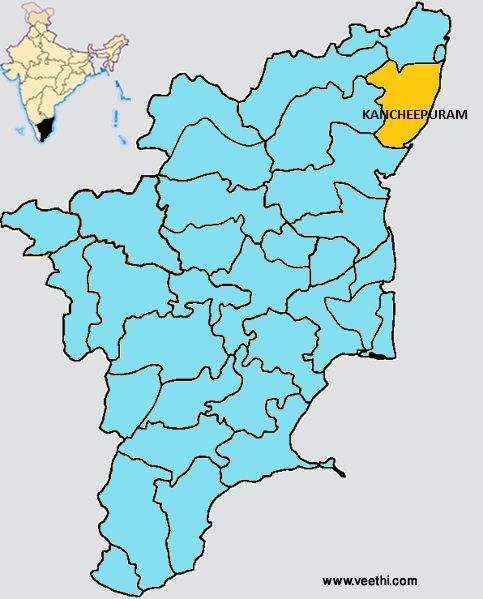
TNSTC buses operate frequent services from Chennai (Koyambedu terminus). Private taxis and cabs are readily available.
Practical Tips for Visiting
Temple Etiquette
- Dress modestly: Cover shoulders and knees.
- Remove footwear: Before entering temple premises.
- Respect rituals: Maintain silence during pujas.
- Photography: Check before photographing deities.
Accommodation
- Mid-range hotels: M.Hotel, Green Park residency.
- Budget options: Numerous lodges near temples.
- Luxury: Stay in Chennai and do a day trip.
Food
Traditional South Indian vegetarian food is available at local restaurants. Try the temple prasadam at each temple – each has its own specialty.
Suggested Itinerary
One Day in Kanchipuram
- 6:00 AM: Visit Ekambareswarar Temple for morning darshan.
- 8:30 AM: Breakfast at a local restaurant.
- 9:30 AM: Visit Kamakshi Amman Temple.
- 11:00 AM: Explore Kailasanathar Temple.
- 1:00 PM: Lunch break.
- 3:00 PM: Visit Varadaraja Perumal Temple.
- 5:00 PM: Explore silk weaving centers.
- 6:30 PM: Evening visit to any temple for arati.
Conclusion: Timeless Sacred City
Kanchipuram stands as a living testament to South India's religious and cultural heritage. For over 1,500 years, this city has been a beacon of Shaivite and Vaishnavite traditions, a center of learning, and a hub of artistic creation. Its temples are not just architectural marvels but active places of worship where ancient traditions continue vibrantly today.
Whether you're seeking spiritual blessings, exploring Indian temple architecture, studying religious history, or simply experiencing authentic Tamil culture, Kanchipuram offers a profound and enriching experience.
Combine your visit with temples of neighboring Karnataka, Mahabalipuram's Pallava monuments, or other Tamil Nadu temples for a comprehensive South Indian temple tour.
Location
Frequently Asked Questions
Q1.Why is Kanchipuram called the City of Thousand Temples?
Q2.What are the famous temples in Kanchipuram?
Q3.What is Kanchipuram famous for besides temples?
Q4.How to reach Kanchipuram from Chennai?
Q5.What is the best time to visit Kanchipuram?
Q6.What is special about Ekambareswarar Temple Kanchipuram?
Q7.Is one day enough for Kanchipuram?
Recommended For You
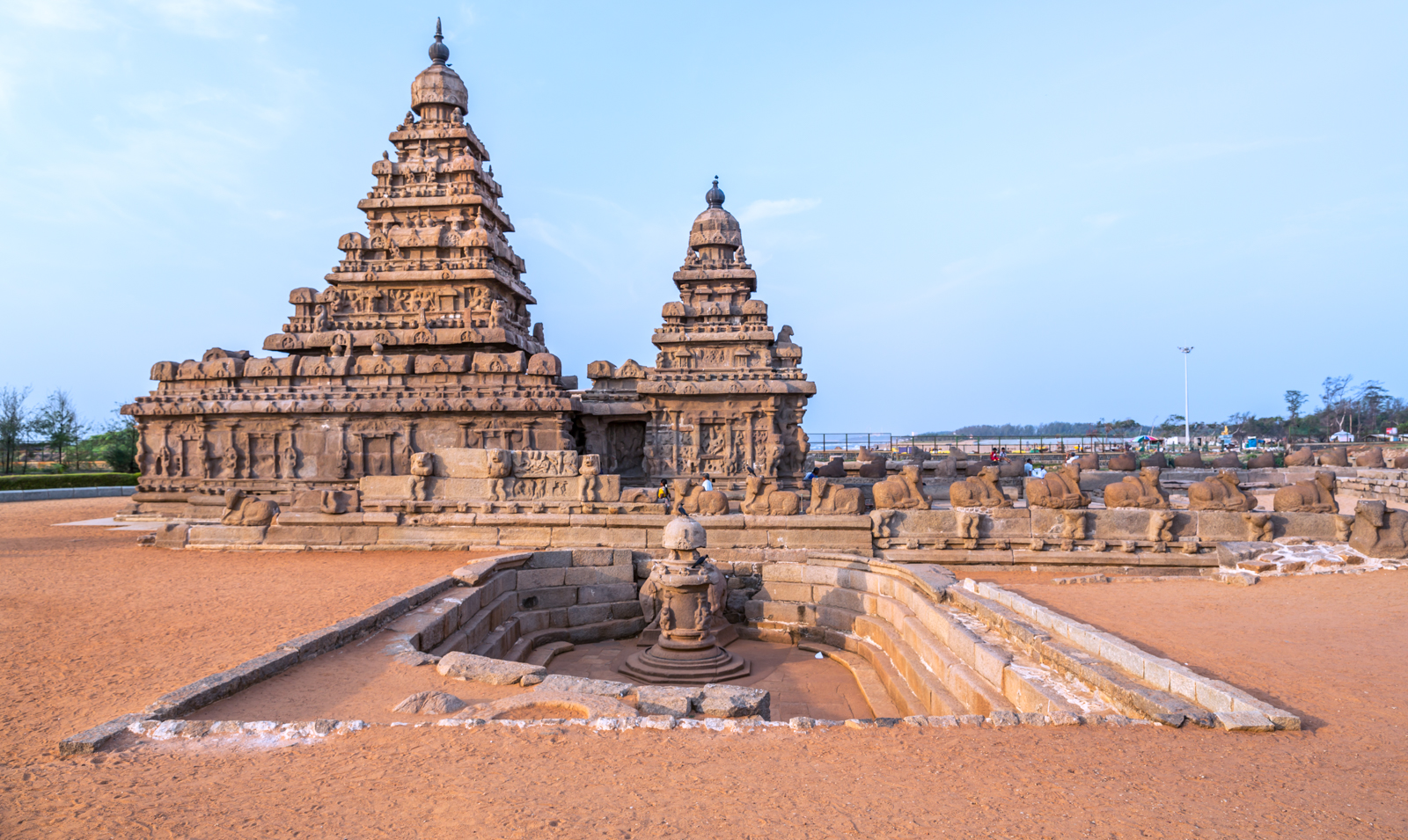
Mahabalipuram Temples: Complete Travel Guide 2026
Complete travel guide to Mahabalipuram temples (Mamallapuram) - UNESCO World Heritage site featuring Shore Temple, Arjuna's Penance, Pancha Rathas, Pallava architecture, history & travel tips.
Temples in Kerala: God's Own Country's Sacred Heritage
Explore sacred temples in Kerala. Discover Sabarimala, Guruvayur, Padmanabhaswamy & more with complete travel guide.
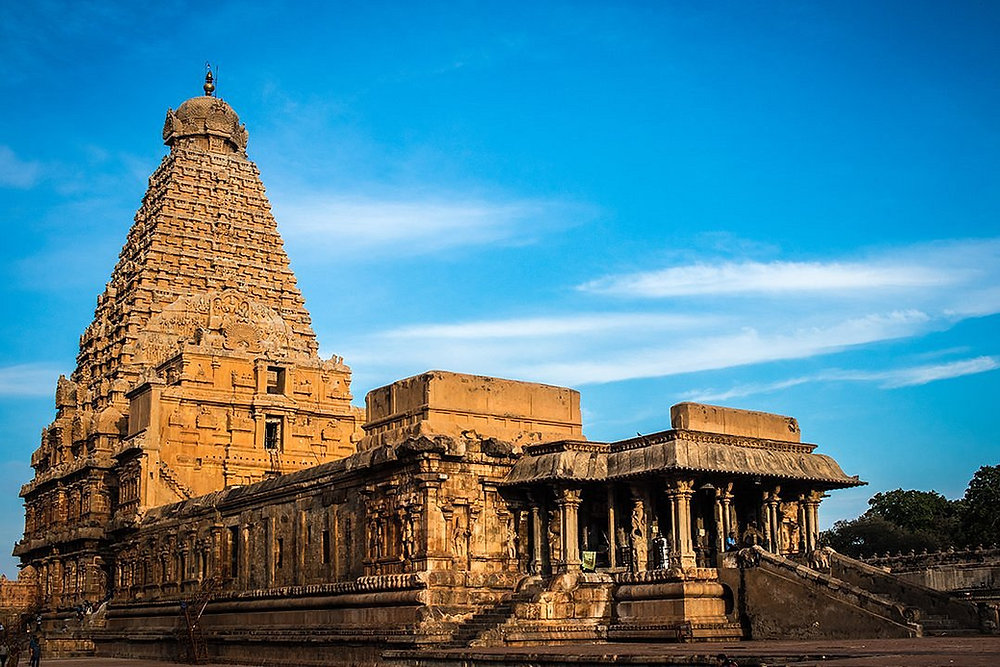
Temples in Thanjavur: The Great Living Chola Heritage
Explore Thanjavur's magnificent Brihadeeswara Temple & UNESCO-listed Chola temples. Discover architecture, history, rituals and travel guide.
Never Miss an Adventure
Get the latest trekking guides, travel tips, and exclusive offers delivered straight to your inbox.
