
Mahabalipuram Temples: Complete Travel Guide 2026

Rohit Verma
December 25, 2025
Complete travel guide to Mahabalipuram temples (Mamallapuram) - UNESCO World Heritage site featuring Shore Temple, Arjuna's Penance, Pancha Rathas, Pallava architecture, history & travel tips.
Introduction: Gateway to Ancient Tamil Heritage
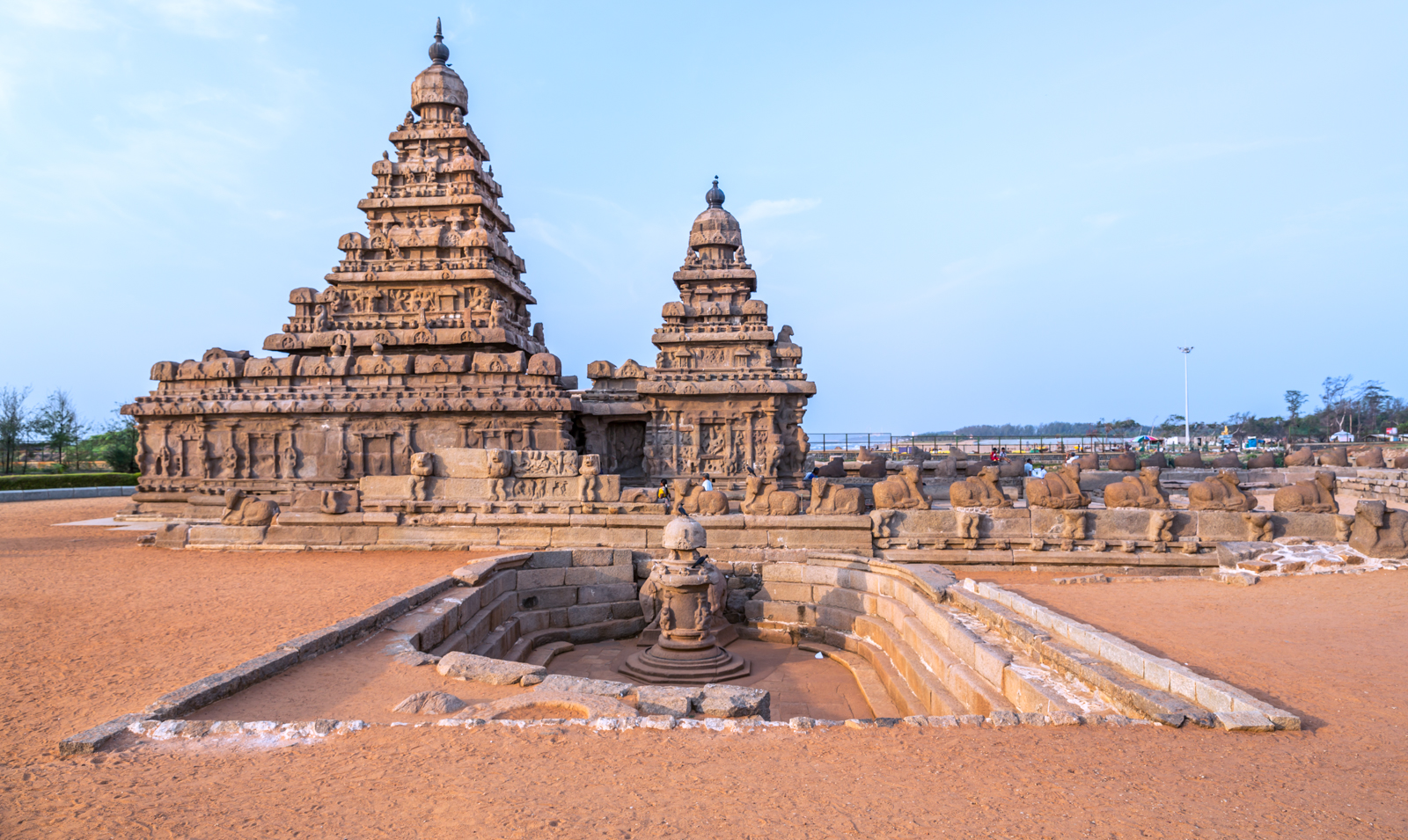
Mahabalipuram, also known as Mamallapuram, stands as one of India's most extraordinary archaeological treasures. This UNESCO World Heritage site, located just 60 kilometers from Chennai along the Coromandel Coast, showcases the pinnacle of Pallava dynasty architecture from the 7th and 8th centuries. The monument complex features an incredible collection of rock-cut temples, cave sanctuaries, and giant open-air reliefs that have captivated travelers and historians for over 1,300 years. What makes Mahabalipuram truly remarkable is the diversity of architectural styles all within one compact area. You'll find everything from monolithic temples carved from single boulders to intricate cave temples with exquisite sculptures, from the massive bas-relief of Arjuna's Penance to the iconic Shore Temple standing proudly against the Bay of Bengal. Having visited multiple times, I'm still discovering new details in the intricate carvings that tell stories from Hindu mythology and everyday Pallava-era life. This comprehensive guide covers everything you need to plan your visit to Mahabalipuram - from historical context and architectural highlights to practical travel information, nearby attractions, and insider tips that will enhance your experience of this ancient wonder.Historical Significance
 The monuments of Mahabalipuram were built during the reign of the Pallava dynasty, particularly under the patronage of two great rulers - Narasimhavarman I (630-668 CE), also known as Mamalla, and Narasimhavarman II Rajasimha (700-728 CE). The town's original name, Mamallapuram, actually derives from Mamalla, meaning "great warrior" in Tamil.
The Pallavas were instrumental in developing the unique Dravidian style of temple architecture that would influence South Indian temple construction for centuries. Mahabalipuram served as their primary port city and an important center for art, culture, and maritime trade with countries across Southeast Asia. The monuments represent three distinct phases of Pallava architecture, from early cave temples to monolithic rathas and finally structured temples.
The monuments of Mahabalipuram were built during the reign of the Pallava dynasty, particularly under the patronage of two great rulers - Narasimhavarman I (630-668 CE), also known as Mamalla, and Narasimhavarman II Rajasimha (700-728 CE). The town's original name, Mamallapuram, actually derives from Mamalla, meaning "great warrior" in Tamil.
The Pallavas were instrumental in developing the unique Dravidian style of temple architecture that would influence South Indian temple construction for centuries. Mahabalipuram served as their primary port city and an important center for art, culture, and maritime trade with countries across Southeast Asia. The monuments represent three distinct phases of Pallava architecture, from early cave temples to monolithic rathas and finally structured temples.
The Mythical Connection
According to local legend, Mahabalipuram was once home to seven magnificent temples, collectively known as the Seven Pagodas. Mythology tells us that six of these temples were consumed by the sea, leaving only the Shore Temple visible today. Interestingly, the 2004 Indian Ocean tsunami revealed some submerged structures near the shore, lending some credence to these ancient legends and exciting archaeologists about what else might lie beneath the waves.Top Monuments to Visit

Shore Temple
The Shore Temple is undoubtedly Mahabalipuram's most iconic monument and the one that gives the site its name. Built in the early 8th century, this structural temple is one of the oldest in South India and remarkably, it's actually a complex of three temples dedicated to Lord Shiva and Lord Vishnu. What makes the Shore Temple particularly special is its location right on the beach, with waves crashing against its stone walls. The temple has suffered significant erosion from sea breeze and saline water over 1,300 years, which is why it's been a focal point of conservation efforts. The temple's pyramidal structure, with its diminishing tiers, became the prototype for later Dravidian temple architecture. The main shrine faces east to catch the first rays of sunrise. During the annual Mamallapuram Dance Festival, the temple serves as a stunning backdrop for classical dance performances against the backdrop of the Bay of Bengal.Arjuna's Penance (Descent of the Ganges)
This massive bas-relief carving measures 30 meters in length and 15 meters in height, making it one of the largest open-air rock reliefs in the world. Carved on two massive boulders, the sculpture depicts two related stories from Hindu mythology - Arjuna's penance to obtain Lord Shiva's weapon, and the descent of the sacred Ganges river to earth. The level of detail is astonishing. Over 100 figures include gods, celestial beings, humans, animals, and mythical creatures. Look closely and you'll see elephants descending to the river, a cat doing penance, a herd of deer, and scenes of daily Pallava-era life. The natural cleft in the rock represents the Ganges flowing down, and during monsoon, water actually flows through this fissure, bringing the sculpture to life.Pancha Rathas (Five Chariots)
The Pancha Rathas are five monolithic temple structures, each carved from a single large boulder. Despite being called rathas (chariots), these are actually temples named after the Pandava brothers and their wife Draupadi from the Mahabharata epic. Draupadi Ratha: The smallest, dedicated to Goddess Durga, resembles a simple hut with thatched roof. Arjuna Ratha: Dedicated to Lord Shiva, features a small portico and intricately carved pillars. Bhima Ratha: The largest, with a barrel-vaulted roof reminiscent of Buddhist architecture. Dharmaraja Ratha: The most impressive, three-story structure dedicated to Lord Shiva. Nakula-Sahadeva Ratha: Dedicated to Lord Indra, stands apart from the others with an elephant sculpture nearby. What's fascinating is that these rathas were never completed - you can still see the chisel marks where work was abandoned. They represent different architectural styles that Pallava artisans were experimenting with.Cave Temples
Mahabalipuram features several remarkable cave temples carved into solid rock faces: Varaha Cave: Dedicated to Lord Vishnu's boar incarnation, this cave features exquisite sculptures depicting Vishnu rescuing the earth goddess Bhudevi. The pillars here are particularly noteworthy for their lion bases. Krishna Mandapa: Depicts Lord Krishna lifting Govardhana Hill to protect villagers from Indra's wrath. The detail includes cows, villagers, and celestial beings watching the scene. Mahishasuramardini Cave: Dedicated to Goddess Durga, this cave has two chambers - one showing Durga as the slayer of the buffalo demon Mahishasura, and another showing Lord Vishnu resting on the cosmic serpent Shesha. Kotikal Cave: A smaller cave dedicated to Goddess Durga, featuring beautiful guardian figures at the entrance.Other Notable Structures
Ganesh Ratha: A monolithic temple dedicated to Lord Ganesha, this is one of the finest preserved structures in Mahabalipuram. The temple was originally dedicated to Lord Shiva but converted to Ganesha worship later. Krishna's Butter Ball: A massive natural boulder, about 6 meters in diameter, resting on a slippery slope. Despite appearing like it could roll any moment, this boulder has remained in place for over 1,200 years. It's a popular photo spot and a testament to the incredible balance of nature. Old Lighthouse: Built by the British in 1887, this lighthouse offers panoramic views of the entire complex and the ocean beyond. It's worth climbing for the perspective it gives on the layout of the monuments.Architecture and Sculpture
 The architectural legacy of Mahabalipuram cannot be overstated. The monuments represent three distinct stages of Pallava architectural development:
Phase I: Cave Temples (7th Century)
The earliest phase involved excavating cave temples from solid rock faces. These featured simple rectangular halls with rows of pillars and small sanctuary chambers. The pillars typically had lion or elephant bases, a characteristic Pallava feature. The cave walls were adorned with divine sculptures, often depicting scenes from Hindu mythology.Phase II: Monolithic Temples (Mid-7th Century)
This experimental phase involved carving entire temples from single boulders, creating free-standing structures. The Pancha Rathas represent this phase. Artisans worked from top to bottom, removing tons of rock to create these architectural marvels that were never actually completed.Phase III: Structural Temples (Early 8th Century)
The final phase involved building temples with stone masonry. The Shore Temple represents the culmination of Pallava architectural achievement, combining the best elements from the previous phases into a cohesive structural form that would define South Indian temple architecture for centuries.Artistic Style
The sculptures of Mahabalipuram are known for their graceful proportions, dynamic poses, and emotional expressiveness. Unlike the rigid, formal styles of earlier periods, Pallava sculptures capture movement and life. The figures have slender, elegant bodies, with detailed jewelry and expressive faces. The artists excelled at depicting both divine beings and everyday scenes with equal skill.Best Time to Visit
Winter (October - February)
This is undoubtedly the best time to visit Mahabalipuram. The weather is pleasant with temperatures ranging from 20-30°C, making it comfortable to explore the outdoor monuments. December and January can get a bit crowded as it's peak tourist season, but the comfortable weather makes it worth it.Summer (March - June)
Summer in Mahabalipuram is hot and humid with temperatures reaching 40°C. Exploring the monuments can be exhausting, especially in the afternoons. If you visit during summer, plan your visit for early morning or late afternoon. Carry plenty of water and wear sun protection.Monsoon (July - September)
The monsoon brings moderate to heavy rainfall. While the monuments have an atmospheric quality in the rain, outdoor exploration becomes challenging. However, if you don't mind getting wet, you'll have the sites mostly to yourself, and the surrounding countryside turns lush green.How to Reach Mahabalipuram
By Air
The nearest airport is Chennai International Airport (MAA), about 60 kilometers away. From the airport, you can hire a taxi (₹1,500-2,000 or $20-28 USD) or take a bus to Mahabalipuram.By Road
Mahabalipuram is well-connected by road to Chennai and other parts of Tamil Nadu. The East Coast Road (ECR) from Chennai offers a scenic drive along the coast. Private taxis cost about ₹2,000-3,000 ($28-42 USD) one way from Chennai. State-run buses (Route 588) run regularly from Chennai (Adyar/CMBT) and cost about ₹60-80 ($1-2 USD).By Train
The nearest railway station is Chengalpattu, about 29 kilometers away. From there, you can take a taxi or bus to Mahabalipuram. However, trains to Chengalpattu are less frequent, so most visitors prefer traveling by road from Chennai.Practical Travel Information
Entry Fees & Timings
Entry Fee: ₹40 ($0.50 USD) for Indian citizens, ₹600 ($8 USD) for foreign nationals. Children under 15 enter free. Timings: 6:00 AM to 6:00 PM daily. It's best to visit early morning or late afternoon to avoid both crowds and heat. Video Camera Fee: ₹25 ($0.35 USD) additional.Where to Stay
Mahabalipuram offers accommodation for every budget: Luxury: ₹8,000-15,000 ($110-210 USD) per night for beachfront resorts like Radisson Blu Temple Bay, Ideal Beach Resort, and Grand Bay by GRT Hotels. Mid-Range: ₹3,000-6,000 ($42-85 USD) per night for comfortable hotels like Mamalla Heritage, Chariot Beach Resort, and Hotel Mamalla. Budget: ₹800-2,000 ($11-28 USD) per night for guesthouses and homestays. Many are located near the beach and offer basic but clean accommodations.Where to Eat
Seafood: Fresh catch restaurants line the beach road. Moonrakers, Gecko Restaurant, and Sea Gulls are popular for grilled fish, prawns, and crab. South Indian: Try local restaurants for authentic Tamil cuisine. Mamalla Restaurant and Sunrise View Restaurant offer dosas, idlis, and seafood curries. Cafes: Several cafes cater to international tourists with coffee, continental food, and breakfast options.Things to Do Nearby
Tiger Cave
Located about 5 kilometers from the main town, this cave temple features a carving of a tiger's face at the entrance. It's less crowded than the main monuments and offers a peaceful setting. The climb to the top provides excellent views of the surrounding countryside.Covelong Beach
Now known as Kovalam Beach, this is a popular spot for surfing and beach relaxation. The beach is less crowded than Marina Beach in Chennai and offers golden sands and calm waters.Muttukadu Boat House
About 20 kilometers from Mahabalipuram, this backwater area offers boating and water sports. It's a nice diversion if you want to experience the region's aquatic ecosystems.DakshinaChitra Heritage Center
Located about 15 kilometers away, this living museum showcases the art, architecture, and culture of South Indian states. Traditional houses have been reconstructed here, and artisans demonstrate traditional crafts.Mamallapuram Dance Festival
If you're visiting in January/February, don't miss this annual festival featuring classical dance performances against the backdrop of the Shore Temple. The festival attracts artists from across India and creates a magical atmosphere.Travel Tips
- Hire a Guide: The monuments come alive with historical context. Official guides charge about ₹600-1,000 ($8-14 USD) for a comprehensive tour.
- Wear Comfortable Shoes: You'll be walking considerable distances on uneven surfaces. Avoid sandals that can slip on hot stone.
- Carry Sun Protection: The monuments offer little shade. Wear a hat, sunscreen, and sunglasses, especially in summer.
- Stay Hydrated: Carry water bottles, though purified water is available at shops throughout the site.
- Combine with Chennai: Most visitors combine Mahabalipuram with a Chennai city tour. They're close enough to explore both in 2-3 days.
- Photography Tips: Early morning and late afternoon provide the best lighting. The monuments face east, so morning light is ideal for the Shore Temple.
- Respect the Sacred: These are active religious sites. Dress modestly, speak softly, and don't touch sacred images.
- Support Local Artisans: The town is famous for stone sculpture. Visit workshops to see artisans at work and consider purchasing small souvenirs.
Conclusion
Mahabalipuram represents one of India's most precious cultural treasures - a place where ancient stone comes alive with stories of gods, heroes, and everyday life from over 1,300 years ago. The monuments offer a rare glimpse into the artistic and architectural achievements of the Pallava dynasty, whose influence on South Indian temple architecture continues to this day. What makes Mahabalipuram special is its accessibility. Unlike many archaeological sites that require specialized knowledge to appreciate, these monuments speak directly to visitors through their visual storytelling and emotional sculptures. Whether you're a history enthusiast, architecture student, spiritual seeker, or simply a curious traveler, Mahabalipuram offers something profound. Plan to spend at least a full day exploring the monuments, though two days would allow a more relaxed pace. Combine your visit with time on the beach, fresh seafood, and perhaps even the dance festival if your timing is right. Above all, take time to simply sit and contemplate these incredible achievements of human creativity that have stood watch over the Bay of Bengal for over a millennium. For those interested in exploring more of Tamil Nadu's temple heritage, the historic city of Kanchipuram, known as the "City of Thousand Temples," is just 65 kilometers away and famous for its silk sarees and ancient Dravidian temples. If you're planning a broader exploration of South India, the magnificent Meenakshi Temple in Madurai represents another pinnacle of Dravidian architecture that showcases the evolution of the Pallava style. Architecture enthusiasts should also consider visiting the Brihadeeswarar Temple in Thanjavur, a UNESCO World Heritage site that represents the height of Chola dynasty temple building. If time allows, extend the trip toward Pondicherry for a contrasting colonial-era coastal experience just a short drive south. Remember that these monuments are not just relics of the past but living heritage sites that continue to inspire and captivate. Take only photographs, leave only footprints, and carry forward the appreciation for human creativity that these extraordinary structures represent.Location
Frequently Asked Questions
Q1.What is Mahabalipuram famous for?
Mahabalipuram is famous for its UNESCO World Heritage monuments built by the Pallava dynasty in the 7th-8th centuries.
The site is renowned for the Shore Temple, the massive bas-relief of Arjuna's Penance (Descent of the Ganges), the Pancha Rathas (five monolithic temples), and numerous cave temples with exquisite sculptures.
These monuments represent the pinnacle of early Dravidian architecture and continue to influence South Indian temple construction today.
Q2.How much time is needed to visit Mahabalipuram?
A full day (6-8 hours) is sufficient to cover the main monuments, including the Shore Temple, Arjuna's Penance, Pancha Rathas, and cave temples.
However, if you want to explore at a leisurely pace, visit nearby attractions like Tiger Cave, and spend time at the beach, plan for 2 days.
The monuments are open from 6 AM to 6 PM, so you can spread your visit over two days to avoid heat and crowds.
Q3.What is the best time to visit Mahabalipuram?
The best time to visit Mahabalipuram is during winter (October to February) when the weather is pleasant with temperatures between 20-30°C.
Early morning (6-9 AM) or late afternoon (3-6 PM) are the best times of day to explore the monuments to avoid both heat and crowds.
January and February can be crowded but offer the best weather.
If visiting in summer, plan outdoor activities for early morning only.
Q4.How far is Mahabalipuram from Chennai?
Mahabalipuram is located about 60 kilometers from Chennai, approximately a 1.5 to 2-hour drive depending on traffic.
The most scenic route is via the East Coast Road (ECR) which runs along the Bay of Bengal coast.
Regular buses (Route 588) run from Chennai (Adyar and CMBT) to Mahabalipuram.
Taxis from Chennai cost approximately ₹1,500-2,000 ($20-28 USD) one way.
Q5.What is the entry fee for Mahabalipuram monuments?
Entry fee for Indian citizens is ₹40 ($0.50 USD) per person.
For foreign nationals, the fee is ₹600 ($8 USD) per person.
Children under 15 years of age enter free of cost.
An additional video camera fee of ₹25 ($0.35 USD) applies if you're carrying professional video equipment.
Tickets can be purchased at the ASI counter near the entrance.
Q6.Why are the Pancha Rathas unfinished?
The Pancha Rathas (Five Chariots) were never completed because they served as experimental models rather than functional temples.
These monolithic structures represent the Pallava artisans' experimentation with different architectural styles before moving to structural temple building.
You can still see chisel marks and unfinished sections where work was abandoned.
They were likely never consecrated for worship, which is why they remain in such pristine condition.
Q7.Is Mahabalipuram worth visiting?
Absolutely! Mahabalipuram is one of India's most extraordinary archaeological sites and definitely worth visiting.
The monuments offer a unique combination of architectural significance, artistic excellence, and scenic coastal setting.
Unlike many heritage sites, these monuments are very accessible and easy to appreciate even without specialized knowledge.
The town itself is charming, with excellent seafood, beach access, and a relaxed atmosphere that makes for a perfect weekend getaway from Chennai.
Q8.Can we cover Mahabalipuram and Kanchipuram together?
Yes, you can cover both Mahabalipuram and Kanchipuram in 2-3 days as they are only about 65 kilometers apart.
Kanchipuram is known as the "City of Thousand Temples" and is famous for both its ancient temples and silk sarees.
A common itinerary is to visit Kanchipuram in the morning (for temples) and Mahabalipuram in the afternoon (for monuments), though this can be rushed.
Better to dedicate one full day to each destination for a more relaxed experience.
Recommended For You
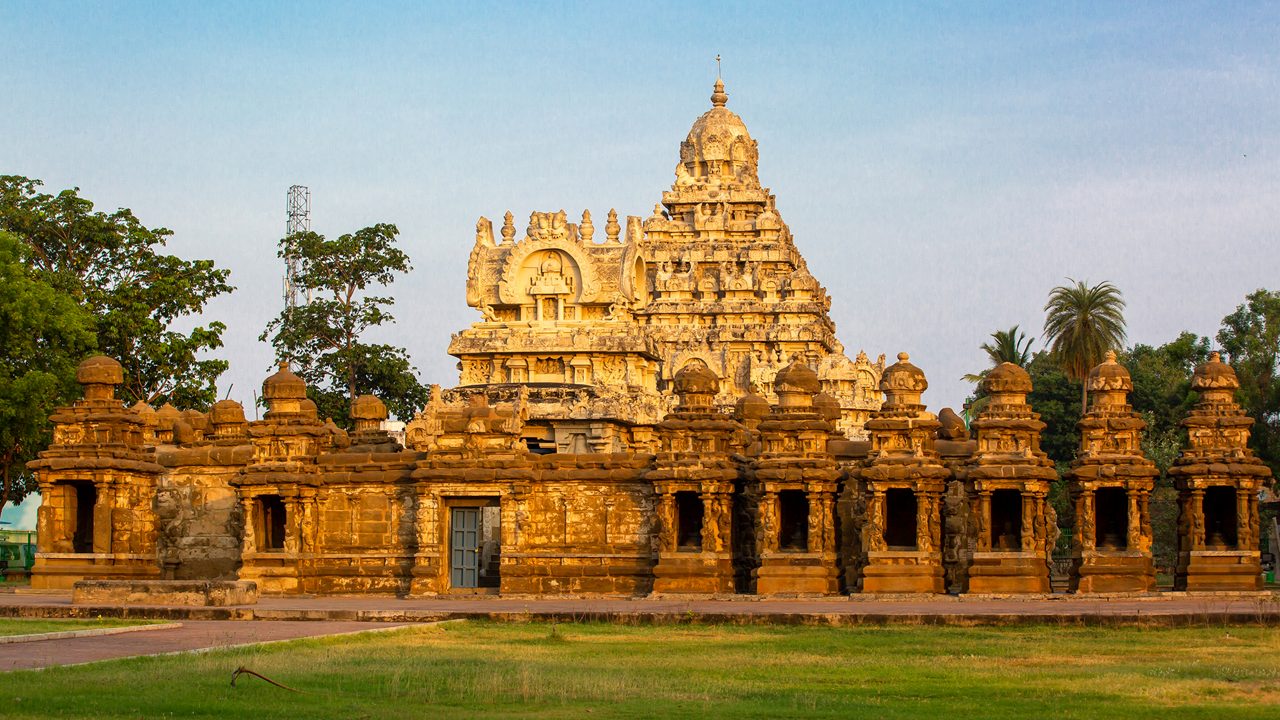
Places to Visit in Kanchipuram: Temples, Silk Streets & Heritage
Discover the best places to visit in Kanchipuram - from ancient temples like Ekambareswarar and Kamakshi Amman to world-famous silk saree shopping. Complete guide with timings, prices, and travel tips.
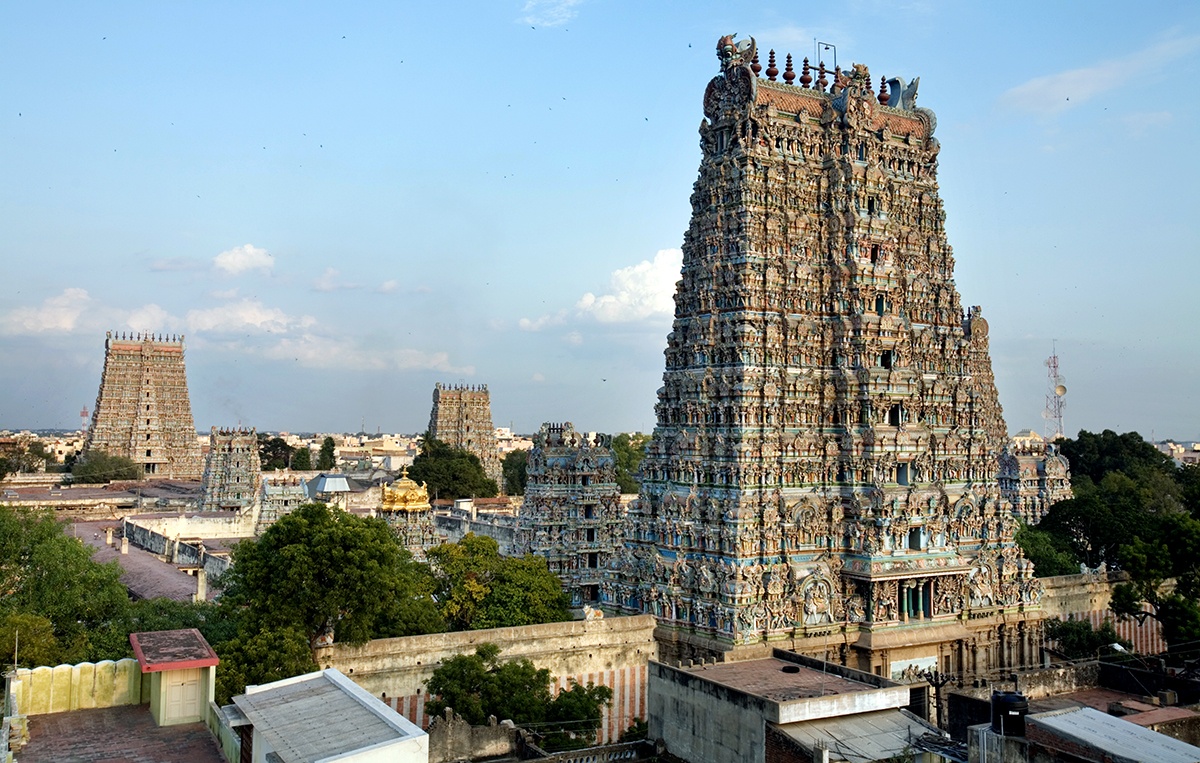
Meenakshi Temple Madurai: Complete Guide to the Temple City
Explore the magnificent Meenakshi Temple in Madurai - a 7th-century architectural marvel with 12 towering gopurams, musical pillars, and sacred tanks. Discover history, timings, Chittirai festival, travel tips, and nearby attractions in this comprehensive guide.
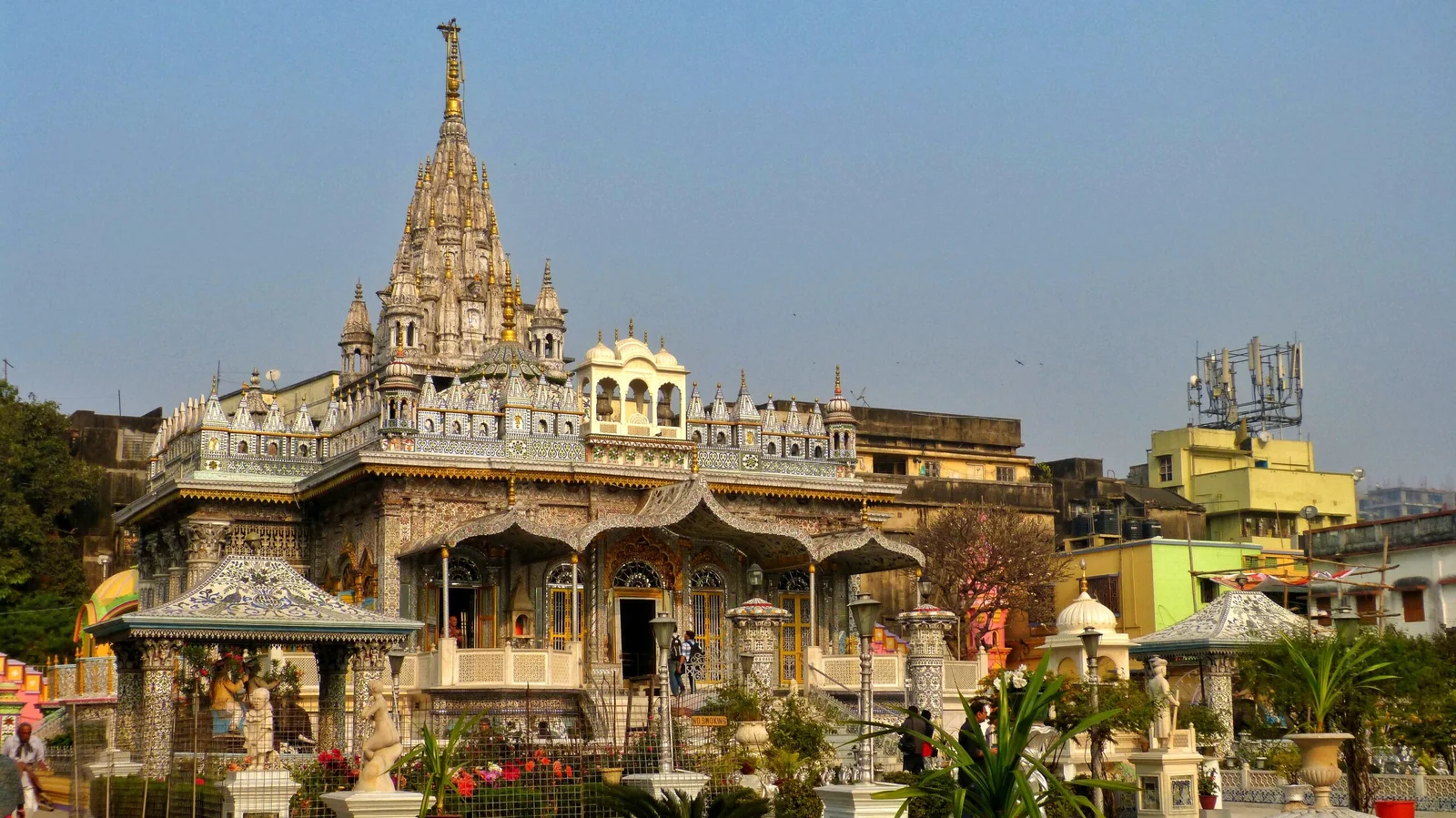
Temples in Kolkata: The City of Joy's Sacred Heritage
Explore sacred temples in Kolkata. Discover Kalighat, Dakshineswar, Belur Math & more with timings and travel guide.
Never Miss an Adventure
Get the latest trekking guides, travel tips, and exclusive offers delivered straight to your inbox.
