

Keoladeo National Park: UNESCO World Heritage Bird Sanctuary

Neha Kapoor
December 6, 2025
Discover Keoladeo National Park in Bharatpur, a UNESCO World Heritage Site and one of the world's finest bird sanctuaries. Home to over 370 bird species, this wetland paradise offers incredible wildlife experiences for birdwatchers and nature lovers.
Welcome to Keoladeo National Park
Keoladeo National Park, formerly known as Bharatpur Bird Sanctuary, stands as one of the world's most remarkable bird habitats and a testament to successful conservation efforts. This 29-square-kilometer wetland ecosystem in Rajasthan was designated a UNESCO World Heritage Site in 1985, recognizing its global importance as a wintering ground for Palaearctic migratory waterfowl. What makes Keoladeo truly exceptional is its high density of bird life – over 370 species have been recorded here in an area smaller than many cities, making it a paradise for ornithologists, wildlife photographers, and nature enthusiasts. It's one of the most important bird sanctuaries in India.
The park's history is as fascinating as its wildlife. Originally developed as a royal hunting preserve by the Maharajas of Bharatpur in the 19th century, it was transformed into a bird sanctuary in 1971 and declared a national park in 1982. The Maharajas maintained the wetlands through an intricate system of dams, dykes, and sluice gates that controlled water flow from surrounding areas. This created a mosaic of shallow lakes, marshes, and woodlands that attracted thousands of birds. Today, the park continues this tradition of careful water management, ensuring optimal conditions for both resident and migratory bird species throughout the year.
A Birdwatcher's Paradise
The diversity and abundance of birdlife at Keoladeo is simply extraordinary. During winter months, the park hosts approximately 230 species of resident birds and receives around 140 species of migratory birds, including some that travel incredible distances to reach here. The most famous winter visitor was undoubtedly the Siberian crane, which undertook a 6,000-kilometer journey from its breeding grounds in Siberia. Although their numbers have declined dramatically due to hunting along migration routes, the park remains crucial for numerous other migratory species.
Winter brings impressive congregations of waterfowl including bar-headed geese, greylag geese, pintails, teals, shovelers, and wigeons. Waders such as sandpipers, stilts, and plovers probe the muddy shallows for invertebrates, while raptors including greater spotted eagles, imperial eagles, and ospreys patrol overhead. The park is particularly renowned for its nesting colonies of large waterbirds – painted storks, open-billed storks, white ibises, spoonbills, and darters build massive nests in the park's trees during the breeding season, creating a spectacle that few other places in the world can match.
Resident Bird Species
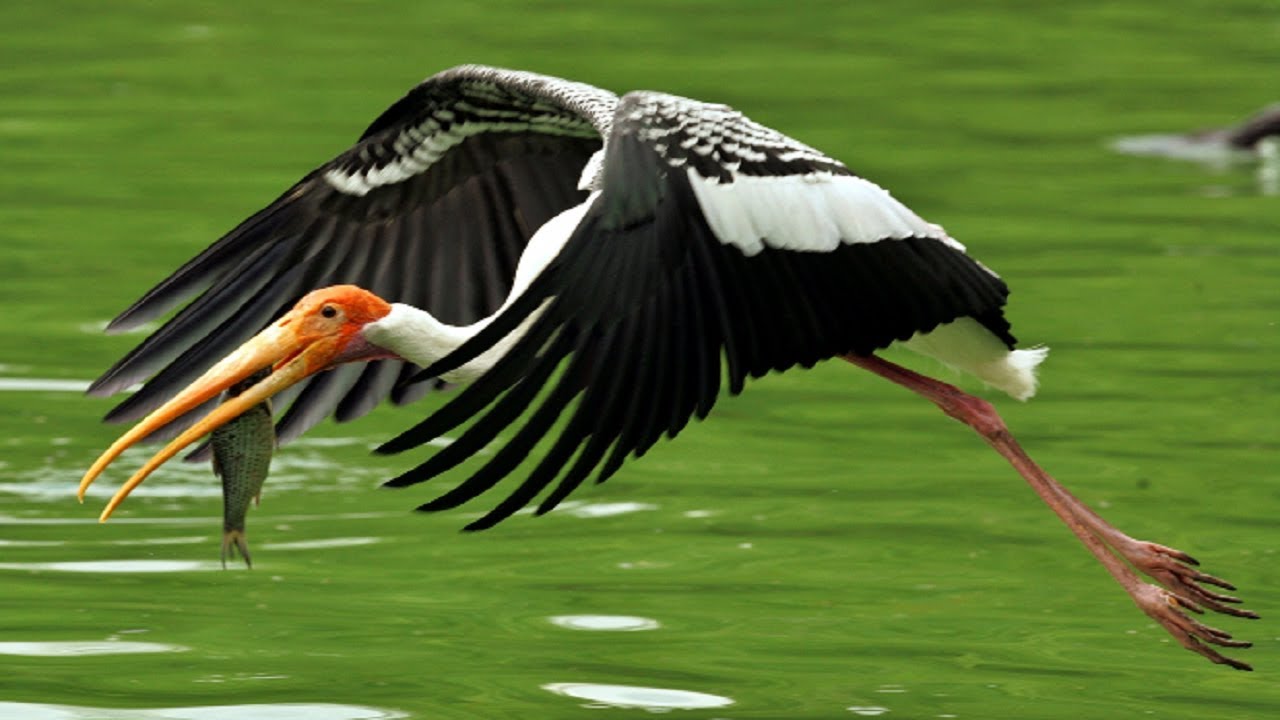
Thousands of migratory birds in wetlands
The resident bird population of Keoladeo is equally impressive and active year-round. The sarus crane, India's largest bird and the world's tallest flying bird, is a charismatic resident that can often seen stalking through the wetlands. These magnificent cranes, known for their elaborate courtship dances and lifelong pair bonds, are a symbol of fidelity in Indian culture and are always a delight to observe. Keoladeo is one of the premier national parks in Rajasthan.
Other resident highlights include the comb duck, cotton pygmy goose, and lesser whistling duck that are commonly seen in the wetlands. The park's woodlands host several species of kingfishers, including the common kingfisher, white-breasted kingfisher, and the elusive pied kingfisher that can be seen hovering above water before diving for fish. Drongos, bee-eaters, rollers, orioles, and parakeets add color and sound to the woodlands, while owls including the dusky eagle owl and spotted owlet roost in tree cavities during the day. The variety of habitats ensures that every visit reveals new species and behaviors.
The Mammals of Keoladeo
While birds undoubtedly take center stage, Keoladeo National Park supports an interesting diversity of mammals that are frequently encountered during exploration. The nilgai or blue bull, India's largest antelope, is commonly seen grazing in open areas, with males displaying their distinctive blue-grey coloration and impressive horns. Sambar deer and spotted deer (chital) are also resident, providing prey base for the park's smaller predators.
Jackals can often seen patrolling the park boundaries, while wild boar root around in the wetland edges during early morning and late afternoon. The park is home to several smaller mammals including Indian hares, porcupines, and various mongoose species. Reptiles are well-represented with monitor lizards frequently seen sunning themselves on logs, while several snake species including the common sand boa and rat snake inhabit the park. The wetlands harbor fish, frogs, and aquatic insects that form the base of an intricate food web supporting the incredible bird diversity.
Exploring on Foot and Cycle
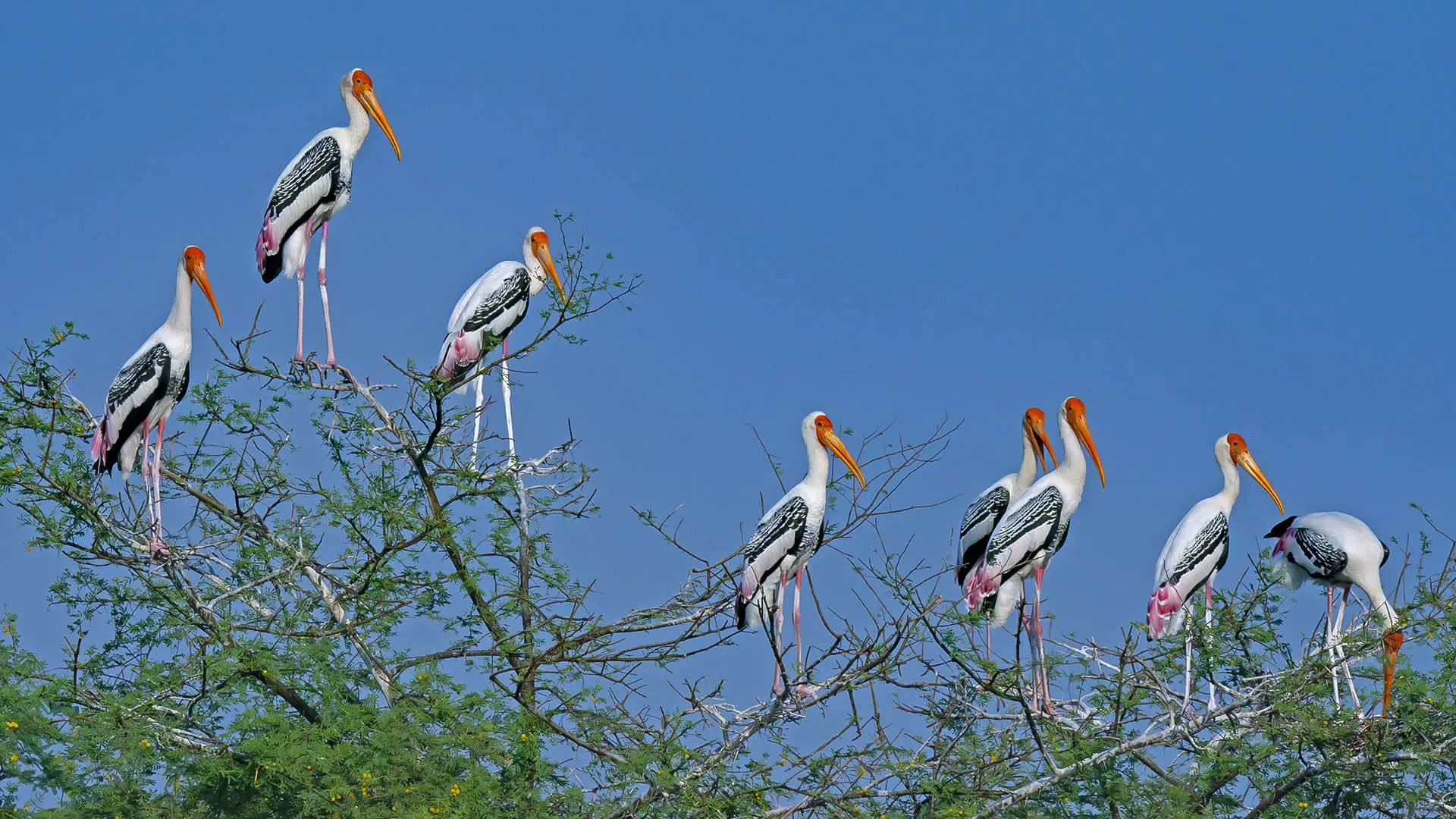
Painted storks in their nests
One of Keoladeo's unique features is that visitors can explore on foot, bicycle, or cycle rickshaw – creating a more intimate and eco-friendly wildlife experience compared to vehicle-based safaris in most Indian parks. The park has approximately 12 kilometers of well-maintained trails that traverse different habitats, each offering unique wildlife viewing opportunities. The main trail runs approximately 7 kilometers from the entrance to the Keoladeo Temple at the far end, with several branching trails accessing specific areas.
Cycle rickshaws pulled by local guides are the most popular way to explore the park. These guides are often experienced birdwatchers with incredible knowledge of the park – they can identify birds by their calls, know the best locations for specific species, and carry spotting scopes that allow for close-up views without disturbing the birds. The leisurely pace of cycle rickshaws allows for thorough exploration and plenty of photography opportunities. Boating is available on the main lake during winter months, offering a different perspective and access to areas that are difficult to reach from trails.
Painted storks in their nests
Seasons and Wildlife Activity
Each season at Keoladeo offers a different wildlife experience. Winter (October to March) is undoubtedly the peak season when migratory birds arrive and the park is at its busiest. The weather is pleasant, making extended exploration comfortable. This is when you'll see huge congregations of ducks, geese, waders, and raptors, along with the resident bird population. Early mornings in winter are magical, with mist rising from the wetlands and birds becoming active as the sun rises.
The monsoon season (July to September) brings transformation as the park turns lush green and resident birds begin breeding. The painted stork colonies are particularly active during this time, with nests being built, eggs laid, and chicks raised. Watching the constant activity of adult birds bringing food for their hungry chicks is fascinating. The summer months (April to June) are hot and see fewer bird species, but this is when mammals are most active as they congregate around remaining water sources. While challenging due to heat, summer visits can be rewarding for those willing to brave the temperatures.
Photography Opportunities
For wildlife photographers, Keoladeo National Park offers unparalleled opportunities to capture birds in their natural habitat. The open landscape and relatively approachable birds create excellent conditions for photographers of all skill levels. The winter light is soft and golden, perfect for capturing the iridescent plumage of birds. The breeding season brings special opportunities to document courtship, nest building, and chick-rearing behaviors.
The park's accessibility is a major advantage for photographers – being able to explore on foot allows you to find the best angles and positions without vehicle constraints. Early morning mist creates atmospheric shots, while sunrise and sunset produce stunning silhouettes of birds against colorful skies. The variety of species means you can photograph everything from tiny warblers and weavers to massive storks and eagles. Telephoto lenses are essential, but don't forget shorter lenses for environmental shots showing birds in their habitat. Remember to respect the birds and maintain distance – never disturb nesting birds or use flash photography that might stress them.
The Historical and Cultural Context
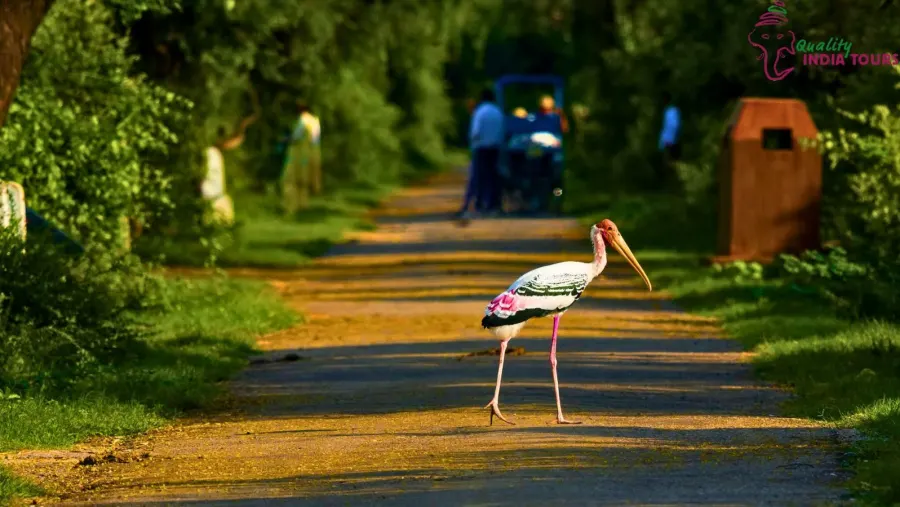
Enthusiasts observing diverse bird species
The area around Keoladeo has a rich history that adds cultural depth to your visit. The Bharatpur region was ruled by the Jat Maharajas, who developed the wetlands as a hunting preserve. The Bharatpur Fort in the city houses an interesting museum that displays hunting trophies, weapons, and artifacts from the royal era, providing context for the area's transformation from hunting ground to conservation success story.
Enthusiasts observing diverse bird species
Within the park boundaries stands the ancient Keoladeo Temple dedicated to Lord Shiva, which gives the park its name. This temple continues to be an active place of worship and adds a spiritual dimension to the sanctuary experience. The Lohagarh Fort (Iron Fort) in Bharatpur city, known for its resistance against British attacks, is worth visiting to understand the region's military history. The combination of natural beauty, wildlife, and historical significance makes Bharatpur a well-rounded destination for travelers interested in experiencing multiple facets of Indian heritage.
Conservation Challenges and Success
Keoladeo National Park has faced and continues to face significant conservation challenges. The decline of the Siberian crane population is a major concern, with the last confirmed sighting in 2002. Water management has been another critical issue, as the park depends on external water sources including the Gambhir River and Panchana Dam. Periodic water shortages have affected bird populations and nesting success.
Despite these challenges, the park remains a conservation success story and maintains its UNESCO World Heritage status. The forest department works on habitat management, water regulation, and protecting nesting areas. Community involvement programs help local residents understand the economic benefits of conservation through sustainable tourism. The park serves as an important case study in wetland conservation, demonstrating how protected areas can support incredible biodiversity while providing benefits to local communities through ecotourism.
Planning Your Visit
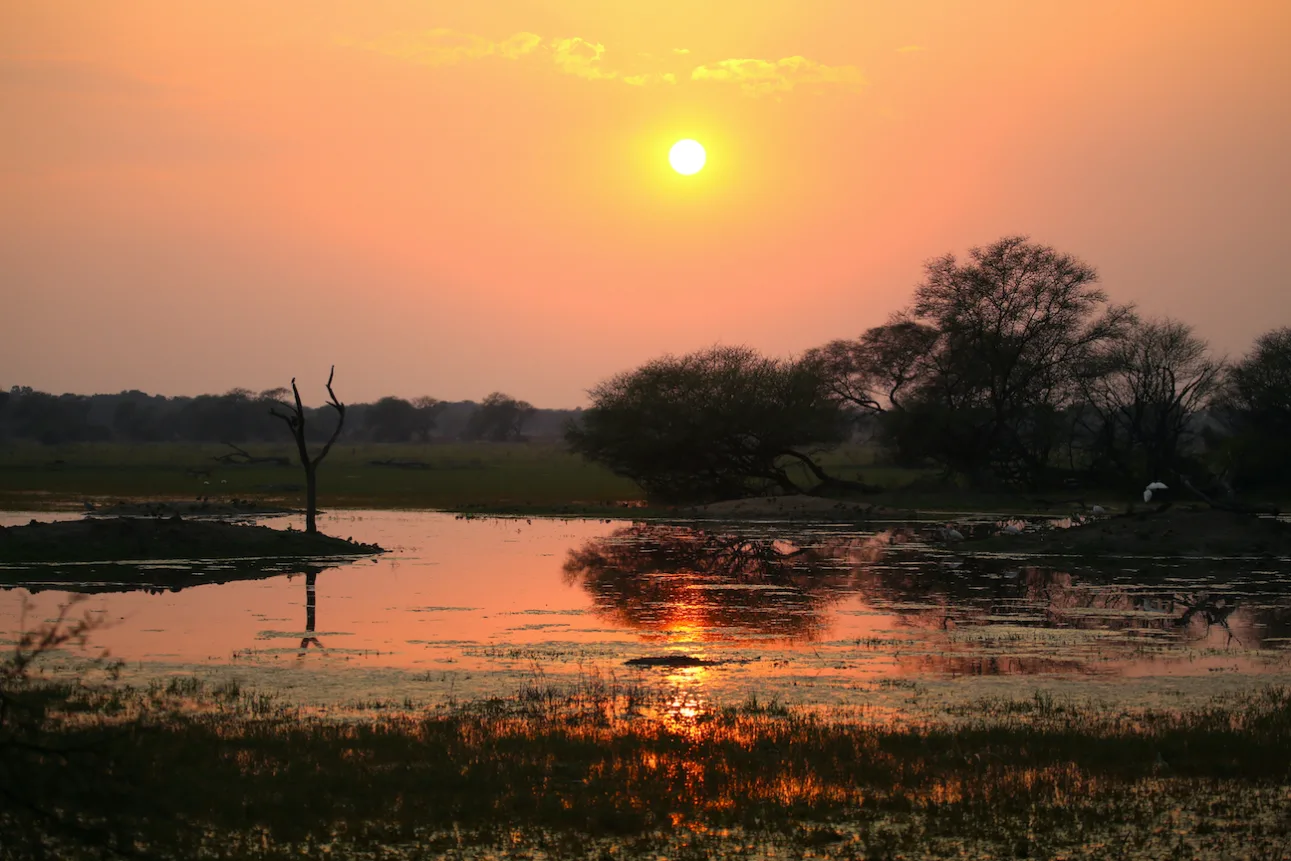
Serene wetlands landscape
A comprehensive visit to Keoladeo requires at least two full days to thoroughly explore different habitats and maximize your bird sightings. The park is open from sunrise to sunset, but early morning visits are crucial for the best wildlife experiences. Carry a good field guide to Indian birds and quality binoculars – these are essential tools for any birding trip. Wear neutral-colored clothing that blends with the environment and comfortable walking shoes as you'll cover considerable distance on foot.
Hire an experienced cycle rickshaw guide – their knowledge of bird calls, locations, and behavior is invaluable and significantly enhances the experience. Carry sufficient water and snacks, especially during summer months. If you're a photographer, bring the longest lens available – birds can be shy, and a telephoto lens allows you to capture images without disturbing them. Finally, respect the sanctuary and its inhabitants – maintain silence, stay on designated paths, and never disturb nesting birds or other wildlife.
Serene wetlands landscape
Accommodation and Facilities
Bharatpur offers accommodation options for every budget and preference. Luxury travelers can choose heritage properties like the Laxmi Vilas Palace, a former royal residence now operating as a hotel with period architecture and excellent service. The Bagh resort offers luxury tented accommodation amidst gardens, combining wilderness experience with modern amenities. These properties often arrange guided nature walks and cultural programs featuring Rajasthani folk music and dance.
Mid-range options include the Falcon Guest House, Pelican Hotel, and Hotel Sunbird, which offer comfortable rooms and easy access to the park entrance. Budget travelers can choose from numerous guesthouses and homestays in Bharatpur town. Many accommodations offer package deals including park entry, cycle rickshaw hire, and meals. Staying within walking distance of the park entrance allows for early morning starts, which are crucial for the best birding experiences.
Combining with Other Destinations
Keoladeo National Park's location makes it an excellent addition to various travel itineraries. It can be combined with the Taj Mahal in Agra (56 kilometers away) for a nature and heritage experience. The abandoned Mughal city of Fatehpur Sikri (38 kilometers) is another nearby attraction that complements the park visit. Wildlife enthusiasts can combine Keoladeo with other Rajasthan wildlife destinations like Ranthambore National Park and Sariska Tiger Reserve for a comprehensive wildlife experience.
For birdwatchers, combining Keoladeo with other wetlands and bird sanctuaries in northern India creates an incredible birding itinerary. Whether as a standalone destination or part of a larger Golden Triangle circuit (Delhi-Agra-Jaipur), Keoladeo National Park offers a unique and memorable wildlife experience that showcases the incredible biodiversity of India's wetland ecosystems.
Location
Frequently Asked Questions
Q1.What is the difference between Keoladeo National Park and Bharatpur Bird Sanctuary?
Q2.Can we explore Keoladeo National Park on foot?
Q3.What birds can we see at Keoladeo National Park?
Q4.What is the best time to visit Keoladeo National Park?
Q5.How far is Keoladeo National Park from major cities?
Q6.What is the entry fee and how do we book safaris?
Recommended For You

Desert National Park Jaisalmer: Safari Zones, Wildlife & Timings
Explore Desert National Park in Jaisalmer, India's largest national park and home to the critically endangered Great Indian Bustard. Discover unique desert wildlife, stunning landscapes, and practical travel tips for an unforgettable desert safari experience.

Great Himalayan National Park: Trek Routes, Permits & Wildlife
Explore Great Himalayan National Park (GHNP): UNESCO World Heritage Site in Kullu. Complete guide to trekking routes, wildlife spotting, permits, best time to visit, and accommodation.

National Parks in Kerala: Wildlife Zones, Safari Types & Travel Tips
Explore Kerala's national parks with this complete wildlife travel guide featuring Eravikulam, Periyar, Silent Valley, and more with practical planning tips.
Never Miss an Adventure
Get the latest trekking guides, travel tips, and exclusive offers delivered straight to your inbox.
