
National Parks in Rajasthan: Tiger Safari Parks & Booking Tips

Neha Kapoor
December 31, 2025
Explore National Parks in Rajasthan. Ranthambore, Sariska, Keoladeo. Tigers, birds, safari booking & best time to visit.
Rajasthan's Wildlife Legacy
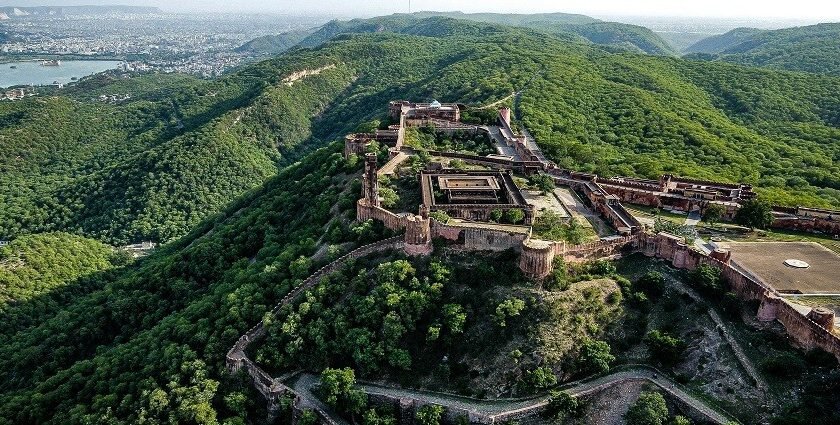
Rajasthan, famous for its majestic forts and golden deserts, also boasts an incredible wildlife heritage that often surprises first-time visitors. The state is home to five national parks and numerous wildlife sanctuaries, each offering unique ecosystems and diverse animal sightings. From the royal Bengal tigers of Ranthambore to the migratory birds of Keoladeo and the desert wildlife of the Thar, Rajasthan's national parks provide thrilling safari experiences combined with stunning landscapes. These parks are among the most exciting places to visit in Rajasthan for wildlife enthusiasts.
These protected areas are not just about wildlife spotting—they represent successful conservation stories and offer insights into India's rich biodiversity. Many visitors combine their cultural tour of Rajasthan with wildlife safaris, creating a well-rounded experience that showcases the state's natural and cultural treasures. Whether you're a wildlife photographer, nature enthusiast, or simply seeking adventure beyond the usual tourist circuits, Rajasthan's national parks deliver memorable encounters with some of India's most iconic species. Consider visiting during the best time to visit Rajasthan for optimal wildlife sightings.
Top National Parks in Rajasthan
Ranthambore National Park
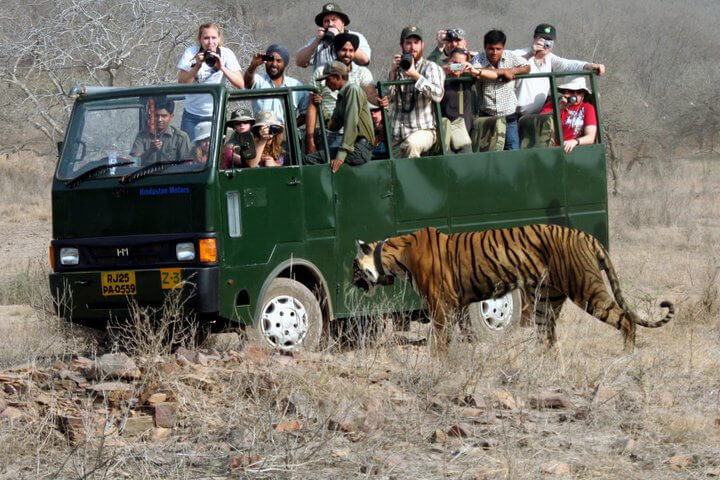
Ranthambore stands as Rajasthan's most famous and most visited national park, renowned for its tiger population and historic fort ruins within the park boundaries. Located in Sawai Madhopur district, approximately 130 kilometers from Jaipur, the park spans 1,334 square kilometers of diverse terrain including dry deciduous forests, open grasslands, and several lakes. The famous Ranthambore Fort, a UNESCO World Heritage Site, adds a unique cultural dimension to wildlife viewing.
What makes Ranthambore special is its relatively high tiger sighting probability compared to other Indian reserves. The park's relatively open terrain and the tigers' habituation to safari vehicles increase chances of spotting these magnificent cats. Beyond tigers, the park hosts leopards, sloth bears, sambar deer, chital, wild boars, and over 300 bird species. The three major lakes—Padam Talao, Rajbagh Talao, and Malik Talao—are excellent spots for wildlife viewing, especially during early morning safaris.
The park is divided into 10 zones, with zones 1-5 being the most popular for tiger sightings due to higher tiger density and better terrain. Safari vehicles are limited to maintain ecological balance, and advance booking is essential, especially during peak season.
Sariska Tiger Reserve
Located in the Alwar district of Rajasthan, Sariska Tiger Reserve covers approximately 866 square kilometers and is part of the Aravalli range. Although it had faced challenges with tiger population in the past, successful relocation efforts have restored tiger numbers, making it a popular alternative to Ranthambore, especially for visitors from Delhi and NCR due to its closer proximity.
Sariska's landscape features dry deciduous forests, grasslands, and rocky hills. Beyond tigers, the reserve hosts leopards, jungle cats, hyenas, jackals, and various herbivores including sambar, chital, nilgai, and wild boar. The reserve is also home to several ancient temples, including the Kankwari Fort and Neelkanth temples, which add historical interest to wildlife tours.
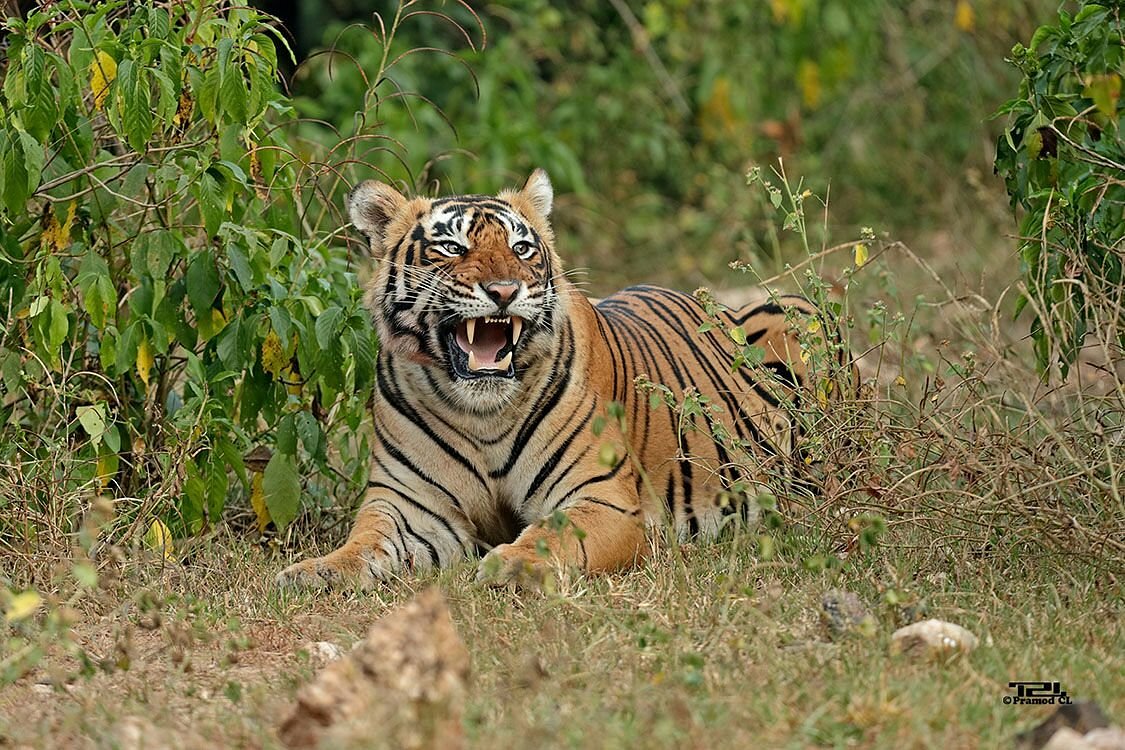
Unlike Ranthambore, Sariska remains less crowded and offers a more serene wildlife experience. The reserve has two main safari zones, both providing good wildlife viewing opportunities. The park is particularly beautiful during winter months when the landscape turns lush green after monsoon rains.
Keoladeo Ghana National Park (Bharatpur Bird Sanctuary)
Formerly known as Bharatpur Bird Sanctuary, Keoladeo Ghana National Park is a UNESCO World Heritage Site and one of the world's most important bird habitats. Located in Bharatpur, this 29-square-kilometer park is a man-made wetland created centuries ago by the Maharaja of Bharatpur. The park's name comes from the Keoladeo Shiva temple located within its boundaries.
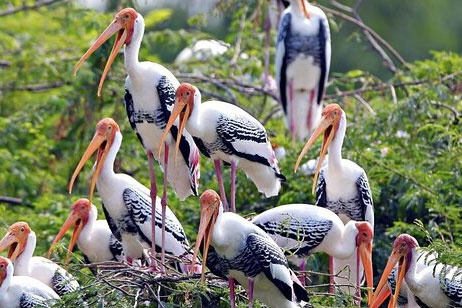
Keoladeo's significance lies in its role as a wintering ground for thousands of migratory birds. Over 370 bird species have been recorded here, including rare species like the Siberian Crane (though sightings have become rare in recent years). The park attracts waterfowl from Central Asia, Siberia, and even parts of Europe during winter months. Key species include painted storks, white ibises, spoonbills, herons, egrets, and various duck species.
What makes Keoladeo unique is its accessibility—unlike many Indian wildlife reserves that require vehicles, Keoladeo can be explored on foot, by bicycle, or cycle rickshaw. This intimate exploration method allows for exceptional bird photography opportunities. The park also hosts resident wildlife including spotted deer, sambar, nilgai, jackals, and fishing cats. The best time to visit is between October and March when migratory birds are present.
Desert National Park
Located near Jaisalmer, the Desert National Park is one of the largest national parks in India, covering approximately 3,162 square kilometers. This park represents the unique ecosystem of the Thar Desert and is home to several desert-adapted species found nowhere else in India. The park's landscape includes sand dunes, rocky areas, and salt lake bottoms.
The Desert National Park's most famous resident is the Great Indian Bustard, a critically endangered bird species. Other notable wildlife includes desert fox, desert cat, chinkara (Indian gazelle), blackbuck, and various desert bird species like houbara bustard, sandgrouse, and desert larks. The park also features fossil evidence dating back 180 million years, adding paleontological interest to wildlife viewing.
Exploring the Desert National Park is quite different from other Rajasthan reserves. Safaris involve driving through desert terrain, sometimes crossing sand dunes. The experience offers a unique perspective on desert life and the remarkable adaptations of animals and plants to harsh conditions. The park is best visited between October and March when temperatures are moderate.
Mount Abu Wildlife Sanctuary
Mount Abu Wildlife Sanctuary, located in the Aravalli range in the only hill station of Rajasthan, covers approximately 288 square kilometers. The sanctuary's elevation varies from 300 to 1,722 meters above sea level, creating diverse habitats from subtropical forests to scrub jungle. This variation in altitude and topography supports a rich variety of flora and fauna.
The sanctuary is home to leopard, sloth bear, wild boar, sambar, chinkara, and langur monkeys. It's particularly known for its biodiversity, with over 250 bird species recorded. The sanctuary also houses several endemic plant species and rare orchids. The unique aspect of Mount Abu Wildlife Sanctuary is that it can be visited year-round, unlike many other Rajasthan reserves that close during monsoon.
The sanctuary offers trekking opportunities through dense forests and rocky terrain. The cool climate of Mount Abu makes wildlife viewing comfortable even during summer months. For those interested in combining wildlife viewing with hill station relaxation, Mount Abu provides an ideal setting.
Best Time to Visit
Choosing the right season for visiting Rajasthan's national parks significantly affects wildlife sightings and overall experience. Each park has optimal visiting periods depending on weather conditions, animal behavior patterns, and seasonal migrations.
October to June (Primary Season): This period offers the best wildlife viewing opportunities across most Rajasthan parks. October and November see the landscape turning green after monsoon, providing lush backdrops for photography. December to February are the coolest months, making safaris comfortable. March to June are the hottest months but also the best for tiger sightings as animals frequent water holes to escape the heat.
Ranthambore Specific: April and May are considered the best months for tiger sightings despite high temperatures. Tigers emerge from forests to water bodies, increasing visibility. November to February offer pleasant weather but higher vegetation density can sometimes obstruct views. The park remains closed during monsoon (July to September).
Keoladeo Specific: October to March is ideal, with winter months (December-February) offering maximum migratory bird diversity. March sees some departures but good resident bird activity. The park remains open year-round but summer months are very hot and less ideal for extended exploration.
Desert National Park: October to March is the only practical time to visit. Summer temperatures are extreme, often exceeding 45°C, making wildlife viewing nearly impossible. Winter months provide comfortable conditions and better chances of spotting desert-adapted species.
How to Reach
Each national park in Rajasthan has different access points and transportation options. Understanding these logistics helps in planning efficient wildlife tours.
Ranthambore: The nearest railway station is Sawai Madhopur, which is well-connected to major cities including Delhi, Mumbai, and Jaipur. The park is located just 11 kilometers from the railway station, and autos/taxis are readily available. By air, Jaipur Airport is the closest (approximately 180 kilometers, 3-4 hours by road). Many visitors reach Ranthambore via Jaipur as part of their Rajasthan itinerary. For those interested in more things to do in Rajasthan, a visit to Jaipur's palaces is highly recommended.
Sariska: Alwar Railway Station (37 kilometers) is the nearest railhead, with regular connections from Delhi and Jaipur. The nearest airport is Jaipur (approximately 120 kilometers, 2.5-3 hours by road). Sariska is also accessible by road from Delhi via the Delhi-Jaipur Highway, making it a popular weekend destination for NCR residents.
Keoladeo National Park: Bharatpur Railway Station is located just 5 kilometers from the park entrance and is served by several express trains from Delhi, Mumbai, and other major cities. The nearest airport is Agra (approximately 54 kilometers) though Jaipur Airport (180 kilometers) offers more flight options. By road, Bharatpur is connected to Agra, Jaipur, and Delhi via national highways.
Desert National Park: Jaisalmer is the base for visiting this park. Jaisalmer Railway Station and Airport serve as major access points, well-connected to Jodhpur, Jaipur, and Delhi. The park office is located in Jaisalmer city, and safaris depart from various points. Having your own vehicle or hiring one in Jaisalmer is necessary for exploration.
Wildlife & Animals
Rajasthan's national parks host an impressive diversity of wildlife adapted to various ecosystems. Understanding what to expect enhances your safari experience and helps in planning which parks to visit based on your wildlife interests.
Tigers: The majestic Bengal tiger is undoubtedly the star attraction of Rajasthan's wildlife reserves. Ranthambore has one of India's highest tiger densities, with an estimated 60-70 tigers within the reserve. Sariska has a smaller but growing population following successful tiger reintroduction. Both parks offer good tiger sighting probabilities, especially during morning and evening safaris when tigers are most active.
Leopards: More elusive than tigers but equally fascinating, leopards are found in several Rajasthan reserves. They are particularly common in Sariska and Ranthambore, though their stealthy nature makes sightings rarer. Leopards are more adaptable than tigers and can survive in diverse habitats, including areas near human settlements.
Other Carnivores: Rajasthan's parks host various smaller predators including jungle cats, desert cats, caracals, hyenas, jackals, and foxes. Sloth bears are present in Ranthambore and Sariska but are shy and rarely seen during day safaris. The Desert National Park is known for desert foxes and desert cats adapted to arid conditions.
Herbivores: Large herbivore populations sustain the carnivore populations. Common species include sambar deer (the largest Asian deer), chital (spotted deer), nilgai (blue bull), chinkara (Indian gazelle), wild boars, and various antelope species. These animals are frequently seen during safaris and are often easier to spot than predators.
Birds: Rajasthan's diverse habitats support over 400 bird species across various parks. Keoladeo is internationally famous for waterfowl and wading birds. Ranthambore and Sariska host forest birds including crested serpent eagles, paradise flycatchers, and various owl species. Desert National Park specializes in desert-adapted birds like bustards, sandgrouse, and desert larks.
Safari & Activities
Wildlife safaris form the primary activity in Rajasthan's national parks, but each reserve offers different safari experiences and additional activities that can enhance your visit.
Jeep Safaris: The most popular and preferred method of wildlife viewing, jeep safaris accommodate 6-7 passengers plus a guide and driver. These open vehicles provide excellent visibility and the ability to cover more ground compared to other options. Jeep safaris are available in Ranthambore, Sariska, and Desert National Park. They're particularly recommended for serious wildlife photographers and those wanting maximum chances of predator sightings.
Canter Safaris: Larger open trucks seating 16-20 passengers, canter safaris are more economical but less flexible than jeep safaris. Available only in Ranthambore, canters follow fixed routes and have designated seating arrangements. While more crowded, they offer a more affordable option for budget travelers and those visiting in large groups.
Walking Safaris: Unique to Keoladeo National Park, walking safaris allow intimate exploration of bird habitats. Visitors can explore on foot, rent bicycles, or hire cycle rickshaws with knowledgeable guides. This method is perfect for bird photography and offers opportunities to observe smaller creatures and plants that would be missed from vehicles.
Nature Walks: Some reserves offer guided nature walks outside core wildlife areas. These walks focus on understanding ecosystems, identifying plants, and learning about conservation efforts. They're particularly educational for families and those interested in deeper ecological understanding beyond just wildlife spotting.
Photography Tours: Specialized photography tours can be arranged in some parks, especially Ranthambore. These tours may involve extended safari hours, private vehicles, and guides with wildlife photography expertise. They're ideal for serious photographers wanting to capture specific animal behaviors or maximize their chances of getting excellent shots.
| Activity | Ranthambore | Sariska | Keoladeo | Desert NP |
|---|---|---|---|---|
| Jeep Safari | Yes | Yes | No | Yes |
| Canter Safari | Yes | No | No | No |
| Walking Safari | No | No | Yes | No |
| Bicycle Rental | No | No | Yes | No |
| Nature Walk | Limited | No | Yes | No |
Tickets & Bookings
Understanding the booking process, ticket prices, and regulations helps in planning your wildlife safari without last-minute hassles. Rajasthan's national parks have specific booking requirements that vary by reserve.
Advance Booking: Most Rajasthan parks require advance bookings, especially during peak season. Ranthambore's popularity means jeeps often book out months in advance. Bookings can be made online through the official forest department websites or authorized booking agents. For foreign nationals, higher fees apply compared to Indian citizens.
Ranthambore Booking: The park has an online booking system open 90 days in advance for morning and evening safaris. Jeep safaris are more expensive than canters but offer better experiences. Zone selection is important—zones 1-5 are prime tiger zones but fill quickly. Having some flexibility with dates and zones increases booking chances.
Sariska Booking: Simpler than Ranthambore, Sariska offers online and offline booking options. The reserve has fewer zones, making booking less competitive. Safari vehicles are typically arranged by the resort or hotel where you're staying, which can simplify the process.
Entry Fees: Entry fees vary by park and visitor category (Indian/Foreign). Ranthambore has separate charges for entry, vehicle hire, guide, and camera fees. These fees can add up significantly, especially for multiple safaris. Carry sufficient cash as some parks still don't accept all forms of payment.
Guide Requirements: Guides are mandatory for all safaris in Rajasthan parks. Their knowledge and experience significantly enhance wildlife spotting chances. Tips for guides and drivers are customary and appreciated, especially when they've helped locate rare animals or provided excellent explanations.
Important Regulations: All parks require valid photo ID for entry. Safari gates have strict closing times—arriving late results in forfeited bookings. Vehicles must follow designated routes and cannot stop near water bodies or at will. These regulations exist to minimize disturbance to wildlife and must be followed strictly.
Travel Tips
These practical tips can help make your Rajasthan wildlife safari more enjoyable, comfortable, and successful in spotting wildlife.
Book Early: Especially for Ranthambore during peak season, book safaris well in advance. Last-minute bookings are rarely successful, particularly for preferred zones and morning safaris. If you're flexible, you might get better bookings by staying slightly outside peak travel periods.
Carry Right Gear: Binoculars are essential for spotting animals at a distance. A camera with good zoom capability helps capture wildlife without disturbing them. Wear neutral-colored clothing (khaki, olive, beige) rather than bright colors. Layer clothing for early morning chill and later heat. Carry sunscreen, sunglasses, and a hat for protection from the sun.
Choose Multiple Safaris: Book both morning and evening safaris if possible. Different animals are active at different times. Tiger sightings are not guaranteed in a single safari—multiple attempts increase your chances. Even without tigers, each safari offers different experiences and landscapes.
Be Patient: Wildlife sightings are never guaranteed. Safari vehicles stop frequently, and waiting is part of the experience. Listen to your guide and driver—they understand animal behaviors and can anticipate movements. Don't demand that drivers chase animals; ethical wildlife tourism respects animals' space.
Combine Parks: Consider visiting multiple parks if you have time. Each offers unique experiences—Ranthambore for tigers, Keoladeo for birds, Desert National Park for desert wildlife. Combining parks provides a more comprehensive wildlife experience of Rajasthan's diverse ecosystems.
Respect Wildlife: Maintain silence and avoid making loud noises. Don't feed animals or throw anything from vehicles. Follow your guide's instructions at all times. Remember that you're visiting animals' homes, not a zoo—respect their natural behaviors and habitat.
Location
Frequently Asked Questions
Q1.How many national parks are in Rajasthan?
Q2.Which is the best national park in Rajasthan?
Q3.What is the best time to visit Ranthambore?
Q4.What animals can I see in Rajasthan national parks?
Q5.Can we spot tigers in Sariska?
Q6.Is safari available in all national parks?
Q7.What is the safari cost in Ranthambore?
Q8.How to book safari in Rajasthan national parks?
Recommended For You
Balpakram National Park Meghalaya: Wildlife Planner
Plan Balpakram National Park Meghalaya with practical wildlife, route, and season guidance for responsible offbeat travel.
Dachigam National Park: Kashmir's Hidden Wildlife Paradise
Explore Dachigam National Park in Kashmir - home to the endangered Hangul. Discover wildlife, safari tips, permits, timings & how to reach this Himalayan paradise.
Great Himalayan National Park: Trek Routes, Permits & Wildlife
Explore Great Himalayan National Park (GHNP): UNESCO World Heritage Site in Kullu. Complete guide to trekking routes, wildlife spotting, permits, best time to visit, and accommodation.
Never Miss an Adventure
Get the latest trekking guides, travel tips, and exclusive offers delivered straight to your inbox.
