
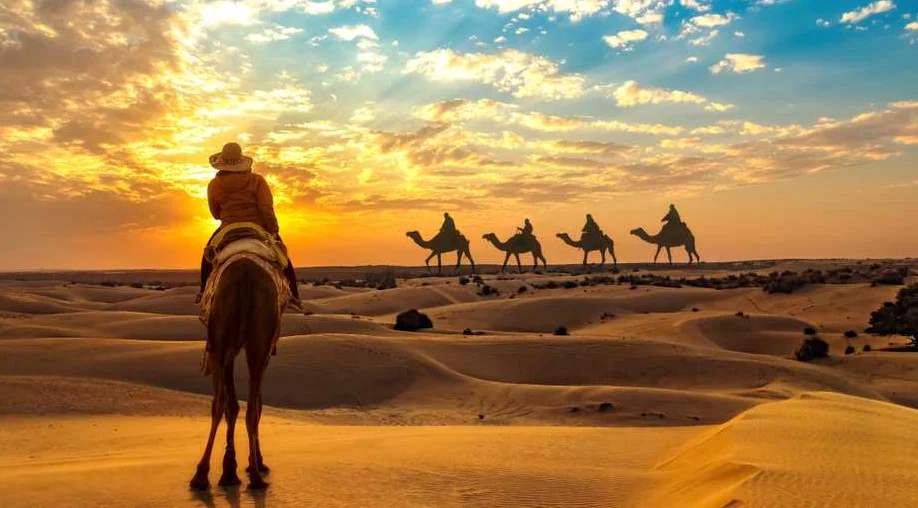
Desert National Park Jaisalmer: Safari Zones, Wildlife & Timings

Priya Mehta
December 13, 2025
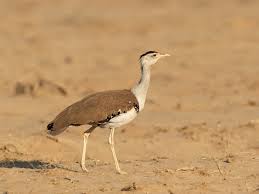
Explore Desert National Park in Jaisalmer, India's largest national park and home to the critically endangered Great Indian Bustard. Discover unique desert wildlife, stunning landscapes, and practical travel tips for an unforgettable desert safari experience.
Desert National Park Jaisalmer: Practical Safari Planning and Wildlife Expectations
Desert National Park near Jaisalmer is one of India’s most distinctive protected landscapes, but it is often misunderstood by first-time visitors. Many travelers expect dense-forest safari patterns and leave disappointed because desert ecology works differently. Sightings depend heavily on season, time slot, and patience. The park is best approached as a habitat experience first and a checklist safari second. If you are building a Rajasthan route, combine this stop with Jaisalmer travel planning, broader state circuits from things to do in Rajasthan, and seasonal strategy from best time to visit Rajasthan. For evening add-ons, compare with desert safari plans in Jaisalmer. This guide helps you set realistic expectations, choose timings, and avoid route mistakes.
What Makes Desert National Park Important
This park protects a large Thar ecosystem with dunes, rocky patches, scrub vegetation, and seasonal grassland behavior. Instead of lush density, you get open horizons and subtle ecological signals: tracks, flight patterns, and small movement across long distances. It is especially known for birding value and dryland adaptation stories. For nature travelers, this is a place to observe resilience, not spectacle-heavy activity. That mindset shift dramatically improves the experience.
Wildlife You May Encounter
Wildlife sightings vary by weather and route, but common interest areas include desert birds, small mammals, and occasional larger species adapted to arid terrain. Bird enthusiasts often focus on early-hour movement. Mammal sightings require patience and guided interpretation of tracks and habitat behavior. Avoid making rigid checklist goals; instead, treat each sighting as bonus within a wider ecological outing.
| Wildlife Category | When to Watch | Best Practice |
|---|---|---|
| Desert birds | Morning and late afternoon | Use binoculars, stay quiet |
| Small mammals | Cooler hours | Observe from distance |
| Reptiles | Warmer periods in season | Do not approach or disturb |
| General habitat activity | All day with variation | Follow guide instructions strictly |
Best Time to Visit
Cooler months are generally more comfortable and productive for wildlife-focused travel. Summer daytime can be harsh, reducing comfort and movement flexibility. Early morning and pre-sunset slots usually offer better activity levels and manageable heat. If you are visiting during warmer periods, shorten field exposure and increase hydration planning. Windy days can also affect visibility and photography quality in open terrain.
- Peak comfort window: cooler season mornings and evenings.
- Summer caution: avoid long midday exposure.
- Photography advantage: low-angle light improves desert texture.
- Birding priority: start early and keep movement minimal.
Safari Planning: What to Do Before Arrival
Good safari outcomes start before you reach the gate. Confirm current access process, timing windows, and route options through reliable local channels. Arrange transport and guide coordination in advance, especially during peak travel months. Carry IDs, water, sun protection, and a realistic timeline that includes approach roads and return travel. Desert routes may look short on map but take longer due to terrain and stop frequency.
One-Day Itinerary That Usually Works
A practical one-day plan is: early departure from Jaisalmer, morning habitat session, mid-break in shade, light lunch, then optional second short session or transfer to evening desert experience. If you prefer cultural focus, keep only one safari block and use remaining time for city heritage zones. Overpacking both wildlife and multiple city monuments in one day often causes fatigue and shallow experiences.
How to Combine with Jaisalmer Circuit
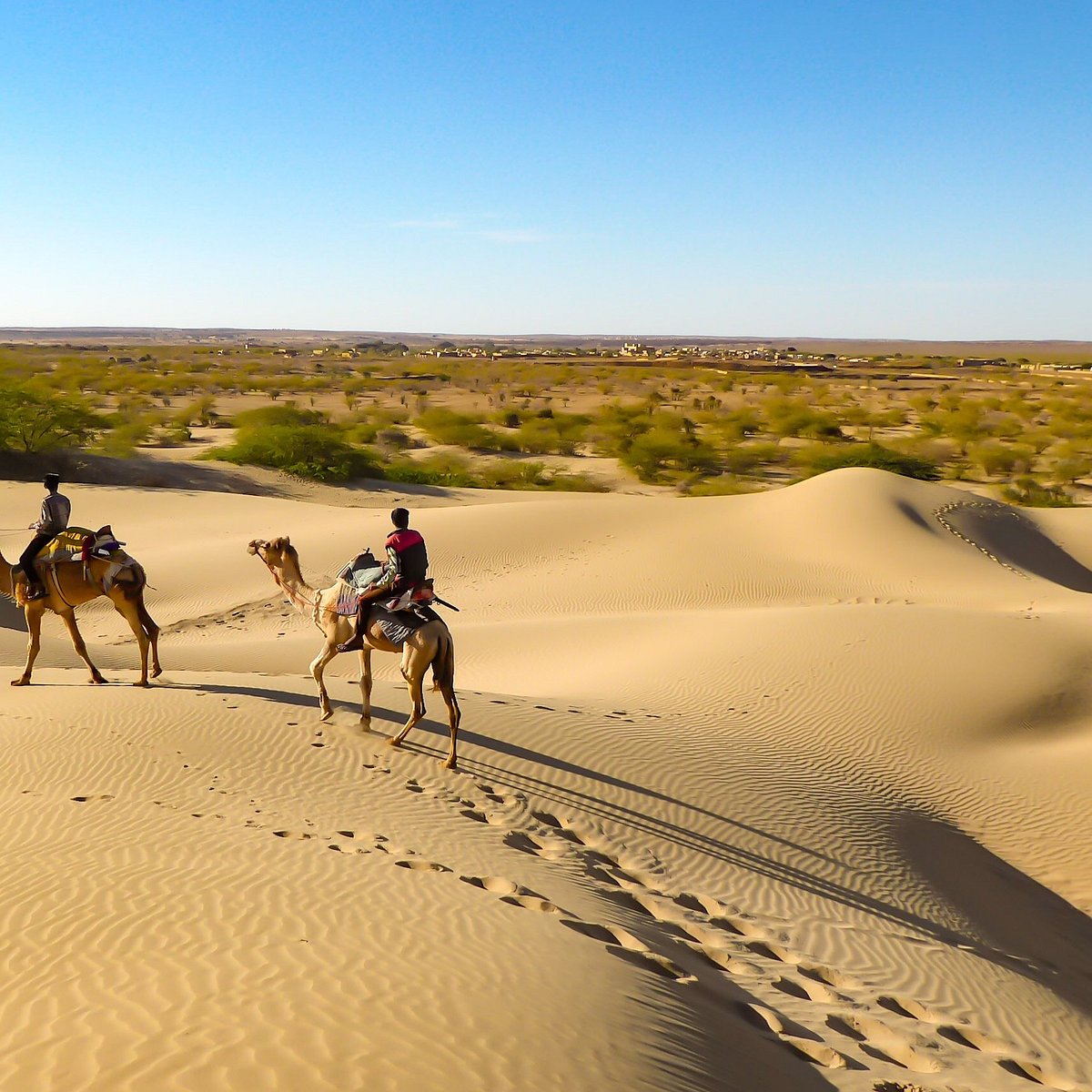
Desert National Park pairs best with low-intensity evening activities. A strong combination is morning park visit and sunset segment from Jaisalmer desert safari plans. If you want heritage plus nature, keep one city monument and one park session only. Broader routing can be built from Jaisalmer city planning and statewide loops from Rajasthan itineraries. Seasonal decisions should still follow Rajasthan weather timing guides.
What to Carry for Desert Conditions
Carry more water than you think you need. Add a cap, scarf, sunglasses, sunscreen, and breathable long sleeves for sun protection. Closed shoes reduce discomfort from hot sand and scrub paths. Bring binoculars for birding and a camera with dust protection. Keep electronics in zipped pouches because desert dust can degrade gear performance quickly. For families, include basic first-aid and electrolyte packets.
Photography Tips in Open Desert Light
Desert photography is about contrast and shadow control. Morning and late-afternoon light reveal dune and scrub texture better than flat midday light. For wildlife, avoid sudden movement and loud instructions while framing. Use medium telephoto if available; if not, prioritize habitat-context shots over forced close-ups. Clean lenses frequently as dust settles fast in windy conditions.
Common Mistakes Travelers Make
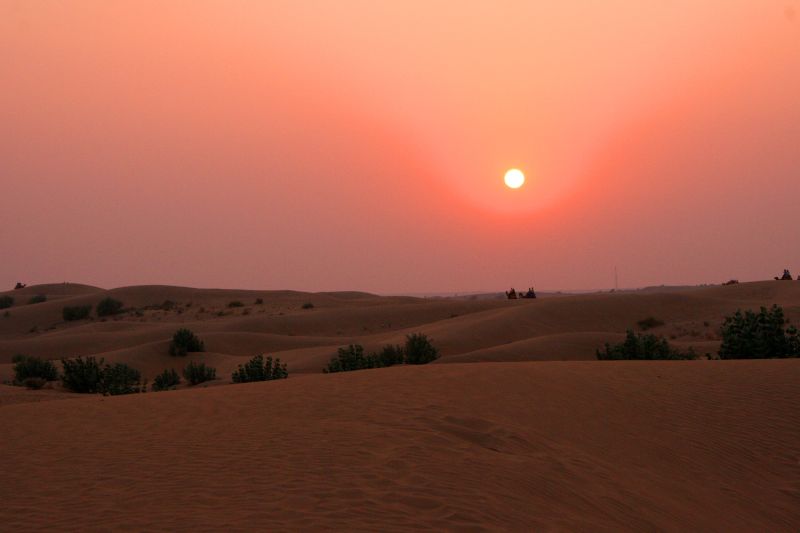
- Expecting dense jungle-style safari sightings in a desert ecosystem.
- Ignoring heat management and hydration.
- Starting too late and missing active wildlife windows.
- Stacking too many city stops with park session on the same day.
- Treating the park as a quick photo stop instead of habitat experience.
Family Travel and Senior-Friendly Considerations
The park can work for family groups if field exposure is kept moderate and well-timed. Choose cooler slots, keep seating and shade breaks, and avoid long unplanned waits in direct sun. Seniors usually enjoy the experience when vehicle comfort and pacing are prioritized. For children, binocular-based bird spotting often keeps engagement higher than long static waits.
Responsible Wildlife Behavior
Maintain distance, keep sound low, and never attempt close interaction with wildlife. Follow guide directions and avoid leaving any litter, especially plastics. Off-trail driving and disturbance harm fragile desert ecology quickly. Responsible behavior not only protects habitat but also improves sighting quality by reducing stress on animals and birds.
Final Takeaway
Desert National Park Jaisalmer is highly rewarding when planned with realistic expectations and strong timing discipline. Treat it as an ecological experience, not a rushed checklist safari. Start early, carry the right essentials, and combine it sensibly with your Jaisalmer route. With that approach, the park offers one of Rajasthan’s most distinctive and educational nature experiences.
Why Realistic Expectations Improve Safari Satisfaction
Visitors who enjoy Desert National Park the most are those who arrive with observation mindset, not guaranteed-sighting pressure. In open desert ecosystems, small cues matter: tracks, wind direction, bird calls, and habitat transitions. Guides can interpret these patterns, but they cannot manufacture sightings on demand. When travelers accept this, the trip becomes richer and less stressful.
Think of the park as a live ecology classroom where every season writes a different script. Some days highlight birds, some days terrain, and some days movement patterns. This perspective turns even low-sighting days into meaningful travel experiences.
Essential Desert Rule
Plan around climate first, wildlife second, and photography third. This order keeps your day safe and dramatically improves your overall safari experience.
Desert National Park rewards patience and field awareness. Plan around weather windows, listen to local guides, and focus on habitat understanding rather than instant sightings. That mindset leads to a far richer and safer safari day.
Keep your route practical and avoid chasing too many locations in one day. A focused schedule gives you better sightings and a more comfortable desert field experience.
Carry enough water, follow guide instructions, and keep your expectations aligned with desert ecology. This simple approach consistently leads to better and safer park experiences.
Early starts, smart hydration, and focused route choices are the core formula for a successful desert park day.
Keep your pace steady and weather-aware throughout the visit.
Location
Frequently Asked Questions
Q1.What is special about Desert National Park?
Q2.Can we see the Great Indian Bustard in Desert National Park?
Q3.What is the best time to visit Desert National Park?
Q4.How do we reach Desert National Park from Jaisalmer?
Q5.What wildlife can we see in Desert National Park?
Q6.Are there accommodation options inside Desert National Park?
Recommended For You
Ranthambore National Park: Safari Zones, Ticket Booking & Best Time
Discover Ranthambore National Park, India's premier tiger reserve. Complete guide to safaris, best time to visit, zones, wildlife, booking tips & accommodation.
Sariska Tiger Reserve: Safari Booking, Zones & Wildlife Sightings
Explore Sariska Tiger Reserve in Rajasthan, a hidden gem in the Aravalli hills. This comprehensive guide covers safari experiences, wildlife encounters, ancient temples, and practical travel tips for an unforgettable wildlife adventure.
Tiger Reserves in Rajasthan: Safari Booking, Zones & Best Parks
Explore tiger reserves in Rajasthan with a practical guide to Ranthambore and Sariska, safari booking, zones, best season, and smart trip-planning tips.
Never Miss an Adventure
Get the latest trekking guides, travel tips, and exclusive offers delivered straight to your inbox.
