
Heritage
Sun Temple Kashmir (Martand): History, Route & Visiting Hours

Ananya Sharma
February 16, 2026
5 min read3,995 views
Plan your Sun Temple Kashmir visit with practical route options, history context, best-time advice, and nearby heritage spots.
Sun Temple Kashmir overview
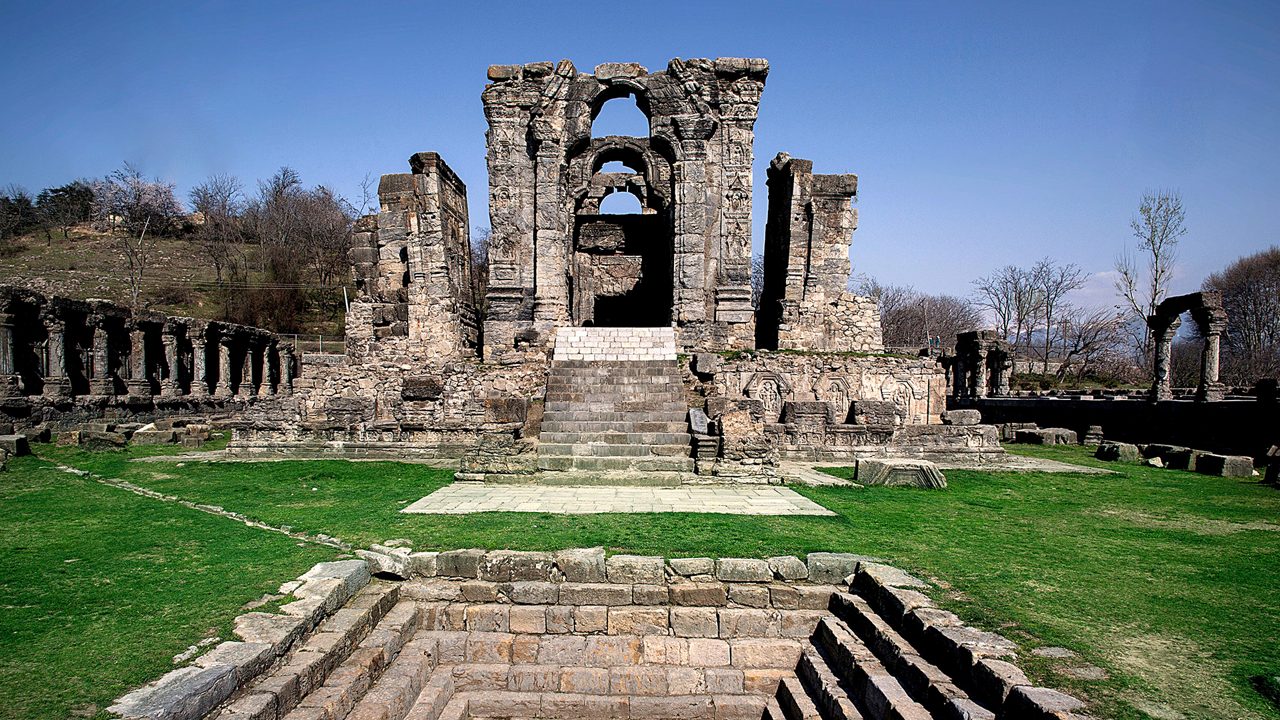
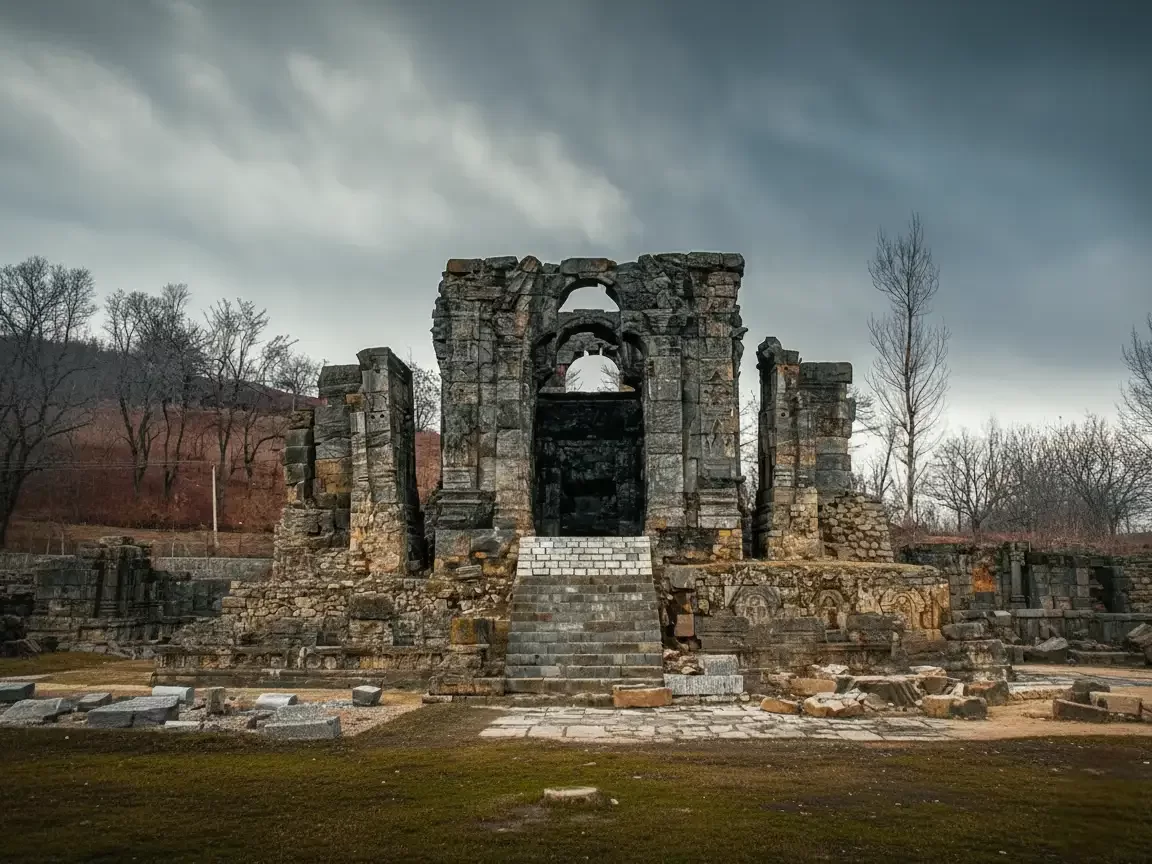
Sun Temple Kashmir commonly refers to the Martand Sun Temple ruins near Anantnag, one of the most important early-medieval heritage sites in the valley. The location stands on an elevated plateau, which gives wide views of surrounding landscapes and makes the visit visually rewarding even for travelers who are not deeply history-focused. For first-time visitors, the site is best approached as a half-day cultural stop with clear route planning from Srinagar side. A practical plan balances historical context, photography time, and weather-aware movement so you can explore the complex without rushing.
History and architectural significance
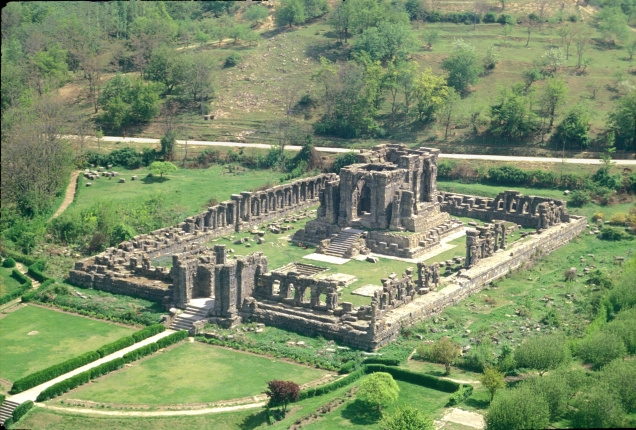
Martand Sun Temple is widely associated with the Karkota period and is considered a major example of early Kashmiri stone temple architecture. Even in its ruined condition, the temple complex shows strong spatial planning with a central sanctum zone and surrounding structures arranged in a formal courtyard layout.| Heritage Element | Why It Matters | What Visitors Notice |
|---|---|---|
| Temple layout | Shows high-level planning of sacred architecture | Large open court with defined structural axes |
| Stone construction | Reflects long-standing regional craftsmanship | Massive carved blocks and robust remains |
| Raised setting | Links spiritual site design with natural landscape | Panoramic views that shape the visit experience |
How to reach and best route options
Most travelers begin from Srinagar and approach the temple via Anantnag-side road movement. The route is generally straightforward when started in daylight with enough buffer for local traffic conditions.| Route Stage | Common Choice | Priority | Practical Tip |
|---|---|---|---|
| Srinagar departure | Private cab/self-drive | Morning start | Avoid late departure if combining multiple stops |
| Anantnag approach | Local road transfer to temple zone | Route clarity | Confirm final approach and parking before arrival |
| Return leg | Same-day city return | Daylight movement | Keep a timing buffer for weather variability |
Best time and visit duration planning
The temple can be visited in most seasons, but visibility and comfort shift by weather window. Spring to autumn usually offers easier movement and better photography outcomes.| Season Window | Typical Visit Experience | Advice |
|---|---|---|
| March to June | Pleasant weather and clearer viewing conditions | Strong period for first-time visits |
| July to September | Variable rain windows and softer light | Carry weather backup and route buffer |
| October to early November | Crisp air and good landscape contrast | Excellent for heritage photography |
| Winter period | Colder conditions and slower movement | Prioritize daylight and warm layers |
Time required at the site
1. `60 to 90 minutes`: quick walk-through with basic photography. 2. `2 to 3 hours`: recommended for history, composition shots, and relaxed exploration. 3. `Half day`: best if paired with one compatible heritage/spiritual stop.Photography and on-ground travel tips
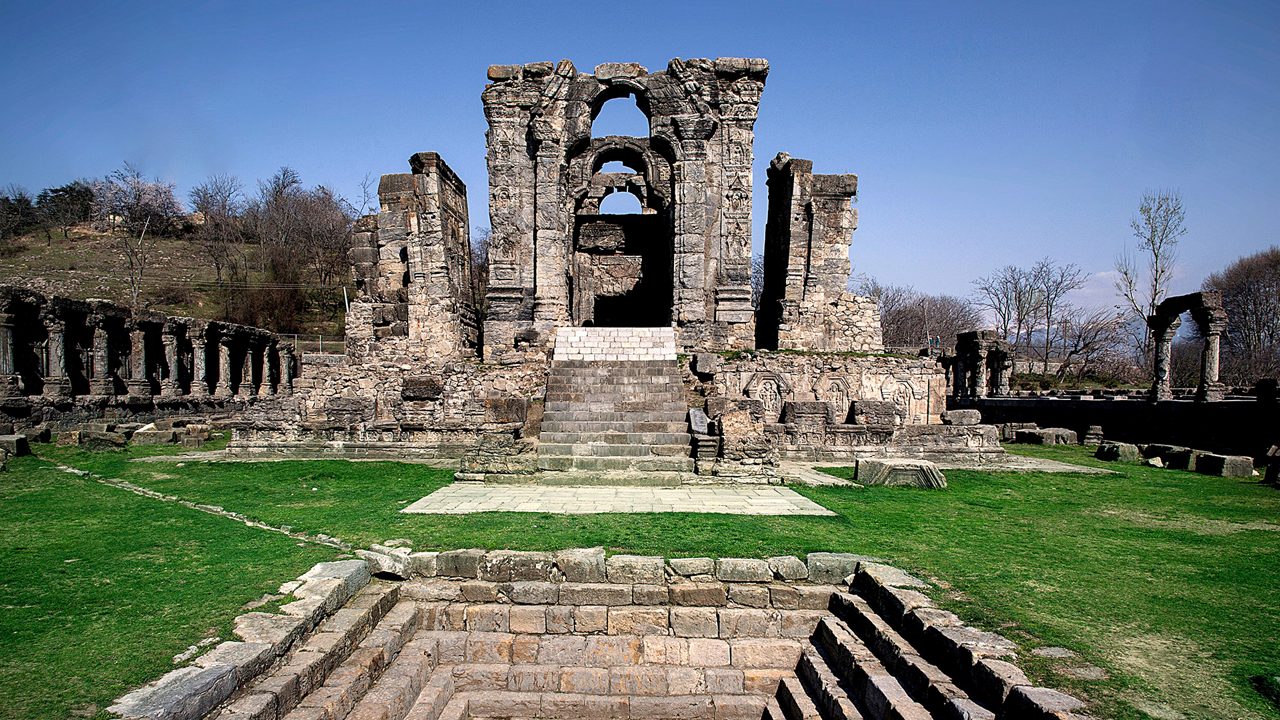
The temple ruins are highly photogenic because of open geometry, skyline framing, and textured stone details. A measured pace works better than rushing between angles.| Photo Focus | Best Condition | Tip |
|---|---|---|
| Wide architecture frames | Morning or late afternoon light | Use foreground stones for depth layering |
| Detail shots | Soft side light | Capture carvings and weathered stone textures |
| Landscape-context shots | Clear-weather visibility | Include horizon and temple axis in one frame |
Nearby heritage places to combine
The temple fits well in a culture-led Kashmir plan with one additional city or spiritual stop. Keep combinations simple to protect travel pace and daylight margins.| Combination Style | Suggested Pairing | Best For |
|---|---|---|
| Heritage + city base | Martand visit with Srinagar return | Weekend and short-duration trips |
| Heritage + spiritual | Martand with a temple-focused city stop | Culture-first travelers |
| Heritage + scenic extension | Martand plus one scenic destination on a separate block | 2-day and 3-day itineraries |
Common mistakes to avoid
1. Treating the site as a short roadside photo stop without context. 2. Starting late and compressing return travel after dark. 3. Ignoring weather variation for open-plateau conditions. 4. Wearing unsuitable footwear for uneven ground. 5. No hydration or sun protection during longer site walks. 6. Overpacking same-day routes with distant Kashmir stops. 7. Climbing vulnerable ruins for pictures. 8. Skipping timing buffer for traffic and weather changes.Conclusion
Sun Temple Kashmir is one of the valley's most meaningful heritage visits when planned with route clarity and realistic timing. Keep the itinerary simple, respect the ruin landscape, and combine it with one compatible Kashmir stop. This gives you a more complete and less rushed understanding of the site's architectural and cultural value.Legends and cultural significance
Martand Sun Temple carries strong symbolic weight beyond its architecture. Dedicated to Surya, the sun god, the temple is traditionally attributed to King Lalitaditya Muktapida of the Karkota dynasty, whose reign is remembered as a high point of early Kashmiri political and cultural influence. Local oral tradition and historical texts describe the site as a major pilgrimage and astronomical reference point in its active period, with the temple's alignment believed to correspond with solar movement through the year. The temple's eventual decline is linked to a mix of natural weathering, later political shifts, and reported deliberate destruction attributed to subsequent rulers with different religious priorities. What remains today is a partial structure, but the scale of the surviving stonework still communicates the ambition of the original design. For many visitors, understanding this backstory transforms the ruins from an abstract set of stone blocks into a site with a readable historical arc.Practical safety and conservation notes
Because Martand is an active but unstaffed heritage ruin in parts, a few extra precautions improve both safety and preservation outcomes: - Avoid climbing on loose or leaning stone sections, since structural stability varies across the complex. - Keep children within visible range, as uneven flooring and open edges are not clearly marked in all areas. - Do not remove or disturb any stone fragments, however small, since even minor pieces can be part of ongoing archaeological documentation. - Check regional travel advisories before planning the Anantnag-side route, since conditions in parts of the valley can shift with limited notice. - Carry a printed or offline map reference, since mobile network coverage can be inconsistent on approach roads outside central Srinagar.Comparing Martand with other Kashmir heritage sites
Within the region, Martand Sun Temple is often discussed alongside Avantiswami Temple and Shankaracharya Temple as key stops for understanding pre-modern Kashmiri architecture. Avantiswami's ruins share a similarly weathered stone character but sit closer to central Srinagar, making it easier to combine with a shorter city-based itinerary. Shankaracharya Temple, in contrast, remains an active worship site with a very different visitor experience centered on devotion rather than archaeological observation. Martand's distinguishing feature is scale and setting: its raised plateau location and larger footprint give it a more dramatic, standalone presence that rewards travelers willing to dedicate a half-day specifically to the site rather than treating it as a brief add-on stop.Location
Frequently Asked Questions
Q1.Is Sun Temple Kashmir and Martand Sun Temple the same place?
Yes, in most travel planning contexts Sun Temple Kashmir refers to the Martand Sun Temple ruins near Anantnag.
Q2.What is the best time to visit Sun Temple Kashmir?
March to June and October to early November are generally the easiest windows for clear views and comfortable movement.
Q3.How far is the temple from Srinagar?
It is typically planned as a Srinagar-side road trip toward the Anantnag region. Exact travel time depends on traffic, weather, and route conditions on the day.
Q4.How much time should visitors keep for this site?
Keep at least 2 to 3 hours for meaningful exploration, photography, and a relaxed pace at the ruins.
Q5.Can this temple visit be combined with other Kashmir landmarks?
Yes, it combines well with one additional heritage, spiritual, or city-base stop when you keep realistic travel buffers.
Q6.Is the site suitable for family travelers and seniors?
Yes, with moderate pacing, suitable footwear, and basic weather protection, it is manageable for most family groups.
Q7.What should photographers carry for this location?
Carry water, lens cloth, sun protection, and a setup that can handle both wide architecture shots and detail compositions.
Q8.What common planning mistakes should visitors avoid?
Avoid late starts, rushed same-day multi-stop plans, unsuitable footwear, and unsafe movement on fragile ruin sections.
Recommended For You
Adventure
Gulmarg Gondola: Phases, Ticket Booking & Ride Details
Ride Asia's highest cable car in Gulmarg, Kashmir. Complete guide covering ticket prices, two phases, timings, best time to visit, booking & safety tips.
Dec 7Read More
Luxury Travel
Best Hotels in Srinagar: Luxury to Budget
Compare the best hotels in Srinagar from luxury stays and houseboats to budget options, with area-wise advice, heating tips, and booking strategy.
Feb 18Read More
Travel
Best Time to Visit Kashmir: Month-by-Month Weather & Activities
Plan the best time to visit Kashmir with month-by-month weather, snow and bloom seasons, and practical guidance for sightseeing, honeymoon, and family travel.
Feb 19Read More
Never Miss an Adventure
Get the latest trekking guides, travel tips, and exclusive offers delivered straight to your inbox.
