
Kolkata: Complete Travel Plan Places And Weather

Priya Mehta
February 27, 2026
Plan Kolkata with area-wise route strategy, food pacing, and practical city movement for a smoother and richer trip.
Introduction
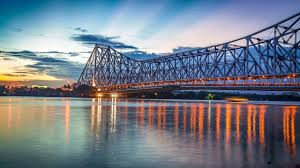
Kolkata is one of India's most layered cities, where colonial heritage, literary culture, temple traditions, street food, and daily neighborhood life all operate at full intensity. Many first-time visitors overpack itineraries and end up spending most of the day in transfers instead of meaningful experiences. This Kolkata travel guide focuses on practical execution: area-based routing, realistic daily pacing, and curated combinations that improve both comfort and depth. If you want to explore Kolkata beyond superficial checklists, structure and timing are the key. The city rewards travelers who move intentionally and leave room for context.
How to Understand Kolkata Before Planning
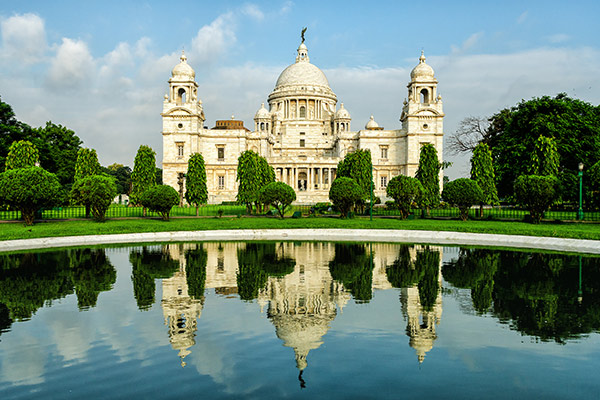
Kolkata works best when approached as a city of neighborhoods, each with a distinct rhythm. Heritage sectors, temple zones, and market corridors have different peak windows and movement patterns. A plan that ignores this becomes tiring quickly. Instead of selecting ten unrelated attractions, build one focused block per half-day and keep transit buffers realistic. This simple shift improves your experience more than adding extra stops. Travelers who plan by cluster usually explore deeper, eat better, and waste less time in avoidable movement.
Best Time to Visit Kolkata
Kolkata can be visited year-round, but comfort and crowd behavior vary by season. Cooler months generally support longer walks and more outdoor heritage exploration. Warmer windows require smarter midday scheduling and hydration management. Festival periods can be culturally incredible but also more crowded, so bookings and route timing need extra care. The right question is not just when to visit Kolkata, but what kind of experience you want: festive intensity, heritage depth, or slower neighborhood discovery.
A Practical 3-Day Kolkata Framework
Day 1: core heritage orientation and one market session. Day 2: cultural and spiritual block with food exploration. Day 3: neighborhood discovery, shopping, and lower-intensity closure. This model keeps the city manageable while preserving variety. For planning references, align key sections with places to visit in Kolkata and keep local food windows synchronized with street food in Kolkata. Distributed planning is the best way to enjoy Kolkata without exhaustion.
Heritage and Culture Routing
Kolkata's heritage strength is not only in monuments but in how architecture, institutions, and public life intersect across neighborhoods. Give each heritage stop enough interpretation time instead of rushing for photos. Keep one major anchor and one secondary related point in each half-day. This allows more meaningful understanding and reduces transfer fatigue. If you are especially interested in city identity, include one museum or historical institution in your route and pair it with a nearby local food stop to balance intellectual and sensory experience.
Food Strategy That Actually Works
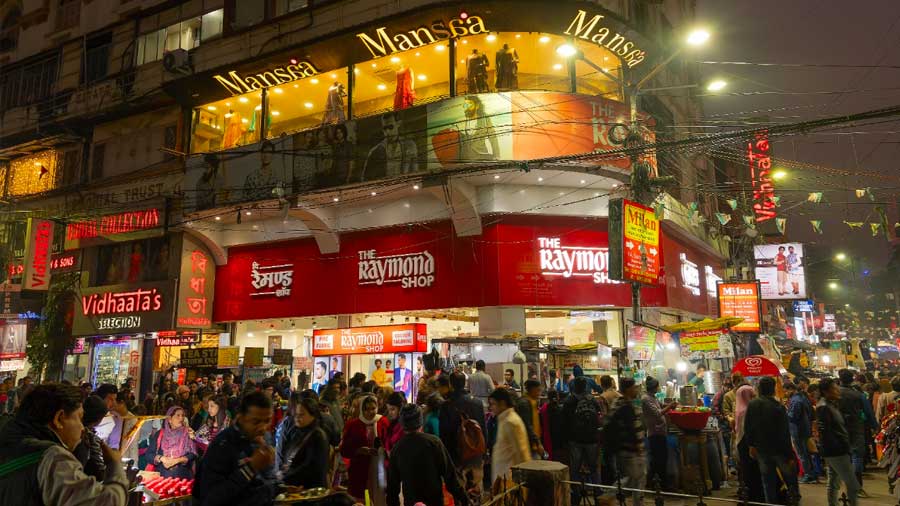
Kolkata food exploration is best done in waves, not in one heavy session. Keep breakfast light, use lunch for one regional highlight, and reserve evening for either street-food sampling or sit-down dining depending on your energy. Avoid stacking too many rich dishes in one slot, especially during hot weather. Smart food pacing gives better flavor appreciation and keeps mobility comfortable. For broader culinary context and neighborhood pairing, references like shopping in Kolkata can help coordinate market-food routes effectively.
Spiritual and Local Life Layer
Kolkata has deep spiritual geography with temples and devotional spaces integrated into daily city flow. Visit these places with modest dress, respectful behavior, and realistic timing around prayer activity. Spiritual visits should not be squeezed between high-speed transit segments. Keep a calmer pace and allow reflective time. This approach improves both cultural understanding and personal experience quality.
Mobility, Budget, and Practical Ground Tips
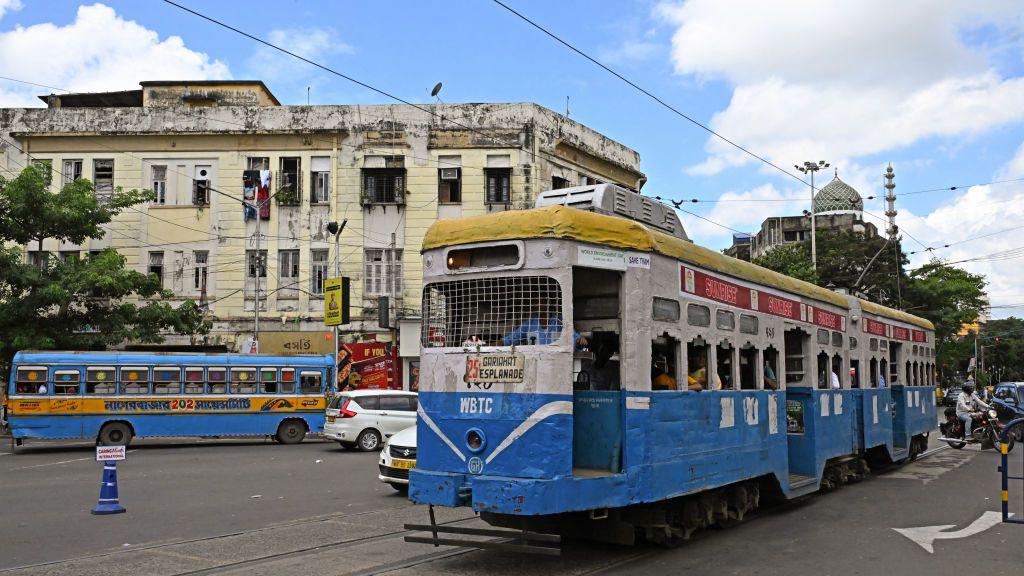
Urban movement in Kolkata can shift quickly by time of day, weather, and local events. Keep one fallback option for each major block and avoid rigid minute-by-minute schedules. Budget planning is easier when you define one premium spend category per day and keep the rest flexible. Use area clustering to reduce transport cost and time loss. Small practical habits, such as offline route notes and hydration breaks, make a substantial difference in dense city conditions.
Who Should Add an Extra Day
If you are food-focused, culture-focused, or a slow traveler, add one extra day. Kolkata reveals more when you revisit neighborhoods at different times. A repeat visit to the same area in morning and evening often gives a richer sense of local life than adding another distant attraction. The city rewards observation and rhythm more than speed completion.
Common Planning Mistakes to Avoid
Frequent mistakes include overpacking distant attractions, ignoring weather-energy balance, and mixing heavy market exploration with long transit in the same window. Another issue is treating heritage visits as short photo stops without context. Correct these with cluster-based planning and one-core-goal-per-block discipline. This keeps the city engaging rather than overwhelming.
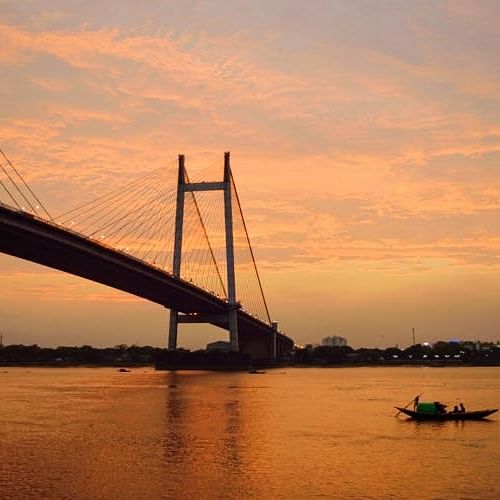
How to Close the Trip Smoothly
Final-day planning should be low-risk: one meaningful neighborhood session, one planned food stop, and early transfer prep. Do not overload departure day with distant goals. Kolkata exits are easier when the last day is controlled and reflective rather than rushed. A calm closure improves your overall memory of the trip and reduces travel stress.
Area-Wise Deep-Dive for Better Day Design
A practical Kolkata strategy is to split the city into functional clusters and assign each cluster a purpose. One cluster can be heritage-first, another food-first, and another local-life-first. This avoids constant mode switching and helps your day feel coherent. For example, when a morning begins with architecture and museums, keep the next segment within short transfer range and end with a nearby meal. Avoid jumping from one side of the city to another for small gains. Cluster discipline protects your energy and gives more space for interpretation.
Another useful rule is to avoid peak-hour long-distance transfers unless essential. Kolkata movement can vary sharply by hour, so flexible sequencing is more powerful than rigid attraction order. Keep one optional attraction per day that can be dropped without regret. This makes the itinerary resilient and prevents stress when a segment runs long. If weather changes or queues increase, you can still complete your core goals without feeling the day failed.
Practical Food Mapping by Energy Level
Not every meal needs to be a major culinary event. In Kolkata, use a layered food approach: one signature meal, one practical fueling meal, and one exploratory snack window. This keeps appetite stable and helps avoid food fatigue. Travelers who try to sample everything in one day usually reduce quality perception by evening because palate and energy both flatten. Smart food mapping gives you better experience and better physical output for city exploration.
Morning meals should be dependable and not overly heavy if you have walking-focused heritage blocks. Afternoon meals can be richer when indoor recovery is available. Evening is ideal for curated exploration if the day was not transfer-heavy. Keep hydration consistent and avoid long gaps without intake, especially during humid conditions. Small nutrition discipline has a direct impact on patience, comfort, and decision quality.
How to Make Kolkata Repeat Visits Better
Kolkata is a city where repeat visits improve outcomes because neighborhood understanding grows quickly. On a second or third trip, reduce iconic coverage and increase local depth: one market corridor in detail, one literary or cultural institution, and one neighborhood food-walk with slower pace. This creates richer memory than repeating the same high-traffic landmarks. Repeat travelers often discover that Kolkata becomes more compelling when visited with narrower daily scope and higher contextual attention.
If your schedule allows, revisit one previously explored area at a different time of day. Morning and evening versions of the same zone can feel like different cities. This approach adds depth without extra transport load and is one of the most efficient ways to improve trip quality on return visits.
Conclusion
Kolkata becomes deeply rewarding when explored with structure, context, and pace-aware decisions. Plan by neighborhood clusters, balance heritage with food and local life, and keep realistic daily movement. With this approach, you experience Kolkata as a living cultural city rather than a checklist of disconnected stops.
Location
Frequently Asked Questions
Q1.How many days are ideal for Kolkata?
Q2.What is the biggest planning mistake in Kolkata?
Q3.Is Kolkata suitable for first-time city travelers?
Q4.What are the iconic foods to try in Kolkata?
Q5.What is the best way to get around Kolkata?
Recommended For You
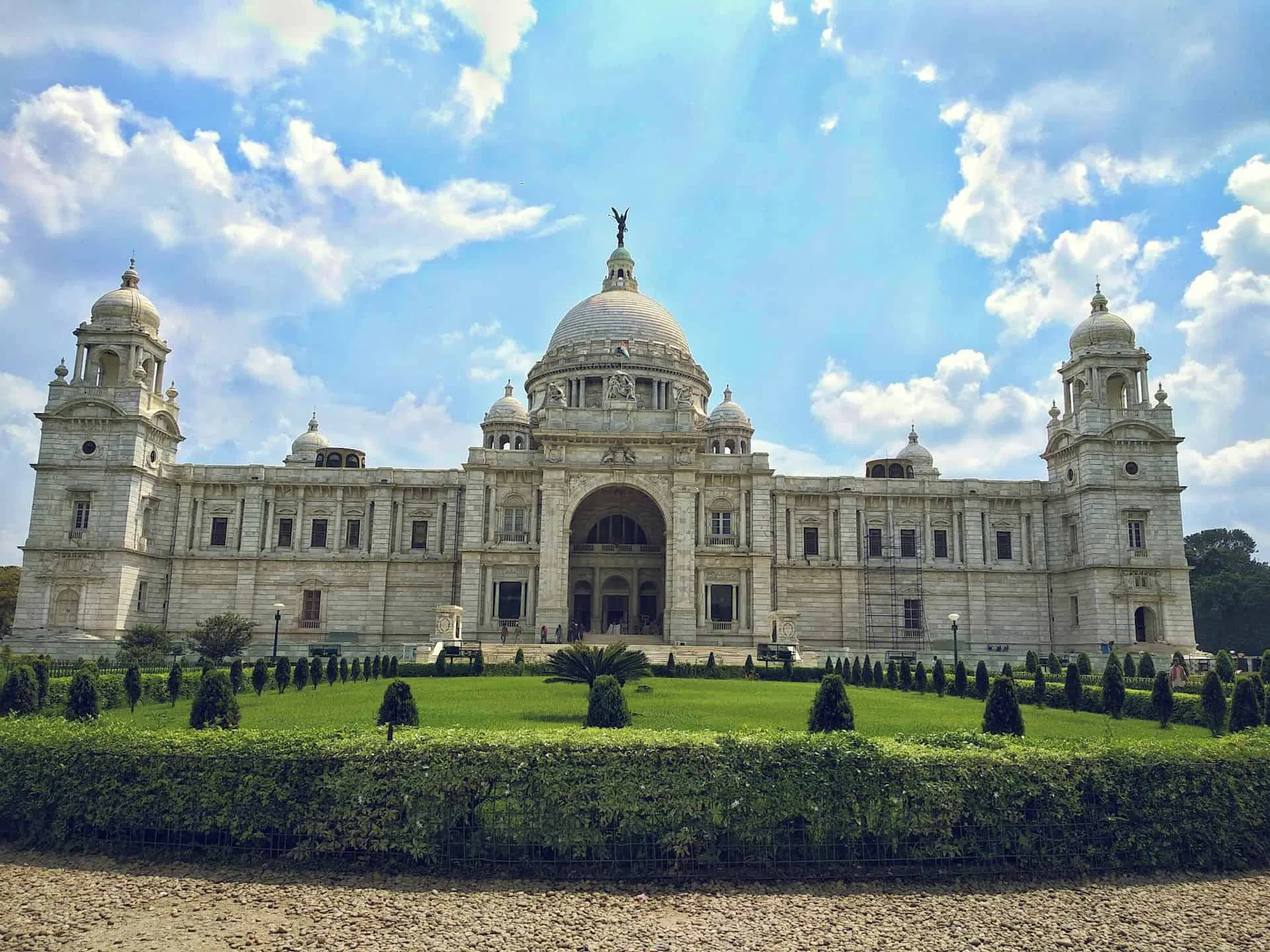
Hidden Gems in Kolkata: Offbeat Lanes, Culture & Local Eats
Explore hidden gems in Kolkata with practical offbeat routes across heritage lanes, local markets, and less-touristy neighborhoods.
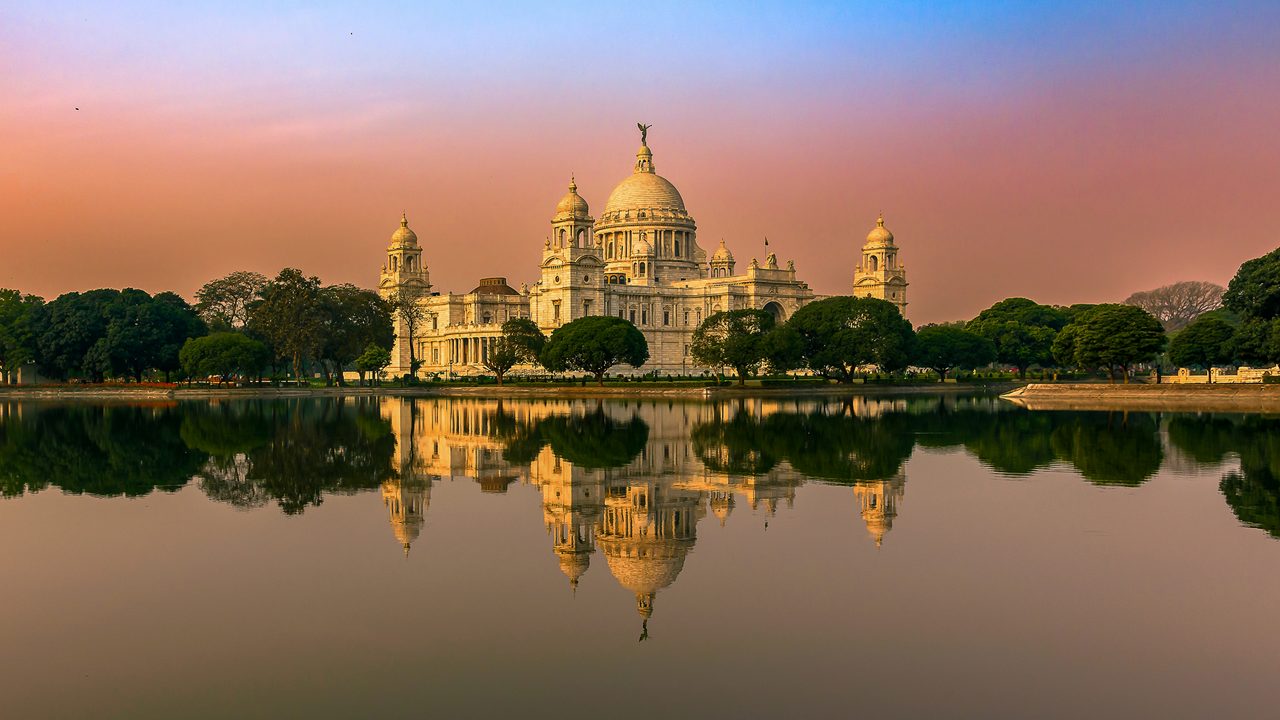
Famous Landmarks of Kolkata: Complete Guide to City of Joy's Iconic Monuments
Explore Kolkata's famous landmarks - from Howrah Bridge to Victoria Memorial, Dakshineswar to Indian Museum. Complete guide with timings, history, and travel tips.
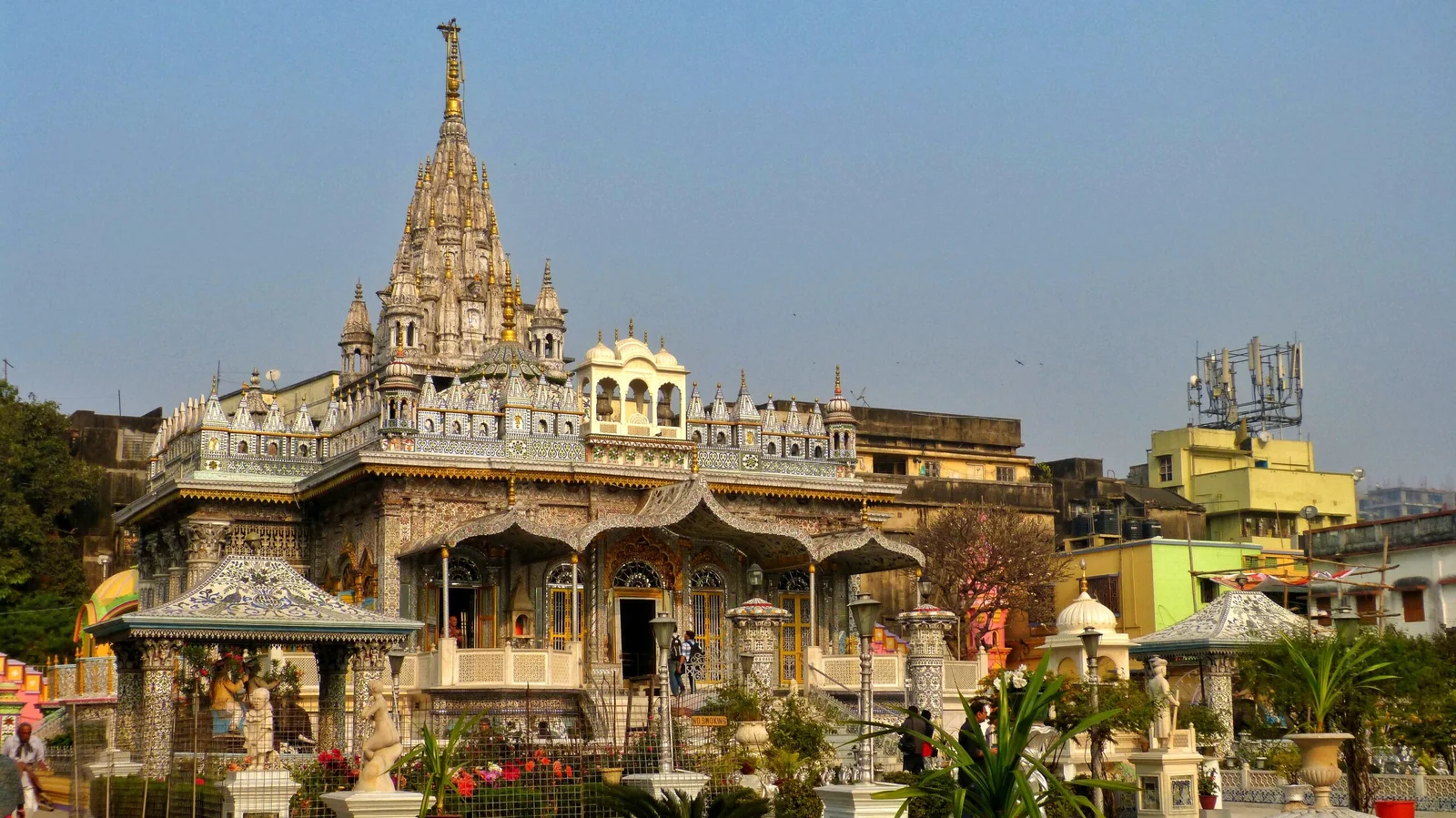
Temples in Kolkata: The City of Joy's Sacred Heritage
Explore sacred temples in Kolkata. Discover Kalighat, Dakshineswar, Belur Math & more with timings and travel guide.
Never Miss an Adventure
Get the latest trekking guides, travel tips, and exclusive offers delivered straight to your inbox.
