
West Bengal Tourism: Complete Travel Guide to Cultural Paradise
Rohit Verma
February 20, 2026
Explore West Bengal tourism with our complete guide covering Kolkata, Darjeeling, Sundarbans, Dooars wildlife, beaches, temples, cuisine, and practical travel tips.
Introduction to West Bengal
West Bengal, located in eastern India, is a state of remarkable diversity and cultural richness. From the bustling streets of Kolkata, one of India's great cities, to the serene tea gardens of Darjeeling, from the mangrove forests of Sundarbans to the beaches of Digha, West Bengal offers experiences that captivate every kind of traveler. The state has been the cradle of artistic, intellectual, and revolutionary movements in India, producing Nobel laureates, poets, filmmakers, and thinkers who have shaped modern India.
The state's geography is incredibly varied, ranging from the Himalayan mountains in the north to the Bay of Bengal in the south. This diversity creates distinct experiences within a single state - you can witness snow-capped peaks, colonial architecture, ancient temples, pristine beaches, and one of the world's largest mangrove forests all within West Bengal's boundaries. The state's history, shaped by Bengali culture, British colonial rule, and regional influences, has created a unique identity that welcomes visitors with open arms.
West Bengal's cultural landscape is equally diverse. The state has been home to prominent figures like Rabindranath Tagore, Satyajit Ray, Mother Teresa, and Swami Vivekananda. This intellectual and artistic heritage manifests in the state's numerous museums, art galleries, literary festivals, and cultural events. The Bengali Renaissance of the 19th and early 20th centuries continues to influence the state's ethos, making it a center for arts, literature, and intellectual discourse.
The cuisine of West Bengal is legendary, known for its subtle flavors, fresh ingredients, and diverse preparations. Bengali sweets like rasgulla, sandesh, and mishti doi are famous across India. The state's love for fish and rice is well-documented, with culinary traditions that vary across regions. Whether you're exploring street food in Kolkata, sipping Darjeeling tea in the hills, or enjoying seafood in coastal areas, West Bengal's food scene is a journey in itself.
Best Time to Visit West Bengal
West Bengal's varied geography means different regions have different ideal visiting times. The state experiences a tropical climate in the plains and Himalayan climate in the northern hills, making it a year-round destination depending on which part you plan to visit.
October to March is generally considered the best time to visit most parts of West Bengal. The weather is pleasant with temperatures ranging from 15°C to 25°C in the plains and cooler temperatures in the hills. This period is ideal for exploring Kolkata, visiting the Sundarbans, enjoying the beaches, and touring the Terai and Dooars regions. The winter months also bring numerous cultural festivals and events, making it an exciting time to experience Bengali culture.
April to June brings summer to West Bengal. Kolkata can get quite hot and humid with temperatures reaching 40°C, but this is actually the perfect time to visit the hill stations of Darjeeling, Kalimpong, and Kurseong. The weather in the hills is pleasant during these months, making it ideal for trekking, tea garden tours, and enjoying mountain views. This is also the season for the famous Darjeeling Carnival and various cultural programs in the hills.
July to September is the monsoon season when West Bengal receives abundant rainfall. While this might not be the best time for sightseeing in Kolkata or beach activities, the monsoon transforms the landscape into a lush green paradise. This is an excellent time for nature lovers to visit the Sundarbans (though some areas might be inaccessible), experience the waterfalls in the hills, and enjoy the romantic monsoon ambiance. The Durga Puja festival, typically held in October, is one of India's greatest cultural spectacles and worth planning your trip around.
Kolkata: The Cultural Capital
Historical Landmarks
Kolkata, formerly Calcutta, was the capital of British India until 1911, and its colonial heritage is visible in its magnificent architecture. The Victoria Memorial, built between 1906 and 1921, is perhaps the city's most iconic landmark. This white marble monument houses a museum that showcases Bengal's history. The surrounding gardens are perfect for evening strolls. Nearby, the Indian Museum, founded in 1814, is the oldest and largest museum in India, with an impressive collection of artifacts from across Asia.
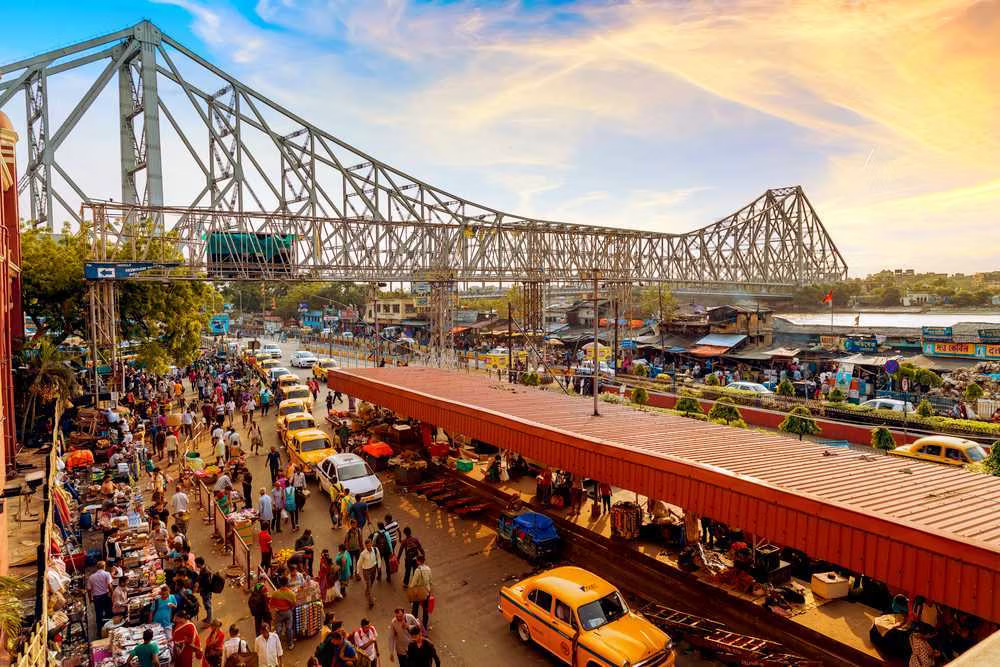
The Howrah Bridge, officially named Rabindra Setu, is a cantilever bridge that spans the Hooghly River and is one of Kolkata's most recognizable symbols. Built in 1943, it carries millions of vehicles and pedestrians daily. Walking across the bridge offers spectacular views of the river and the city. The Writer's Building, now the state secretariat, and the General Post Office with its impressive dome are other notable colonial buildings that tell the story of British Kolkata.
Cultural Experiences
Kolkata's cultural scene is vibrant and diverse. The city is home to numerous art galleries, including the Academy of Fine Arts and the Birla Academy of Art & Culture. The Kalighat Kali Temple, one of the 51 Shakti Peethas, is an important Hindu pilgrimage site and gives Kolkata its name (derived from Kalighata). The Dakshineswar Kali Temple, located on the eastern bank of the Hooghly, is another significant temple associated with the saint Ramakrishna Paramahamsa.
The city's literary culture is legendary, with the College Street area nicknamed "Boi Para" (Book Neighborhood) housing numerous bookstores, including the iconic College Street Coffee House where intellectuals have gathered for decades. The Nandan cultural complex, founded by Satyajit Ray, is the center of film culture in Kolkata. If you're visiting in January, the Kolkata International Film Festival attracts filmmakers and cinema lovers from around the world.
Kolkata's Street Food Scene
No description of Kolkata is complete without mentioning its legendary street food. The city's culinary landscape includes famous dishes like phuchka (pani puri), kati rolls (wrapped kebabs), jhal muri (spicy puffed rice), and Kathi rolls. New Market and Park Street are food destinations, but for authentic street food, head to areas like Vivekananda Park, Chittaranjan Avenue, and College Street.
Bengali sweets are an integral part of Kolkata's food culture. Visit legendary sweet shops like KC Das, inventor of the canned rasgulla, Bhim Nag, known for its sandesh, and Mouchak for mishti doi (sweetened yogurt). The Flurys tea room on Park Street, operating since 1927, offers a colonial-era tea room experience with excellent pastries and confectioneries. For a modern twist on Bengali cuisine, restaurants like Oh! Calcutta and 6 Ballygunge Place serve authentic Bengali delicacies in upscale settings.
The Himalayan Region: Darjeeling and Beyond
Darjeeling: Queen of the Hills
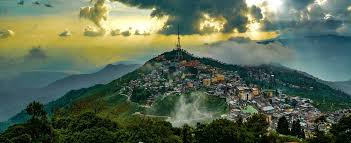
Darjeeling, at an altitude of 2,050 meters, is perhaps West Bengal's most famous hill station. Known for its tea plantations, colonial architecture, and stunning views of Kangchenjunga (the world's third-highest mountain), Darjeeling has been a popular tourist destination since the British era. The town's pleasant weather, scenic beauty, and unique culture shaped by Nepali, Tibetan, and Bengali influences make it a must-visit destination.
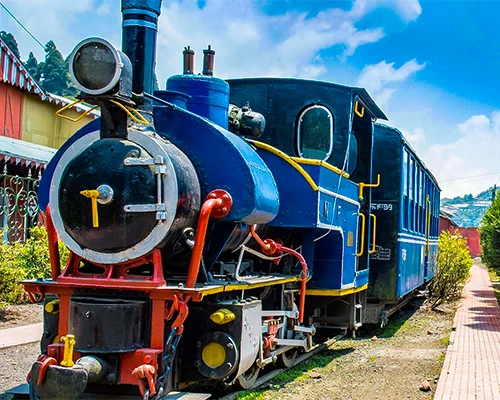
The Darjeeling Himalayan Railway, nicknamed the "Toy Train," is a UNESCO World Heritage Site. Built between 1879 and 1881, this narrow-gauge railway still runs steam locomotives on certain routes, offering spectacular views as it winds through the mountains. A ride on the Toy Train to Ghum, India's highest railway station, is an unforgettable experience. The Batasia Loop, a spiral railway track created to negotiate the steep gradient, offers panoramic views of the mountains and has a memorial to Gorkha soldiers.
Tiger Hill, at an altitude of 2,590 meters, is famous for its sunrise views over Kangchenjunga and, on clear days, Mount Everest. The early morning journey to Tiger Hill is a ritual for most visitors. Near Darjeeling town, the Japanese Peace Pagoda, built by Japanese Buddhist monk Nichidatsu Fujii, offers stunning views and is a symbol of peace. The Padmaja Naidu Himalayan Zoological Park, known for its conservation programs for red pandas and snow leopards, and the Himalayan Mountaineering Institute, founded by Tenzing Norgay, are worth visiting.
Tea Gardens
Darjeeling tea is famous worldwide, and visiting the tea gardens is a quintessential Darjeeling experience. The Makaibari Tea Estate, one of the oldest tea gardens in Darjeeling, offers tours where you can learn about tea cultivation and processing. The Happy Valley Tea Estate, closer to town, also offers guided tours. Walking through the terraced tea plantations with the Himalayas in the background is a serene experience. Most tours end with a tea tasting session where you can sample different varieties of Darjeeling tea and purchase fresh tea directly from the source.
Kalimpong and Kurseong
Kalimpong, about 50 kilometers from Darjeeling, is a quieter hill town known for its flower nurseries, colonial architecture, and views of the Teesta Valley. The town has a significant Buddhist influence, with several monasteries including the Zang Dhok Palri Phodang monastery. The Deolo Hill, the highest point in Kalimpong, offers panoramic views of the surrounding hills and valleys. Kalimpong is also known for its educational institutions established during the British era.
Kurseong, located between Siliguri and Darjeeling, is often called the "Land of White Orchids" due to the orchids that grow here. The town is quieter than Darjeeling and offers pleasant weather and scenic beauty. The Eagles Craig viewpoint offers stunning views of the surrounding hills and plains. Kurseong is also home to several tea estates including the Makaibari Tea Estate. The Dow Hill area has beautiful forests perfect for nature walks.
The Dooars and Wildlife Sanctuaries
The Dooars region, meaning "doors" in local languages, is the gateway to the Northeast and Bhutan. This region of alluvial floodplains at the foothills of the Himalayas is home to numerous wildlife sanctuaries and national parks, making it a paradise for nature and wildlife enthusiasts.
Jaldapara National Park
Jaldapara National Park, located in the Alipurduar district, is famous for its population of Indian one-horned rhinoceros. The park's grassland forests provide the perfect habitat for these magnificent creatures. Elephant safaris are the best way to explore Jaldapara, allowing you to get close to wildlife while navigating through tall grass and forests. Besides rhinos, the park is home to elephants, bisons, deer, leopards, and numerous bird species including the Bengal florican. The best time to visit is from October to May when the grass is lower, making wildlife spotting easier.
Gorumara National Park
Gorumara National Park, located in the Dooars region, is known for its population of Indian rhinos, elephants, and bisons. The park's diverse landscape includes grasslands, forests, and rivers. Watchtowers like Jatraprasad and Chukchuki offer excellent vantage points for wildlife viewing, especially during the early morning and late afternoon when animals are most active. The park also has a significant population of Indian peafowl, making it a bird watcher's paradise. Elephant safaris and jeep safaris are available, and the park is relatively less crowded than some other wildlife destinations in India.
Buxa Tiger Reserve
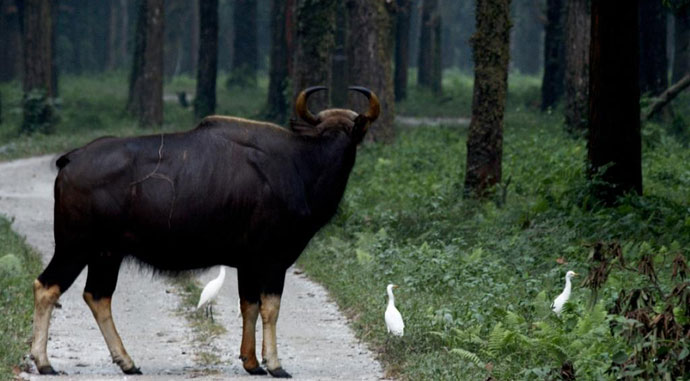
Buxa Tiger Reserve, located in the Alipurduar district, is one of India's lesser-known tiger reserves. While tiger sightings are rare due to the dense forest, the reserve is home to elephants, leopards, bisons, and numerous bird species. The Buxa Fort, built during the British era, offers historical interest and trekking opportunities. The Jayanti River flowing through the reserve creates a scenic forest trail. The reserve is also known for its butterfly population, with over 200 species recorded. The best time to visit is from November to April.
Sundarbans: The Mangrove Delta
The Sundarbans, a UNESCO World Heritage Site, is the largest mangrove forest in the world, spanning approximately 10,000 square kilometers across India and Bangladesh. The Indian portion, located in the South 24 Parganas district of West Bengal, is accessible from Kolkata and offers a unique ecosystem found nowhere else.
Royal Bengal Tigers
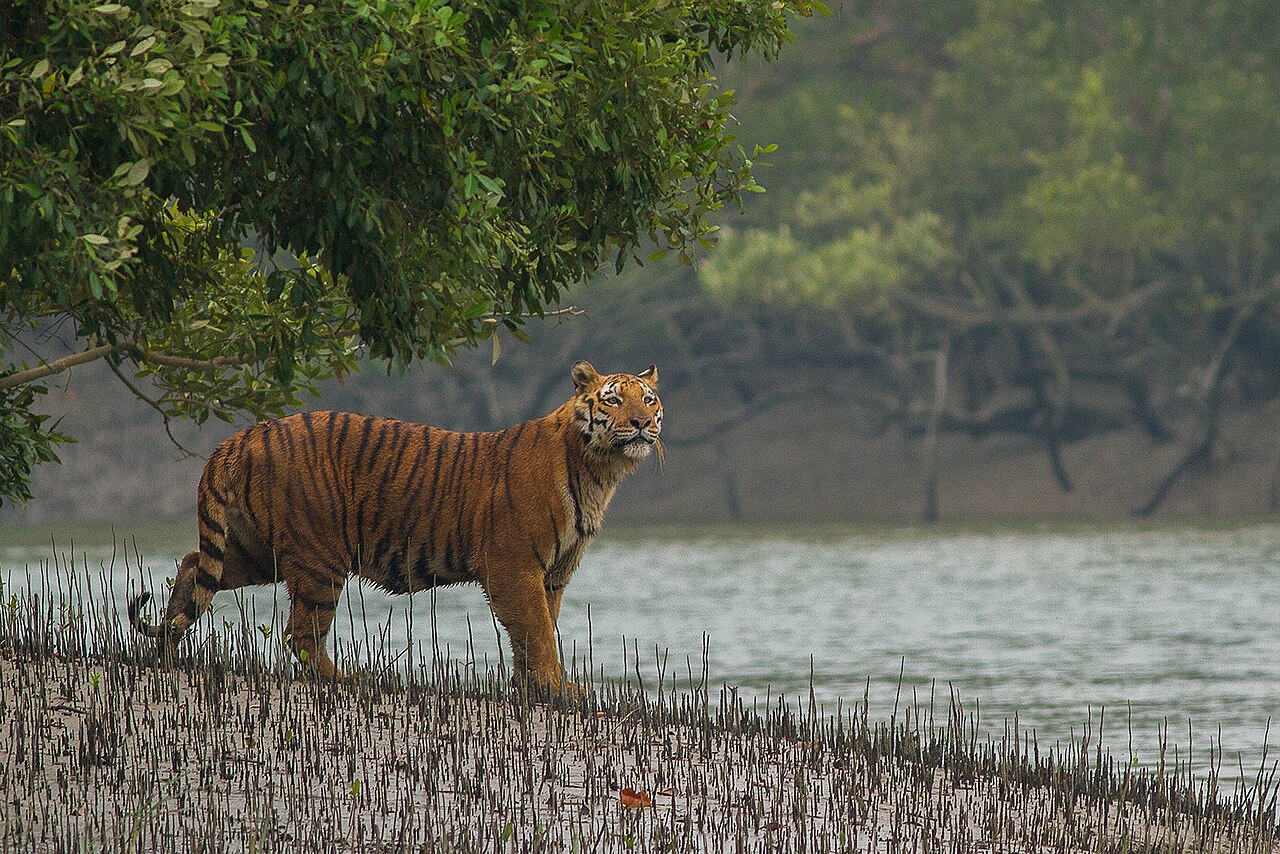
The Sundarbans is home to the famous Royal Bengal Tiger, known for its swimming ability and adaptation to the mangrove ecosystem. These tigers are somewhat smaller than their mainland counterparts but are excellent swimmers and have been known to swim between islands. Tiger sightings in the Sundarbans are challenging due to the dense forest and the elusive nature of these tigers, but the thrill of being in tiger territory is an experience in itself. The Sundarbans is the only tiger reserve where tigers live in mangrove forests.
Unique Ecosystem and Wildlife
Beyond tigers, the Sundarbans is home to numerous other species including saltwater crocodiles, spotted deer, wild boar, and various primates. The mangrove ecosystem, with trees like sundari (from which the Sundarbans gets its name), garan, and gewa, has adapted to the saline water and tidal fluctuations. The area is a bird watcher's paradise, with numerous resident and migratory bird species including kingfishers, herons, egrets, and the rare masked finfoot.
Boat safaris are the primary way to explore the Sundarbans. Tours typically start from Godkhali or Gosaba and include visits to watchtowers like Sajnekhali, Sudhanyakhali, and Dobanki. These watchtowers offer views of the forest and wildlife from elevated platforms. The crocodile rehabilitation center at Bhagabatpur and the bonbini watchtower are other attractions. Most tours require permits and must be arranged through authorized operators. The best time to visit is from November to February when the weather is pleasant and wildlife is more visible.
Beaches of West Bengal
Digha and Mandarmani
Digha, West Bengal's most popular beach destination, is located approximately 185 kilometers from Kolkata. Developed as a beach resort in the late 18th century by Warren Hastings, Digha offers a long, shallow beach perfect for swimming. The town has numerous hotels and restaurants catering to various budgets. The Digha Science Center, with its science park and planetarium, is worth visiting with families. New Digha, the newer part of town, has better infrastructure and the Marine Aquarium and Regional Centre, which houses marine species from the Bay of Bengal.
Mandarmani, located about 170 kilometers from Kolkata, is one of the longest motorable beaches in India, stretching approximately 13 kilometers. The beach is relatively cleaner and less crowded than Digha, making it popular with those seeking a more relaxed beach experience. Red crabs are commonly seen on the beach, adding to its charm. The shallow waters make it safe for swimming, and various water sports are available including jet skiing and banana boat rides.
Shankarpur and Tajpur
Shankarpur, located about 14 kilometers from Digha, is a quieter beach destination. The beach here is less developed and more pristine compared to Digha. Shankarpur is also a fishing harbor, and watching the fishing boats return with their catch in the evening is a memorable experience. The beach is lined with casuarina trees, providing shade and a picturesque setting.
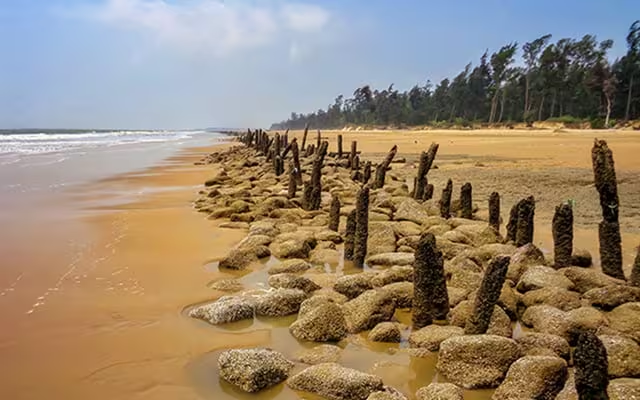
Tajpur, located between Mandarmani and Shankarpur, is perhaps the quietest of these beach destinations. The beach is relatively undeveloped, with few tourists and basic accommodation. This makes Tajpur perfect for those seeking solitude. The beach is known for its red crabs and is an excellent spot for bird watching. The shallow lagoon created by the retreating tide is perfect for wading. Tajpur is also becoming popular for camping and beach bonfires.
Pilgrimage and Spiritual Destinations
West Bengal has numerous important pilgrimage sites that attract devotees from across India and beyond. The state's religious landscape reflects its diverse cultural heritage, with important Hindu, Buddhist, Jain, and Christian sites.
Kolkata's Temples
Kalighat Kali Temple, dedicated to Goddess Kali, is one of the 51 Shakti Peethas and one of Kolkata's most important temples. According to legend, the right toe of Sati fell here. The temple, located on the banks of the Adi Ganga (old course of the Hooghly River), gives Kolkata its name. The temple can get very crowded, especially on Tuesdays and Saturdays, which are considered auspicious for Kali worship.
Dakshineswar Kali Temple, located on the eastern bank of the Hooghly River, was built in 1855 by Rani Rashmoni. The temple is associated with Sri Ramakrishna Paramahamsa, who was the priest here and attained spiritual enlightenment at this temple. The temple complex includes twelve shrines dedicated to Shiva, a temple to Radha-Krishna, and the room where Ramakrishna lived. The riverside location makes it especially beautiful during evening aarti.
Belur Math, founded by Swami Vivekananda in 1898, is the headquarters of the Ramakrishna Math and Mission. This unique temple combines Hindu, Christian, and Islamic architectural elements, symbolizing the harmony of all religions. The temple, located on the western bank of the Hooghly, is peaceful and spiritually uplifting. The room where Swami Vivekananda lived and the samadhi (memorial) of Sri Ramakrishna are located here.
Tarakeswar and Tarapith
Tarakeswar, located in the Hooghly district approximately 58 kilometers from Kolkata, is famous for the Tarakeswar Shiva Temple. Dedicated to Lord Shiva as Taraknath (Lord of the Body), this temple is one of the most important Shiva temples in West Bengal. The temple, built in the traditional atchala style of Bengali architecture, draws thousands of devotees, especially during the month of Shravan (July-August) and on Mahashivratri.
Tarapith, located in the Birbhum district, is one of the 51 Shakti Peethas and an important tantric temple. Dedicated to Goddess Tara, an incarnation of Kali, the temple attracts devotees seeking spiritual liberation. The temple's location on the banks of the Dwarka River adds to its spiritual atmosphere. Tarapith is also known for its cremation grounds where tantric practices are performed. The nearby Bamakhepa cremation ground is associated with the famous tantric saint Bamakhepa.
Heritage and Historical Sites
Murshidabad
Murshidabad, located approximately 200 kilometers from Kolkata, was the capital of Bengal during the Nawabi era. The town has numerous historical monuments that reflect its glorious past. The Hazarduari Palace, built in the 19th century, has a thousand doors (hazarduari means thousand doors) and houses a museum with artifacts from the Nawabi period. The palace's architecture, a blend of European and Islamic styles, is impressive.
The Nizamat Imambara, built in 1847, is one of the largest imambaras in India. This Shia congregation hall is used during Muharram commemorations. The Katra Mosque, built by Murshid Kuli Khan in 1724, is a beautiful mosque with five domes. The Nashipur Rajbari and the Wasif Manzil are other historical buildings worth visiting. The Khosh Bagh cemetery houses the graves of Nawab Siraj-ud-Daulah and other members of the Nawabi family.
Bishnupur
Bishnupur, located in the Bankura district, is famous for its terracotta temples built during the Malla dynasty. These 17th and 18th-century temples are masterpieces of terracotta art, with intricate carvings depicting scenes from the Ramayana, Mahabharata, and daily life. The Rashmancha, built in 1647, is the oldest brick temple and has a unique pyramidical roof. The Jor Bangla Temple, with its two thatched-roof style structures, and the Madan Mohan Temple, known for its detailed carvings, are must-visit.
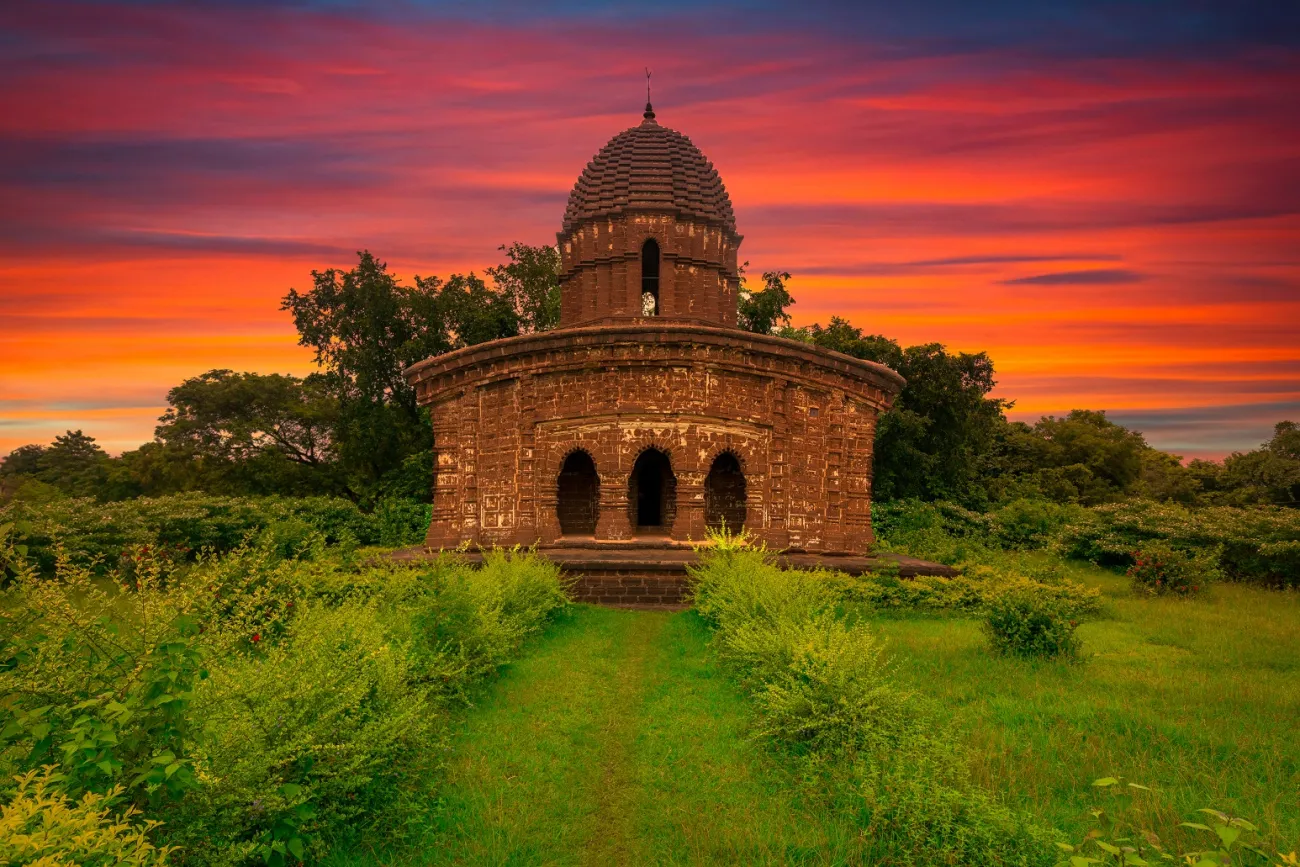
Bishnupur is also known for its silk weaving, particularly Baluchari sarees with mythological scenes woven into the border and pallu. The town's traditional handicrafts include terracotta pottery, bell metal work, and Dasavatara playing cards. Visiting Bishnupur's weavers and artisans provides insight into these traditional crafts that have been practiced here for centuries.
Adventure Activities in West Bengal
West Bengal offers numerous adventure activities for thrill seekers. The varied geography provides opportunities for trekking, water sports, and wildlife experiences.
Trekking in the Himalayas
The Himalayan region of West Bengal offers excellent trekking opportunities. The Sandakphu trek, the highest point in West Bengal at 3,636 meters, is the most popular trek. This trek offers spectacular views of four of the five highest peaks in the world - Everest, Kangchenjunga, Lhotse, and Makalu. The trek, typically done over 4-6 days, passes through Singalila National Park, with its diverse flora and fauna, including the red panda.
The Phalut trek, continuing from Sandakphu, takes you to the second-highest point in West Bengal. The trek offers even closer views of Kangchenjunga and a sense of being on the roof of the world. The Goecha La trek in Sikkim, accessible from West Bengal, takes you to the base of Kangchenjunga. The Neora Valley National Park offers less crowded trekking routes through pristine forests. The best time for trekking is from March to May and October to December.
White Water Rafting
The Teesta and Rangeet rivers in North Bengal offer excellent white water rafting opportunities. The rivers have rapids ranging from Grade 1 to Grade 4, suitable for beginners as well as experienced rafters. Most rafting tours start from Teesta Bazaar and cover approximately 8-10 kilometers, taking about 1.5 hours. The rafting season is from October to May, with the best conditions from March to May.
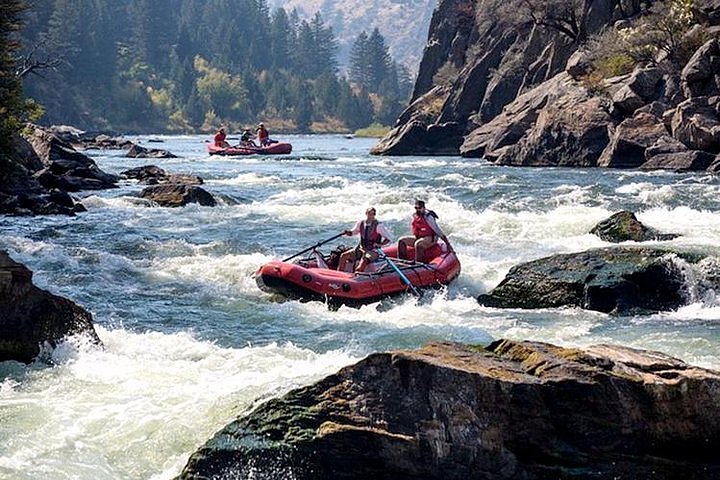
The rafting route passes through beautiful gorges, with views of forests, hills, and villages. The combination of adrenaline-pumping rapids and calm stretches where you can float and enjoy the scenery makes for a perfect rafting experience. Most operators provide all necessary equipment including life jackets, helmets, and paddles, and have trained guides who ensure safety.
Wildlife Safari
Wildlife safaris in the Dooars region offer encounters with elephants, rhinos, bisons, and various deer species. Elephant safaris in Jaldapara and Gorumara allow you to get close to these magnificent animals while navigating through grasslands and forests. Jeep safaris are also available and cover larger areas. The Sundarbans offers boat safaris through mangrove forests, with opportunities to spot tigers, crocodiles, and numerous bird species.
West Bengal Cuisine
Traditional Bengali Food
Bengali cuisine is renowned for its subtle flavors, fresh ingredients, and diverse preparations. The traditional meal, served on a large metal plate called a thala, includes multiple courses starting with bitter preparations (shukto), followed by vegetables (shaak), dal (lentils), fish, meat, and ending with a sweet dish (mishti). Rice is the staple, served with various preparations.
Fish is an integral part of Bengali cuisine, with the saying "Machh-e-Bhat-e-Bengali" (Bengali by fish and rice). Hilsa (ilish), the national fish of Bangladesh, is particularly prized and prepared in various ways - smoked, curried with mustard seeds (shorshe ilish), or steamed in banana leaves. Other popular fish include rohu, catla, and pabda. Traditional preparations include machher jhol (fish curry), doi machh (fish in yogurt gravy), and chingri malai curry (prawns in coconut milk).
Bengali Sweets
Bengali sweets are legendary and form an integral part of Bengali culture. Rasgulla, soft spongy cheese balls soaked in sugar syrup, is perhaps the most famous Bengali sweet and originated in West Bengal. Sandesh, made from cottage cheese (chana) and sugar or jaggery, comes in numerous varieties including plain, flavored with cardamom or saffron, and shaped into various forms.

Mishti doi, sweetened yogurt set in earthen pots, has a unique texture and flavor. Pantua, similar to gulab jamun but made with cottage cheese, and langcha, cylindrical deep-fried sweets, are other popular treats. During festivals, special sweets like naru (coconut laddoo) and patishapta (sweet pancakes) are prepared. Nobo borono, the Bengali New Year in April, is celebrated with various sweets, while Durga Puja sees the preparation of special bhog (offering) items including khichdi and sweets.
Street Food
Kolkata's street food scene is legendary and deserves a category of its own. Phuchka, the Bengali version of pani puri with crispy shells filled with spiced potato and tamarind water, is perhaps the most loved street food. Kati rolls, parathas wrapped around spiced meat or vegetables, originated in Kolkata and are now popular across India. Jhal muri, spicy puffed rice mixed with vegetables, peanuts, and mustard oil, is a popular snack.
Other street food favorites include ghugni (dried yellow peas curry), telebhaja (deep-fried snacks), and chop (croquettes). The street food culture is most vibrant in the evenings when vendors set up stalls across the city. New Market, Vivekananda Park, and College Street are popular street food destinations. For a more organized experience, try the food stalls at Dacre's Lane in the central business district.
Festivals of West Bengal
Durga Puja
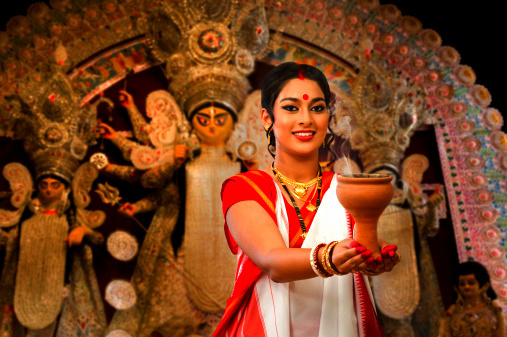
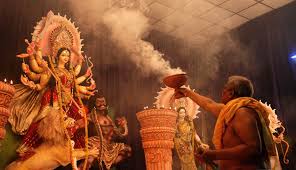
Durga Puja, celebrated typically in October, is West Bengal's most important festival and one of India's greatest cultural spectacles. The festival celebrates the victory of Goddess Durga over the buffalo demon Mahishasura. Kolkata transforms during Durga Puja, with thousands of pandals (temporary structures) housing elaborate Durga idols. The artistic creativity displayed in pandal decoration, ranging from traditional to contemporary themes, is remarkable.
The festival spans five days, starting with Shashthi (sixth day) and ending with Vijaya Dashami (tenth day). Each day has its own rituals and significance. The sound of dhak (traditional drums), the aroma of incense and flowers, and the sight of beautifully decorated pandals create an unforgettable atmosphere. On Vijaya Dashami, the idols are immersed in water (visarjan), marking the goddess's return to her celestial abode. The immersion processions are colorful and emotional, as devotees bid farewell to the goddess.
Kali Puja and Diwali
Kali Puja, celebrated on the new moon day of Diwali, is another important festival in West Bengal. While most of India celebrates Diwali by worshiping Lakshmi, Bengalis worship Goddess Kali. The temples dedicated to Kali, including Kalighat and Dakshineswar in Kolkata, see huge crowds. The evening worship involves offering red hibiscus flowers, sweets, and sometimes animal sacrifice. The atmosphere is intense, with chants of mantras and the beating of drums.
Diwali, the festival of lights, is celebrated with lamps, fireworks, and sweets. Kali Puja and Diwali together create a festive atmosphere across the state. Communities and neighborhoods compete to create the best light decorations, and the sky is lit with fireworks. The festival is also associated with gambling, particularly among the merchant community, who believe that gambling on Kali Puja night brings prosperity.
Poila Boishakh
Poila Boishakh, the Bengali New Year, is celebrated in mid-April. The day begins with cultural processions called Probhat Pheri, where people sing and dance in the streets. In Kolkata, the procession starts at the Indian Museum and winds through the city. Traditional food including panta bhat (fermented rice), fried fish, and various sweets are prepared. Businessmen start new account books (halkhata) on this day, inviting customers to settle old debts and begin new relationships.
Other Festivals
West Bengal celebrates numerous other festivals. Saraswati Puja, dedicated to the goddess of learning, is particularly important in educational institutions. Rabindra Jayanti, the birthday of Rabindranath Tagore on May 8, is celebrated with cultural programs. Christmas is enthusiastically celebrated in Kolkata, especially Park Street which is decorated with lights. The Kolkata Christmas Festival includes music, food, and cultural events. Eid is celebrated by the Muslim community with prayers, feasting, and community gatherings.
How to Reach West Bengal
By Air
Netaji Subhash Chandra Bose International Airport in Kolkata is the primary airport serving West Bengal. The airport is well connected to major Indian cities including Delhi, Mumbai, Bangalore, Chennai, and Hyderabad, with multiple daily flights operated by various airlines. International connections include destinations in Southeast Asia, the Middle East, and Europe. The airport is located approximately 17 kilometers from the city center and is easily accessible by taxi, app-based cabs, and the airport bus service.
Bagdogra Airport, located in Siliguri, is the gateway to North Bengal and the Himalayan region. The airport has flights from Kolkata, Delhi, Bangalore, and Guwahati. From Bagdogra, you can reach Darjeeling (approximately 3 hours), Kalimpong (approximately 2.5 hours), and the Dooars region. The airport is strategically located for those planning to visit Sikkim or continue to Bhutan and the Northeast.
By Train
West Bengal has an extensive railway network with Howrah and Sealdah being the major railway stations in Kolkata. These stations are among the busiest in India, with numerous trains connecting Kolkata to all parts of the country. The Rajdhani Express from Delhi, the Duronto Express from Mumbai, and the Coromandel Express from Chennai are some of the premier trains serving Kolkata.
The Darjeeling Himalayan Railway connects New Jalpaiguri (NJP) to Darjeeling. NJP is the major railway station in North Bengal and is connected to Kolkata and other major cities. For the Dooars region, stations like New Cooch Behar, Alipurduar, and Hasimara serve as access points. The train journey through the Bengal countryside, especially the route to Siliguri through the Terai region, is scenic and enjoyable.
By Road
West Bengal is well connected by road to neighboring states. National Highway 19 connects Kolkata to Delhi via Agra, while National Highway 16 connects to Chennai. The Kolkata-Delhi highway is part of the Golden Quadrilateral project and is in excellent condition. The Bengal SRTC (State Transport Corporation) and private operators run buses to various destinations.
The road journey from Kolkata to Darjeeling takes approximately 12-14 hours and covers approximately 600 kilometers. The route passes through the Terai region and offers scenic views as you ascend into the hills. For the Sundarbans, the road journey to Godkhali takes approximately 3-4 hours from Kolkata. The roads to the Dooars region are also in good condition, and self-driving to these areas is becoming popular.
Getting Around West Bengal
Getting around West Bengal varies by region. Kolkata has an extensive public transportation system including the metro, buses, trams, taxis, and app-based cabs. The Kolkata Metro, India's first metro system, is efficient and connects major parts of the city. The yellow taxis, an iconic symbol of Kolkata, are metered and inexpensive. App-based cabs like Uber and Ola are widely available. The tram system, one of the few remaining in India, offers a nostalgic way to see the city.
For exploring the Himalayan region, hiring a car with a driver is the most convenient option. Roads in the hills are narrow and winding, and driving yourself might be challenging if you're not used to mountain driving. Shared jeeps are a cheaper option for getting around between towns in the hills. For the Sundarbans, boat tours are the primary means of transportation and must be arranged through authorized operators.
For exploring the Dooars region, having your own vehicle or hiring a car gives you the most flexibility. Forest safaris are conducted in dedicated safari vehicles provided by the forest department or tour operators. For beach destinations like Digha and Mandarmani, driving from Kolkata is popular, and the roads are generally in good condition.
Where to Stay in West Bengal
West Bengal offers accommodation options for every budget. In Kolkata, luxury hotels like Taj Bengal, The Oberoi Grand, and ITC Royal Bengal offer world-class amenities. Mid-range options include numerous business hotels in areas like Park Street, Camac Street, and Salt Lake. Budget travelers can find guesthouses and budget hotels in Sudder Street and areas around Howrah station. For a unique experience, heritage properties like the Fairlawn Hotel and The Astor Hotel offer colonial-era charm.
In Darjeeling and other hill stations, heritage properties like the Windamere Hotel, established in the 19th century, offer a taste of the colonial era. Modern hotels like Mayfair Darjeeling and Elgin Hotels provide luxury with mountain views. Budget options include numerous guesthouses and homestays offering stunning views and warm hospitality. The hill stations are particularly known for their colonial-era architecture, and staying in these heritage buildings is an experience in itself.
In the Dooars region, jungle resorts and forest lodges are the primary accommodation options. These include government-run forest rest houses and private resorts. Many resorts are located near forest entry gates and offer guided safaris. For the Sundarbans, jungle camps and eco-resorts located on the fringes of the forest provide accommodation. These camps typically offer all-inclusive packages with meals, boat safaris, and forest permits included.
Travel Tips for West Bengal
The best way to experience West Bengal is to embrace its diverse offerings. Don't limit yourself to just one region - the state offers varied experiences from the cultural riches of Kolkata to the natural beauty of the Himalayas. If you have time, plan to visit at least two different regions to get a sense of West Bengal's diversity. A typical itinerary might combine Kolkata with either the Himalayan region or the Sundarbans and beaches.
Respect local customs, especially when visiting religious sites. Temples in West Bengal are generally conservative - dress modestly, remove shoes before entering, and ask before taking photographs. During Durga Puja, be respectful of the religious significance of the festival even as you enjoy the cultural festivities. Don't touch the idols or offerings without permission.
The weather can be extreme in West Bengal. Summers in Kolkata are hot and humid, while winters can be surprisingly cool in the Himalayas. Pack accordingly - light cottons for Kolkata and the plains, layers and warm clothing for the hills. The monsoon can disrupt travel plans, especially in the Himalayan region where landslides are common. Check weather forecasts and road conditions if traveling during the monsoon.
For wildlife safaris, book well in advance, especially for peak seasons. Forest permits have limited numbers, and popular safari slots get booked quickly. Carry binoculars and a good camera for wildlife viewing. Follow your guide's instructions and maintain silence to increase chances of wildlife sightings. In tiger reserves like the Sundarbans, remember that tiger sightings are never guaranteed and should be considered a bonus rather than an expectation.
Try to learn a few basic Bengali phrases - it goes a long way in building rapport with locals. "Nomoshkar" (hello/goodbye), "Dhonnobad" (thank you), and "Ki bolo" (how are you?) are good starting points. Bengalis are proud of their language and culture, and making an effort to speak the language, even if just a few words, is appreciated. English is widely understood in urban areas and tourist destinations, but in rural areas, a bit of Bengali or Hindi helps.
Conclusion
West Bengal is a state of contrasts and diversity that offers unique experiences to every kind of traveler. From the intellectual and cultural vibrancy of Kolkata to the serene beauty of Darjeeling's tea gardens, from the raw wilderness of the Sundarbans to the pristine beaches of the Bay of Bengal, from the spiritual power of ancient temples to the architectural marvels of terracotta temples, West Bengal has something for everyone.
What makes West Bengal special is its ability to surprise and delight. You might come for the mountains but fall in love with the food. You might plan a wildlife trip but find yourself moved by the spiritual power of the temples. The state's rich cultural heritage, combined with its natural beauty and warm hospitality, creates travel experiences that stay with you long after you've returned home.
This guide has covered the major attractions and experiences that West Bengal offers, but like any great destination, the best way to discover West Bengal is to explore it yourself. Walk through Kolkata's neighborhoods, sip tea in Darjeeling, cruise through the Sundarbans, and let the state reveal its many charms to you. Whether you're a first-time visitor or returning to discover more, West Bengal will welcome you with open arms and leave you with memories that last a lifetime. West Bengal's beach options pair well with a side trip to Odisha's coastal attractions for travelers exploring India's eastern coastline more broadly.
Location
Frequently Asked Questions
Q1.What is the best time to visit West Bengal?
Q2.How many days are enough for West Bengal?
Q3.Is West Bengal safe for tourists?
Q4.What should I eat in West Bengal?
Q5.How do I reach the Sundarbans from Kolkata?
Q6.What is Durga Puja and when is it celebrated?
Q7.Do I need a permit to visit Darjeeling and North Bengal?
Q8.What is the weather like in West Bengal throughout the year?
Recommended For You
Top 25 Things to Do in Sikkim: Monasteries, Lakes & Adventure Picks
Discover the best things to do in Sikkim from Tsomgo Lake to Nathula Pass. Complete travel guide with trekking, monasteries, and adventure activities.
Places to Visit in Odisha: Temples, Beaches & Nature
Explore the best places to visit in Odisha. From the sacred Jagannath Temple in Puri to the Konark Sun Temple, Chilika Lake's dolphins, Bhitarkanika's crocodiles, and pristine beaches. Discover India's best-kept secret.
Chilika Lake: Complete Travel Guide to Asia's Largest Brackish Water Lagoon
Visit Chilika Lake in Odisha - Asia's largest brackish water lagoon. See dolphins, birds & travel tips in our complete guide.
Never Miss an Adventure
Get the latest trekking guides, travel tips, and exclusive offers delivered straight to your inbox.
