
Temples in Kolkata: The City of Joy's Sacred Heritage

Rohan Malhotra
December 6, 2025
Explore sacred temples in Kolkata. Discover Kalighat, Dakshineswar, Belur Math & more with timings and travel guide.
Introduction: Spiritual Heart of Bengal
Kolkata, the cultural capital of India and the "City of Joy," is equally renowned for its rich spiritual heritage. The city's temple landscape reflects the diverse religious traditions that have flourished here - from ancient Kali temples that give Kolkata its name to magnificent colonial-era edifices, from intimate neighborhood shrines to grand temple complexes. These sacred spaces are not just places of worship but living repositories of Bengal's culture, history, and artistic traditions. For those exploring spiritual destinations in West Bengal, Kolkata serves as the perfect starting point.
What makes Kolkata's temples unique is their deep connection to Bengali culture. The traditions of Shakta worship (goddess worship) have particular strength here, with Kali and Durga being the most beloved deities. The city's temples are also centers of music, literature, and festivals - the famous Durga Puja, while celebrated in community pandals, has its roots in temple traditions. Whether you're a devotee seeking blessings or a culture enthusiast, Kolkata's temples offer profound spiritual and cultural experiences.
Kalighat Kali Temple
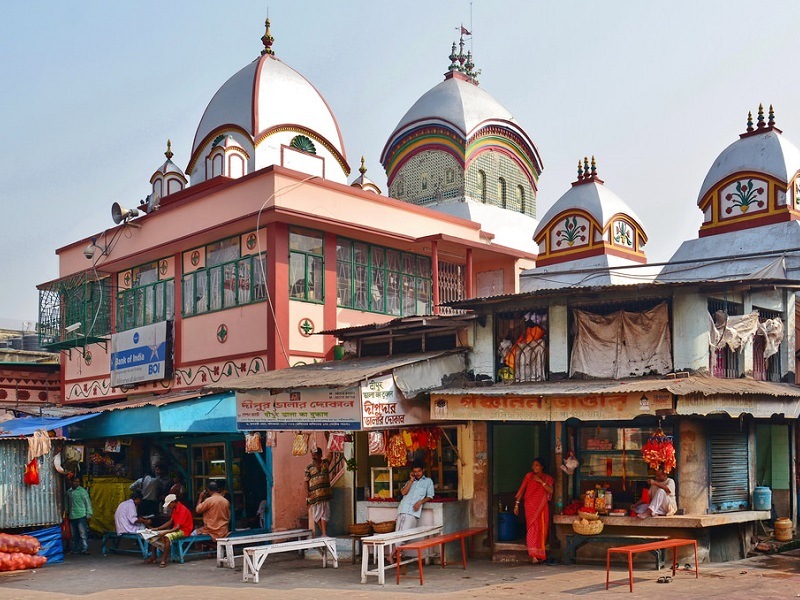
Kalighat Kali Temple is undoubtedly Kolkata's most famous temple and one of the 51 Shakti Peethas - the most sacred sites in Shakta Hinduism. According to legend, when Lord Shiva was carrying the corpse of Sati, her right toe fell here, giving the temple its sacred status.
The temple, dedicated to Goddess Kali in her fierce form, gives Kolkata its name (derived from Kalikata). The present temple structure, built in 1809, stands on the site of ancient temples that have existed here for centuries. The goddess worshipped here is fierce yet compassionate to devotees.
The Deity
The main idol of Goddess Kali is unique - three eyes, four hands, and a long protruding tongue made of gold. Despite her fearsome appearance, she is believed to be deeply compassionate to her devotees. The sanctum's atmosphere is charged with spiritual energy that has accumulated from centuries of worship.
Temple Tank
The temple tank (kund), known as Adi Ganga, is considered sacred. Devotees take ritual baths here before entering the temple. The tank is fed by a now-underground branch of the Hooghly River.
Offerings
Devotees offer flowers, red hibiscus (Kali's favorite), sweets, and sometimes alcohol to the goddess. The tradition of offering goats for sacrifice continues, though this practice is now optional and confined to specific areas.
Best Time to Visit
Early morning (5-7 AM) for peaceful darshan or Tuesday/Saturday (considered especially auspicious for Kali worship). Avoid new moon days (Amavasya) if you dislike crowds.
Dakshineswar Kali Temple
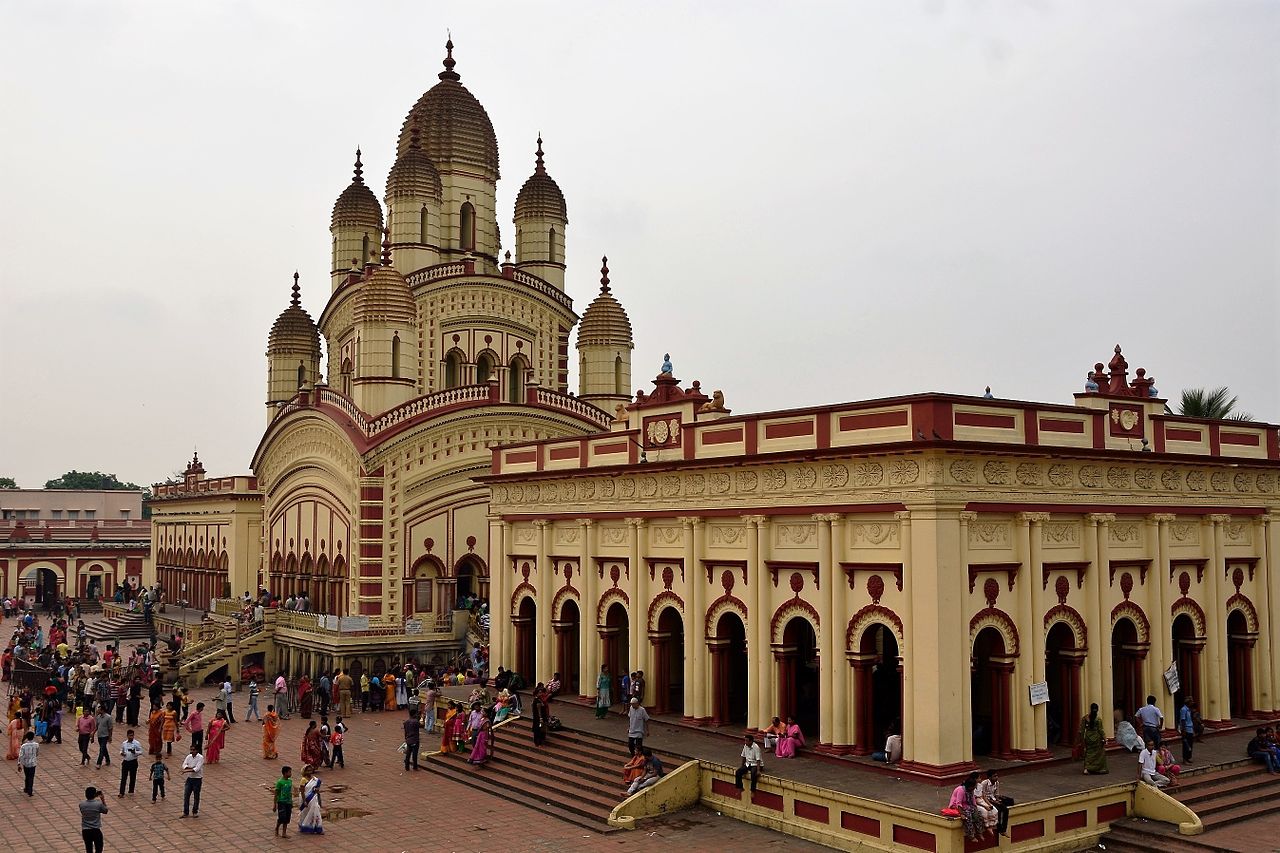
Located on the eastern bank of the Hooghly River, Dakshineswar Kali Temple is one of Bengal's most significant temples and intimately associated with the great saint Sri Ramakrishna Paramahamsa who served as the temple's priest.
Built by Rani Rashmoni in 1855, this magnificent temple complex follows the traditional Navaratna (nine-spired) style of Bengali temple architecture. The main temple houses an idol of Goddess Kali in her Dakshina Kali form - standing on Lord Shiva's chest, representing the union of divine feminine and masculine energies.
The Temple Complex
Besides the main Kali temple, the complex includes 12 Shiva temples (representing the 12 Jyotirlingas) in a row along the riverfront, a Radha-Krishna temple, and a shrine dedicated to Rani Rashmoni. The Panchavati garden with its banyan tree is where Sri Ramakrishna meditated and attained spiritual realization. Devotees of Lord Shiva may also be interested in exploring the sacred 12 Jyotirlingas across India.
Sri Ramakrishna's Room
The room where Sri Ramakrishna lived and meditated has been preserved and is a place of pilgrimage for his followers. The simple room with his belongings creates a profound spiritual atmosphere.
Belur Math
Just across the river from Dakshineswar is Belur Math, headquarters of the Ramakrishna Math and Mission. While not a traditional temple, this sacred space commemorates Sri Ramakrishna and his teachings. The architecture symbolizes harmony of religions, incorporating elements from Hindu, Islamic, Christian, and Buddhist styles.
Belur Math Temple
The main temple at Belur Math houses the sacred relics of Sri Ramakrishna. Designed by Swami Vivekananda, the temple's architecture represents the harmony of all faiths - the structure is a church, a mosque, and a temple depending on how you view it.
The sanctum's peaceful atmosphere, overlooking the Hooghly River, is perfect for meditation. The temple complex includes Swami Vivekananda's room, the old monastery building, and various memorials to Ramakrishna's direct disciples.
Tipu Sultan Shahi Mosque
While a mosque, this 1842 structure deserves mention for its architectural beauty and historical significance. Built by Prince Ghulam Mohammed, son of Tipu Sultan, it represents the syncretic religious culture of old Kolkata.
Baneswar Shiva Temple
This ancient Shiva temple in the Baneswar area is one of Kolkata's oldest temples. Dedicated to Lord Shiva, the temple attracts devotees particularly during Mahashivaratri. The temple's tank is considered sacred.
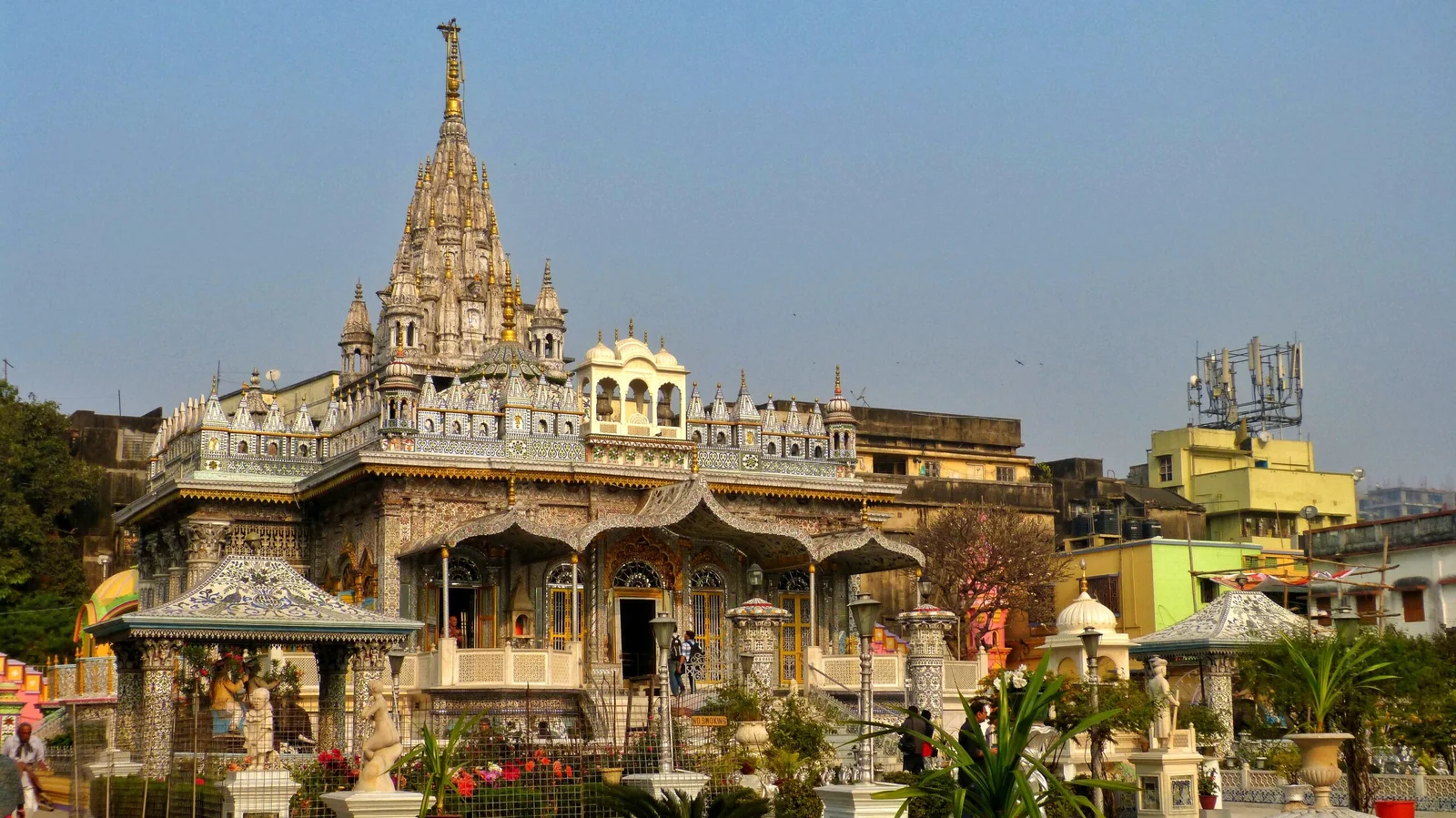
Pareshnath Jain Temple
This beautiful Jain temple complex in Kolkata is dedicated to the 23rd Tirthankara, Parshvanatha. Built in 1867, the temple features exquisite mirror and glass work, colorful mosaics, and beautiful stone carvings. The complex includes multiple shrines to different Tirthankaras.
The temple's architecture blends traditional Jain temple elements with colonial influences. The peaceful interior, with its intricately decorated ceilings and walls, offers a serene space for meditation.
Chinese Temples in Kolkata
Kolkata's Chinatown has several Chinese Buddhist temples that reflect the city's multicultural heritage:
- Toong On Temple: Dedicated to the Chinese sea goddess Mazu, this temple in old Chinatown features beautiful Chinese architecture.
- Choong Ye Thong Church: A Chinese Buddhist temple with ornate interiors.
Festivals and Rituals
Kali Puja
Celebrated on Diwali night (October-November), Kali Puja sees massive celebrations at Kalighat, Dakshineswar, and other Kali temples. The temples are decorated with lights and flowers, and special rituals continue throughout the night.
Mahashivaratri
All Shiva temples celebrate with night-long vigils. Dakshineswar's 12 Shiva temples see special worship.
Durga Puja
While celebrated in community pandals, the traditional worship begins in temples. Belur Math and some traditional temples maintain authentic temple-style worship.
Rath Yatra
International Society for Krishna Consciousness (ISKCON) Kolkata organizes massive Rath Yatra processions that draw thousands.
ISKCON Temple, Kolkata
Located on Albert Road, ISKCON Kolkata features beautiful deities of Radha-Krishna. The temple complex includes a vegetarian restaurant (Govinda's), a guest house, and facilities for spiritual education. The evening aarti here is particularly popular with devotees.
Planning Your Temple Visit
Best Time to Visit
October to March offers pleasant weather. For festival experiences, visit during Durga Puja (October) or Kali Puja (November). Avoid summer (April-June) when it's extremely humid.
Getting Around
- Metro: connects major temple areas
- Ferries: Available across Hooghly to reach Belur Math from Dakshineswar
- Taxis/App cabs: Uber and Ola widely available
Dress Code
Modest traditional attire preferred. Remove footwear before entering temples. Carry socks as temple floors can be hot.
Suggested Itinerary
Day 1: Kali Temples
Morning: Kalighat
Afternoon: Dakshineswar
Evening: Belur Math
Day 2: Other Temples
Morning: Pareshnath Jain Temple
Afternoon: ISKCON
Evening: Explore other local temples
If your Eastern India temple trail continues beyond Bengal, the Lingaraj Temple in Bhubaneswar is a natural next stop, showcasing Kalinga-style architecture distinct from Bengal's temple traditions. Closer to home, the community celebrations of Durga Puja in West Bengal reveal how temple-rooted worship spills into citywide festivity each autumn.
Conclusion
Kolkata's temples offer more than religious darshan - they provide a window into Bengali culture, Shakta traditions, and the spiritual heritage of Bengal. From the fierce goddess of Kalighat to the compassionate mother at Dakshineswar, from peaceful meditation at Belur Math to the architectural beauty of Jain temples, Kolkata's sacred spaces touch something deep within.
Come to Kolkata and discover temples that have witnessed centuries of devotion, where great saints like Ramakrishna and Vivekananda walked, where the divine presence feels tangible, and where spirituality and culture merge into something truly transformative.
Location
Frequently Asked Questions
Q1.What are the famous temples in Kolkata?
Q2.What are Kalighat Temple timings?
Q3.How far is Dakshineswar from Kolkata city center?
Q4.Is Belur Math a temple?
Q5.Best time to visit Kolkata temples?
Q6.How do I reach Belur Math from Dakshineswar?
Q7.Are there non-Hindu temples in Kolkata?
Q8.What is the dress code for Kolkata temples?
Recommended For You
Hidden Gems in Kolkata: Offbeat Lanes, Culture & Local Eats
Explore hidden gems in Kolkata with practical offbeat routes across heritage lanes, local markets, and less-touristy neighborhoods.
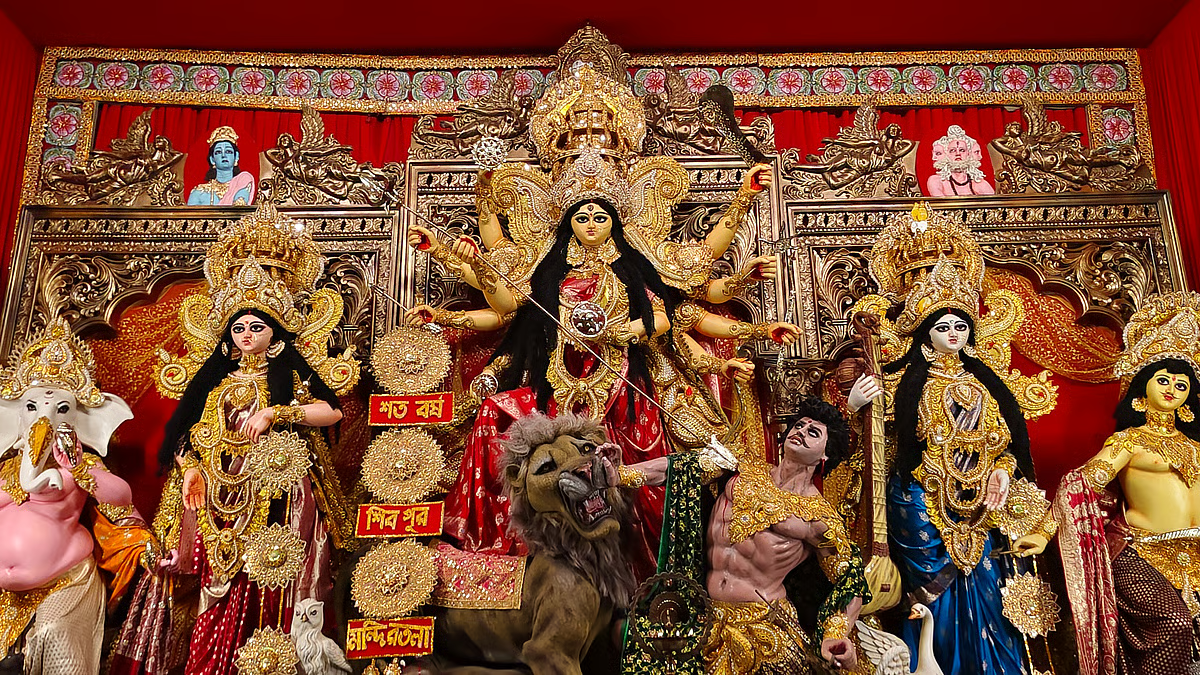
Durga Puja in West Bengal: Major Pandals, Timings & Travel Plan
Experience Durga Puja in West Bengal - Kolkata pandals, rituals, dates & travel guide. Discover the grandest festival with culture, food & festivities.
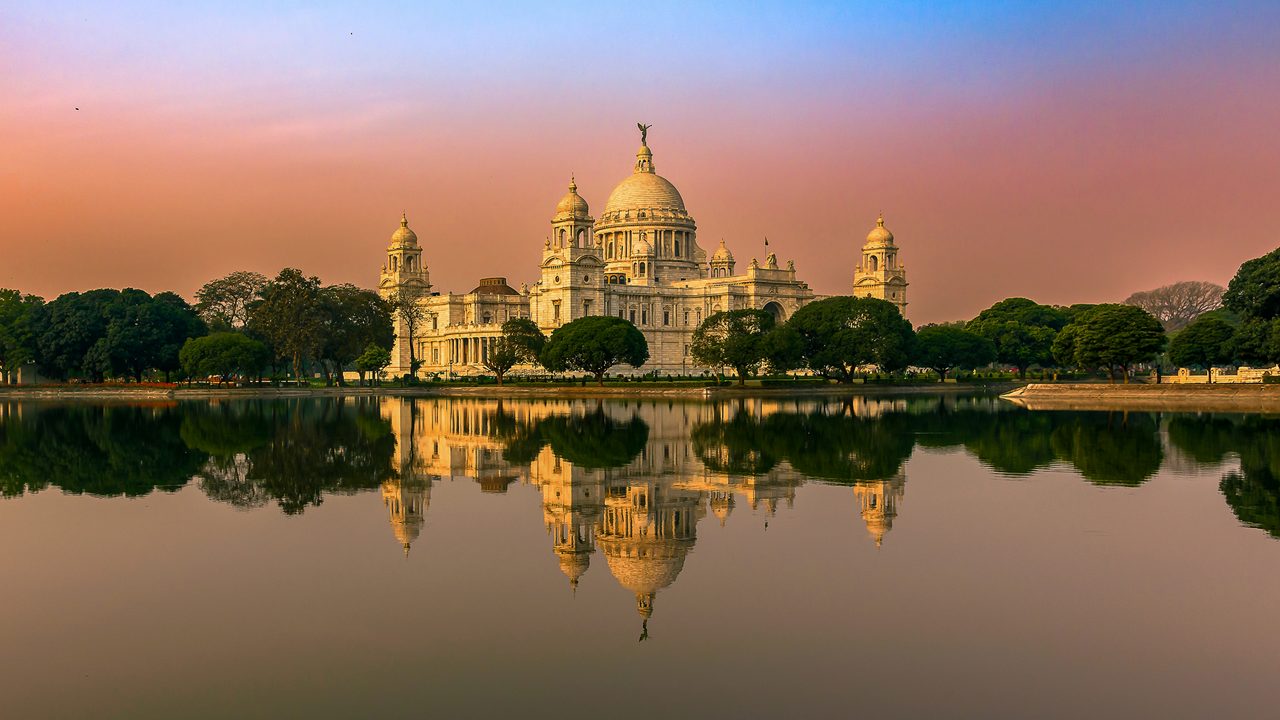
Famous Landmarks of Kolkata: Complete Guide to City of Joy's Iconic Monuments
Explore Kolkata's famous landmarks - from Howrah Bridge to Victoria Memorial, Dakshineswar to Indian Museum. Complete guide with timings, history, and travel tips.
Never Miss an Adventure
Get the latest trekking guides, travel tips, and exclusive offers delivered straight to your inbox.
