
Heritage
Krishnapura Chhatris Indore: Timings, Architecture & Riverfront Views

Neha Kapoor
December 16, 2025
8 min read4,505 views
Krishnapura Chhatris Indore guide with history, architecture, best visit windows, route tips, and nearby heritage-food pairings for a smooth city itinerary.
Introduction: Krishnapura Chhatris and Indore's Royal Heritage
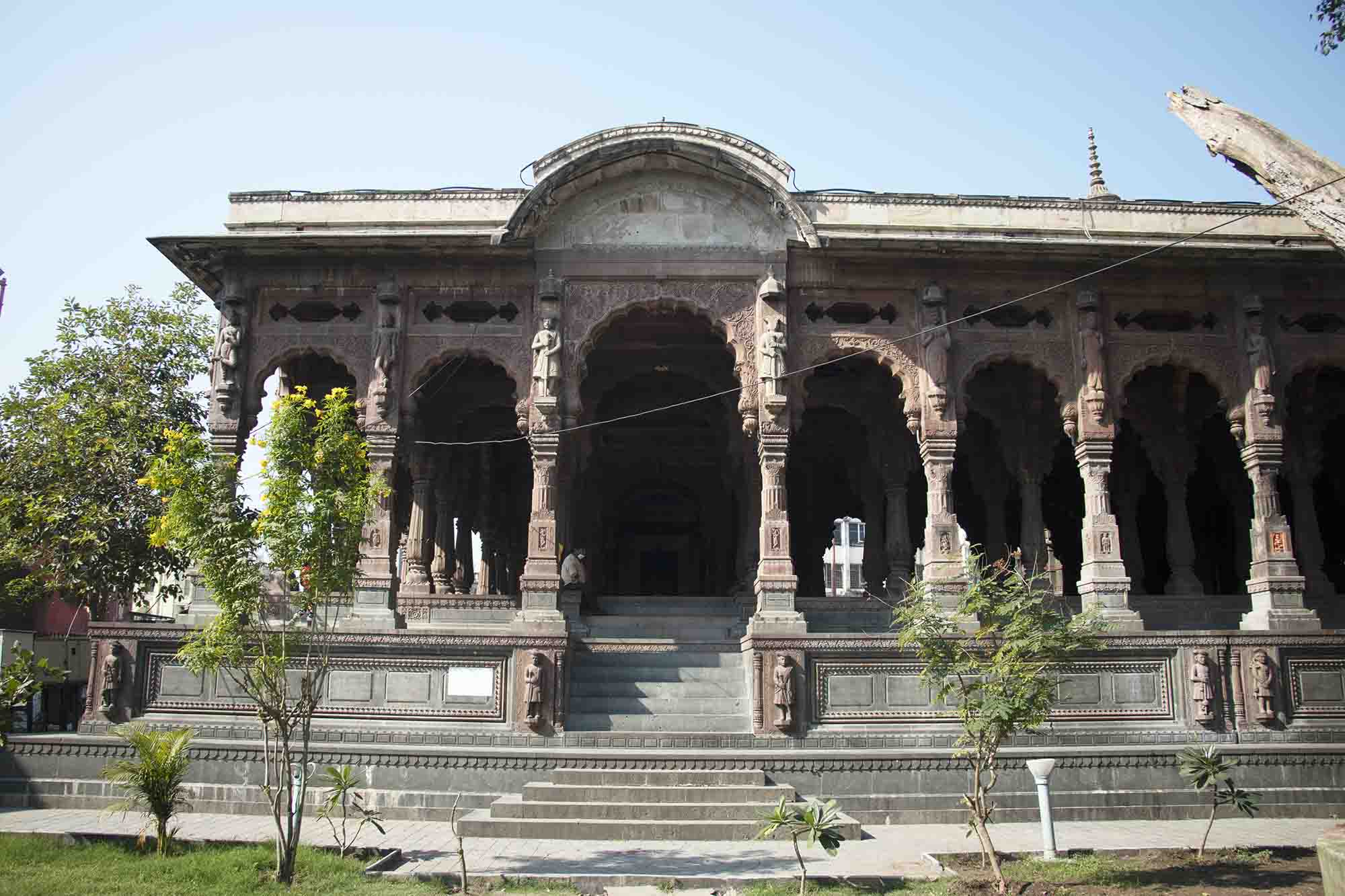
Krishnapura Chhatris in Indore are among the most visually striking memorial structures linked to the Holkar dynasty. Located near the old city core, these cenotaphs (chhatris) stand as stone tributes to members of Indore's royal lineage and continue to attract visitors interested in architecture, photography, and Maratha-era history. While many first-time travelers focus on food circuits and marketplaces, heritage lovers often discover that Krishnapura offers one of the strongest old-city cultural anchors in Indore. What makes this site special is the combination of memorial significance and detailed craftsmanship. The domed pavilions, carved pillars, and symmetrical layout reflect layered influences from Maratha, Rajput, and Mughal design vocabularies. During evening illumination, the structures gain additional visual depth, making this one of the best short heritage stops in the city. This guide covers Krishnapura Chhatris history, timings patterns, architecture highlights, photography angles, nearby attractions, and practical route planning so you can visit efficiently without rushing.Quick Facts Before You Visit
| Detail | Information |
|---|---|
| Location | Krishnapura area, central Indore |
| Type | Royal cenotaph complex (Holkar memorials) |
| Best Visit Window | Morning or late evening |
| Ideal Duration | 45 to 90 minutes |
| Best For | Architecture, heritage walking, photography |
History of Krishnapura Chhatris
Krishnapura Chhatris are memorial cenotaphs associated with the Holkar rulers of Indore, one of the most influential Maratha houses in central India. Unlike palaces designed for daily governance or residence, chhatris serve commemorative functions, preserving memory through architecture. The complex is often discussed in relation to 18th-19th century Indore's political and cultural rise. As the Holkars consolidated influence in the Malwa region, public architecture expanded in variety: forts, administrative spaces, religious structures, and memorial forms like these chhatris. Why this matters for visitors: - The site helps decode Indore beyond modern commercial identity - It offers direct visual evidence of royal-era artistic investment - It links city narrative with broader Madhya Pradesh heritage circuits While exact archival details can vary across sources, the heritage consensus is clear: Krishnapura remains one of Indore's most important royal memorial ensembles.Architectural Features and Design Language
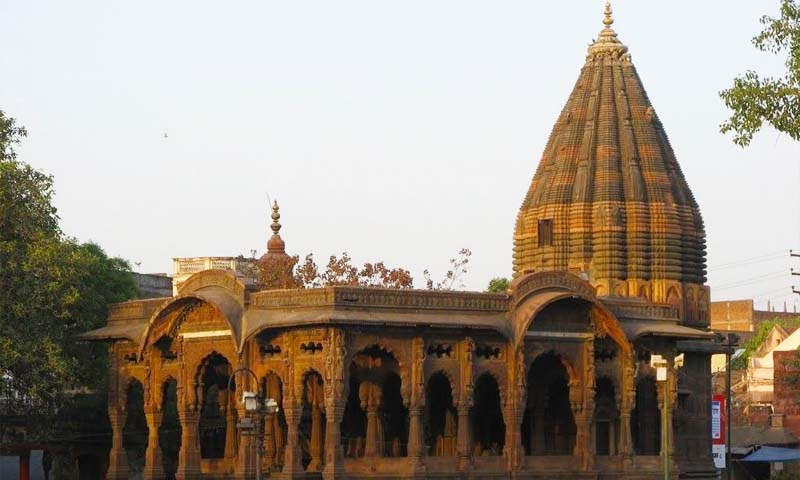 The architectural identity of Krishnapura Chhatris comes from proportion, ornament, and elevation. The complex usually presents three major memorial structures, each with domed superstructure, elevated base, and elaborate stone carving.
1) Domes and Vertical Rhythm
The domes are balanced and prominent, giving the site its skyline identity. From mid-distance angles, this creates a ceremonial rhythm typical of cenotaph architecture in western and central India.2) Carved Pillars and Arches
Pillars, brackets, and archways carry floral, geometric, and ornamental detailing. This carving work rewards slow viewing and close framing for visitors interested in craft traditions.3) Raised Platforms and Symmetry
The raised plinths elevate the structures physically and symbolically. Symmetry and axial movement through the site reinforce memorial dignity.4) Maratha-Rajput-Mughal Blend
The design language is not isolated to one court style. You can identify layered influences, especially in decorative framing and structural proportions.| Element | What to Notice | Photography Value |
|---|---|---|
| Domes | Crown-like profile and skyline emphasis | Best in wide and low-angle shots |
| Pillars | Hand-carved motifs and shadow texture | Great for close architectural crops |
| Plinths | Elevated geometry and movement lines | Useful for perspective composition |
Timings, Entry Pattern, and Visit Duration
Travelers often search for exact Krishnapura Chhatris timings and fee details before visiting. Operational patterns can change by local administration decisions, restoration activity, or event setups, so same-day verification is always smart. General practical pattern: - Daytime visits for clear architectural observation - Evening visits for lighting and atmosphere - Short-to-medium stop (about 1 hour) for most travelersHow much time do you need?
If you only want overview photos and quick heritage context, 45 minutes may be enough. For detail photography, architectural study, and slow walking, budget 75-90 minutes.Entry and local access
Entry conditions can vary over time, including maintenance closures or partial barriers around restoration zones. Keep buffer in your route and avoid stacking too many fixed-time activities right after this stop.Best Time to Visit Krishnapura Chhatris
Season and hour both matter here because the visual impact changes significantly with light quality.Winter (October to March)
Most comfortable for walking and architecture-focused exploration. Clearer weather often helps with clean skyline shots.Monsoon (July to September)
The site and surroundings can look greener and more atmospheric. Carry rain protection and non-slip footwear.Summer (April to June)
Visit early morning or near sunset to avoid midday heat stress.| Time Slot | Experience Quality | Who Should Choose It |
|---|---|---|
| Early Morning | Soft light and lower crowd density | Heritage walkers and calm explorers |
| Late Afternoon | Warm tones and stronger depth in carvings | Photographers and architecture lovers |
| Evening | Illumination effect and dramatic mood | Visual-first visitors |
How to Reach Krishnapura Chhatris in Indore
The location is central enough to combine with multiple old-city attractions in one loop.From Indore Railway Station
Auto-rickshaw and cab transfers are straightforward. Travel time depends on traffic windows but remains manageable for short-city movement.From Devi Ahilya Bai Holkar Airport
Use app cabs or prepaid taxi. If you have limited time, visit after hotel check-in rather than directly with luggage.From Rajwada Side
This is one of the easiest heritage combinations. Pair Krishnapura with Rajwada Palace in the same old-city segment.| Starting Point | Typical Mode | Practical Advice |
|---|---|---|
| Railway Station Area | Auto or cab | Quick city transfer, low planning friction |
| Airport Zone | Taxi / app cab | Best with pre-booked next stop sequence |
| Old City Circuit | Short hop / walk + auto | Ideal for half-day heritage + food loop |
Photography Guide: Best Angles and Practical Tips
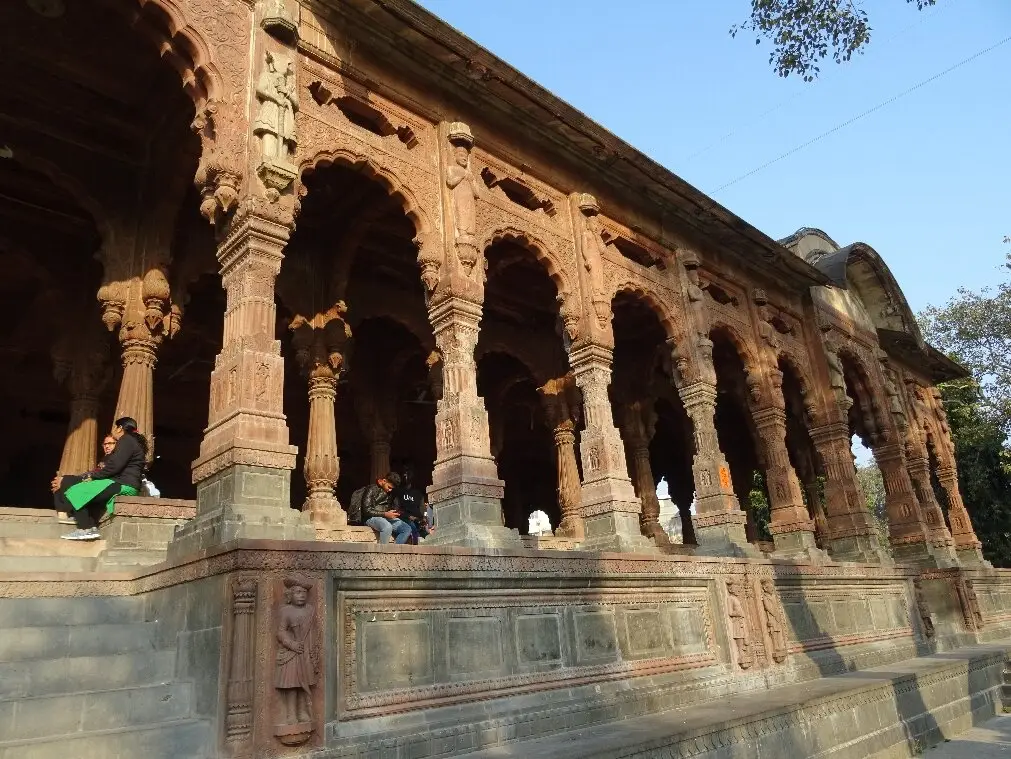 Krishnapura Chhatris is one of the better architecture-photo spots in Indore because it supports both wide structural frames and detailed texture shots.
Best shot types
- Wide frontal compositions for symmetry - Low-angle dome captures for monument scale - Pillar-detail close-ups for craftsmanship - Side-light frames during golden hourPractical shooting tips
- Arrive before sunset to scout clean lines - Use architectural grids for straight geometry - Shoot both horizontal and vertical formats - Avoid blocking pathways during peak visitor flowNight and illumination shots
Evening lighting can create dramatic contrast. Keep stable hands or support if shooting in lower light. Respect site regulations and avoid intrusive setups that disturb other visitors.Nearby Attractions to Combine
A major advantage of this site is cluster planning. You can build a compact heritage-food itinerary without long transfers. Recommended nearby pairings: - Rajwada Palace Indore for royal architecture continuity - Central Museum Indore for artifacts and historical context - Chhatri Bagh Indore for comparative cenotaph views If you want to extend into broader Madhya Pradesh culture after Indore, continue to Bharat Bhavan Bhopal for a strong arts-and-culture contrast.Suggested Half-Day Heritage + Food Plan
| Time Block | Activity | Outcome |
|---|---|---|
| 4:00 PM - 5:00 PM | Krishnapura Chhatris detailed walk | Architecture + context orientation |
| 5:15 PM - 6:00 PM | Rajwada side heritage transition | Continuity in Holkar history trail |
| 6:15 PM onward | Old city food segment | Local flavor after heritage circuit |
Visitor Etiquette and Smart Travel Tips
- Respect the memorial nature of the site while photographing - Avoid climbing on fragile carved sections - Keep hydration and sun protection in summer - Plan old-city transport buffers during rush windows - Combine nearby stops instead of repeated cross-city travelCommon planning mistakes to avoid
- Arriving only at noon in peak summer heat - Skipping buffer time before train/flight departures - Expecting large on-site tourism infrastructure - Treating the site as only a 5-minute photo stop A little planning turns this from a checklist stop into one of the most memorable heritage moments in Indore.Conclusion
Krishnapura Chhatris Indore is not just a photogenic old structure; it is a meaningful Holkar-era memorial complex that adds depth to any Indore itinerary. With carved architectural details, strong evening visual character, and excellent proximity to other old-city attractions, it deserves a deliberate, well-paced visit. For travelers who enjoy history with practical city movement, this site is an ideal anchor point. Pair it with nearby heritage landmarks and local food stops, and you get a balanced cultural experience that represents Indore beyond its modern commercial identity. Practical planning note: if you are covering multiple Indore landmarks in one day, keep this site as your first heritage stop in the old-city segment and avoid cross-city backtracking. A 20-30 minute transfer buffer between each attraction is usually enough to absorb traffic fluctuations and preserve your evening window. This approach improves comfort, reduces rushed movement, and gives you better time for architectural observation and photography. Add one final buffer block before departure so you can absorb delays without stress and still enjoy a slower, more meaningful heritage walk. Keep drinking water handy, wear comfortable footwear, and prioritize observation over rushing; the carvings reward slow attention and produce stronger photos when you pause and compose with patience.Location
Frequently Asked Questions
Q1.Where are Krishnapura Chhatris located in Indore?
Krishnapura Chhatris are located in the Krishnapura area of central Indore, close to the old city and within practical reach of Rajwada-side heritage points.
Q2.What is the history behind Krishnapura Chhatris?
These are royal cenotaphs linked to the Holkar dynasty and serve as memorial structures that reflect Indore's Maratha-era heritage and architectural craftsmanship.
Q3.What is the best time to visit Krishnapura Chhatris?
Winter months and late-afternoon to evening hours are most comfortable for heritage walks and photography, with softer light and better visual depth.
Q4.What are the opening timings of Krishnapura Chhatris?
Timing patterns can vary by local management and maintenance activity, so it is best to verify same-day local timings before planning fixed onward transport.
Q5.Is there an entry fee for Krishnapura Chhatris?
Entry rules and fee patterns may change over time depending on local administration and upkeep conditions, so check current on-ground details before visiting.
Q6.How much time is needed to explore Krishnapura Chhatris?
Most travelers need around 45 to 90 minutes depending on whether they are doing a quick walk-through or detailed architecture and photography session.
Q7.Can we visit Krishnapura Chhatris in the evening?
Yes, evening visits are popular for illumination and mood-rich photography, though exact access windows should be confirmed locally on the day of visit.
Q8.Is photography allowed at Krishnapura Chhatris?
Photography is generally pursued by visitors at this site, especially for architecture, but travelers should always follow current local rules and respect heritage structures.
Recommended For You
Culture
Bharat Bhavan Bhopal: Galleries, Shows & Visitor Timings
Plan a Bharat Bhavan Bhopal visit with cultural context, event-aware timing, and practical city-route tips for a richer experience.
Feb 18Read More
Food
Places to Eat in Indore: Poha, Street Food & Best Restaurants
Explore the best places to eat in Indore with poha-jalebi breakfasts, Sarafa night food, Chhappan Dukan, local restaurants, dessert picks, and practical budget tips.
Jan 19Read More
Heritage
Chhatri Bagh Indore: History, Timings & Photography Spots
Explore Chhatri Bagh Indore with history, architecture highlights, timing guidance, nearby attractions, and practical travel tips for a meaningful heritage visit.
Feb 19Read More
Never Miss an Adventure
Get the latest trekking guides, travel tips, and exclusive offers delivered straight to your inbox.
