
Culture of Bali: Traditions, Ceremonies & Daily Customs

Rahul Garg
February 19, 2026
Explore the culture of Bali through Hindu traditions, ceremonies, dance, craft, temple etiquette, and practical tips for respectful cultural travel.
Culture of Bali: Traditions, Daily Life, and Visitor Etiquette
The culture of Bali is shaped by ritual life, temple traditions, family ceremonies, and a strong local identity that blends art, spirituality, and community structure. For travelers, understanding this culture makes every part of the trip better, from temple visits to village walks and festival participation.
Bali is not only a beach destination. It is a culture-first island where religion and daily life are deeply connected. If you are planning a first trip, pair this with Bali Travel Guide and Best Time to Visit Bali.
Core Elements of Balinese Culture
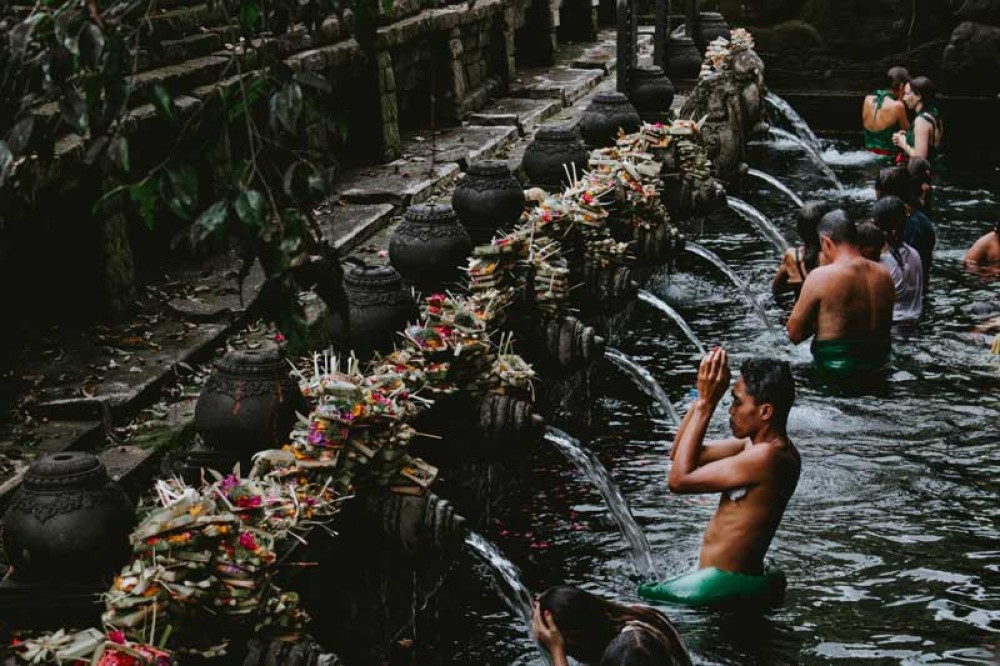
- Religion: Balinese Hinduism influences festivals, architecture, and family life.
- Ceremonies: Temple and household rituals are frequent and community-led.
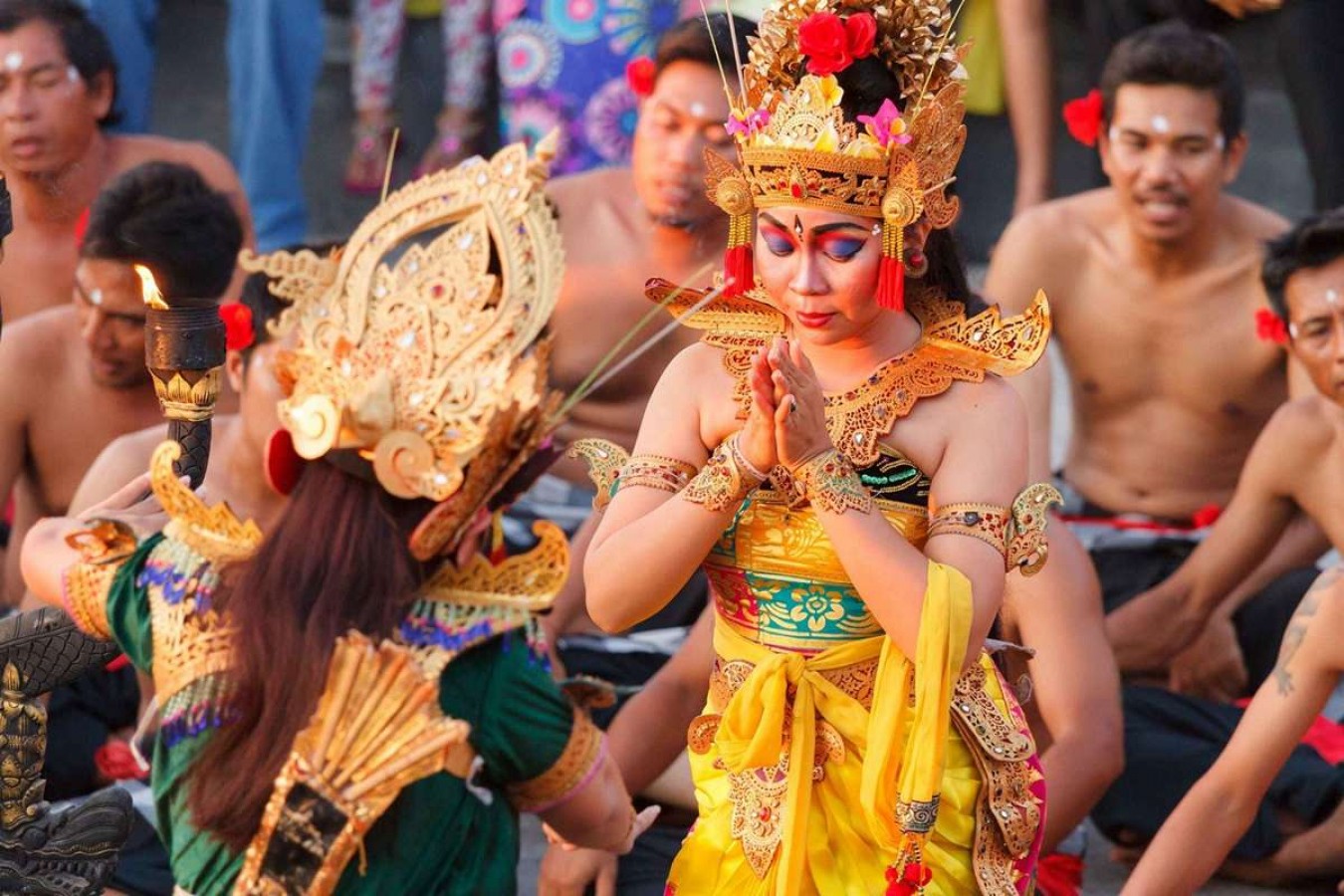
- Art forms: Dance, music, carving, and textiles are living practices.
- Offerings: Daily offerings are central to spiritual expression.
Festivals and Cultural Calendar
Bali’s calendar includes major events like Nyepi and Galungan, each with specific social and religious practices. Visitors should plan respectfully around these dates and local restrictions.
| Festival Type | Visitor Advice |
|---|---|
| Major island-wide observances | Check transport and activity restrictions |
| Temple festivals | Dress modestly and follow local guidance |
| Village ceremonies | Observe respectfully, avoid disruption |
Temple Etiquette for Visitors
- Wear a sarong and sash where required.
- Do not enter restricted zones.
- Avoid loud behavior in prayer areas.
- Respect ongoing rituals before photography.
For destination context, use Best Places to Visit Bali and How to Reach Bali from India.
Food, Craft, and Community Life
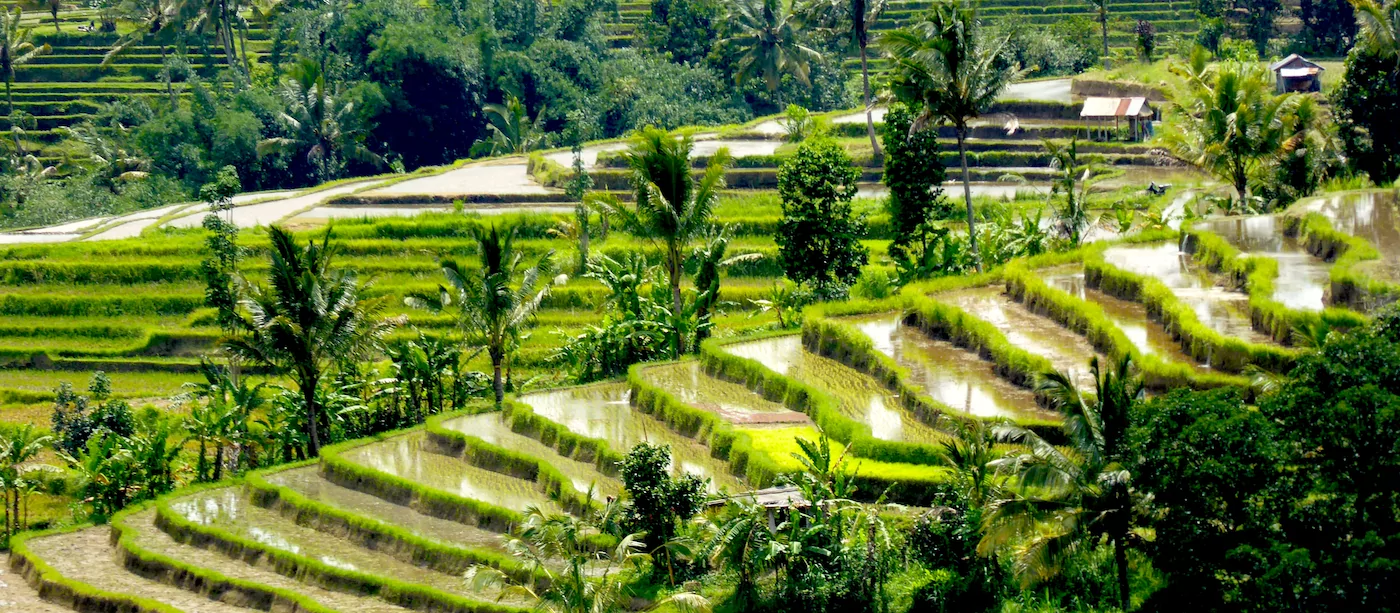
Bali’s social structure is organized around the banjar, a traditional community council that manages everything from temple ceremonies to irrigation schedules for rice paddies through the subak system. This cooperative water-management network, recognized by UNESCO for its cultural significance, reflects the Balinese philosophy of Tri Hita Karana, which emphasizes harmony between people, nature, and the spiritual world. Visiting rice terraces in Ubud or Jatiluwih with this context in mind transforms a simple scenic stop into an encounter with a centuries-old way of organizing rural life.
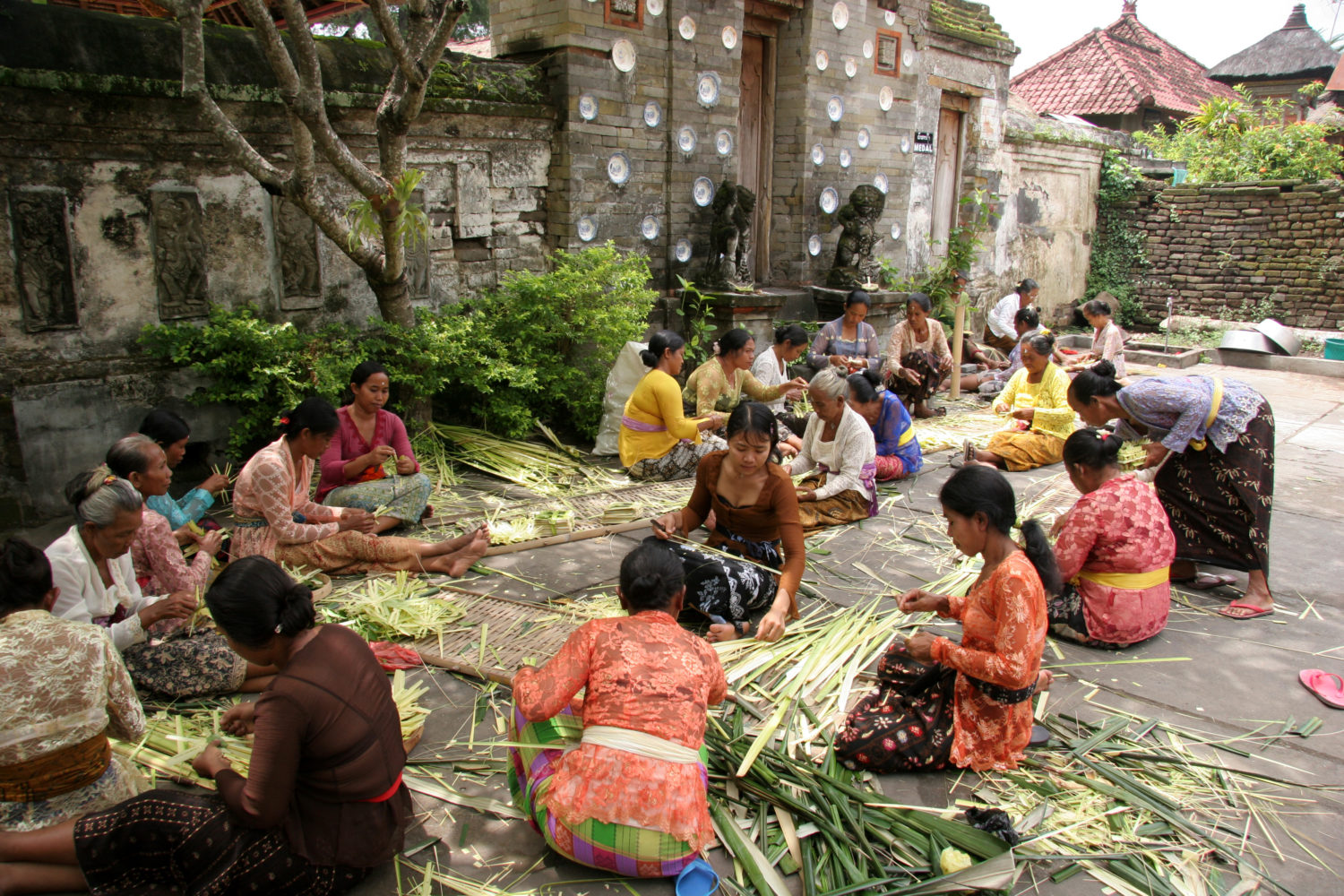
Culture is also visible in markets, craft villages, and local kitchens. Traditional food practices, handmade arts, and community gatherings help travelers experience Bali beyond tourist zones.
Balinese Names and Social Customs
Many visitors notice that Balinese people often share similar first names such as Wayan, Made, Nyoman, and Ketut. These are traditional birth-order names given to the first, second, third, and fourth children in a family, regardless of gender, and understanding this naming pattern offers a small but meaningful window into Balinese family structure. Greetings, small talk, and simple curiosity about someone’s name or village often lead to warm exchanges, since hospitality is considered a core value across the island.
The Role of Art in Everyday Life
Unlike many places where fine art is confined to galleries, in Bali it is woven into ordinary routines. Gamelan orchestras rehearse in village halls in the evenings, wood and stone carvers work in open-air workshops visible from the street, and elaborate offerings called canang sari are handwoven from palm leaves fresh each morning by households across the island. Towns such as Ubud, Mas, and Batuan are especially known for painting and woodcarving traditions passed down through family lineages, and visiting a working studio often reveals more about Balinese culture than a museum display ever could.
Common Mistakes Tourists Make
- Treating ceremonies as photo events only.
- Ignoring dress and conduct norms at temples.
- Skipping village and craft experiences.
- Planning only beach itineraries.
Final Takeaway
The culture of Bali is the foundation of the island’s identity. Travelers who understand local customs, temple etiquette, and festival rhythms get a richer and more respectful experience.
Build your trip around culture, not just attractions, and Bali will feel far more meaningful.
Location
Frequently Asked Questions
Q1.What is unique about Balinese culture?
Q2.What religion is practiced in Bali?
Q3.How often are ceremonies held in Bali?
Q4.Can tourists attend Balinese ceremonies?
Q5.What should I wear to a temple in Bali?
Q6.Are there cultural rules visitors should follow in Bali?
Q7.What are daily offerings in Bali?
Q8.Why is social structure discussed in Balinese culture?
Recommended For You
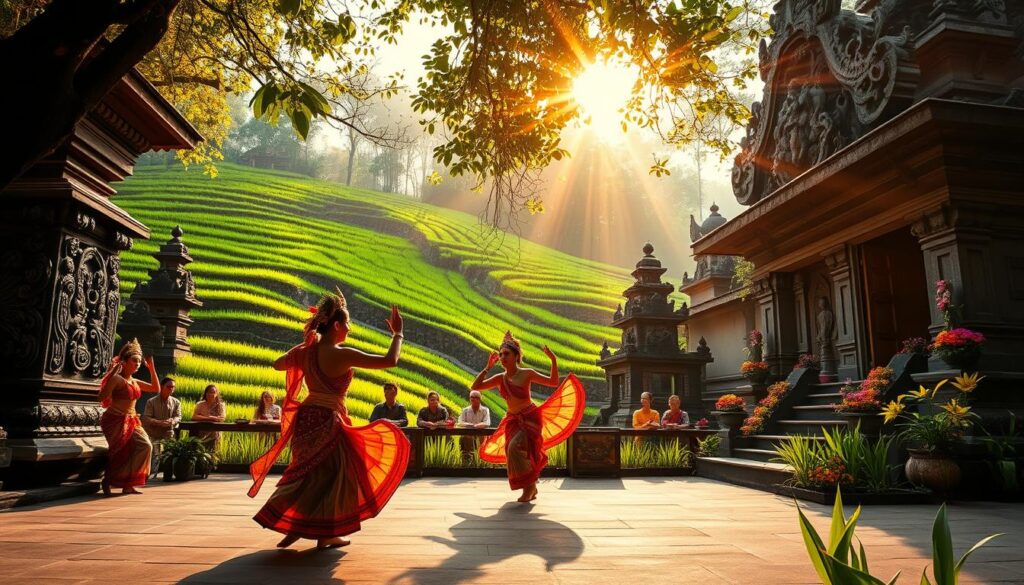
Dances of Bali: Traditional Performances, Venues & Cultural Meaning
Explore the dances of Bali through Kecak, Legong, and Barong traditions, with venue tips, cultural meaning, and respectful performance etiquette.
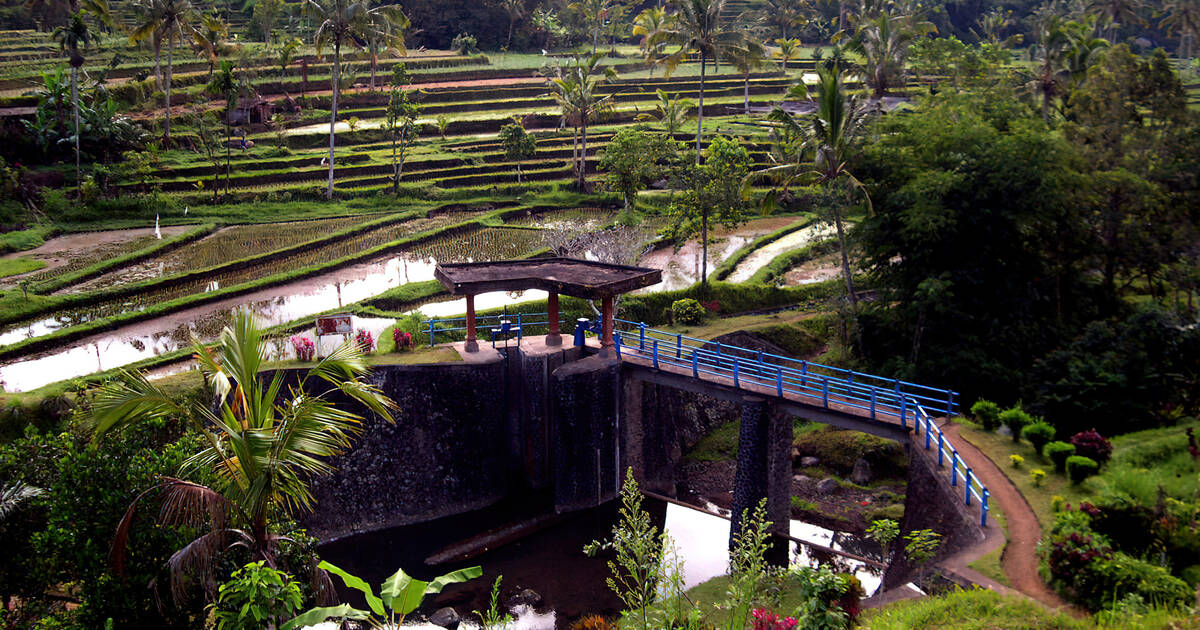
Religion in Bali: Hindu Traditions, Ceremonies & Temple Culture
Explore religion in Bali through Balinese Hinduism, temple systems, ceremonies, daily offerings, and essential etiquette for respectful travel.
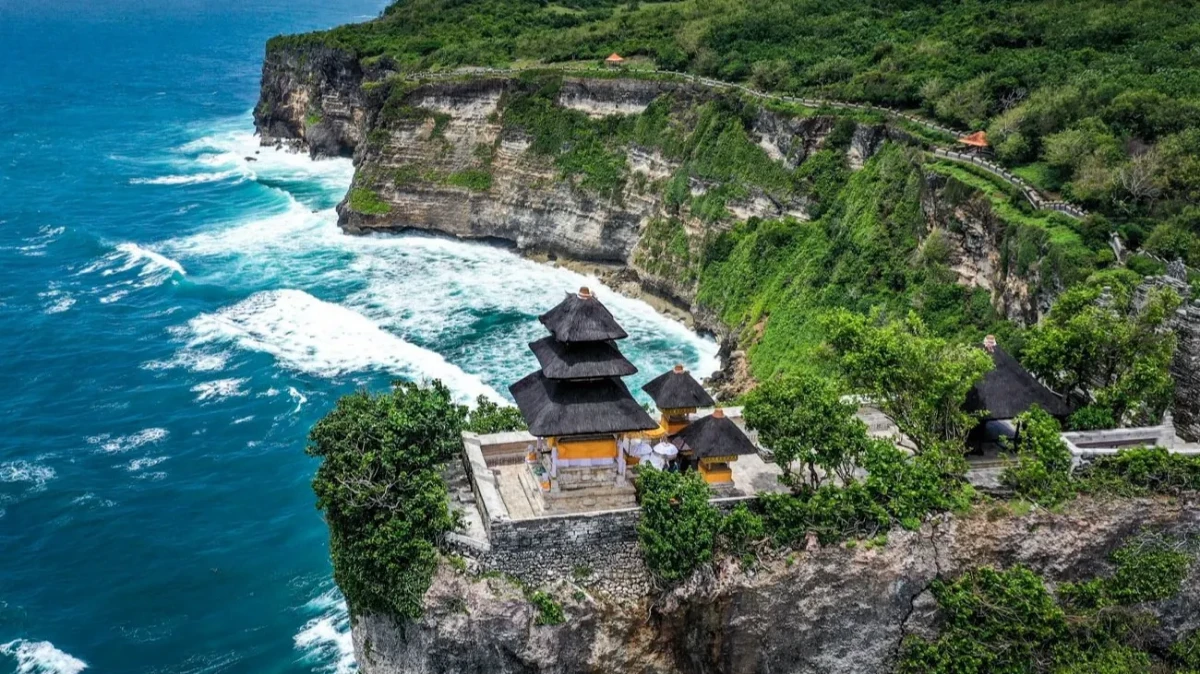
Uluwatu Temple Bali: Sunset Viewpoints, Kecak Show & Entry Tips
Visit Uluwatu Temple (Pura Luhur) perched on a 70m cliff in Bali. Complete guide to Kecak Fire Dance, sunset views, entrance fees, dress code, monkeys, and practical tips for this spectacular cliffside temple.
Never Miss an Adventure
Get the latest trekking guides, travel tips, and exclusive offers delivered straight to your inbox.
