
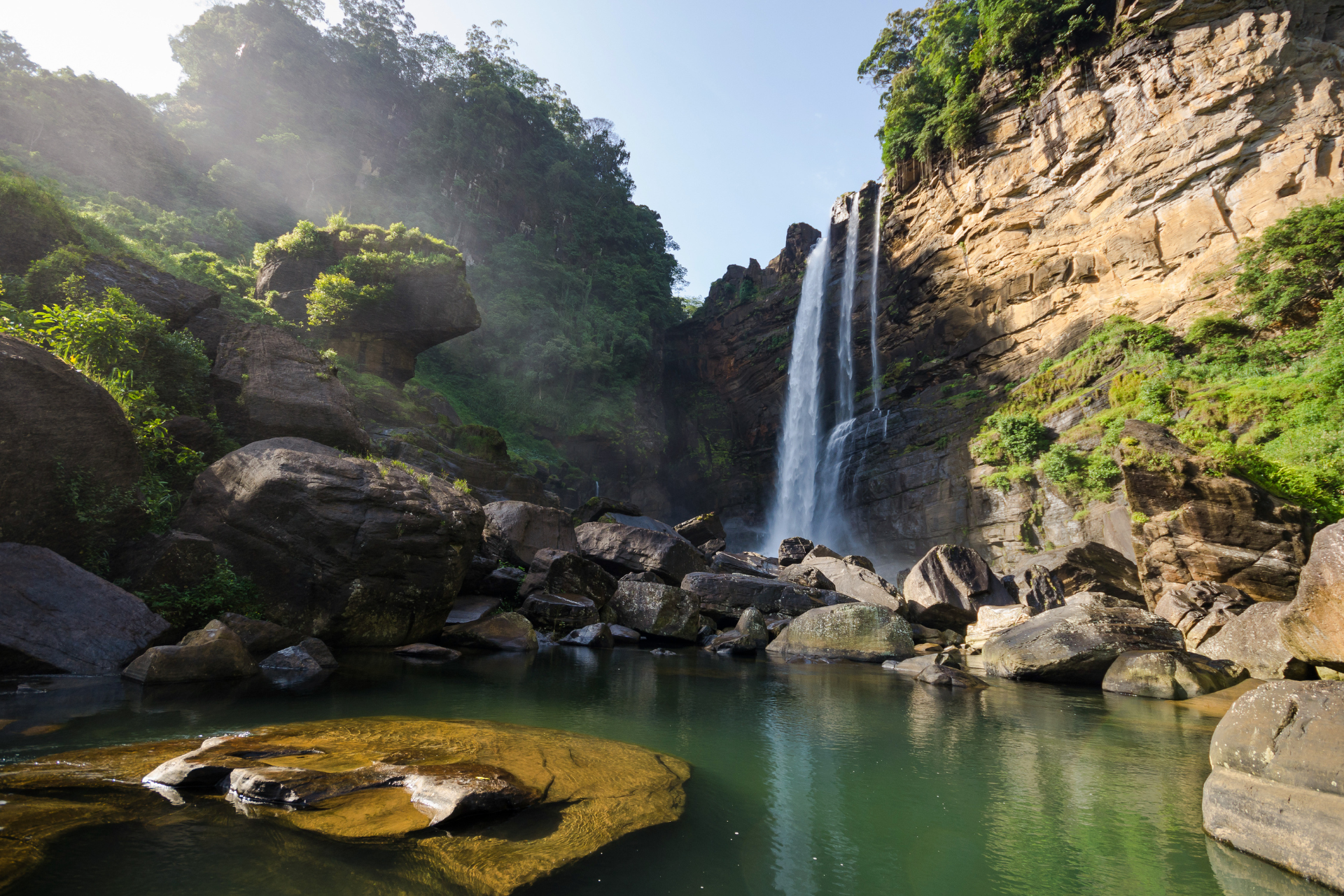
Laxapana Falls Sri Lanka: Access Route, Trek & Best Time

Rohan Malhotra
February 20, 2026
Explore Laxapana Falls Sri Lanka with practical access tips, trek planning, seasonal guidance, and nearby route ideas for a smoother nature day trip.
Introduction: One of Sri Lanka's Most Impressive Cascades
Laxapana Falls is among the most discussed waterfall experiences in Sri Lanka's hill-country travel circuits. Known for height, strong flow profile, and scenic valley setting, it attracts nature travelers, photographers, and light-trek explorers looking for a high-reward stop beyond standard city itineraries. The destination works best when approached with timing discipline and route awareness, since terrain and weather can influence comfort significantly.
For broader planning, combine this guide with waterfalls in Sri Lanka, route context from places to visit in Sri Lanka, and nearby heritage contrast via Nine Arches Bridge.
About Laxapana Falls
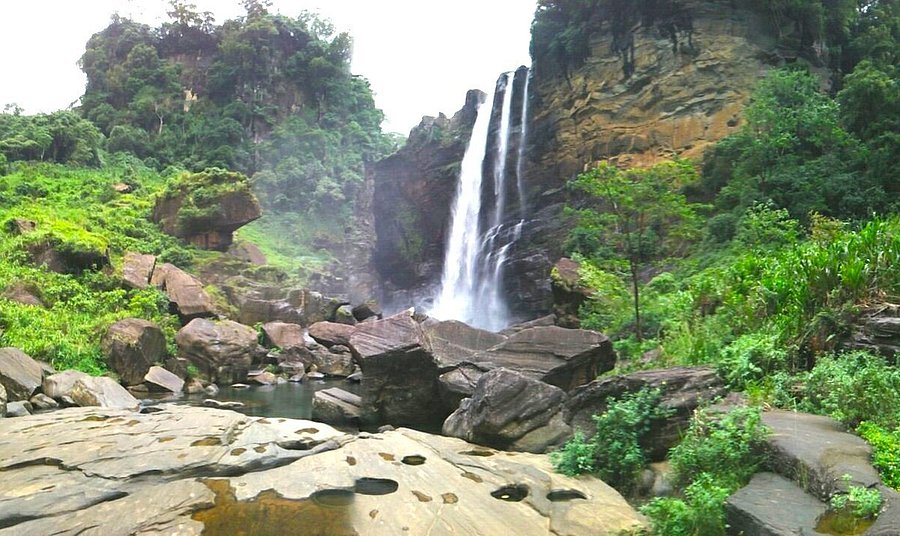
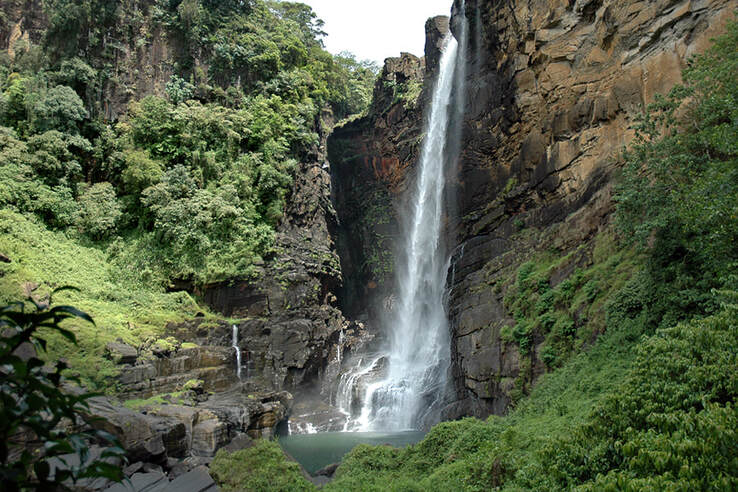
Laxapana Falls is recognized as one of the taller waterfalls in Sri Lanka and is often included in nature-led hill-country plans. The visual power comes from both vertical drop and surrounding topography, which frames the cascade dramatically. Depending on season, water volume can range from moderate scenic flow to high-impact monsoon-fed intensity.
Because of changing conditions, flexible planning is better than rigid minute-by-minute scheduling.
How to Reach and Route Planning
Access to Laxapana typically involves a combination of road transfer and short trekking segments. Routes can vary in quality, so confirm current local conditions before departure. Start early to avoid midday heat and to secure better light for photography.
- Primary approach: hill-country road transfer to access point
- Last segment: trail/walk sections with uneven surfaces
- Ideal group style: small groups with moderate walking readiness
Trek Experience and Difficulty
The trek profile is usually manageable for active travelers but still requires careful footing, especially after rain. Use grippy shoes and avoid rushing downhill segments. Families with children can do the route with extra time and frequent short breaks. If conditions are slippery, prioritize safety over reaching every viewpoint.
Local guidance can help with route decisions when visibility or trail stability shifts due to weather.
Best Time to Visit
Laxapana can be visited year-round with experience differences by season. Shoulder windows often provide a good balance of water flow and trail safety. Heavy rain periods increase drama but can also raise risk and reduce trail comfort. Dry windows improve walking stability and route control, though flow intensity may be lower.
Choose season based on your priority: safer walkability or maximum waterfall volume.
Nearby Experiences to Combine
If you are building a multi-stop day, pair Laxapana with one additional nature or heritage stop rather than stacking too many transfers. Overloading often causes late returns and reduced on-ground quality. A balanced plan is one waterfall session plus one scenic or tea-country extension.
Keep hydration and snack planning strong because nearby service options may be limited in some stretches.
Visitor Checklist
| Checklist Item | Why It Matters | Recommended Action |
|---|---|---|
| Footwear | Trail grip and stability | Use trekking shoes with traction |
| Weather check | Route safety | Confirm rain forecast before start |
| Daylight planning | Safe return | Finish key walking before dusk |
Execution Framework for Laxapana Falls day planning in Sri Lanka
Strong travel outcomes come from practical sequencing rather than long checklists. In Laxapana Falls day planning in Sri Lanka, set one primary objective for each half-day, then place supporting activities nearby. This limits backtracking and protects energy for the most meaningful experiences. Build short transition buffers between stops to absorb delays without breaking the whole itinerary. When a route changes due to weather or crowds, switch to a preselected fallback in the same zone. This makes your plan resilient and keeps the day enjoyable even if conditions shift.
Group travel benefits from explicit role assignment. One person handles tickets and confirmations, another manages navigation, and another tracks time and meal windows. This reduces repeated decisions and keeps everyone aligned. If the group has mixed preferences, use optional extension blocks so people can split for 30-60 minutes and regroup at a fixed point. This approach prevents itinerary conflict and improves overall satisfaction, especially in destinations with long travel windows.
Responsible behavior should be part of your route plan. Follow local customs, respect religious and cultural spaces, and keep waste minimal across public and natural areas. Avoid risky photo positions, especially near roads, water edges, or high viewpoints. The best itinerary is not the one with maximum stops; it is the one that remains safe, respectful, and high-quality under real conditions. This is the practical difference between rushed tourism and well-executed travel.
Conclusion
Laxapana Falls is a high-value Sri Lanka nature experience when approached with route preparation and weather-aware pacing. The combination of height, setting, and trail access makes it a memorable stop for active travelers.
Keep your plan flexible, prioritize trail safety, and pair the visit with one complementary stop for a balanced day.
Deep-Dive Planning for Laxapana Falls waterfall day trips
A high-quality visit to Laxapana Falls waterfall day trips depends on preparation discipline and adaptive decision-making. Before departure, set one non-negotiable objective for the day and build all other stops around it. This helps avoid the common problem of rushed checklists with low on-ground quality. Break your timeline into three blocks: entry and orientation, core experience, and controlled exit. If you are traveling with family or mixed-energy groups, assign flexible windows between blocks so slower travelers do not feel pressured and faster travelers do not become idle. This simple structure improves comfort, reduces conflict, and gives everyone clarity. The practical result is stronger travel satisfaction with less fatigue.
Context planning also matters. Read local etiquette, understand weather behavior, and know the service limitations around your route. If your destination includes cultural or spiritual spaces, treat those norms as part of the itinerary, not optional reminders. Carry only essential gear during active segments and leave non-critical items at your stay. Overpacking increases friction during transitions and makes short walks feel harder than they should. Keep a compact essentials kit: hydration, weather layer, phone power backup, and a basic medical pouch. Most travel disruptions can be managed when these basics are in place. Small operational habits like these often determine whether your day stays smooth under real conditions.
Time-Block Strategy and Decision Rules
Use decision rules before the day starts. For example, define what happens if a queue is too long, if a road delay exceeds your buffer, or if weather lowers visibility. Pre-deciding these actions prevents indecision and preserves momentum. A good model is the 30-minute rule: if any delay crosses thirty minutes, switch to a nearby backup stop and protect your next anchor activity. This keeps your overall itinerary healthy even when one component fails. Travelers often lose hours because they keep waiting for uncertain recovery. Structured switch-rules remove emotional decisions and preserve quality.
Another useful rule is one-intensive plus one-light segment per half-day. Avoid stacking multiple high-effort activities back-to-back, especially when altitude, humidity, or heavy walking is involved. The body responds better to alternating effort and recovery. This is also where meal timing becomes strategic: a light meal before high-effort windows and a fuller meal after major activity completion. If your destination is crowded, add a hydration checkpoint every ninety minutes. These techniques are simple but effective and are widely used by experienced route planners to maintain stable energy through full travel days.
Budget, Access, and On-Ground Efficiency
Budget optimization in Laxapana Falls waterfall day trips is about allocating spend where it creates certainty. For most travelers, certainty means reliable transport, confirmed access where required, and one dependable meal anchor. Save aggressively on low-impact extras, but avoid under-spending on transitions that control your day. Transport uncertainty is often the biggest hidden cost because it creates delay chains and missed windows. If possible, confirm both onward and return movement before your first activity starts. Keep digital confirmations offline and share them with at least one travel partner. This prevents avoidable stress in low-network stretches.
On-ground efficiency improves when you cluster stops by geography and purpose. Keep one neighborhood or zone per block and avoid unnecessary cross-city switches. If your plan includes photography, schedule it when light conditions support your shot goals instead of trying to photograph everything all day. Capture in focused bursts, then return to experience mode. This avoids screen-heavy travel and improves memory quality. In longer trips, add one unscheduled half-day. That buffer can absorb weather shifts, extra rest, or an unexpected highlight worth repeating. Flexible space is not wasted time; it is an intentional reliability mechanism for real-world travel.
Safety, Respect, and Experience Quality
Safety should remain operational and non-negotiable. Stay on marked or locally advised paths, avoid unstable edges for photos, and never assume route conditions remain constant after rain. In spiritually important locations, keep voice levels low, clothing appropriate, and gestures respectful. If photography is restricted, comply immediately. Responsible behavior protects both the site and your own trip continuity. A single rule breach can disrupt the entire day through preventable conflict or access loss. Respect is practical, not symbolic.
Finally, evaluate your day based on quality indicators rather than stop count: Were transitions smooth? Did you have enough time at the primary site? Did energy remain stable? Did the group stay aligned? These indicators provide a better measure of success than raw attraction quantity. Travel at Laxapana Falls waterfall day trips becomes genuinely rewarding when decisions are intentional, pace is realistic, and local context is honored. This is the framework that turns standard itineraries into repeatable, high-performing travel experiences.
Location
Frequently Asked Questions
Q1.Where is Laxapana Falls located?
Q2.Is the trek to Laxapana difficult?
Q3.What is the best time to visit Laxapana Falls?
Q4.Can families visit Laxapana Falls?
Q5.Do I need a guide?
Q6.How much time should I allocate?
Q7.Is swimming recommended near the falls?
Q8.What should I carry?
Recommended For You

Galle Dutch Fort Sri Lanka: History, Walking Route & Nearby Cafes
Explore Galle Dutch Fort Sri Lanka: UNESCO heritage status, history, things to do, best time to visit, how to reach, shopping, food, stays, timings, and entry fee info.
Sigiriya Rock Fortress Sri Lanka: Tickets, Climb Timings & Travel Tips
Complete guide to Sigiriya Rock Fortress Sri Lanka. Details on tickets, timings, climbing tips, history, how to reach, and best time to visit this UNESCO World Heritage Site.

Nine Arches Bridge Sri Lanka: Train Timings, Viewpoints & Route
Visit Nine Arches Bridge in Ella, Sri Lanka. Train timings, best photography spots, how to reach, and history of this iconic colonial-era bridge.
Never Miss an Adventure
Get the latest trekking guides, travel tips, and exclusive offers delivered straight to your inbox.
