
Sigiriya Rock Fortress Sri Lanka: Tickets, Climb Timings & Travel Tips

Rohan Malhotra
December 12, 2025
Complete guide to Sigiriya Rock Fortress Sri Lanka. Details on tickets, timings, climbing tips, history, how to reach, and best time to visit this UNESCO World Heritage Site.
Sigiriya Rock Fortress Sri Lanka: Complete Visitor Guide
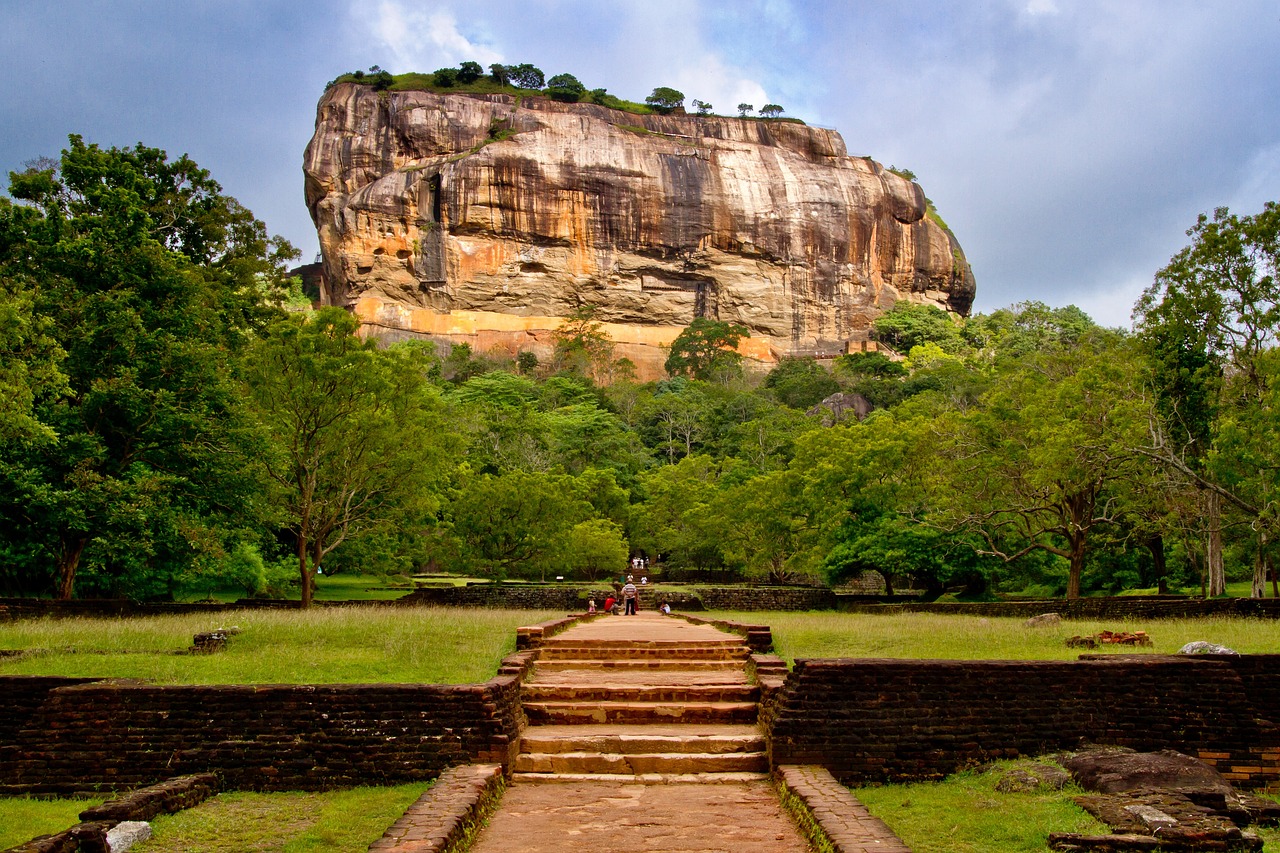
Sigiriya Rock Fortress is one of Sri Lanka's most iconic UNESCO World Heritage Sites and one of the strongest reasons travelers include the Cultural Triangle in their itinerary. Rising nearly 200 meters above flat plains, the site combines urban planning, royal architecture, hydraulic engineering, and defensive strategy in one monumental landscape. A good visit is not only a climb; it is a full archaeological walk through gardens, galleries, terraces, and summit ruins.
Most first-time visitors underestimate Sigiriya because they focus only on summit photos. The real value comes from reading the full sequence: water gardens, boulder gardens, fresco approach, mirror wall zone, lion terrace, and the final ascent. If you plan to explore Sri Lanka by themes, connect Sigiriya with galle dutch fort sri lanka, things to do in colombo, and waterfalls sri lanka for a stronger blend of heritage and landscape travel.
History and Significance
Sigiriya is commonly linked to King Kashyapa in the 5th century CE as a fortified royal capital. Historical interpretation also includes post-royal monastic occupation, which means the site evolved across political and religious phases. This layered timeline is important because it explains why Sigiriya cannot be reduced to a single story of palace ambition. It is a long-use landscape where power, spirituality, and settlement logic intersect.
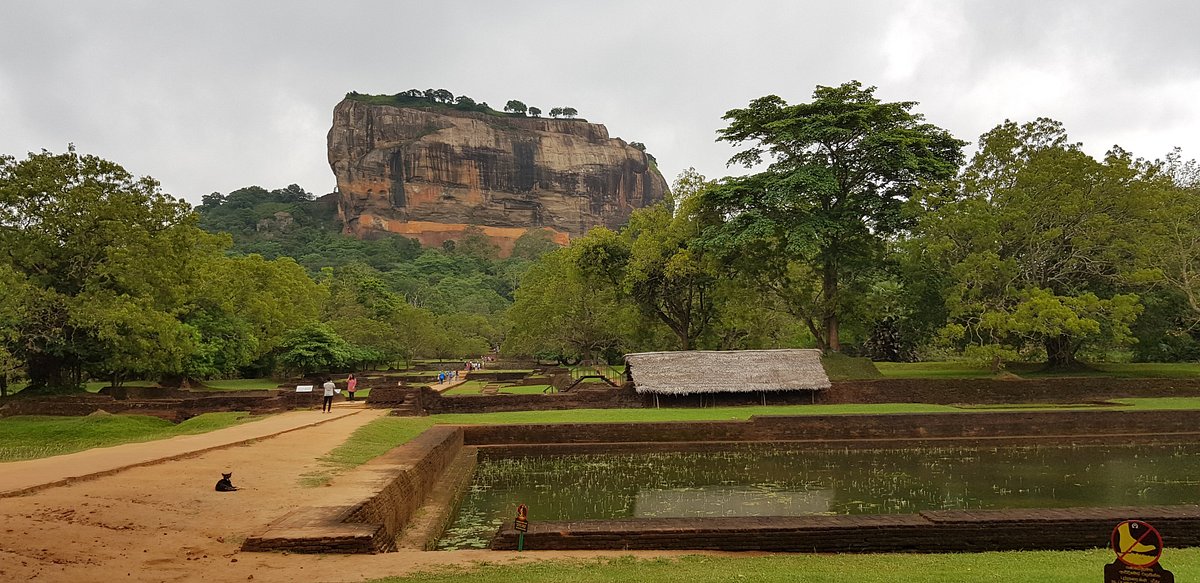
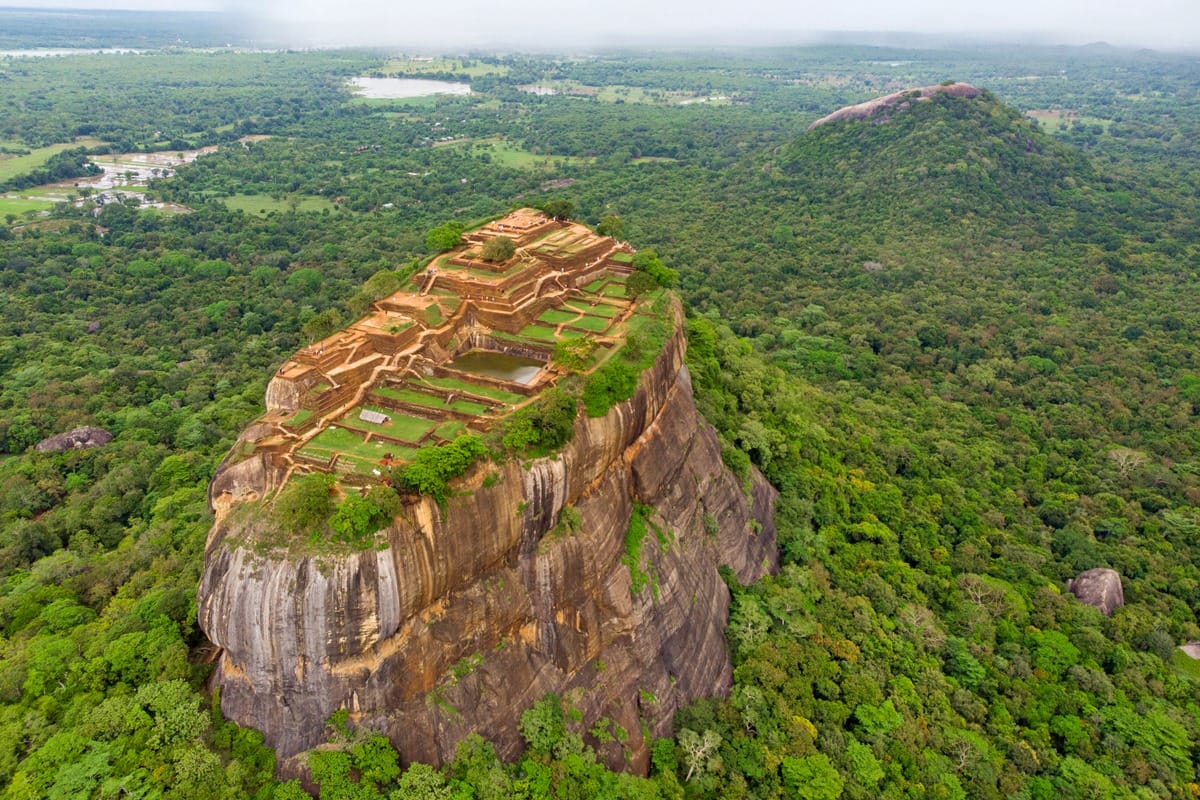
Its UNESCO status reflects not only monument scale but planning intelligence. The lower complex demonstrates axial design and controlled movement. The mid-level zones show symbolic architecture and art placement. The summit reveals how elevation was used for both status and defense. As a traveler, following this progression helps you understand intent instead of treating the climb as a fitness task.
What to See in Sequence
1. Water Gardens
The gardens at the base are among the oldest surviving examples of planned hydraulic landscape design in South Asia. Observe symmetry, channeling, and basin relationships before moving upward.
2. Boulder Gardens
This zone shows how natural rock formations were integrated into movement routes and defensive patterns. The path design slows movement and creates controlled passage.
3. Fresco and Mirror Wall Section
Historic fresco remains and the mirror wall tradition indicate elite aesthetic culture and visitor inscription history over centuries.
4. Lion Terrace and Summit
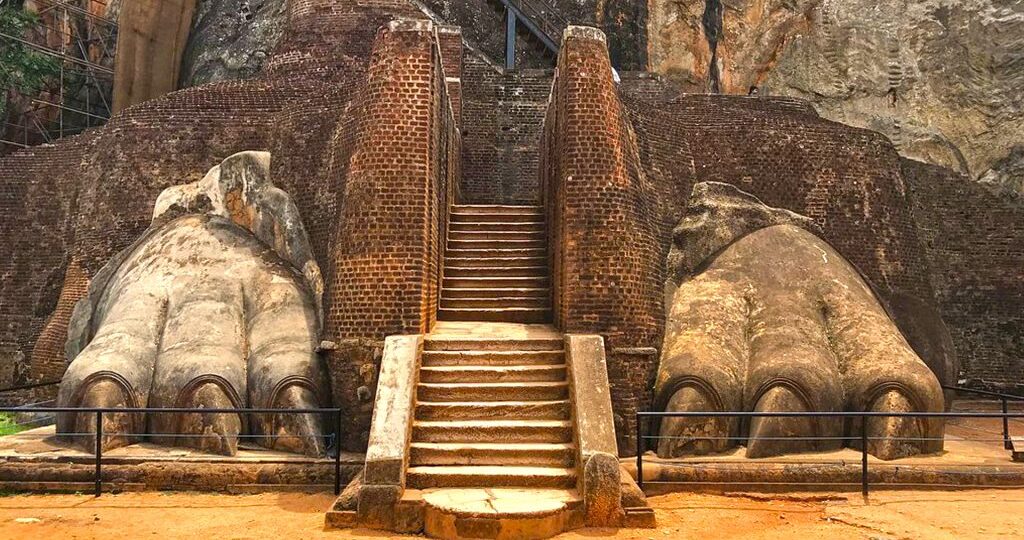
The lion-paw gateway remains one of Sigiriya's strongest symbolic points. Beyond it, summit ruins and panoramic views complete the site narrative.
Climb Strategy: How to Do It Right
The total climb can take 2 to 3 hours round trip depending pace and crowd. Start early, ideally at opening time or shortly after, to avoid heat and heavy queue buildup on narrower sections. Carry only essentials: water, sun protection, and lightweight gear. Shoes with grip are recommended because steps and metal stairs can feel slippery in humidity.
Use a three-stage pace method. Stage one: steady walk through lower gardens while reading context panels. Stage two: moderate ascent with short breaks near major interpretive points. Stage three: careful final climb with no rush on steeper sections. This approach reduces fatigue and improves how much of the site you actually absorb.
Tickets, Timings, and Budget Notes
| Category | Planning Guidance |
|---|---|
| Entry Window | Daytime access with early slots best for comfort and visibility |
| Crowd Pattern | Peak after mid-morning; lower at opening and later windows |
| Visit Duration | Minimum 2 hours, ideal 3 hours with full reading |
| Essentials | Water, hat, breathable clothing, stable footwear |
Always verify current ticket rates and entry rules before travel day. In high season, pair ticket planning with transport confirmations so you avoid losing your best morning window.
How to Reach Sigiriya
Sigiriya is generally approached by road from Colombo, Kandy, Dambulla, or nearby Cultural Triangle bases. Many travelers choose to stay near Sigiriya or Dambulla to avoid very early long-haul drives. If you are arriving from Colombo, keep realistic transit buffers and avoid late-night arrivals before climb day.
A practical regional circuit is Sigiriya plus one nearby heritage site and one lighter landscape segment. Overpacking multiple long transfers in one day usually reduces the quality of each stop.
Best Time to Visit
Seasonally, drier months are generally easier for climbing comfort and clearer visibility, though Sigiriya is visitable year-round with weather-aware planning. Daily timing matters more than month in many cases. Morning entries are consistently better for heat management, lower crowd stress, and cleaner photography light.
If you travel in warmer or humid windows, increase hydration breaks and shorten non-essential detours. Safety and pacing are more important than checklist speed.
Photography Tips
- Start with wide base shots to capture full rock massing before ascent.
- Use side light in lower gardens for depth in stone and vegetation textures.
- At lion terrace, frame scale using people only where movement is safe.
- On summit, shoot horizon panoramas first, then ruin details second.
- Avoid blocking narrow stairs during photo setups.
Common Mistakes to Avoid
- Skipping lower gardens and rushing directly to summit.
- Starting too late and climbing in peak heat.
- Ignoring hydration and footwear planning.
- Treating the site as only a social-media location.
- Packing too many distant stops after a full climb day.
For broader Sri Lanka pacing, add whale watching sri lanka and polhena beach sri lanka on separate lighter days to balance intensity.
Why Sigiriya Is Worth the Effort
Sigiriya stands out because it delivers more than a scenic climb. It offers one of the most complete ancient landscape-architecture narratives in the region. When visited with structure and patience, you leave with insights on engineering, statecraft, art, and environmental adaptation all at once.
Plan the climb early, read the site layer by layer, and keep your route realistic. That method turns Sigiriya from a crowded checklist stop into a top-tier heritage experience.
Extended Travel Strategy
If Sigiriya is a core goal of your Sri Lanka trip, avoid treating it as a same-day side stop from very distant bases. Stay nearby the previous night and start early. This improves both climb safety and interpretation quality. After descent, keep the rest of the day lighter with one nearby cultural point or rest segment. Heavy long-distance transfers immediately after summit exploration reduce trip quality and increase fatigue. A structured plan gives better results than checklist rushing.
For content creators and researchers, document Sigiriya in layers: landscape context, architectural sequence, and governance symbolism. This three-layer model creates more accurate storytelling than random gallery images. End your visit with one final full-frame summit-to-plain perspective and one written takeaway on why the site still matters. That final step turns memory into insight.
FAQ-Style Practical Notes
How hard is the climb? It is moderate for most healthy travelers, but heat and pace management matter more than raw fitness. How long should you allocate? Around 3 hours gives enough room for interpretation and controlled ascent. What should you carry? Water, hat, breathable clothing, and stable shoes are essential. Can you combine Sigiriya with many far stops the same day? It is possible but not recommended if quality matters. A focused morning at Sigiriya with a lighter nearby afternoon segment gives significantly better outcomes.
Travelers with children should start early, use short breaks, and avoid pressure pacing. Visitors sensitive to height should be prepared for exposed sections near upper routes. Good planning transforms this site from physically tiring to deeply rewarding.
Location
Frequently Asked Questions
Q1.How difficult is the Sigiriya climb?
Q2.What is the best time to visit Sigiriya?
Q3.How long does it take to climb Sigiriya?
Q4.What is the entrance fee for Sigiriya?
Q5.What are Sigiriya opening hours?
Q6.Are there different ticket prices for foreigners?
Q7.What should I wear to climb Sigiriya?
Q8.How to reach Sigiriya from Colombo?
Recommended For You

Whale Watching Sri Lanka: Mirissa, Trincomalee & Tips
Plan whale watching in Sri Lanka with coast-wise seasons, species expectations, tour prices, booking checks, and responsible marine travel tips.
Polhena Beach Sri Lanka: Turtle Watching, Swimming & Beach Stays
Discover Polhena Beach in Sri Lanka with turtle watching, snorkeling tips, best season, route planning, and practical Matara travel advice.
Galle Dutch Fort Sri Lanka: History, Walking Route & Nearby Cafes
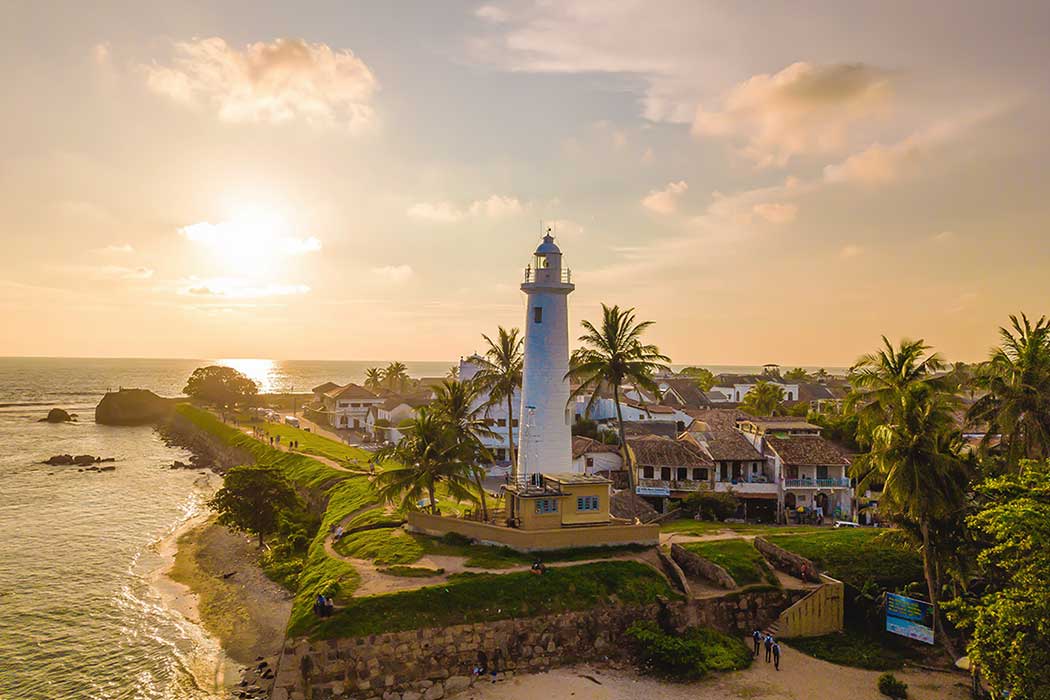
Explore Galle Dutch Fort Sri Lanka: UNESCO heritage status, history, things to do, best time to visit, how to reach, shopping, food, stays, timings, and entry fee info.
Never Miss an Adventure
Get the latest trekking guides, travel tips, and exclusive offers delivered straight to your inbox.
