
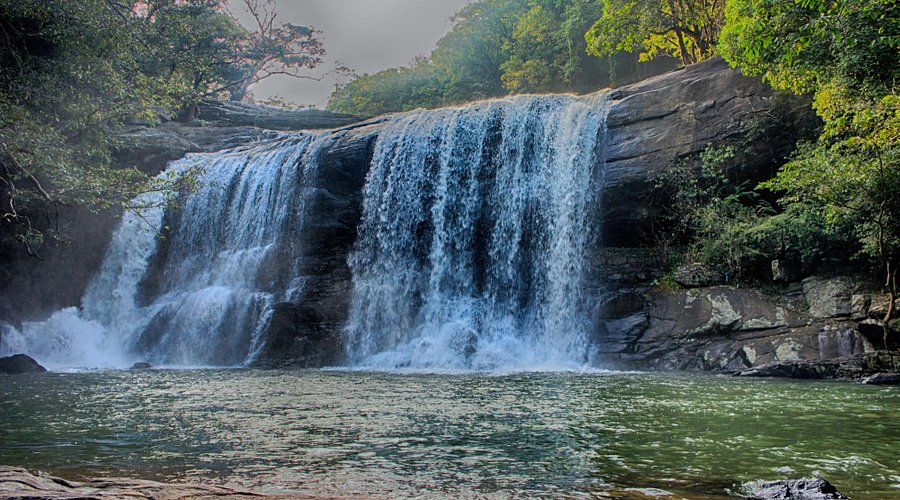
Waterfalls in Sri Lanka: Top 15 Falls, Routes & Best Visiting Months

Rohan Malhotra
February 20, 2026
Discover best waterfalls in Sri Lanka: Bambarakanda, Diyaluma, Dunhinda & more. Locations, height & travel guide.
Introduction: Island's Waterfall Wealth
Sri Lanka stands as one of Asia's richest destinations for waterfall enthusiasts, with a concentration of spectacular falls that belies the island's modest size. The country's geography, with its central highlands and abundant rainfall, creates perfect conditions for waterfall formation throughout the island. From dramatic single-drop falls to multi-tiered cascades, Sri Lanka's waterfalls offer diverse experiences for nature lovers and adventure seekers. Combine your waterfall tour with visits to iconic landmarks like Nine Arches Bridge.
What makes Sri Lanka's waterfalls special is their accessibility and scenic beauty. Many of the country's most impressive falls are reachable by road, allowing visitors to experience these natural wonders without extensive trekking. The tropical climate ensures year-round appeal, with monsoon season creating spectacular flow volumes and dry season offering optimal visiting conditions.
This guide covers Sri Lanka's top waterfalls, including their locations, heights, access information, and practical tips for planning waterfall tours. Whether you're a photographer seeking dramatic cascades, a nature enthusiast exploring island ecosystems, or an adventurer wanting to experience Sri Lanka's natural beauty, these waterfalls deliver.
Bambarakanda Falls (Highest)
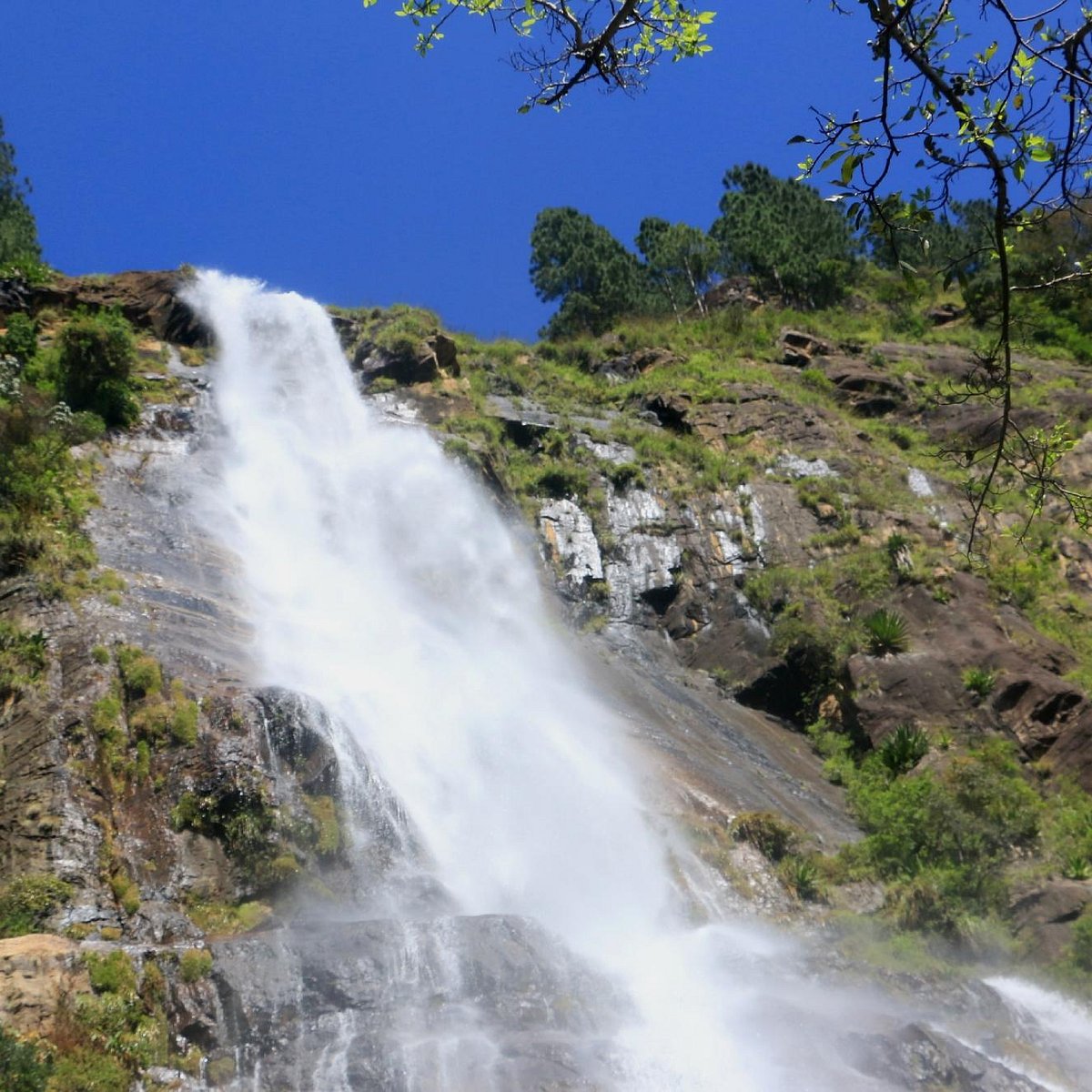
Bambarakanda Falls holds the distinction of being Sri Lanka's highest waterfall, with a total drop of 241 meters. Located in the Nuwara Eliya District, this spectacular cascade is a must-visit for any Sri Lanka waterfall enthusiast. The falls create a dramatic single drop that becomes more powerful after rainfall, particularly during the monsoon season.
Location and Access: Bambarakanda Falls is approximately 5 kilometers from the town of Walapane. The access road passes through tea plantations and rural villages, creating a scenic approach. The final section to the waterfall requires a short trek of about 15-20 minutes, which is moderately challenging but accessible to most visitors.
Physical Characteristics: The waterfall cascades over rock formations in a dramatic single drop. The height and volume create impressive sight and sound, especially when viewed from the designated viewpoint. During peak flow periods, the water creates a mist that can be felt from the viewing area.
Viewing Experience: A designated viewing platform offers safe observation of the falls. From this vantage point, visitors can appreciate the full height and power of Bambarakanda. The viewing area is spacious enough for groups and provides excellent opportunities for photography.
Diyaluma Falls (Second Highest)
Diyaluma Falls, at 220 meters high, ranks as Sri Lanka's second-highest waterfall. Located in the Badulla District, this majestic falls offers a different experience from Bambarakanda, with multi-tiered formation creating varied visual perspectives.
Formation and Structure: Unlike Bambarakanda's single dramatic drop, Diyaluma features multiple cascades that descend the cliff face. This tiered structure creates beautiful composition with water flowing over several levels. The falls spread across the cliff face, creating a wider, more panoramic view.
Surrounding Environment: The area around Diyaluma Falls includes forest and tea plantations. The natural setting provides rich biodiversity, and visitors may spot various bird species and other wildlife. The approach journey passes through rural Sri Lankan landscapes, adding to the overall experience.
Access Considerations: Reaching Diyaluma Falls requires traveling into the Badulla District. The final approach typically involves a short trek. The path can be slippery, especially after rainfall, so appropriate footwear is essential. Local guides are available and recommended for first-time visitors.
Dunhinda Falls (Knuckles Range)
Dunhinda Falls is located in the Knuckles Mountain Range, offering a waterfall experience combined with highland forest environment. The falls cascade through the Knuckles' dense forest, creating a scene of water meeting wilderness in one of Sri Lanka's most biodiverse regions.
Knuckles Region Context: The Knuckles Mountain Range is a UNESCO World Heritage site known for its biodiversity and cultural significance. Dunhinda Falls represents one facet of this region's natural wealth, combining waterfall beauty with the ecological importance of the surrounding forest.
Trekking Experience: Reaching Dunhinda Falls typically involves a trek through the Knuckles forest. The journey itself is part of the experience, passing through diverse ecosystems and offering opportunities to spot wildlife. The trek is moderate in difficulty and suitable for reasonably fit visitors.
Natural Integration: Unlike some isolated waterfalls, Dunhinda feels integrated into its forest environment rather than standing apart. The falls emerge naturally from the forested slopes, and the surrounding vegetation frames the cascades beautifully. This integration creates a more immersive natural experience.
Ramboda Falls (Eliya District)
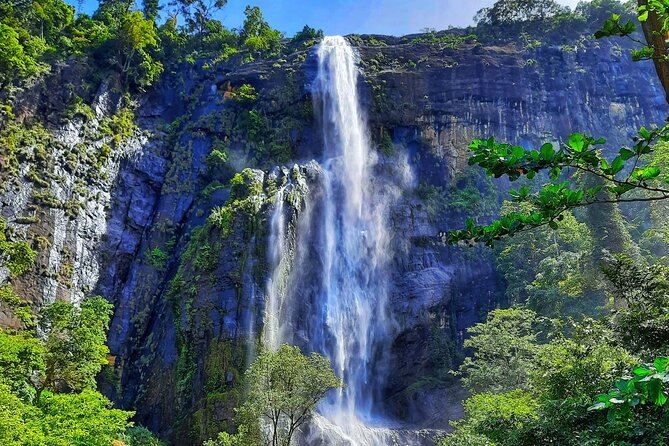
Ramboda Falls is another spectacular waterfall in the Nuwara Eliya District, offering a different experience from the Bambarakanda area. While not as high as the top waterfalls, Ramboda provides excellent viewing and a more intimate setting with fewer crowds.
Scenic Value: Ramboda Falls is particularly known for its scenic beauty and picturesque setting. The falls create a beautiful composition that photographers love, with the water cascading over rocks surrounded by lush vegetation. The surrounding area provides multiple vantage points for appreciating different angles.
Visitor Experience: Ramboda typically attracts fewer crowds than the more famous waterfalls, allowing for a more peaceful experience. The falls are accessible with a shorter approach, and the viewing areas are less congested. This makes Ramboda ideal for visitors seeking tranquility.
Surrounding Features: The area around Ramboda includes interesting natural features beyond the waterfall itself. Small pools below the falls provide opportunities for closer interaction with the water. Rock formations around the cascade add geological interest. These features create a more complete attraction visit.
Additional Notable Waterfalls
Beyond the most famous falls, Sri Lanka offers numerous additional waterfalls that reward exploration. These falls may be smaller but provide unique experiences and beautiful settings.
Ravana Falls: Located in Ella, Ravana Falls is easily accessible and popular with tourists. While not as tall as the highest falls, it offers a convenient waterfall experience for those visiting Ella. The falls are part of a popular hiking trail and provide a nice reward for the trek. Ella is also home to the famous Nine Arch Bridge, another must-see attraction.
Laxapana Falls: This waterfall in the Nuwara Eliya District is less visited than major falls but offers excellent experiences for those who make the journey. The remote location means fewer crowds and more authentic natural setting. Laxapana Falls is ideal for offbeat waterfall exploration. Read our detailed guide on Laxapana Falls for more information.
Rawana Falls: Located in Ratnapura District, Rawana Falls offers another option for waterfall enthusiasts in central Sri Lanka. The falls are accessible and provide a good experience for those not able to travel to the more distant major waterfall areas.
Bopath Ella Falls: Actually located in central Sri Lanka near Ramboda, Bopath Ella Falls is easily accessible and offers pleasant waterfall experiences. The area includes multiple smaller cascades and natural pools, making it suitable for family visits.
| Waterfall | Height | District | Best For |
|---|---|---|---|
| Bambarakanda | 241 meters (highest) | Nuwara Eliya | Height record, dramatic views |
| Diyaluma | 220 meters (2nd highest) | Badulla | Multi-tiered, spectacular |
| Dunhinda | ~60 meters | Knuckles Range | Forest setting, biodiversity |
| Ramboda | ~50 meters | Nuwara Eliya | Scenic, peaceful |
| Ravana | ~30 meters | Ella | Accessible, popular |
Best Time to Visit
Timing your Sri Lanka waterfall visits requires understanding seasonal patterns and regional climate differences. Sri Lanka's monsoon creates distinct waterfall experiences, while the dry season offers optimal conditions.
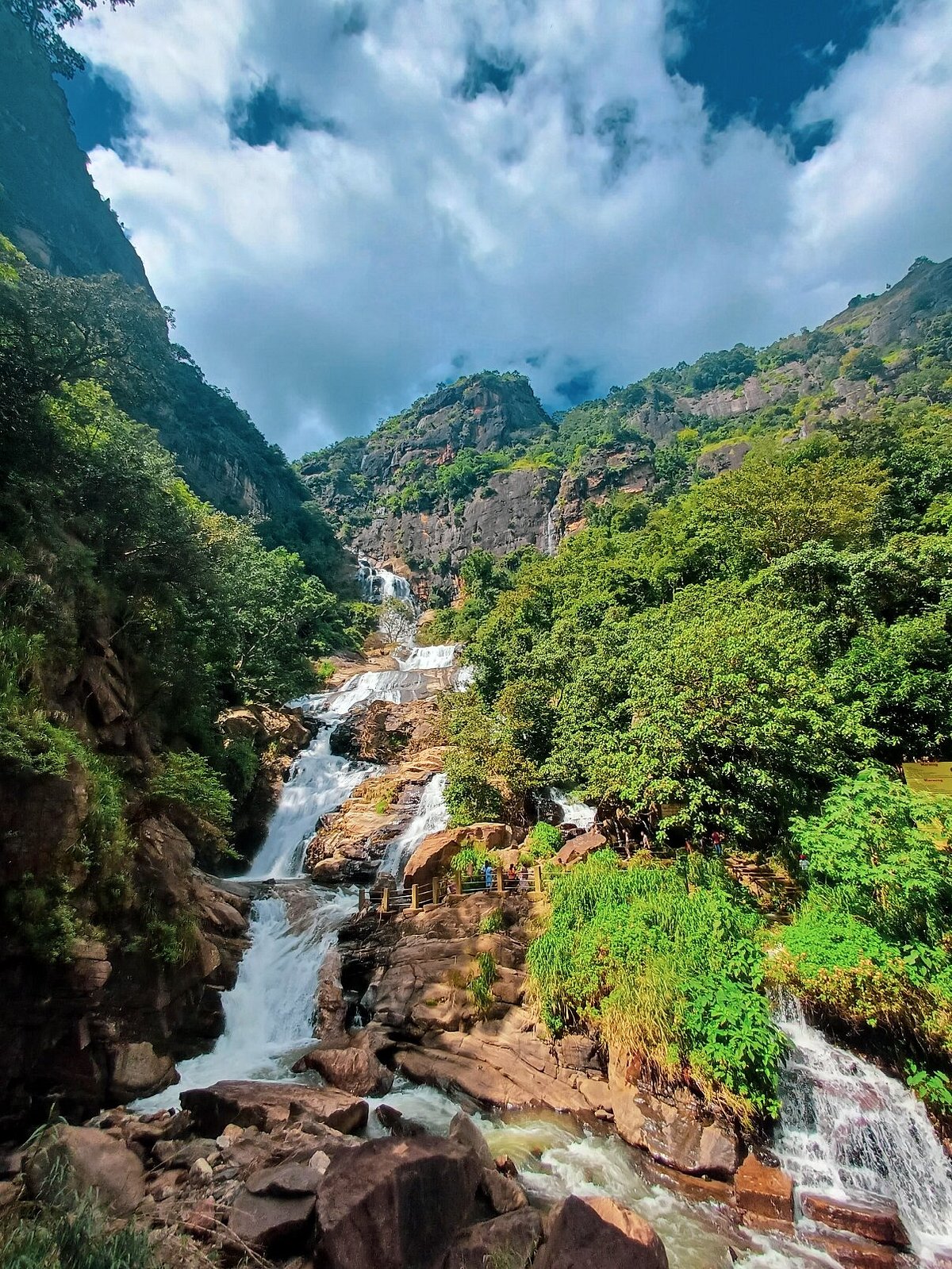
Monsoon Season (May-September): The monsoon period brings maximum water flow to Sri Lanka's waterfalls. The falls reach their most dramatic states with powerful cascades and surrounding mist. This is the most spectacular time for waterfall photography and experiencing nature's raw power. However, access can be more challenging due to slippery conditions, and some paths may be flooded.
Dry Season (October-April): The dry season provides optimal visiting conditions. Water flow is reduced but steady, creating beautiful cascades without overwhelming spray. The dry paths make access safer and viewing more comfortable. This period offers the best balance of spectacular waterfall beauty with manageable conditions.
Regional Considerations: Different districts may have slightly different rainfall patterns. Waterfalls in areas receiving year-round rainfall like Nuwara Eliya District may maintain good flow even during dry months. Always check local conditions before traveling to specific waterfalls.
Time of Day: Early morning visits provide the best photography light, especially for falls facing east or west. Late afternoon can also be beautiful with softer light. Midday visits are acceptable but may have harsher lighting and more crowds.
Planning Tips
Successful waterfall visits to Sri Lanka require preparation and practical planning. These tips help ensure safe and enjoyable experiences.
Footwear: Slippery conditions around waterfalls make appropriate footwear essential. Wear shoes with good grip, preferably trekking shoes with rubber soles. Sandals or flip-flops are not recommended. Some waterfalls have wet areas requiring waterproof footwear.
Weather Preparation: Sri Lanka's tropical climate can be unpredictable, especially during monsoon. Carry rain gear and quick-dry clothing. Check forecasts before waterfall trips, especially for falls in remote areas. Have contingency plans for heavy rain.
Local Guides: For major waterfalls like Bambarakanda and Diyaluma, local guides are available and recommended. Guides know safe routes, provide cultural context, and can enhance your understanding of the falls. For remote waterfalls, guides may be essential for access.
Photography Equipment: Waterfall photography benefits from proper equipment. Bring a waterproof camera case or protection. Consider a polarizing filter for reducing water reflections on surfaces. Tripod is recommended, especially in low-light conditions or for long-exposure waterfall photography.
Safety Precautions: Waterfall areas can be dangerous if proper precautions aren't followed. Never swim at the base of waterfalls unless explicitly safe. Stay on designated paths and viewing areas. Be extremely cautious on slippery rocks near waterfalls. Supervise children closely.
Transportation: Plan transportation to and from waterfalls. Some waterfalls have limited public transport, so private vehicles may be necessary. For remote falls, ensure reliable return arrangements. Consider local tuk-tuks for short distances from main roads.
Conclusion
Sri Lanka's waterfalls represent some of South Asia's most spectacular natural attractions. From Bambarakanda's record-setting height to Diyaluma's multi-tiered beauty, from Dunhinda's forest setting to Ramboda's scenic charm, these cascades offer diverse experiences for every type of visitor.
The combination of accessibility, natural beauty, and year-round appeal makes Sri Lanka an exceptional waterfall destination. Whether seeking the dramatic heights of the top falls, the peaceful atmosphere of less-visited cascades, or the forest setting of falls like Dunhinda, Sri Lanka delivers. Don't miss the sacred Sri Pada (Adam's Peak) if you're visiting the central highlands.
Timing your visit appropriately—monsoon for maximum power and dry season for accessibility—ensures the best possible experience. Proper preparation with appropriate footwear, local guides, and photography equipment maximizes enjoyment while maintaining safety.
For those exploring Sri Lanka's broader natural attractions, waterfall tours combine naturally with visits to tea plantations, national parks, and cultural sites. The diversity ensures a complete understanding of the island's natural wealth beyond just the most famous waterfalls.
Location
Frequently Asked Questions
Q1.What is the highest waterfall in Sri Lanka?
Q2.Where are the best waterfalls in Sri Lanka located?
Q3.What is the best time to visit waterfalls in Sri Lanka?
Q4.How many waterfalls are there in Sri Lanka?
Q5.Can we swim at Sri Lankan waterfalls?
Q6.How to reach Bambarakanda Falls?
Q7.Are Sri Lankan waterfalls accessible?
Q8.What should I wear to visit Sri Lankan waterfalls?
Q9.Do I need a guide for Sri Lankan waterfalls?
Recommended For You
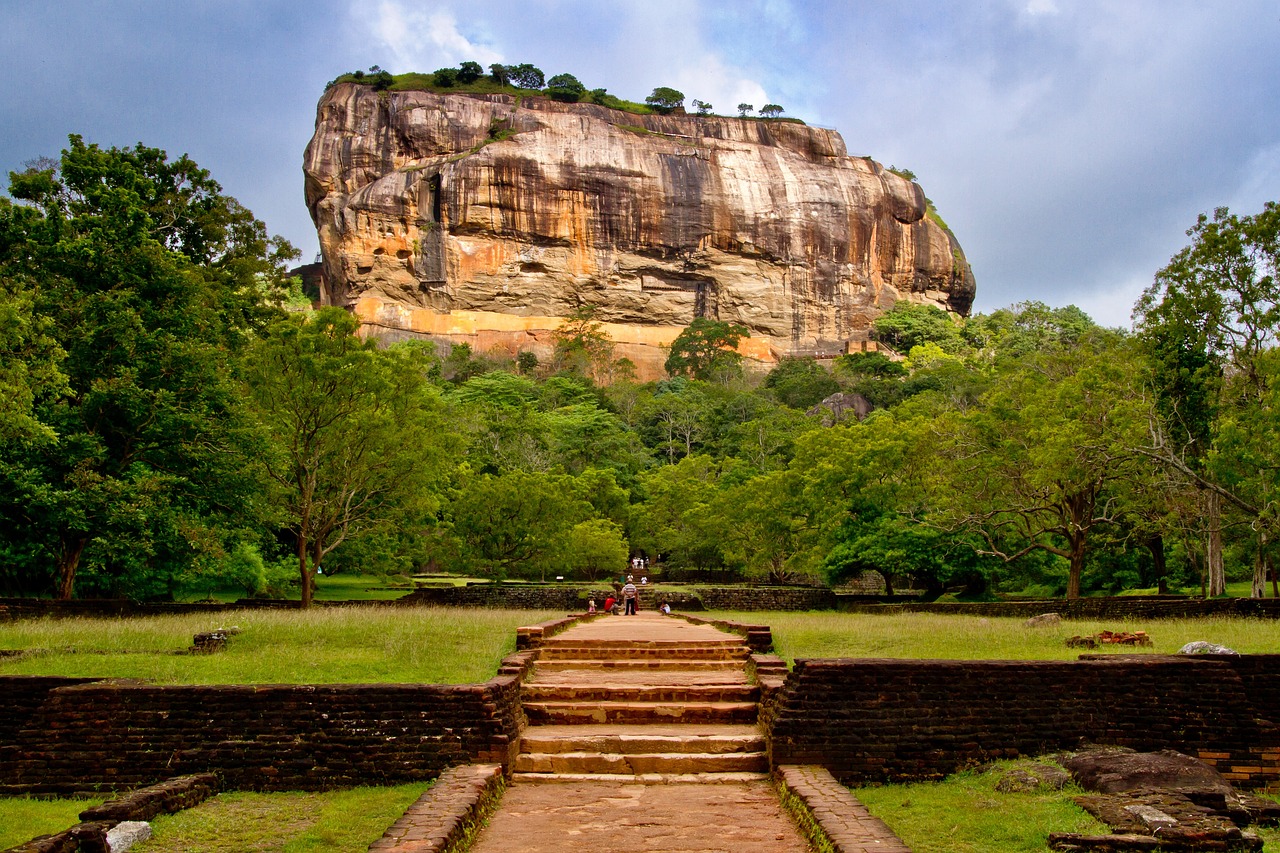
Sigiriya Rock Fortress Sri Lanka: Tickets, Climb Timings & Travel Tips
Complete guide to Sigiriya Rock Fortress Sri Lanka. Details on tickets, timings, climbing tips, history, how to reach, and best time to visit this UNESCO World Heritage Site.
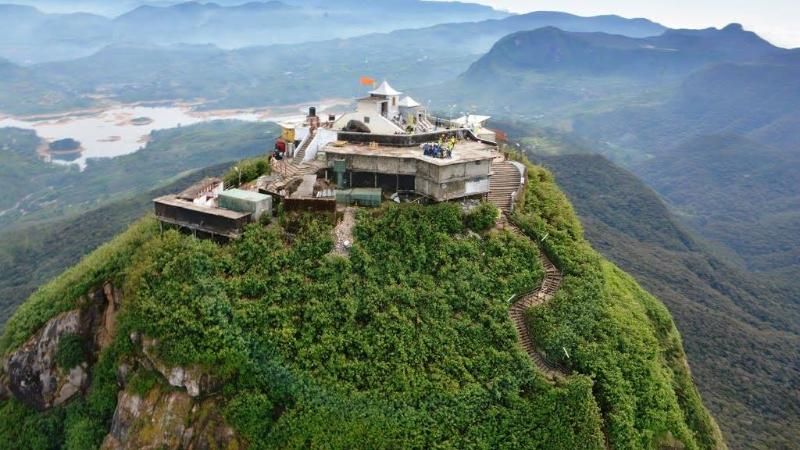
Sri Pada (Adam’s Peak) Sri Lanka: Climb Route, Season & Start Time
Complete guide to climbing Sri Pada (Adam's Peak) in Sri Lanka. Discover the sacred mountain revered by four religions, best climbing season, trail options, preparation tips, and the spectacular sunrise experience.
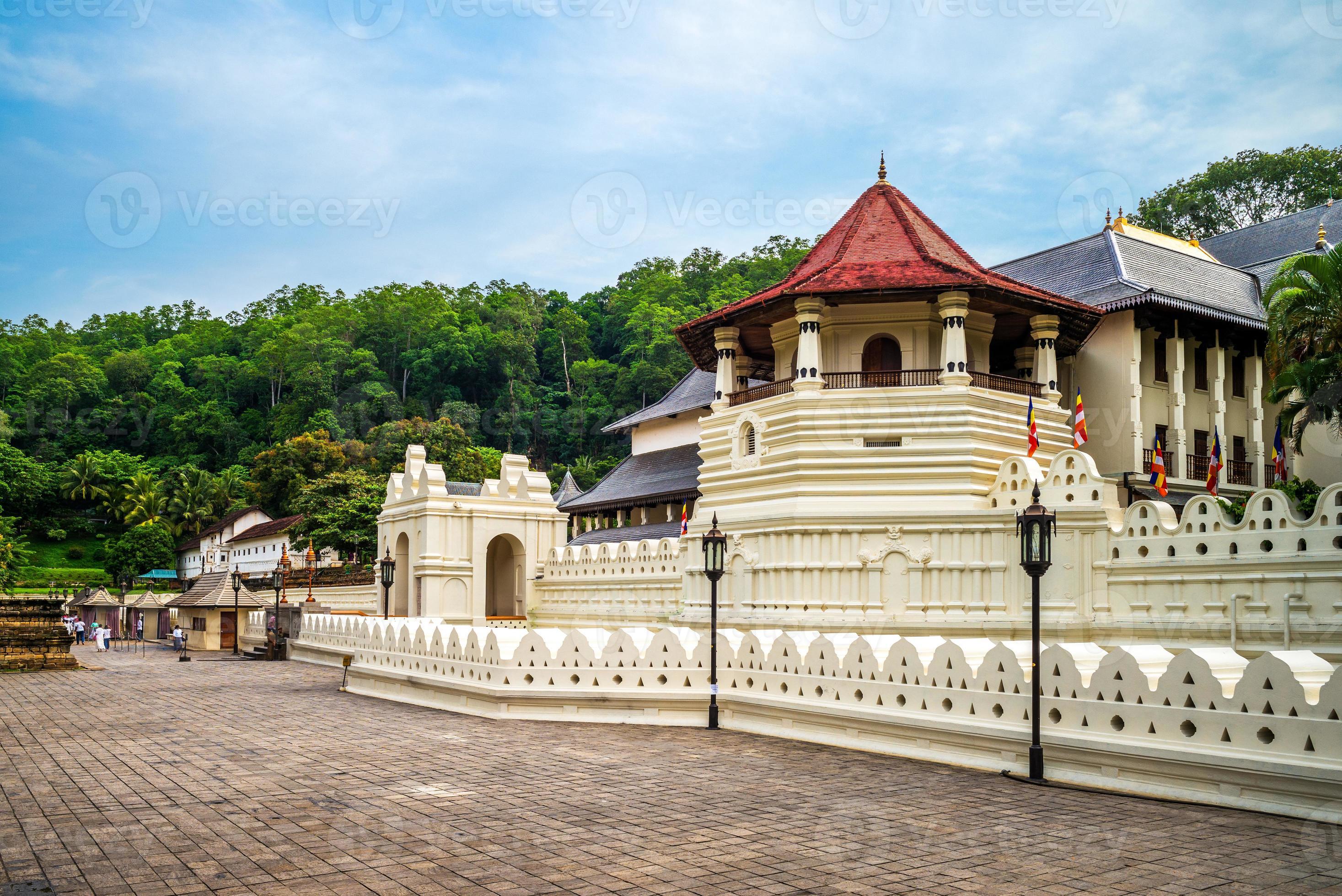
Temple of the Sacred Tooth Relic Kandy: Timings, Dress Code & Entry
Visit Sri Dalada Maligawa, Kandy's sacred temple housing Buddha's tooth. Discover timings, dress code, rituals, history & travel tips.
Never Miss an Adventure
Get the latest trekking guides, travel tips, and exclusive offers delivered straight to your inbox.
