
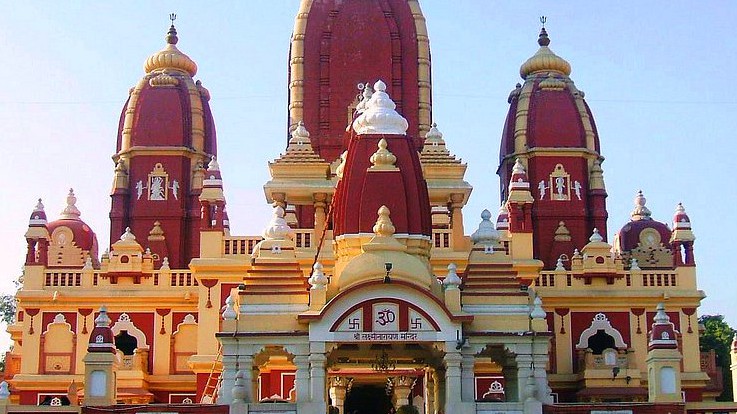
Laxmi Narayan Temple Varanasi Guide: Darshan Timing, Etiquette, Route Planning, and Practical Visit Tips

Rahul Garg
February 27, 2026
Plan your Laxmi Narayan Temple Varanasi visit with proper timing, etiquette, and practical route planning for a smoother darshan experience.
Introduction
Laxmi Narayan Temple in Varanasi attracts devotees and cultural travelers who want a spiritually meaningful temple visit within the broader rhythm of the city. Many visitors reach the temple with devotion but without route clarity, timing strategy, or practical planning for crowd and weather conditions. This guide is designed to help you visit respectfully and smoothly. It covers when to go, how to structure darshan, what conduct to follow, and how to integrate the temple into a Varanasi itinerary without rush.
Spiritual Context of the Temple
Laxmi Narayan devotion in Varanasi is rooted in tradition and regular local worship. For pilgrims, this temple is not only a stop but a part of daily spiritual culture. Visitors who treat the place as a living devotional space rather than a quick monument experience it more deeply. A short reflective pause before entering helps set the right mindset for darshan and respectful participation.
Best Time to Visit Laxmi Narayan Temple
Timing strongly affects the quality of your visit. Early and evening devotional windows usually offer better atmosphere and manageable flow. Midday can be warmer and less comfortable, especially in peak months. If you prefer quiet darshan, choose lower-footfall windows. If your goal is devotional energy, choose active worship periods and keep extra time for queue and movement.
Darshan Planning and Movement Flow
A practical darshan sequence is simple: arrive with a buffer, complete respectful queue movement, participate in worship calmly, and avoid blocking pathways for photos or group waits. Keep your essentials light and define one regroup point if traveling with family. These small decisions reduce stress and preserve the sanctity of the environment. In sacred spaces, steady behavior is more valuable than speed.
Temple Etiquette and Dress Conduct
Wear modest attire, keep voice levels low, and follow on-site guidance. Avoid intrusive recording in sensitive worship zones. If uncertain about a local custom, ask politely or observe before acting. Respectful conduct supports a better environment for everyone and helps first-time visitors avoid accidental disruption. This is especially important during active rituals and peak devotional hours.
Combining the Temple with Varanasi City Route
Laxmi Narayan Temple is best paired with one additional spiritual or city block, not an overloaded checklist. A useful combination is one temple visit plus one ghat or food segment. For broader planning, align with best places to visit in Varanasi and distribute your major stops across the day. If you are staying nearby, route support from Airbnbs in Varanasi can help reduce transfer friction.
Food, Breaks, and Energy Management
Keep meals light before darshan and schedule your main meal afterward. In warm periods, hydration is essential, especially if you combine temple visits with walking-heavy segments. A stable food and water rhythm protects comfort and improves patience in queues. Avoid very dense schedules that combine long transit and spiritual visits without recovery windows.
Family and Senior-Friendly Visit Strategy
Families should keep clear regroup points and short activity windows between temple and city segments. Senior visitors benefit from off-peak timing and conservative movement pace. If your group has mixed preferences, assign one coordinator for timing and one for practical needs. Clear roles reduce confusion and improve the overall experience quality.
How to Keep the Visit Spiritually Meaningful
Many visitors unintentionally turn temple visits into fast transitions between photo locations. To avoid this, protect ten to fifteen minutes for quiet reflection before or after darshan. This small practice transforms the visit from transactional to meaningful. Spiritual depth is often created by stillness, not by adding more places in the same time window.
Common Mistakes to Avoid
Frequent mistakes include peak-hour overloading, unplanned route jumps, and treating sacred spaces like general tourist zones. Another common issue is combining too many stops before darshan, which reduces patience and focus. Correct these with one-core-goal planning and deliberate pacing. Varanasi rewards calm structure more than aggressive coverage.
Practical 2-3 Hour Template
Arrive in a chosen timing window, complete darshan, keep one brief reflection pause, and then move to one nearby curated segment. This gives enough spiritual and practical value without exhaustion. If you have a full day, add only one major extension after proper food and rest.
How to Integrate Laxmi Narayan Temple Into a Full Varanasi Day
A practical Varanasi day around Laxmi Narayan Temple can follow a calm sequence: morning darshan block, midday rest and meal, and evening spiritual continuation near ghats. This sequence balances devotion and city movement without creating fatigue. If you are planning multiple sacred stops, avoid back-to-back high-crowd windows. Instead, keep one high-intensity spiritual block and one low-intensity reflective block each day. This design improves both spiritual focus and physical comfort.
For visitors exploring a wider devotional circuit, linking this temple with Kashi Vishwanath Temple Varanasi on separate timing windows is often more effective than compressing both into one rushed schedule. You can close the day with a calmer spiritual atmosphere around Ganga Aarti Varanasi or keep that for another day based on crowd preference. The key principle is not maximum stops, but meaningful and sustainable participation.
Visitor Readiness and Practical Micro-Checklist
Before leaving your stay, run a quick checklist: dress suitability, hydration, route clarity, and regroup plan for your group. These small checks prevent avoidable friction and make temple visits smoother. If you are traveling with children or elders, assign one family member to coordinate timing and one to carry essentials. Structured roles reduce confusion in mixed crowd conditions.
Also keep a post-darshan recovery slot. A short seated break, water intake, and controlled onward movement preserve your energy and maintain spiritual composure. Varanasi can be intense; paced transitions protect the quality of your full-day experience.
Why Slow Spiritual Travel Works Better in Varanasi
Varanasi rewards depth and stillness. When travelers rush from one sacred point to another, they often lose the emotional and spiritual context that makes the city special. Slow spiritual travel means fewer stops, more attention, and better integration of ritual, reflection, and local life. This approach is not only emotionally richer but also operationally stronger because it reduces crowd stress and decision fatigue.
If this is your first Varanasi trip, consider building your plan from Varanasi travel guide style sequencing and treat each temple as a focused chapter rather than a quick checkpoint. This one mindset shift can transform the quality of the journey.
Extended Planning Framework for Devotional Travelers
A reliable Laxmi Narayan Temple visit improves when you plan your day in three deliberate layers: spiritual objective, comfort management, and transition control. Spiritual objective means choosing whether your priority is quiet darshan, aarti participation, or combined temple circuit. Comfort management means hydration, meal timing, footwear, and crowd-time awareness. Transition control means deciding in advance what you will do immediately before and after the temple so you do not drift into rushed decisions. This framework is simple but highly effective in Varanasi.
Travelers who follow this layered method usually report lower stress and stronger spiritual connection. They move less randomly, wait less in avoidable queues, and preserve more attention for actual worship. If your group has elders, add a short seated pause before and after darshan. If your group has children, keep instructions simple and clear before entry. These small operational decisions create a calmer environment and make the temple experience more meaningful for everyone.
Practical Closure for Temple-Centric Days
The final hour of a temple day often decides your total experience quality. Avoid loading it with uncertain transport or last-minute shopping pressure. Keep closure gentle: one short reflective pause, one planned meal, and a predictable return path. This preserves emotional continuity and reduces end-of-day fatigue. Spiritual travel is strongest when closure is as intentional as arrival.
Conclusion
Laxmi Narayan Temple Varanasi is best experienced with respectful conduct, timing awareness, and route clarity. Keep your visit calm, intention-driven, and realistically paced. With this approach, the temple becomes a genuinely rewarding part of your Varanasi journey rather than a rushed stop between attractions.
Location
Frequently Asked Questions
Q1.What is the best time to visit Laxmi Narayan Temple Varanasi?
Q2.Can the temple be combined with other Varanasi spots in one day?
Q3.What is the biggest visitor mistake at this temple?
Recommended For You
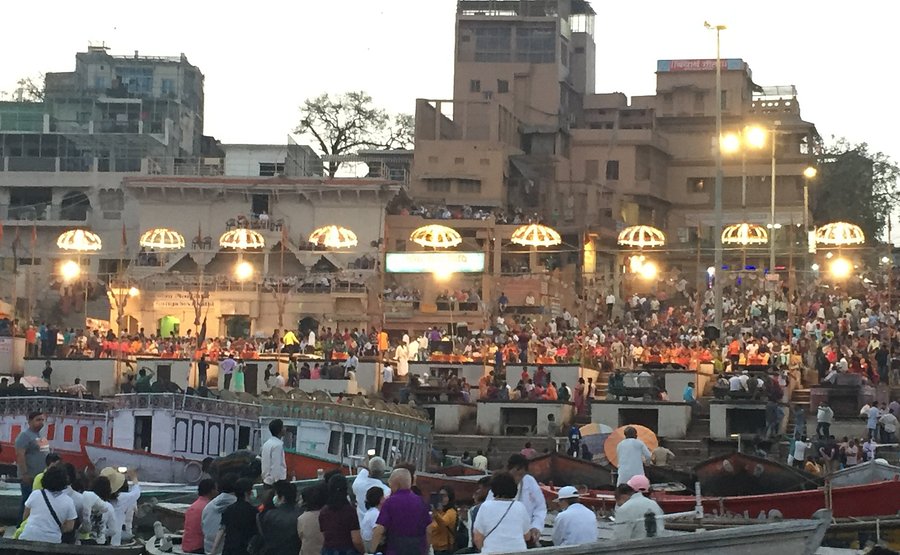
Ganga Aarti Varanasi: Timings, Best Ghats & Evening Plan
Plan your Ganga Aarti Varanasi evening with practical timing windows, best-view options, crowd-safe movement tips, and a smooth itinerary.
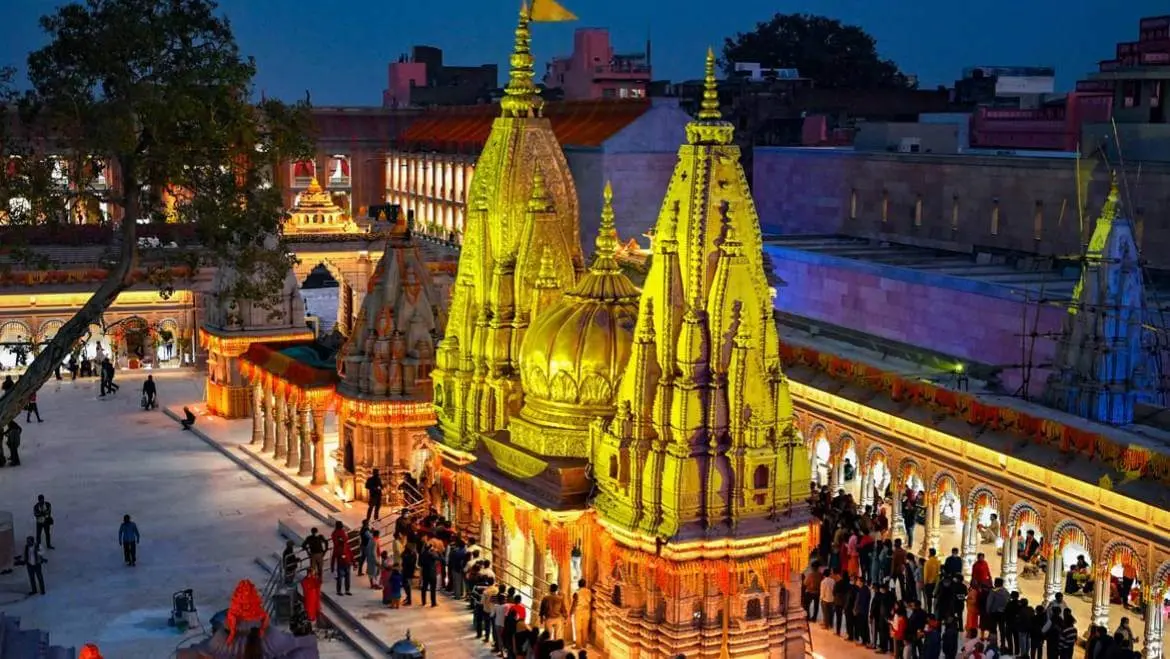
Kashi Vishwanath Temple Varanasi: Darshan Timings, Aarti & Corridor Info
Plan your Kashi Vishwanath Temple Varanasi visit with practical darshan timing, route strategy, budget guidance, and one-day temple-plus-ghat itinerary tips.
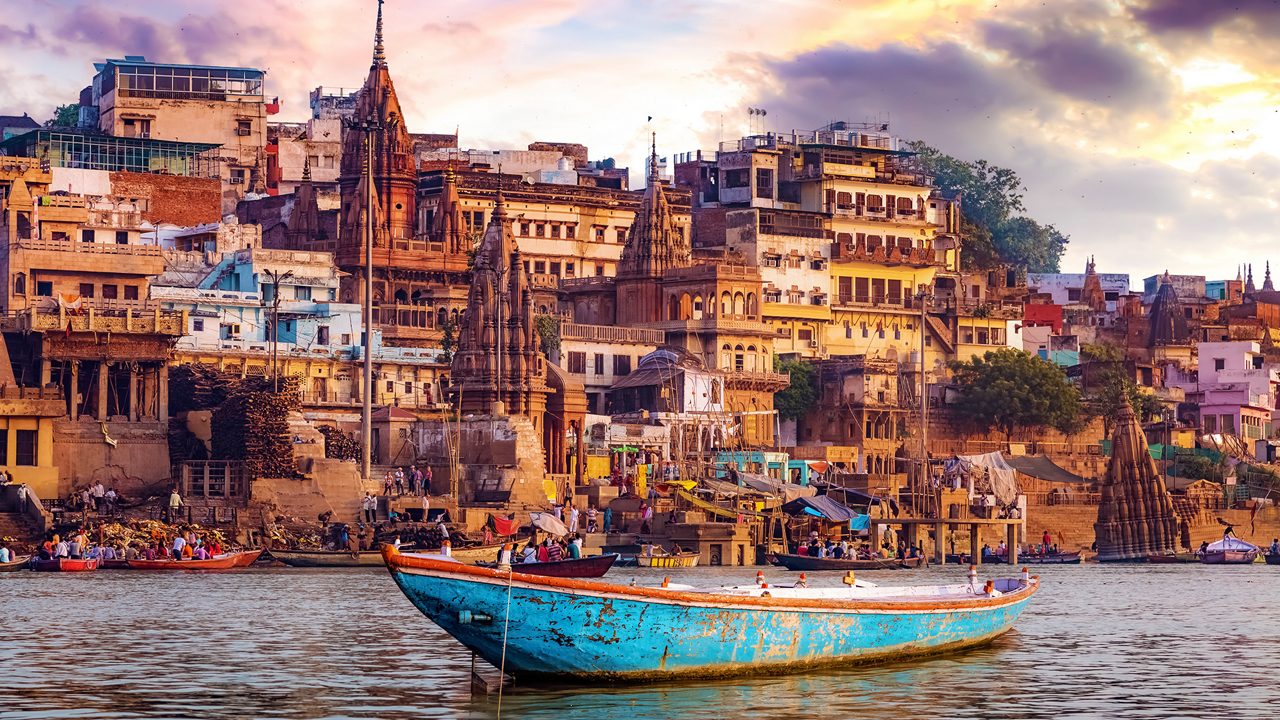
Varanasi: Complete Travel Plan Places And Weather
Complete Varanasi travel guide featuring Kashi Vishwanath Temple, Ganga Aarti, ghats, Sarnath, spiritual experiences, food & practical tips.
Never Miss an Adventure
Get the latest trekking guides, travel tips, and exclusive offers delivered straight to your inbox.
