
Spiritual
Ganga Aarti Varanasi: Timings, Best Ghats & Evening Plan

Priya Mehta
February 20, 2026
5 min read2,375 views
Plan your Ganga Aarti Varanasi evening with practical timing windows, best-view options, crowd-safe movement tips, and a smooth itinerary.
Ganga Aarti significance and context
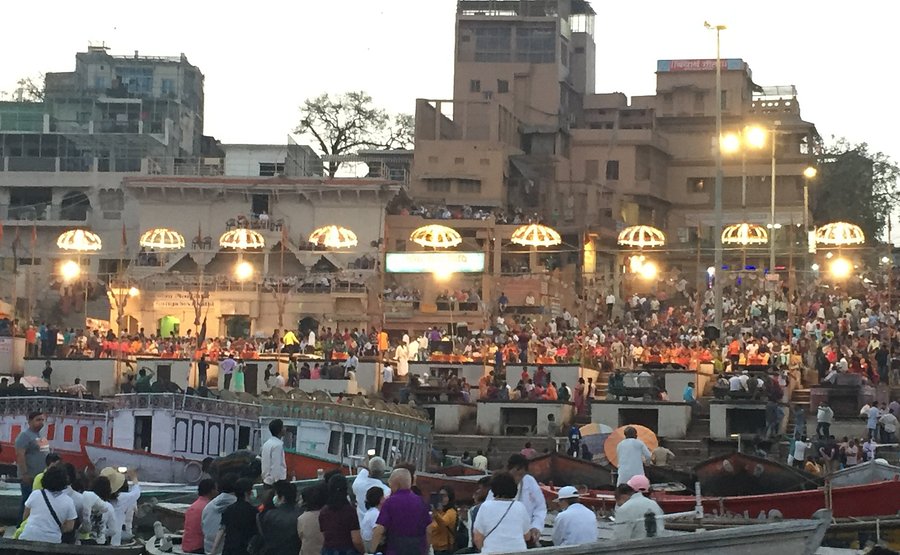
Ganga Aarti in Varanasi is one of India’s most recognized spiritual ceremonies, performed on the riverfront with synchronized chants, lamps, incense, and ritual movement by priests. For most visitors, the main ceremony at Dashashwamedh Ghat becomes the emotional highlight of the trip because it combines devotion, sound, fire, and river atmosphere in one intense public ritual. For planning purposes, treat this as a high-density evening event rather than a quick stop. The experience depends on where you stand, how early you arrive, and how you exit after the ceremony. If you want to combine temple and market visits on the same day, map your route first using Kashi Vishwanath Temple Varanasi and Godaulia Market Varanasi.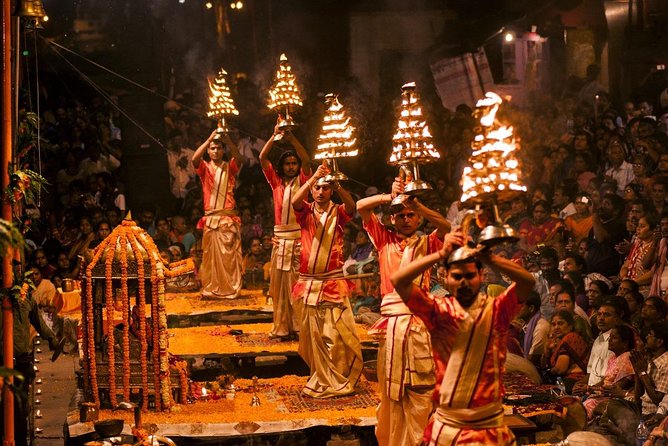
Timings and ideal arrival windows
Aarti timing usually tracks sunset and can shift by season or local management decisions. Most reliable planning works with a window approach, not a fixed minute.| Season Window | Typical Start Range | Recommended Arrival | Why This Works |
|---|---|---|---|
| Winter (Nov-Feb) | Around sunset, often earlier evening | 60-75 minutes before start | Better seat space and smoother entry |
| Summer (Mar-Jun) | Around sunset, usually later than winter | 45-60 minutes before start | Less last-minute crowd stress |
| Monsoon (Jul-Sep) | Variable by weather and river conditions | 60+ minutes with buffer | Allows route changes if needed |
Best viewing options: ghat vs boat
Where you watch from defines your entire experience. There is no single best option for everyone; choose by comfort, budget, and crowd tolerance.| View Type | Experience Style | Pros | Watch-outs |
|---|---|---|---|
| Ghat steps | Immersive and high-energy | Closest ritual feel, clear chanting atmosphere | Crowded, standing pressure, early arrival needed |
| Boat on river | Panoramic and calmer | Wider visual frame, less pushing | Advance booking helps; view depends on boat position |
| Rooftop near ghat | Comfort-focused | Seating and less movement stress | Distance from ritual intensity; variable sightlines |
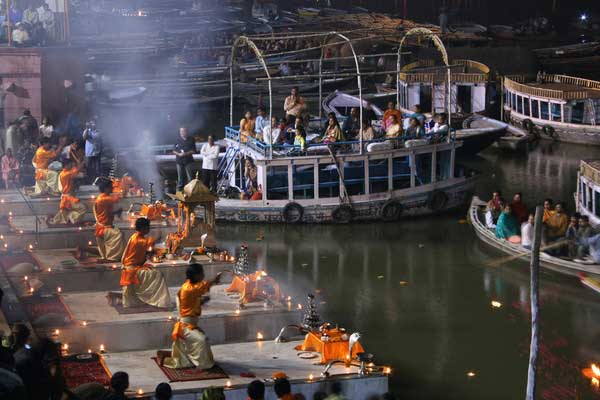 First-time visitors who want full ritual intensity usually prefer ghat viewing. Families with children or seniors often find a pre-booked boat or controlled rooftop setup easier.
Crowd navigation and safety guidance
Dashashwamedh approach lanes can become dense before and after the ceremony. Build your entry and exit logic before you leave your hotel.Entry strategy
1. Reach the zone early and identify one primary viewing spot. 2. Note one alternate lane in case of bottleneck. 3. Keep your group together with a simple meeting point plan.Safety checklist
- Carry only essential cash and secure your phone. - Wear comfortable footwear with grip for stone steps. - Keep hydration but avoid carrying bulky bags. - Follow police and local volunteer guidance immediately. - Avoid edge crowding while taking photos or videos. If you are planning a calmer riverside visual experience on another day, you can pair this with Sunset in Varanasi for better pace balance.Evening itinerary around the aarti
A simple evening plan prevents rushed movement and improves overall quality of experience.| Time Block | Suggested Activity | Planning Note |
|---|---|---|
| Late Afternoon | Temple/market block near old city | Finish major movement before peak buildup |
| Pre-Aarti Window | Reach viewing point and settle | Keep 45-75 minute buffer by season |
| Aarti Duration | Attend ceremony without moving frequently | Frequent repositioning increases stress |
| Post-Aarti | Slow exit via planned lane | Wait a few minutes if exits are jammed |
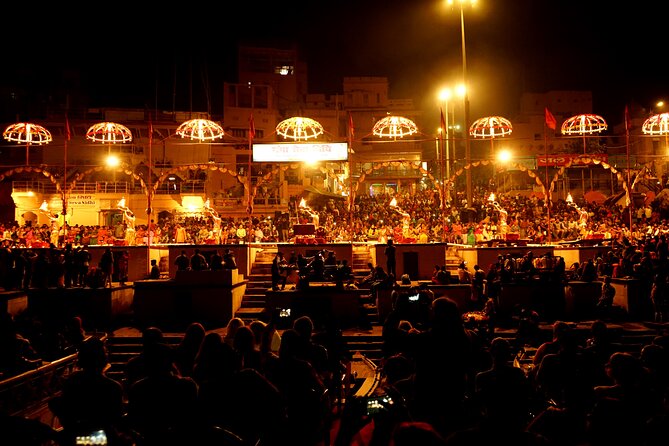 Keep expectations realistic: this is a sacred public event with heavy attendance, so comfort improves more with planning than with spending.
Budget and local transport notes
Your aarti evening budget usually includes local transfers, optional boat/rooftop viewing, refreshments, and light shopping around old-city lanes. Costs vary by season, demand, and negotiation.Practical budgeting buckets
- Last-mile transport to old city access points - Viewing choice (free ghat, paid boat, or rooftop seat) - Snacks/tea/water and basic convenience purchases - Return transfer buffer for late-evening movement For smoother exits, many travelers pre-arrange pickup points slightly away from the densest lane clusters instead of expecting direct vehicle access right next to the ghat.Common mistakes to avoid
1. Arriving too late and expecting front-row visibility. 2. Trusting one fixed online timing without same-day verification. 3. Overpacking the evening with too many distant stops. 4. Ignoring exit planning and getting stuck in bottlenecks. 5. Carrying valuables loosely in high-density zones. 6. Choosing boat view last minute during peak travel days. 7. Not accounting for elders and children in crowd-heavy segments.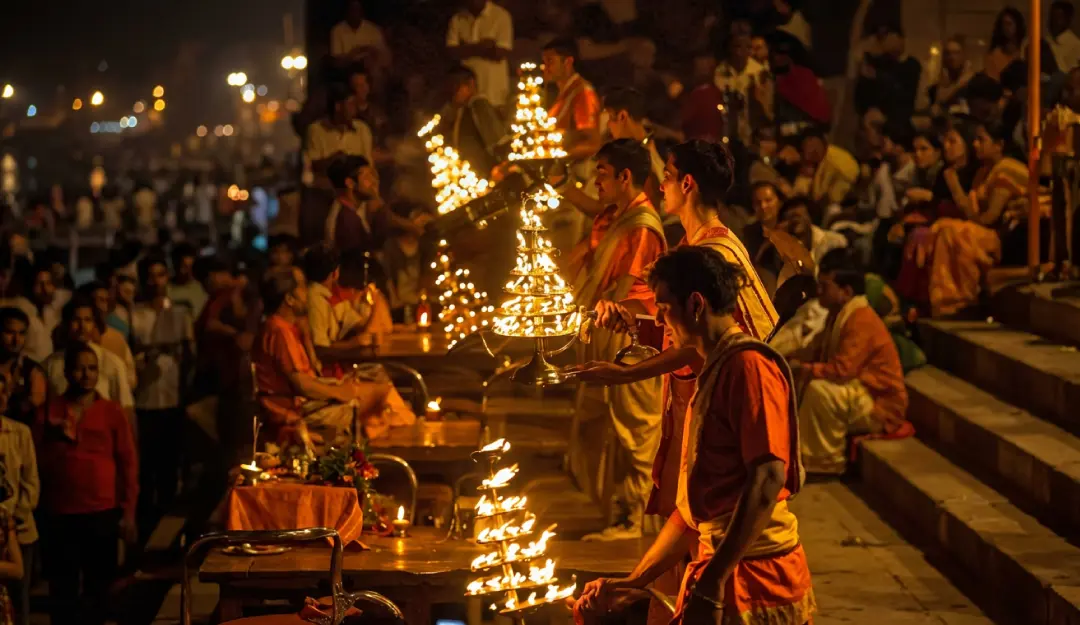
Conclusion
Ganga Aarti Varanasi becomes memorable when you plan it as a full evening experience, not a single event marker. Arrive with buffer, choose your viewing style carefully, and prioritize safe movement over rushed coverage. With the right approach, even first-time visitors can experience the ceremony deeply while avoiding the most common crowd and timing mistakes.Ghat-by-ghat context around Dashashwamedh
Dashashwamedh Ghat does not exist in isolation. It sits in a chain of ghats along the Ganga, each with its own character and crowd pattern. Understanding this chain helps visitors plan a smarter evening instead of treating the aarti as an isolated stop.| Nearby Ghat | Character | Why It Matters for Aarti Planning |
|---|---|---|
| Assi Ghat | Quieter, popular for morning yoga and sunrise boat rides | Good alternate base if Dashashwamedh feels overcrowded |
| Manikarnika Ghat | Cremation ghat with deep religious significance | Approach with quiet respect; not a photography spot |
| Dashashwamedh Ghat | Main aarti stage with maximum footfall | Core evening ritual location covered in this guide |
Seasonal atmosphere differences
The mood of Ganga Aarti shifts noticeably across the year, and this affects both comfort and visual experience.Winter evenings
Winter brings cooler air, hazy river light, and a slightly more subdued crowd density on weekdays. Smoke and incense linger visibly in the cold air, which many photographers find adds atmosphere. Carry a light jacket, as riverside evenings can turn chilly quickly after sunset.Summer evenings
Summer aartis start later relative to the clock but the heat during the day means visitors often arrive tired. Stay hydrated through the afternoon and avoid direct sun exposure before the ceremony so you are comfortable standing through the full ritual.Monsoon evenings
Monsoon season can bring dramatic river levels and occasional ghat flooding, which sometimes shifts the ceremony platform slightly. Always check local conditions a day in advance if visiting between July and September, since heavy rain can also affect boat availability.Why the ritual structure matters
The aarti itself follows a structured sequence performed by a coordinated group of priests, involving synchronized movements with multi-tiered brass lamps, conch shells, incense, and Sanskrit hymns dedicated to the river Ganga. Understanding this structure in advance helps visitors appreciate the choreography rather than just observing a loud, unfamiliar spectacle. The ceremony typically builds from quieter opening chants toward a more intense, high-energy segment with flame and sound reaching a peak, before gradually winding down. Watching for these phases makes the experience feel less overwhelming and more meaningful, especially for first-time visitors unfamiliar with Hindu riverside rituals.Location
Frequently Asked Questions
Q1.What is the best time to attend Ganga Aarti in Varanasi?
Evening aarti is usually aligned with sunset and the exact start can shift by season. Confirm same-day timing locally and arrive with buffer time.
Q2.How early should visitors reach Dashashwamedh Ghat?
Most visitors should reach 45 to 75 minutes early depending on season and crowd level, especially on weekends and festival dates.
Q3.Is boat viewing better than ghat viewing?
Ghat viewing feels more immersive, while boat viewing offers a wider perspective and less pushing. The better option depends on comfort preference and group type.
Q4.Is Ganga Aarti suitable for family travelers?
Yes, families can attend comfortably with early arrival, lighter bags, clear meeting points, and a planned exit route.
Q5.What is the average budget for an evening aarti plan?
Budget depends on viewing type and transport choice. Plan separately for local transfers, optional boat or rooftop viewing, and refreshments.
Q6.Can Ganga Aarti be combined with temple visits in one evening?
Yes. It is common to combine temple and market visits before aarti, but keep realistic buffers because old-city movement slows near peak hours.
Q7.What should visitors carry for the aarti experience?
Carry essentials only: water, secure phone/wallet, comfortable footwear, and minimal valuables for easier movement in crowds.
Q8.What common mistakes should first-time visitors avoid?
Avoid late arrival, rigid timing assumptions, no exit planning, and overloading the evening itinerary with too many far-apart stops.
Recommended For You
Food
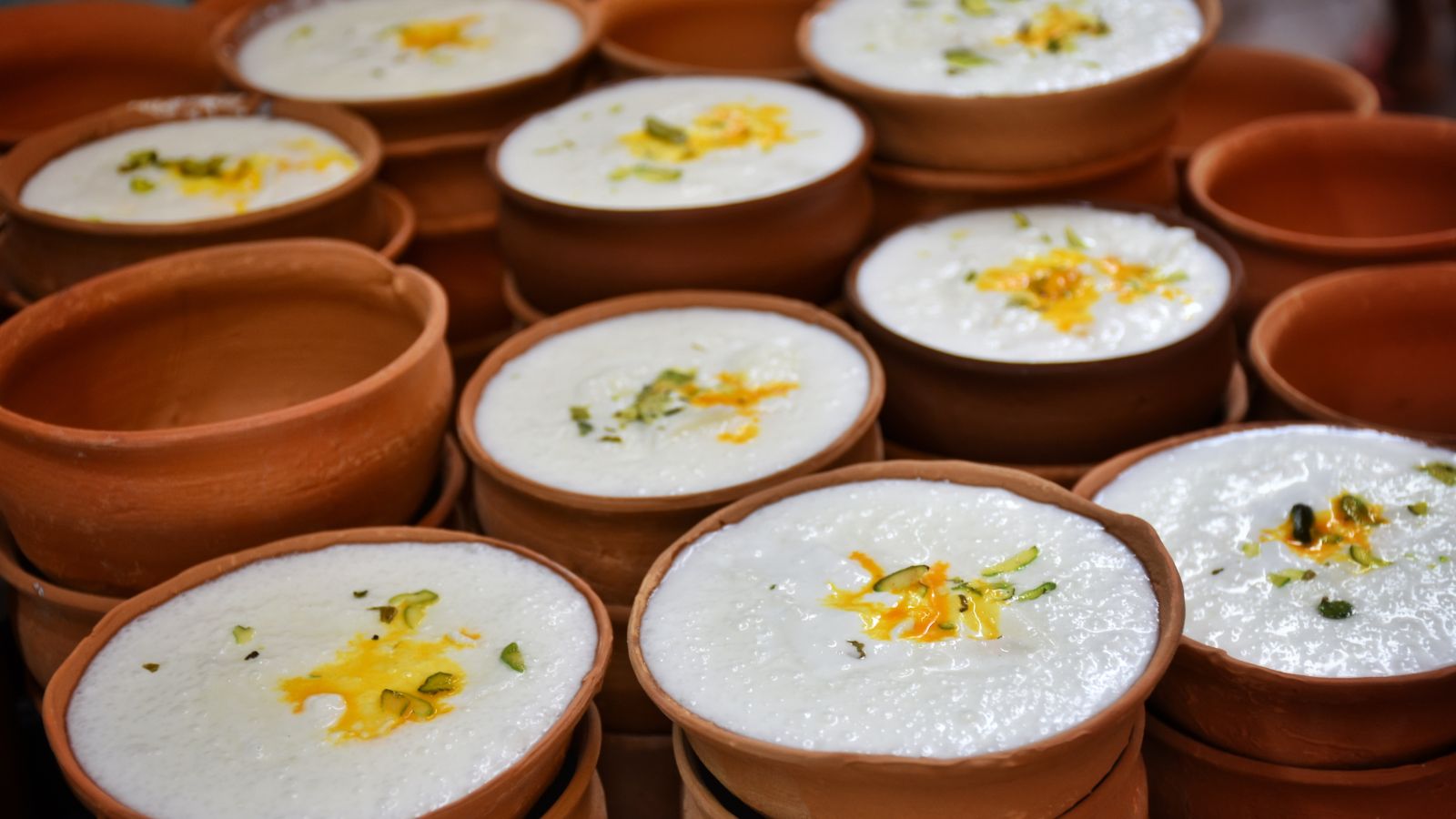
Best Local Food in Varanasi: Must-Try Guide and Tips
Best local food in Varanasi guide with breakfast-first sequencing, street food strategy, sweet-stop planning, and practical one-day routes.
Feb 18Read More
Spiritual
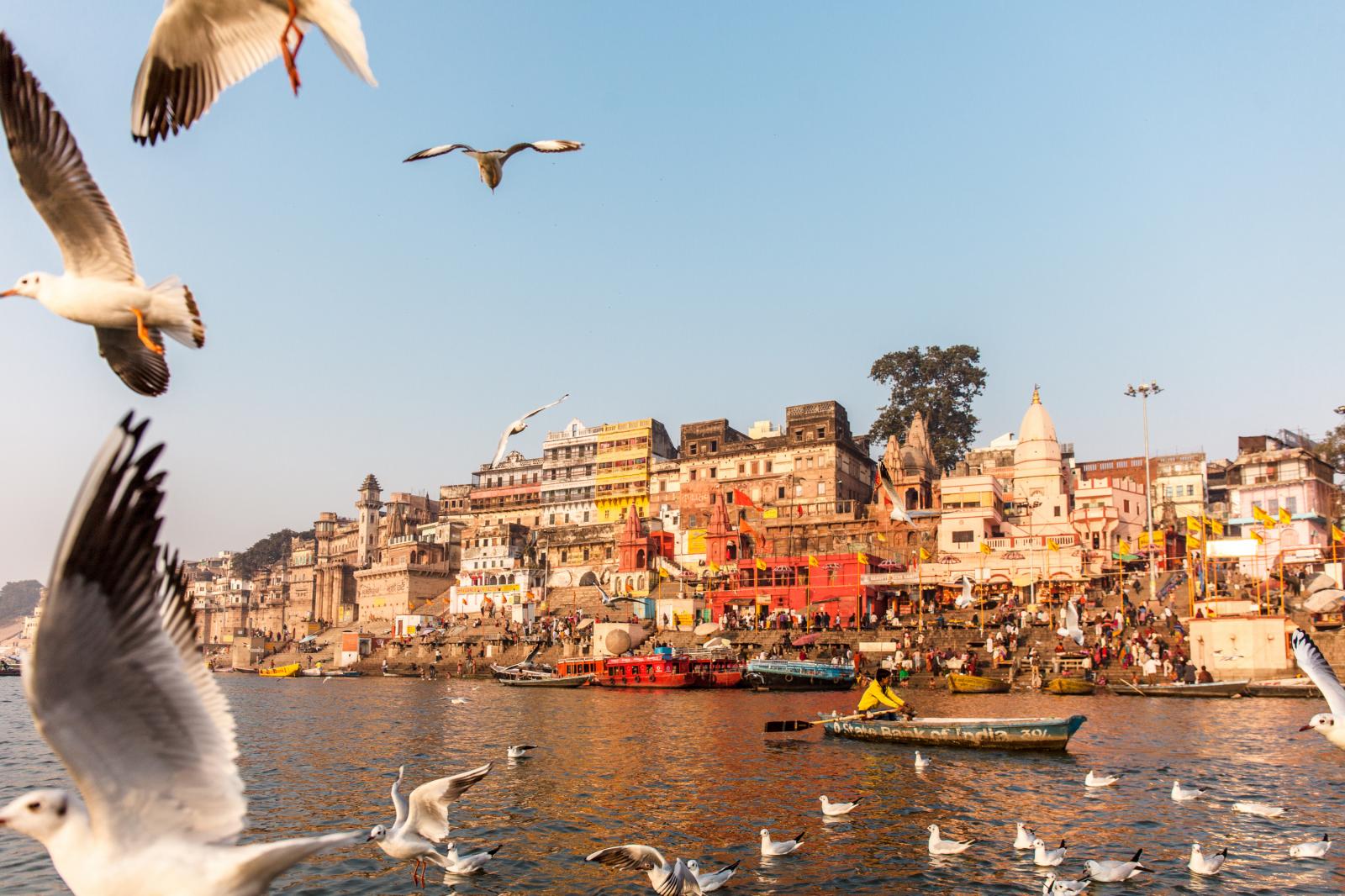
Best Time to Visit Varanasi: Weather, Ganga Aarti Season & Crowd Levels
Discover the best time to visit Varanasi with month-wise weather, Ganga Aarti comfort windows, festival crowd insights, and practical planning tips.
Feb 19Read More
Spiritual
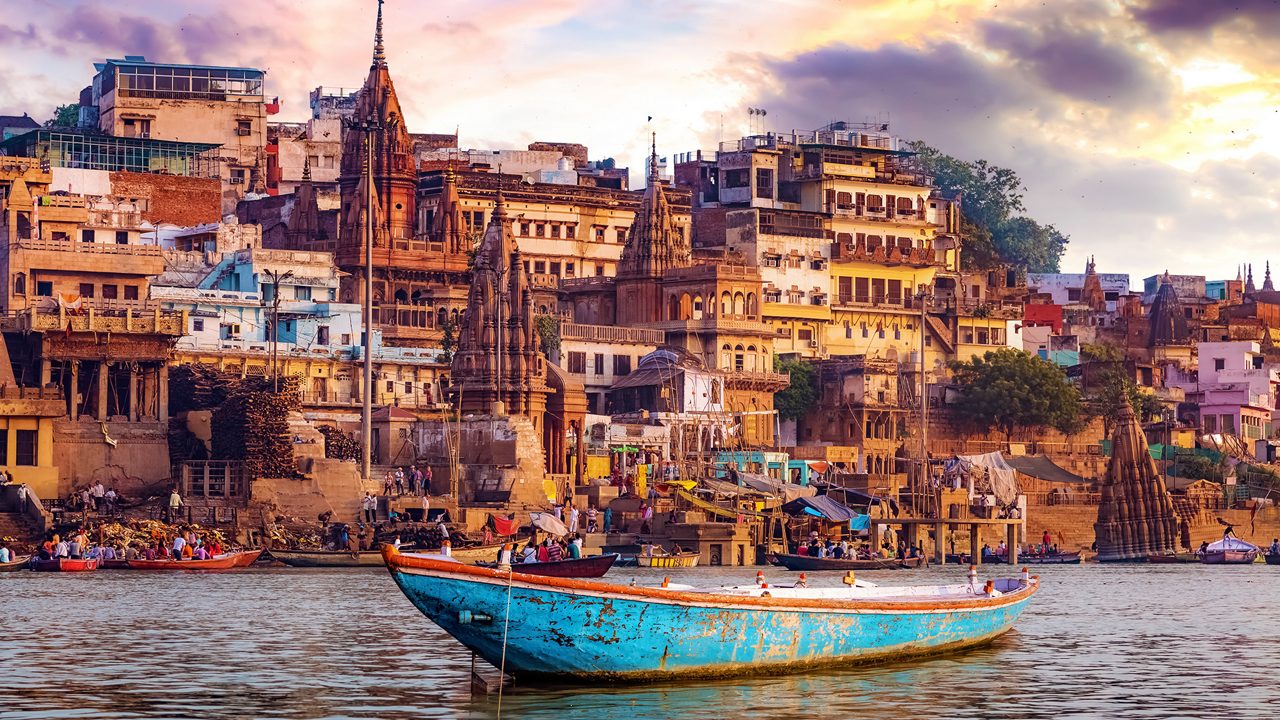
Varanasi: Complete Travel Plan Places And Weather
Complete Varanasi travel guide featuring Kashi Vishwanath Temple, Ganga Aarti, ghats, Sarnath, spiritual experiences, food & practical tips.
Feb 20Read More
Never Miss an Adventure
Get the latest trekking guides, travel tips, and exclusive offers delivered straight to your inbox.
