
Leh Ladakh Family Trip: Itinerary, Acclimatization & Kid-Friendly Stops

Priya Mehta
December 26, 2025
Plan a safe family trip to Leh Ladakh with kids. Best time, itinerary, acclimatization tips & child-friendly activities included.
Planning a Safe Family Trip to Leh Ladakh
Taking your family to Ladakh - the "Land of High Passes" - is an adventure like no other. With its breathtaking landscapes, monasteries clinging to mountainsides, and pristine lakes that mirror the sky, Ladakh offers experiences that can create lifelong family memories. However, traveling to high altitude with children requires careful planning and preparation. This guide covers everything you need to know to plan a safe, enjoyable family trip to Ladakh.
The good news is that with proper preparation, Ladakh is perfectly suitable for families with children. Many families make this journey every year, returning with stories of starry nights, friendly locals, and mountains that touch the sky. The key is understanding the challenges - primarily altitude - and planning accordingly to ensure everyone stays safe and enjoys this magical region. Planning your visit during the best time to visit Ladakh ensures optimal weather conditions and maximum accessibility for families with children.
Is Ladakh Safe for Kids?
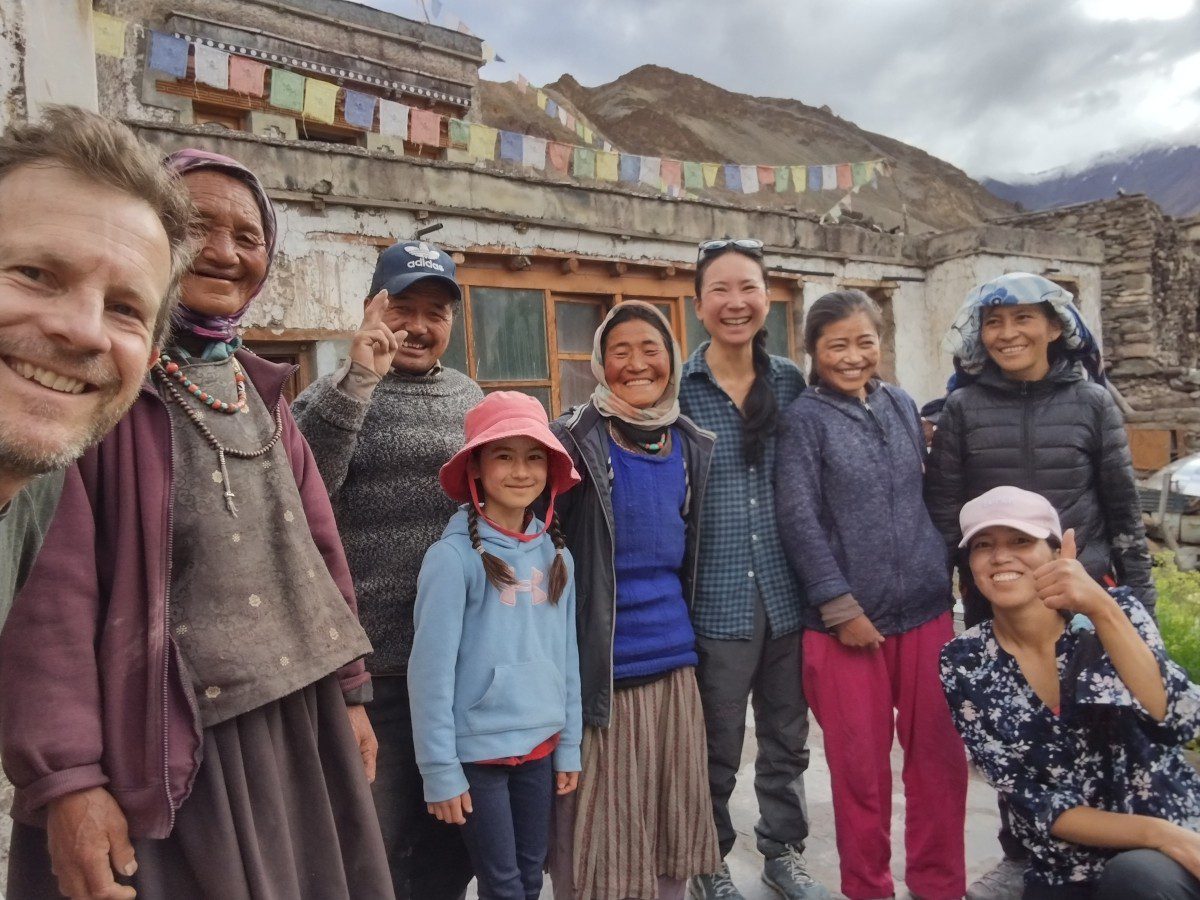
This is the most common question parents ask about Ladakh travel. The short answer is yes, Ladakh is safe for children, provided you take proper precautions. Thousands of families visit Ladakh annually with kids ranging from infants to teenagers, and the vast majority have wonderful, trouble-free experiences.
The primary concern isn't crime or safety in the traditional sense - Ladakh is one of the safest places in India, with very low crime rates and incredibly helpful locals. The main concern is altitude and how children's bodies adapt to it. Children are actually quite good at acclimatizing - in many cases, better than adults. Their bodies are more adaptable, and they're less likely to be stressed by the kinds of worries that can affect adult acclimatization.
However, children may not communicate altitude symptoms as clearly as adults do. A child who's short of breath might just say they're tired. A child with a headache might become irritable or withdrawn. Parents need to be observant and proactive in checking on their children's condition throughout the trip. Understanding acute mountain sickness in Ladakh is crucial for recognizing symptoms early and taking appropriate action.
Age recommendations vary, but most pediatricians suggest waiting until children are at least 5 years old before visiting high-altitude destinations like Ladakh. At this age, children can communicate how they're feeling, and their bodies are better equipped to handle altitude changes. That said, many families travel with younger children successfully - if you're planning this, consult your pediatrician first.
Is Ladakh Safe for Kids?
This is the most common question parents ask about Ladakh travel. The short answer is yes, Ladakh is safe for children, provided you take proper precautions. Thousands of families visit Ladakh annually with kids ranging from infants to teenagers, and the vast majority have wonderful, trouble-free experiences.
The primary concern isn't crime or safety in the traditional sense - Ladakh is one of the safest places in India, with very low crime rates and incredibly helpful locals. The main concern is altitude and how children's bodies adapt to it. Children are actually quite good at acclimatizing - in many cases, better than adults. Their bodies are more adaptable, and they're less likely to be stressed by the kinds of worries that can affect adult acclimatization.
However, children may not communicate altitude symptoms as clearly as adults do. A child who's short of breath might just say they're tired. A child with a headache might become irritable or withdrawn. Parents need to be observant and proactive in checking on their children's condition throughout the trip.
Age recommendations vary, but most pediatricians suggest waiting until children are at least 5 years old before visiting high-altitude destinations like Ladakh. At this age, children can communicate how they're feeling, and their bodies are better equipped to handle altitude changes. That said, many families travel with younger children successfully - if you're planning this, consult your pediatrician first.
Best Time for Family Visit
Choosing the right time to visit Ladakh is crucial for a family trip:
May-June: Excellent weather, pleasant days (15-25°C), blooming landscapes. This is considered one of the best times for families. Roads are open, the weather is stable, and there's minimal risk of weather disruptions. Ladakh is beautiful with spring flowers and clear skies.
July-August: Warmest weather with daytime temperatures reaching 25-30°C. This is peak tourist season, so expect crowds but also maximum facilities and services. Monsoon affects Ladakh minimally, though occasional showers can occur. The warm temperatures are comfortable for kids, and all activities are operational.
September-October: Many experienced travelers consider this the best time. Weather is clear, skies are brilliantly blue, and tourist crowds thin out. Days are still pleasant (15-20°C), though nights get colder. The landscapes turn golden as autumn approaches, creating spectacular photography opportunities.
Avoid Winter: November through April is not recommended for families. Extreme cold (-20°C to -30°C), frozen lakes, heavy snow, and many facilities closed make winter challenging even for experienced adults. Most roads to Ladakh are closed during these months.
Acclimatization for Children
Proper acclimatization is non-negotiable when traveling to Ladakh, especially with children. Rushing this process is the single biggest mistake families make, often leading to altitude sickness and ruined trips. Whether you're planning a road trip or flying in directly, understanding proper acclimatization protocols is essential.
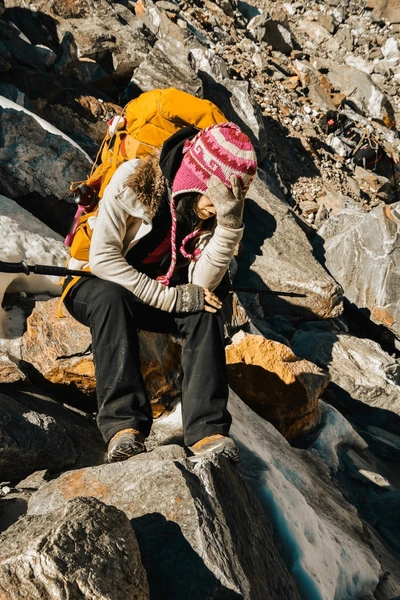
Why Acclimatization Matters: At 11,500 feet (Leh's altitude), oxygen levels are about 40% lower than at sea level. Bodies need time to adapt - typically 24-48 hours for every 2,000 feet of elevation gain. Children's bodies adapt well, but they still need this time.
Recommended Acclimatization Schedule:
- Day 1: Arrive in Leh, transfer to hotel. Complete rest - no sightseeing, no exploring, just rest. Let children sleep or read. Stay hydrated.
- Day 2: Very light activity only. Short walks around Leh town, visit Shanti Stupa (minimal climbing). Monitor everyone for symptoms. Rest if anyone shows signs of altitude sickness.
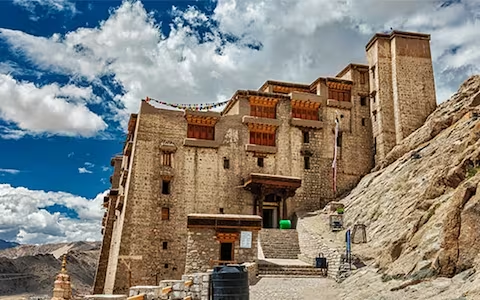
- Day 3: If everyone is well, begin gradual sightseeing. Start with Leh Palace, local monasteries - places that don't require much exertion.
Signs of Altitude Sickness in Kids: Watch for irritability, loss of appetite, nausea, headache, difficulty sleeping, or unusual tiredness. Children may not complain directly but might become withdrawn or fussy. If you notice these symptoms, descend immediately - don't wait.
Hydration and Diet: Ensure children drink plenty of water - 3-4 liters per day for older kids, proportionally less for younger ones. Avoid heavy meals for the first two days - light, easily digestible foods are better. Avoid salty foods that can cause dehydration.
Family-Friendly 7-Day Itinerary
This itinerary is designed for families with proper acclimatization, manageable driving distances, and child-friendly activities:
Day 1: Arrive in Leh
Land at Leh Kushok Bakula Rimpochee Airport, one of the world's highest airports. Transfer to your hotel and spend the day resting. No activities planned - just let bodies adjust to the altitude. Drink plenty of water and rest.
Day 2: Leh Local Sightseeing
Visit Shanti Stupa for panoramic views - the climb is gradual and manageable. Explore Leh Palace with its interesting history. Visit the Hall of Fame Museum - educational and engaging for kids. Keep activity light and return to hotel for afternoon rest.
Day 3: Sham Valley (Lower Altitude)
Drive to Sham Valley (lower elevation than Leh, good for acclimatization). Visit Alchi Monastery, known for its unique artwork. See the confluence of Indus and Zanskar rivers at Nimoo. The magnetic hill is fun for kids - cars appear to roll uphill! Return to Leh for the night.
Day 4: Nubra Valley via Khardung La
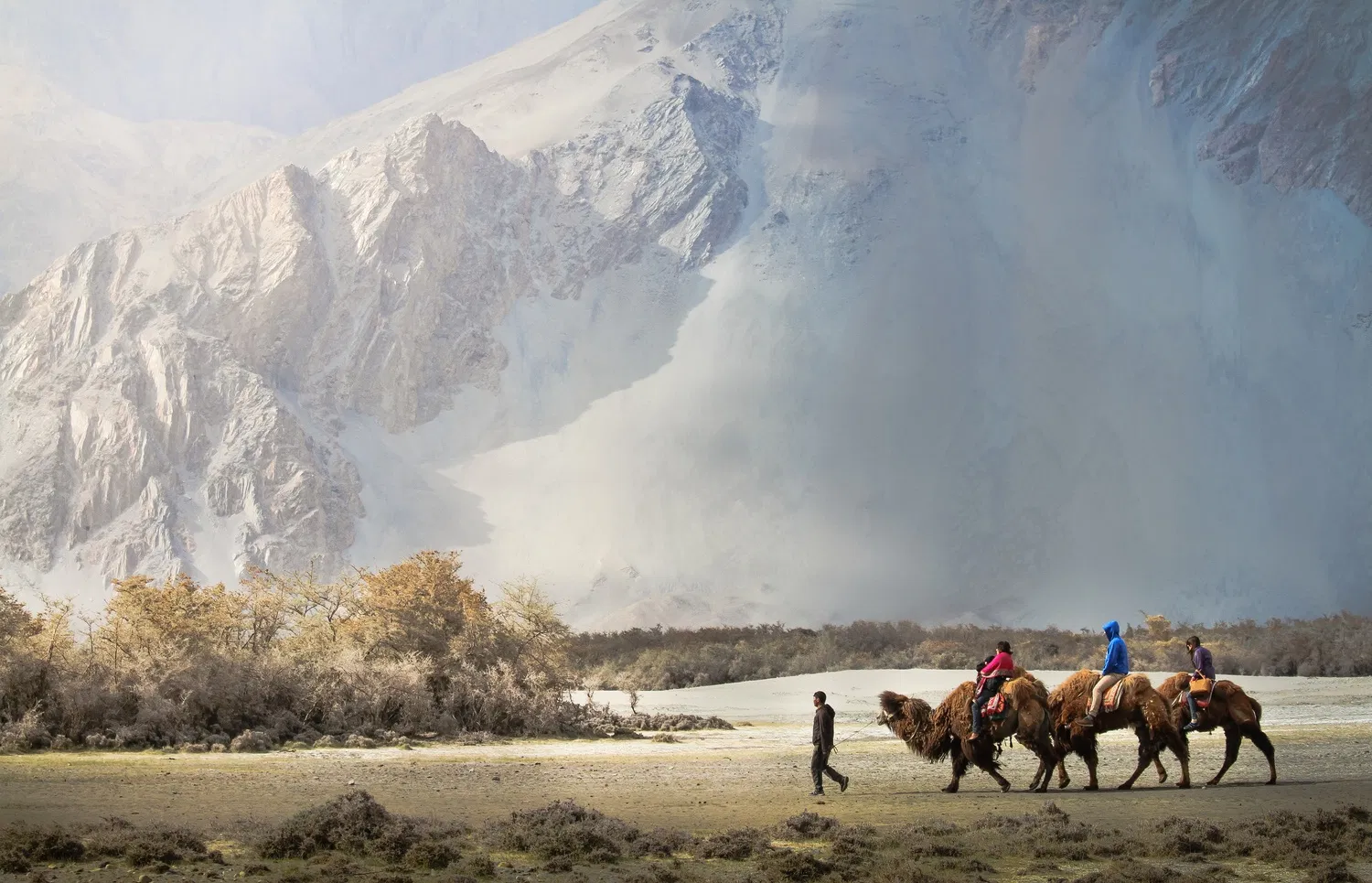
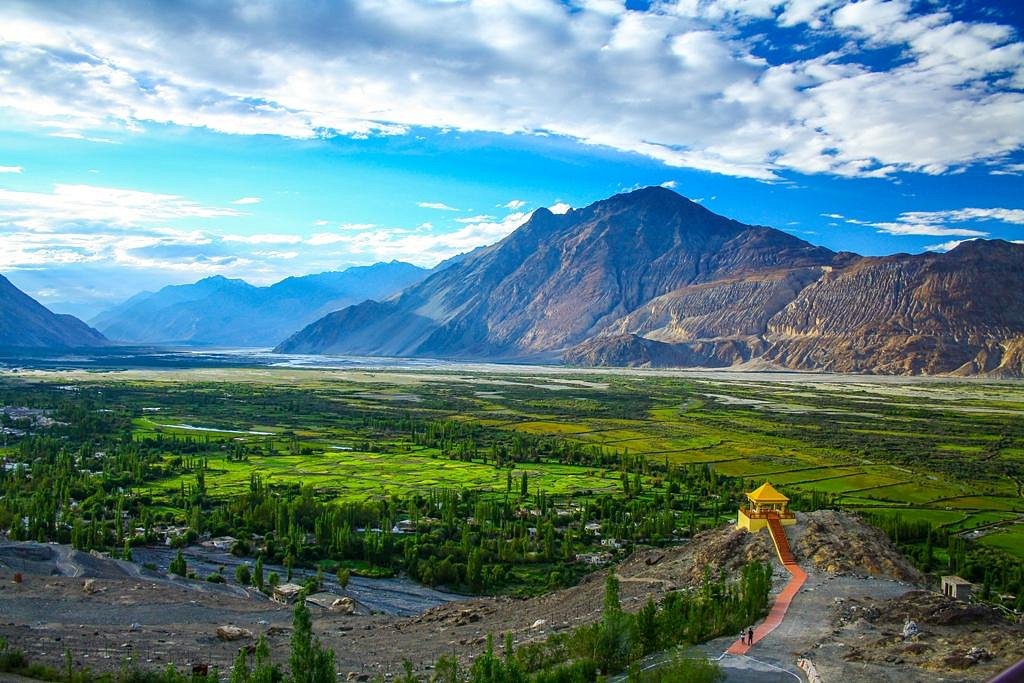
Drive over Khardung La (one of the world's highest motorable passes) to Nubra Valley. The pass visit is brief but exciting - kids love seeing snow even in summer! Descend to Nubra Valley's lower elevation. Visit Diskit Monastery with its giant Maitreya Buddha statue. Enjoy sand dunes at Hunder - double-humped camels are a hit with children! For those interested in exploring more remote areas, the Aryan Valley in Ladakh offers unique cultural experiences, though it's better suited for families with older children due to its remote location.
Day 5: Nubra Valley Exploration
Morning visit to Panamik hot springs - warm water is fun for kids. Explore Turtuk village (if open) for a cultural experience few tourists see. The friendly locals and apricot orchards make for a delightful family experience. Return to Diskit for overnight stay.
Day 6: Pangong Lake
Drive to Pangong Tso via Chang La pass. The lake's changing colors will captivate children - it really does appear blue, green, and purple depending on the light! Enjoy picnic lunch by the lake. The 3 Idiots shooting point is popular with kids who've seen the movie. Camping options exist if weather permits, or return to Leh for overnight stay.
Day 7: Return to Leh & Departure
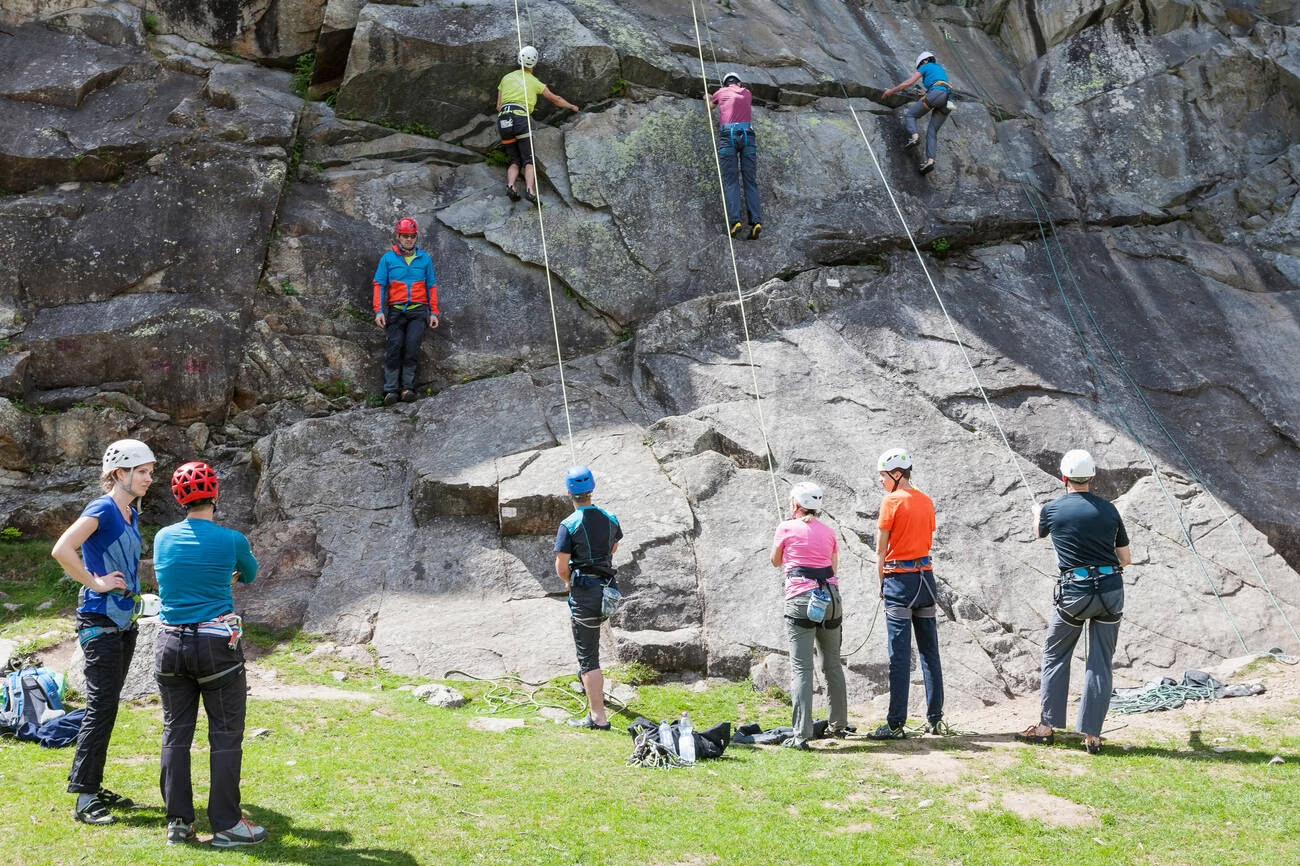
Morning at leisure - last-minute shopping for souvenirs like pashmina shawls, Tibetan handicrafts, or prayer flags. Transfer to airport for departure. If your family enjoys adventure activities, consider extending your trip to experience some of the exciting adventure sports in Ladakh that are suitable for older children and teenagers.
Things to Do with Kids in Ladakh
Ladakh offers numerous child-friendly activities that combine education with adventure:
- Shanti Stupa: Easy climb, stunning views, and meaningful lessons about Buddhism and peace. The white-domed stupa is beautiful and photogenic.
- Hall of Fame Museum: Educational and engaging. Learn about Ladakh's history, the Kargil War, and see exhibits that captivate children's interest.
- Nubra Valley Camel Rides: The double-humped Bactrian camels are unique to this region. Short rides are safe and fun for kids.
- Pangong Lake: The sheer size and color-changing waters fascinate children. Skip stones (carefully), enjoy a picnic, and marvel at the reflection of mountains in the crystal-clear water.
- Magnetic Hill: A gravity hill where cars appear to roll uphill. Kids find this fascinating, even if the optical illusion is explained to them!
- Thiksey Monastery: Resembles the Potala Palace in Lhasa. The climb is manageable, and monks are often happy to answer children's questions.
- Local Markets: Leh's main market is colorful and chaotic in a good way. Try local momos, shop for souvenirs, and experience local culture.
- Yak Rides: Available in various spots, these gentle giants give safe, short rides that kids love. Always ensure safety gear is used.
Accommodation for Families
Choosing the right accommodation is crucial for a comfortable family stay in Ladakh:
Hotels in Leh: Leh has numerous family-friendly hotels ranging from budget to luxury. Look for hotels with attached bathrooms, reliable hot water, and oxygen cylinders available - these become important if anyone struggles with altitude. Some recommended hotels have family rooms or interconnected rooms.
Facilities to Prioritize:
- Attached Bathrooms: Essential, especially with children who may need bathroom access at night.
- Hot Water: Nights are cold even in summer. Reliable hot water for baths is important.
- Room Service: After a day of travel, eating in the room with tired children is often easier than going to a restaurant.
- Oxygen Availability: Many hotels provide oxygen cylinders or concentrators. Ask when booking.
- Heating: Rooms should have proper heating - essential for cold nights.
- Central Location: Staying in central Leh makes it easy to access markets, medical facilities, and restaurants.
Homestays: For older families, homestays in Nubra or Pangong offer authentic experiences. However, facilities are basic - shared bathrooms, limited hot water, and simple food. Consider whether your family will be comfortable with these arrangements.
Packing & Preparation Tips
Packing for Ladakh with children requires careful planning:
Clothing: Layering is essential. Pack thermal inner wear, sweaters, fleece jackets, windproof outer jackets, warm trousers, beanies, gloves, and sturdy walking shoes. Even in summer, nights are cold. Pack comfortable clothes for travel days - children will be in the car for long periods.
Sun Protection: At high altitude, UV radiation is intense. Pack high SPF sunscreen (50+), sunglasses with UV protection, and wide-brimmed hats. Sunburn can happen very quickly, even on cloudy days.
First-Aid Kit: Include medications for altitude sickness (Diamox - consult your doctor first), basic pain relievers, motion sickness medication (for winding roads), band-aids, antiseptic cream, and any prescription medications your family needs.
Entertainment: Long car rides can be boring for kids. Download movies on tablets, pack books, coloring supplies, and travel games. Don't forget headphones!
Snacks: Carry plenty of snacks - energy bars, dry fruits, cookies, and crackers. Appetites can decrease at altitude, so having familiar, preferred snacks ensures children eat something.
Travel Insurance: Essential for any high-altitude trip. Ensure your policy covers emergency evacuation - helicopter evacuation is expensive but sometimes necessary for severe altitude sickness.
Ladakh with family is an incredible adventure that creates lasting memories. The landscape is unlike anything most children have ever seen, the experiences are unique, and the journey teaches valuable lessons about adaptability, nature, and different ways of life. With proper preparation, respect for the altitude, and a flexible itinerary, your family can safely experience the magic of Ladakh - a land that has captivated travelers for centuries and will leave your children with stories to tell for the rest of their lives.
Location
Frequently Asked Questions
Q1.Is Leh Ladakh safe for children?
Q2.What is the minimum age for visiting Ladakh?
Q3.How to prevent altitude sickness in kids?
Q4.Best time to visit Ladakh with family?
Q5.How many days needed for family trip?
Q6.What to pack for kids for Ladakh?
Q7.Are there medical facilities in Leh?
Q8.Can infants travel to Ladakh?
Recommended For You
Draupadi Kund Ladakh: Mythology, Route & Trek Facts
Explore Draupadi Kund in Ladakh, a sacred high-altitude lake with mythological significance. Complete trek guide, best time to visit & travel tips.
Rock Climbing in Ladakh: Climbing Areas, Grades & Season
Complete guide to rock climbing in Ladakh: best spots (Shey, Nimmu, Phyang), difficulty levels, equipment needed, costs, training centers, and essential safety tips for high-altitude climbing.
Zorawar Fort Leh: History, Timings, Entry & Nearby Attractions
Explore historic Zorawar Fort in Leh. Guide to Dogra heritage, museum timings, entry fee & how to visit this 19th-century fort in Ladakh.
Never Miss an Adventure
Get the latest trekking guides, travel tips, and exclusive offers delivered straight to your inbox.
