
Nubra Valley Ladakh: Itinerary, Permits, Route & Stay Options

Rohan Malhotra
February 20, 2026
Plan your Nubra Valley Ladakh trip with route strategy, acclimatization tips, season guidance, and practical budget planning.
Introduction: Ladakh's Valley of Flowers
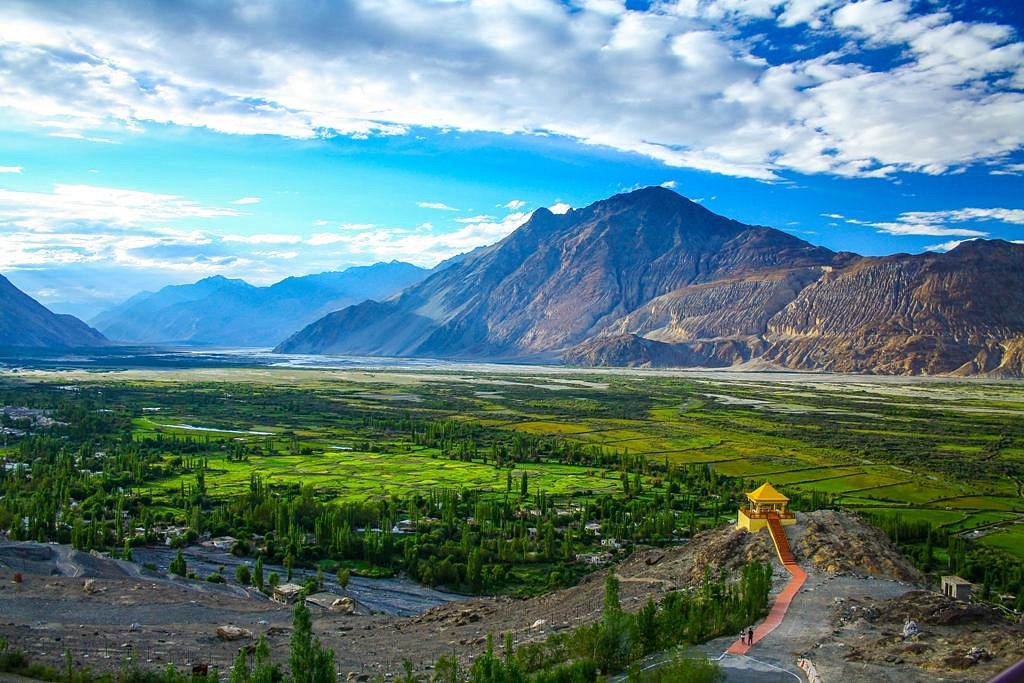
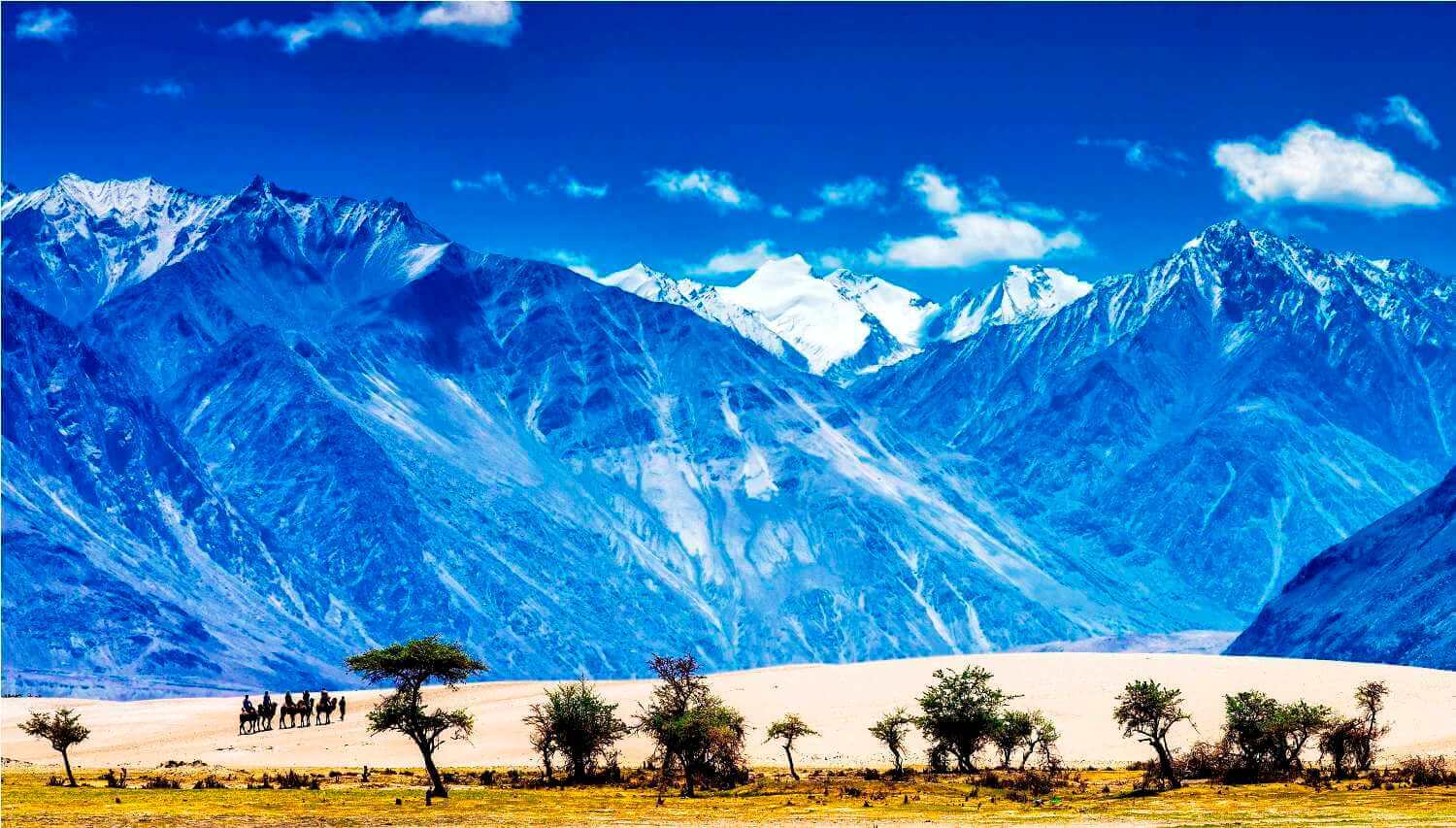
Nubra Valley, often called the "Valley of Flowers," is one of Ladakh's most spectacular and accessible high-altitude valleys. Located approximately 150 kilometers north of Leh, this valley sits at an average altitude of 3,048 meters (10,000 feet) and is accessible via the Khardung La Pass—one of the world's highest motorable roads at 5,359 meters. What makes Nubra Valley special is its unique landscape of sand dunes, double-humped Bactrian camels, ancient monasteries, and the confluence of the Shyok and Nubra rivers.
The valley has a fascinating history as part of the historic Silk Route connecting India with Central Asia. Traders and their caravans once traversed these mountains, and the Bactrian camels you see in Hunder are descendants of those ancient trading caravans. Unlike the arid moonscape of much of Ladakh, Nubra Valley has surprisingly green villages with apricot orchards, barley fields, and willow groves sustained by glacial meltwater.
For travelers, Nubra Valley offers the perfect mix of adventure, culture, and natural beauty. You can ride Bactrian camels on sand dunes, visit ancient monasteries like Diskit and Samstanling, explore the quaint villages of Hunder and Turtuk, and experience the unique culture of Ladakh's Nubra region. The valley is also home to the Siachen Base Camp, though civilian access is restricted.
This guide provides everything you need to plan your Nubra Valley trip: permit requirements, acclimatization strategies, the best season to visit, route information, itinerary options, accommodation, budget planning, and safety tips for high-altitude travel.
Route and Permit Basics
Understanding the route to Nubra Valley and obtaining necessary permits is essential for a smooth journey.
The Route from Leh
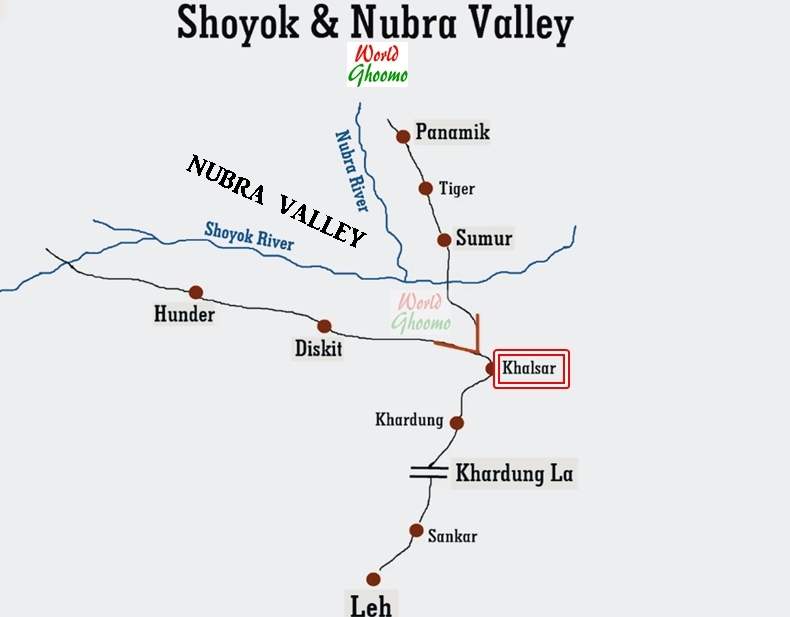
The journey from Leh to Nubra Valley covers approximately 150 kilometers and takes 5-6 hours, including stops.
Route Breakdown:
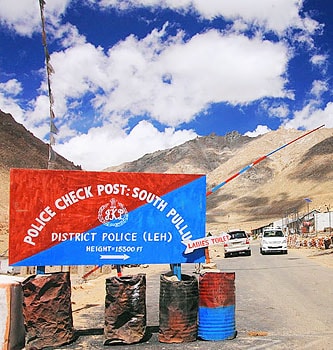
- Leh to South Pullu: 40 km (2 hours)
- South Pullu to Khardung La: 24 km (1 hour)
- Khardung La to North Pullu: 15 km (30-45 minutes)
- North Pullu to Khardung Village: 15 km (1 hour)
- Khardung Village to Diskit: 30 km (1.5 hours)
- Diskit to Hunder: 10 km (30 minutes)
Total Distance: 150 km one way
Total Driving Time: 5-6 hours with stops
Road Conditions:
- Paved road from Leh to North Pullu via Khardung La
- Generally well-maintained but can have rough patches
- Steep ascents and descents—require experienced driver
- Landslide-prone areas during monsoon—check current conditions
Inner Line Permit Requirements
Who Needs Permits:
- All Indian nationals (including Ladakhi residents) require Inner Line Permit
- Foreign nationals require Protected Area Permit
Permit Coverage:
- Khardung La Pass
- Diskit, Hunder, and surrounding villages
- Turtuk, Tyakshi, and Pangong areas (if visiting)
How to Obtain ILP (Indian Nationals):
Online Application (Recommended):
- Visit official Ladakh Autonomous Hill Development Council website
- Fill online application form
- Upload ID proof and photograph
- Pay fees online (₹200-400 per person depending on areas)
- Receive e-permit via email—print copy required
Through Registered Agencies:
- Hotels, guesthouses, and travel agencies in Leh can arrange permits
- Provide ID proof, photographs, and permit fee
- Agencies usually charge a nominal service fee (₹50-100)
- Permits processed same day or next day
Permit Duration:
- Domestic tourists: 7 days typically
- Can be extended by applying again in Leh
Required Documents:
- Scanned copy of government ID proof (Aadhaar card, voter ID, or passport)
- Passport-size photograph
- Details of itinerary and places to visit
Foreign Nationals:
- Protected Area Permit required
- Must apply through registered travel agency in Leh
- Processing takes 1-2 days
- Minimum 2-3 people required (individual tourists difficult)
- Areas restricted compared to Indian nationals
Acclimatization and Safety Planning
High-altitude travel to Nubra Valley requires careful acclimatization planning. The rapid ascent to Khardung La (5,359m) and Nubra Valley (3,048m) can cause altitude sickness if not approached properly.
Understanding Altitude Sickness
Altitude Levels:
- Leh: 3,524 meters (11,562 feet)
- Khardung La: 5,359 meters (17,582 feet)
- Nubra Valley: 3,048 meters (10,000 feet)
Common Symptoms of AMS (Acute Mountain Sickness):
- Headache
- Nausea or loss of appetite
- Dizziness or lightheadedness
- Shortness of breath
- Difficulty sleeping
- Fatigue
Severe Symptoms (HAPE/HACE):
- Severe headache that doesn't respond to medication
- Coughing up frothy or pink sputum
- Confusion, difficulty walking straight
- Chest tightness
- Breathlessness at rest
- IMMEDIATE DESCENT REQUIRED—MEDICAL EMERGENCY
Acclimatization Guidelines
Essential Pre-Trip Acclimatization:
- Spend minimum 2 full nights in Leh before proceeding to Nubra Valley
- 3-4 nights recommended if flying directly to Leh from sea level
- Take it easy in Leh—no strenuous activity, alcohol, or smoking
- Stay hydrated—drink 3-4 liters of water daily
During Nubra Valley Trip:
- Ascend gradually—don't rush to higher areas
- Descend if altitude sickness symptoms develop
- Keep Diamox (Acetazolamide) handy—consult doctor before trip
- Avoid alcohol and sleeping pills
- Eat light meals, avoid heavy, oily food
Red Flags for Proceeding to Nubra:
- Do NOT proceed to Nubra if experiencing AMS symptoms in Leh
- Wait until symptoms completely resolve
- Consider alternative lower-altitude itineraries if symptoms persist
Medication:
- Consult doctor before traveling about Diamox (Acetazolamide)
- Carry painkillers (paracetamol) for headaches
- Anti-nausea medication
- Portable oxygen cans (available in Leh pharmacies)
Emergency Preparedness
Medical Facilities:
- Diskit has a medical dispensary (basic facilities)
- Severe cases require evacuation to Leh
- Carry comprehensive first-aid kit
Communication:
- Mobile connectivity limited in Nubra Valley
- BSNL works best in Diskit and Hunder
- Jio and Airtel available in some areas
- Satellite phones recommended for remote expeditions
Roadside Assistance:
- Shared taxis and tourist vehicles help each other
- Army posts along route can assist in emergencies
- Leh has vehicle repair facilities
Best Season and Road Conditions
Nubra Valley experiences extreme weather with a short tourist season. Choosing the right time is crucial for both safety and experience quality.
Season Breakdown
Summer (June to September):
- Temperature: Daytime 15-25°C, Nighttime 5-10°C
- Pros: Best weather, roads accessible, valley green and vibrant, camels available for rides
- Cons: Peak tourist season, higher prices, more crowded
- Road Conditions: Khardung La open, roads generally clear
Autumn (October to November):
- Temperature: Daytime 10-20°C, Nighttime 0-5°C
- Pros: Fewer tourists, clear skies, pleasant daytime temperatures, excellent photography
- Cons: Nights very cold, facilities start closing
- Road Conditions: Still accessible, but check for early snowfall
Winter (December to March):
- Temperature: Daytime 0-10°C, Nighttime -10 to -20°C
- Pros: No crowds, frozen rivers, unique winter landscapes
- Cons: Khardung La often closed due to snow, most facilities closed, extreme cold
- Road Conditions: Khardung La closed—Nubra inaccessible by road
Spring (April to May):
- Temperature: Daytime 5-15°C, Nighttime -5 to 5°C
- Pros: Valley starts blooming, fewer tourists than summer, roads opening
- Cons: Unpredictable weather, snow on passes possible
- Road Conditions: Khardung La opening depends on snow clearance
Recommended Visiting Period
Best Overall: June to September
- Most reliable weather, everything accessible
- Higher tourist numbers but manageable
Best Value: September or October
- Summer crowds thinning, weather still good
- Lower prices, better availability
Avoid: December to March (roads closed)
| Month | Accessibility | Weather | Recommendation |
|---|---|---|---|
| June-September | Open | Mild days, cool nights | Best time |
| October-November | |||
| December-March | CLOSED | ||
| April-May |
One/Two-Day Itinerary Options
Here are practical itinerary options for exploring Nubra Valley, ranging from quick visits to comprehensive exploration.
Option 1: One-Day Express Trip
Best For: Time-constrained travelers, those wanting to experience Khardung La
Day 1:
- 5:00 AM: Depart Leh
- 7:00 AM: Reach Khardung La, spend time at pass
- 9:00 AM: Descend to Diskit
- 10:00 AM: Visit Diskit Monastery
- 12:00 PM: Lunch break in Diskit
- 1:30 PM: Visit Maitreye Buddha Statue
- 3:00 PM: Drive to Hunder, see sand dunes
- 4:00 PM: Optional camel ride (if available)
- 5:00 PM: Begin return journey to Leh
- 8:00 PM: Arrive Leh
Pros: Completes in one long day, no overnight stay needed
Cons: Very rushed, limited time at each location, exhausting day
Note: Attempt only if well-acclimatized in Leh and comfortable with long drives.
Option 2: Classic Overnight Trip
Best For: Most travelers, comfortable pace, good Nubra Valley experience
Day 1:
- Morning: Depart Leh after early breakfast
- Mid-Morning: Khardung La pass (stop for photos)
- Lunch: North Pullu or Khardung Village
- Afternoon: Arrive Diskit, check-in to hotel/guesthouse
- Evening: Visit Diskit Monastery and Maitreye Buddha Statue
- Night: Overnight in Diskit or Hunder
Day 2:
- Morning: Hunder sand dunes and Bactrian camel safari
- Mid-Morning: Visit Samstanling Monastery
- Late Morning: Explore local villages, meet locals
- Afternoon: Early lunch, begin return journey
- Evening: Arrive Leh
Pros: Comfortable pace, time to explore properly, overnight acclimatization
Cons: Requires 2 full days, one night accommodation
Option 3: Comprehensive Two-Night Trip
Best For: Those wanting to explore Turtuk and Panamik
Day 1:
- Morning: Depart Leh, cross Khardung La
- Afternoon: Arrive Diskit, visit Diskit Monastery
- Evening: Drive to Turtuk (3 hours from Diskit)
- Night: Overnight in Turtuk
Day 2:
- Morning: Explore Turtuk village, meet locals
- Mid-Morning: Visit Tyakshi village
- Lunch: Return toward Diskit
- Afternoon: Visit Panamik hot springs (time permitting)
- Evening: Overnight in Diskit
Day 3:
- Morning: Hunder sand dunes and camel ride
- Late Morning: Begin return journey to Leh
- Afternoon: Arrive Leh
Pros: Comprehensive Nubra Valley experience, offbeat destinations
Cons: Requires 3 days, more driving, additional permits for Turtuk
Option 4: Nubra-Pangong Circuit
Best For: Adventure travelers, comprehensive Ladakh experience
Route: Leh → Nubra Valley → Pangong Tso → Leh (3-4 days)
This itinerary combines Nubra Valley with Pangong Lake via the Wari La route (requires additional permits and experienced driver).
Budget and Stay Strategy
Planning your budget and accommodation helps ensure a comfortable Nubra Valley experience.
Accommodation Options
Guesthouses and Homestays:
- Locations: Diskit, Hunder, Sumur
- Cost: ₹800-1,500 per night
- Amenities: Basic but clean rooms, attached or shared bathrooms, hot water available (sometimes solar-heated)
- Best For: Budget travelers, those wanting local experience
Mid-Range Hotels:
- Locations: Diskit primarily
- Cost: ₹2,000-3,500 per night
- Amenities: Comfortable rooms with attached bathrooms, 24-hour hot water, restaurant facilities
- Best For: Most travelers, good balance of comfort and cost
Luxury Camps:
- Locations: Hunder primarily
- Cost: ₹5,000-8,000 per night
- Amenities: Luxury tents with en-suite bathrooms, excellent meals, bonfire evenings, organ performances
- Best For: Special occasions, honeymooners, luxury seekers
Budget Breakdown
Per Person Budget (2-Day Trip):
Low Budget:
- Accommodation: ₹800-1,000 (guesthouse)
- Meals: ₹800-1,000 (local restaurants)
- Transport: ₹3,000-4,000 (shared taxi, 2-day share)
- Permits: ₹200-400
- Total: ₹4,800-6,400
Mid-Range:
- Accommodation: ₹2,000-2,500 (hotel)
- Meals: ₹1,500-2,000 (hotels + local spots)
- Transport: ₹7,000-9,000 (private car, 2-day charter)
- Permits: ₹200-400
- Activities: ₹500-1,000 (camel ride, monastery entry)
- Total: ₹11,200-14,900
Comfort/Luxury:
- Accommodation: ₹5,000-7,000 (luxury camp/resort)
- Meals: ₹3,000-4,000 (included in camp rates)
- Transport: ₹12,000-15,000 (private SUV with experienced driver)
- Permits: ₹200-400
- Activities: ₹1,000-1,500
- Total: ₹21,200-27,900
Common Mistakes to Avoid
Skipping Acclimatization in Leh
The most dangerous mistake travelers make is proceeding to Nubra Valley without adequate acclimatization in Leh. Flying directly to Leh (3,524m) and immediately driving over Khardung La (5,359m) the next day is asking for severe altitude sickness. Spend minimum 2 full nights in Leh, ideally 3-4 if flying from sea level. If you experience AMS symptoms in Leh, don't proceed to Nubra—wait until completely recovered. Altitude sickness can be life-threatening; don't take risks.
Attempting One-Day Trip Immediately After Arrival
Even experienced high-altitude travelers make this mistake. The one-day Leh-Nubra-Leh trip involves rapidly ascending from Leh to 5,359m and back, which is extremely taxing on the body. Only attempt this after 3-4 nights in Leh if completely acclimatized. The physical stress of 10-12 hours of mountain driving plus altitude exposure is exhausting and potentially dangerous.
Not Getting Permits in Advance
While permits can be obtained through agencies in Leh, relying on this can backfire during peak season (July-August) when agencies are overwhelmed. Apply online before your trip and carry printed copies. Double-check permit validity dates and covered areas. Foreign travelers should arrange permits well in advance through registered agencies, as their permit process is more complex.
Underestimating the Cold
Even in summer, nights in Nubra Valley are cold (5-10°C). Travelers often pack only for daytime temperatures and freeze at night. Carry layers including warm jacket, hat, gloves, and thermal wear regardless of season. The wind chill at Khardung La can make it feel much colder than actual temperature.
Not Carrying Cash
ATM facilities are limited to Diskit (and sometimes non-functional). Credit/debit cards rarely accepted. Carry sufficient cash for your entire trip including accommodation, meals, transport, activities, and emergencies. Bring smaller denominations—change is often unavailable.
Ignoring Weather Forecasts
Weather in the mountains changes rapidly. Check forecasts before departure and be prepared for sudden changes. Khardung La can close without notice due to snowfall, landslides, or weather. Have buffer days in your itinerary if traveling early or late season (April-May, October-November) when weather is unpredictable.
Overpacking Luxury, Underpacking Essentials
Don't pack formal wear, excessive clothing options, or heavy items. DO pack essential medications, basic first aid kit, sun protection (UV is intense at altitude), moisturizer (air is very dry), lip balm, power bank, and camera batteries. Remote villages have limited shopping facilities.
Disrespecting Local Culture
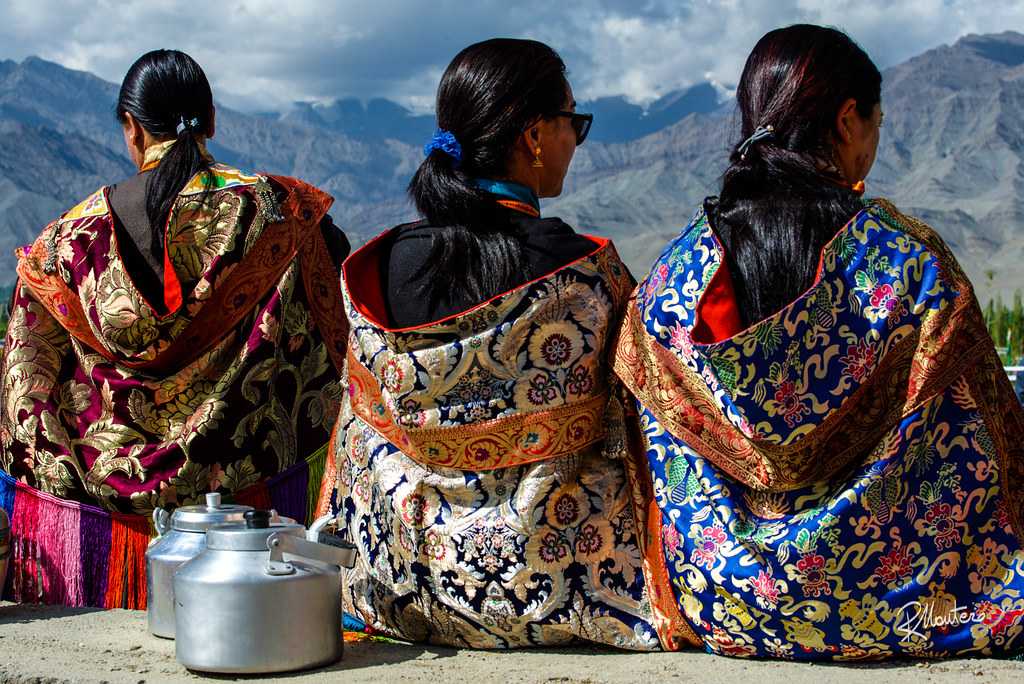
Nubra Valley villages are conservative Buddhist communities. Dress modestly (shoulders and knees covered), especially when visiting monasteries. Don't photograph people without asking permission. Don't touch religious artifacts or statues. Walk around stupas and chortens clockwise (Buddhist tradition). Respect local customs and you'll be welcomed warmly.
Conclusion: Journey to the High Altitude Desert
Nubra Valley offers one of Ladakh's most diverse and rewarding travel experiences. From the thrill of crossing Khardung La to the serenity of ancient monasteries, from riding Bactrian camels on sand dunes to meeting friendly locals in traditional villages, Nubra Valley delivers memories that last a lifetime. The valley's unique landscape of mountains, sand dunes, and green villages creates scenery unlike anywhere else.
The key to enjoying Nubra Valley is preparation and respect. Proper acclimatization is non-negotiable—altitude sickness is real and can be dangerous. Plan your itinerary to allow adequate time in Leh before proceeding. Obtain permits in advance to avoid last-minute disappointments. Pack appropriately for variable weather and remote conditions. And approach the journey with patience and flexibility—mountain weather and road conditions can change plans.
Whether you're experiencing the dramatic ascent to Khardung La, watching the sunset over sand dunes in Hunder, exploring the remote villages of Turtuk near the border, or simply sitting in peaceful meditation at Diskit Monastery with panoramic views of the valley, Nubra Valley touches something deep. It's not just a destination—it's an experience of high-altitude landscapes, ancient Buddhist culture, and the remarkable resilience of people who have thrived in these mountains for centuries.
The journey to Nubra Valley is as important as the destination. The winding roads, mountain passes, and changing landscapes teach patience and perspective. You'll cross one of the world's highest motorable roads, descend into valleys that feel like another world, and return to Leh with a new appreciation for the mountains and your own capacity to adapt to challenging environments.
Visit responsibly, acclimatize properly, and immerse yourself in the experience. Nubra Valley is more than a tourist attraction—it's a window into a way of life shaped by mountains, monasteries, and the rhythms of nature. These landscapes and communities have existed for centuries and will continue long after you've returned. Be a respectful guest, carry memories and photographs, and leave nothing but footprints.
Location
Frequently Asked Questions
Q1.How many days are ideal for Nubra Valley?
Q2.Is Nubra Valley suitable for first-time high-altitude travelers?
Q3.What is the best season for Nubra Valley?
Q4.Is acclimatization necessary before visiting Nubra?
Q5.What budget is needed for a short Nubra trip?
Q6.Can Nubra be done as a day trip from Leh?
Q7.What should travelers carry for the route?
Q8.What common mistakes should be avoided?
Recommended For You
Acute Mountain Sickness in Ladakh: Prevention
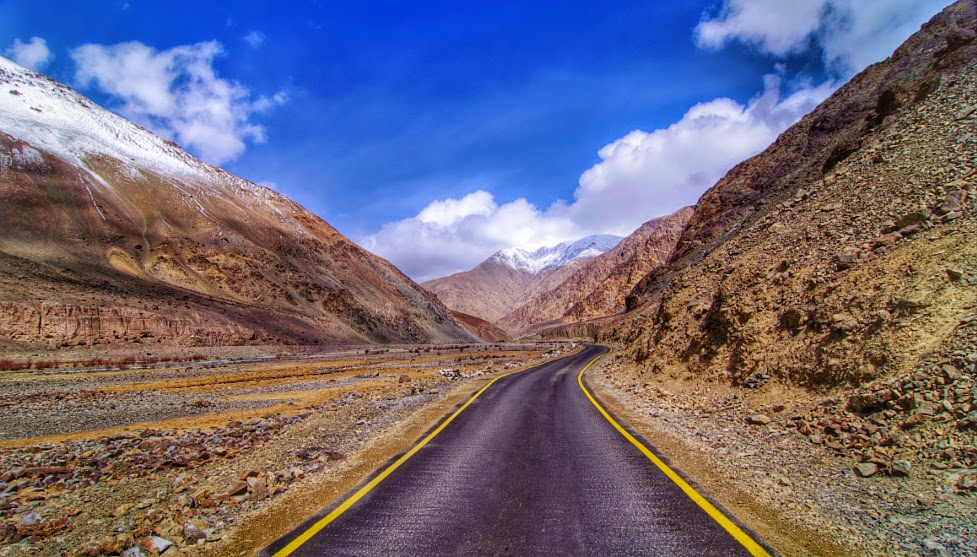
Complete guide to Acute Mountain Sickness in Ladakh. Learn symptoms, prevention, medicines, acclimatization tips & safety measures for high-altitude travel.
Monasteries in Ladakh: Routes, Etiquette and Top Gompas
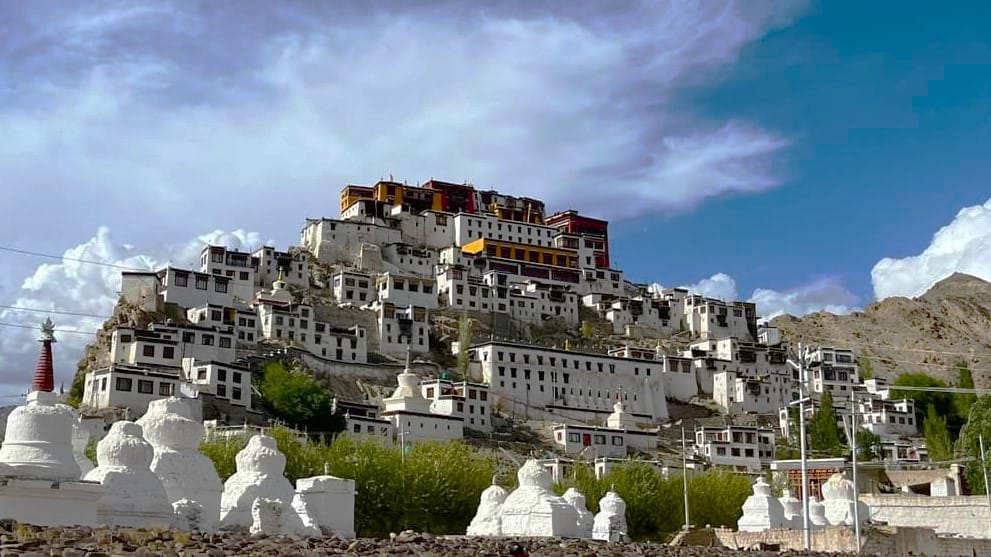
Explore monasteries in Ladakh with practical route planning, key gompa highlights, and respectful visitor etiquette.
Pangong Lake Ladakh: Best Time, Permit Rules & Stay Options
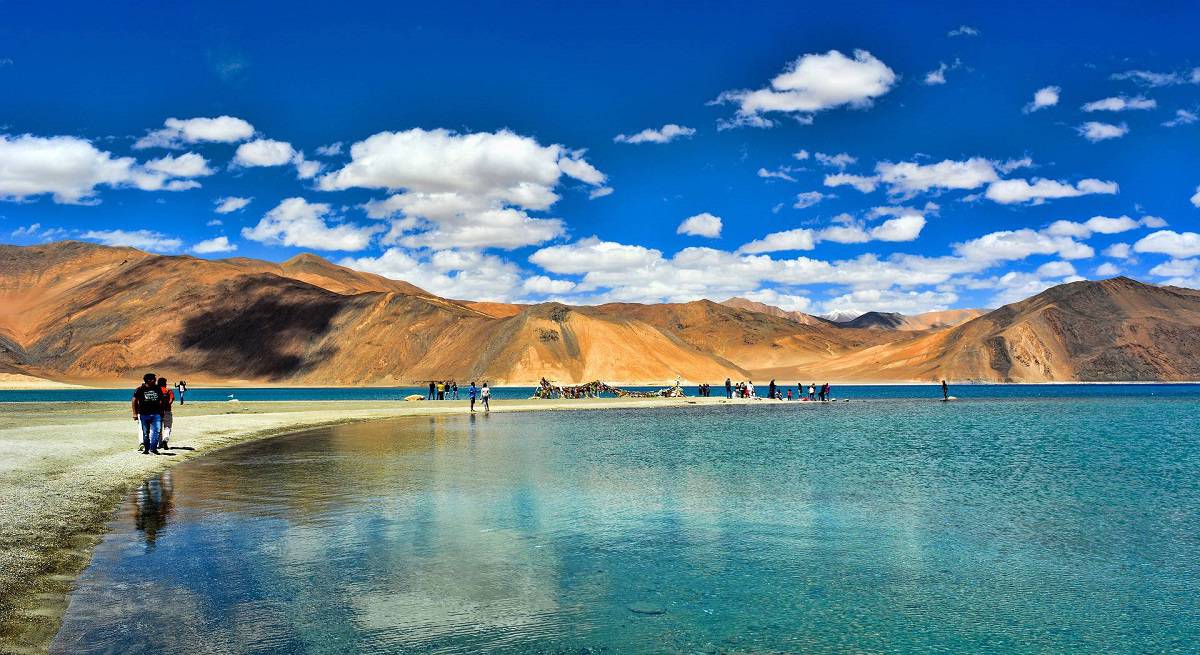
Complete Pangong Lake guide: best time to visit, permits, how to reach from Leh, stay options & travel tips.
Never Miss an Adventure
Get the latest trekking guides, travel tips, and exclusive offers delivered straight to your inbox.
