
Lingaraj Temple Bhubaneswar: Darshan Timings, Rituals & Entry Details

Rohan Malhotra
February 19, 2026
Visit Lingaraj Temple in Bhubaneswar - 1000-year-old Shiva temple & Kalinga architecture masterpiece. Complete guide with timings, darshan & history.
Introduction: The Temple of Eternity
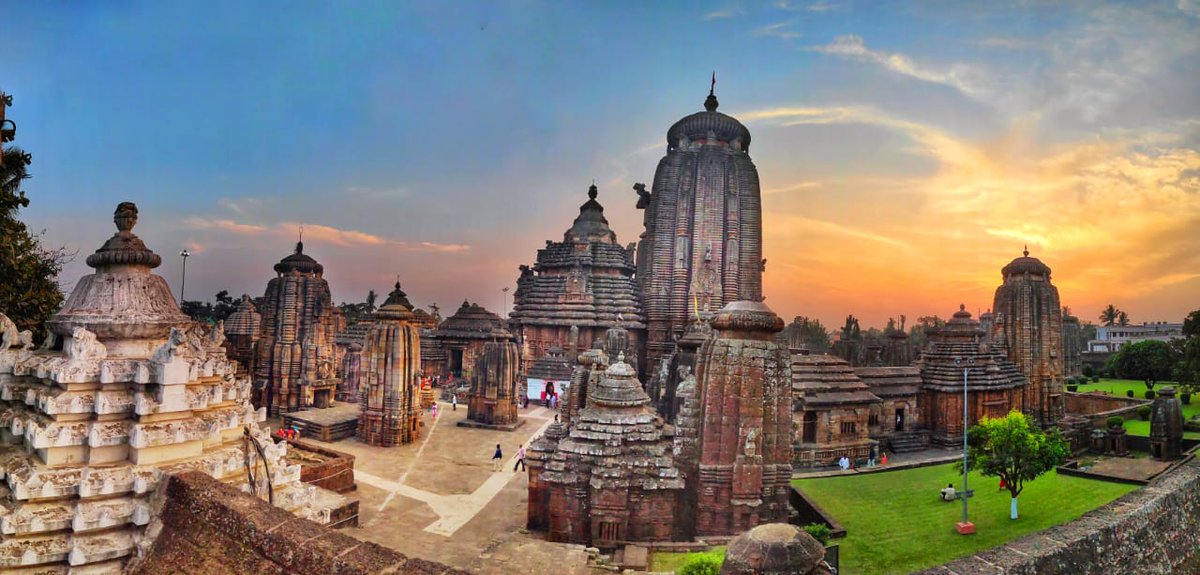
Rising majestically in the heart of Bhubaneswar, the Lingaraj Temple stands as one of India's most magnificent Hindu temples and the crowning jewel of Kalinga architecture. Dedicated to Lord Shiva as "Lingaraj"—meaning the King of Lingams—this sacred temple represents the pinnacle of Odisha's temple-building tradition and has been a center of Shaivite worship for over 1,000 years. When you approach the temple complex, the first sight of the towering spire (vimana) rising to 55 meters leaves you awestruck. The temple's name derives from "Linga" (the iconic form of Shiva) and "Ishvara" (Lord), literally meaning "The Lord of the Lingam." Unlike most Shiva temples that house a lingam, Lingaraj Temple uniquely worships Shiva as both a lingam and as Hari-Hara—a combined form of Shiva and Vishnu, reflecting the syncretic traditions of Odisha. Built by the Somavamsi dynasty king Jajati Keshari in the 11th century, the temple complex spans 250,000 square feet and is surrounded by massive fortified walls. The sanctum sanctorum houses the sacred lingam, which according to legend appeared naturally (swayambhu) and rises 8 inches above the ground. This sacred symbol has drawn millions of devotees for centuries, making it one of eastern India's most important pilgrimage sites. Whether you're a devotee seeking blessings, a history enthusiast marveling at ancient architecture, or a cultural explorer, this comprehensive guide covers everything you need to know about visiting Lingaraj Temple: timings, darshan details, history, architecture, and practical travel tips.Historical Significance
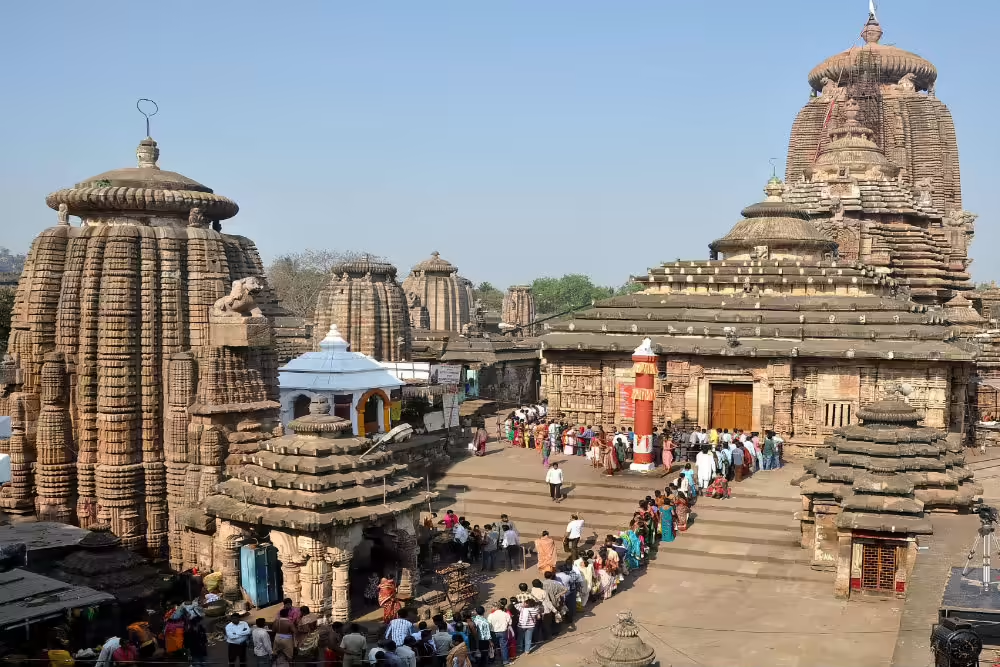 The Lingaraj Temple's history spans over a millennium, reflecting the religious and cultural evolution of Odisha.
Ancient Origins:
The temple's origins trace back to the 6th century CE when a shrine existed at this site. However, the present structure was commissioned by King Jajati Keshari of the Somavamsi dynasty around 1020-1040 CE. The king was a devoted Shaivite who dreamt of building a magnificent temple for Lord Shiva. Construction took several decades, with subsequent rulers adding to the complex.
The Legend of Swayambhu Lingam:
According to sacred texts, the lingam at Lingaraj Temple is swayambhu—self-manifested and not installed by human hands. Legend says that Lord Shiva appeared in the king's dream and revealed the location where the sacred lingam existed underground. When excavated, it was found to be naturally formed and miraculously growing. The lingam continues to rise slightly each year according to local belief.
The Unique Hari-Hara Tradition:
What makes Lingaraj Temple truly unique is its worship of Shiva in his combined form with Vishnu, known as Hari-Hara. This syncretic tradition reflects Odisha's distinctive religious philosophy where Shaivism and Vaishnavism coexist harmoniously, a theme that echoes across the wider Shakti Peeth temples of India, several of which are similarly linked to ancient dynastic patronage. The deity is worshipped here as both Shiva (Lingaraj) and Vishnu (Tribhubaneswar), explaining why devotees offer both bilva leaves (sacred to Shiva) and tulsi leaves (sacred to Vishnu).
Historical References:
The temple finds mention in ancient texts including the Brahma Purana and the Ekamra Purana, which describe Bhubaneswar as Ekamra Kshetra—the sacred land of mango trees. Chinese traveler Hiuen Tsang, who visited India in the 7th century, described Bhubaneswar's numerous Shiva temples, possibly referencing early structures at this site.
Survival Through History:
Remarkably, the temple survived the iconoclastic invasions that destroyed many temples in eastern India. Local legends say the temple was saved by divine intervention or miraculously hidden from invaders. The temple's continuous worship for over 1,000 years makes it one of India's longest-functioning temple complexes.
The Lingaraj Temple's history spans over a millennium, reflecting the religious and cultural evolution of Odisha.
Ancient Origins:
The temple's origins trace back to the 6th century CE when a shrine existed at this site. However, the present structure was commissioned by King Jajati Keshari of the Somavamsi dynasty around 1020-1040 CE. The king was a devoted Shaivite who dreamt of building a magnificent temple for Lord Shiva. Construction took several decades, with subsequent rulers adding to the complex.
The Legend of Swayambhu Lingam:
According to sacred texts, the lingam at Lingaraj Temple is swayambhu—self-manifested and not installed by human hands. Legend says that Lord Shiva appeared in the king's dream and revealed the location where the sacred lingam existed underground. When excavated, it was found to be naturally formed and miraculously growing. The lingam continues to rise slightly each year according to local belief.
The Unique Hari-Hara Tradition:
What makes Lingaraj Temple truly unique is its worship of Shiva in his combined form with Vishnu, known as Hari-Hara. This syncretic tradition reflects Odisha's distinctive religious philosophy where Shaivism and Vaishnavism coexist harmoniously, a theme that echoes across the wider Shakti Peeth temples of India, several of which are similarly linked to ancient dynastic patronage. The deity is worshipped here as both Shiva (Lingaraj) and Vishnu (Tribhubaneswar), explaining why devotees offer both bilva leaves (sacred to Shiva) and tulsi leaves (sacred to Vishnu).
Historical References:
The temple finds mention in ancient texts including the Brahma Purana and the Ekamra Purana, which describe Bhubaneswar as Ekamra Kshetra—the sacred land of mango trees. Chinese traveler Hiuen Tsang, who visited India in the 7th century, described Bhubaneswar's numerous Shiva temples, possibly referencing early structures at this site.
Survival Through History:
Remarkably, the temple survived the iconoclastic invasions that destroyed many temples in eastern India. Local legends say the temple was saved by divine intervention or miraculously hidden from invaders. The temple's continuous worship for over 1,000 years makes it one of India's longest-functioning temple complexes.
Architecture & Design
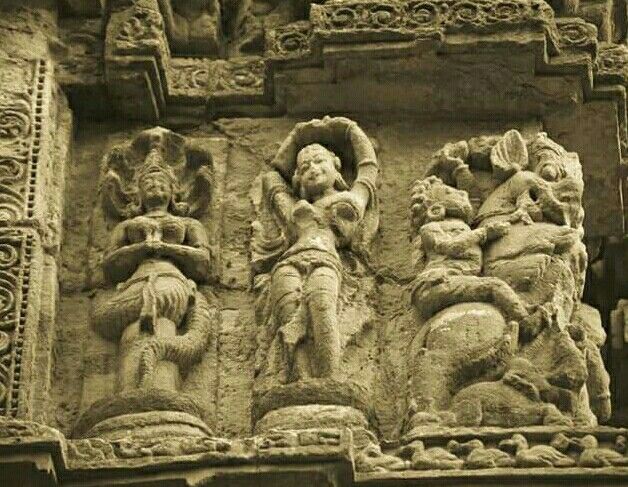 The Lingaraj Temple represents the mature phase of Kalinga temple architecture and has influenced temple construction across Odisha and beyond.
The Temple Complex Layout:
The complex consists of four main sections:
The Lingaraj Temple represents the mature phase of Kalinga temple architecture and has influenced temple construction across Odisha and beyond.
The Temple Complex Layout:
The complex consists of four main sections:
- Vimana (Main Temple): The sanctum housing the lingam, rising 55 meters high
- Jagamohana (Assembly Hall): Connected hall for devotees, 40 meters high
- Natya Mandapa (Dance Hall): Later addition for rituals and performances
- Bhoga Mandapa (Offering Hall): Where prasad offerings are prepared
- Curvilinear Design: Characteristic rekha deula style with pronounced curvature
- Horizontal Divisions: Distinct sections (pitha, bada, gandi, mastaka)
- Amalaka Finial: The distinctive ribbed disc at the pinnacle
- Kalasha: The sacred pot finial crowning the structure
- Gods and Goddesses: Parvati, Ganesha, Kartikeya, and various manifestations of Shiva
- Dancers and Musicians: Surasundaris (celestial maidens) in various poses
- Mythological Scenes: Episodes from Shiva Purana and other sacred texts
- Animals: Elephants, lions, horses, and mythical creatures
- Geometric Patterns: Intricate floral and decorative motifs
Temple Deities & Worship
The Main Deity - Lingaraj: The sanctum houses a massive swayambhu lingam approximately 8 feet in circumference. What makes it unique:- Swayambhu: Self-manifested, not installed by humans
- Hari-Hara Form: Represents both Shiva and Vishnu
- Growing Lingam: Believed to rise slightly each year
- Sacred Measurements: 8 inches above ground, rest underground
- Goddess Parvati: Worshipped as Bhuvaneshvari in a separate shrine
- Ganesha: The remover of obstacles, at the entrance
- Kartikeya: Shiva's son, the god of war
- Nandi: Shiva's sacred bull, facing the main sanctum
- Various Forms of Shiva: Including Bhairava, Nataraja, and Ardhanarishvara
- Mangala Aarti: 6:00 AM - Morning awakening ceremony
- Abhishekam: 6:30 AM - Sacred bath of the lingam
- Sandhya Aarti: 6:00 PM - Evening prayers
- Sayana Aarti: 9:00 PM - Sleeping ceremony
- Bilva Leaves: Sacred to Lord Shiva
- Tulsi Leaves: Sacred to Lord Vishnu (reflecting Hari-Hara tradition)
- Dhatura Flowers: Favorite of Shiva
- Milk & Water: For abhishekam (sacred bath)
- Sweets & Fruits: As bhog offerings
Best Time to Visit Lingaraj Temple
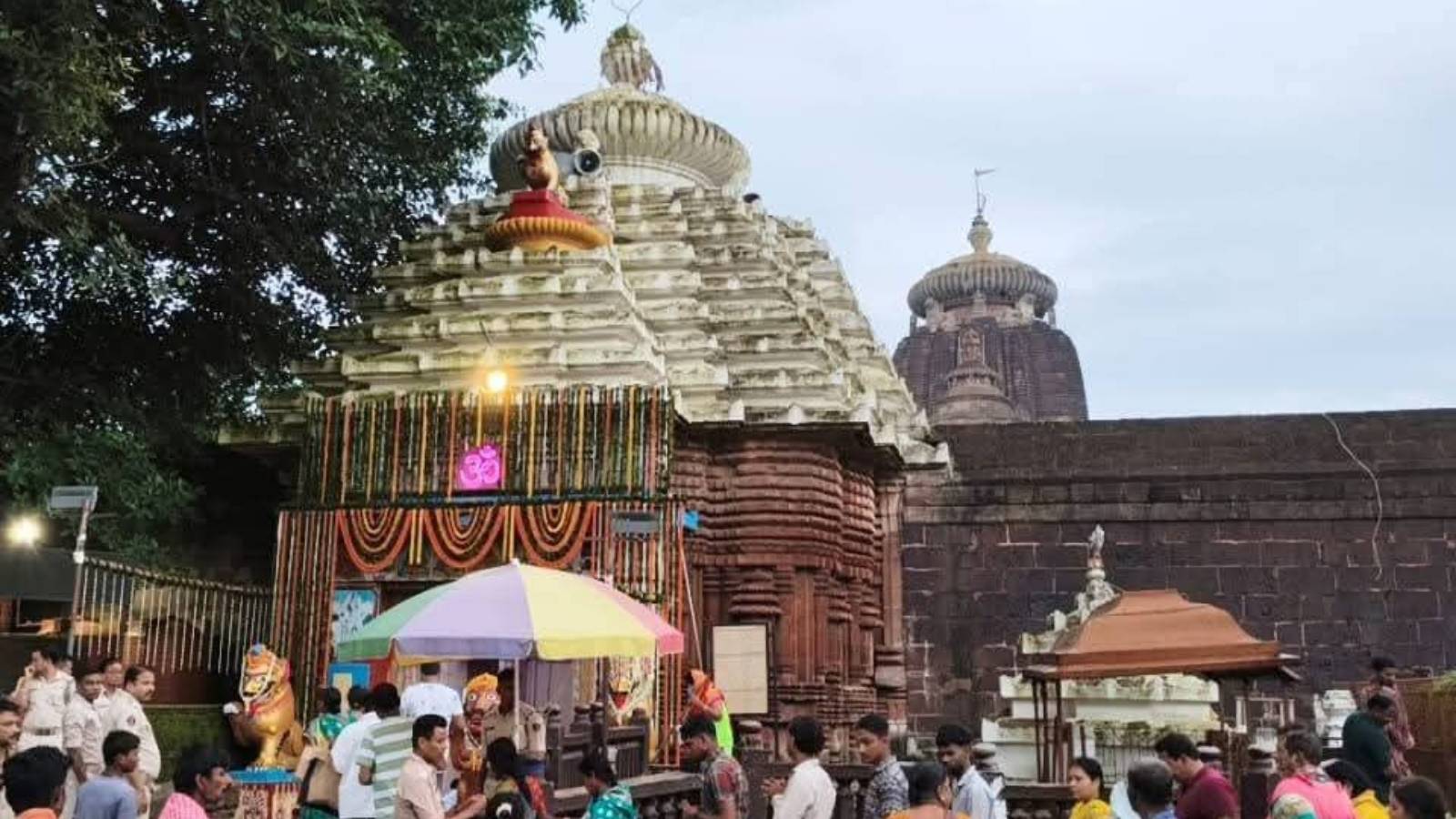 Choosing the right time enhances your spiritual experience.
Early Morning (6:00-7:00 AM) – Best for Darshan
- Atmosphere: Peaceful, meditative, spiritually charged
- Mangala Aarti: Witness the morning awakening ceremony
- Crowds: Much fewer devotees than later in the day
- Temperature: Cool and comfortable, especially in summer
- Photography: Beautiful morning light on the spire
Evening (6:00-8:00 PM) – Sandhya Aarti
- Spiritual Experience: Attend the evening prayers
- Lighting: Temple illuminated, creating divine atmosphere
- Temperature: Pleasant, especially in winter
- Rituals: Experience the evening abhishekam ceremony
Festival Seasons
- Maha Shivratri (February/March): Most important festival, huge crowds
- Shravana Month (July-August): Auspicious month for Shiva worship
- Kartika Purnima (November): Special celebrations
Seasonal Considerations:
- Winter (October-February): Best weather, pleasant temperatures
- Summer (March-June): Hot, but early mornings are comfortable
- Monsoon (July-September): Beautiful surroundings, humid weather
Timings & Darshan Details
Temple Timings:
- Morning: 6:00 AM to 1:30 PM
- Evening: 3:30 PM to 9:00 PM
- Open All Days: Open every day of the week
Aarti Schedule:
| Ceremony | Time | Significance |
|---|---|---|
| Mangala Aarti | 6:00 AM | Morning awakening |
| Abhishekam | 6:30 AM | Sacred bath of lingam |
| Sandhya Aarti | 6:00 PM | Evening prayers |
| Sayana Aarti | 9:00 PM | Sleeping ceremony |
Entry Regulations:
- Hindus Only: Only Hindus are allowed inside the main temple
- Non-Hindu Visitors: Can view from the viewing platform outside
- Dress Code: Modest clothing required
- Footwear: Must be removed before entering
- Mobile Phones: Not allowed inside the sanctum
- Photography: Not allowed inside the main temple
Special Offerings:
Devotees can perform special abhishekam (sacred bath) ceremonies:- Rudrabhishekam: ₹500-1,000 (approximate)
- Sahasralingam Abhishekam: ₹1,500-2,000
- Maha Abhishekam: ₹3,000-5,000
- Booking: Available at temple office
How to Reach Lingaraj Temple
By Air:
- Nearest Airport: Biju Patnaik International Airport, Bhubaneswar (4 km)
- From Airport: Auto-rickshaw, taxi, or app-based cabs (15-20 minutes)
- Connections: Well-connected to major Indian cities
By Train:
- Nearest Station: Bhubaneswar Railway Station (3 km)
- From Station: Auto-rickshaw or taxi (10-15 minutes)
- Major Trains: Connected to all major Indian cities
By Road:
- From Old Town: Within walking distance if staying nearby
- From New Bhubaneswar: 5-7 km by auto or taxi
- Local Transport: Auto-rickshaws, city buses, app-based cabs
- Parking: Available near the temple entrance
Local Transport in Bhubaneswar:
- Auto-Rickshaws: Most convenient, negotiate fare beforehand
- City Bus: Mo Bus service connects all parts of the city
- App-Based Cabs: Ola and Uber available
- Cycle-Rickshaws: Available for short distances
Nearby Attractions
Brahmeswara Temple: Located just 1 km away, this 11th-century temple dedicated to Shiva is another excellent example of Kalinga architecture with beautiful carvings. Rajarani Temple: Famous for its erotic sculptures and unique architecture, this 11th-century temple is 3 km from Lingaraj and known for its distinctive reddish-gold sandstone. Mukteswara Temple: Considered one of the most compact and elegant temples of Bhubaneswar, it's famous for its carved torana (arched gateway) and is just 2 km away. Kedar Gouri Temple: Dedicated to Shiva and Parvati, this ancient temple is located 500 meters from Lingaraj and has interesting local legends. Dhauli Shanti Stupa: Located 8 km from the city, this white peace pagoda marks the site of the Kalinga War and Emperor Ashoka's conversion to Buddhism. Nandankanan Zoological Park: Located 15 km from Bhubaneswar, this zoo and botanical garden is famous for its white tigers and natural enclosures.Travel Tips
- Best Time: Visit early morning (6:00 AM) for the most peaceful darshan
- Dress Modestly: Wear conservative clothing covering shoulders and knees
- Remove Footwear: Leave shoes at the designated area before entering
- Respect Rules: Follow all temple guidelines regarding photography and entry
- Hire a Priest: If performing special puja, contact temple office
- Combine Visit: Plan to visit other temples in Bhubaneswar's temple city circuit, or extend your trip into a broader look at temples across South India for architectural comparison
- Festival Times: Avoid Maha Shivratri if you dislike crowds
- Photography: Not allowed inside the main sanctum
- Offerings: Puja items available outside the temple
- Viewing Platform: Non-Hindus can view from the designated platform
Conclusion: Timeless Devotion
The Lingaraj Temple stands as a testament to India's enduring spiritual traditions and architectural brilliance. For over 1,000 years, this sacred space has drawn devotees seeking blessings, marveling at its beauty, and finding peace in its divine presence. Whether you're watching the morning sun illuminate the towering spire, participating in the sacred abhishekam ceremony, or simply absorbing the spiritual atmosphere, Lingaraj Temple offers an experience that connects you to centuries of devotion. Combine your visit with exploring Bhubaneswar's other ancient temples, or plan a trip to the nearby Sun Temple at Konark. Either way, Lingaraj Temple provides a profound spiritual journey into the heart of Odisha's rich cultural heritage.Location
Frequently Asked Questions
Q1.What are the Lingaraj Temple timings?
Lingaraj Temple in Bhubaneswar is open in two sessions throughout the day.
Daily Timings:
- Morning Session: 6:00 AM to 1:30 PM
- Evening Session: 3:30 PM to 9:00 PM
- Open All Days: Open every day of the week
Aarti Schedule:
- Mangala Aarti: 6:00 AM (morning awakening)
- Sandhya Aarti: 6:00 PM (evening prayers)
- Sayana Aarti: 9:00 PM (sleeping ceremony)
The temple closes for a few hours in the afternoon for rituals and maintenance.
Q2.Can non-Hindus visit Lingaraj Temple?
Non-Hindus are not allowed inside the main sanctum of Lingaraj Temple, but can view it from outside.
Rules:
- Only Hindus are permitted inside the main temple complex
- Non-Hindu visitors can view the temple from a designated viewing platform
- The platform offers good views of the temple architecture
- No entry fee for viewing from the platform
Historical Context:
This restriction is common in major Hindu temples and is based on traditional religious practices. The viewing platform allows non-Hindus to appreciate the temple's magnificent architecture without violating religious customs.
Visitors should respect these rules as part of experiencing Hindu religious traditions.
Q3.Is photography allowed inside Lingaraj Temple?
Photography is not allowed inside the main sanctum of Lingaraj Temple.
Photography Rules:
- Inside Main Temple: NOT permitted
- Temple Complex Exterior: Allowed (with restrictions)
- Viewing Platform: Photography allowed
- Mobile Phones: Must be switched off inside the temple
Guidelines:
- Respect the religious nature of the site
- Don't photograph devotees during worship
- Ask permission before photographing priests
- Commercial photography requires special permission
Alternative:
Beautiful photos can be taken from the viewing platform outside and from the temple complex exterior. The towering spire is especially photogenic during sunrise and sunset.
Q4.What is the best time to visit Lingaraj Temple?
The best time to visit Lingaraj Temple is early morning, ideally by 6:00 AM.
Why Early Morning:
- Witness the Mangala Aarti (morning ceremony)
- Fewer crowds for peaceful darshan
- Cool and comfortable temperature
- Beautiful morning light on the temple
Other Good Times:
- Evening (6:00 PM): For Sandhya Aarti experience
- Winter Season: Pleasant weather (October-February)
Times to Avoid:
- Maha Shivratri: Extremely crowded
Arriving early allows you to experience the temple's spiritual atmosphere at its most serene.
Q5.How old is Lingaraj Temple in Bhubaneswar?
Lingaraj Temple is approximately 1,000 years old, built in the 11th century CE.
Historical Timeline:
- Original Shrine: 6th century CE (smaller structure)
- Present Temple: Built around 1020-1040 CE
- Built By: King Jajati Keshari of Somavamsi dynasty
- Construction Period: Approximately 20 years
Continuous Worship:
The temple has maintained continuous worship for over 1,000 years, making it one of India's longest-functioning temple complexes.
Historical Significance:
The temple represents the mature phase of Kalinga architecture and influenced temple construction across Odisha, including the famous Jagannath Temple in Puri and the Sun Temple at Konark.
Q6.What is the dress code for Lingaraj Temple?
Lingaraj Temple requires modest, conservative clothing as per Hindu temple traditions.
For Men:
- Wear full pants or dhoti
- Shirts or t-shirts with sleeves
- Avoid shorts, vests, or sleeveless tops
- Remove footwear before entering
For Women:
- Wear sarees, salwar kameez, or long skirts
- Tops should cover shoulders
- Avoid short skirts, tight clothing, or revealing outfits
- Carry a dupatta or shawl
General Rules:
- Footwear must be left outside the temple
- Leather items (belts, wallets) generally not permitted
- Dress respectfully to maintain the temple's sacred atmosphere
Modest dress shows respect for the religious customs and helps you blend in with local devotees.
Q7.What is special about Lingaraj Temple?
Lingaraj Temple is special for several unique reasons that make it one of India's most remarkable temples.
Unique Features:
Hari-Hara Worship:
The temple worships Shiva as both Shiva and Vishnu (Hari-Hara), a unique tradition offering both bilva and tulsi leaves.Swayambhu Lingam:
The sacred lingam is self-manifested (not installed by humans) and believed to be slightly growing each year.Architectural Excellence:
At 55 meters, it's one of Odisha's tallest temples and represents the pinnacle of Kalinga architecture.150 Mini Shrines:
The complex contains 150 smaller shrines dedicated to various deities.1000+ Years Old:
Continuous worship for over a millennium makes it one of India's oldest functioning temple complexes.Temple City Status:
Lingaraj gives Bhubaneswar its nickname as the "Temple City of India" with its hundreds of ancient temples.Q8.How to reach Lingaraj Temple from Bhubaneswar Railway Station?
Lingaraj Temple is located just 3 km from Bhubaneswar Railway Station and is easily accessible.
Travel Options:
- Auto-Rickshaw: 10-15 minutes, ₹50-80
- App-Based Cabs (Ola/Uber): 10 minutes, ₹80-120
- City Bus: Mo Bus service available, ₹10-20
- Cycle-Rickshaw: 20-25 minutes, ₹30-50
Route:
The temple is located in the Old Town area of Bhubaneswar. Most auto-rickshaw drivers know it simply as "Lingaraj Temple" or "Lingaraj Mandir."Recommended:
Use auto-rickshaws or app-based cabs for the most convenient travel. The journey takes you through the heart of Bhubaneswar's old city.Traffic:
Mornings (6-8 AM) have less traffic and are the best time to travel.Recommended For You
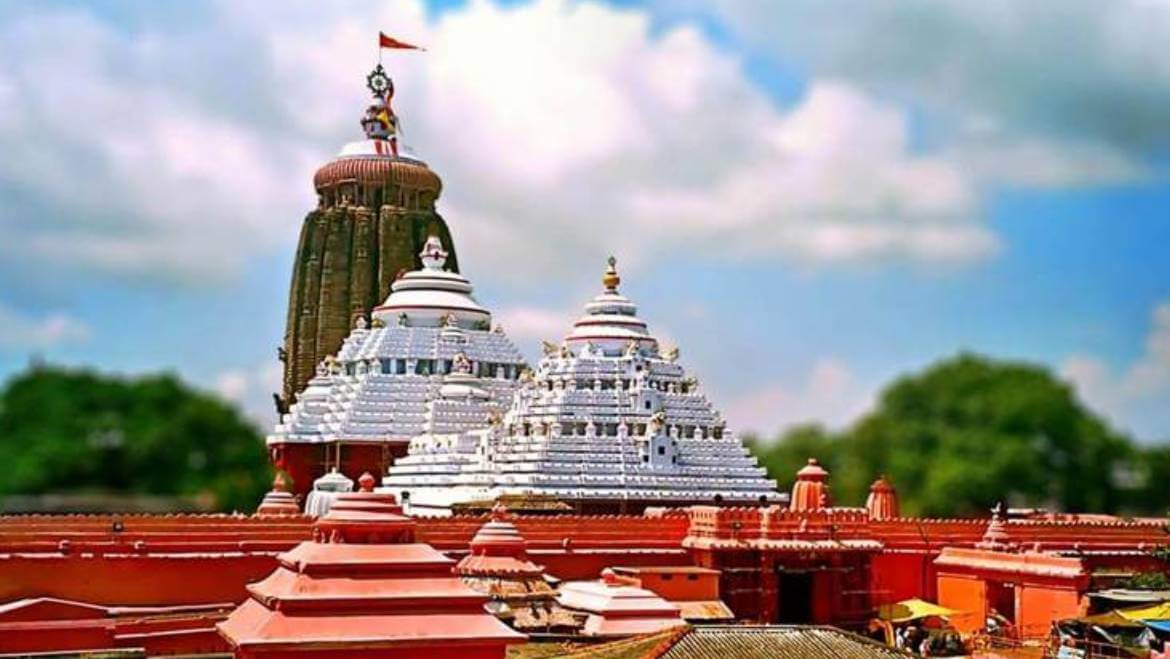
Places to Visit in Odisha: Temples, Beaches & Nature
Explore the best places to visit in Odisha. From the sacred Jagannath Temple in Puri to the Konark Sun Temple, Chilika Lake's dolphins, Bhitarkanika's crocodiles, and pristine beaches. Discover India's best-kept secret.
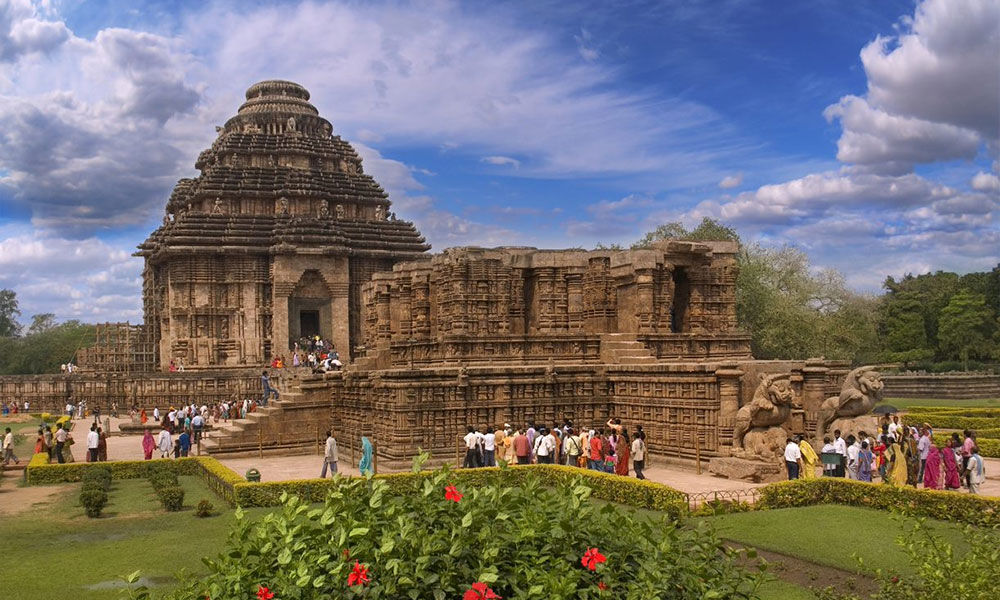
Konark Sun Temple Odisha: History, Timings & Visitor Tips
Visit Konark Sun Temple in Odisha - UNESCO World Heritage Site shaped like a chariot. Complete guide with timings, tickets, history & architecture.
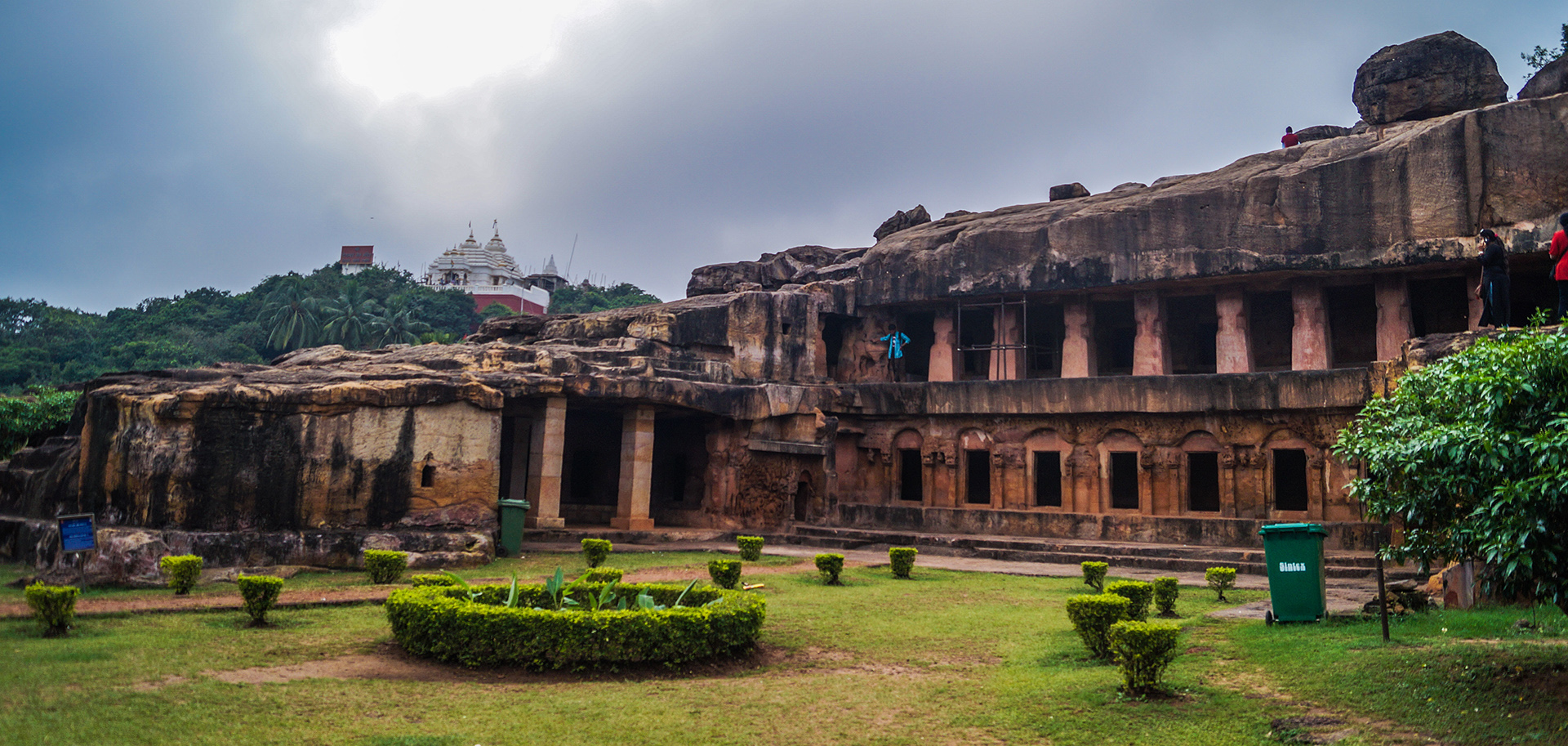
Udayagiri-Khandagiri Caves: Timings, Tickets & Cave Highlights
Visit Udayagiri Khandagiri Caves in Bhubaneswar - 2200-year-old Jain rock-cut caves. Complete guide with timings, tickets, history & architecture.
Never Miss an Adventure
Get the latest trekking guides, travel tips, and exclusive offers delivered straight to your inbox.
