
Udayagiri-Khandagiri Caves: Timings, Tickets & Cave Highlights

Priya Mehta
February 19, 2026
Visit Udayagiri Khandagiri Caves in Bhubaneswar - 2200-year-old Jain rock-cut caves. Complete guide with timings, tickets, history & architecture.
Introduction: Ancient Rock-Cut Marvels
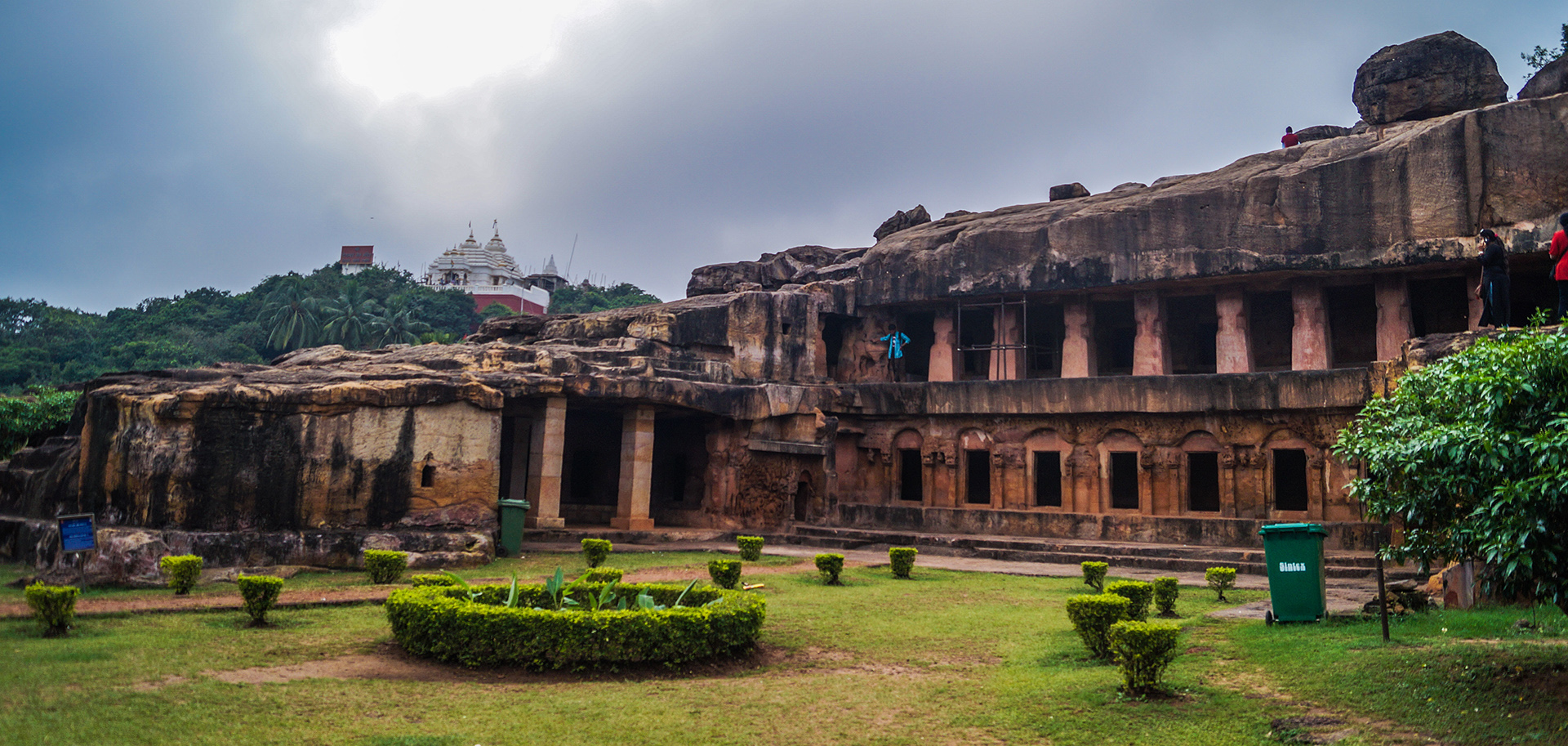
Rising dramatically from the surrounding plains of Bhubaneswar, the Udayagiri and Khandagiri caves represent some of India's most impressive ancient rock-cut architecture and offer a fascinating glimpse into Odisha's rich Jain heritage. These twin hills house 33 meticulously carved caves dating back to the 2nd century BCE, creating an archaeological treasure that has captivated historians, archaeologists, and curious travelers for centuries. When you first approach these caves, the sheer scale of the excavation leaves you amazed. Imagine ancient Jain monks with simple tools carving these elaborate chambers out of solid sandstone cliffs over 2,200 years ago. The name "Udayagiri" means "Sunrise Hill" and "Khandagiri" means "Broken Hill"—apt descriptions for these two majestic formations that face each other across the road, connected by centuries of shared history. Commissioned by the great Jain King Kharavela of the Chedi dynasty during his reign from 168 BCE to 153 BCE, these caves served as residential blocks for Jain monks and ascetics who spent their lives in meditation, prayer, and scholarly pursuits. What makes these caves truly remarkable is that they're not natural caves but entirely man-made, carved with remarkable precision and artistry into the hillside. Whether you're a history buff exploring ancient India, a photography enthusiast capturing the intricate carvings, or simply a traveler seeking unique experiences, this comprehensive guide covers everything you need to know about visiting Udayagiri Khandagiri: history, architecture, timings, tickets, and practical travel tips.Historical Significance
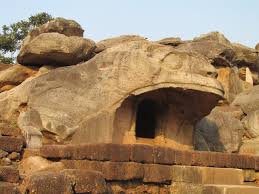 The Udayagiri Khandagiri caves offer invaluable insights into ancient Indian history, Jainism, and the golden age of Kalinga.
King Kharavela: The Patron:
These caves were commissioned by King Kharavela, one of ancient India's most celebrated rulers. The Chedi dynasty king is known for his military conquests, patronage of Jainism, and construction marvels. The famous Hathigumpha inscription in Udayagiri Cave 14 provides detailed accounts of his reign, including his victorious campaigns against foreign invaders and his devotion to Jainism.
Jain Heritage:
The caves represent the flourishing state of Jainism in ancient Odisha (then called Kalinga). After the great Kalinga War in 261 BCE, when Emperor Ashoka converted to Buddhism, Jainism found strong patronage in Kalinga under Kharavela. The caves served as residential complexes for Jain monks ( munis) who practiced severe austerities and meditation.
Ancient Engineering Marvel:
Carved entirely by hand using simple iron tools, these caves demonstrate remarkable engineering skills. The artisans had to understand rock structure, ventilation, natural light management, and drainage—all while creating beautiful art. The precision of the carvings and the sophistication of the architecture are truly astounding for the period.
The Hathigumpha Inscription:
One of India's most important historical documents, this 17-line inscription in Brahmi script is carved in Udayagiri's Cave 14 (Hathigumpha). It details King Kharavela's reign, his conquests, his construction projects, and his devotion to Jainism. This inscription has been invaluable for historians studying ancient India.
Rediscovery and Preservation:
After centuries of relative obscurity, the caves were brought to scholarly attention during British colonial rule. Today, they're protected monuments under the Archaeological Survey of India (ASI) and continue to be studied for their historical and architectural significance.
The Udayagiri Khandagiri caves offer invaluable insights into ancient Indian history, Jainism, and the golden age of Kalinga.
King Kharavela: The Patron:
These caves were commissioned by King Kharavela, one of ancient India's most celebrated rulers. The Chedi dynasty king is known for his military conquests, patronage of Jainism, and construction marvels. The famous Hathigumpha inscription in Udayagiri Cave 14 provides detailed accounts of his reign, including his victorious campaigns against foreign invaders and his devotion to Jainism.
Jain Heritage:
The caves represent the flourishing state of Jainism in ancient Odisha (then called Kalinga). After the great Kalinga War in 261 BCE, when Emperor Ashoka converted to Buddhism, Jainism found strong patronage in Kalinga under Kharavela. The caves served as residential complexes for Jain monks ( munis) who practiced severe austerities and meditation.
Ancient Engineering Marvel:
Carved entirely by hand using simple iron tools, these caves demonstrate remarkable engineering skills. The artisans had to understand rock structure, ventilation, natural light management, and drainage—all while creating beautiful art. The precision of the carvings and the sophistication of the architecture are truly astounding for the period.
The Hathigumpha Inscription:
One of India's most important historical documents, this 17-line inscription in Brahmi script is carved in Udayagiri's Cave 14 (Hathigumpha). It details King Kharavela's reign, his conquests, his construction projects, and his devotion to Jainism. This inscription has been invaluable for historians studying ancient India.
Rediscovery and Preservation:
After centuries of relative obscurity, the caves were brought to scholarly attention during British colonial rule. Today, they're protected monuments under the Archaeological Survey of India (ASI) and continue to be studied for their historical and architectural significance.
Architecture & Layout
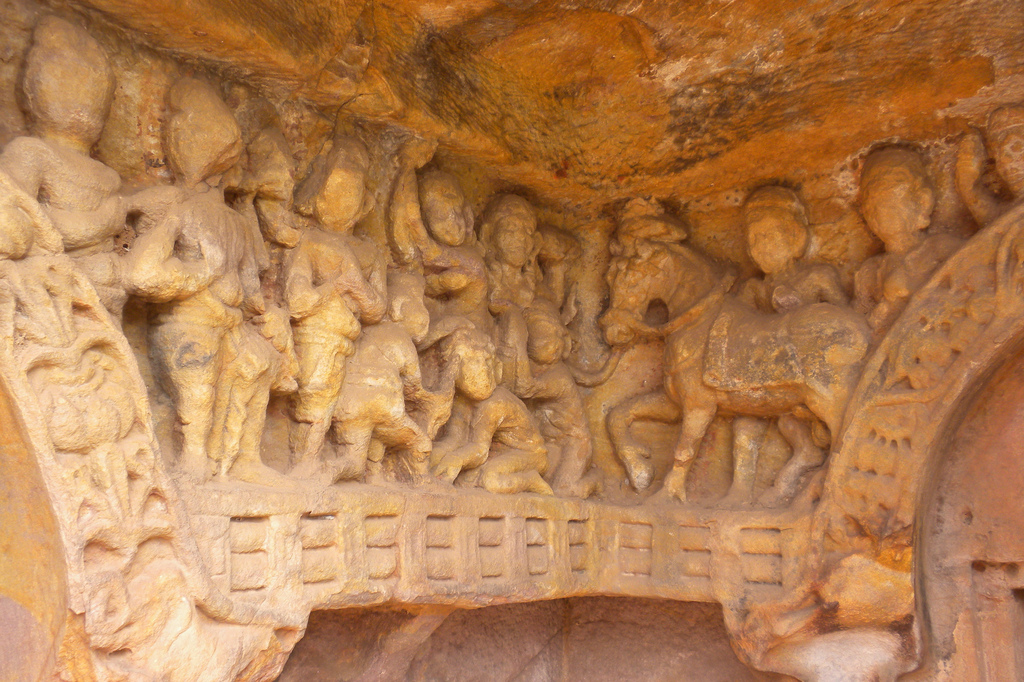 The cave complexes represent the earliest examples of rock-cut architecture in eastern India and showcase sophisticated planning and artistry.
Udayagiri Caves (Sunrise Hill):
Udayagiri has 18 caves, generally larger and more ornate:
The cave complexes represent the earliest examples of rock-cut architecture in eastern India and showcase sophisticated planning and artistry.
Udayagiri Caves (Sunrise Hill):
Udayagiri has 18 caves, generally larger and more ornate:
- Cave 1 (Rani Gumpha): The largest and most elaborate, two-story with beautiful sculptures
- Cave 2 (Chota Hathi Gumpha): Features elephant carvings
- Cave 3 (Alakapuri Gumpha): Named after the mythological city
- Cave 4 (Jaya Vijaya Gumpha): Twin-chambered cave
- Cave 5 (Panasa Gumpha): Named after its breadfruit-shaped design
- Cave 14 (Hathigumpha): Famous for the Hathigumpha inscription
- Cave 1 (Tatowa Gumpha): Features guardians carved at entrance
- Cave 2 (Tatowa Gumpha): Similar guardians with different designs
- Cave 3 (Ananta Gumpha): Named after serpent carvings
- Cave 7 (Navamuni Gumpha): Contains sculptures of nine Jain Tirthankaras
- Cave 8 (Barabhuji Gumpha): Features twelve armed Jain sculptures
- Courtyards: Many caves have open courtyards for gatherings
- Verandahs: Covered verandahs with stone benches
- Living Cells: Small rectangular rooms for monks to sleep and meditate
- Rainwater Harvesting: Sophisticated drainage systems and water storage
- Ventilation: Clever design for natural light and air circulation
- Jain Tirthankaras: Depictions of Jain spiritual teachers
- Mythological Scenes: Stories from Jain tradition
- Guardian Figures: Protective deities at entrances
- Animals: Elephants, lions, and mythical creatures
- Geometric Patterns: Intricate decorative motifs
- Dancing Figures: Celestial dancers and musicians
Major Caves to Explore
Rani Gumpha (Queen's Cave) - Udayagiri Cave 1
The largest and most spectacular cave in the complex:- Structure: Two-story with multiple wings and chambers
- Carvings: Exquisite sculptures of dancing girls, royal processions, and hunting scenes
- Function: Likely used for communal gatherings and meditation
- Must-See: The beautiful torana (arched gateway) and carved pillars
Hathigumpha (Elephant Cave) - Udayagiri Cave 14
Historically the most significant cave:- Famous Inscription: Hathigumpha inscription of King Kharavela
- Elephant Carvings: Elephant figures near the entrance
- Historical Value: Primary source of ancient Kalinga history
- Script: Brahmi script with Prakrit language
Ganesha Gumpha - Udayagiri Cave 10
A cave showing religious syncretism:- Deity: Later carved with Lord Ganesha image
- Significance: Shows how caves were used by different faiths over time
- Carvings: Jain figures alongside later Hindu additions
Tatowa Gumpha - Khandagiri Cave 1
Named for its guardian figures:- Guardians: Two elaborately dressed guards at entrance
- Carvings: Detailed archer and warrior figures
- Atmosphere: Mysterious and imposing entrance
Navamuni Gumpha - Khandagiri Cave 7
Spiritually significant cave:- Carvings: Sculptures of nine Jain Tirthankaras
- Inscriptions: Names and details of the Tirthankaras
- Function: Used for meditation and religious ceremonies
Best Time to Visit Udayagiri Khandagiri
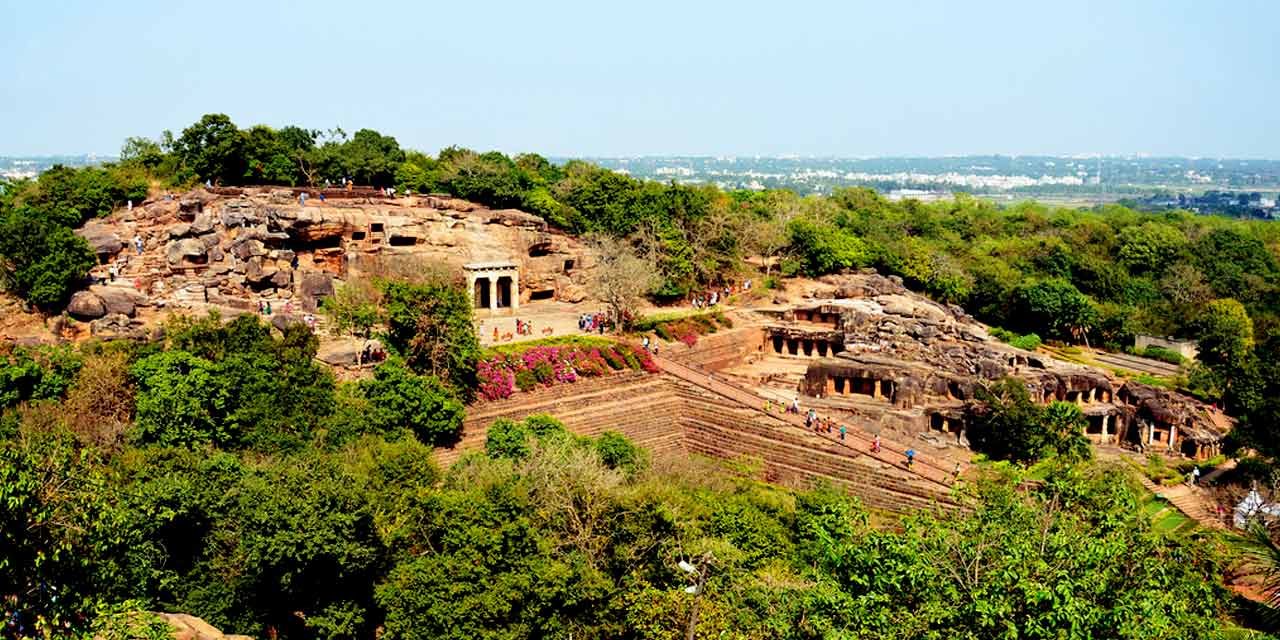 Choosing the right time enhances your exploration experience.
Early Morning (7:00-9:00 AM) – Best Overall
- Temperature: Cool and comfortable for climbing
- Lighting: Soft morning light for photography
- Crowds: Fewer visitors for peaceful exploration
- Experience: Best time to appreciate the caves' serenity
Late Afternoon (3:00-5:00 PM) – Golden Hour
- Lighting: Beautiful golden light on the rock surfaces
- Temperature: Pleasant after the midday heat
- Photography: Excellent for silhouette shots
- Views: Sunset views from the hilltop
Seasonal Considerations:
- Winter (October-February): Best weather, pleasant temperatures (15-25°C). Ideal for extensive exploration.
- Summer (March-June): Hot and humid (25-40°C). Visit early morning to avoid heat.
- Monsoon (July-September): Lush green surroundings, but slippery rocks and humidity can be challenging.
Timings & Tickets
Opening Timings:
- All Days: 9:00 AM to 6:00 PM
- Open: Open every day of the week
- Best Time: Early morning or late afternoon
Ticket Prices:
| Category | Udayagiri | Khandagiri |
|---|---|---|
| Indian Citizens | ₹25 | ₹25 |
| Foreigners | ₹300 | ₹300 |
| Children (below 15) | Free | Free |
Additional Information:
- Separate Tickets: Need to purchase separate tickets for each hill
- Payment: Cash and digital payments accepted
- Guides: ASI-approved guides available for ₹200-500
- Facilities: Drinking water and small shops available
How to Reach Udayagiri Khandagiri
By Air:
- Nearest Airport: Biju Patnaik International Airport, Bhubaneswar (8 km)
- From Airport: Taxi or auto-rickshaw (20-30 minutes)
- Connections: Well-connected to major Indian cities
By Train:
- Nearest Station: Bhubaneswar Railway Station (7 km)
- From Station: Taxi, auto-rickshaw, or bus (20-25 minutes)
- Major Trains: Connected to all major Indian cities
By Road:
- From Bhubaneswar City Center: 7-8 km via NH-16
- Travel Time: 20-30 minutes by road
- Bus Services: City buses and auto-rickshaws available
- Private Transport: Taxis and hired cars easily accessible
Local Transport:
- Auto-Rickshaws: Most convenient, ₹100-150 from city center
- City Buses: Mo Bus service to Udayagiri/Khandagiri
- App-Based Cabs: Ola and Uber available
- Private Vehicle: Parking available at both sites
Nearby Attractions
Lingaraj Temple: Located just 5 km away, this magnificent 11th-century Shiva temple is a must-visit for its stunning Kalinga architecture and spiritual atmosphere. Kedar Gouri Temple: An ancient temple dedicated to Shiva and Parvati, located near Lingaraj Temple with interesting local legends. Dhauli Shanti Stupa: Located 8 km from Bhubaneswar, this white peace pagoda marks the site of Emperor Ashoka's transformation after the Kalinga War. Nandankanan Zoological Park: Famous for its white tigers and natural enclosures, this zoological park is 15 km from the caves and perfect for nature lovers. Mukteswara Temple: One of Bhubaneswar's most elegant temples, known for its carved torana and beautiful sculptures, located 4 km from the caves. Regional Museum of Natural History: Located nearby, offering insights into Odisha's rich biodiversity and natural heritage. Konark Sun Temple: About 65 km away, the 13th-century Konark Sun Temple is one of India's most celebrated architectural achievements and pairs well with a Bhubaneswar heritage circuit if you have an extra day. Chilika Lake: If you want a change of pace after the caves, Chilika Lake, Asia's largest brackish water lagoon, is a popular day trip from Bhubaneswar known for its migratory birds and Irrawaddy dolphins.Travel Tips
- Best Time: Visit early morning (7:00 AM) for the most pleasant experience
- Hire a Guide: Learn about the history and significance of carvings
- Wear Comfortable Shoes: You'll climb stairs and walk on uneven surfaces
- Carry Water: Especially important in summer months
- Sun Protection: Use sunscreen, hat, and sunglasses
- Photography: Allowed and encouraged—capture the intricate carvings
- Both Hills: Plan to visit both Udayagiri and Khandagiri (separate tickets)
- Time Needed: Allocate 3-4 hours to explore both complexes
- Physical Fitness: Moderate level of fitness required for climbing
- Combine Visit: Plan with Bhubaneswar's other temples for a full heritage tour
Conclusion: Journey into Ancient India
The Udayagiri Khandagiri caves offer more than just rock-cut architecture—they provide a window into ancient India's religious, cultural, and artistic achievements. Standing in these 2,200-year-old chambers, carved by hand using simple tools, you can't help but feel connected to the Jain monks who once meditated here and the artisans who created this masterpiece. Whether you're deciphering the ancient Hathigumpha inscription, marveling at the Rani Gumpha's elaborate carvings, or simply enjoying the panoramic views from the hilltop, these caves deliver an experience that's both educational and inspiring. Combine your visit with exploring Bhubaneswar's magnificent temples, or head to the nearby Nandankanan Zoo for wildlife experiences. Either way, Udayagiri Khandagiri Caves offer a fascinating journey into Odisha's ancient past.Location
Frequently Asked Questions
Q1.What are the Udayagiri Khandagiri caves timings?
Udayagiri Khandagiri caves are open throughout the week with consistent timings.
Daily Timings:
- Opening Time: 9:00 AM
- Closing Time: 6:00 PM
- Open All Days: Open every day of the week, including weekends and holidays
Best Time to Visit:
- Early Morning: 7:00-9:00 AM (coolest, fewer crowds)
- Late Afternoon: 3:00-5:00 PM (pleasant, good lighting)
Time Required:
Plan for 3-4 hours to explore both Udayagiri and Khandagiri hills thoroughly.
The caves are closed on national holidays occasionally, so check before planning your visit.
Q2.What is the ticket price for Udayagiri Khandagiri caves?
Udayagiri Khandagiri caves have separate ticket prices for each hill.
Entry Tickets:
- Udayagiri Caves: ₹25 (Indians), ₹300 (Foreigners)
- Khandagiri Caves: ₹25 (Indians), ₹300 (Foreigners)
- Children below 15 years: FREE
Payment Options:
- Cash accepted at ticket counters
- Digital payments (UPI, cards) available
Additional Costs:
- Photography: FREE (still cameras and mobile phones)
- Guide Services: ₹200-500 for ASI-approved guides
- Parking: Nominal fee for vehicles
You need to purchase separate tickets for Udayagiri and Khandagiri as they're separate sites.
Q3.Who built the Udayagiri Khandagiri caves?
The Udayagiri Khandagiri caves were commissioned by King Kharavela of the Chedi dynasty in the 2nd century BCE.
Historical Context:
- Builder: King Kharavela of Kalinga (ancient Odisha)
- Period: 168 BCE to 153 BCE (during Kharavela's reign)
- Purpose: Residential complexes for Jain monks and ascetics
Why Were They Built:
Kharavela was a devout Jain who wanted to provide shelter for Jain monks practicing meditation and austerities. The caves served as living quarters, meditation halls, and community spaces for the Jain monastic community.
Historical Evidence:
The famous Hathigumpha inscription in Cave 14 of Udayagiri provides detailed accounts of Kharavela's reign and his construction activities.
Engineering Marvel:
Carved entirely by hand using simple iron tools, these caves demonstrate remarkable engineering and artistic skills from over 2,200 years ago.
Q4.How old are the Udayagiri Khandagiri caves?
The Udayagiri Khandagiri caves are approximately 2,200 years old, dating back to the 2nd century BCE.
Historical Timeline:
- Construction Period: Around 168-153 BCE
- Current Age: Approximately 2,200 years old
- Dynasty: Chedi dynasty under King Kharavela
Historical Significance:
These caves represent some of the earliest examples of rock-cut architecture in eastern India and are among the oldest Jain heritage sites in the country.
Continuous History:
The caves have been used continuously or intermittently for religious purposes since their construction. Various inscriptions and carvings from different periods show that they remained important religious sites for centuries.
Archaeological Importance:
Their age and historical significance make them invaluable for understanding ancient Indian history, Jainism, and rock-cut architecture development in India.
Q5.What is the best time to visit Udayagiri Khandagiri caves?
The best time to visit Udayagiri Khandagiri caves is during winter (October to February), with early morning visits being ideal.
Best Time of Day:
- Early Morning (7:00-9:00 AM): Coolest, fewest crowds, best lighting
- Late Afternoon (3:00-5:00 PM): Pleasant temperature, golden hour photography
Best Season:
- Winter (October-February): Pleasant weather (15-25°C), ideal for climbing and exploration
Times to Avoid:
- Midday Summers (11 AM-3 PM): Too hot (35-40°C), exhausting for climbing
- Monsoon Afternoons: Humid and slippery surfaces
Photography:
Early morning offers the best light for photography, with soft, diffused light illuminating the cave entrances and carvings.
Plan to spend 3-4 hours exploring both Udayagiri and Khandagiri hills.
Q6.How to reach Udayagiri Khandagiri caves from Bhubaneswar?
Udayagiri Khandagiri caves are located 7-8 km from Bhubaneswar city center and are easily accessible.
Travel Options:
- Auto-Rickshaw: 20-30 minutes, ₹100-150
- Taxi/Cab: 20 minutes, ₹300-400
- App-Based Cabs (Ola/Uber): Available, ₹200-300
- City Bus: Mo Bus service available, ₹20-30
From Railway Station:
>Bhubaneswar Railway Station is 7 km away. Auto-rickshaws and taxis are readily available outside the station.From Airport:
>Biju Patnaik International Airport is 8 km away. Pre-paid taxis and app-based cabs are available.Self-Driving:
>Parking is available at both Udayagiri and Khandagiri sites.The route is well-marked and most drivers know these popular tourist destinations.
Q7.What is the difference between Udayagiri and Khandagiri caves?
Udayagiri and Khandagiri are two separate hill complexes with distinct characteristics and require separate tickets.
Udayagiri (Sunrise Hill):
- Number of Caves: 18 caves
- Features: Generally larger and more ornate
- Famous Cave: Rani Gumpha (largest cave), Hathigumpha (famous inscription)
- Significance: Contains the Hathigumpha inscription of King Kharavela
- Name Meaning: "Sunrise Hill"
Khandagiri (Broken Hill):
- Number of Caves: 15 caves
- Features: Generally simpler but has unique caves
- Famous Cave: Tatowa Gumpha (guardian figures), Navamuni Gumpha (Tirthankaras)
- Significance: Important Jain sculptures and inscriptions
- Name Meaning: "Broken Hill"
Practical Difference:
The two hills face each other across the road, and you need to purchase separate tickets for each. Both can be visited in 3-4 hours.
Q8.Is photography allowed inside Udayagiri Khandagiri caves?
Yes, photography is allowed inside Udayagiri Khandagiri caves without any additional charges.
Photography Guidelines:
- Still Photography: Allowed everywhere in the complex
- Mobile Photography: Permitted
- Video Recording: Allowed (no extra charge)
- No Flash Photography: Avoid using flash inside dark caves
Best Photography Spots:
- Rani Gumpha: Intricate carvings and sculptures
- Hathigumpha: Ancient inscription and elephant carvings
- Hilltop Views: Panoramic views of surrounding landscape
- Guardian Figures: Detailed warrior sculptures at entrances
Equipment:
Regular cameras and mobile phones are sufficient. Tripods are allowed but be mindful of other visitors.
The excellent carvings and architecture make these caves very photogenic, especially during early morning light.
Recommended For You
Places to Visit in Odisha: Temples, Beaches & Nature
Explore the best places to visit in Odisha. From the sacred Jagannath Temple in Puri to the Konark Sun Temple, Chilika Lake's dolphins, Bhitarkanika's crocodiles, and pristine beaches. Discover India's best-kept secret.
Konark Sun Temple Odisha: History, Timings & Visitor Tips
Visit Konark Sun Temple in Odisha - UNESCO World Heritage Site shaped like a chariot. Complete guide with timings, tickets, history & architecture.
Lingaraj Temple Bhubaneswar: Darshan Timings, Rituals & Entry Details
Visit Lingaraj Temple in Bhubaneswar - 1000-year-old Shiva temple & Kalinga architecture masterpiece. Complete guide with timings, darshan & history.
Never Miss an Adventure
Get the latest trekking guides, travel tips, and exclusive offers delivered straight to your inbox.
